Auntie, Sister. Grandmother, Great-Grandmother,
Mother and Wife of German Descent
I've lived in Australia since 1959 together with my husband Peter. We have four children, eight grandchildren and two great-grandchildren. I started blogging because I wanted to publish some of my childhood memories. I am blogging now also some of my other memories. I like to publish some photos too as well as a little bit of a diary from the present time. Occasionally I publish a story with a bit of fiction in it. Peter, my husband, is publishing some of his stories under berlioz1935.wordpress.com
The thesis is that lockdowns did not protect the vulnerable, but rather harmed the vulnerable and shifted the morbidity and mortality burden to the underprivileged. Devastatingly so! We instead locked down the ‘well’ and healthy in society, which is unscientific and nonsensical, while at the same time failing to properly protect the actual group that lockdowns were proposed to protect, the vulnerable and elderly.
We actually did the opposite. We shifted the burden to the poor and caused catastrophic consequences for them. They were in the worst economic situation to afford the lockdowns and estimates are that it will be decades for them to recover from what we did. Wealth disparities placed those who were more vulnerable economically in a very difficult position in terms of sheltering from the pandemic. It was devastating for them for they…
Under the category ‘Diary’ you can find a lot of my diary blogs.
On the 26th of May 2021 I wrote the following in my diary:
First thing as always in the morning I had my AMLODIPINE APOTEX 10 mg tablet with a glass of water. I also had 1000 mg of Vitamin C! Then I made myself a large cup of instant coffee with quite a lot of reduced fat milk. In the grill section of the oven I heated some buns. I like to eat these with butter and some marmalade. Later on I am also going to eat a banana and a kiwi fruit as well as some avocado.
I am now on some different blood pressure tablets.
Brand name
APO-Telmisartan
This is mentioned in the leaflet about these tablets:
‘
Telmisartan belongs to a group of medicines called angiotensin II receptor antagonists. Angiotensin II is a substance in the body which causes blood vessels to narrow, thus increasing blood pressure.
Telmisartan works by blocking the effect of angiotensin II. When the effect of angiotensin II is blocked, the blood vessels relax and your blood pressure goes down.
Telmisartan may be used either alone or in combination with other medicines used to treat high blood pressure.
Ask your doctor if you have any questions about why this medicine has been prescribed for you. Your doctor may have prescribed it for another reason.
This medicine is available only with a doctor’s prescription.
There is no evidence that this medicine is addictive.
There is not enough information to recommend the use of this medicine for children under the age of 18 years.
Before you take this medicine
When you must not take it
Do not take this medicine if you have an allergy to:
any medicine containing telmisartan
any of the ingredients listed at the end of this leaflet
Some of the symptoms of an allergic reaction may include:
shortness of breath
wheezing or difficulty breathing
swelling of the face, lips, tongue or other parts of the body
rash, itching or hives on the skin
Do not take this medicine if you have or have had any of the following medical conditions:
severe liver disease (severe hepatic impairment)
biliary obstructive disorders (problems with the flow of bile from the gall bladder)
diabetes or kidney problems and you are taking aliskiren (a medicine used to treat high blood pressure)
Do not take this medicine if you are pregnant or are planning to become pregnant. Telmisartan may affect your developing baby if you take it during pregnancy.
Do not take this medicine if you are breastfeeding or are planning to breastfeed. Telmisartan may pass into human breast milk.
Do not take this medicine after the expiry date printed on the pack or if the packaging is torn or shows signs of tampering. If it has expired or is damaged, return it to your pharmacist for disposal.
If you are not sure whether you should start taking this medicine, talk to your doctor.
Before you start to take it
Tell your doctor if you have allergies to any other medicines, foods, preservatives or dyes.
Tell your doctor if you have or have had any of the following medical conditions:
kidney problems
liver problems
heart problems
diabetes
a condition known as primary hyperaldosteronism (raised aldosterone levels, also known as Conn’s syndrome)
recent severe diarrhoea or vomiting
Tell your doctor if you are pregnant or plan to become pregnant or are breastfeeding. Your doctor can discuss with you the risks and benefits involved.
Tell your doctor if you are following a very low salt diet.
Taking other medicines
Tell your doctor or pharmacist if you are taking any other medicines, including any that you get without a prescription from your pharmacy, supermarket or health food shop.
Some medicines may interact with telmisartan. These include:
other medicines used to treat high blood pressure or heart problems, such as ACE inhibitors (e.g. ramipril).
potassium supplements or potassium-containing salt substitutes
medicines or salt-substitutes which may increase your potassium levels
diuretics or fluid tablets, medicines used to help the kidneys get rid of salt and water by increasing the amount of urine produced (e.g. spironolactone or frusemide)
nonsteroidal anti-inflammatory agents (NSAIDs) – medicines used to relieve pain, swelling and other symptoms of inflammation (including arthritis), such as aspirin or ibuprofen
lithium, used to treat certain mental illnesses
digoxin, used to treat heart failure
trimethoprim, used to treat bacterial infections
heparin, used to thin your blood
corticosteroids, medicines used to treat inflammatory conditions
immunosuppressants, such as ciclosporin or tacrolimus, used to prevent organ rejection after transplantation
These medicines may be affected by telmisartan or may affect how well it works. You may need different amounts of your medicines, or you may need to take different medicines.
Your doctor and pharmacist have more information on medicines to be careful with or avoid while taking this medicine.
How to take this medicine
Follow all directions given to you by your doctor or pharmacist carefully. They may differ from the information contained in this leaflet.
If you do not understand the directions, ask your doctor or pharmacist for help.
How much to take
Your doctor will tell you how much of this medicine you should take. This will depend on your condition and whether you are taking any other medicines.
For the treatment of high blood pressure (hypertension): The usual dose for adults is one 40 mg tablet, once a day.
If your blood pressure is still too high after 4-8 weeks of starting treatment, your doctor may increase your dose to 80 mg.
For the prevention of cardiovascular complications, including death due to cardiovascular causes: The usual dose is one 80 mg tablet, once a day.
Depending on how you respond to the treatment, your doctor may suggest a higher or lower dose.
How to take it
Swallow the tablet whole with a full glass of water.
When to take it
Take your medicine at about the same time each day. Taking it at the same time each day will have the best effect. It will also help you remember when to take it.
It does not matter if you take it before, with or after food.
How long to take it for
Continue taking your medicine for as long as your doctor tells you.
Telmisartan helps to control your high blood pressure, and/or prevents you from developing cardiovascular complications, but does not cure it. It is important to keep taking telmisartan every day, even if you feel well.
People who have high blood pressure often feel well and do not notice any symptoms.
If you forget to take it
If it is almost time to take your next dose, skip the dose you missed and take your next dose when you are meant to.
Otherwise, take it as soon as you remember, and then go back to taking your medicine as you would normally.
Do not take a double dose to make up for missed doses. This may increase the chance of you experiencing side effects.
If you are not sure what to do, ask your doctor or pharmacist.
If you have trouble remembering to take your medicine, ask your pharmacist for some hints.
If you take too much (overdose)
Immediately telephone your doctor or the Poisons Information Centre (telephone 13 11 26) for advice or go to Accident and Emergency at the nearest hospital, if you think that you or anyone else may have taken too much of this medicine. Do this even if there are no signs of discomfort or poisoning.
You may need urgent medical attention.
If you take too much telmisartan you may feel dizzy, light-headed or faint. Your heartbeat may be faster or lower than usual and you may experience rapid, shallow breathing or cold, clammy skin. This is because your blood pressure is too low.
While you are taking this medicine
Things you must do
If you are about to be started on any new medicine, remind your doctor and pharmacist that you are taking this medicine.
Tell any other doctors, dentists, and pharmacists who treat you that you are taking this medicine.
If you are going to have surgery, tell the surgeon or anaesthetist that you are taking this medicine. It may affect other medicines used during surgery.
If you become pregnant or start to breastfeed while taking this medicine, tell your doctor immediately.
If you are about to have any blood tests, tell your doctor that you are taking this medicine. It may interfere with the results of some tests.
Keep all your doctor’s appointments so that your progress can be checked. Your doctor may do some tests from time to time to make sure the medicine is working and to prevent unwanted side effects.
Things you must not do
Do not take this medicine to treat any other complaints unless your doctor tells you to.
Do not give your medicine to anyone else, even if they have the same condition as you.
Do not stop taking your medicine or lower the dosage without checking with your doctor.
Things to be careful of
Be careful when driving or operating machinery until you know how this medicine affects you. Like other medicines used to treat high blood pressure, telmisartan may cause sleepiness, dizziness or light headedness in some people.
If you have any of these symptoms, do not drive, operate machinery or do anything else that could be dangerous.
You may feel dizzy or light-headed when you begin to take telmisartan, especially if you are also taking a diuretic (or fluid tablet) or if you are dehydrated.
If this medicine makes you feel dizzy or light-headed, be careful when getting up from a sitting or lying position. Standing up slowly, especially when you get up from a bed or chair, will help your body get used to the change in position and blood pressure. If this problem continues or gets worse, talk to your doctor.
If you exercise, sweat or if the weather is hot, you should drink plenty of water.
Side effects
Tell your doctor or pharmacist as soon as possible if you do not feel well while you are taking this medicine.
All medicines can have side effects. Sometimes they are serious but most of the time they are not.
Do not be alarmed by the following lists of side effects. You may not experience any of them.
Tell your doctor if you notice any of the following and they worry you:
headache
dizziness, spinning sensation or fainting
dizziness or light-headedness when you stand up, especially when getting up from a sitting or lying position
tiredness or weakness
diarrhoea
indigestion
stomach pain or discomfort
wind or excessive gas in the stomach or bowel (flatulence)
Tell your doctor as soon as possible if you notice any of the following:
chest pain
‘flu-like’ symptoms
upper respiratory tract infections
back pain
aching muscles not caused by exercise (myalgia)
painful joints (arthralgia)
tendon pain or tendinitis-like symptoms
urinary tract infections (including cystitis)
trouble sleeping (insomnia)
feeling anxious
depression
shortness of breath
muscle spasms, leg cramps or leg pain
fast or slow heart beats
visual disturbances
increased sweating
dry mouth
allergic skin reactions including skin rash, itchiness and redness of the skin
signs of anaemia such as tiredness, being short of breath when exercising, dizziness and looking pale
changes in your red or white blood cell levels – usually only detected through blood tests
If any of the following happen, tell your doctor immediately or go to Accident and Emergency at your nearest hospital:
symptoms that may indicate low blood sugar levels, such as sweating, weakness, hunger, dizziness, trembling, headache or numbness (especially in diabetic patients)
abnormal liver function
symptoms that may indicate a worsening of the kidney function, such as passing little or no urine, drowsiness, nausea, vomiting, breathlessness, loss of appetite and weakness
symptoms that may indicate high potassium levels in the blood, such as nausea, diarrhoea, muscle weakness and changes in heart rhythm
bleeding or bruising more easily than normal (thrombocytopenia)
symptoms that may indicate an infection of the blood, such as high fever, chills, headache, confusion and rapid breathing
symptoms of an allergic reaction including cough, shortness of breath, wheezing or difficulty breathing; swelling of the face, lips, tongue, throat or other parts of the body; rash, itching or hives on the skin
The above list includes very serious side effects. You may need urgent medical attention or hospitalisation. These side effects are very rare.
Tell your doctor or pharmacist if you notice anything that is making you feel unwell.
Other side effects not listed above may occur in some patients.
Some of these side effects can only be found when your doctor does tests from time to time to check your progress.
Storage and disposal
Storage
Keep your medicine in its original packaging until it is time to take it. If you take your medicine out of its original packaging it may not keep well.
Keep your medicine in a cool dry place where the temperature will stay below 30°C. Protect from light and moisture.
Do not store your medicine, or any other medicine, in the bathroom or near a sink. Do not leave it on a window sill or in the car. Heat and dampness can destroy some medicines.
Keep this medicine where children cannot reach it. A locked cupboard at least one-and-a-half metres above the ground is a good place to store medicines.
Disposal
If your doctor tells you to stop taking this medicine or the expiry date has passed, ask your pharmacist what to do with any medicine that is left over.
Product description
What APO-Telmisartan looks like
40 mg Tablet White to off-white colour, oval shape, biconvex, uncoated tablets debossed with L203 on one side and plain on other side. AUST R 209336.
Blister packs of 28 tablets.
80 mg Tablet White to off-white colour, oval shape, biconvex, uncoated tablets debossed with L204 on one side and plain on other side. AUST R 209334.
Blister packs of 28 tablets.
*Not all strengths may be available.
Ingredients
Each tablet contains (40 mg or 80 mg) of telmisartan as the active ingredient.
It also contains the following inactive ingredients:
Povidone
Mannitol
Meglumine
Magnesium stearate
Sodium hydroxide
Sodium stearylfumarate
This medicine is gluten-free, lactose-free, sucrose-free, tartrazine-free and free of other azo dyes.
Sponsor
Apotex Pty Ltd 16 Giffnock Avenue Macquarie Park, NSW 2113 Australia Tel: (02) 8877 8333 Web: www1.apotex.com/au
Blood creatinine increased.
A 0.5 mg/dL rise or greater in creatinine was observed in 0.4% telmisartan patients compared with 0.3% placebo patients. One telmisartan treated patient discontinued therapy due to increases in creatinine and blood urea nitrogen.
Hepatic enzymes increased.
Occasional elevations of liver chemistries occurred in patients treated with telmisartan; all marked elevations occurred at a higher frequency with placebo. No telmisartan treated patients discontinued therapy due to abnormal hepatic function.
4.5 Interactions with Other Medicines and Other Forms of Interactions
Other interactions of clinical significance have not been identified. Coadministration of telmisartan did not result in a clinically significant interaction with digoxin, warfarin, hydrochlorothiazide, glibenclamide, ibuprofen, paracetamol, simvastatin and amlodipine. When telmisartan was coadministered with digoxin, an increase in digoxin AUC (22%), Cmax (50%), and Cmin (13%) values was observed. It is recommended that digoxin levels be monitored when initiating, adjusting, and discontinuing telmisartan to avoid possible over or under digitalisation. In one study, the coadministration of telmisartan 80 mg once daily and ramipril 10 mg once daily to healthy subjects increases steady-state Cmax and AUC of ramipril 2.3 and 2.1-fold, respectively, and Cmax and AUC of ramiprilat 2.4 and 1.5-fold, respectively. In contrast, Cmax and AUC of telmisartan decrease by 31% and 16% respectively. The clinical relevance of this observation is not fully known. When coadministering telmisartan and ramipril, the response may be greater because of the possibly additive pharmacodynamics effects of the combined drugs and also because of the increased exposure to ramipril and ramiprilat in the presence of telmisartan. Combining telmisartan with ramipril in the ONTARGET trial resulted in a significantly higher incidence of hyperkalaemia, renal failure, hypotension and syncope compared to telmisartan alone or ramipril alone (also see Section 5.1 Pharmacodynamic Properties, Clinical trials). Concomitant use of telmisartan and ramipril is therefore not recommended in patients with already controlled blood pressure and should be limited to individually defined cases with close monitoring of renal function (also see Section 4.4 Special Warnings and Precautions for Use). As with other medicinal products acting on the renin-angiotensin-aldosterone system, telmisartan may provoke hyperkalaemia (see Section 4.4 Special Warnings and Precautions for Use). The risk may increase in case of treatment combination with other medicinal products that may also provoke hyperkalaemia (salt substitutes containing potassium, potassium-sparing diuretics, ACE inhibitors, angiotensin II receptor antagonists, non-steroidal anti-inflammatory medicinal products (NSAIDs, including selective COX-2 inhibitors, heparin, immunosuppressives (ciclosporin or tacrolimus), and trimethoprim. The occurrence of hyperkalaemia depends on associated risk factors. The risk is increased in case of the above mentioned treatment combinations. The risk is particularly high in combination with potassium sparing-diuretics, and when combined with salt substitutes containing potassium. A combination with ACE inhibitors or NSAIDs, for example, presents a lesser risk provided that precautions for use are strictly followed.
Concomitant use not recommended.
Potassium sparing diuretics or potassium supplements.
Angiotensin II receptor antagonists such as telmisartan, attenuate diuretic induced potassium loss. Potassium sparing diuretics e.g. spironolactone, eplerenone, triamterene, or amiloride, potassium supplements, or potassium-containing salt substitutes may lead to a significant increase in serum potassium. If concomitant use is indicated because of documented hypokalaemia they should be used with caution and with frequent monitoring of serum potassium.
Lithium.
Reversible increases in serum lithium concentrations and toxicity have been reported during concomitant administration of lithium with angiotensin converting enzyme inhibitors and with angiotensin II receptor antagonists including telmisartan. If use of the combination proves necessary, careful monitoring of serum lithium levels is recommended.
NSAIDs (i.e. aspirin at anti-inflammatory dosage regimens, COX-2 inhibitors and non-selective NSAIDs) may reduce the antihypertensive effect of angiotensin II receptor antagonists. In some patients with compromised renal function (e.g. dehydrated patients or elderly patients with compromised renal function), the co-administration of angiotensin II receptor antagonists and agents that inhibit cyclo-oxygenase may result in further deterioration of renal function, including possible acute renal failure, which is usually reversible. Therefore, the combination should be administered with caution, especially in the elderly. Patients should be adequately hydrated and consideration should be given to monitoring of renal function after initiation of concomitant therapy and periodically thereafter.
Diuretics (thiazide or loop diuretics).
Prior treatment with high dose diuretics such as frusemide (loop diuretic) and hydrochlorothiazide (thiazide diuretic) may result in volume depletion and in a risk of hypotension when initiating therapy with telmisartan.
To be taken into account with concomitant use.
Other antihypertensive agents.
The blood pressure lowering effect of telmisartan can be increased by concomitant use of other antihypertensive medicinal products. Clinical trial data has shown that dual blockade of the renin-angiotensin-aldosterone-system (RAAS) through the combined use of ACE-inhibitors, angiotensin II receptor blockers or aliskiren is associated with a higher frequency of adverse events such as hypotension, hyperkalaemia and decreased renal function (including acute renal failure) compared to the use of a single RAAS-acting agent (see Section 4.3 Contraindications; Section 4.4 Special Warnings and Precautions for Use; Section 5.1 Pharmacodynamic Properties). Based on their pharmacological properties it can be expected that the following medicinal products may potentiate the hypotensive effects of all antihypertensives including telmisartan: baclofen, amifostine. Furthermore, orthostatic hypotension may be aggravated by alcohol, barbiturates, narcotics or antidepressants.
Corticosteroids (systemic route).
Reduction of the antihypertensive effect. Telmisartan is not metabolised by the cytochrome P450 system and had no effects in vitro on cytochrome P450 enzymes, except for some inhibition of CYP2C19. Telmisartan is not expected to interact with drugs that inhibit, or are metabolised by, cytochrome P450 enzymes.
4.6 Fertility, Pregnancy and Lactation
Effects on fertility.
No studies on fertility in humans have been performed. Fertility of male and female rats was unaffected at oral telmisartan doses up to 100 mg/kg/day. (Category D) Angiotensin II receptor antagonists should not be initiated during pregnancy. The use of angiotensin II receptor antagonists is not recommended during the first trimester of pregnancy. When pregnancy is diagnosed, treatment with angiotensin II receptor antagonists should be stopped immediately, and, if appropriate, alternative therapy should be started. The use of angiotensin II receptor antagonists is contraindicated during the second and third trimester of pregnancy. Although there is no clinical experience with telmisartan in pregnant women, in utero exposure to drugs that act directly on the renin angiotensin system can cause fetal and neonatal morbidity and even death. Several dozen cases have been reported in the world literature in patients who were taking angiotensin converting enzyme inhibitors. Therefore, when pregnancy is detected, telmisartan should be discontinued as soon as possible. Preclinical studies with telmisartan do not indicate teratogenic effect, but have shown fetotoxicity. Angiotensin II receptor antagonists exposure during the second and third trimesters is known to induce human fetotoxicity (decreased renal function, oligohydramnios, skull ossification retardation) and neonatal toxicity (renal failure, hypotension, hyperkalaemia). Oligohydramnios reported in this setting, presumably resulting from decreased fetal renal function, has been associated with fetal limb contractures, craniofacial deformation, and hypoplastic lung development. Prematurity, intrauterine growth retardation, and patent ductus arteriosus have also been reported, although it is not clear whether these occurrences were due to exposure to the drug. These adverse effects do not appear to occur when drug exposure has been limited to the first trimester. Mothers whose embryos and fetuses are exposed to an angiotensin II receptor antagonist only during the first trimester should be so informed. Women of childbearing age should be warned of the potential hazards to their fetus should they become pregnant. Unless continued angiotensin II receptor antagonist therapy is considered essential, patients planning pregnancy should be changed to alternative antihypertensive treatments which have an established safety profile for use in pregnancy. When pregnancy is diagnosed, treatment with angiotensin II receptor antagonists should be stopped immediately, and, if appropriate, alternative therapy should be started. Should exposure to angiotensin II receptor antagonists have occurred from the second trimester of pregnancy, ultrasound check of renal function and skull is recommended. Infants whose mothers have taken angiotensin II receptor antagonists should be closely observed for hypotension, oliguria and hyperkalaemia. Telmisartan has been shown to cross the placenta in rats. There were no teratogenic effects when telmisartan was administered orally to rats and rabbits during the period of organogenesis at doses up to 50 and 45 mg/kg/day, respectively. However, fetal resorptions were observed at the highest dose level in rabbits. Administration of 50 mg/kg/day telmisartan to rats during pregnancy and lactation caused a decrease in birth weight and suppression of postnatal growth and development of the offspring. The no effect dose level in rabbits was 15 mg/kg/day, and corresponded to a plasma AUC value that was about 9 times higher than that anticipated in women at the highest recommended dose. Plasma drug levels were not measured at the high dose level in rats, but data from other studies suggest that they would have been similar to those in women at the maximum recommended dose. Telmisartan is contraindicated during lactation since it is not known whether it is excreted in human milk. Animal studies have shown excretion of telmisartan in breast milk. No clinical trials have been carried out in lactating women. Therefore, lactating women should either not be prescribed telmisartan or should discontinue breastfeeding, if telmisartan is administered. Telmisartan is excreted in the milk of lactating rats. When administered orally to lactating rats at 50 mg/kg/day, telmisartan suppressed postnatal growth and development of the offspring.
4.8 Adverse Effects (Undesirable Effects)
Adverse reactions have usually been mild and transient in nature and have only infrequently required discontinuation of therapy. The incidence of adverse reactions was not dose related and showed no correlation with gender, age or race of the patients.
Treatment of hypertension.
The overall incidence of adverse reactions reported with telmisartan was comparable to placebo in placebo controlled trials involving 1041 patients treated with various doses of telmisartan (20-160 mg) for up to 12 weeks. Therefore, the following information refers to adverse events irrespective of their causal relationship. Adverse events with an incidence of 1% or more in telmisartan treated patients and greater than placebo are shown in Table 1. The frequency of these adverse events was not significantly different between the telmisartan treated and placebo patients. In addition, the following adverse events occurred in more than 1% of the 3455 patients treated in all trials with telmisartan although causal association of these events with telmisartan could not be established: bronchitis, insomnia, arthralgia, anxiety, depression, palpitation, muscle spasms (cramps in legs) and rash. In addition to those listed above, adverse events that occurred in less than 1% but more than 0.3% of 3500 patients treated with telmisartan monotherapy in controlled or open trials are listed below. It cannot be determined whether these events were causally related to telmisartan tablets.
Musculoskeletal, connective tissue and bone disorders.
Arthralgia, involuntary muscle contractions or muscle spasms (cramps in legs) or pain in extremity (leg pain), arthritis.
Renal and urinary tract disorders.
Micturition frequency.
Reproductive system and breast disorders.
Impotence.
General disorders and administration site conditions.
Malaise, fever, leg oedema, dependent oedema.
Investigations.
Abnormal ECG.
Prevention of cardiovascular morbidity and mortality.
Because common adverse reactions were well characterised in studies of telmisartan in hypertension, only adverse events leading to discontinuation and serious adverse events were recorded in subsequent studies of telmisartan in the prevention of cardiovascular morbidity and mortality. The safety profile of telmisartan in patients treated for the prevention of cardiovascular morbidity and mortality was consistent with that obtained in hypertensive patients. In ONTARGET (N = 25,620, 4.5 years mean duration of follow-up), discontinuations due to adverse events were 8.7% on telmisartan, 11.0% on ramipril and 12.4% on combination of telmisartan and ramipril. In TRANSCEND (N = 5926, 4 years and 8 months of follow-up), discontinuations due to adverse events were 8.4% on telmisartan and 7.6% on placebo. In PRoFESS (N = 20,332, 2.5 years follow-up), discontinuations due to adverse events were 14.5% on telmisartan and 11.2% on placebo. Because of the factorial design of the PRoFESS trial, the discontinuation rates observed in the telmisartan and placebo groups could also be due in part to the concomitant administration of either antiplatelet study medication (clopidogrel or aspirin + dipyridamole). Adverse events in TRANSCEND occurring at least 1% more common in telmisartan treated patients than in placebo treated patients are shown in Table 2. Additionally for these events the incidences from ONTARGET are also presented. The data is derived from all serious adverse events reported during the study. Combining telmisartan with ramipril in the ONTARGET study resulted in a higher incidence of hyperkalemia, renal failure, hypotension and syncope compared to telmisartan or ramipril alone. In clinical studies with patients at high risk of developing major cardiovascular events, cases of sepsis, including some with fatal outcomes, have been reported. In the PRoFESS trial, an increased incidence of sepsis was noted for telmisartan compared with placebo, 0.70% versus 0.49%; the incidence of fatal sepsis cases was increased for patients taking telmisartan (0.33%) versus patients taking placebo (0.16%). The observed increased occurrence rate of sepsis associated with the use of telmisartan may be either a chance finding or related to a mechanism not currently known.
Postmarketing experience.
In addition, the following have also been reported since the introduction of telmisartan in the market.
Uncommon: hyperkalaemia. Rare: hypoglycaemia (in diabetic patients).
Nervous system disorders.
Uncommon: syncope (faint).
Cardiac disorders.
Uncommon: bradycardia.
Vascular disorders.
Uncommon: hypotension, orthostatic hypotension.
Hepatobiliary disorders.
Rare: hepatic function abnormal/ liver disorder*. * Most cases of hepatic function abnormal/ liver disorder from postmarketing experience with telmisartan occurred in patients in Japan, who are more likely to experience these adverse reactions.
Reporting suspected adverse reactions after registration of the medicinal product is important. It allows continued monitoring of the benefit-risk balance of the medicinal product. Healthcare professionals are asked to report any suspected adverse reactions at http://www.tga.gov.au/reporting-problems and contact Apotex Medical Information Enquiries/Adverse Drug Reaction Reporting on 1800 195 055.
4.2 Dose and Method of Administration
Telmisartan is available as tablets for oral administration. Telmisartan may be administered with or without food.
Dosage.
Treatment of hypertension.
Adults.
The recommended dose is 40 mg once daily. In cases where the target blood pressure is not achieved, telmisartan dose can be increased to 80 mg once daily. Telmisartan may be used in combination with thiazide type diuretics such as hydrochlorothiazide which has been shown to have an additive blood pressure lowering effect with telmisartan. When considering raising the dose, it must be borne in mind that, while reduction in blood pressure is achieved after the first dose, the maximum antihypertensive effect is generally attained four to eight weeks after the start of treatment.
Prevention of cardiovascular morbidity and mortality.
The recommended dose is 80 mg once daily. It is not known whether doses lower than 80 mg of telmisartan are effective in preventing cardiovascular morbidity and mortality. When initiating telmisartan therapy for the prevention of cardiovascular morbidity and mortality, monitoring of blood pressure is recommended, and if appropriate, adjustment of medications that lower blood pressure may be necessary.
Elderly.
No dosing adjustment is necessary.
Renal impairment.
No dose adjustment is required for patients with renal impairment, including those on haemodialysis. Telmisartan is not removed from blood by haemofiltration.
Hepatic impairment.
In patients with mild to moderate hepatic impairment, the dosage should not exceed 40 mg once daily (see Section 4.4 Special Warnings and Precautions for Use).
4.7 Effects on Ability to Drive and Use Machines
There are no data to suggest that telmisartan affects the ability to drive and use machines. However, when driving or operating machinery it should be taken into account that with antihypertensive therapy, occasionally dizziness or drowsiness may occur.
4.9 Overdose
Symptoms.
Limited information is available with regard to overdose in humans. The most prominent manifestations of telmisartan overdose were hypotension and tachycardia; bradycardia also occurred.
Treatment.
If symptomatic hypotension should occur, supportive treatment should be instituted. Telmisartan is not removed by haemodialysis. For information on the management of overdose, contact the Poisons Information Centre on 131126 (Australia).
Incompatibilities were either not assessed or not identified as part of the registration of this medicine.
6.3 Shelf Life
In Australia, information on the shelf life can be found on the public summary of the Australian Register of Therapeutic Goods (ARTG). The expiry date can be found on the packaging.
6.4 Special Precautions for Storage
Store below 30°C. Protect from light and moisture. Telmisartan tablets should not be removed from their foil pack until required for administration.
6.5 Nature and Contents of Container
APO-Telmisartan tablets.
40 mg tablets.
Blister Pack (Al/Al) of 28 tablets (AUST R 209336).
80 mg tablets.
Blister Pack (Al/Al) of 28 tablets (AUST R 209334). APO is a registered trade mark of Apotex Inc. Not all strengths may be available.
6.6 Special Precautions for Disposal
In Australia, any unused medicine or waste material should be disposed of by taking to your local pharmacy.
Reasonable care is taken to provide accurate information at the time of creation. This information is not intended as a substitute for medical advice and should not be exclusively relied on to manage or diagnose a medical condition. NPS MedicineWise disclaims all liability (including for negligence) for any loss, damage or injury resulting from reliance on or use of this information. Read our full disclaimer. This website uses cookies. Read our privacy policy.
Peter and Eberhard were laying sewerage pipes in Wollongong for Waterboard in 1960. Some time ago Peter wrote a story about ‘Billy Boy’. In the story he says: Billy had befriended us at work, where he was our ‘Billy Boy’ providing us with hot water for tea and for washing ourselves. He also helped us with our English. Bill told us to call in at his place when we were in Picton. The story goes under the title:
“Come on in, boys,” said Bill with a big smile as he opened the door. We, my friend from work and me, did not consider ourselves boys, but he was close to fifty years older than we were. From his point of view we were just some youngsters blown in by the trade winds from another continent.
“Did you have any trouble finding the place?” he asked. His face had a reddish, weather beaten complexion. Large furrows and wrinkles criss crossed his face like the legendary canals on Mars, bearing witness to a long outdoor life. He had seen much of Australia as a train driver during the war years. Supplies were taken up to Darwin by train and from there by ship to the troops fighting in the Pacific.
He had befriended us at work, where he was our ‘Billy Boy’ providing us with hot water for tea and for washing ourselves. He also helped us with our English. Bill told us to call in at his place when we were in Picton.
“Saturday would be fine,” said Bill .
“And you will get to meet the girls,” he added with a friendly smile.
We heard ‘girls’ and thought it was about time we got acquainted with some females in Australia. We had not been in Australia for long and all was pretty new to us. I had bought an old Austin A 40. My friend and I took the car for the half an hour’s drive to see Bill and the girls; probably his granddaughters as he was already past seventy.
We accepted his invitation and went inside his house, a large double story stone building at the edge of town. It was dark inside. He lead us into the dining room.
“The girls will be coming down soon to say ‘Hello’ “, Bill said.
The dining room was dark too. Thick, heavy curtains blocked out any daylight. We could just make out some furniture. As Bill started to draw back the curtains, revealing a beautiful table and eight chairs all made from red cedar, we saw a large cabinet with glass doors and behind them some Royal Dalton and Wedgwood tableware. On the wall was a painting of a stern looking couple. We felt transported into the nineteenth century.
“You know, we haven’t used the dining room since 1935,” Bill said.
“That’s over twenty five years ago, Bill,” I said to him.
“There you are, it shows you how time flies,” he answered.
He went to the door from time to time to look up the stairs where he expected the girls to come down from.
“Have a seat while I’ll put the kettle on. The girls should be down very shortly. You know how it is? They want to look their best,” Bill said with a wink. ‘They have never met Germans in their lives.”
Bill wasn’t gone long when he came back and announced, “Here they come!” and motioned us to the door.
“Aren’t they beautiful?’ Bill whispered, so the girls would not be embarrassed.
There was an electric light on now in the hallway and what we saw, were three women, of advanced years ― of very advanced years, I thought. They were dressed in dark frocks, which nearly touched the floor, white blouses and short black jackets. On their heads they wore small, round hats. They were holding on to the beautiful carved bannister as they carefully stepped from the nineteenth to the twentieth century. They gave me the impression they had been found in a tomb. Their faces looked old and wrinkly too, as the heat and the harsh wind in Australia had not been kind to them.
After we exchanged a few “Pleased to meet you” and “How are you?” we all took seats at the table. I noticed now that they wore long sleeved gloves. Bill, his face beaming, arrived with a pot of tea from the kitchen and took out the tea cups from the cabinet. He did all the work, if one could call it work, and served us and the ‘girls’. He explained that they were his sisters and much older than him. They reminded me of Daisy Bates, of whom I had seen some pictures.
“I was the baby of the family,” Bill said with a wink, “and now I have to look after them.”
Bill had such a great personality and he was full of life and always had a sparkle in his eyes. He seemed so proud that he was able to introduce his new friends and his sisters to each other. At the time we did not know that Australians called women of any age ‘girls’. We still had to learn a lot as newcomers to this great country
High blood pressure, or hypertension, occurs when your blood pressure increases to unhealthy levels. Your blood pressure measurement takes into account how much blood is passing through your blood vessels and the amount of resistance the blood meets while the heart is pumping.
Narrow arteries increase resistance. The narrower your arteries are, the higher your blood pressure will be. Over the long term, increased pressure can cause health issues, including heart disease.
Hypertension is quite common. In fact, since the guidelines have recently changed, it’s expected that nearly half of American adults will now be diagnosed with this condition.
Hypertension typically develops over the course of several years. Usually, you don’t notice any symptoms. But even without symptoms, high blood pressure can cause damage to your blood vessels and organs, especially the brain, heart, eyes, and kidneys.
Early detection is important. Regular blood pressure readings can help you and your doctor notice any changes. If your blood pressure is elevated, your doctor may have you check your blood pressure over a few weeks to see if the number stays elevated or falls back to normal levels.
Treatment for hypertension includes both prescription medication and healthy lifestyle changes. If the condition isn’t treated, it could lead to health issues, including heart attack and stroke.
There are two types of hypertension. Each type has a different cause.
Primary hypertension
Primary hypertension is also called essential hypertension. This kind of hypertension develops over time with no identifiable cause. Most people have this type of high blood pressure.
Researchers are still unclear what mechanisms cause blood pressure to slowly increase. A combination of factors may play a role. These factors include:
Genes: Some people are genetically predisposed to hypertension. This may be from gene mutations or genetic abnormalities inherited from your parents.
Physical changes: If something in your body changes, you may begin experiencing issues throughout your body. High blood pressure may be one of those issues. For example, it’s thought that changes in your kidney function due to aging may upset the body’s natural balance of salts and fluid. This change may cause your body’s blood pressure to increase.
Environment: Over time, unhealthy lifestyle choices like lack of physical activity and poor diet can take their toll on your body. Lifestyle choices can lead to weight problems. Being overweight or obese can increase your risk for hypertension.
Secondary hypertension
Secondary hypertension often occurs quickly and can become more severe than primary hypertension. Several conditions that may cause secondary hypertension include:
Hypertension is generally a silent condition. Many people won’t experience any symptoms. It may take years or even decades for the condition to reach levels severe enough that symptoms become obvious. Even then, these symptoms may be attributed to other issues.
Symptoms of severe hypertension can include:
headaches
shortness of breath
nosebleeds
flushing
dizziness
chest pain
visual changes
blood in the urine
These symptoms require immediate medical attention. They don’t occur in everyone with hypertension, but waiting for a symptom of this condition to appear could be fatal.
The best way to know if you have hypertension is to get regular blood pressure readings. Most doctors’ offices take a blood pressure reading at every appointment.
If you only have a yearly physical, talk to your doctor about your risks for hypertension and other readings you may need to help you watch your blood pressure.
For example, if you have a family history of heart disease or have risk factors for developing the condition, your doctor may recommend that you have your blood pressure checked twice a year. This helps you and your doctor stay on top of any possible issues before they become problematic.
Diagnosing hypertension is as simple as taking a blood pressure reading. Most doctors’ offices check blood pressure as part of a routine visit. If you don’t receive a blood pressure reading at your next appointment, request one.
If your blood pressure is elevated, your doctor may request you have more readings over the course of a few days or weeks. A hypertension diagnosis is rarely given after just one reading. Your doctor needs to see evidence of a sustained problem. That’s because your environment can contribute to increased blood pressure, such as the stress you may feel by being at the doctor’s office. Also, blood pressure levels change throughout the day.
If your blood pressure remains high, your doctor will likely conduct more tests to rule out underlying conditions. These tests can include:
These tests can help your doctor identify any secondary issues causing your elevated blood pressure. They can also look at the effects high blood pressure may have had on your organs.
During this time, your doctor may begin treating your hypertension. Early treatment may reduce your risk of lasting damage.
Systolic pressure: This is the first, or top, number. It indicates the pressure in your arteries when your heart beats and pumps out blood.
Diastolic pressure: This is the second, or bottom, number. It’s the reading of the pressure in your arteries between beats of your heart.
Five categories define blood pressure readings for adults:
Healthy:A healthy blood pressure reading is less than 120/80 millimeters of mercury (mm Hg).
Elevated:The systolic number is between 120 and 129 mm Hg, and the diastolic number is less than 80 mm Hg. Doctors usually don’t treat elevated blood pressure with medication. Instead, your doctor may encourage lifestyle changes to help lower your numbers.
Stage 1 hypertension: The systolic number is between 130 and 139 mm Hg, or the diastolic number is between 80 and 89 mm Hg.
Stage 2 hypertension: The systolic number is 140 mm Hg or higher, or the diastolic number is 90 mm Hg or higher.
Hypertensive crisis: The systolic number is over 180 mm Hg, or the diastolic number is over 120 mm Hg. Blood pressure in this range requires urgent medical attention. If any symptoms such as chest pain, headache, shortness of breath, or visual changes occur when blood pressure is this high, medical care in the emergency room is needed.
A blood pressure reading is taken with a pressure cuff. For an accurate reading, it’s important you have a cuff that fits. An ill-fitting cuff may deliver inaccurate readings.
Blood pressure readings are different for children and teenagers. Ask your child’s doctor for the healthy ranges for your child if you’re asked to monitor their blood pressure.
HEALTHLINE NEWSLETTERSign up for our daily nutrition tips and tricks
Healthier eating shouldn’t be a hassle. We’ll send you our evidence-based tips on meal planning and nutrition.Enter your emailGET STARTED
A number of factors help your doctor determine the best treatment option for you. These factors include which type of hypertension you have and what causes have been identified.
Primary hypertension treatment options
If your doctor diagnoses you with primary hypertension, lifestyle changes may help reduce your high blood pressure. If lifestyle changes alone aren’t enough, or if they stop being effective, your doctor may prescribe medication.
Secondary hypertension treatment options
If your doctor discovers an underlying issue causing your hypertension, treatment will focus on that other condition. For example, if a medicine you’ve started taking is causing increased blood pressure, your doctor will try other medicines that don’t have this side effect.
Sometimes, hypertension is persistent despite treatment for the underlying cause. In this case, your doctor may work with you to develop lifestyle changes and prescribe medications to help reduce your blood pressure.
Treatment plans for hypertension often evolve. What worked at first may become less useful over time. Your doctor will continue to work with you to refine your treatment.
Many people go through a trial-and-error phase with blood pressure medications. You may need to try different medicines until you find one or a combination of medications that work for you.
Some of the medications used to treat hypertension include:
Beta-blockers: Beta-blockers make your heart beat slower and with less force. This reduces the amount of blood pumped through your arteries with each beat, which lowers blood pressure. It also blocks certain hormones in your body that can raise your blood pressure.
Diuretics: High sodium levels and excess fluid in your body can increase blood pressure. Diuretics, also called water pills, help your kidneys remove excess sodium from your body. As the sodium leaves, extra fluid in your bloodstream moves into your urine, which helps lower your blood pressure.
ACE inhibitors: Angiotensin is a chemical that causes blood vessels and artery walls to tighten and narrow. ACE (angiotensin converting enzyme) inhibitors prevent the body from producing as much of this chemical. This helps blood vessels relax and reduces blood pressure.
Angiotensin II receptor blockers (ARBs): While ACE inhibitors aim to stop the creation of angiotensin, ARBs block angiotensin from binding with receptors. Without the chemical, blood vessels won’t tighten. That helps relax vessels and lower blood pressure.
Calcium channel blockers:These medications block some of the calcium from entering the cardiac muscles of your heart. This leads to less forceful heartbeats and a lower blood pressure. These medicines also work in the blood vessels, causing them to relax and further lowering blood pressure.
Alpha-2 agonists: This type of medication changes the nerve impulses that cause blood vessels to tighten. This helps blood vessels to relax, which reduces blood pressure.
Healthy lifestyle changes can help you control the factors that cause hypertension. Here are some of the most common home remedies.
Developing a healthy diet
A heart-healthy diet is vital for helping to reduce high blood pressure. It’s also important for managing hypertension that is under control and reducing the risk of complications. These complications include heart disease, stroke, and heart attack.
A heart-healthy diet emphasizes foods that include:
fruits
vegetables
whole grains
lean proteins like fish
Increasing physical activity
Reaching a healthy weight should include being more physically active. In addition to helping you shed pounds, exercise can help reduce stress, lower blood pressure naturally, and strengthen your cardiovascular system.
Aim to get 150 minutes of moderate physical activity each week. That’s about 30 minutes five times per week.
Reaching a healthy weight
If you are overweight or obese, losing weight through a heart-healthy diet and increased physical activity can help lower your blood pressure.
Managing stress
Exercise is a great way to manage stress. Other activities can also be helpful. These include:
meditation
deep breathing
massage
muscle relaxation
yoga or tai chi
These are all proven stress-reducing techniques. Getting adequate sleep can also help reduce stress levels.
Adopting a cleaner lifestyle
If you’re a smoker, try to quit. The chemicals in tobacco smoke damage the body’s tissues and harden blood vessel walls.
If you regularly consume too much alcohol or have an alcohol dependency, seek help to reduce the amount you drink or stop altogether. Alcohol can raise blood pressure.
HEALTHLINE NEWSLETTERGet our weekly Heart Health email
To help you take good care of your heart, we’ll send you guidance on managing high blood pressure, cholesterol, nutrition, and more.Enter your emailSIGN UP NOW
One of the easiest ways you can treat hypertension and prevent possible complications is through your diet. What you eat can go a long way toward easing or eliminating hypertension.
Here are some of the most common dietary recommendations for people with hypertension.
Eat less meat, more plants
A plant-based diet is an easy way to increase fiber and reduce the amount of sodium and unhealthy saturated and trans fat you take in from dairy foods and meat. Increase the number of fruits, vegetables, leafy greens, and whole grains you’re eating. Instead of red meat, opt for healthier lean proteins like fish, poultry, or tofu.
Reduce dietary sodium
People with hypertension and those with an increased risk for heart disease may need to keep their daily sodium intake between 1,500 milligrams and 2,300 milligrams per day. The best way to reduce sodium is to cook fresh foods more often. Avoid eating restaurant food or prepackaged foods, which are often very high in sodium.
Cut back on sweets
Sugary foods and beverages contain empty calories but don’t have nutritional content. If you want something sweet, try eating fresh fruit or small amounts of dark chocolate that haven’t been sweetened as much with sugar. StudiesTrusted Source suggest regularly eating dark chocolate may reduce blood pressure.
Women with hypertension can deliver healthy babies despite having the condition. But it can be dangerous to both mother and baby if it’s not monitored closely and managed during the pregnancy.
Women with high blood pressure are more likely to develop complications. For example, pregnant women with hypertension may experience decreased kidney function. Babies born to mothers with hypertension may have a low birth weight or be born prematurely.
Some women may develop hypertension during their pregnancies. Several types of high blood pressure problems can develop. The condition often reverses itself once the baby is born. Developing hypertension during pregnancy may increase your risk for developing hypertension later in life.
Preeclampsia
In some cases, pregnant women with hypertension may develop preeclampsia during their pregnancy. This condition of increased blood pressure can cause kidney and other organ complications. This can result in high protein levels in the urine, problems with liver function, fluid in the lungs, or visual problems.
As this condition worsens, the risks increase for the mother and baby. Preeclampsia can lead to eclampsia, which causes seizures. High blood pressure problems in pregnancy remain an important cause of maternal death in the United States. Complications for the baby include low birth weight, early birth, and stillbirth.
There is no known way to prevent preeclampsia, and the only way to treat the condition is to deliver the baby. If you develop this condition during your pregnancy, your doctor will closely monitor you for complications.
Because hypertension is often a silent condition, it can cause damage to your body for years before symptoms become obvious. If hypertension isn’t treated, you may face serious, even fatal, complications.
Complications of hypertension include the following.
Damaged arteries
Healthy arteries are flexible and strong. Blood flows freely and unobstructed through healthy arteries and vessels.
Hypertension makes arteries tougher, tighter, and less elastic. This damage makes it easier for dietary fats to deposit in your arteries and restrict blood flow. This damage can lead to increased blood pressure, blockages, and, eventually, heart attack and stroke.
Damaged heart
Hypertension makes your heart work too hard. The increased pressure in your blood vessels forces your heart’s muscles to pump more frequently and with more force than a healthy heart should have to.
This may cause an enlarged heart. An enlarged heart increases your risk for the following:
heart failure
arrhythmias
sudden cardiac death
heart attack
Damaged brain
Your brain relies on a healthy supply of oxygen-rich blood to work properly. High blood pressure can reduce your brain’s supply of blood:
Significant blockages of blood flow cause brain cells to die. This is known as a stroke.
Uncontrolled hypertension may also affect your memory and ability to learn, recall, speak, and reason. Treating hypertension often doesn’t erase or reverse the effects of uncontrolled hypertension. It does, however, lower the risks for future problems.
If you have risk factors for hypertension, you can take steps now to lower your risk for the condition and its complications.
Add healthy foods to your diet
Slowly work your way up to eating more servings of heart-healthy plants. Aim to eat more than seven servings of fruits and vegetables each day. Then aim to add one more serving per day for two weeks. After those two weeks, aim to add one more serving. The goal is to have ten servings of fruits and vegetables per day.
Adjust how you think of the average dinner plate
Instead of having meat and three sides, create a dish that uses meat as a condiment. In other words, instead of eating a steak with a side salad, eat a bigger salad and top it with a smaller portion of steak.
Cut sugar
Try to incorporate fewer sugar-sweetened foods, including flavored yogurts, cereals, and sodas. Packaged foods hide unnecessary sugar, so be sure to read labels.
Set weight loss goals
Instead of an arbitrary goal to “lose weight,” talk with your doctor about a healthy weight for you. The Centers for Disease Control and Prevention (CDC)Trusted Source recommends a weight loss goal of one to two pounds a week. That means starting off eating 500 calories less per day than what you normally eat. Then decide on what physical activity you can start in order to reach that goal. If exercising five nights a week is too hard to work into your schedule, aim for one more night than what you’re doing right now. When that fits comfortably into your schedule, add another night.
Monitor your blood pressure regularly
The best way to prevent complications and avoid problems is to catch hypertension early. You can come into your doctor’s office for a blood pressure reading, or your doctor may ask you to purchase a blood pressure cuff and take readings at home.
Keep a log of your blood pressure readings and take it to your regular doctor appointments. This can help your doctor see any possible problems before the condition advances.
Diet can have a big impact on your blood pressure. Salty and sugary foods, and foods high in saturated fats, can increase blood pressure. Avoiding them can help you get and maintain a healthy blood pressure.
If you have high blood pressure, the American Heart Association recommend eating plenty of fruits, vegetables, lean protein, and whole grains.
At the same time, they recommend avoiding red meat, salt (sodium), and foods and drinks that contain added sugars. These foods can keep your blood pressure elevated.
High blood pressure, or hypertension, affects about 45%Trusted Source of Americans. Hypertension can cause health problems over time, including heart disease and stroke.
This article looks at what foods to avoid or limit if you have high blood pressure, along with ideas for a heart-healthy eating pattern.
Salt, or specifically the sodium in salt, is a major contributorTrusted Source to high blood pressure and heart disease. This is because of how it affects fluid balance in the blood.
Table salt is around 40% sodium. The AHA recommend getting no more than 2,300 milligrams (mg) of sodium — the equivalent of 1 teaspoon of salt — each day.
Most of the sodium in the American diet comes from packaged, processed food rather than what you add at the table. Sodium may be hidden in unexpected places.
The following foods, known as the “salty six,” are major contributors to people’s daily salt intake:
Processed deli and lunch meats are often packed with sodium. That’s because manufacturers cure, season, and preserve these meats with salt.
According to the United States Department of Agriculture (USDA) database, just two slices of bologna contain 910 mgTrusted Source of sodium. One frankfurter, or hot dog, contains 567 mgTrusted Source.
Adding other high-salt foods, such as bread, cheese, various condiments, and pickles, mean that a sandwich can become loaded with sodium very easily.
The combination of ingredients in frozen pizzas means they’re high in sugar, saturated fat, and sodium. Frozen pizza can have especially high levels of sodium.
Cheese is often high in sodium, with just two slices of American cheese containing 512 mgTrusted Source of sodium. This is generally in combination with a salty or sugary pizza dough and crust, cured meats, and tomato sauce.
To maintain flavor in the pizza once it’s been cooked, manufacturers often add a lot of salt.
One 12 inch pepperoni pizza, cooked from frozen, contains 3,140 mgTrusted Source of sodium, which is well above the daily limit of 2,300 mg.
As a substitute, try making a healthful pizza at home, using homemade dough, low-sodium cheese, and your favorite vegetables as toppings.
Canned coups are simple and easy to prepare, especially when you’re crunched for time or not feeling well.
However, canned soups are high in sodium. Canned and packaged broths and stocks may contain similar amounts. This means they can elevate your blood pressure.
Most canned tomato sauces, pasta sauces, and tomato juices are high in sodium. This means that they can cause raise your blood pressure, especially if you already have high blood pressure.
You can find low- or reduced-sodium versions for most tomato products.
To lower your blood pressure, choose these alternatives or use fresh tomatoes, which are rich in an antioxidant called lycopene. Fresh vegetables have many benefits for heart health.
Sugar can increase your blood pressure in several ways.
Research shows that sugar — and especially sugar-sweetened drinks — contributes to weight gain in adults and children. Overweight and obesity predisposeTrusted Source people to high blood pressure.
Added sugar may also have a direct effect on increasing blood pressure, according to a 2014 review.
One study in females with high blood pressure reported that decreasing sugar by 2.3 teaspoons could result in an 8.4 mmHg drop in systolic and a 3.7 mmHg drop in diastolic blood pressure.
The AHA recommends the following daily added sugar limits:
6 teaspoons, or 25 grams, for females
9 teaspoons, or 36 grams, for males
HEALTHLINE NEWSLETTERGet our weekly Heart Health email
To help you take good care of your heart, we’ll send you guidance on managing high blood pressure, cholesterol, nutrition, and more.Enter your emailSIGN UP NOW
To keep the heart healthy, people should reduce saturated fats and avoid trans fats. This is especially true for people with high blood pressure.
Trans fats are artificial fats that increase packaged foods’ shelf life and stability.
However, they also raiseTrusted Source your bad (LDL) cholesterol levels and lower your good (HDL) cholesterol levels, which can increase the risk of hypertension.
In addition, many alcoholic drinks are high in sugar and calories. Drinking alcohol can contributeTrusted Source to overweight and obesity, which can increase the risk of hypertension.
If you drink, the AHA recommends limiting your alcohol intake to two drinks per day for males and one drink per day for females.
If cutting back on alcohol is difficult, talk to your doctor for advice.
Following a heart-heathy diet can actively reduce your blood pressure, both in the short term and long term.
Foods that contain potassium can quicklyTrusted Source reduce blood pressure, because potassium offsets the effects of sodium.
Foods that contain nitrates can reduceTrusted Source blood pressure, too, including beets and pomegranate juice. These foods also contain other health-healthy components, including antioxidants and fiber.
The AHA recommends following the DASH diet to help manage blood pressure. DASH stands for dietary approaches to stop hypertension.
This diet involves eating plenty of fruits, vegetables, whole grains, low-fat dairy, and lean protein to help reduce blood pressure and maintain healthy levels.
When choosing canned or processed foods, opt for reduced-sodium, no-sodium, or trans fat-free options.
Diet can have a big impact on your blood pressure.
Foods high in salt, sugar, and saturated or trans fats can increase blood pressure and damage your heart health. By avoiding these foods, you can keep your blood pressure in check.
A diet full of fruits, vegetables, whole grains, and lean protein can help keep your heart healthy.
When blood pressure goes unchecked, it can lead to complications such as heart disease and stroke.
One of your first lines of defense against high blood pressure (hypertension) is your diet. Adopting a blood pressure-friendly diet may help keep your blood pressure within a healthy range without the side effects caused by medications.
In addition to certain foods that may help lower your blood pressure, some types of drinks may also be helpful.
In this article, we’ll take a deeper dive into 7 different types of drinks that may help lower your blood pressure.
Growing evidence suggests that drinking one glass of tomato juice per day may promote heart health.
In a 2019 studyTrusted Source, Japanese researchers evaluated the effects of drinking an average of one cup of tomato juice per day among participants with risk factors for heart disease.
Not only do these colorful, low-calorie vegetables contain a host of health-promoting vitamins, minerals, and plant compounds, but they may also help lower blood pressure.
A randomized pilot study from 2016Trusted Source found that the juice of both raw and cooked beets improved blood pressure. However, raw beet juice had a greater impact on blood pressure.
Beets are rich in dietary nitrates, a compound known to have blood pressure-lowering effects. In a 2017 reviewTrusted Source, researchers found that these benefits were greater than the effects of nitrates alone.
In other words, other heart-friendly compounds are likely at play as well.
Prune juice has long been known to help alleviate constipation. But one of prune juice’s lesser-known health benefits is that it also lowers blood pressure.
This effect was reported in a 2010 studyTrusted Source. Researchers compared three groups: one group ate three prunes per day, a second group ate six prunes per day, and a third group didn’t eat any prunes.
The researchers reported a significant reduction in blood pressure among people who ate a single dose of three prunes per day. People who ate six prunes per day experienced an additional reduction in systolic blood pressure.
Moreover, both three- and six-prune doses were found to also lower LDL cholesterol.
To take advantage of these effects, drink a glass of 100-percent prune juice or make your own by blending soaked prunes.ADVERTISING
Not only are pomegranates rich in nutrients such as folate and vitamin C, they also boast potent anti-inflammatory effects. It may come as no surprise, then, that pomegranate juice can contribute to a heart-healthy diet.
A 2016 literature review of eight randomized, controlled trials found that consuming pomegranate juice may help lower both systolic and diastolic blood pressure.
The effects on systolic blood pressure were independent of how long participants consumed pomegranate juice for and how much. The researchers recommend a dose of at least 240 milliliters to reduce diastolic blood pressure.
If you decide to add pomegranate juice to your diet, make sure it’s 100-percent juice with no added sugar.HEALTHLINE NEWSLETTERSign up for our daily nutrition tips and tricks
Healthier eating shouldn’t be a hassle. We’ll send you our evidence-based tips on meal planning and nutrition.Enter your emailGET STARTED
Like pomegranates, berries — especially blueberries — are known for their antioxidant properties. However, less is known about their heart benefits.
A 2020 review reported that drinking cranberry or cherry juice may improve blood pressure.
Another reviewTrusted Source published in Nature in 2016 found that consuming berries lowered both systolic blood pressure and LDL cholesterol.
In both cases, the researchers concluded that berries likely have cardiovascular benefits, but more research needs to be done to clarify their role in preventing and controlling heart disease.
If you opt for store-bought berry juice, make sure it doesn’t contain any added sugar.
Low-fat dairy products such as skim milk and yogurt are a key component of Dietary Strategies to Stop Hypertension, a science-based set of recommendations for preventing and treating high blood pressure.
In a 2011 literature review involving 45,000 adults, researchers examined the intake of low- and high-fat dairy products and how each affected blood pressure.
They concluded that the consumption of low-fat milk was associated with a lower risk of high blood pressure.
Try to get two to three servings of low-fat milk products per day. You can drink a glass with your meals, or add it to cereal or a smoothie. Steamed skim milk also makes a great addition to coffee.HEALTHLINE NEWSLETTERGet our weekly Heart Health email
To help you take good care of your heart, we’ll send you guidance on managing high blood pressure, cholesterol, nutrition, and more.Enter your emailSIGN UP NOW
When it comes to blood pressure, not all teas are created equal. A 2014 literature reviewTrusted Source of randomized controlled trials compared the effects of black and green tea consumption on blood pressure.
The researchers reported that long-term intake of both types of tea lowered both systolic and diastolic blood pressure. However, the reduction in blood pressure was more significant for green tea.
Caffeine appears to create a temporary spike in blood pressure. But this effect may be less pronounced among regular coffee drinkers.
Some past research has suggested that long-term coffee consumption is associated with an increased risk of hypertension.
But according to a 2017 literature review of 34 studies, moderate coffee consumption is safe, and perhaps even beneficial for both healthy people and those with high blood pressure.
If you’ve been diagnosed with hypertension, you probably don’t need to cut out coffee. With that said, it might not be the best time to start drinking coffee if you don’t already.
Alcohol
As with coffee, alcohol’s effect on blood pressure is complicated.
Moderate alcohol consumption — that’s one drink per day for women and two per day for men — was once thought to lower blood pressure. But recent research suggests that even moderate drinking may poses risks to heart health.
In addition, blood pressure medications and alcohol don’t mix.
When it comes to alcohol consumption, the recommendation likely isn’t the same for everyone. If you have high blood pressure, talk to your doctor to find out what’s considered a safe level of alcohol consumption for you.
In addition to adding hypertension-lowering drinks to your diet, you can try the following to help lower your blood pressure:
Get moving. Incorporating physical activity into your daily routine may be as effective at lowering blood pressure as some medications. The American Heart Association recommends 150 minutes per week of moderate activity or 75 minutes per week of vigorous activity for health benefits.
Shed excess pounds. If you’re overweight or obese, your heart has to work harder to pump blood throughout your body. Even losing just a few pounds can help lower your blood pressure.
Check out the DASH diet. The DASH diet, which was specially designed to prevent and treat hypertension, emphasizes unprocessed foods like fruits and vegetables, whole grains, and lean proteins.
Quit smoking. Each cigarette you smoke triggers a short-term increase in your blood pressure. Over the long-term, tobacco use can harden your arteries which, in turn, can lead to high blood pressure.
Limit stress. Chronic stress can contribute to high blood pressure. Avoid stressors when you can, and try to find healthy ways to manage your stress. While not all sources of stress can be eliminated, setting aside time for relaxation may help calm your mind and lower your blood pressure.
In addition to following a heart-healthy diet, some types of drinks may also be helpful when it comes to lowering your blood pressure.
According to research, several types of fruit and vegetable juices, as well as skim milk and green tea, may help to control your blood pressure, without any side effects.
FEEDBACK:Medically reviewed by Jenneh Rishe, RN — Written by Carly Vandergriendt on September 17, 2020https://cd49e932144b6fdd7e6515610bd6018d.safeframe.googlesyndication.com/safeframe/1-0-38/html/container.htmlhttps://cd49e932144b6fdd7e6515610bd6018d.safeframe.googlesyndication.com/safeframe/1-0-38/html/container.htmlhttps://cd49e932144b6fdd7e6515610bd6018d.safeframe.googlesyndication.com/safeframe/1-0-38/html/container.html
High blood pressure, or hypertension, is called the “silent killer” for good reason. It often has no symptoms, but is a major risk for heart disease and stroke. And these diseases are among the leading causes of death in the United States (1Trusted Source).
About one in three U.S. adults has high blood pressure (2Trusted Source).
Your blood pressure is measured in millimeters of mercury, which is abbreviated as mm Hg. There are two numbers involved in the measurement:
Systolic blood pressure. The top number represents the pressure in your blood vessels when your heart beats.
Diastolic blood pressure. The bottom number represents the pressure in your blood vessels between beats, when your heart is resting.
Your blood pressure depends on how much blood your heart is pumping, and how much resistance there is to blood flow in your arteries. The narrower your arteries, the higher your blood pressure.
Blood pressure lower than 120/80 mm Hg is considered normal. Blood pressure that’s 130/80 mm Hg or more is considered high. If your numbers are above normal but under 130/80 mm Hg, you fall into the category of elevated blood pressure. This means that you’re at risk for developing high blood pressure (3).
The good news about elevated blood pressure is that lifestyle changes can significantly reduce your numbers and lower your risk — without requiring medications.
Here are 17 effective ways to lower your blood pressure levels:
In a 2013 study, sedentary older adults who participated in aerobic exercise training lowered their blood pressure by an average of 3.9 percent systolic and 4.5 percent diastolic (4). These results are as good as some blood pressure medications.
As you regularly increase your heart and breathing rates, over time your heart gets stronger and pumps with less effort. This puts less pressure on your arteries and lowers your blood pressure.
How much activity should you strive for? A 2013 report by the American College of Cardiology (ACC) and the American Heart Association (AHA) advises moderate- to vigorous-intensity physical activity for 40-minute sessions, three to four times per week (5).
If finding 40 minutes at a time is a challenge, there may still be benefits when the time is divided into three or four 10- to 15-minute segments throughout the day (6).
The American College of Sports Medicine (ACSM) makes similar recommendations (7).
But you don’t have to run marathons. Increasing your activity level can be as simple as:
Just do it regularly and work up to at least half an hour per day of moderate activity.
One example of moderate activity that can have big results is tai chi. A 2017 review on the effects of tai chi and high blood pressure shows an overall average of a 15.6 mm Hg drop in systolic blood pressure and a 10.7 mm Hg drop in diastolic blood pressure, compared to people who didn’t exercise at all (8Trusted Source).
A 2014 review on exercise and lowering blood pressure found that there are many combinations of exercise that can lower blood pressure. Aerobic exercise, resistance training, high-intensity interval training, short bouts of exercise throughout the day, or walking 10,000 steps a day may all lower blood pressure (9Trusted Source).
Ongoing studies continue to suggest that there are still benefits to even light physical activity, especially in older adults (10).
If you’re overweight, losing even 5 to 10 pounds can reduce your blood pressure. Plus, you’ll lower your risk for other medical problems.
A 2016 review of several studies reported that weight loss diets reduced blood pressure by an average of 3.2 mm Hg diastolic and 4.5 mm Hg systolic (11Trusted Source).
A 2010 study compared a low-carb diet to a low-fat diet. The low-fat diet included a diet drug. Both diets produced weight loss, but the low-carb diet was much more effective in lowering blood pressure.
The low-carb diet lowered blood pressure by 4.5 mm Hg diastolic and 5.9 mm Hg systolic. The diet of low-fat plus the diet drug lowered blood pressure by only 0.4 mm Hg diastolic and 1.5 mm Hg systolic (12Trusted Source).
A 2012 analysis of low-carb diets and heart disease risk found that these diets lowered blood pressure by an average of 3.10 mm Hg diastolic and 4.81 mm Hg systolic (13).
Another side effect of a low-carb, low-sugar diet is that you feel fuller longer, because you’re consuming more protein and fat.
Increasing your potassium intake and cutting back on salt can also lower your blood pressure (14).
Potassium is a double winner: It lessens the effects of salt in your system, and also eases tension in your blood vessels. However, diets rich in potassium may be harmful to individuals with kidney disease, so talk to your doctor before increasing your potassium intake.
It’s easy to eat more potassium — so many foods are naturally high in potassium. Here are a few:
Note that individuals respond to salt differently. Some people are salt-sensitive, meaning that a higher salt intake increases their blood pressure. Others are salt-insensitive. They can have a high salt intake and excrete it in their urine without raising their blood pressure (15).
The National Institutes of Health (NIH) recommends reducing salt intake using the DASH (Dietary Approaches to Stop Hypertension) diet (16Trusted Source). The DASH diet emphasizes:
Most of the extra salt in your diet comes from processed foods and foods from restaurants, not your salt shaker at home (17Trusted Source). Popular high-salt items include deli meats, canned soup, pizza, chips, and other processed snacks.
Foods labeled “low-fat” are usually high in salt and sugar to compensate for the loss of fat. Fat is what gives food taste and makes you feel full.
Cutting down on — or even better, cutting out — processed food will help you eat less salt, less sugar, and fewer refined carbohydrates. All of this can result in lower blood pressure.
Make it a practice to check labels. According to the U.S. Food and Drug Administration (FDA), a sodium listing of 5 percent or less on a food label is considered low, while 20 percent or more is considered high (17Trusted Source).
Stopping smoking is good for your all-around health. Smoking causes an immediate but temporary increase in your blood pressure and an increase in your heart rate (18).
In the long term, the chemicals in tobacco can increase your blood pressure by damaging your blood vessel walls, causing inflammation, and narrowing your arteries. The hardened arteries cause higher blood pressure.
The chemicals in tobacco can affect your blood vessels even if you’re around secondhand smoke. A study showed that children around secondhand smoke in the home had higher blood pressure than those from nonsmoking homes (19Trusted Source).
We live in stressful times. Workplace and family demands, national and international politics — they all contribute to stress. Finding ways to reduce your own stress is important for your health and your blood pressure.
There are lots of different ways to successfully relieve stress, so find what works for you. Practice deep breathing, take a walk, read a book, or watch a comedy.
Listening to music daily has also been shown to reduce systolic blood pressure (20). A recent 20-year study showed that regular sauna use reduced death from heart-related events (21). And one small study has shown that acupuncture can lower both systolic and diastolic blood pressure (22).HEALTHLINE NEWSLETTERSign up for our daily nutrition tips and tricks
Healthier eating shouldn’t be a hassle. We’ll send you our evidence-based tips on meal planning and nutrition.Enter your emailGET STARTED
Mindfulness and meditation, including transcendental meditation, have long been used — and studied — as methods to reduce stress. A 2012 study notes that one university program in Massachusetts has had more than 19,000 people participate in a meditation and mindfulness program to reduce stress (23).
Yoga, which commonly involves breathing control, posture, and meditation techniques, can also be effective in reducing stress and blood pressure.
A 2013 review on yoga and blood pressure found an average blood pressure decrease of 3.62 mm Hg diastolic and 4.17 mm Hg systolic when compared to those who didn’t exercise. Studies of yoga practices that included breath control, postures, and meditation were nearly twice as effective as yoga practices that didn’t include all three of these elements (24).
Yes, chocolate lovers: Dark chocolate has been shown to lower blood pressure.
But the dark chocolate should be 60 to 70 percent cacao. A review of studies on dark chocolate has found that eating one to two squares of dark chocolate per day may help lower the risk of heart disease by lowering blood pressure and inflammation. The benefits are thought to come from the flavonoids present in chocolate with more cocoa solids. The flavonoids help dilate, or widen, your blood vessels (25).
A 2010 study of 14,310 people found that individuals without hypertension who ate more dark chocolate had lower blood pressure overall than those who ate less dark chocolate (26Trusted Source).
Herbal medicines have long been used in many cultures to treat a variety of ailments.
Some herbs have even been shown to possibly lower blood pressure. Although, more research is needed to identify the doses and components in the herbs that are most useful (27).
Always check with your doctor or pharmacist before taking herbal supplements. They may interfere with your prescription medications.
Here’s a partial list of plants and herbs that are used by cultures throughout the world to lower blood pressure:
Your blood pressure typically dips down when you’re sleeping. If you don’t sleep well, it can affect your blood pressure. People who experience sleep deprivation, especially those who are middle-aged, have an increased risk of high blood pressure (28Trusted Source).
For some people, getting a good night’s sleep isn’t easy. There are many ways to help you get restful sleep. Try setting a regular sleep schedule, spend time relaxing at night, exercise during the day, avoid daytime naps, and make your bedroom comfortable (29).
The national Sleep Heart Health Study found that regularly sleeping less than 7 hours a night and more than 9 hours a night was associated with an increased prevalence of hypertension. Regularly sleeping less than 5 hours a night was linked to a significant risk of hypertension long term (30).
Fresh garlic or garlic extract are both widely used to lower blood pressure (27).
According to one clinical study, a time-release garlic extract preparation may have a greater effect on blood pressure than regular garlic powder tablets (31).
One 2012 review noted a study of 87 people with high blood pressure that found a diastolic reduction of 6 mm Hg and a systolic reduction of 12 mm Hg in those who consumed garlic, compared to people without any treatment (32Trusted Source).
HEALTHLINE NEWSLETTERGet our weekly Heart Health email
To help you take good care of your heart, we’ll send you guidance on managing high blood pressure, cholesterol, nutrition, and more.Enter your emailSIGN UP NOW
A long-term study concluded in 2014 found that people who ate more protein had a lower risk of high blood pressure. For those who ate an average of 100 grams of protein per day, there was a 40 percent lower risk of having high blood pressure than those on a low-protein diet (33). Those who also added regular fiber into their diet saw up to a 60 percent reduction of risk.
However, a high-protein diet may not be for everyone. Those with kidney disease may need to use caution, so talk to your doctor.
It’s fairly easy to consume 100 grams of protein daily on most types of diets.
A 3.5-ounce (oz.) serving of salmon can have as much as 22 grams (g) of protein, while a 3.5-oz. serving of chicken breast might contain 30 g of protein.
With regards to vegetarian options, a half-cup serving of most types of beans contains 7 to 10 g of protein. Two tablespoons of peanut butter would provide 8 g (34).
A meta-analysis of fish oil and blood pressure found a mean blood pressure reduction in those with high blood pressure of 4.5 mm Hg systolic and 3.0 mm Hg diastolic (35).
Whey protein
This protein complex derived from milk may have several health benefits, in addition to possibly lowering blood pressure (36).
Magnesium
Magnesium deficiency is related to higher blood pressure. A meta-analysis found a small reduction in blood pressure with magnesium supplementation (37).
Coenzyme Q10
In a few small studies, the antioxidant CoQ10 lowered systolic blood pressure by 17 mm Hg and diastolic up to 10 mm Hg (38).
Citrulline
Oral L-citrulline is a precursor to L-arginine in the body, a building block of protein, which may lower blood pressure (39).
Alcohol can raise your blood pressure, even if you’re healthy.
It’s important to drink in moderation. Alcohol can raise your blood pressure by 1 mm Hg for each 10 grams of alcohol consumed (40). A standard drink contains 14 grams of alcohol.
What constitutes a standard drink? One 12-ounce beer, 5 ounces of wine, or 1.5 ounces of distilled spirits (41).
Moderate drinking is up to one drink a day for women and up to two drinks per day for men (42).
Caffeine raises your blood pressure, but the effect is temporary. It lasts 45 to 60 minutes and the reaction varies from individual to individual (43).
Some people may be more sensitive to caffeine than others. If you’re caffeine-sensitive, you may want to cut back on your coffee consumption, or try decaffeinated coffee.
Research on caffeine, including its health benefits, is in the news a lot. The choice of whether to cut back depends on many individual factors.
One older study indicated that caffeine’s effect on raising blood pressure is greater if your blood pressure is already high. This same study, however, called for more research on the subject (43).
If your blood pressure is very high or doesn’t decrease after making these lifestyle changes, your doctor may recommend prescription drugs. They work and will improve your long-term outcome, especially if you have other risk factors (44Trusted Source). However, it can take some time to find the right combination of medications.
The company makes almost all of the world’s most sophisticated chips, and many of the simpler ones, too. They’re in billions of products with built-in electronics, including iPhones, personal computers and cars—all without any obvious sign they came from TSMC, which does the manufacturing for better-known companies that design them, like Apple Inc. and Qualcomm Inc. QCOM -1.74%
TSMC has emerged over the past several years as the world’s most important semiconductor company, with enormous influence over the global economy. With a market cap of around $550 billion, it ranks as the world’s 11th most valuable company.
“After all, the winning assumption in economics is that ordinary folk operating in markets are motivated predominately by self interest. Why should we assume politicians and bureaucrats are motivated any differently than anyone else?”
Last summer in an interview with CBS Evening News anchor Norah O’Donnell, Dr. Anthony Fauci said he had no regrets over advising Americans against wearing masks in public spaces early in the pandemic, even though his recommendations changed months later.
“I don’t regret anything I said then because in the context of the time in which I said it, it was correct,” said Fauci, the government’s top infectious disease advisor. “We were told in our task force meetings that we have a serious problem with the lack of PPEs and masks for the health providers who are putting themselves in harm’s way every day to take care of sick people.”
Fauci was referring to comments he made on 60 Minutes in March 2020. During that interview, Fauci said “there’s no reason to be walking around with a mask,” noting they should be used only for sick people as source control
“Barring some new, revelatory information, the Biden administration’s review of intelligence is unlikely to answer whether the virus came from a lab.”
Washington Post (June 15 2021)
June 07 2021 — The COVID pandemic has already claimed the lives of 3.5 million people worldwide and there is no end in sight to this global tragedy. Yet, nearly a year and a half since the first cases were detected in the Chinese city of Wuhan, the origin of the virus remains a mystery. On May 26 2021, President Joe Biden announced that he had tasked the US Intelligence Community to prepare a report on their most up-to-date analysis of the origins of COVID-19, including whether it emerged from human contact with an infected animal or from a laboratory accident. To be sure, there is no direct evidence of a lab-leak so far. But the Open Source Intelligence [OSINT] already available provides…


 In addition, the following adverse events occurred in more than 1% of the 3455 patients treated in all trials with telmisartan although causal association of these events with telmisartan could not be established: bronchitis, insomnia, arthralgia, anxiety, depression, palpitation, muscle spasms (cramps in legs) and rash.
 Combining telmisartan with ramipril in the ONTARGET study resulted in a higher incidence of hyperkalemia, renal failure, hypotension and syncope compared to telmisartan or ramipril alone.

.jpg?w=1155)




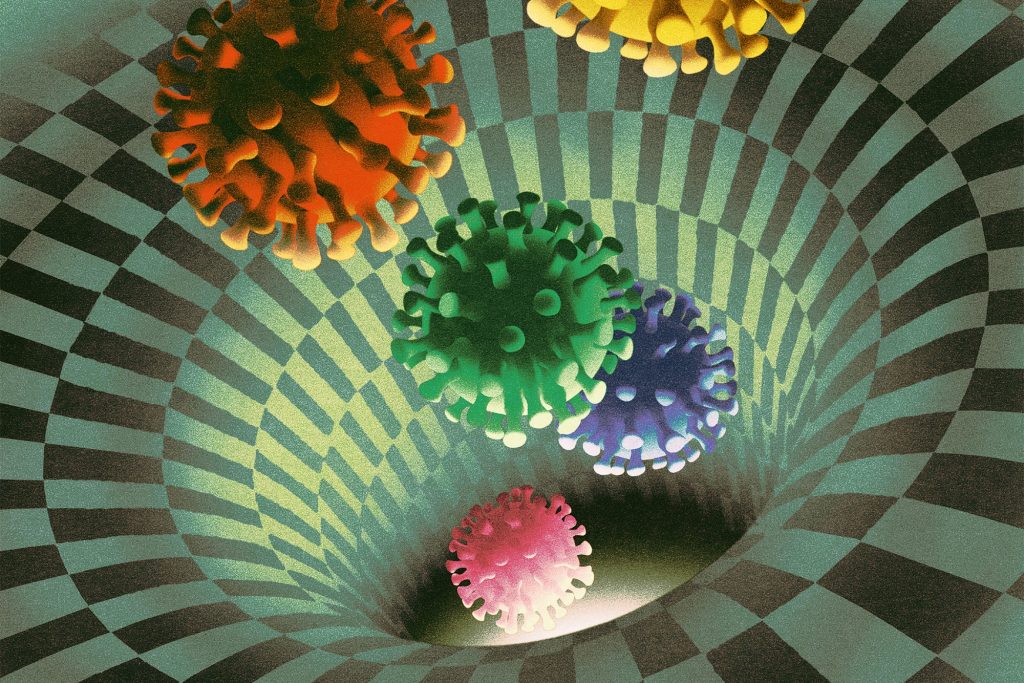
 AuntyUta