Memories from 1974 (reblogged)

The ramp leads up to our kitchen door. Gaby in her wheelchair at age 16 1/2. From left to right: Her Papa, Brother, Mama and Sister.

The other day I came across some notes I made about some conversations in our family towards the end of summer of 1974 when Gaby was sixteen, Monika fifteen, Martin close to fourteen, Peter close to thirty-nine and I also thirty-nine.

ONE AFTERNOON IN FEBRUARY 1974

Gaby, my daughter, sits in her wheelchair in the kitchen close to the open door. Peter, her father, helps her to sort out her record-club order.

I am outside close to the open door. I am stretched out on the lawn under a large umbrella, taking notes of the following conversation.

Gaby: I should’ve written on that form ‘please hurry’. Gee, I’m glad I’m going to get that record at last. Will you put all this away now, please?

Peter: Wie, das willste auch aufheben? Das ist doch nur Reklame, Menschenskind!
What, you’re going to keep that too? These are only adds, for heaven’s sake!

Gaby: I keep everything from the record-club.

Peter: So, wo kommt das hin? So, where does this go?

Gaby: Right at the back of the folder. It’s nice paper, isn’t it?

Peter: Nee.

Gaby: That’s the second record I’ve ordered. Are they going to send me a receipt?

Peter: No, das ist covered. The balance is going to show it. Kommt das hier rin?

Gaby: No, it goes into the blue folder.

Son Martin comes up the ramp. He carries his school-case., greets me with ‘Hi, Mum’, enters the house. A little later daughter Monika follows, also with school- case and saying ‘Hi, Mum!’ I say ‘Hi, Martin! Hi, Monika!’ As Martin enters the
house, Peter and Gaby are still deep in conversation.

Peter: Martin, was sagt man denn, wenn man hier hereinkommt? — Good-day!
What do you say when you come in here? — Good-day!

Martin: You were talking.

Monika says ‘Hi’ as she enters. And Peter says: ‘Hallo, Monika!’

A bit later Peter and Martin talk with Gaby about her school-certificate.

Martin: That bit of scrap-paper, is that all you’ve got?

Peter: Mehr braucht se doch nicht. Das ist das certificate.
She doesn’t need anything else. This is the certificate.

Martin: Actually you shouldn’t have passed since you didn’t work right through
the year.

Peter: Hat se gut gearbeitet, hat se auch bestanden.
Oh, she worked well, that’s how she passed.

Martin: But she didn’t arbeite gut. She didn’t work well.

Peter: Nun lass man gut sein. Sie hat schon gut gearbeitet.
Now leave her alone. She did work quite well.

A bit later

Monika: Gee, it’s hot! Pat and Donna are coming in a minute. They want a lift over to
Warilla Grove. Who’s going to take us to Warilla Grove? It’s late already, you
know?

(calling from outside)
Uta: Papa’s going to take you!

Monika: Better hurry up!

Gaby: Papa, don’t forget to mail my record-order! The letter-box gets emptied soon!

Peter: Wann musst Du auf der Arbeit sein, Monika?
When do you have to be at work, Monika?

Monika: We have to leave within the next five or ten minutes.

Peter: Ich fahre erst tanken. I go to get some petrol first.

Peter leaves in a hurry.

Pat and Donna come up the ramp. Monika greets them and goes inside with them.

I hear a terrible noise from the neighbours’ backyard: One of their sons goes on his mini-bike round and round in the backyard.

A bit later Wayne comes up the ramp. He carries a beach-towel.

Uta: Hi, Wayne! Do you want to go to the pool with Martin?

Waine: Yeah.

Uta: Best thing you can do in this weather!

Waine: Yeah.

Wayne enters the house. Peter returns from getting petrol. Soon after he leaves with Monika, Pat and Donna in the car. (At Warilla Grove Monika is going to get some training at the Woolworths cash register.)

Martin and Wayne leave for the pool. The mini-bike has stopped making
noise. I enter the house.

Gaby: Heh, Mama, you have to buy some food today, don’t you?

Uta: That’s right.

Gaby: When are you going?

Uta: Later.

Gaby: Better go before five thirty.

Uta: Yes, I’ll do that.

Gaby: How much money have you got?

Uta: I don’t know.

(A bit later.)

Gaby: Mama, can you move my left foot? (I do it.)
Can I go on the Pfanne when Papa gets back?

Uta: Yes, sure.

(She means when Peter gets back, she wants him to lie her on her bed, so that I can put her on her bed-pan.)

Gaby: Can I have a Vitamin C tablet?

I give her one. There’s some more noise from the mini-bike. Peter
returns.

Peter: I just remembered, I forgot to post your letter.

Gaby: God, how could you forget! — Can you post the letter, Mama? You have to go now because the letter-box gets emptied soon.

Peter: Mensch, ist mir warm! My goodness, I feel so hot and sweaty!

Uta: Willst Du nicht zum Pool gehen? Martin ist mit Wayne zum Pool
gegangen. Wouldn’t you like to go to the swimming pool? Martin did go
to the pool with Waine.

Peter: Ich bin schon ewig nicht am Pool gewesen. It’s been ages since I went
to the pool.

Uta: Ein bisschen Schwimmen würde Dir gut tun. A bit of swimming would be
good for you!

Apparently Gaby wants her letter posted before she goes to the toilet.
I get ready to post the letter and do some shopping. The mini-bike makes
an awful lot of noise again.

Saturday, 10th November 2012

As I probably mentioned in one of my earlier posts the family of my father was a rather large family. My father had five siblings! His younger sister Elisabeth was about the same age as my mother. My mother and father had three children, Elisabeth and her husband Alfred had also three children. We children were similar in age. I was born in 1934, our cousin Horst six months later in 1935; my brother Bodo was born in 1938 and our cousin Karin one year later in 1939; my brother Peter Uwe was born in 1941 and our cousin Udo one year later in 1942.

This means Cousin Udo is the one who turned 70 in September 2012. Peter Uwe and his wife Astrid had told me they were going to drive to the Stuttgart area in time to be there for Udo’s birthday celebrations. And they invited me to come along with them. It would give me a chance to meet up with a lot of our grandfather’s descendants, who would all come to celebrate Udo’s birthday. This was the time when our cousin Renate (our mother’s niece) had just had a severe stroke and it looked bad. Renate’s daughter sent me emails and kept me up-to-date about Renate’s condition. I had the feeling, in case that Renate should die, I should aim at going to her funeral rather than travelling with Peter Uwe and Astrid all the way to Stuttgart. Then I did get the news that Renate had died in a hospital in Munich. She was to be cremated in Munich a few days later when there was to be an urn-burial near where she had lived.

I blogged about it how Peter and I travelled by train to Munich. This meant I could not travel with Peter Uwe and Astrid. They were not very happy about this, because they had already booked accommodation for the three of us. Anyhow, what has all this to do with Saturday, the 10th November 2012? Well, at the time we were still staying with Peter Uwe and Astrid att their house in Mecklenburg/Vorpommern. On this Saturday they suggested we could all travel to Stralsund to meet Uwe, our cousin’s son, as well as his family.

Of course Astrid and Peter Uwe had met the whole family at Udo’s birthday party. Uwe has a wife (I forgot her name now) and four lovely children. To have as many as four children is nowadays rather unusual for a German family in Germany. But anyhow we met them all at their family home in Stralsund. I was very impressed what a lovely well organised family they were. We arrived at lunchtime and they invited us for lunch. Astrid had baked an apple-cake and had mentioned on the phone that she would bring it along. On the way to Stralsund we stopped at a super-market to buy a few sweets for the children and flowers for the lady of the house. Some of the children helped to set the table. They had a huge table in a huge living-room area. Their apartment had very high ceilings and I think about five bedrooms. They lived in a building which was maybe one hundred years old but wonderfully restored and looked as good as new.

The apple-cake was served as a desert with coffee. Uwe had an appointment after lunch and had to rush off. But during lunch we had a really good conversation with the whole family. All the children participated in the conversation too, which impressed me very much. The way the conversation went reminded me a bit about my grandfather in Lodz. I found Uwe was as good a talker as Grandfather had been. And he would draw everyone into the conversation as well. I really enjoyed observing this family and how they related to each other. Alas, we could stay with them only for a very short time. We pointed out that we were about to explore Stralsund a little bit. They gave us good advice, where to go and what would be of interest to see.

Stralsund is situated at the Baltic Sea. Peter took some harbour pictures and some pictures of the beautifully restored buildings in the midst of town. I took some pictures too, but they got lost when my computer crashed. Nobody thought of taking any photos of this lovely family we had been visiting. This I regret very much. But my pictures got lost anyway. There are quite a few pictures that Peter took and I am going to publish them in my next blog.


Oral History

http://www.nla.gov.au/what-we-collect/oral-history-and-folklore


The past week Peter and I have been busy with the telling  of our lives’ story. We had a very lovely visitor recording everything for the Oral History section of the library at Canberra. It takes a few weeks before these recordings are accessible. I understand they are going to be preserved for future generations. This whole project is of course extremely exciting for us.

Frances, who’s interviewing us, tells us,  we as migrants from Germany, having been through WW II  and post war years as children in Germany have experiences to recall which people would be interested to hear about. Also of interest are our experiences in Australia as migrants. In this regard it is of special interest to find out how our lives were shaped by having had a daughter who had been severely disabled by polio.

Neither Peter or I are experienced speakers. Having our voices recorded is something completely new to us. However Frances is very good at encouraging us. She gently guides us into the relevant sections of our lives by asking some questions. Peter and I are always being interviewed separately. Usually we have one hour each in the morning, then a lunch-break, and maybe another hour each in the afternoon.

I found out having to talk for one hour at a time about my life can be rather tiring and sometimes a bit stressful too. But I love doing it especially with such a good interviewer as Frances. By the middle of next week she’s going to be back for the conclusion of the interviews.


frances

Some Reflections about Meck/Pom

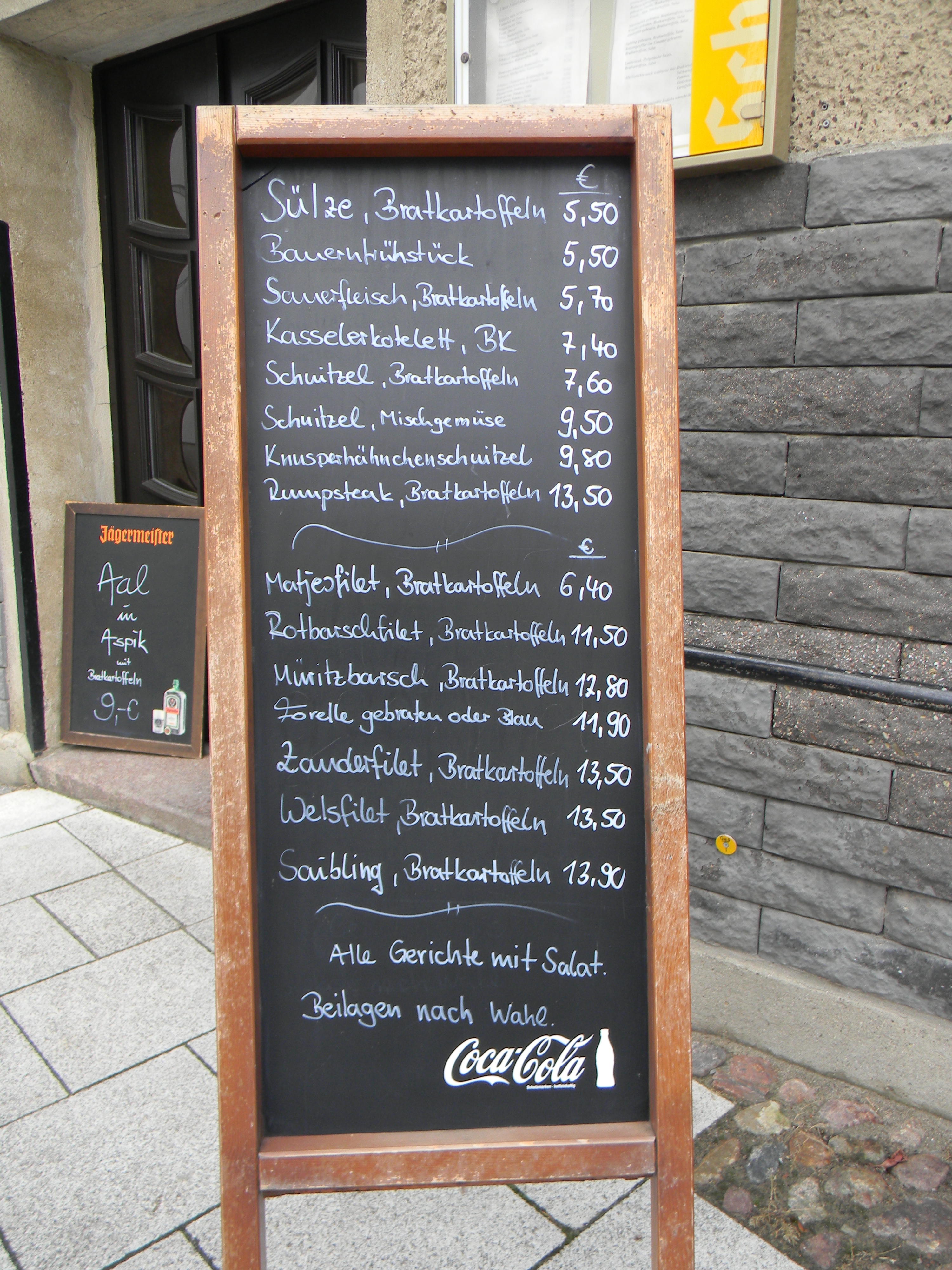
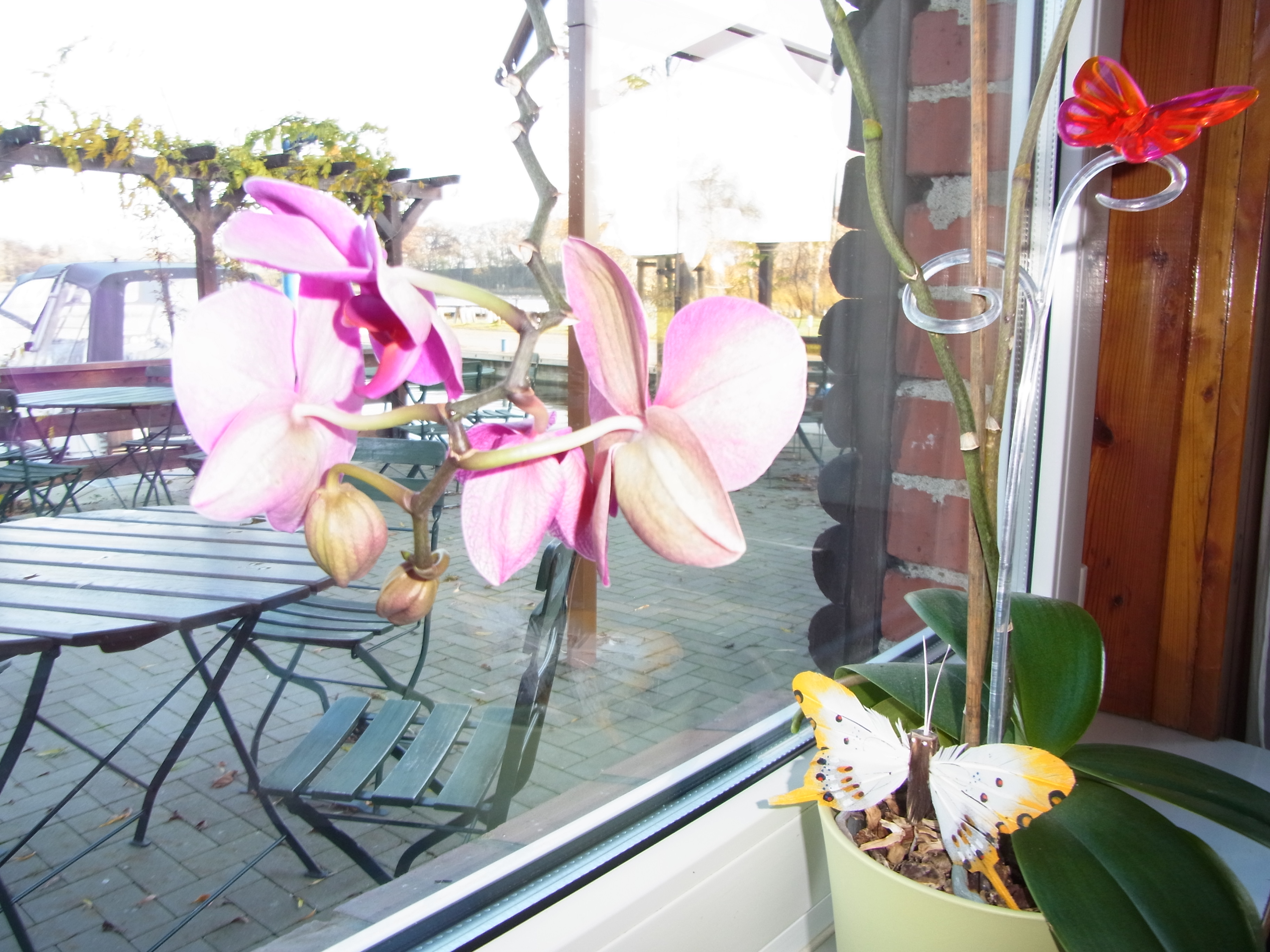
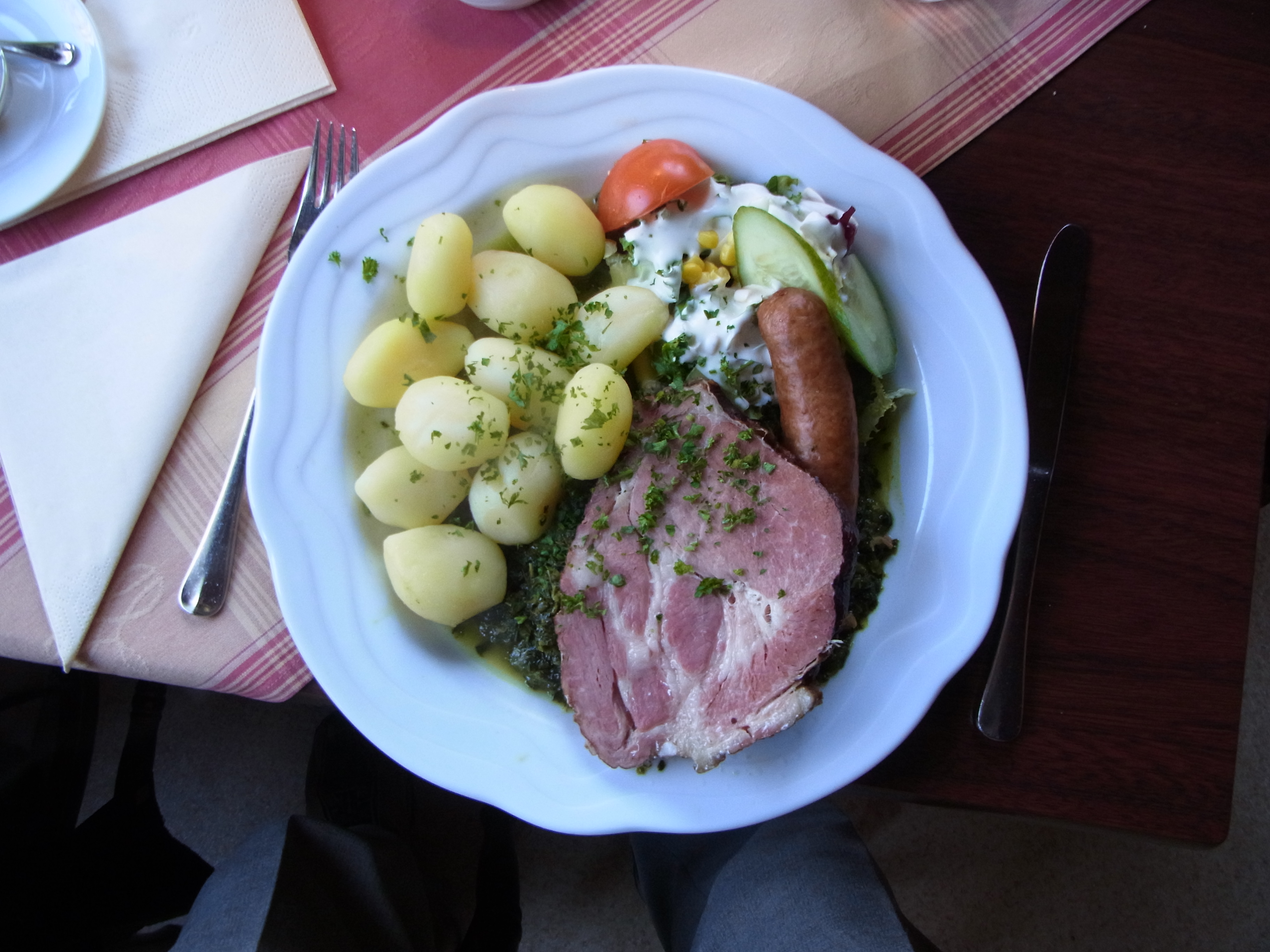
At a restaurant in a nearby village

This photo brings back happy memories about spending time in Mecklenburg/Vorpommern with my brother and sister-in-law. This photo was taken on Monday, 12th November 2012.

.

Today is Ash-Wednesday, 13th February 2013.

I am thinking back to our stay in Meck/Pom. The eight days with my brother and sister-in-law were packed full. They showed us around nearly every day. A lot of historical sites were included as you can see from some of my recent posts. Since I did not post anything at all during our stay in beautiful Meck/Pom, I had planned on catching up with it at a later time. Well, now I finally did it.

At least I sorted out all the pictures from that time. These pictures were bound to trigger a lot of memories. I am happy I was able to post a lot of the pictures as well as what they mean to me. As far as the history of Mecklenburg is concerned I must say I find a lot of it very intriguing. I became especially interested in the personal history of some of the historical figures and the social conditions over the past centuries. But of course I only scratched the surface. There is an immense amount of material at your fingertips to study.  A lot of caring people see to it that all this material is preserved for future generations. The castles and historical sites in the area attract every year many visitors. My brother and his wife knew all these places already from previous visits. Joyfully they took us to all these places. Apparently they love to go there again and again.

We saw as much as possible within the short time of our stay. During our other visit there in June 2010 we saw some  different and also very interesting places in the area. I am sure there a lot more still to explore. I’d love to be able to go there again. However the main thing for hubby and me was really to spend time with Peter Uwe and Astrid. We had hoped they would come and visit us in Australia. Sadly it looks now as though they’ve given up on this idea.

Hohenzieritz, Queen Louise Memorial Site

In 1771 Carl II of Mecklenburg-Strelitz visited his sister, Queen Charlotte. During his visit in England he became aware of beautifully landscaped gardens. He organised for Archibald Thomson, a brilliant English landscape gardener, to establish a landscaped garden at Hohenzieritz. This wonderful park-like garden still exists today. We had the pleasure to wander around in it.

We also had the good fortune to take a glance inside Hohenzieritz  castle where two rooms on the ground-floor can be seen as a memorial to Queen Louise. Since Louise died in Hohenzieritz this place is mentioned in all the history books and visitors can find out a lot about Luise’s life at this historical site.

Louise married Friedrich Wilhelm when she was 17 and he was 23. The first years of their marriage they lived in peace and loved each other very much whenever they could be together. The last peaceful year was 1805 for them. The following years they had to flee the French army under Napoleon. They lived in exile in East-Prussia till they finally could go back to Berlin at the beginning of 1810. The winters  in East-Prussia were bitter cold. Louise and her children were sick frequently. Towards the end of the war years Louise was totally run down and often depressed. She suffered a lot of fevers and breathing difficulties. Plus she had born her last two children in exile. She had had ten pregnancies in all during her marriage. However only seven children survived.

A lot of people surrounded Louise while she lay dying in her father’s study room where a bed had been brought in for her. There’s a picture of her deathbed in Schloss Hohohenzieritz. She died on the 19th July 1810. Friedrich Wilhelm sits at the bed beside her. Her two eldest sons kneel at her bedside. At the foot of the bed are Louise’s father (Carl II) as well as her brother George. At the bed’s top-end are Dr. Heim, Countess von Voss and Louise’s friend Caroline von Berg.

This is a memorial in the room where Queen Louise died. Her burial place is in Berlin.

DSCN5527

The Louise Temple, dating back to 1815 in the Park of Hohenzieritz
A Memorial dating back to 1798
Many children apparently died in infancy.

DSCN5523

DSCN5524

Palais of the three Queens

These are the three queens Peter took pictures of at the ‘Welcome Center’ of the ‘Palais of the three Queens’ at Mirow.

Queen Charlotte of Great Britain
Queen Louise of Prussia
Queen Luise of Prussia
Queen Friederike of  Hannover
Queen Friederike of Hannover

Pincess Sophie Charlotte of Mecklenburg-Strelitz was born in 1744 in Mirow. In 1761 she married King George III of Great Britain and  became Queen. When she died in London in 1818 a huge number of people followed her casket.

One of Charlotte’s brothers was Carl of Mecklenburg-Strelitz. Carl was the father of Louise and Friederike. Carl’s first wife died when Louise was only six and Friederike four and their brother George three. Carl then married his first wife’s sister, who was a very good mother to his children. But after only one year  the second wife died too. Carl then gave the children to their grandmother.  The children had a very good upbringing at the grandmother’s place.

Ernst August Duke of Cumberland (1771-1851) married Princess Friederike of Mecklenburg-Strelitz (1778-1841). When he became King of Hannover in 1837, she became Queen of Hannover.

When Princess Louise of Mecklenburg-Strelitz (1776-1810) married the crown prince of Prussia, she was only 17. Two days after their marriage, Ludwig (L0uis),  a brother of the crown prince, married the fifteen year old Princess Friederike of Mecklenburg-Strelitz. After only a few years Friederike became a war widow, she married again and then was widowed again. When she married the Duke of Cumberland this was her third marriage. She was 36 at the time and the Duke was 43. She had a long and happy marriage with the Duke who became King of Hannover. Friederike died aged 63 whereas Louise  died when she was  34. She had  born ten children. Of these only seven did survive.

About Louise’s marriage to the crown prince of Prussia who became Friedrich Wilhelm III  and about her early death  I am going to write a bit more in my next post.

Mirow, Mecklenburg/Vorpommern

On Friday, 9th November 2o12, the day after our arrival in Meck/Pom, Peter Uwe and Astrid went with us to Mirow. We were to visit there the ‘Palais of the three Queens’. On the way we stopped somewhere for lunch. I had Zander ,  a very delicious kind of fish. My meal was a bit expensive, but well worth it.

DSCN5422

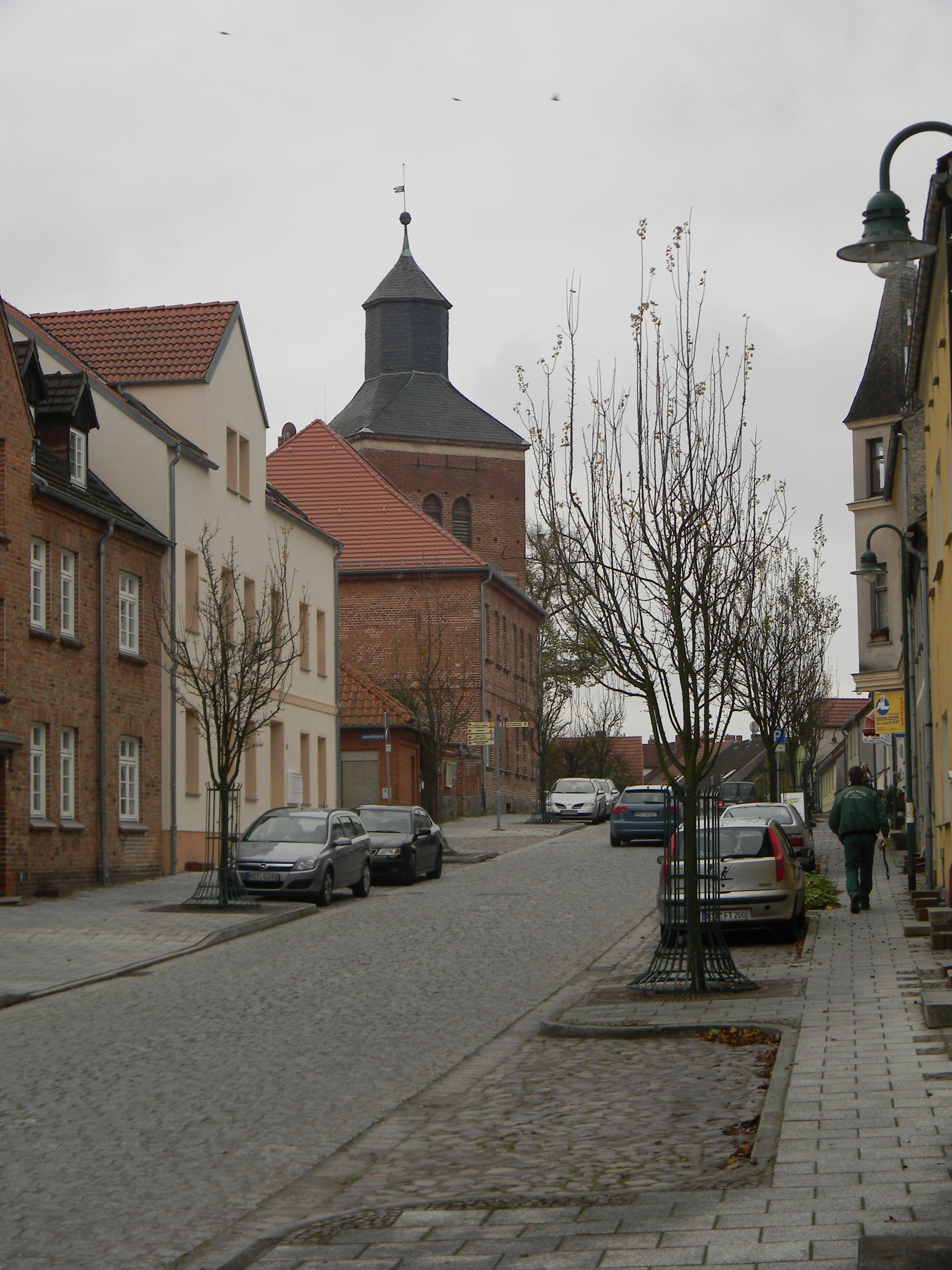
A street in Mirow

DSCN5424

The ‘Torhaus’ building dates back to 1588.

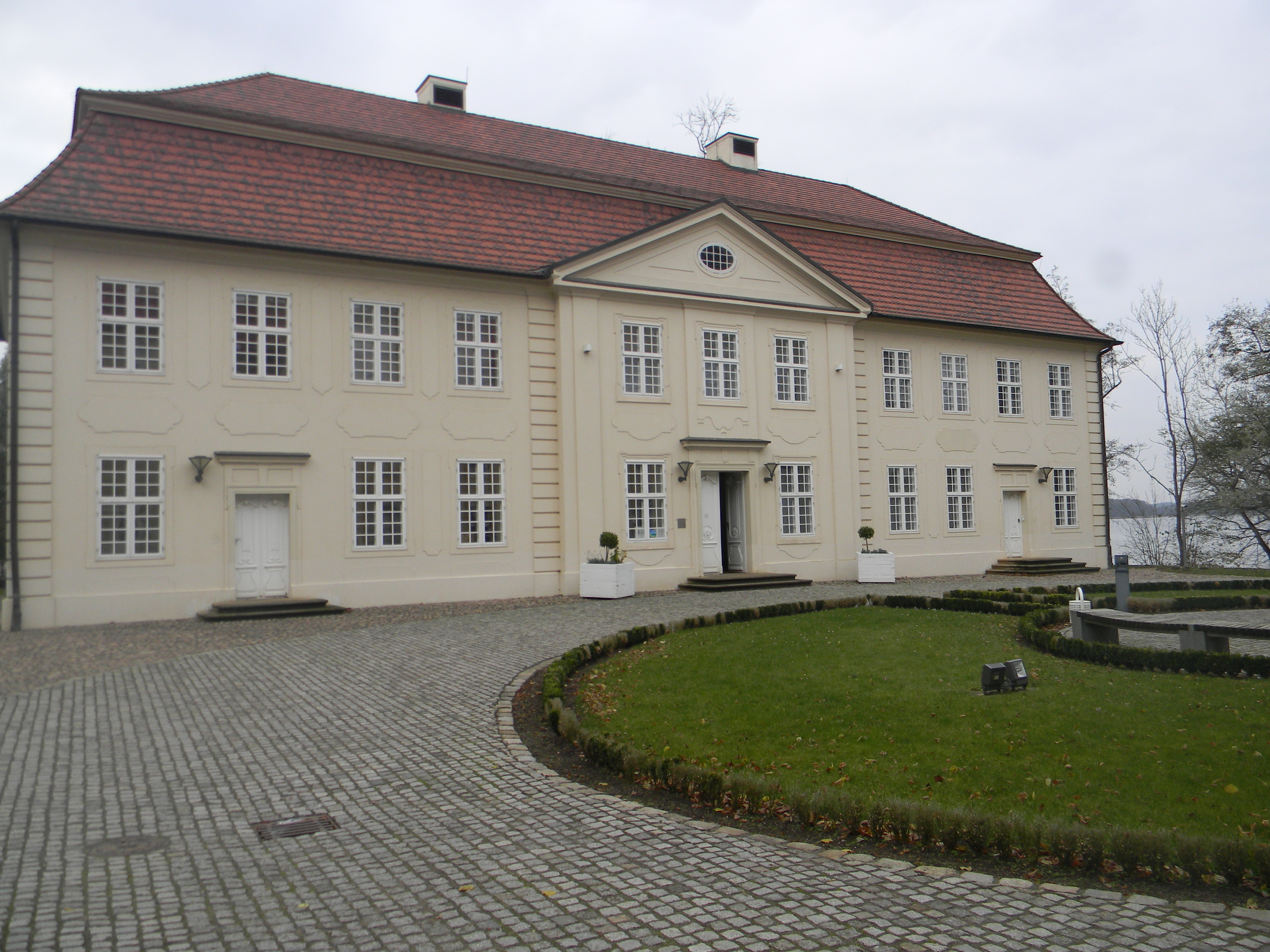
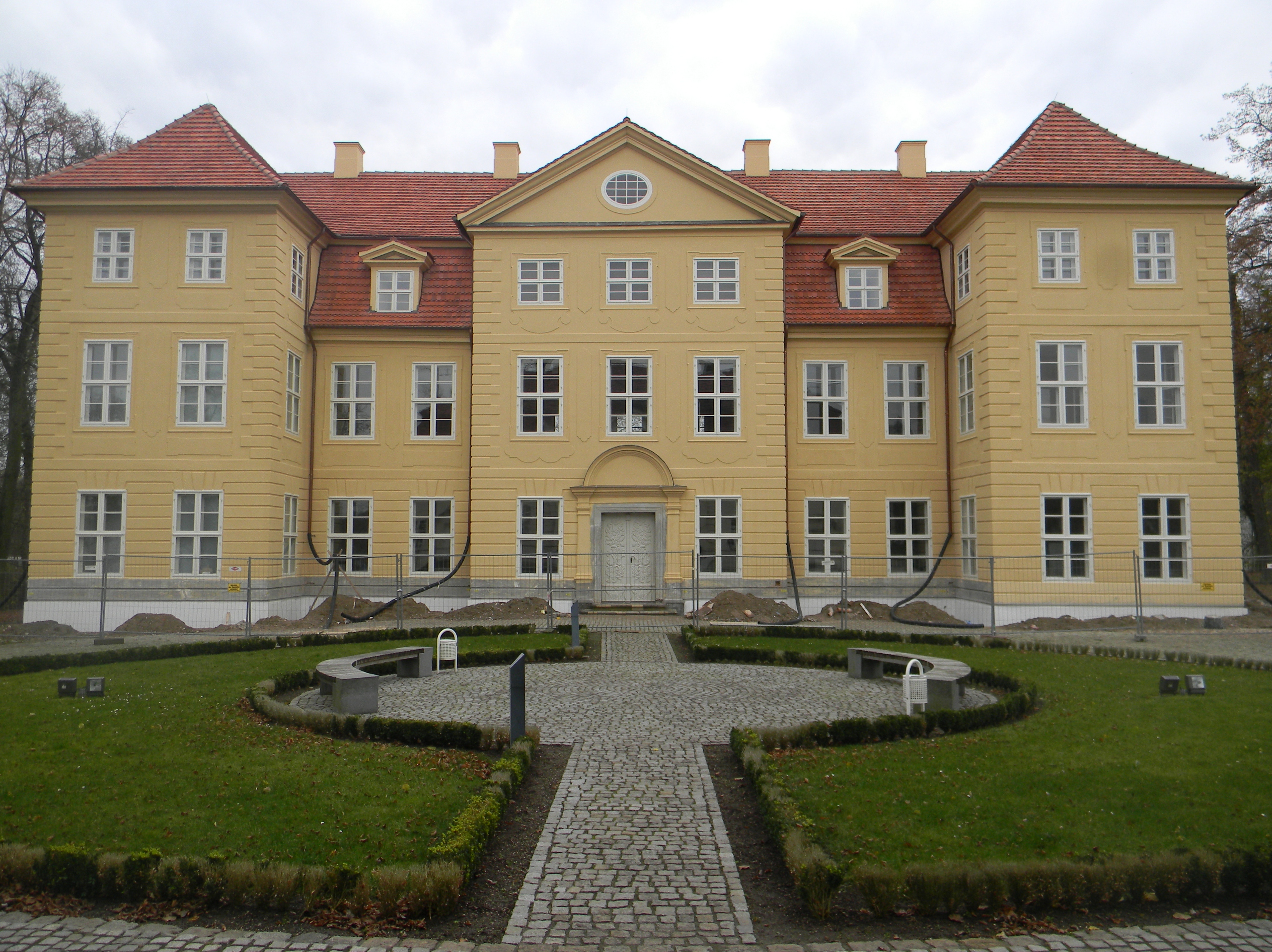
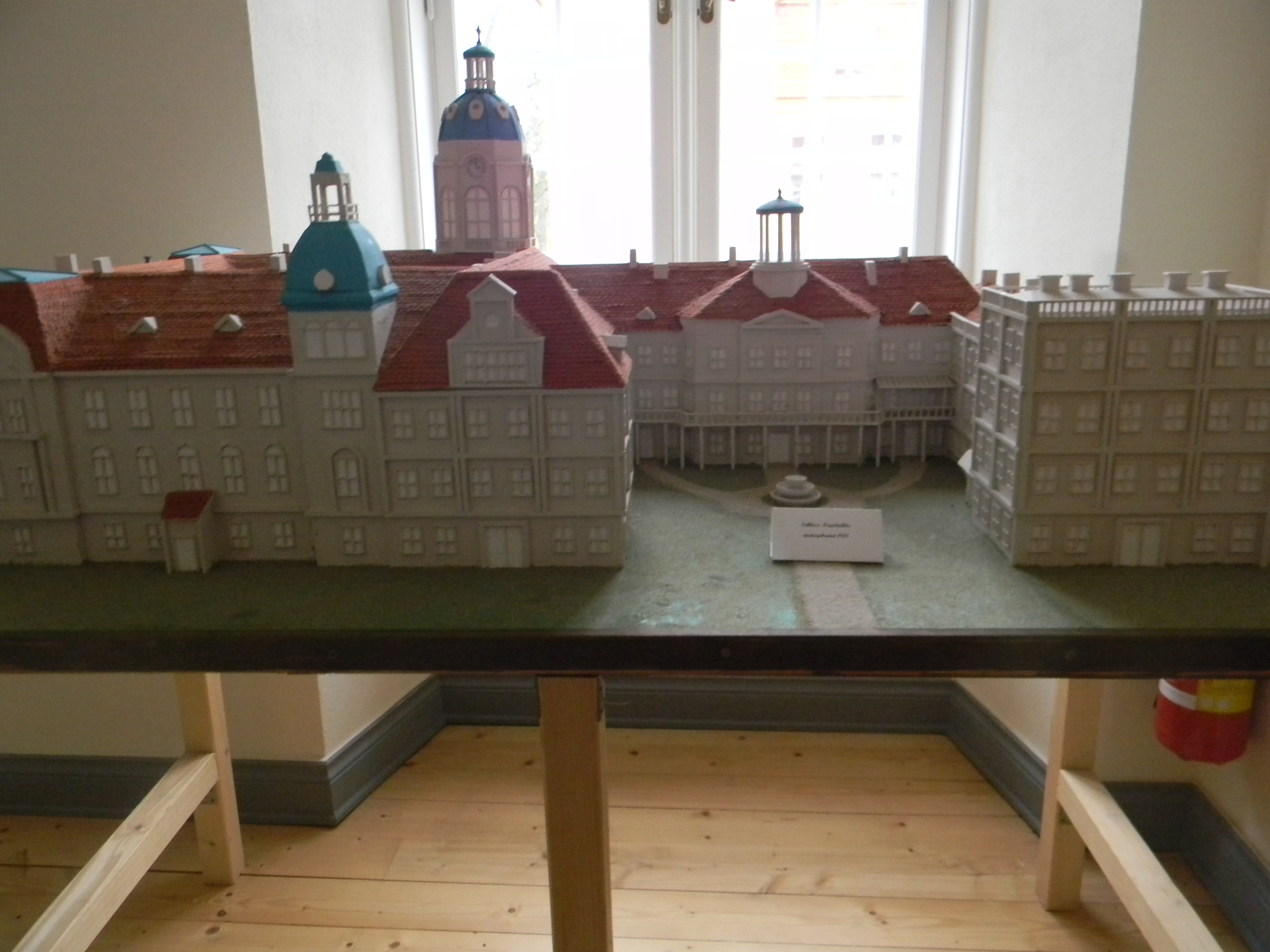
Barock Castle from 1760 in Mirow

DSCN5428

DSCN5429

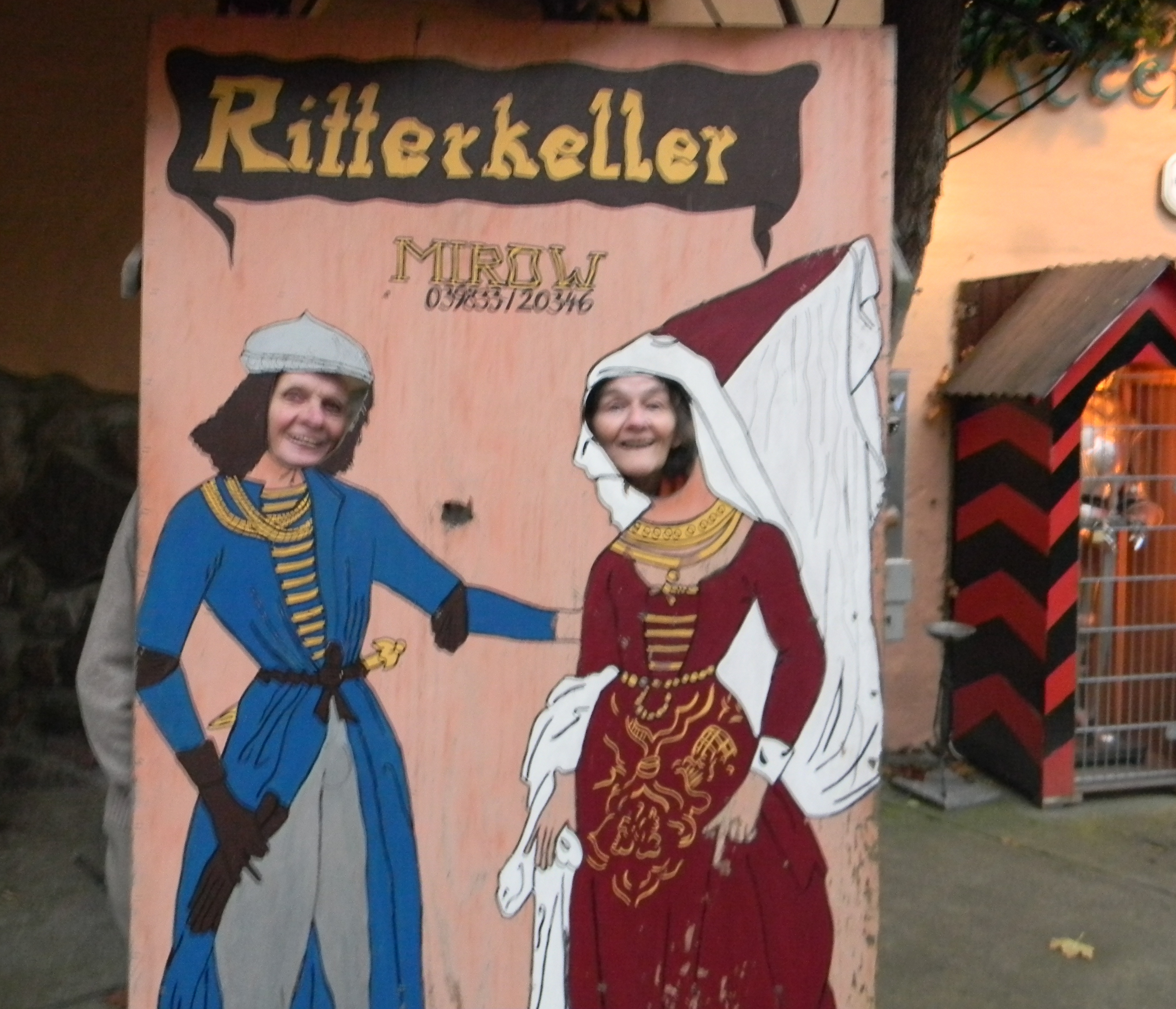
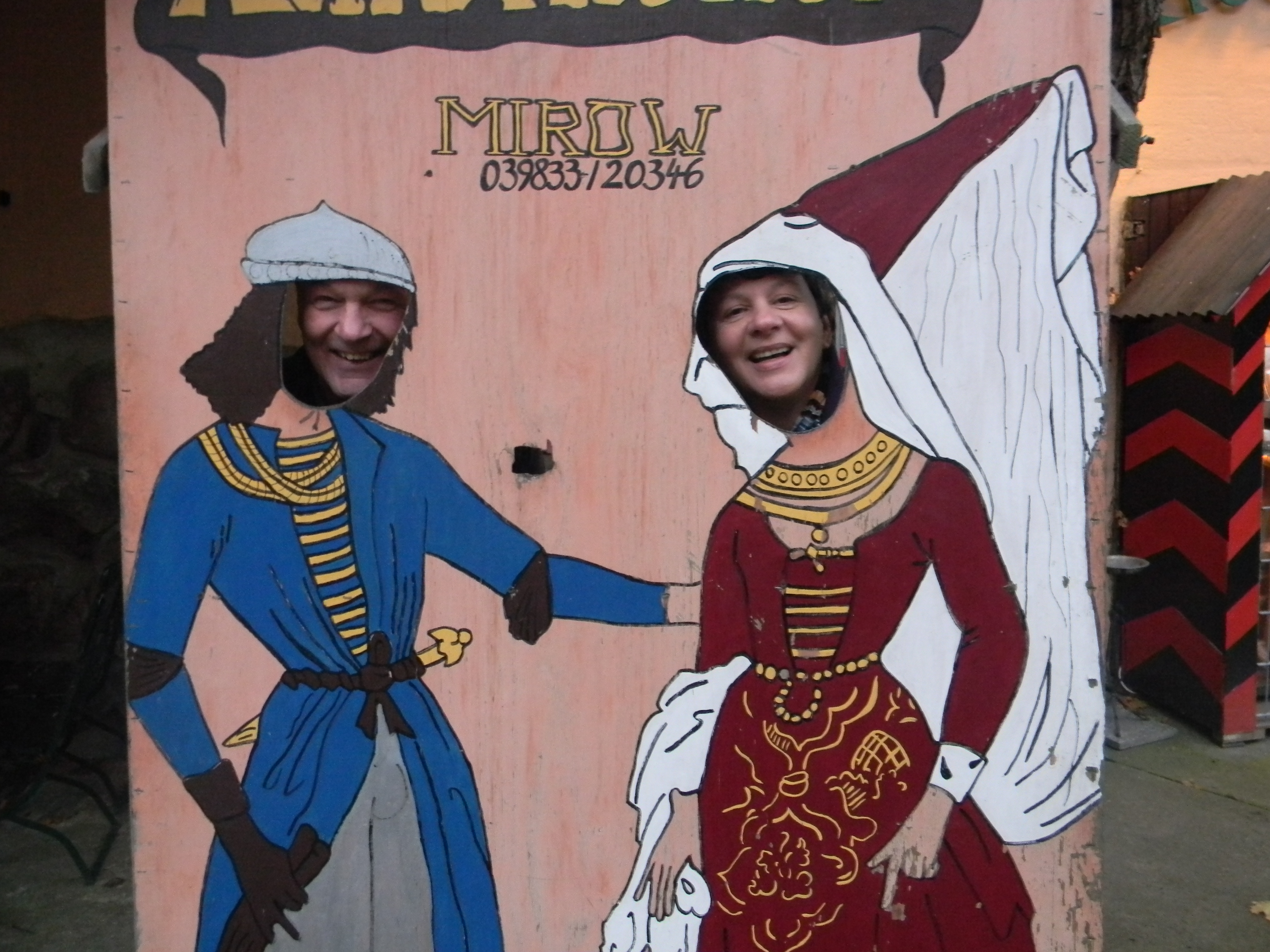
We had fun pretending to be a knight and a lady!

DSCN5444

DSCN5445

DSCN5430

DSCN5431

DSCN5432

DSCN5433 (2)

Peter took photos of all these English translations.

DSCN5436

DSCN5437

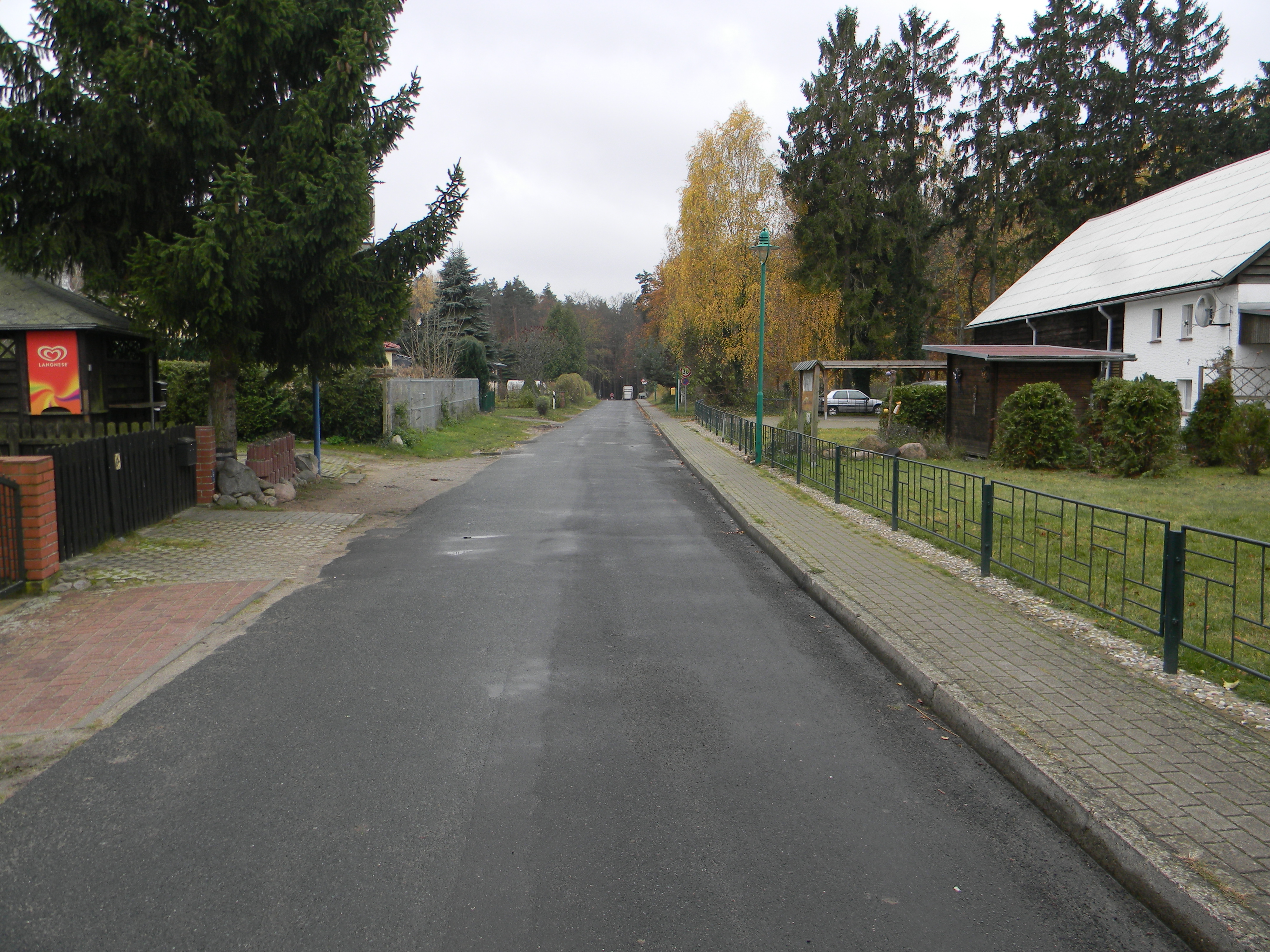
Another view of Peter Uwe's and Anstrid's 'Dorfstrasse'.
Another view of Peter Uwe’s and Anstrid’s ‘Dorfstrasse’.
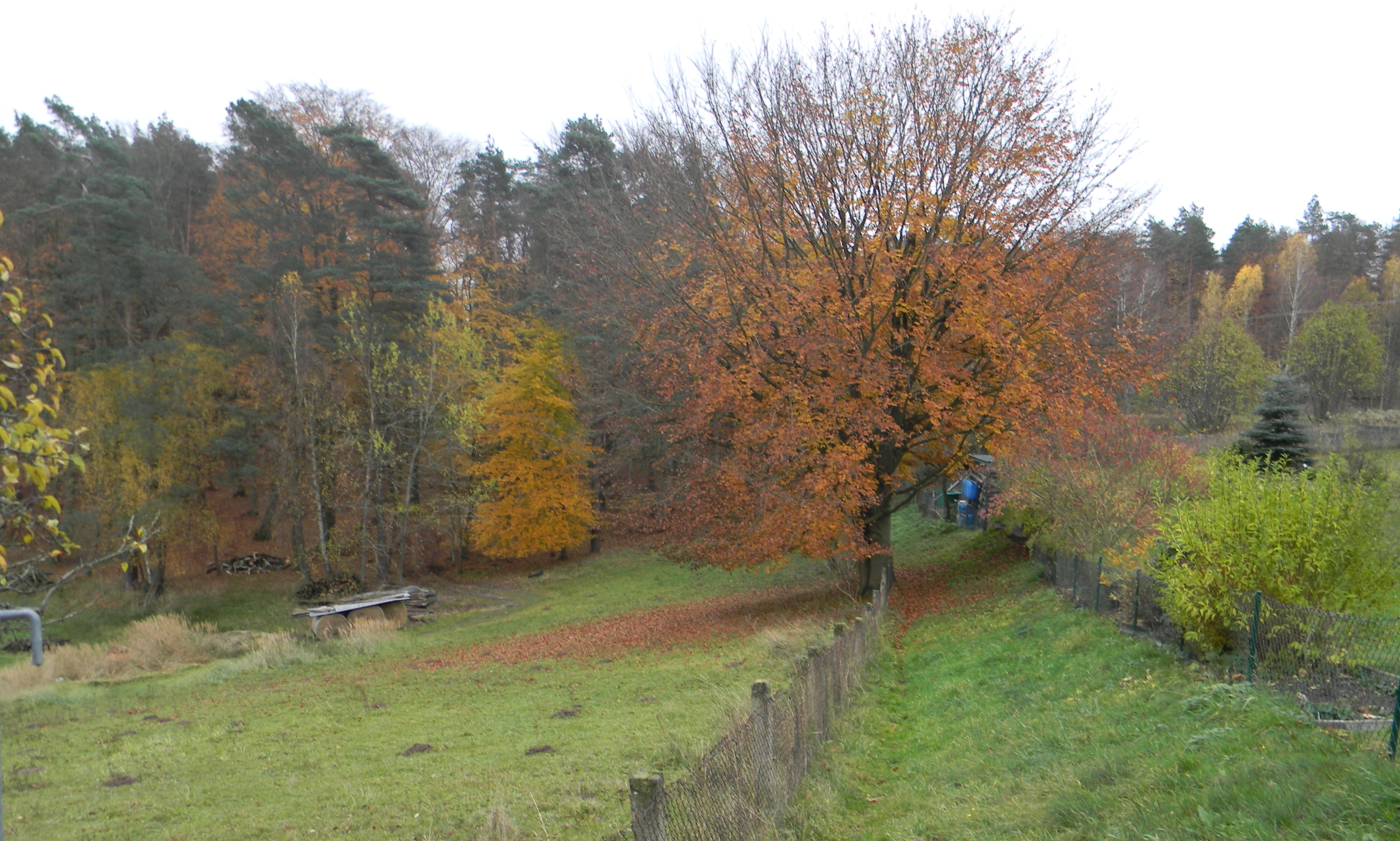
Another view of the apple tree at the back of their house.
Some borders along their property

Visiting Röbel

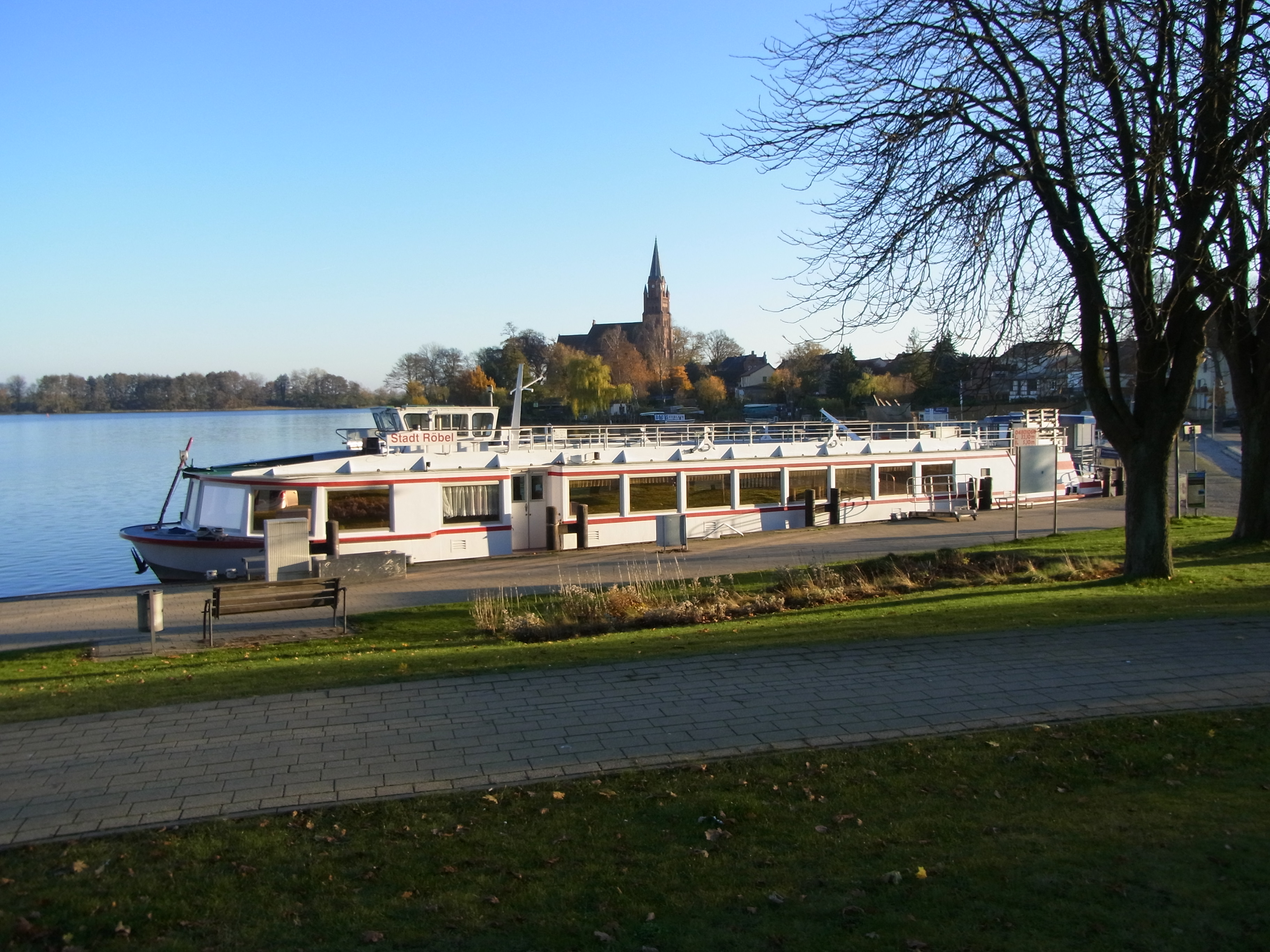
My previous post was about Röbel. It was great fun visiting this pleasant little town at the Western edge of  Lake Müritz. We had a lovely lunch in a restaurant near the water as seen in the previous post. We stopped also in the center of Röbel where Peter was immediately inspired to take a few pictures.

RIMG0017

RIMG0018

RIMG0020

RIMG0023

RIMG0026

RIMG0029

RIMG0033

RIMG0035

Back home
Back home
A view of the 'Dorfstrasse'
A view of the ‘Dorfstrasse’
Peter noticed this somewhere in the huge backyard
Apple-Tree in November. Even this close to winter the apples on this tree still had a delicious taste.

Röbel/Müritz

Röbel/Müritz ist eine Kleinstadt im Südwesten des Landkreises Mecklenburgische Seenplatte in Mecklenburg-Vorpommern am Westufer der Müritz.

The above I googled. It means that Röbel is a small town belonging to Mecklenburg/Vorpommern. I think ‘Seenplatte’ means that a lot of lakes are in this area. You find Röbel on the west side of Lake Müritz. Lake Müritz is the largest lake in Germany.

RIMG0048

RIMG0047RIMG0046

RIMG0045

RIMG0044

RIMG0043

RIMG0042

RIMG0041