Published on Nov 5, 2016
With the Wikileaks release of thousands of emails belonging to John Podesta, very little is known in US society about Podesta himself. While he’s maintained a low profile, John Podesta is actually considered one of Washington’s biggest players, and one of the most powerful corporate lobbyists in the world.
In this episode of The Empire Files, Abby Martin explores John Podesta’s political rise, his vast network of corporate connections and his think tank “Center for American Progress.” Learn why the Podestas and the Clintons are a match made in ruling class heaven.
I googled the following add about the Ocean Beach Hotel:
“Who said a room with a magnificent ocean view had to cost a small fortune? At the Ocean Beach Hotel Shellharbour, you can wake up to a beautiful Pacific Ocean sunrise for well under $100 for two people.
All rooms have their own bathroom, fridge, tea & coffee making facilities and a TV. At meal times, you’re only a flight of stairs away from one of the areas finest seafood restaurants.”
Our son had come from Melbourne for a visit. He was staying with us for a couple of nights and then drove on to Newcastle. Our daughter Monika, who is on leave right now, drove us last Wednesday for lunch to the Ocean Beach Hotel. The friendly girl, who had taken our orders, volunteered to take a picture of the four of us.
Senator Di Natale in Australian Parliament’sQuestion Time on 10th of November 2016:
“That so much of the standing orders be suspended as would prevent me from moving a motion to give precedence to a motion relating to the Australia-US alliance.
Transcript
During this election campaign, President-elect Trump pledged to ban all Muslims—the 1.6 billion Muslims living across the globe. He said to them, ‘There is no place for you in modern America.’ He attacked the family of a Muslim soldier who died giving service during the Iraq war. He has decried Mexicans as ‘criminals and rapists’. He has said that a federal judge could not hear a case fairly simply because he was a Mexican. He thinks that blacks are lazy; he thinks it is a genetic trait.
He has refused to condemn the white supremacist David Duke from the Ku Klux Klan campaigning for him. He has traded in vile, anti-Semitic rhetoric. He was one of the proponents of the birther movement. He believes that climate change is a hoax from the Chinese. He is a misogynist. He accused a woman of menstruating during an interview. He has bragged about sexually assaulting women. He incites violence; at one of his rallies he encouraged an attacker and said he would pay for his legal fees.
Now, on foreign policy: he believes that Japan and South Korea should develop nuclear weapons—two countries with a history of tension between each other. And, as former Premier Bob Carr said, ‘There has never been a person elected to the presidency who has had such a cavalier approach to nuclear weapons.’ He has praised authoritarian regimes—Vladimir Putin and Kim Jong-un—and he has suggested that he does not care if there is a trade war with China. He has questioned the NATO alliance—he has questioned that.
Many Australians are now very, very deeply worried. They are worried because the US has elected a man who is sexist, he is racist, he is anti-Semitic, he is nationalist, he denies climate change and he promotes nuclear proliferation. And it is not just many ordinary Australians. Bill Shorten called him ‘barking mad’—barking mad! We had John Howard saying that he trembled at the prospect of President Trump. We have had Christopher Pyne saying he was terrified. And, of course, Minister Frydenberg called him ‘a drop kick’. The only people who are wholeheartedly supportive of his presidency are members of the extreme Right, like some of those people within One Nation and, of course, the extremes within the coalition.
And yet here we are, within hours of an election, and we have the government kowtowing to a man who has vowed to block any Muslims from migrating to America.
We had the Prime Minister of this country on TV backing in the US alliance. We have just heard the Minister for Defence say, ‘We are right behind President Trump. We are right behind him. We have fought together in every conflict since World War II. If Donald Trump picks up the phone and says, “We need your help,” we’ll be right behind him.’ The Australian alliance with the US is now one of our greatest security risks.
Let’s look at the response from other international leaders. Angela Merkel, somebody who has demonstrated in recent years that she is prepared to show global leadership, said, ‘We will continue our relationship with the US only if it is built on common values.’ Rather than standing up and saying, ‘We don’t accept your racism, your misogyny, your warmongering and your fear mongering,’ we have had both the coalition and the opposition saying, ‘All the way with the US.’
If there was ever a time to question our allegiance to the US that time is now. Like all important relationships, this was a relationship that was founded on common values. The time has come to assess whether it is now in our interests. We are like two people in a relationship whose values have now drifted so far apart that we can no longer continue on the same path. Given the questions about Mr Trump’s temperament and policies from almost all sides of politics, now is the time that this chamber should be debating the fundamentals of Australia’s alliance with the US. If not now then when? The time to follow the US blindly into another conflict is over. Let us have this debate. Let us have it now
Bryan Hemming states: ” . . . When all’s said and done, in a two-headed monster election, by chopping off a head you only have one left to deal with. You have to admit, whichever way the wind blew, the world was always going to be a worse place come 11/9.”
I would like to hear your thoughts on this!
I don’t know what to say. I really don’t. But, looking for the tiniest ray of sunshine on the cloudiest of days, at least Hillary didn’t win. Now, now, before you all start reaching for the baseball bats, it’s always best to have something in reserve to celebrate. Had she won, I would’ve said: “Looking on the bright side, at least Trump didn’t win”. When all’s said and done, in a two-headed monster election, by chopping off a head you only have one left to deal with. You have to admit, whichever way the wind blew, the world was always going to be a worse place come 11/9.
The result being billed as a shock by the corporate media was not nearly so much of a shock to most of the alternative media. But, in common with both presidential hopefuls, mainstream hacks have great difficulty with the…
Migrants steal our jobs. Migrants bludge off welfare. So, which is it?
Obviously, migrants with jobs aren’t eligible for much welfare and migrants on welfare haven’t been successful in stealing a job.
Play
Australia passes population milestone
Earlier this year, statistics confirmed what we already knew, Australia’s population is rapidly growing; but you might be surprised to learn which city will be our biggest by 2050.
But the mounting fear campaign against migration is more than the sum of its parts.
Economists have battled for some time to get their numbers straight to prove that migrants add more to the economy than they take. Recently they’ve honed their estimates.
Illustration: Jim Pavlidis.
In a report released by the government in September, the Productivity Commission estimated that, compared to closing our borders completely, Australia’s current migration intake, if sustained, will boost economic output per person by about 7 per cent in 2060 – worth around $7000 each in today’s dollars.
Last week, the Committee for Economic Development of Australia estimated a 5.9 per cent increase per person by 2050.
Advertisement
And on Monday, the Monash Business School and Economic Society of Australia will release a survey of 30 economists of whom 26 agree or strongly agree with the statement that: “The total benefit of current levels of migration to Australia will outweigh the total costs to Australia’s economy.”
The net benefits of migration are clear, according to Professor Rodney Maddock of the Monash Business School: “Migrants add about the same amount to the demand for and supply of goods and services in the economy, but the increase in the resulting size of the economy creates new opportunities for us all.”
Moreover: “Immigrants have made Australia a much more interesting, dynamic and creative society than it was.”
Professor of econometrics at Monash, Lisa Cameron, says fears about migrants are overblown. “Many people who fear immigration do so on the basis that immigrants take jobs that would otherwise be available for Australians. However, most careful empirical studies of immigration find that the economic growth that accompanies immigration results in modest increases in employment opportunities for the rest of the population.”
Take your pick of messenger, but the bottom line is clear: the total benefits of Australia’s migration intake to the economy exceed the costs.
Of course, assumptions matter. To get these economic benefits, Australia must continue to run a program that targets young and skilled migrants.
And these are averages we’re talking about. It’s true that recent migrants often compete for jobs against low-skilled Australians of longer duration.
But that’s not an argument for halting migration – but for better targeting resources and training at these groups.
And, of course, the economy isn’t everything. Our ultimate goal should be to boost the wellbeing of citizens, not the value of their economic production. It matters if income gains are eroded by more time spent sitting in traffic, or having to pay more for a home, which clearly, they have been to some degree.
Again, however, that’s not an argument for halting migration, but for stepping up our efforts on urban planning and investment in critical infrastructure. We don’t tell children to stop growing because they’re busting out of their pants. We buy them new pants.
Australians today live in one of the richest and most prosperous nations on earth, uniquely gifted with abundant natural resources and a huge land mass. But as we’ve grown richer, it seems we’ve only growth more protective of our wealth.
In the end, policymakers and business groups won’t get very far trying to convince Aussies to accept higher immigration to grow “the economy”.
No one ever fought a war to grow the economy. We fight and we live for our ideals. And while economics is important when it comes to deciding the appropriate level of immigration, ideals are important too.
So let me be clear: we should keep our borders open to as many souls as possible because it’s the right thing to do.
A core principle of economics is that people should live, as much as possible, unfettered by governments telling them what to do. This is a courtesy that should extend to all global citizens, not just Australians.
If individuals decide they can best pursue their happiness by moving here and living in the most prosperous and peaceful nation on earth, who are we to deny them? Surely, they are right.
Who are we, as a nation of recent migrants, to pull up the drawbridge and deny others the same opportunity we have been afforded?
Who are we to – instead of fixing the congestion problems we face – throw our hands up in the air and say “no more”?
It is not the job of governments to impede the free flow of people. It is the job of government to invest in public assets that the free market wouldn’t otherwise deliver to ease growth constraints and boost wellbeing.
Some government control of annual migration is necessary helps to smooth large movements and ability to plan adequate infrastructure. But it’s not the job of a politician in Canberra to decide how big Australia should be.
To live in the most sparsely populated continent on earth and declare ourselves full is mean-spirited, defeatist behaviour of the highest order.
If people want to come here, unless we have a good reason for stopping them, we shouldn’t.
In reality, annual decisions about the size of the permanent migrant intake are as much about the size of the pool of people we reject as accept.
It’s time we asked not “why let them in”, but “why shut them out”?
Migrants do no overall damage to the economy, and, with proper planning, can add immeasurably to the diversity and vibrancy of our culture.
Any challenges that arise through competition for low-skilled jobs and increased urban congestion pale in comparison to the danger of embracing an anti-immigration, inward-looking and fearful national culture.
If you truly love Australia, keep our borders free.
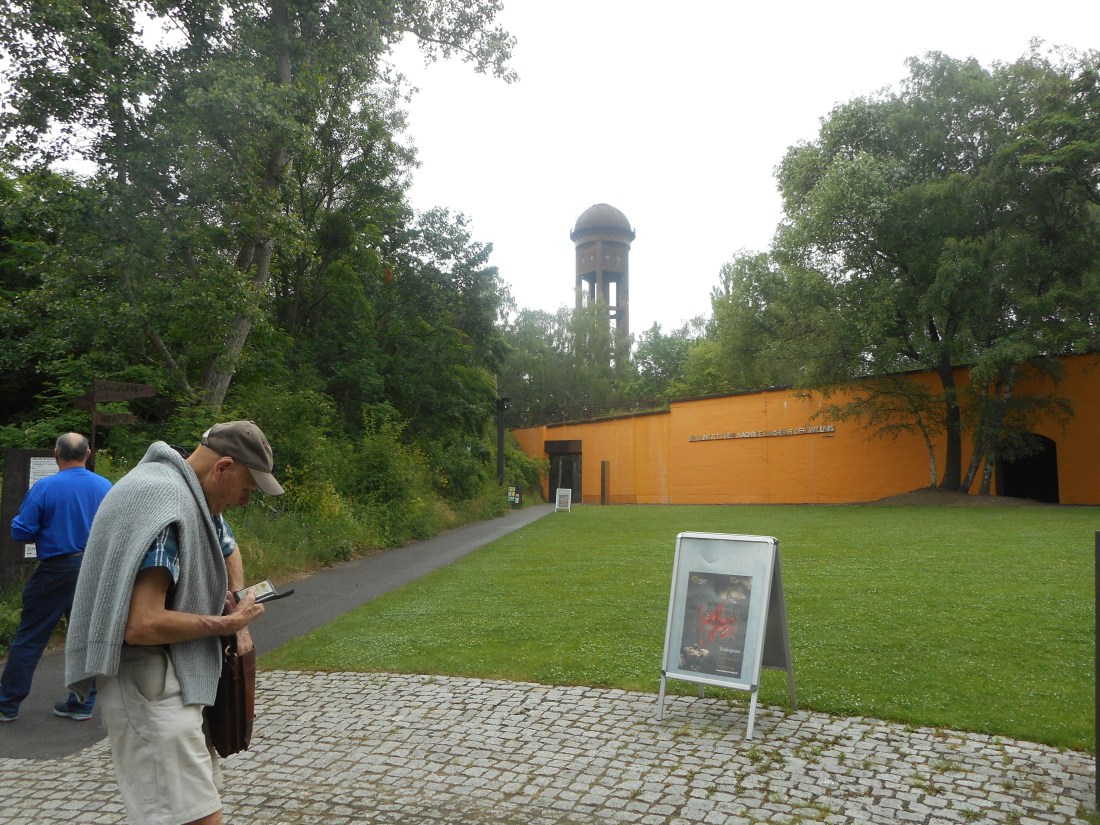
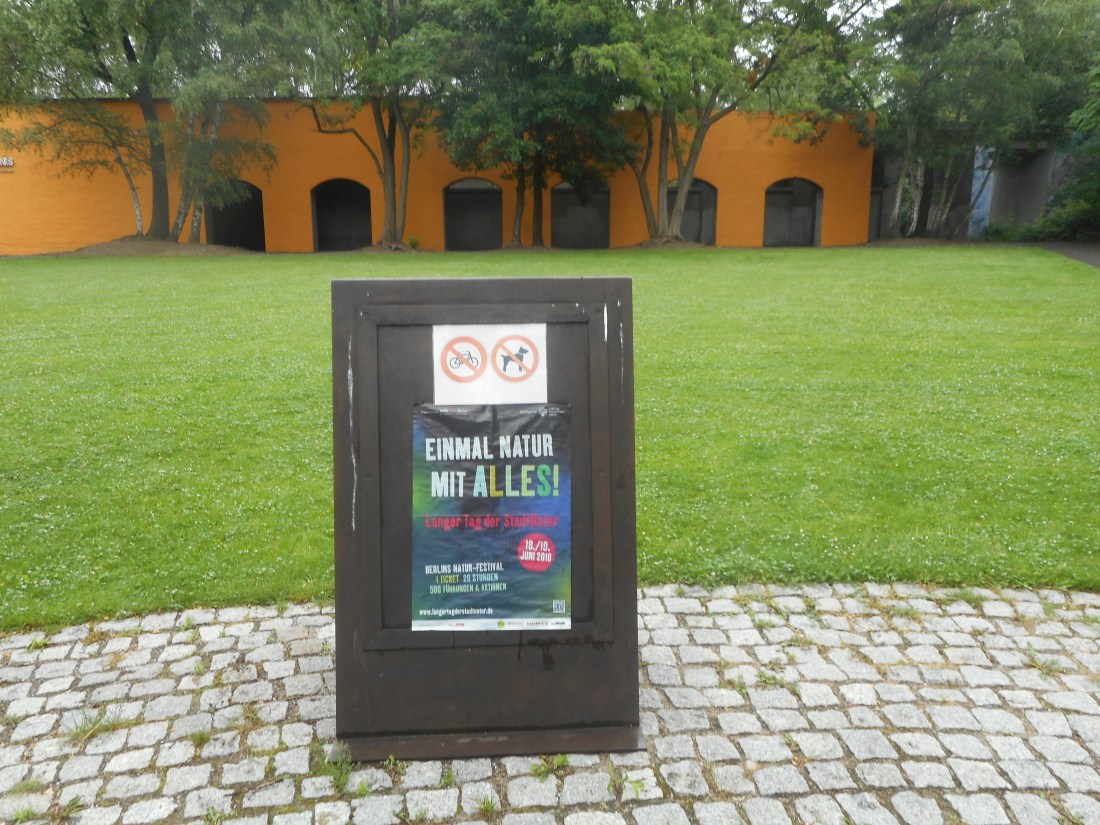
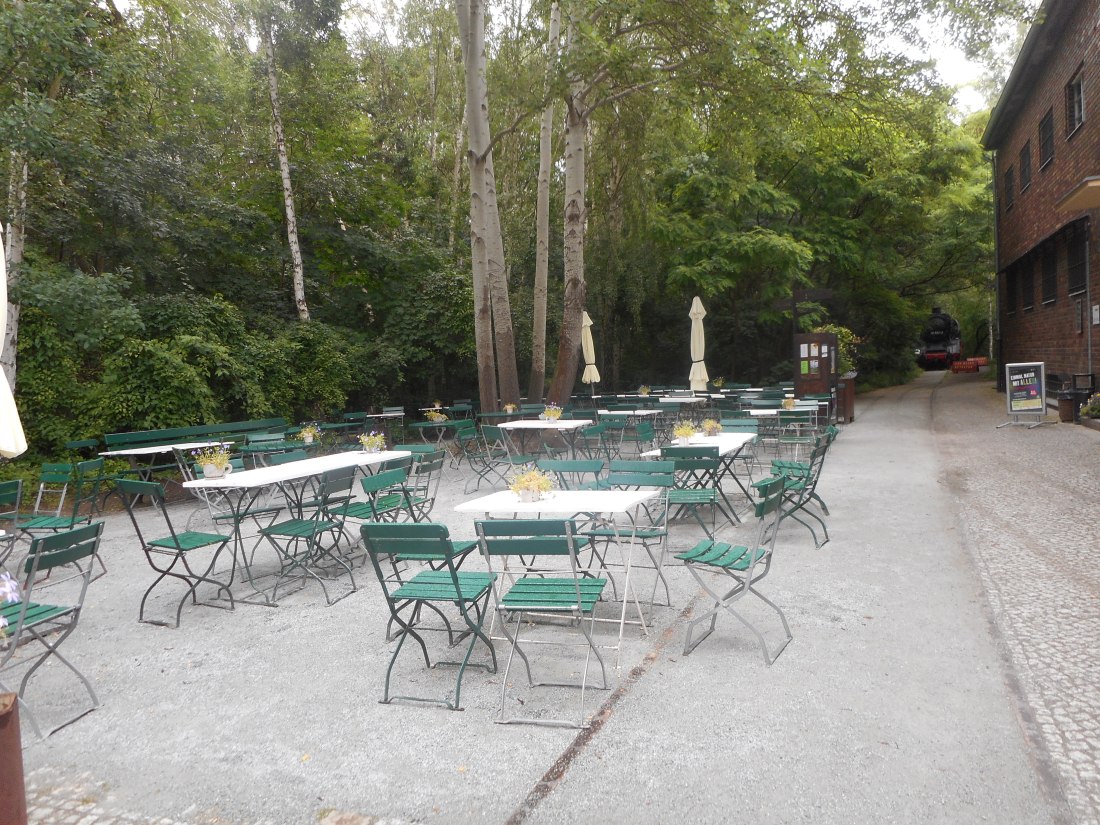
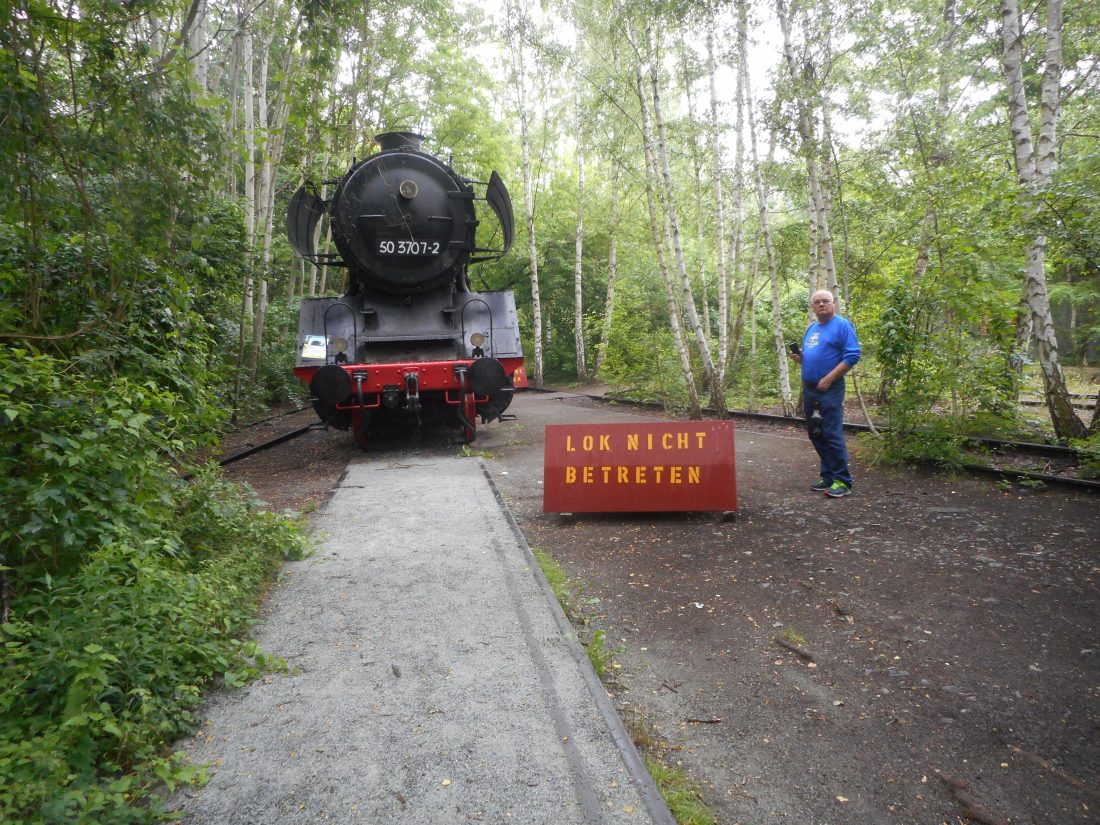
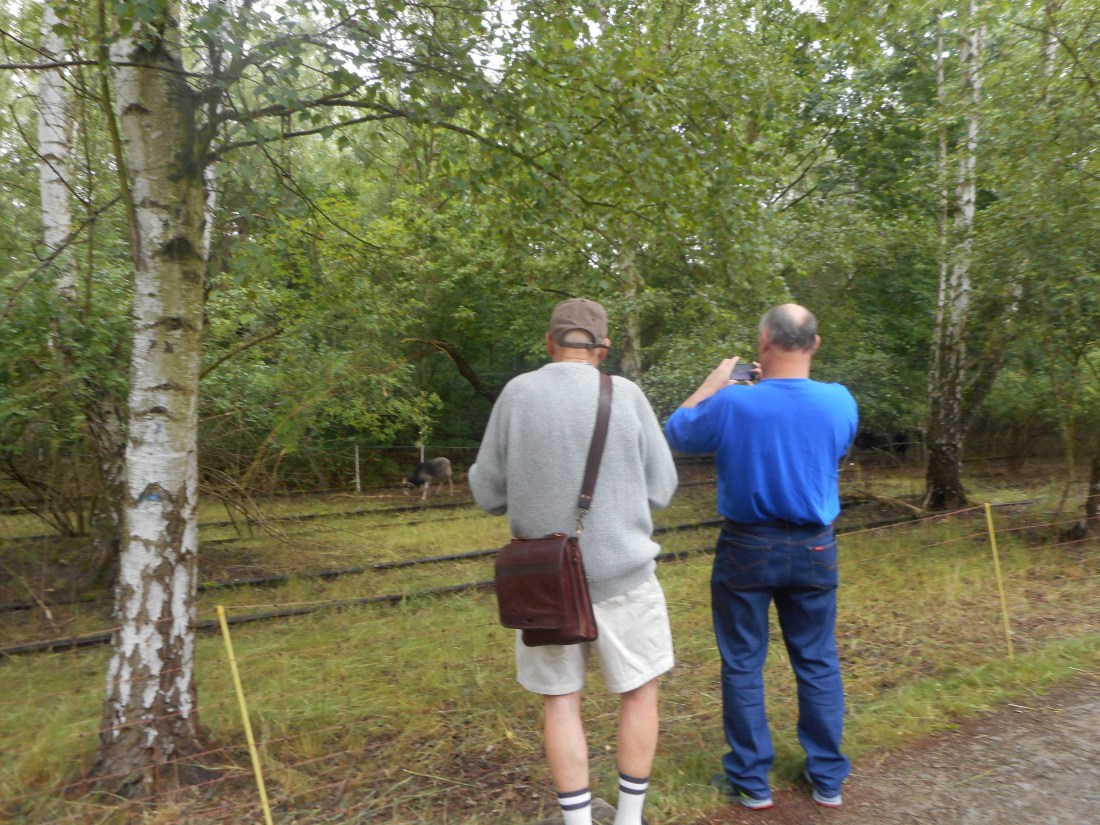
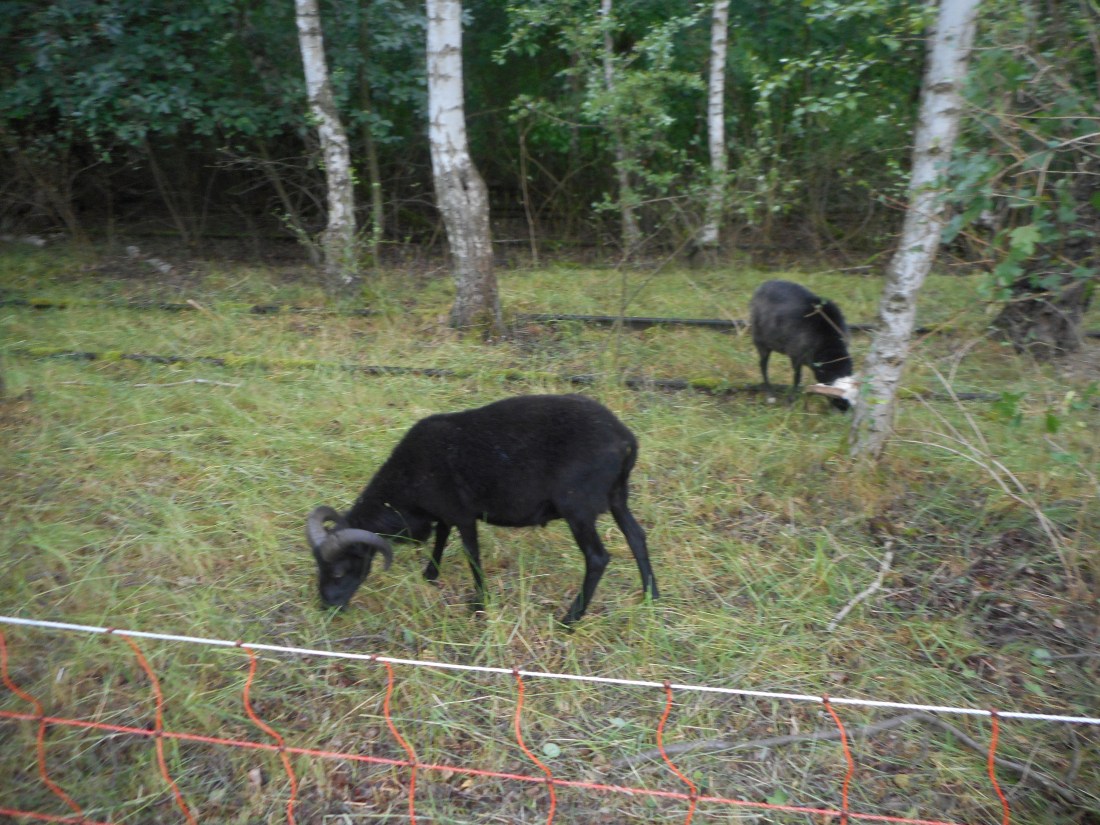
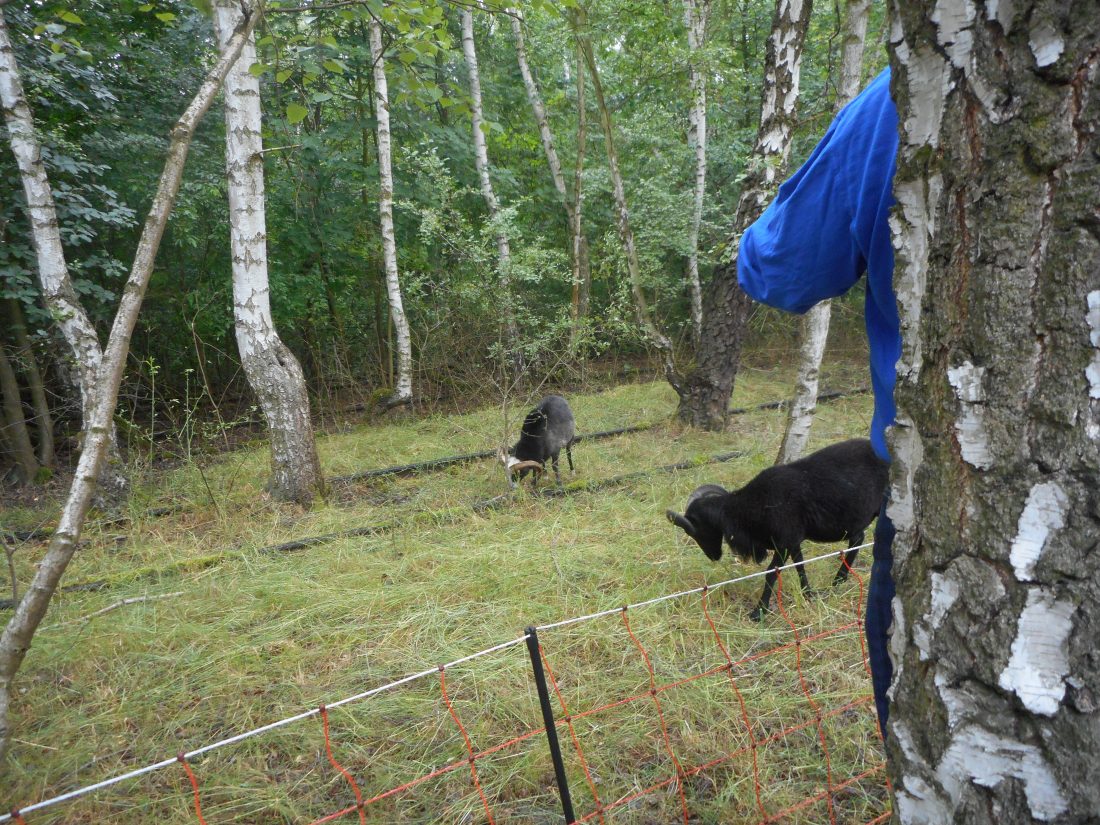
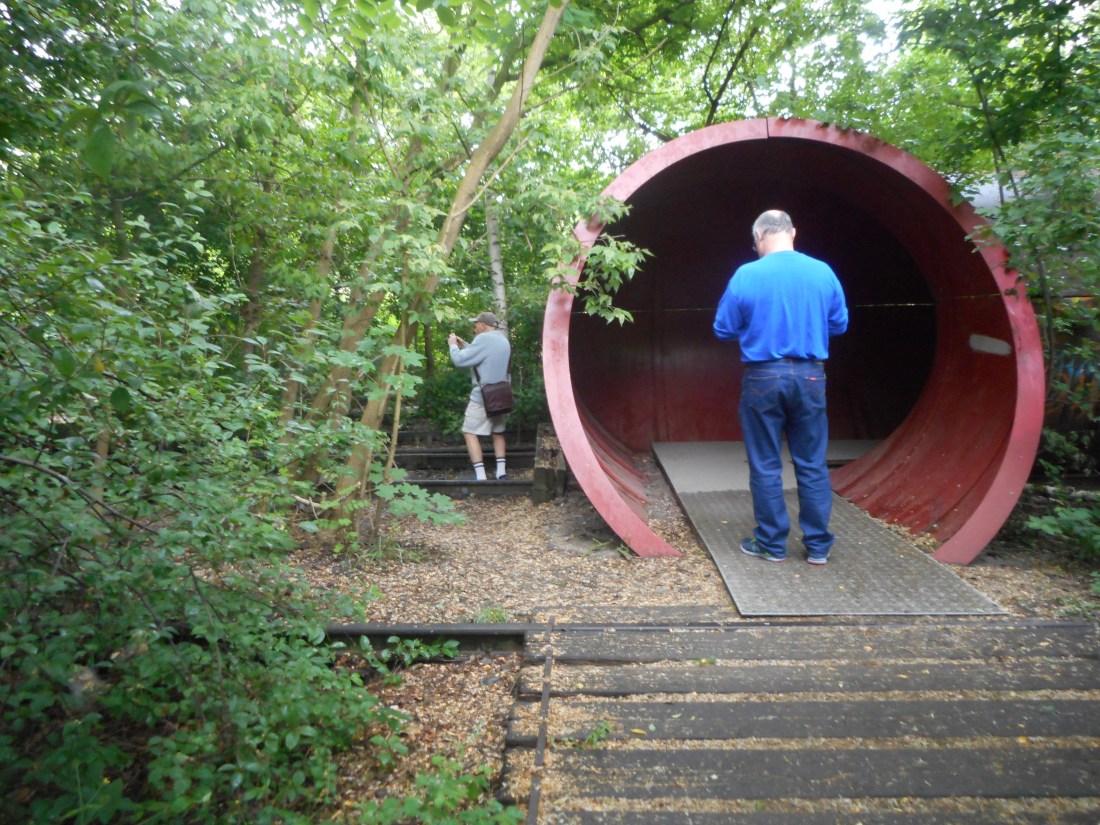
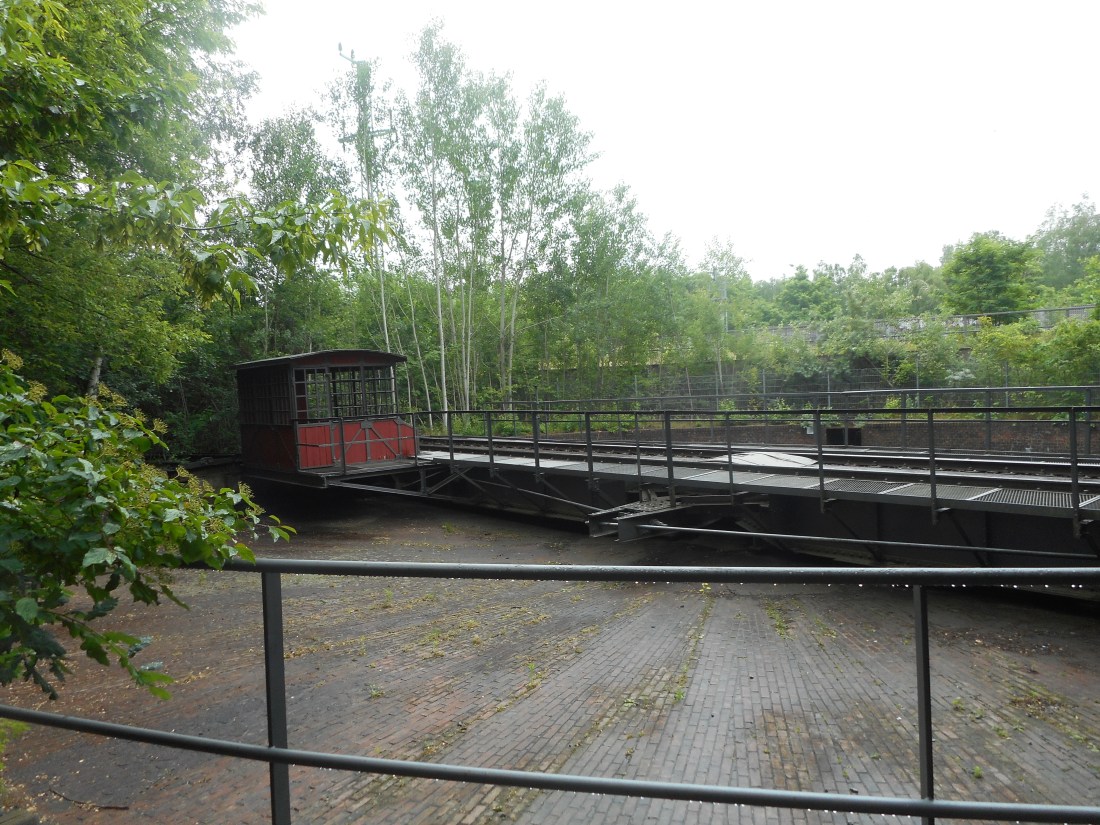
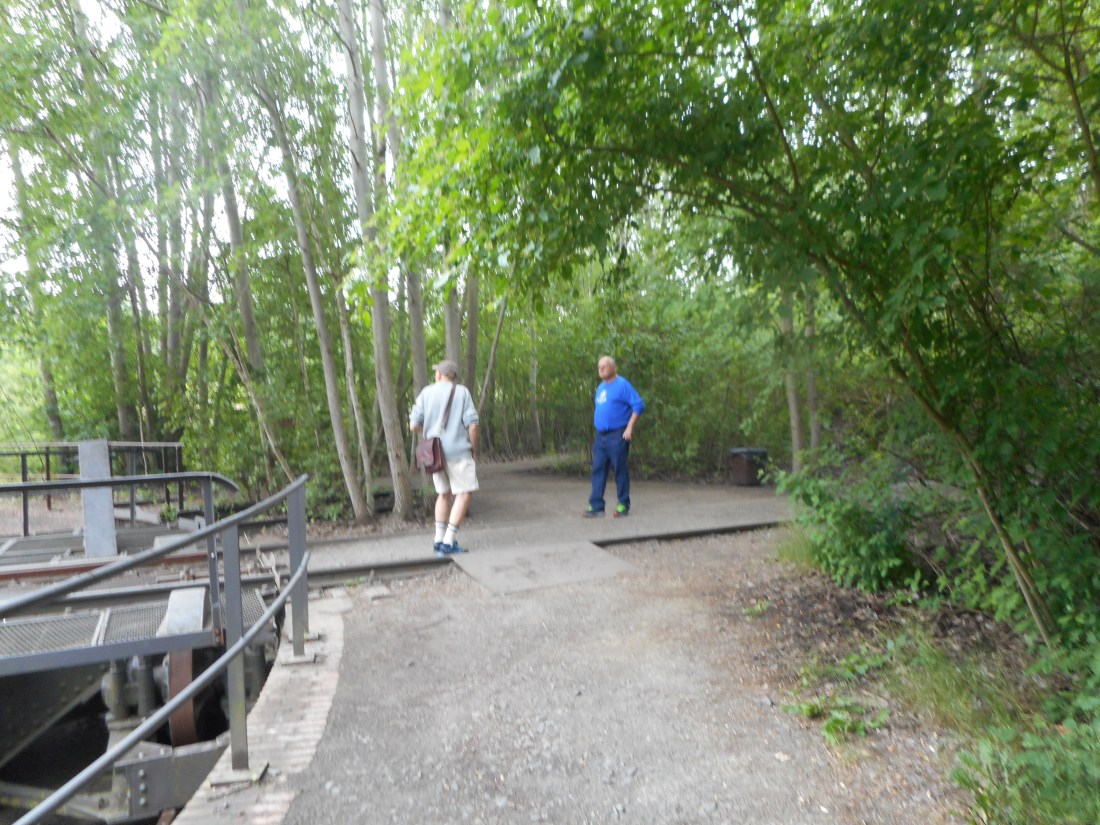
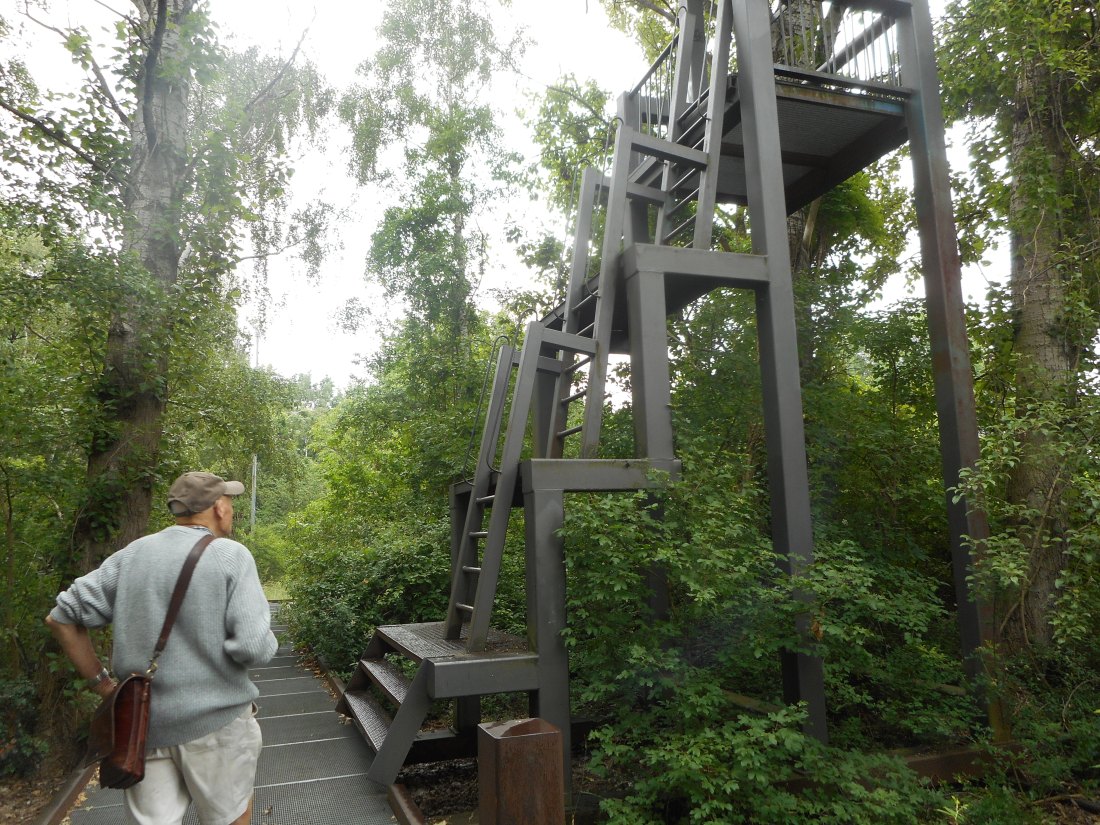
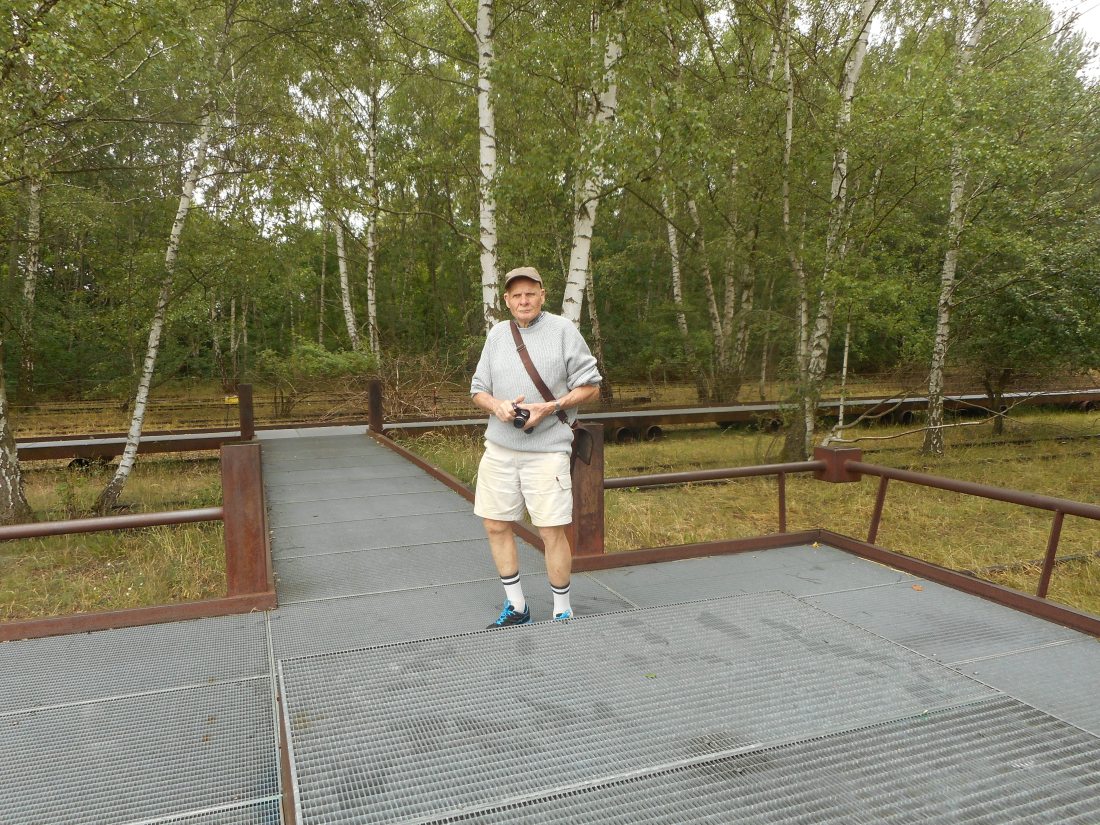
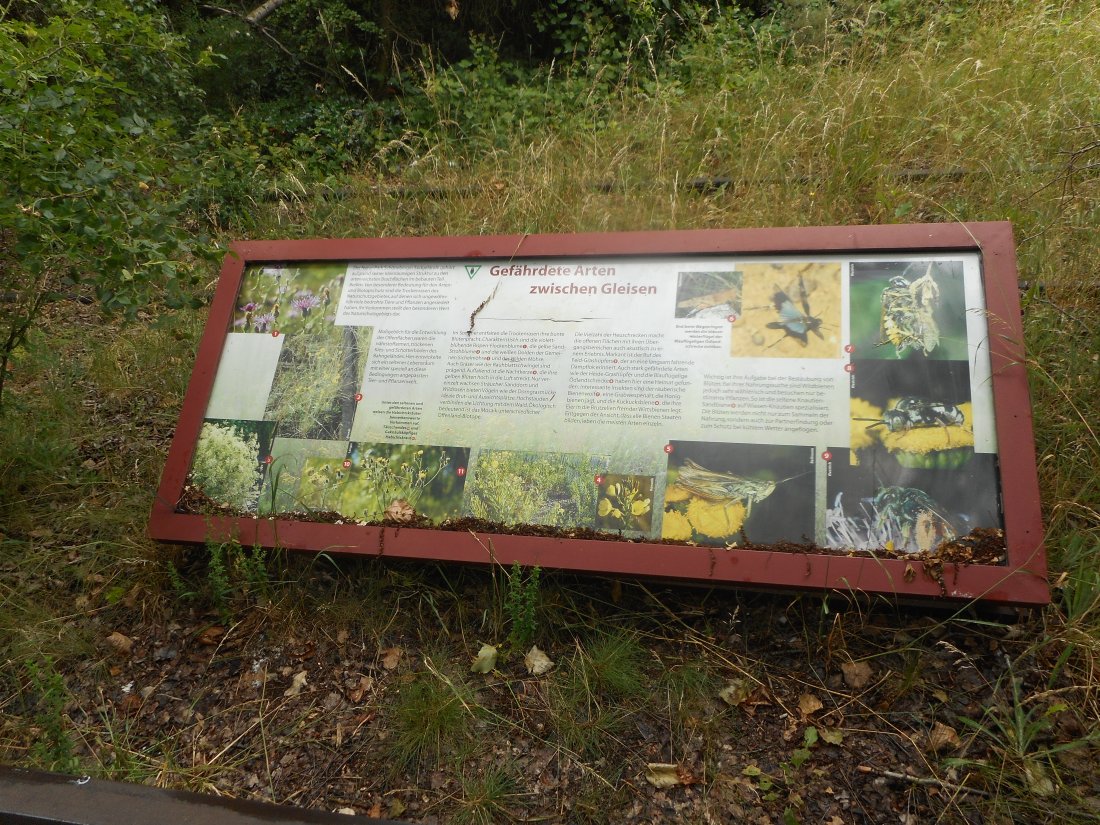
Frau Tonari included many beautiful pictures in her blog. The pictures reminded me, that Peter and I took also quite a few pictures when we visited this park a few months ago. I looked up the pictures that are in my files and publish some of them now. Martin, our son, was with us in Berlin. So Martin, Peter and I went together for a visit to that park. Frau Tonari wrote that the park had no other visitors at the time she was there. The same thing happened to us. When we arrived there was at times some light rain. We thought, that maybe the weather was the reason why no other visitors were to be seen. We were there on a weekday. We assumed that maybe on weekends some people might be around. There was a cafe, but it was closed.
The above picture shows the entrance. Peter is in the foreground, Martin on the left.
The cafe, that was closed, had a lot of outside seating.
It shows how diets high in potassium are associated with improved blood pressure control.
World’s Healthiest Foods ranked as quality sources of
potassium
Food Serving
Size Cals Amount
(mg) DRI/DV
(%) Nutrient
Density World’s
Healthiest
Foods Rating
Beet Greens 1 cup 38.9 1308.96 37 17.3 excellent
Swiss Chard 1 cup 35.0 960.75 27 14.1 excellent
Spinach 1 cup 41.4 838.80 24 10.4 excellent
Bok Choy 1 cup 20.4 630.70 18 15.9 excellent
Beets 1 cup 74.8 518.50 15 3.6 very good
Brussels Sprouts 1 cup 56.2 494.52 14 4.5 very good
Broccoli 1 cup 54.6 457.08 13 4.3 very good
Cantaloupe 1 cup 54.4 427.20 12 4.0 very good
Tomatoes 1 cup 32.4 426.60 12 6.8 very good
Asparagus 1 cup 39.6 403.20 12 5.2 very good
Cabbage 1 cup 43.5 393.00 11 4.6 very good
Carrots 1 cup 50.0 390.40 11 4.0 very good
Fennel 1 cup 27.0 360.18 10 6.9 very good
Summer Squash 1 cup 36.0 345.60 10 4.9 very good
Mushrooms, Crimini 1 cup 15.8 322.56 9 10.5 very good
Kale 1 cup 36.4 296.40 8 4.2 very good
Turnip Greens 1 cup 28.8 292.32 8 5.2 very good
Celery 1 cup 16.2 262.60 8 8.4 very good
Romaine Lettuce 2 cups 16.0 232.18 7 7.5 very good
Bell Peppers 1 cup 28.5 194.12 6 3.5 very good
Lima Beans 1 cup 216.2 955.04 27 2.3 good
Sweet Potato 1 cup 180.0 950.00 27 2.7 good
Potatoes 1 cup 160.9 925.55 26 3.0 good
Soybeans 1 cup 297.6 885.80 25 1.5 good
Pinto Beans 1 cup 244.5 745.56 21 1.6 good
Lentils 1 cup 229.7 730.62 21 1.6 good
Avocado 1 cup 240.0 727.50 21 1.6 good
Kidney Beans 1 cup 224.8 716.85 20 1.6 good
Dried Peas 1 cup 231.3 709.52 20 1.6 good
Tuna 4 oz 147.4 597.61 17 2.1 good
Papaya 1 medium 118.7 502.32 14 2.2 good
Winter Squash 1 cup 75.8 494.05 14 3.3 good
Salmon 4 oz 157.6 492.15 14 1.6 good
Banana 1 medium 105.0 422.44 12 2.1 good
Green Peas 1 cup 115.7 373.30 11 1.7 good
Scallops 4 oz 125.9 356.07 10 1.5 good
Onions 1 cup 92.4 348.60 10 1.9 good
Cod 4 oz 96.4 327.72 9 1.7 good
Oranges 1 medium 61.6 237.11 7 2.0 good
Mustard Greens 1 cup 36.4 226.80 6 3.2 good
Collard Greens 1 cup 62.7 222.30 6 1.8 good
Strawberries 1 cup 46.1 220.32 6 2.5 good
Kiwifruit 1 2 inches 42.1 215.28 6 2.6 good
Raspberries 1 cup 64.0 185.73 5 1.5 good
Green Beans 1 cup 43.8 182.50 5 2.1 good
Grapefruit 0.50 medium 41.0 177.92 5 2.2 good
Cauliflower 1 cup 28.5 176.08 5 3.2 good
Watermelon 1 cup 45.6 170.24 5 1.9 good
Parsley 0.50 cup 10.9 168.42 5 7.9 good
Cucumber 1 cup 15.6 152.88 4 5.0 good
Eggplant 1 cup 34.6 121.77 3 1.8 good
Figs 1 medium 37.0 116.00 3 1.6 good
Turmeric 2 tsp 15.6 111.10 3 3.7 good
Sea Vegetables 1 TBS 10.8 110.96 3 5.3 good
Chili Peppers 2 tsp 15.2 105.30 3 3.6 good
Plum 1 2-1/8 inches 30.4 103.62 3 1.8 good
Apricot 1 whole 16.8 90.65 3 2.8 good
World’s Healthiest
Foods Rating Rule
excellent DRI/DV>=75% OR
Density>=7.6 AND DRI/DV>=10%
very good DRI/DV>=50% OR
Density>=3.4 AND DRI/DV>=5%
good DRI/DV>=25% OR
Density>=1.5 AND DRI/DV>=2.5%
We were in Berlin in June of this year. One day in June we visited this Natur-Park and also took a lot of pictures there. So far I have not used any of my pictures for a blog about this Park. It seems there is never enough time for everything I would like to do. I very much like your post about this Park, dear Frau Tonari. I am going to reblog your post and thank you for sharing all your beautiful pictures. 🙂




 Caricature: Bryan Hemming

 AuntyUta