Our Visit to the Art Gallery of NSW

Our daughter took us to the Art Gallery on the 4th of July this year. On the pictures, that Caroline took, you can see that I now ‘advanced’ to a walker! My walker is actually a ‘rollator’ and has wheels so it can be pushed. I can walk very well with it. Gives me some kind of balance. The good thing is that this rollator can be folded and fits into the back of the car.
In Google it says: “Do I Need a Walker or Rolling Walker? Walkers are needed for a myriad of reasons. If you experience shortness of breath, arthritic pain, or can’t walk and carry objects at the same time. If you are afraid of falling, being alone and becoming socially isolated, you may need a walker.”
I must say the reasons why a Walker is needed, do all apply to me, all of them! To buy such a thing was really an excellent decision for me. Now I can go out on daily walks without having to be scared of falling and also being able to take a rest whenever I feel getting out of breath.
Without Caroline’s help we probably would not have made it to the Gallery on that day. We stayed with Caroline and Matthew in Sydney from Friday night to Saturday on that weekend. It was great to spend some time with them. But we observed ‘social distancing’ with them as much as possible!
Caroline and Matthew live in Marrickville. Peter did drive there from Dapto and back the next day. It is good that for the time being he still has his license for because of the virus we would not like to go on public transport.
Caroline offered to drive us to the Gallery, this is why it was not a problem to get there. Also, we stayed there only for a very limited time. Caroline was able to park right in front of the Gallery, which was lucky.
The above mentioned pictures Caroline sent me in an email. But sorry, so far I was not able to transfer them from the email to this blog. Maybe I can do this another time.
I published here an update from the Gallery regarding Covid-19:

The Art Gallery of New South Wales

Update from the Gallery regarding COVID-19

What you need to know before visiting

The Art Gallery of NSW is open from 10am to 5pm daily.

Entry is free. Tickets are NOT required for general entry (subject to any changes from NSW Government health guidelines).

Information about exhibition tickets for Archibald, Wynne and Sulman Prizes 2020 and Streeton will be available closer to the exhibition dates.

To help keep everyone safe, please read the following information before visiting the Gallery.

What’s open

What’s closed

Cloaking facilities and Chiswick at the Gallery restaurant.

There are presently no tours and events, and no late-night Wednesday openings for Art After Hours.

What we’re asking you to do

  • Provide your name and contact details if requested (such as at the Gallery cafe) to support contact tracing.
  • Bring a credit or debit card for any on-site purchases (we won’t be accepting cash).
  • Bring a water bottle (we’ve turned off the drinking fountains/bubblers).
  • Avoid bringing large bags (you’ll have to carry any bag at your side or on your front).
  • Don’t visit in a large group.
  • Don’t visit if you’re unwell or, if in the last 14 days, you have experienced cold or flu symptoms, have returned from overseas or have been to or had contact with someone from a COVID hotspot.
  • Keep up to date with NSW Health advisories about COVID-19, including outbreaks.
  • Consider downloading the COVIDSafe app.

At the Gallery

  • Use the hand-sanitiser provided on arrival.
  • Cloak your umbrella yourself in the stands provided.
  • Keep at least 1.5 metres distance from others at all times.
  • Wait in a marked queue or go elsewhere if a particular space has too many people.
  • Allow less-mobile visitors to use elevators first, or consider using the stairs or escalators.
  • Cough and sneeze into your elbow or a tissue, and put the tissue in a bin.
  • Wash your hands with soap for at least 20 seconds in our restrooms.
  • Please don’t touch the artworks.

Visitors with access requirements can still use ramps and lifts, and borrow the Gallery’s wheelchairs or mobility scooters which are sanitised after each use.

Visitors who don’t comply with these conditions will not be admitted or will be asked to leave to ensure the safety of all.

What we’re doing for you

  • There are separate entry and exit doors, floor markings and signage to help visitors maintain safe distances.
  • There are limits on the number of visitors overall and each Gallery space has its maximum capacity, based on the rule of 1 person per 4 square metres. Please follow instructions from staff.
  • We’ve removed some seating in exhibition spaces to give visitors more space to move. Folding chairs are still available from the information desk.
  • We’re cleaning frequently with hospital-grade disinfectants, and high-touch items are sanitised after each use.
  • We’ve provided hand sanitisers at the Gallery entry and at various places throughout the building.
  • All Gallery officers are trained in COVID-safe first aid.
  • We will continue to be guided by the NSW Government’s health guidelines and will provide updates to this information.

We look forward to seeing you at the Gallery soon.

Art Gallery of New South Wales

Art Gallery Rd, The Domain 2000
Sydney, Australia

Info line 1800 679 278

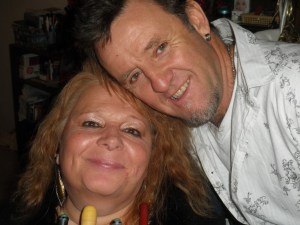
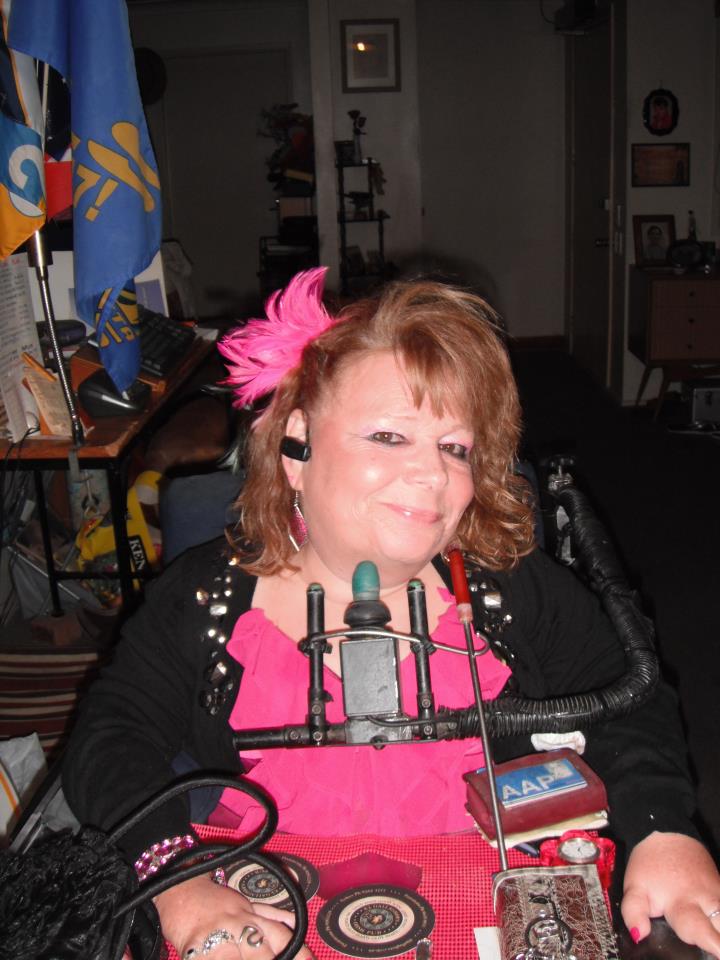
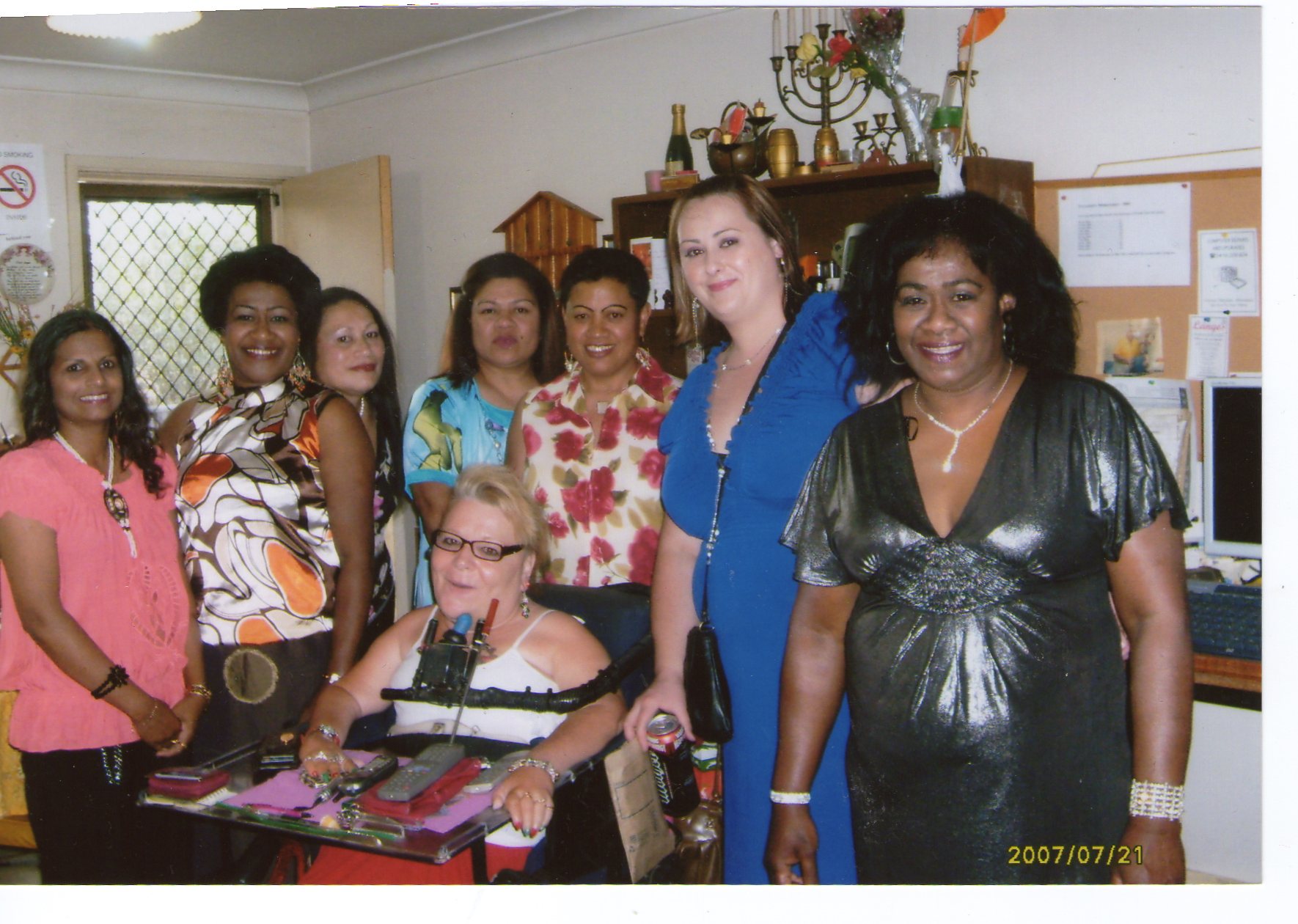
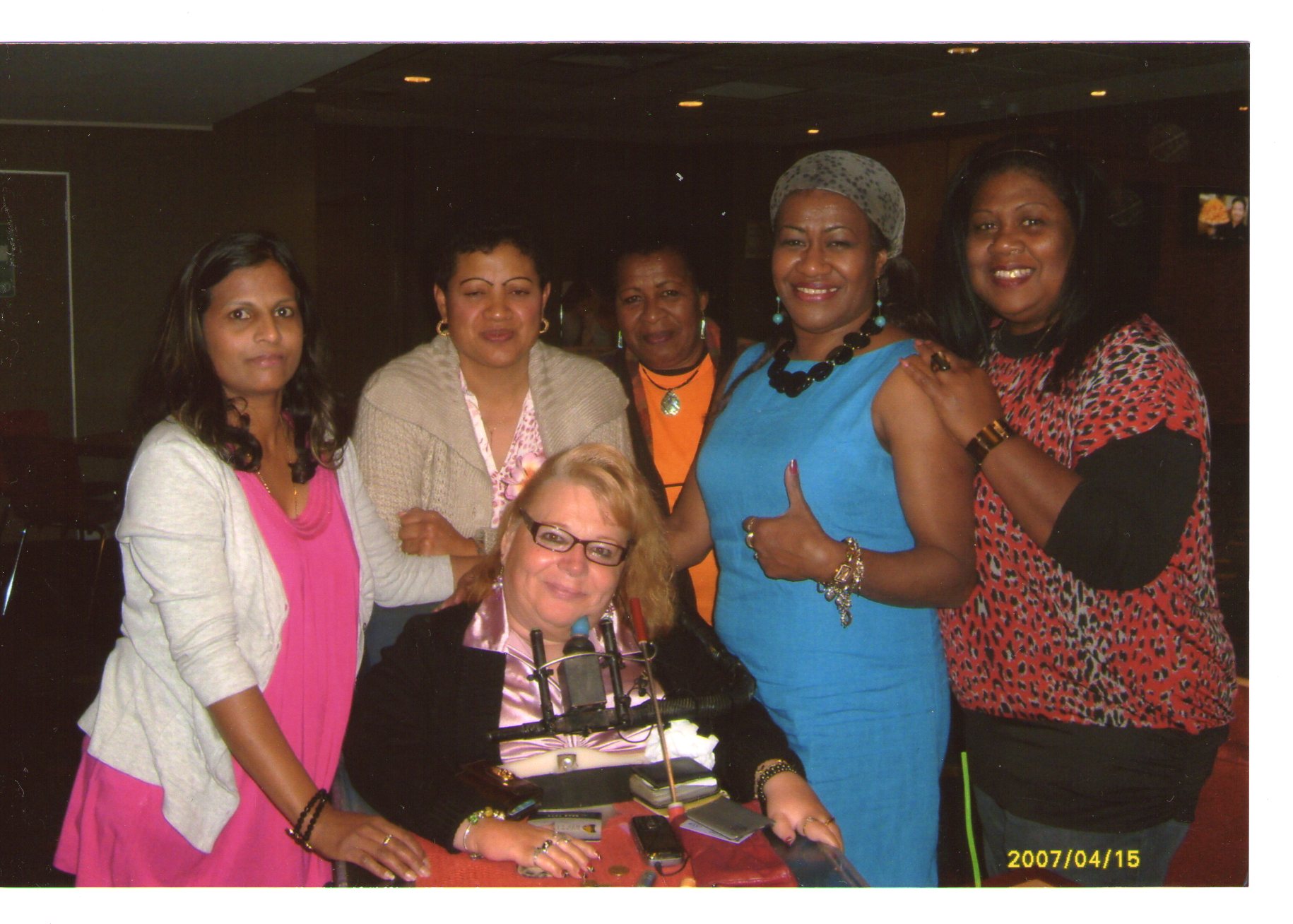
Our Daughter Gaby in three Pictures

Acceptance, Resilience and Strength!
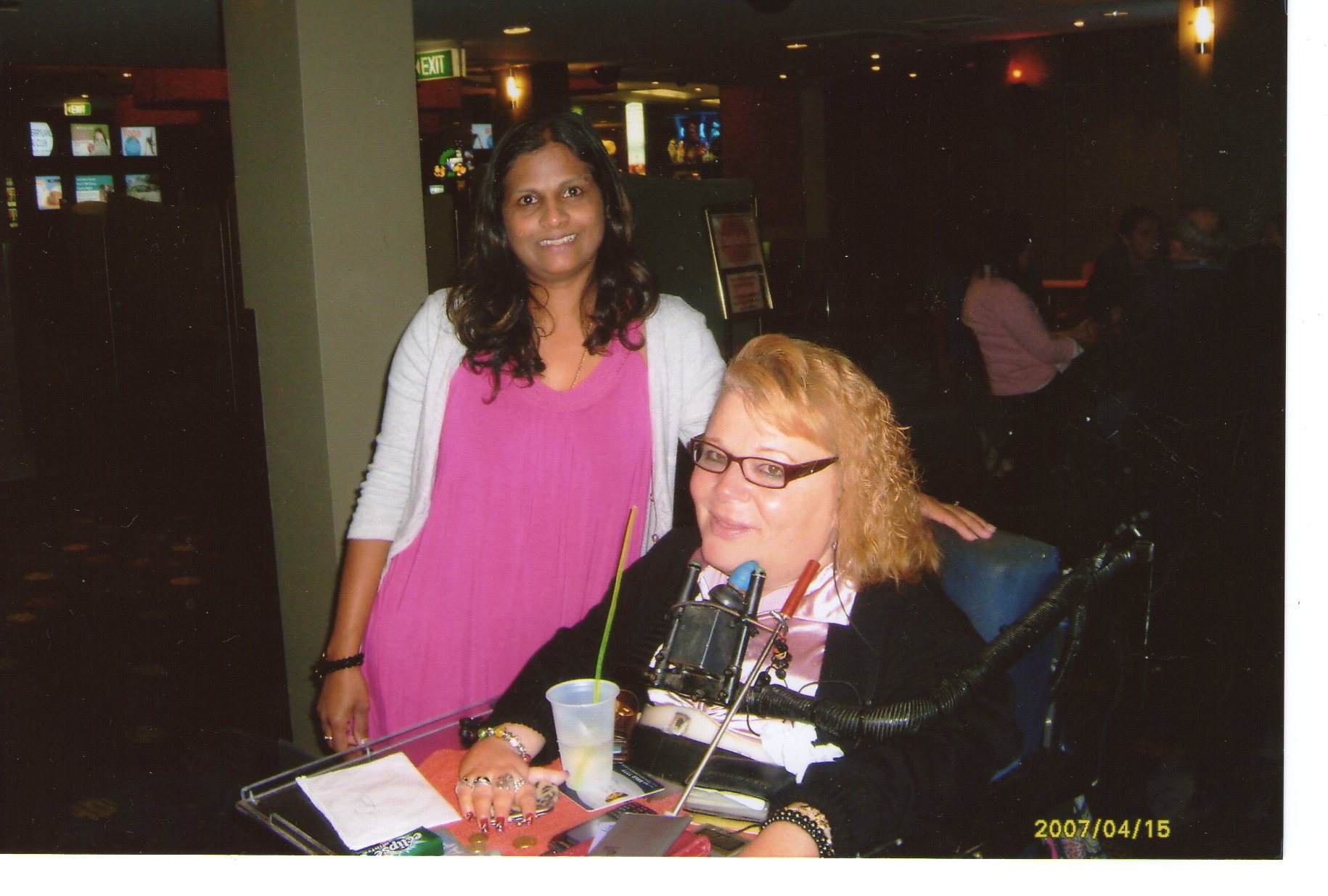
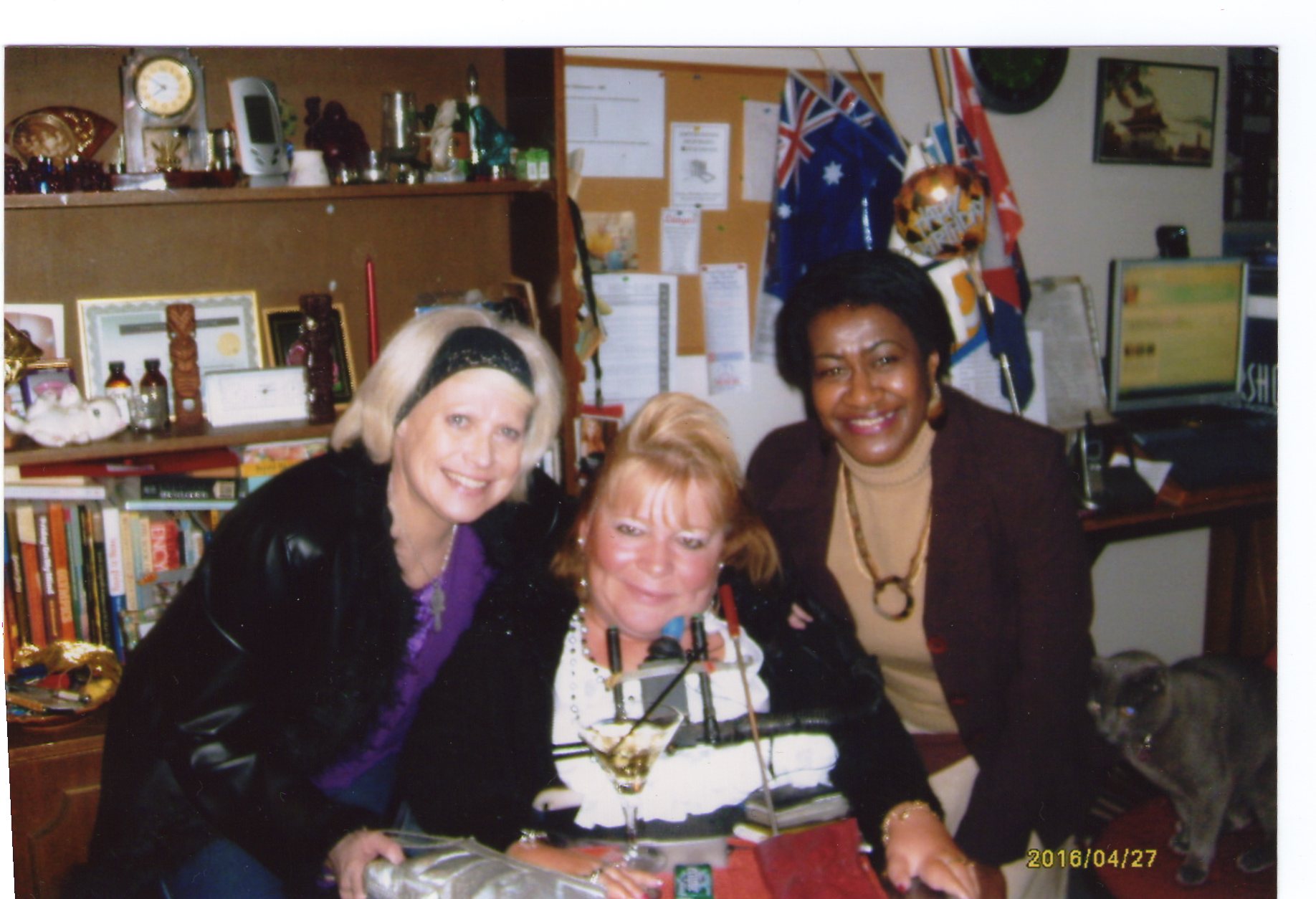
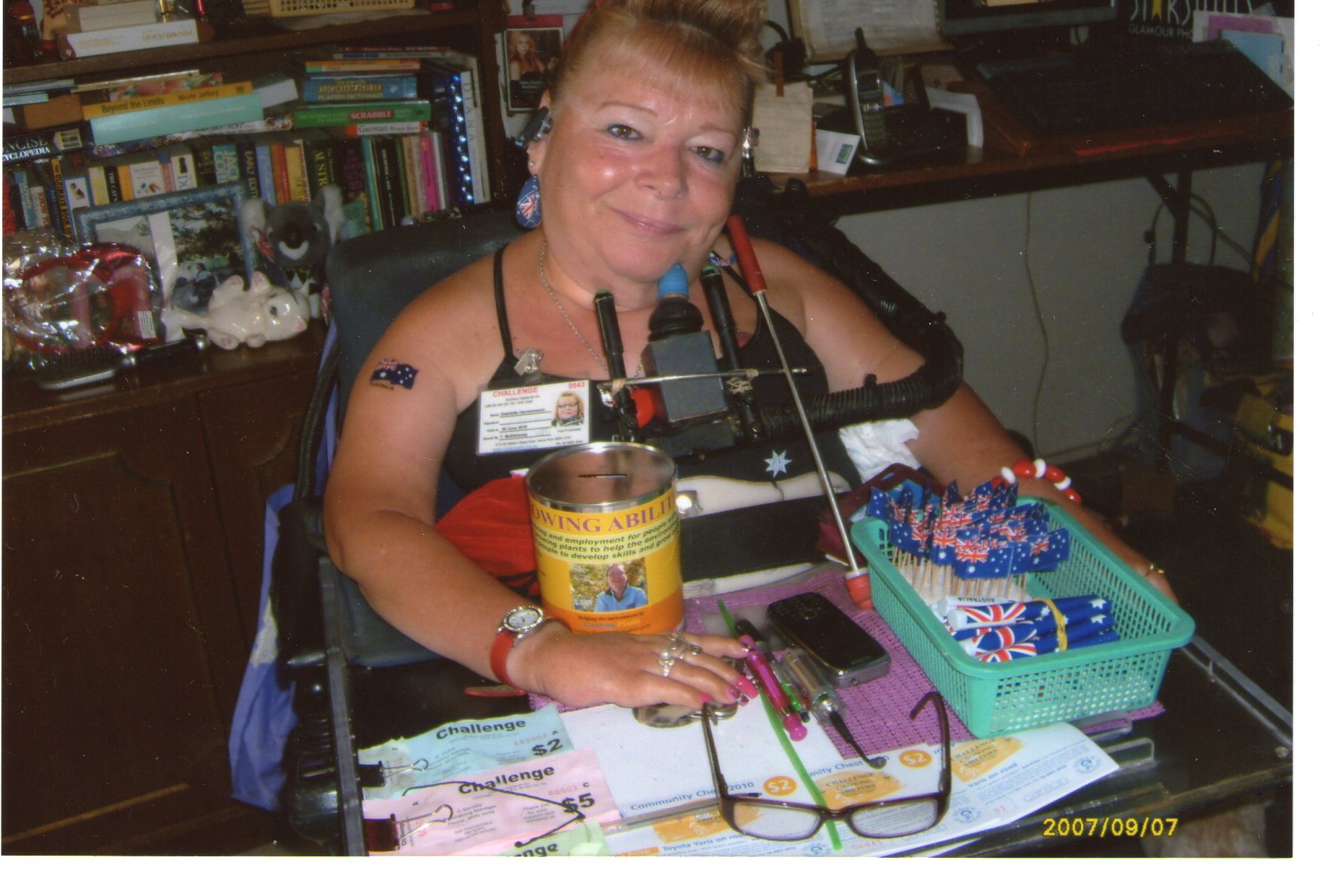
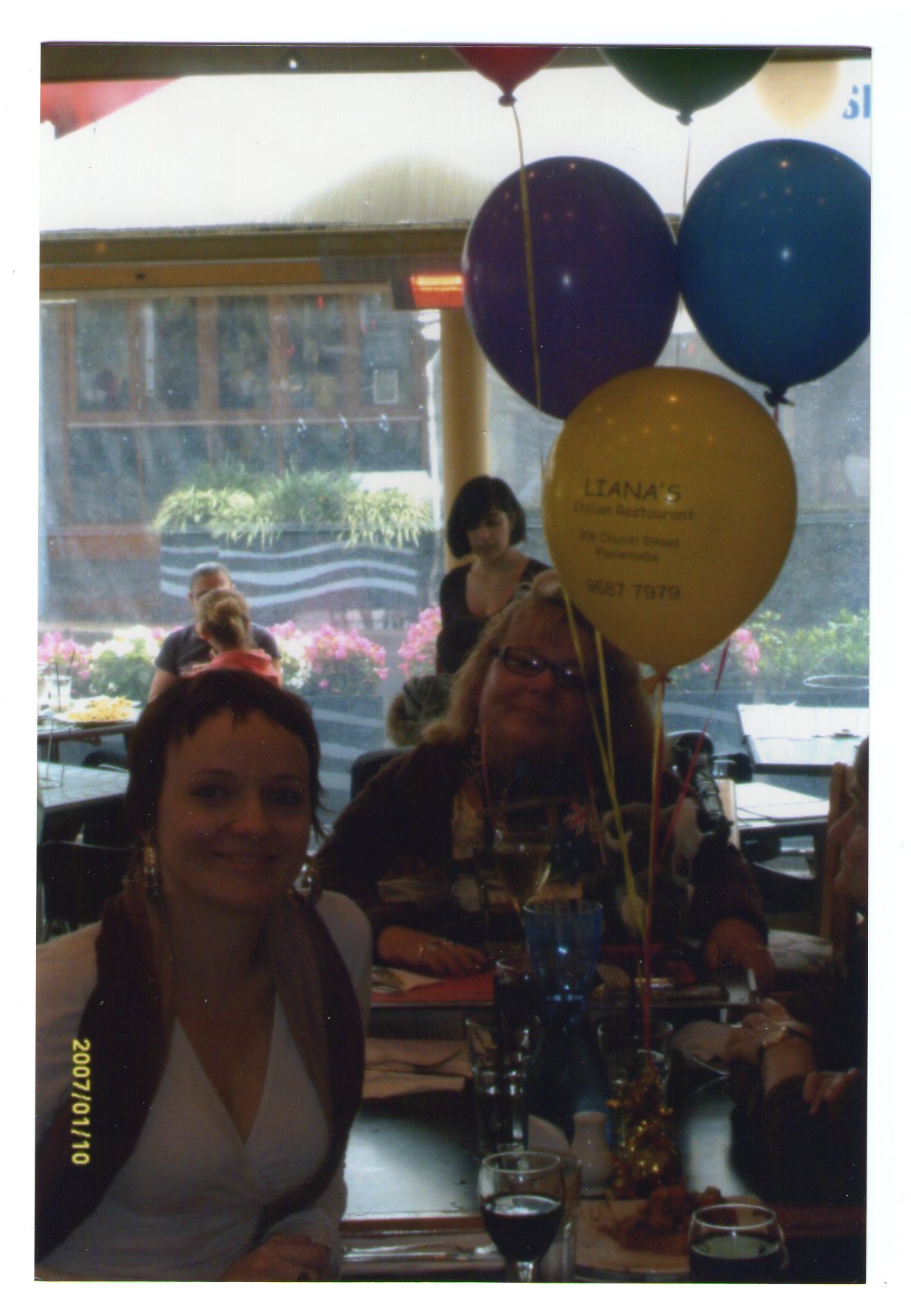
Today we remember our daughter Gaby. On this day eight years ago we received the sad news of her passing from this life to Eternity. We are still sad that she is gone, but I don’t think we are grieving anymore. She mastered her life in a great way. A while ago I saw someone on TV saying that a disabled person needs three things to make a go of her or his life: acceptance, resilience and strength. Gaby had buckets of it. In the words of Johann Wolfgang von Goethe, we are responsible for the climate around us. She lived her own life and created a climate around her in which so many people felt they are in the presence of a remarkable person. She had accepted the conditions of her life and had the resilience and strength to act accordingly.
Look at her face in the first picture it is very mischievous.
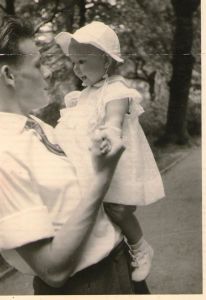
In the second photo, she is not even one year old but showing already signs of her outward-looking and inquiring mind.
The third picture was taken after a great night out with a friend of hers.
In all three pictures, there is nothing sad about it. We are so happy that we were able to share our life with her. We still love her so much. RIP Papa and Mama
Peter wrote the above today. Here are the three pictures:
PS: When the last picture was taken, Gaby was already close to her 55th birthday!
I think in the first picture she is 50 years . . . .

With Love from Gaby, Dave, Bonnie & Clyde

This is a copy of what I published July 12, 2014. I did try to reblog it but this time this did not work. This is why I copied the whole lot. It does bring back memories!

img287

Gaby came down with poliomyelitis on her fourth birthday. That was in 1961. When she was 32, in 1989, she left institutional care and moved into her own home in Merrylands West, a Western suburb of Sydney. David (Dave) became her full time carer. But as a quadriplegic with breathing difficulties who needed to sleep in an iron lung, she needed several people to come in on a daily basis to look after her diverse needs.

Anyhow, Gaby was happy to leave the home for disabled people and move into her own home. 40 year old David did for nearly twenty years a marvellous job in doing whatever he could for Gaby. But in the end his health deteriorated more and more. It became impossible for him to the the things for Gaby he would normally have to do as her carer. It was a rather sad situation. Gaby knew that David needed help but she did not know how to provide this for him.

Gaby and David both loved animals. Soon after moving in Gaby acquired a companion dog provided by the people who train dogs for blind people. Dave liked that dog too. They called her Bonnie. A cat named Clyde became Bonnie’s companion. Gaby just adored her animals. They were like her children. She always saw to it that they had everything they needed.

Gaby with Bonnie
Gaby with Bonnie
Gaby with Clyde
Gaby with Clyde
Bonnie and Clyde in front of the gas heater

img288

Bonnie is being spoiled!

I happen to have still a Christmas card from Gaby and Dave with a calendar for 1998 in it. The card came with a book: A Tolstoy biography by A.N. Wilson, first published in Great Britain in 1988. This is a great reference book and a great read. Gaby chose this book for me as a Christmas gift. She did choose very well. She always took great care to choose gifts for all the family for birthdays and for Christmas. Of course her funds were limited. So she always looked for bargains. Quite often her choices were astoundingly good.

This is the outside of the card.
This is the outside of the Christmas card.
And this is the inside of it.
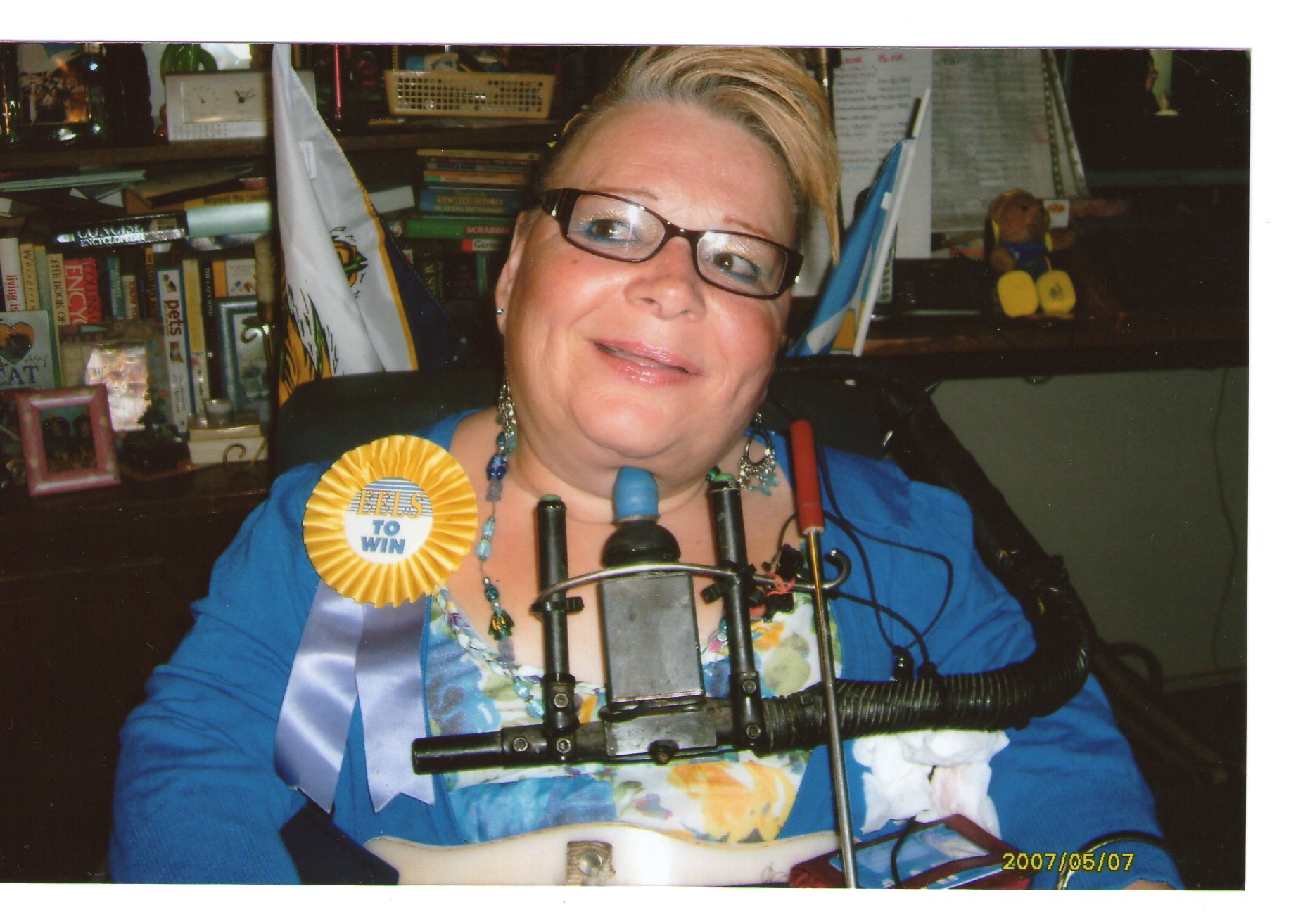
Gaby moved her electric chair with her chin, she used her mouth stick for phone and computer.
Here she looks like having grown up a bit more.
Here she is in her bedroom getting ready for the day.
After Gaby lost Clyde, she did get a new kitten.
Blackie, the kitten, grew into this.
Gaby is having fun seeing Father Christmas.

Sadly Gaby lost Bonnie. She was lucky that after some time she was given a replacement dog which she called ‘Honey’.  Honey was quite skinny at first but soon filled out a bit.

Gaby can celebrate Christmas 2003 with companion dog Honey.

Celebration of Gaby’s Life

This is a reblog of a blog I published six years ago, and I did write in a comment: ‘I thank all the carers for the outstanding care they’ve been giving Gaby over many years. I love you all!’ Looking at the photos again, I am reminded again of the excellent care Gaby has been given and how this enrich the last years of her life! Tomorrow is going to be the 8th anniversary of her dying. Gaby, you are not forgotten!
And here is something else I wrote in the comment section six years ago:
‘. . . . in lots of ways Gaby made sure that we are always going to remember her. She has been very much a family person, even for all these years when she lived apart from her family. Over the years it became more and more apparent, how brave she actually was. Thinking back over her life now, her braveness is something that maybe we did sometimes not fully comprehend but took it somehow for granted. I think she deserves that we celebrate her life, for she showed us how to enjoy life, even when it means to have to overcome a lot of difficulties.’

auntyuta's avatarAuntyUta

Gaby died on the 15th of July 2012. This is going to be two years ago tomorrow. I copied here a post I published two years ago as a celebration of her life. The pictures show a lot of her carers, friends and family. We all remember you, Gaby.

Give thanks to the

Lord, call on his

name; make known

among the nations

what he has done.

Sing to him, sing

praise to him; tell of

all his wonderful acts.

Psalm 105; 1-2

View original post

The Great ‘Reset’ (of Capitalism)

William Bowles says:
“A lot of the mystery of the British state’s use of the Virus as a means of social control, became much clearer after I’d read the UK Cabinet Office’s document called ‘Mindspace’ – Influencing behaviour through public policy‘. Engineering opinion so that the public ‘gives its permission’ to be herded like cattle, locked up, pauperised and deprived of a future. ”
Something to think about!

barovsky's avatarThe New Dark Age

12 July 2020 — Investigating Imperialism

By William Bowles

Why can’t I shake the feeling that the Virus is really the back story, a story that diverts us from something far deeper and much more threatening than the much-maligned Virus? The social distancing; the masks; the lockdown; the shutdown; all designed to distract? And the glue that cements it all together? Fear.

View original post 2,583 more words

STAN GRANT’S SPEECH ON RACISM IN AUSTRALIA

https://mannerofspeaking.org/2016/01/26/stan-grants-speech-on-racism-in-australia/

Stan Grant, an indigenous Australian journalist, gave a speech in October 2015 at a debate on racism in Australia. The video of that speech has gone viral.

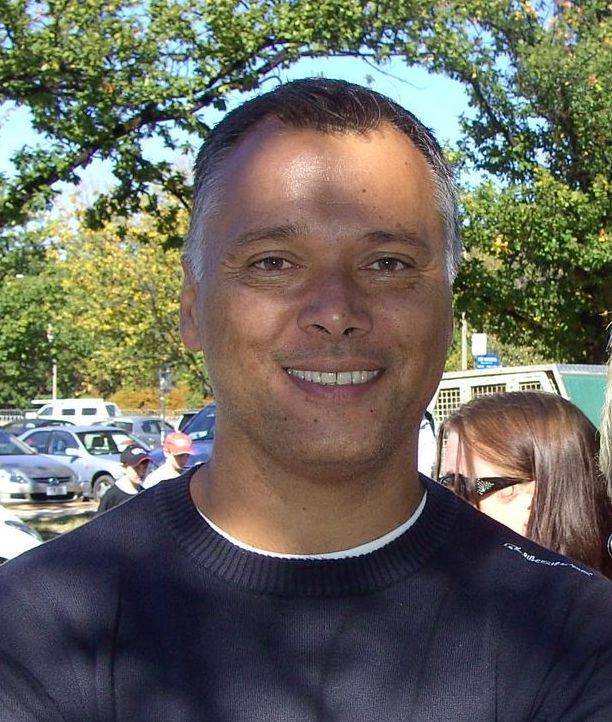
Stan Grant
Stan Grant

Several people are touting it as the Australian equivalent of Martin Luther King’s I Have a Dream speech. While I would not elevate this speech to that status—and Grant himself has said that, while he is flattered, he is “not in any way worthy of that sort of comparison”—it is an excellent speech. Forceful, hopeful, compelling, moving.

Interestingly, Grant apparently delivered the speech off-the-cuff.

I didn’t want to write anything, I didn’t want to be standing there looking down at notes. I just wanted to look people directly in the eye. I wanted to make a statement about how we live with the weight of history.

He succeeded.

What I liked

  • Grant was right to stand behind the lectern. Usually, a speaker should be out in front of the lectern so as to shrink the distance between himself and the audience. But certain occasions mandate the use of a lectern. A debate such as this is one of those times.
  • He has great eye contact throughout the speech.
  • Grant’s voice was powerful without being overbearing. He maintained a good pace and he excellent pauses.
  • He uses good hand gestures to emphasize his points. Even when he holds his hands together (starting at 1:05), it works well. Typically, speakers want to adopt and open posture and not hold their hands together; however, this is a good example of an exception to the rule.
  • He anchors his speech by returning to a phrase, “The Australian Dream”, 11 times. This certainly has echoes of Martin Luther’s King’s speech in front of the Lincoln Memorial. In that speech, King invoked the phrase “I have a dream” eight times.
  • He uses alliteration to frame his arguments: “We heard a howl. We heard a howl of humiliation that echoes across two centuries of dispossession, injustice, suffering and survival.” / “The Australian Dream is rooted in racism.”
  • Grant tells personal stories of his family members and the indignities that they suffered, whether they were indigenous or white. He thereby enhances his own credibility when it comes to the subject of racism in Australia.
  • Grant is humble in crediting his success to his family members who came before him.
  • He uses statistics to support his arguments. “My people die young in this country. We die ten years younger than average Australians and we are far from free. We are fewer than three percent of the Australian population and yet we are 25 percent, a quarter of those Australians locked up in our prisons and if you are a juvenile, it is worse, it is 50 percent. An Indigenous child is more likely to be locked up in prison than they are to finish high school.”
  • Grant invokes passages from important Australian songs and poems—the Australian National Anthem and Dorothea Mackellar’s My Countryand then uses antimetabole to show how the state of indigenous peoples in Australia has been the opposite of what is praised in song and verse.

We sing of it, and we recite it in verse. Australians all, let us rejoice for we are young and free. My people die young in this country. We die ten years younger than average Australians and we are far from free.

I love a sunburned country, a land of sweeping plains, of rugged mountain ranges. It reminds me that my people were killed on those plains. We were shot on those plainsdisease ravaged us on those plains.

  • He uses commoratio to emphasize the disdain and hatred with which the British regarded the indigenous peoples of Australia:

And when British people looked at us, they saw something sub-human, and if we were human at all, we occupied the lowest rung on civilisation’s ladder. We were fly-blown, stone age savages and that was the language that was used.

  • Notwithstanding the foregoing, Grant sounds a hopeful note by appealing to the higher instincts of Australians.

The Australian Dream. We’re better than this. I have seen the worst of the world as a reporter. I spent a decade in war zones from Iraq to Afghanistan, and Pakistan. We are an extraordinary country. We are in so many respects the envy of the world.

Of course racism is killing the Australian Dream. It is self evident that it’s killing the Australian dream. But we are better than that. The people who stood up and supported Adam Goodes and said, “No more,” they are better than that. The people who marched across the bridge for reconciliation, they are better than that. The people who supported Kevin Rudd when he said sorry to the Stolen Generations, they are better than that. My children and their non-Indigenous friends are better than that. My wife who is not Indigenous is better than that.

  • He concludes by returning to the line from the Australian that he referenced at the beginning. He thus has a circular ending. But more than that, he emphasizes the word “all” to show his hope for the future:

And one day, I want to stand here and be able to say as proudly and sing as loudly as anyone else in this room, Australians all, let us rejoice.

Congratulations, Stan Grant on your excellent speech. Here’s hoping that it leads to some positive, concrete steps in your country. And elsewhere.

Stan Grant’s challenge to Australia: How seriously are you going to take me?

https://www.smh.com.au/lifestyle/stan-grants-challenge-to-australia-how-seriously-are-you-going-to-take-me-20160406-gnzk7r.html

Stan Grant has faced up to prejudice, poverty, public judgment and private agony. Now, the Indigenous journalist says he knows more – and has worked harder – than any of our frontbench politicians. And he’s ready to take them on.

Karla’s wish is Granted

https://www.news.com.au/entertainment/celebrity-life/karlas-wish-is-granted/news-story/db04b5173ffc8889a7021834fc57e264

THREE years ago, Stan Grant whisked his two sons off to live with him and his partner Tracey Holmes in China _ leaving his ex-wife Karla nearly 9000km away from her kids.

Finally, Karla will get them back for good.

The SBS Living Black host, at the centre of a messy marriage breakdown with former Today Tonight host Grant after he was caught with sports reporter Holmes at the 2000 Athens Olympics, will have boys John, 12, and Dylan, 9, back under her roof later before the end of the year.

“They’ve been away for a couple of years now. It has been tough,” Karla said yesterday.

“It’s been a great experience for them in terms of going to school, learning a whole new different culture and meeting kids from all different countries so I think it will help them in the fture.”

Karla, who presented an award at last night’s Deadly Awards, said it had been a mutual agreement with her ex-husband for the boys to join him in Beijing, where he works as a presenter for CNN.

“I’ve got custody of the kids but he asked me if he could take them over there and I thought it would be a great experience for them,” she said.

Karla also added weight to rumours Grant himself may return to Sydney with now wife Holmes and their own son, Jesse, to be closer to his family.

“He’s looking at coming back. I’m not sure whether he’ll be back for good,” she said.

Karla was joined by 19-year-old daughter Lowanna at the Deadlys, where, ironically, Grant’s father Stan Grant Snr picked up the award for Outstanding Achievement in Education for his contribution to preserving the Wiradjuri language.

Other major winners of Indigenous Australia’s highest honour included Troy Cassar-Daley for artist of the year, Anthony Mundine (male sportsperson of the year) and Jamie Gulpilil (actor of the year)

Originally published asKarla’s wish is Granted

COVID-19 threat to Karla Grant’s mother

https://www.sbs.com.au/nitv/article/2020/03/30/its-upsetting-my-mum-there-covid-19-threat-karla-grants-mother

Karla Grant’s mother Elizabeth lives at the aged care facility in Sydney, where four elderly residents have passed away after contracting coronavirus. Karla shares how she juggled reporting on this virus, while her mother is in a lockdown and facing the grave risk of infection.
 By: Karla Grant
30 MAR 2020 – 2:49 PM  UPDATED 8 MAY 2020

At the same time, I have been out in the Redfern community investigating coronavirus or COVID-19, for a special Living Black episode that goes to air tonight.

The strain of juggling personal concerns, with the weight of information I learn on the job has been quite a challenge. On occasions the pressure has bought tears to my eyes.

Karla Grant with her three children and mother.

Karla Grant with her mother Elizabeth and three children, Lowanna, John (left) and Dylan (right).
Source: Karla Grant

This virus has halted life as we know it. It has touched all our lives, at home and work.

At my workplace, virtually everyone at NITV is either working on COVID-19 related content, or they are having to adjust ‘business as usual’ to accommodate COVID-19.

With incredible support from my colleagues, I have carried on working as normally as I can muster under these strained circumstances. The toll has been emotionally and physically draining.

My team and I have all discussed the risks we face of catching COVID-19 while filming and editing this Living Black episode.

We’re all mindful, we are putting our lives at risk in order to produce this story. We all have families at home.

Driving us on is the need to report on how the Indigenous community is being impacted by this killer virus. Our people and communities need to know the seriousness of the crisis and what precautions they need to take to keep themselves, their families and their Elders safe.

I am forever grateful to my team for their dedication, for risking their lives to produce this important episode.

I only hope this special episode on COVID-19 sheds light on the dangers of the virus, how it is impacting the world and most importantly, our own backyard.

And while the last week and a half has tested me, I smiled on the final day of shooting.

I was lucky enough to see my Mum and hear her say ‘I love you Karla’.

It was from a distance, in line with social distancing of course, but it was the most moving and touching moment to see the smile on my Mum’s face, to talk to her and to know that she is doing okay.

For me, distance does make the heart grow fonder.


Watch Living Black – Covid19 Special on SBS On Demand. 


If you believe you may have contracted the virus, call your doctor, don’t visit, or contact the national Coronavirus Health Information Hotline on 1800 020 080.
If you are struggling to breathe or experiencing a medical emergency, call 000.
Coronavirus symptoms can range from mild illness to pneumonia, according to the Federal Government’s website, and can include a fever, coughing, sore throat, fatigue and shortness of breath.

Living Black can be viewed on on NITV (Ch.34) Monday 30 March at 8.30pm, Wednesday 1 April at 9:30pm and will be available On Demand after the broadcast.