
The Art of Stillness in an age of distraction

“Over the years, the Philosophy for Children program has made its way into many schools as a means of encouraging thinking and promoting discussion. However, the program does not limit itself to reasoning only. It also seeks to encourage creativity and personal and interpersonal growth.”
This seems to be a very good program. It deserves to be promoted!
I just came across this blog and ended up reading some of the comments with Gerards replies. I think nothing much has changed since last year. We still have this terrible dilemma.

stuartbramhallJuly 18, 2014 at 12:30 pm Edit #
Australia has long had a deplorable record in their dealings with refugees. As a member of the child and adolescent faculty of the Royal Australian and New Zealand College of Psychiatrists, I supported a formal protest to the Australian government about the abusive treatment of child refugees in Australian detention centres.
Thanks for this, Stuart. I wished that more could be done for these children. At the moment we are very upset, shocked and sad about the loss of life in that terrible airline crash over the East of Ukraine.
I blame the companies who produce these extremely dangerous weapons. There is always the danger they end up with people who make horrible, horrible mistakes! I really do not know how anyone can be convinced to gain something positive out of these weapons. Why do they think they have to produce them? 😦
This is what I wrote last year:
More than a week ago Super Typhoon Haiyan went on its way across the Philippines. Three islands of the Philippines suffered catastrophic damage. Many aid organisations in lots of countries immediately organised aid transports to the Philippines. However the aid to the worst struck areas arrives for the survivors of the typhoon only slowly. Too great is the destruction on these islands. This makes the transport of these aid supplies very difficult.
Some people say there have always been typhoons and bush-fires. Of course this is true. But did they always occur with such frequency and severity? Do these people really believe that our way of life does not make any difference at all?
These days all first world countries have an extremely high standard of living. Would it really hurt us people in first world countries very much if we all cut back a bit on carbon emissions? Some economies in some first world countries may suffer a bit from time to time. But do we really make it a better world and a better society by spending more and more? I do not say we should not spend on ourselves anything extra at all. For Christmas for instance it is important for the economy that people should spend a bit extra. However I do not see that there has to be an increase in last year’s Christmas spending. Why not aim for a slight decrease? Why does there always have to be an increase? I don’t get it.
And here my thoughts on our Aid Budget in Australia: Why do we have to reduce it? Are we really so bad off that we cannot afford the previous level any more? And why is our Defence Budget so much more important than our Aid Budget?

berlioz1935November 17, 2013 at 10:46 am Edit #
“Are we really so bad off that we cannot afford the previous level any more? ”
Good question Aunty Uta. We are the worlds riches nation per capita. During the GFC our wealth has increase under a Prime Minister people say he was no good. We halved our aid budget and doubled our defence budget in percentage terms.
We gave Sri Lanka two patrol boats not to defend their country against an enemy but to stop people running away from their country, to Australia, because of an oppressive regime. We abolish the Science Ministry and sack researchers by the hundreds. We don’t want to know about climate change.
For the people of the Philippines it will be a meagre Christmas.

gerard oostermanNovember 18, 2013 at 9:16 am Edit #
Yes, Abbott likes to abolish everything in sight. You wonder about giving naval vessels to the Shri Lanka regime who are thought to have killed 100.000 of its own people. At least the UK prime minister David Cameron, also a liberal (Tory), is asking for an inquiry into possible human rights abuses.
Good question, Aunty. Is Australia also messed up when it comes to its finances? Over here, we are in terrible shape. It’s such a shame.
We are the envy of the world, Mary-Ann, because we survived the GFC without any major problems. However our new government keeps telling the people we are in bad shape. You can always frighten people with talk like this. Everybody is scared to be worth off in future. Of course some people at the bottom have it pretty tough. It seems to me so far not many fall into this category here in Australia.
http://www.abc.net.au/news/2014-11-20/green-broken-promises-and-tests-of-character/5904892
This is what it says in the above article:
“Clearly we are far from achieving that healing. The Productivity Commission report released this week, Overcoming Indigenous Disadvantage, details a people in a state of psychological crisis. A people amongst whom suicide, self-harm and mental injury are rife.”
So, this is the world we live in. Why is there this kind of disadvantage? Sometimes we hear some very well chosen words that sound as though there is some hope that things are going to change for the better. Sooner or later we find out that nothing is changing very much. Changes do take time and more time. Meanwhile there are a lot of people who just do not get a chance in life.
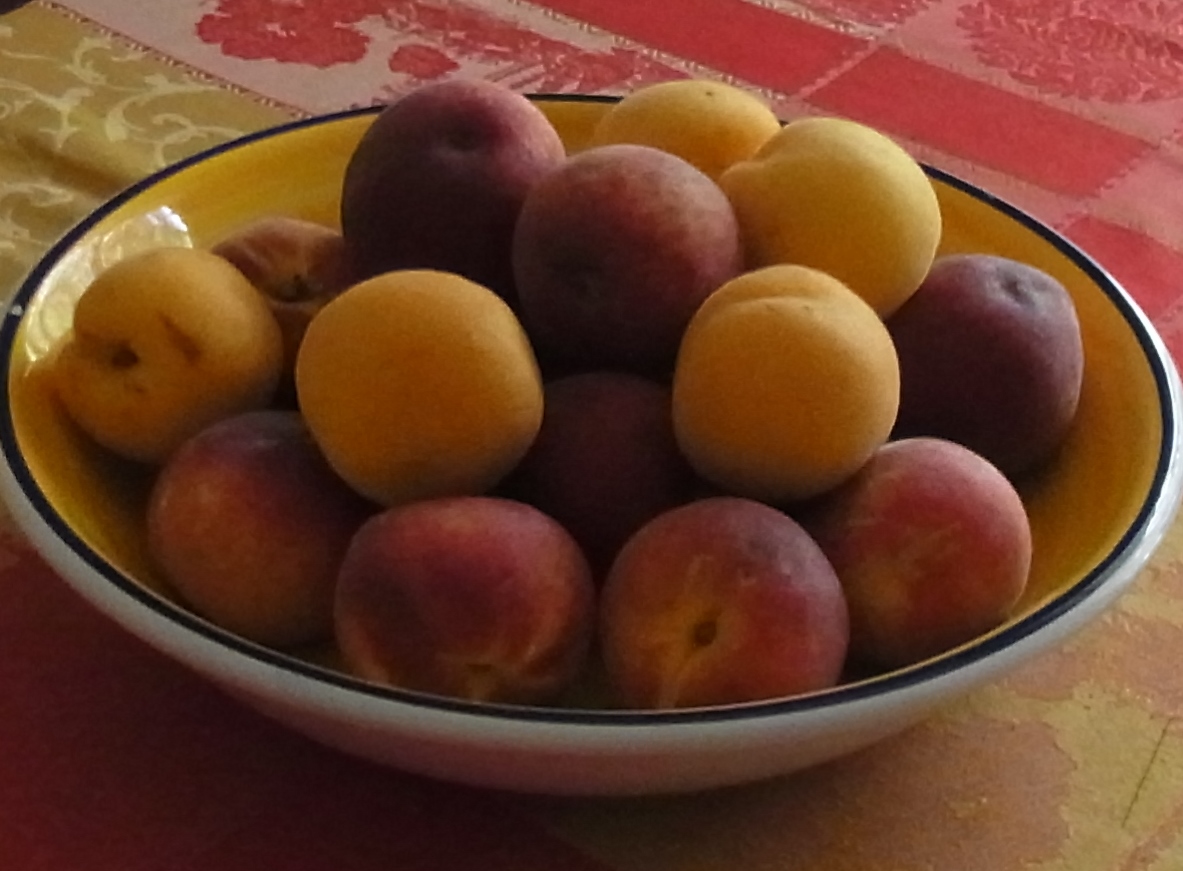

Summer has arrived here in Australia. There are Australian grown apricots, peaches and cherries, meaning Christmas can’t be far away anymore.
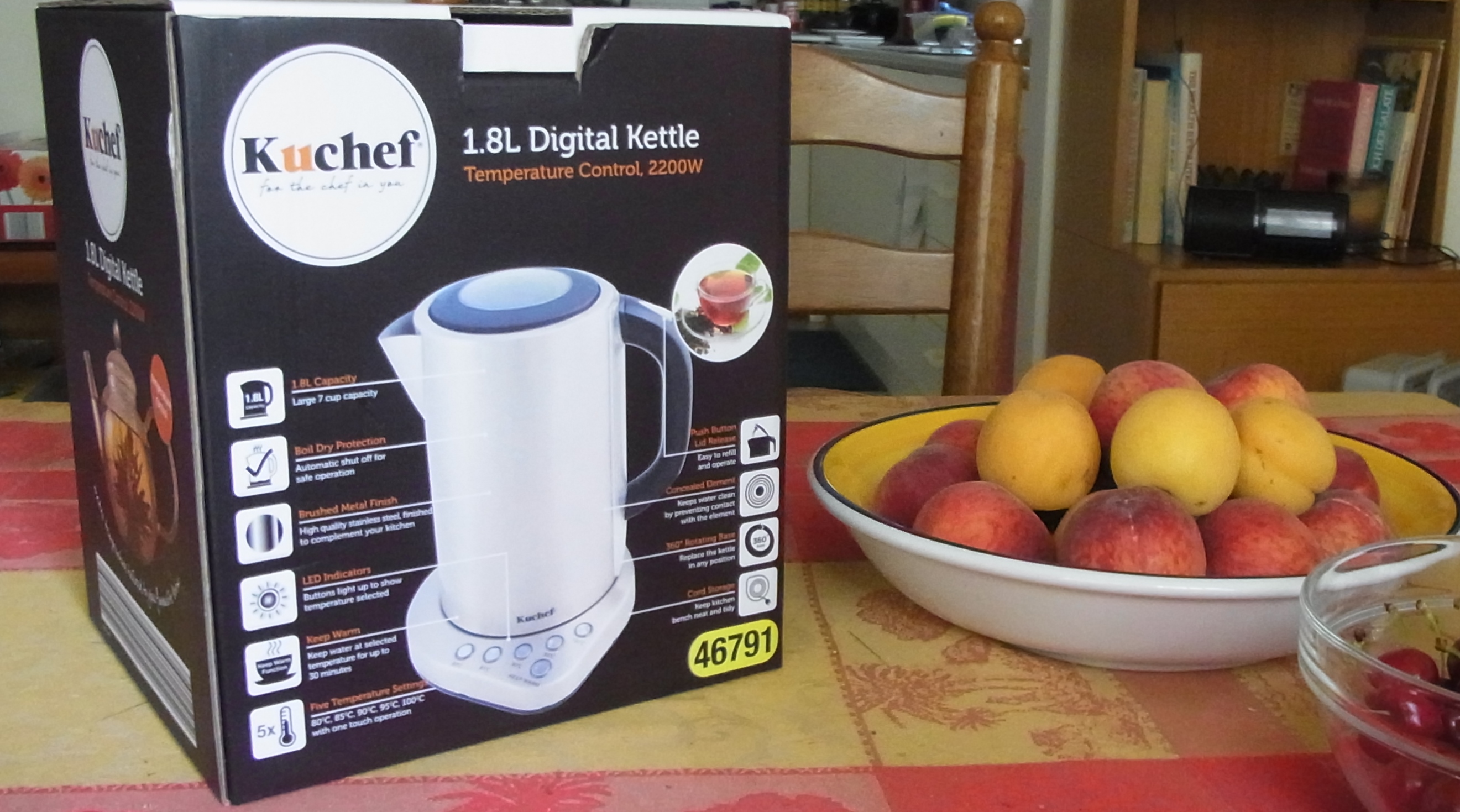
Today we bought a DIGITAL KETTLE with Temperature Control! It says: Set the ideal temperature for the perfect brew at the touch of a button. It also has a ‘keep warm function’. There are five different temperature settings!
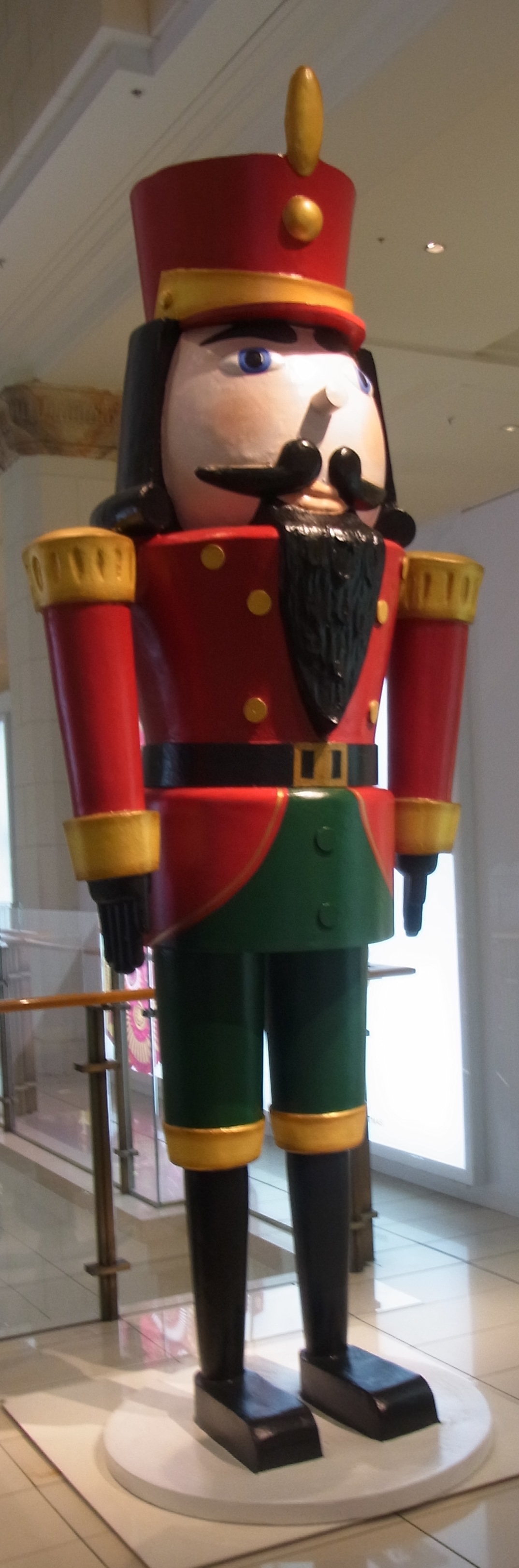
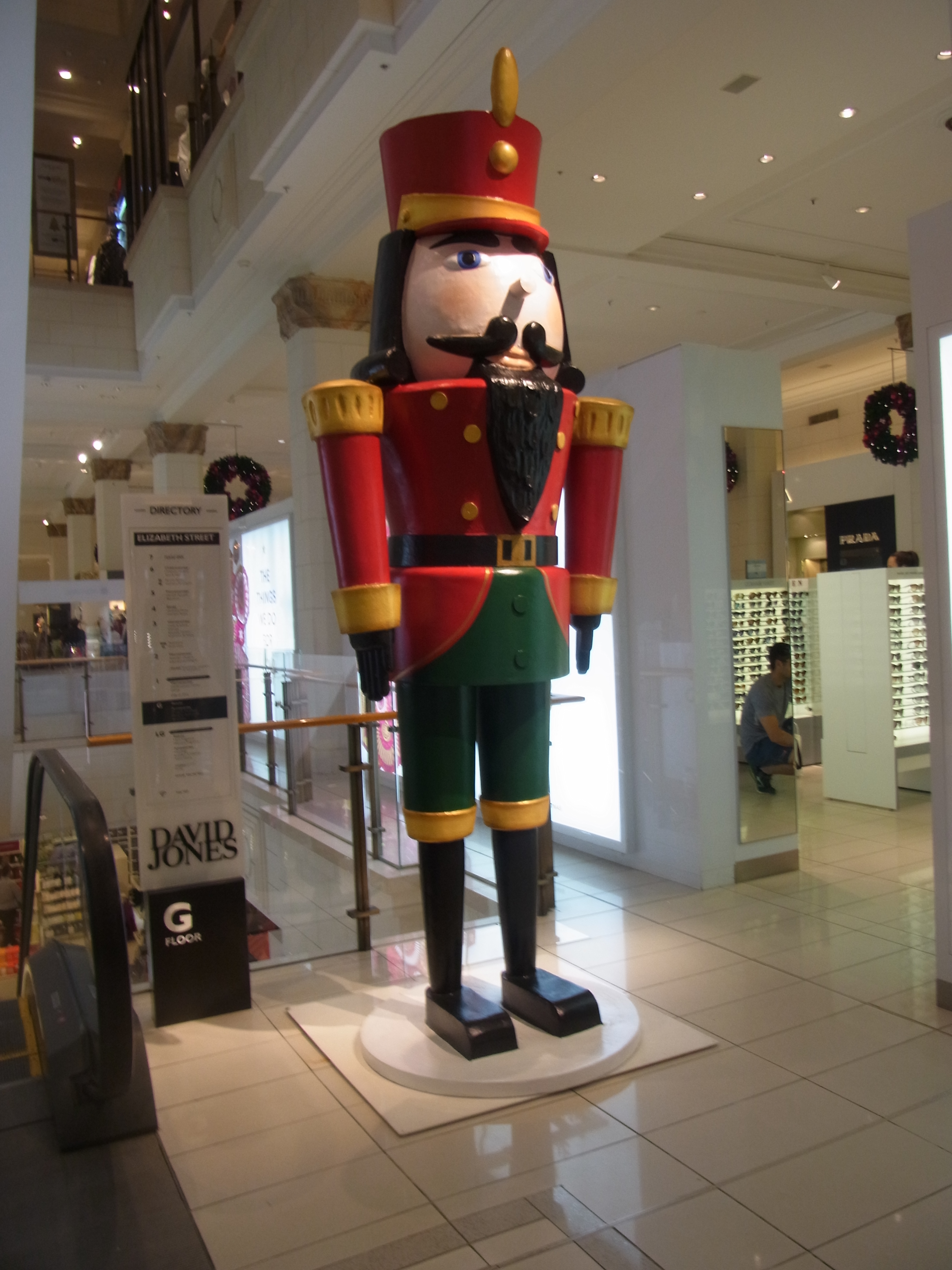
There were also some window decorations at David Jones.


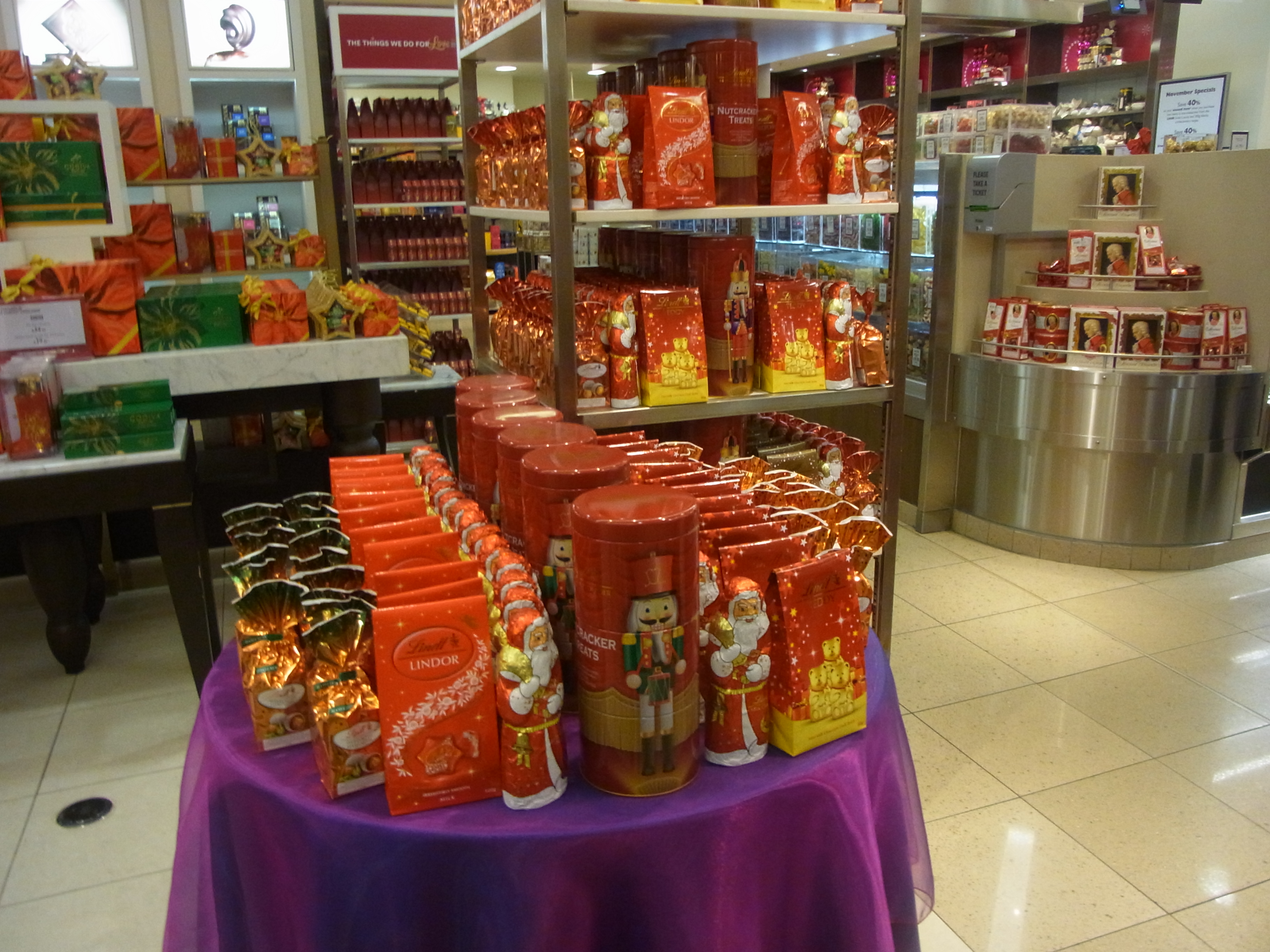
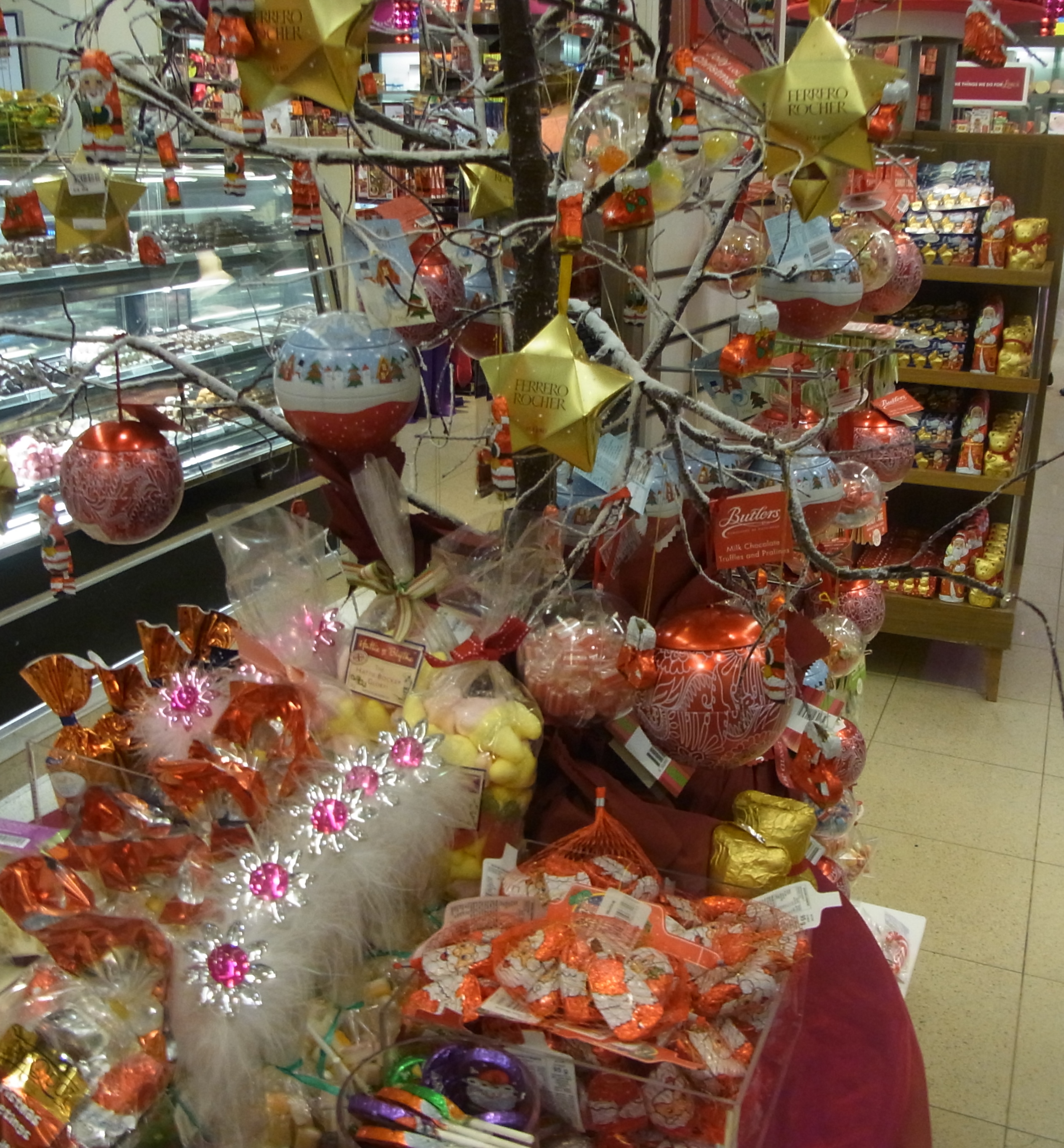
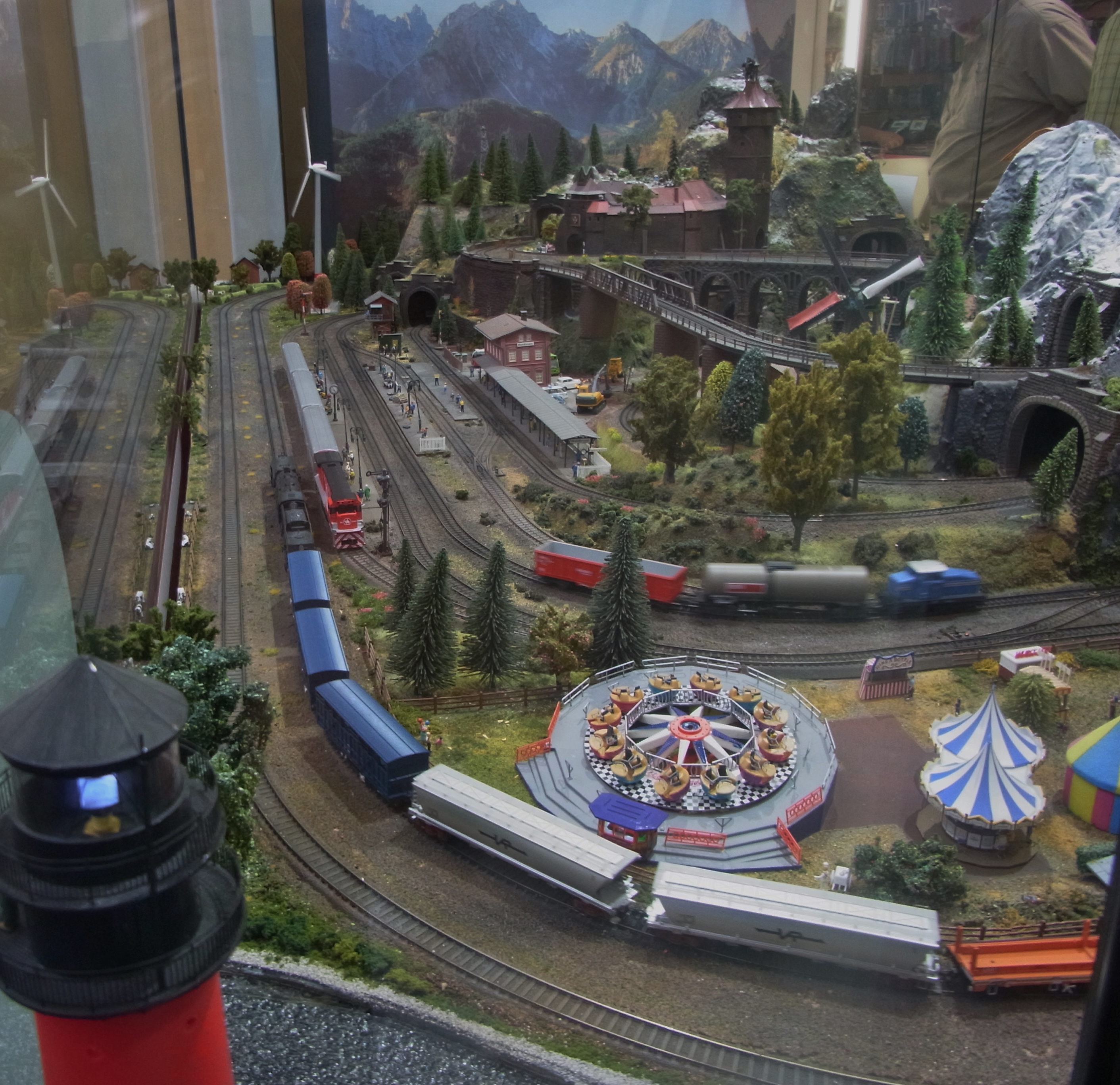
Later on we went to the Queen Victoria Building and discovered a shop with elaborate train sets that we could see through the window.
This bear welcomed us at the ABC shop where we bought a few Christmas gifts.

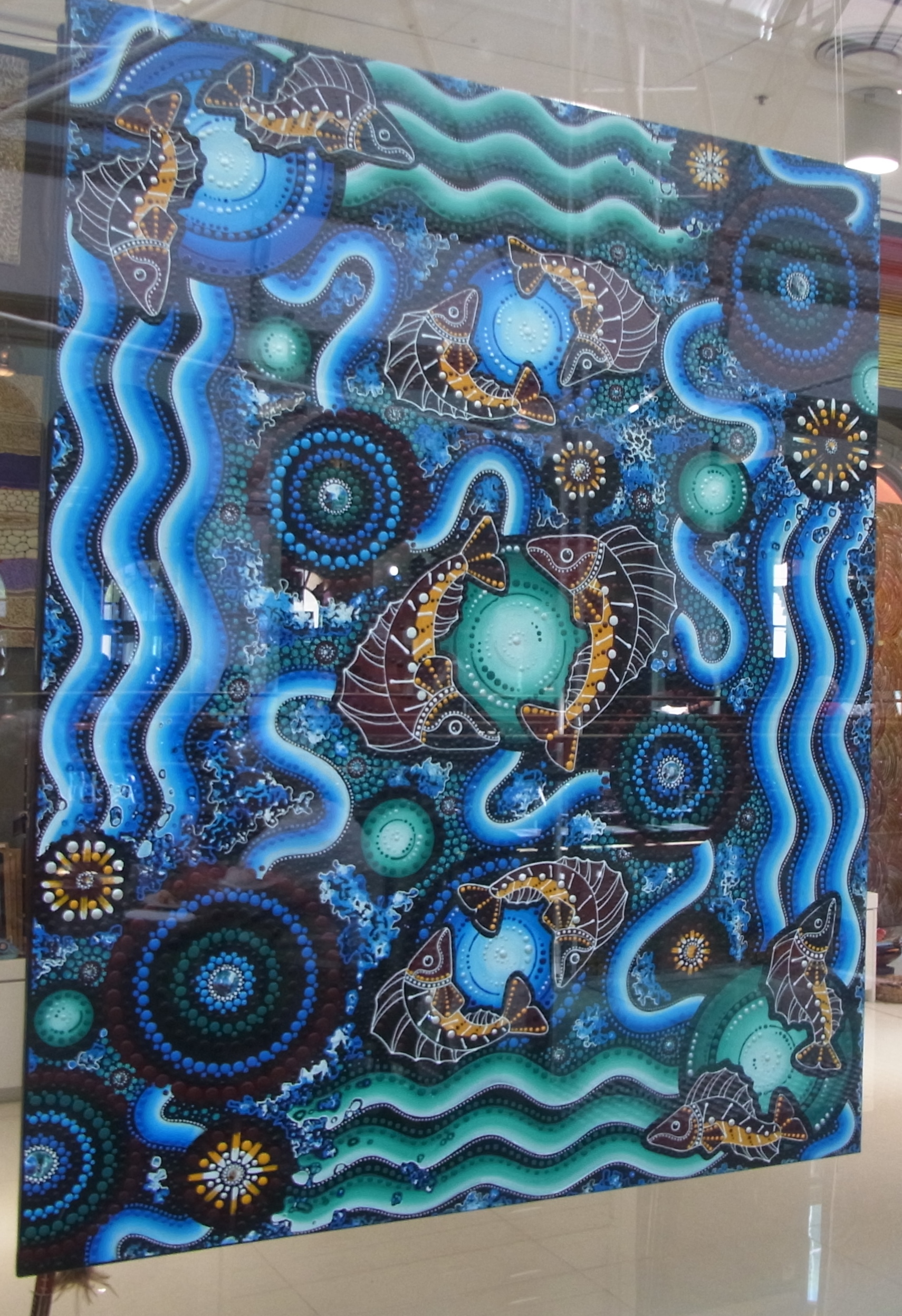
Next door was a shop that had lots of aboriginal artifacts for sale. This picture did hang in the window.
The Dream of a Stateless Society
Dr Bramhall did a film review of Engines of Domination by Justin Jezewski (2014)
She says: “In Engines of Domination, filmmaker Justin Jezewski lays out a historical and philosophical argument for anarchism – a stateless society people run themselves via direct democracy.”
Personally I have some difficulty in imagining a ‘direct democracy’. I ask myself how on earth can people run themselves in a stateless society?
Jezewski’s short documentary is based on Mark Corske’s book Engines of Domination, published in 2013.
“The process begins with the confiscation of communal land by force (this happened to Europeans via the Enclosure Acts between 1500 and 1850), forcing the inhabitants to work for the ruling elite by depriving them of the ability to feed themselves. In Corske’s view, this denial of life support is a fundamental act of violence.”
“Maintaining control of confiscated land requires a command structure, i.e. a monarchy or its equivalent, the rule of law and weapons. Without weapons, domination over other human beings is impossible. Finally the ruling elite creates upper and ruling classes and provides them a range of privileges for keeping the working class in line.”
I believe the confiscation of communal land by force is a crime against humanity!
“Contrary to contemporary mythology, human beings are basically freedom loving and incline towards cooperation rather than violence towards our fellow human beings.” I do agree with this!
“Building a mass movement to take advantage of our superior numbers is essential. Corske and Jezewski believe the best way to do this is to organize for specific reforms with the ultimate goal of abolishing central authority.”
This is where I ask myself are reforms like these possible without destroying our civilization in the process?
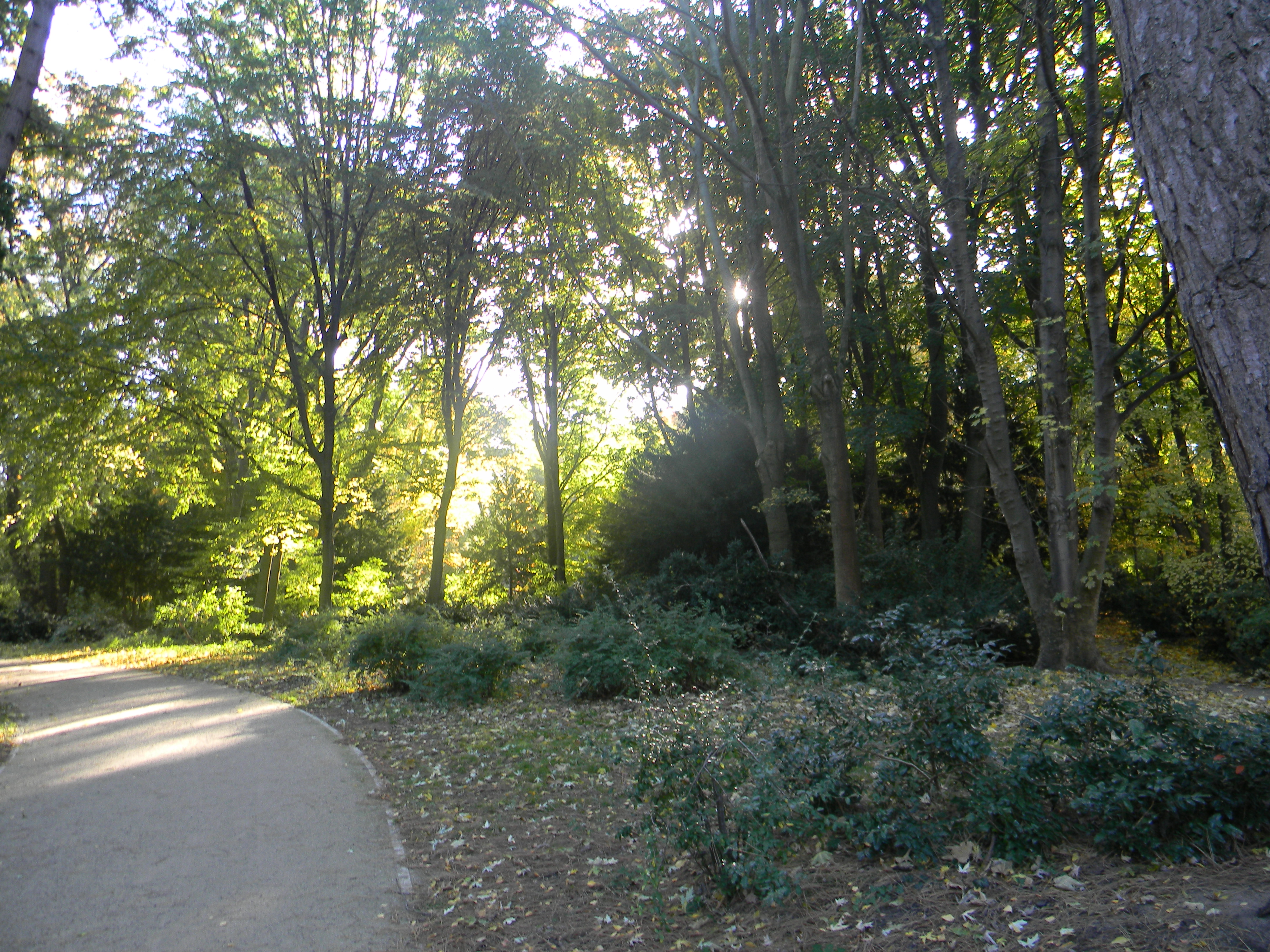
One year ago we were visiting Berlin. For two months we stayed in one of the high-rise apartment buildings in Hansa Viertel, right in the centre of Berlin with the Tiergarten at our doorstep. We would usually go for an early morning walk in this beautiful Tiergarten. The above picture we probably took around the 2nd of November when our stay in Berlin was nearing its end.
In Berlin, the first and second of November would not have been any special days for us. Unless you were Catholic, you would not think of All Saints and All Souls. In some parts of Germany the 31st of October is a holiday to celebrate Reformation Day. But in Berlin even the 31st of October is not a holiday.
Gaby, our daughter passed away last year. When we light a candle, we remember her. We also remember a great number of other departed. Nearly everyone who has been older than we are, has passed away by now. After all, both Peter and I are in our late seventies by now. There are not all that many people around who are older than we are. We always think we might be the next ones to leave!
Do we have special needs in an emergency? This question came up recently when large areas of New South Wales experienced very hot conditions and fast spreading fires. Peter copied for us from the internet a plan for an emergency during a HEATWAVE. It said: “ABC Emergency delivers official warnings and alerts and publishes emergency coverage sourced form ABC Local Radio and ABC News.”
Here is a list of some of the things we should have prepared in our SURVIVAL KIT:
BATTERY-OPERATED RADIO (WITH SPARE BATTERIES)
Torch (with spare batteries)
Strong shoes, gumboots, leather gloves and overalls
First aid kit and medications we need
A change of clothes, toiletry and sanitary supplies
Water in sealed containers – ten litres per person (for three days)
Three days supply of canned food (plus can opener and utensils)
Pillows and blankets (woollen and thermal)
Mobile phone and charger
Strong plastic bags (for clothing, valuables, documents, and photos)
Spare car and house keys
Several Emergency Services are mentioned that can be of help.
Here is what we should do before a HEATWAVE:
Stay hydrated – it’s recommended to drink two to three litres of water and to avoid alcohol and caffeine
Dress light
Check on family and friends – twice a day
Avoid exposure to the sun
Get your home ready – draw curtains, blinds, awnings at the start of the day to keep the sun out
Seek air-conditioning in a shopping centre, library or other public place. (We do not have air-conditioning)
Fans can also provide relief (We do have fans.)
During a HEATWAVE we should phone for assistance immediately if we show any symptoms of heat stress including extremely heavy sweating, headache and vomiting, confusion, swollen tongue
After a Heatwave we should be careful of falling tree limbs – they can be a hazard during periods of extended high temperatures.
Nine-mile ‘wall’ of illuminated balloons released into the night sky as Berlin celebrates historic quarter-century.


July 22, 2013 at 5:08 am | Why? Is it because we feel our way of life being threatened?
Do we not spend billions to ‘protect’ our borders? What if this money or at least part of it could be spent to provide some simple housing for asylum seekers. What if we let these people work to build houses, infrastructure and to produce nourishing food, as well as build schools and do training of teachers for children as well as adults to learn English? Does anyone think these people are not capable of doing a day’s work? Why let them rot in camps without being able to work? It doesn’t make sense to me.
There are many jobs in Australia that are nearly exclusively done by recent migrants from Asia and Africa. They are willingly and gladly doing these jobs for little pay which other Australians are not willing to do anymore!
How much do people pay these so called people smugglers? Why don’t we go to Indonesia and tell these people instead of giving this money to people smugglers they can deposit it with an Australian Bank. Then they only have to apply for residence in Australia and in due time the Australian government is going to transport them to this country of their choice at no cost to them? If the application is not successful for some reason (maybe because they cannot provide sufficient papers?) then they can withdraw their saved money at any time. At least the the people smugglers would not get the money and these people would not risk being drowned at sea or their application not being successful after a hazardous journey. When Peter and I applied for migration to Australia from Germany in 1959 we were asked to come for an interview to the Australian embassy in Cologne. We had to bring our two babies along too when we talked to the Australian officer.
Why cannot the same thing be done with prospective migrants in Indonesia?
Like
July 22, 2013 at 6:32 am | Of course many could be settled here very comfortably. The political parties just use the boat people for political ends, whipping up xenophobia.
Anyway, it seems the liberals have been snookered by the ALP in their own game. I think your idea to advice people to invest the money going to smugglers into an Australian Bank instead an excellent idea. It take an (ex) German to come up with practical workable solutions! 🙂
Like
July 22, 2013 at 7:12 amHe, he, Gerard, this remains to be seen if anything like this would meet any government’s criteria!
I just read what barrister and human rights advocate Julian Burnside has to say. He says boat arrivals are less than 0,7% of all yearly arrivals. To keep one person in detention for one year costs 200,000 $ in our cities and more then twice this in outback centres or off shore places. (I reckon Papua New Guinea might be a lot cheaper!)
Burnside says after one month for security and health checks asylum seekers should be released into the community allowing them to work or to receive Centrelink benefits, settling them in regional centres who would gladly welcome the influx of people to these reginal towns who struggle to survive.
Like
July 22, 2013 at 7:22 am | Yes, that would be common sense. But common sense seems to be in short supply. The difficulty seems to be to turn around peoples perception that the boat people numbers are not large, they are miniscule. It is not a real problem for such a country of ‘boundless plains’.
Like
July 22, 2013 at 6:09 am | Can’t believe the white Australia policy is still going on. Amazing. I remember it from years back when my uncle was a ten pound pom and my partner and some of his mates from South Wales went in the late 70s. Then, to be fair, it did change and Redfern became full of Vietnamese.It’s one of the ironies of life that big countries are invariably underpopulated and small ones overpopulated. A generalisation, but living in the fifth most densely populated territory in the world, one that applies to me. If you look at Europe, Belgium, Netherlands, and to a lesser extent, the UK, are all relatively high up the list. Spain less so, like Australia, it has vast areas of country that have no people.When you start to look at bigger countries with a high population density, Bangla Desh comes first, followed by India, and then China. Bangla Desh isn’t that big, just the biggest that hits six figures in sq kms in the top 20. India makes top 50, and China is 83 in the rankings. The rest of the big countries are way down the list.
Having said all that PNG is pretty low on the list 209, compared with Australia at 233.
http://en.wikipedia.org/wiki/List_of_sovereign_states_and_dependent_territories_by_population_density.
Like
July 22, 2013 at 6:40 am | The original White Australian Policy was abandoned officially in the seventies. The population now is very mixed and from just about all over the world, that’s why it is so ludicrous to be so worried about boat people in desperation trying to come here. We should be worried about their drowning but this is not the main concern which is a way over the top whipping up of xenophobia, being overrun by hordes of Afghans or Iranians, etc.
We went to those countries waging dubious wars that made millions of refugees. When some in desperation try and come to Australia risking their lives, we make out as if they have evil intentions for Australia
. Terrible.
Like
July 22, 2013 at 11:21 amI should have added that every year there is an influx of raft people from Africa trying to get to Spain and thence to northern Europe for a better life. Or just anywhere really.What so-called developed countries (ie greedy capitalist ones) should do, is put some reasonable infrastructure in instead of going to war for oil, leaving the place a dog’s breakfast, and consider more environmental moves. In my dreams.
Like
July 22, 2013 at 6:47 am | Gerard, you are painting a good picture of the history of post-war immigration into Australia and the present sad state of affairs.Even the language they are using explaining the new measurements are offensive, like “this country has enough”. What about PNG? They soon will have enough of the asylum seekers.The “boat people” will get a culture shock. Perhaps this is intended. You are right, it can’t be the number of people that come. There is plenty of land that can be populated.
You say, Australia is a huge country and “small” parts of it are as big as European countries. The problem with Australians is they have no idea how huge Australia is. When they go to school and they see a map of Australia the map is the same size as the map of any other country. Since we have no neighbours here we have no way comparing our country with another.
The numbers in boat arrivals are minuscule. If we are worried about the drowning, as they say, they should go to Indonesia and pick the recognised refugees up and bring them here. I wrote to PM Gillard but got no response.
When we came to Australia they came and picked us up (assisted migrants) and we were economic migrants. We all want a better life, what is wrong with that? Didn’t the Angle-Saxon go to Britain for a better life?
Contracting out the asylum seekers is cheaper. To hell with the consequences for them and the people of PNG. The shock of the new measure “might” do the trick and it will reduce the boat arrivals.
And you asked, why? Because we stole the country in the first place and we don’t want to share it with others. The population has increased despite ourselves. We are racist, but we will not admit it.
Like
July 22, 2013 at 8:23 am | Yes Berlioz 1935.
Back in those days the Australian Government were advertising overseas to try and entice people to migrate. Now many are coming out of a much greater need. The need to survive and escape terrible wars.
I can’t believe some of the dreadful comments in the media. Many boat people have drowned and are still drowning and it is made out as if this is some ploy by them to gain a better outcome or more sympathy.