

Tag: Life in Australia
trees in backyard
Party Pictures from Nov. 26th
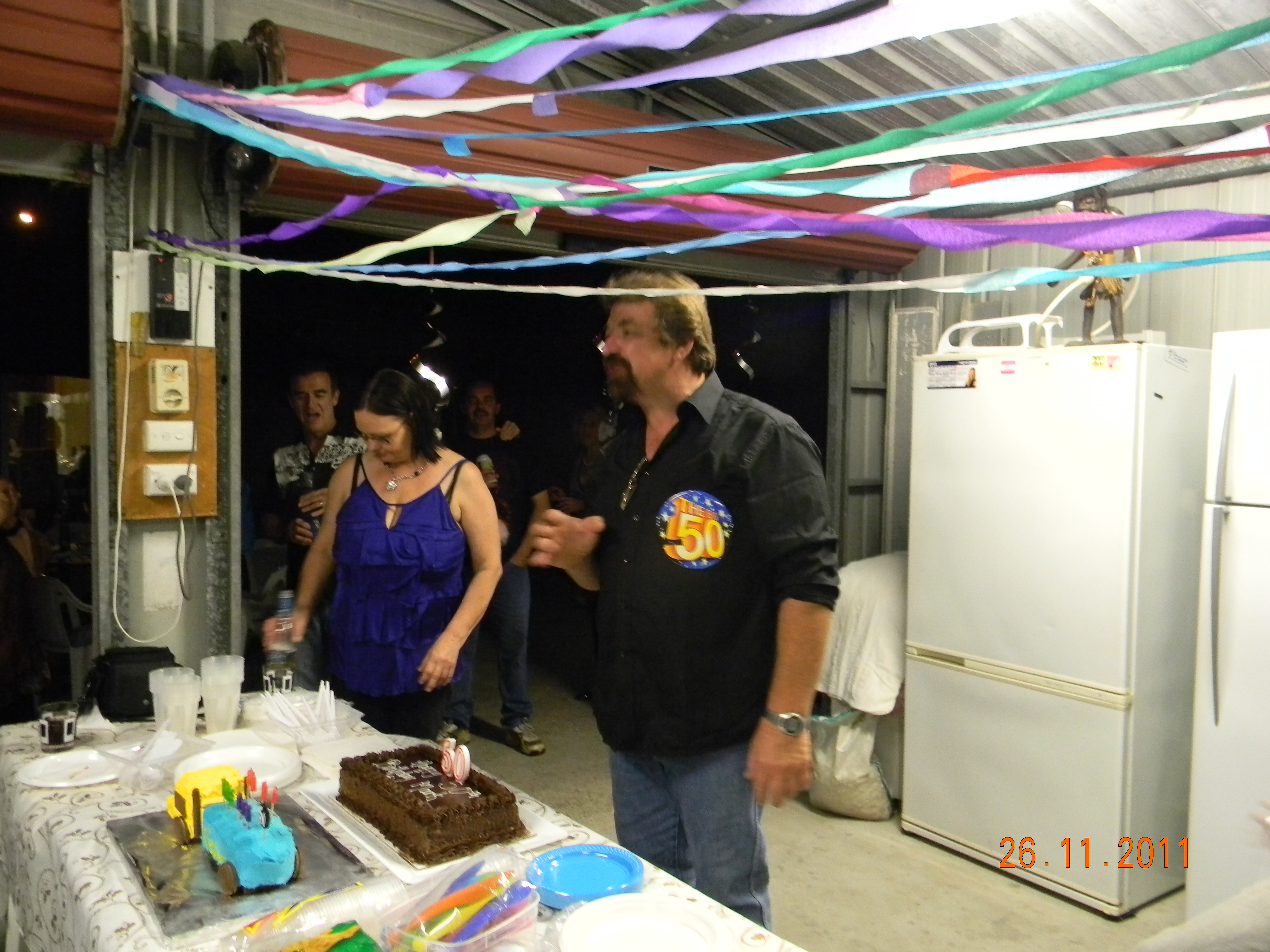
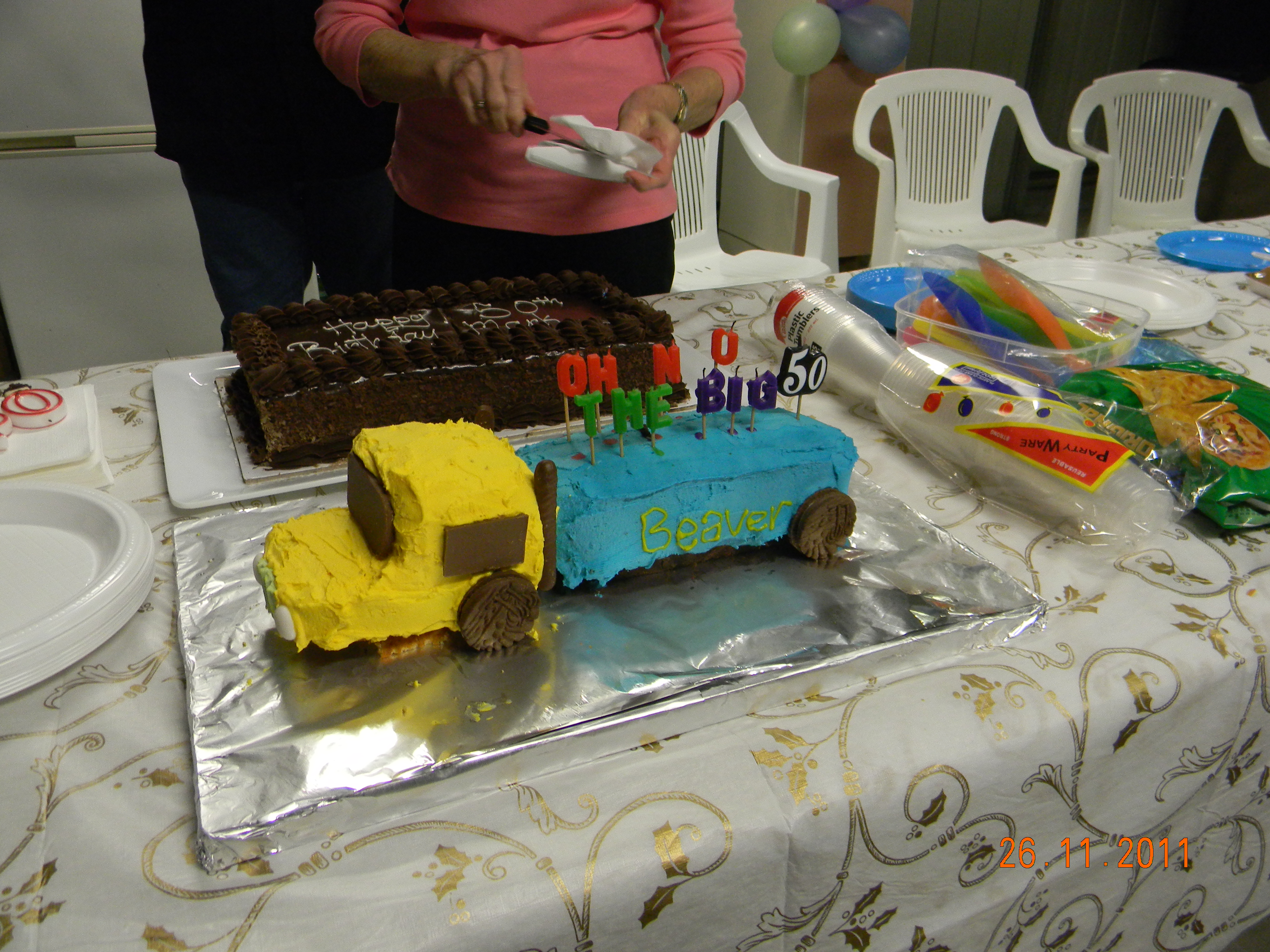
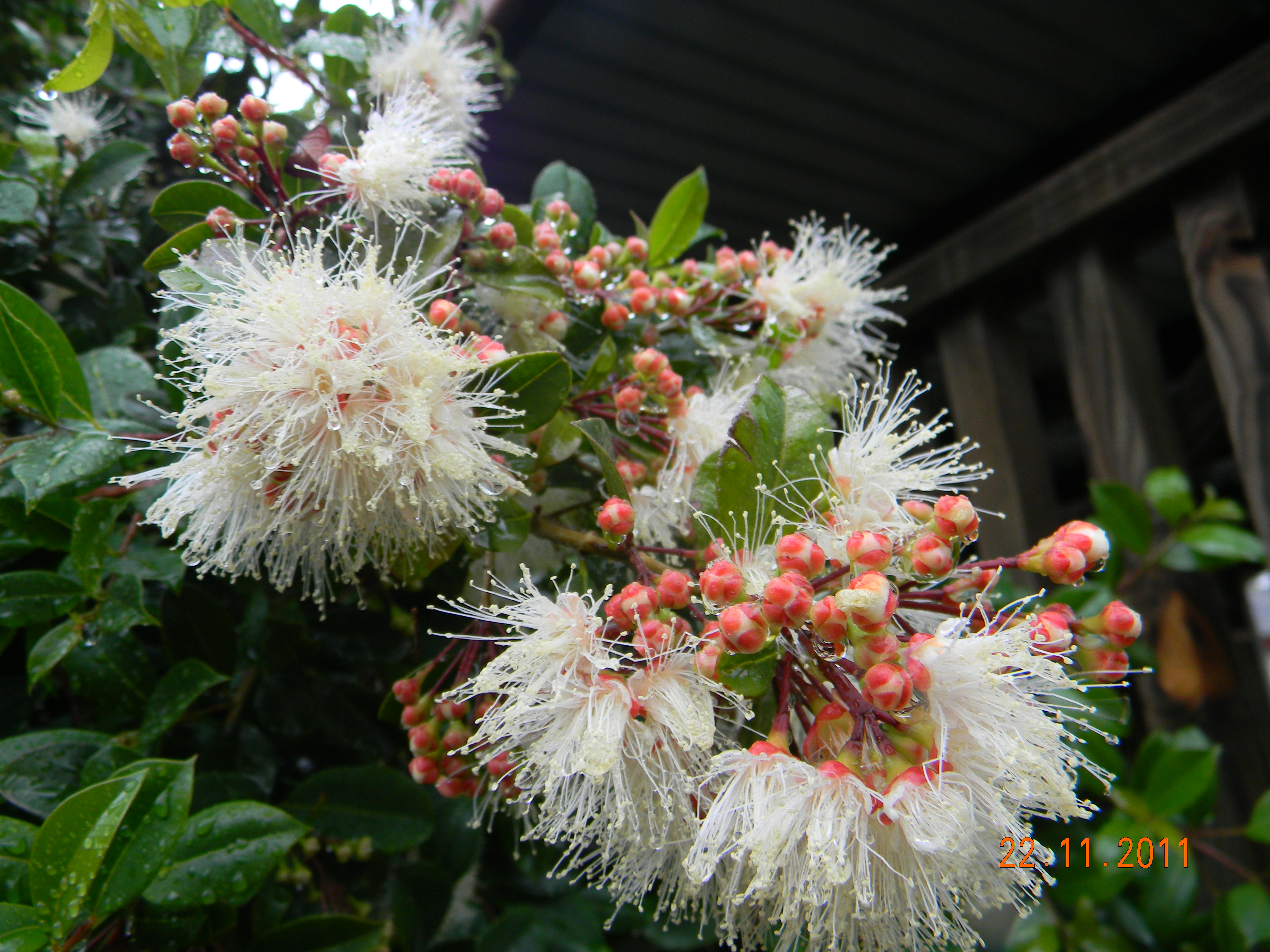
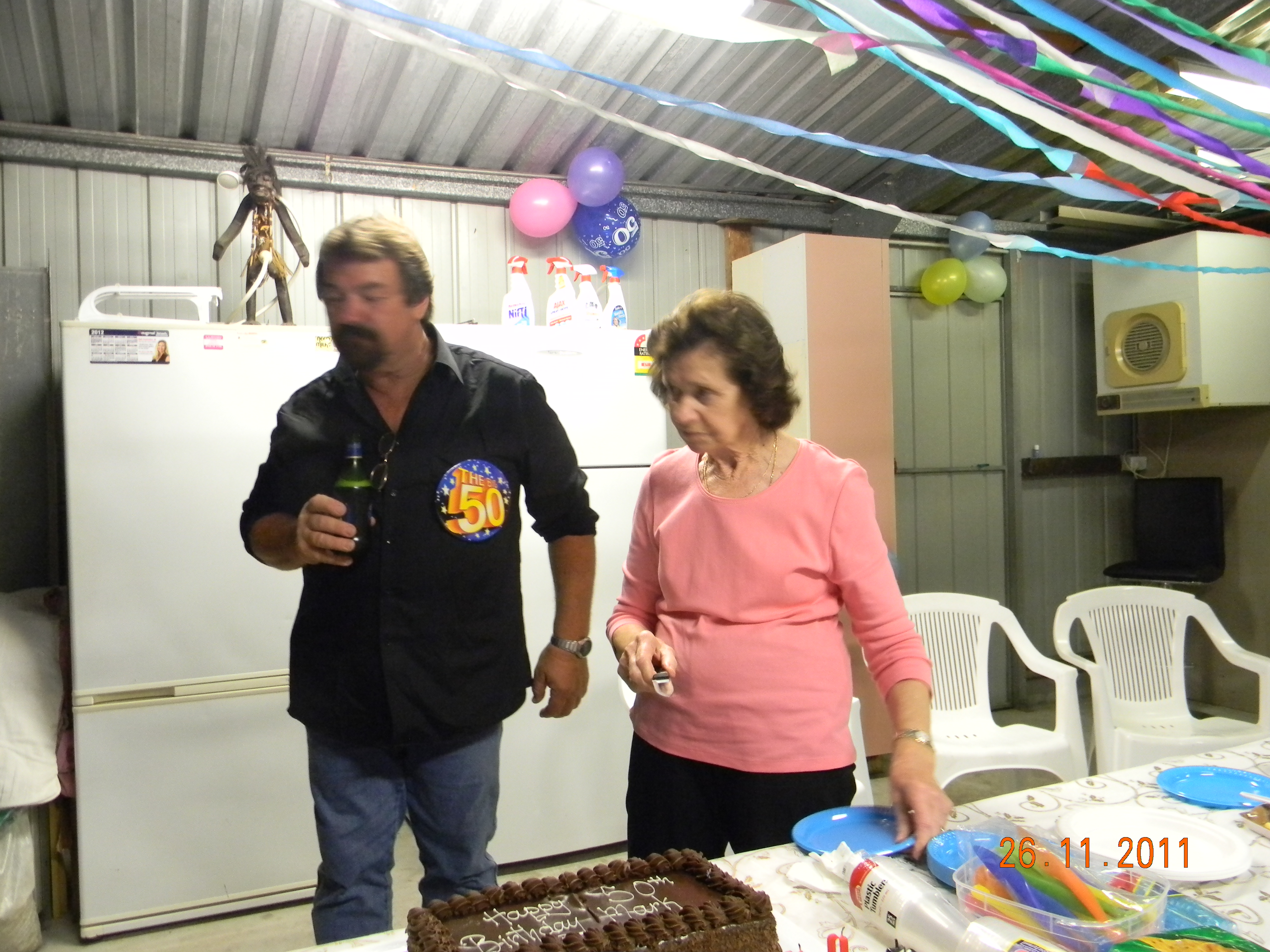
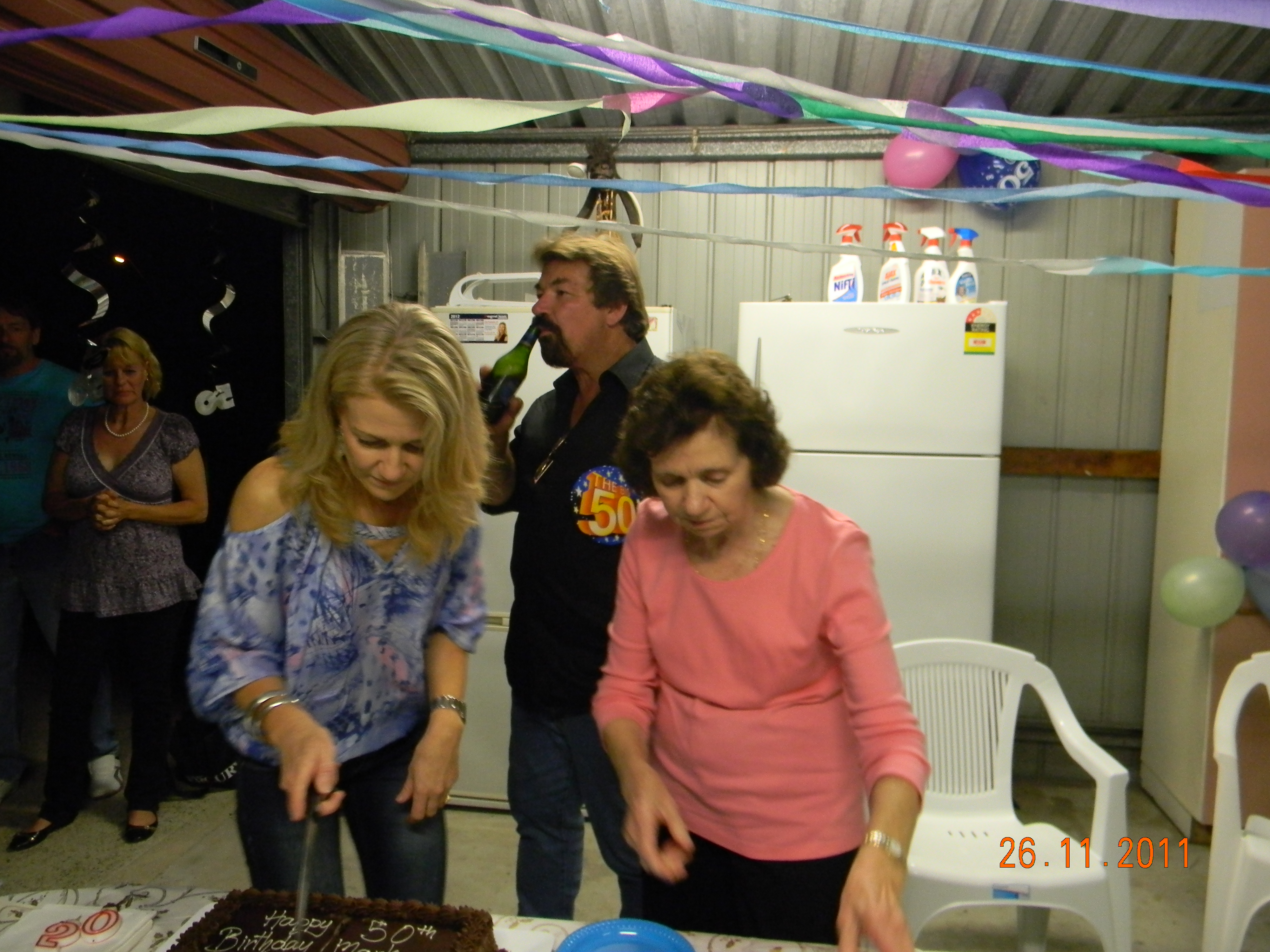
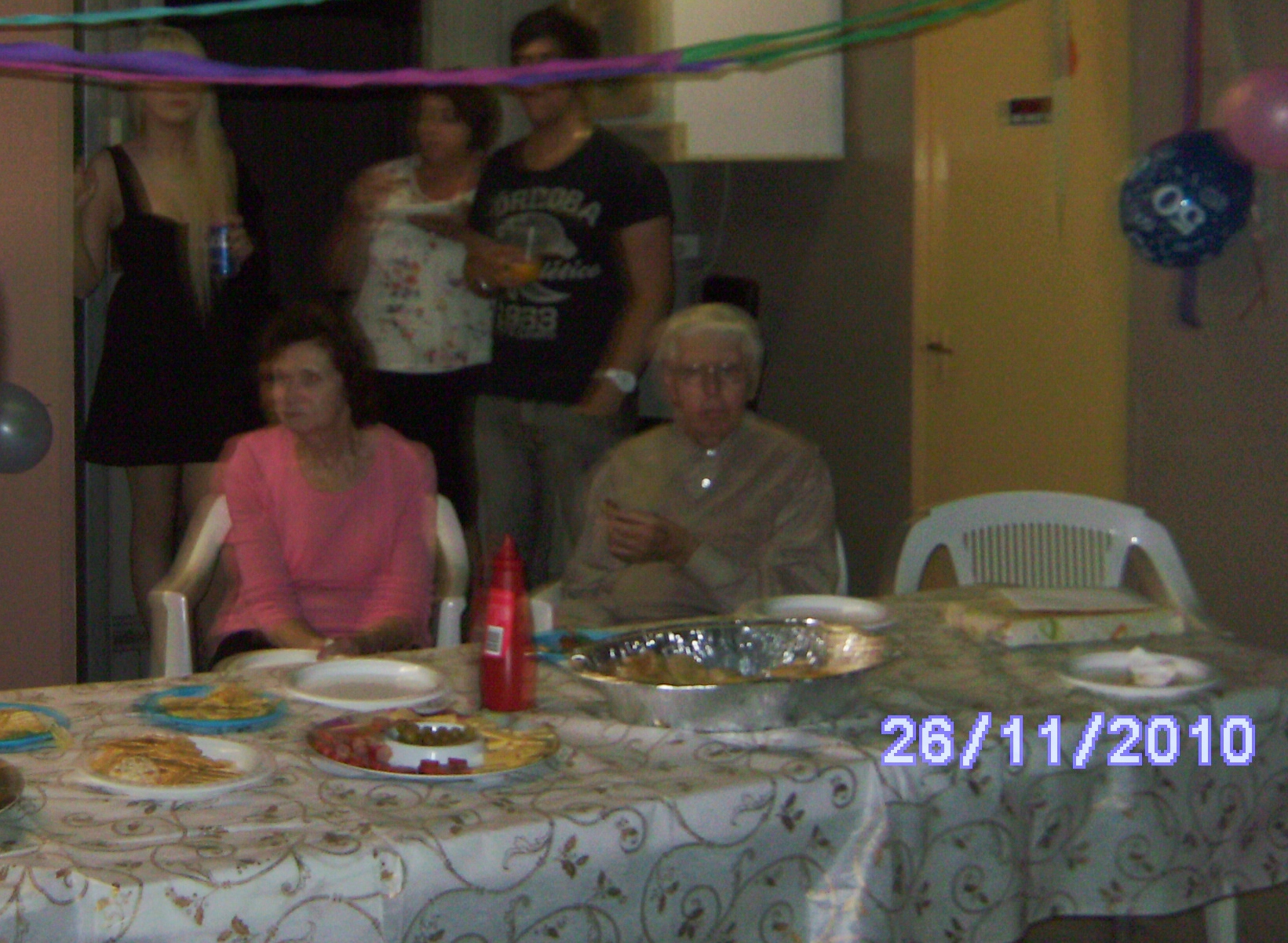
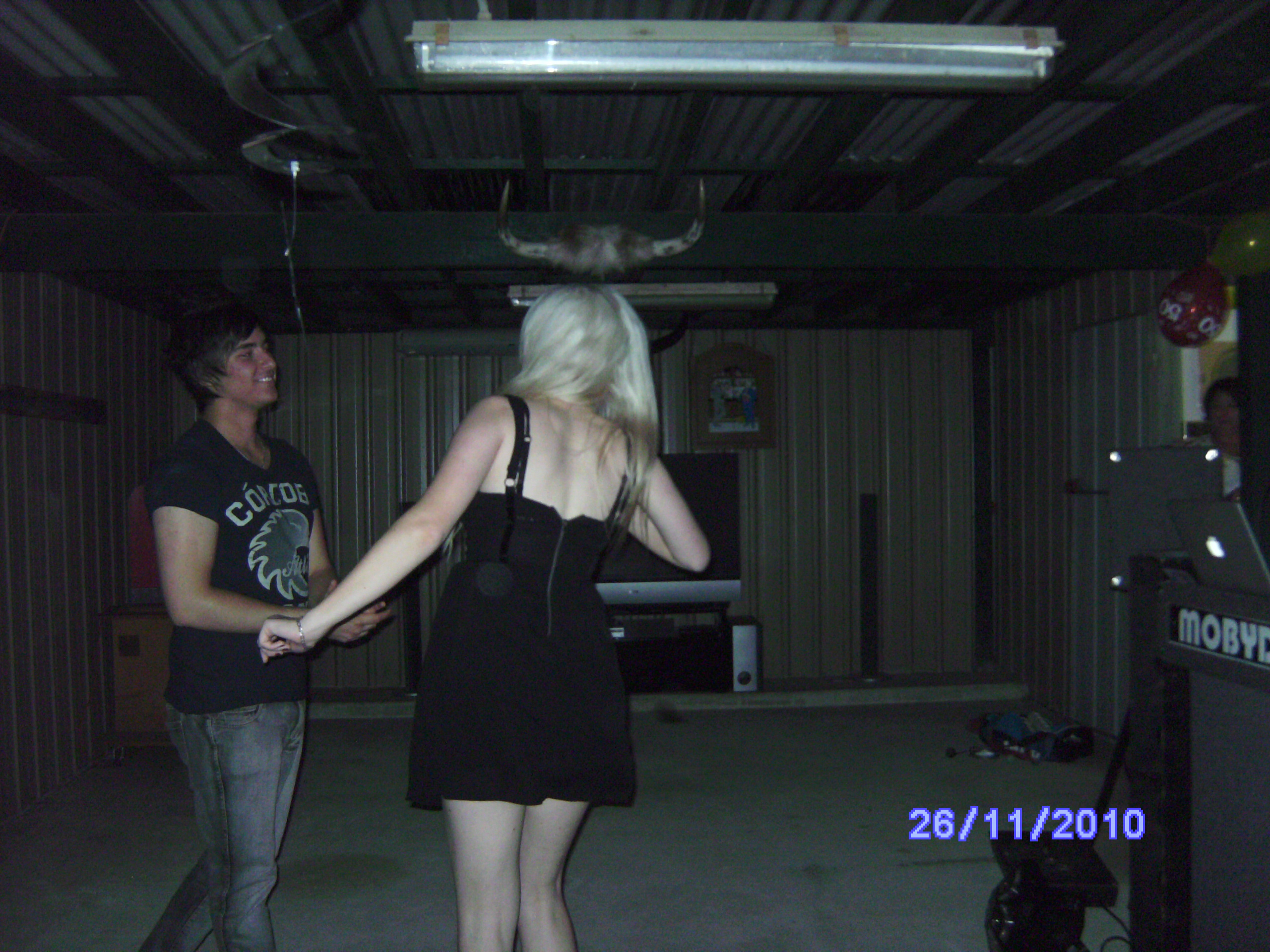
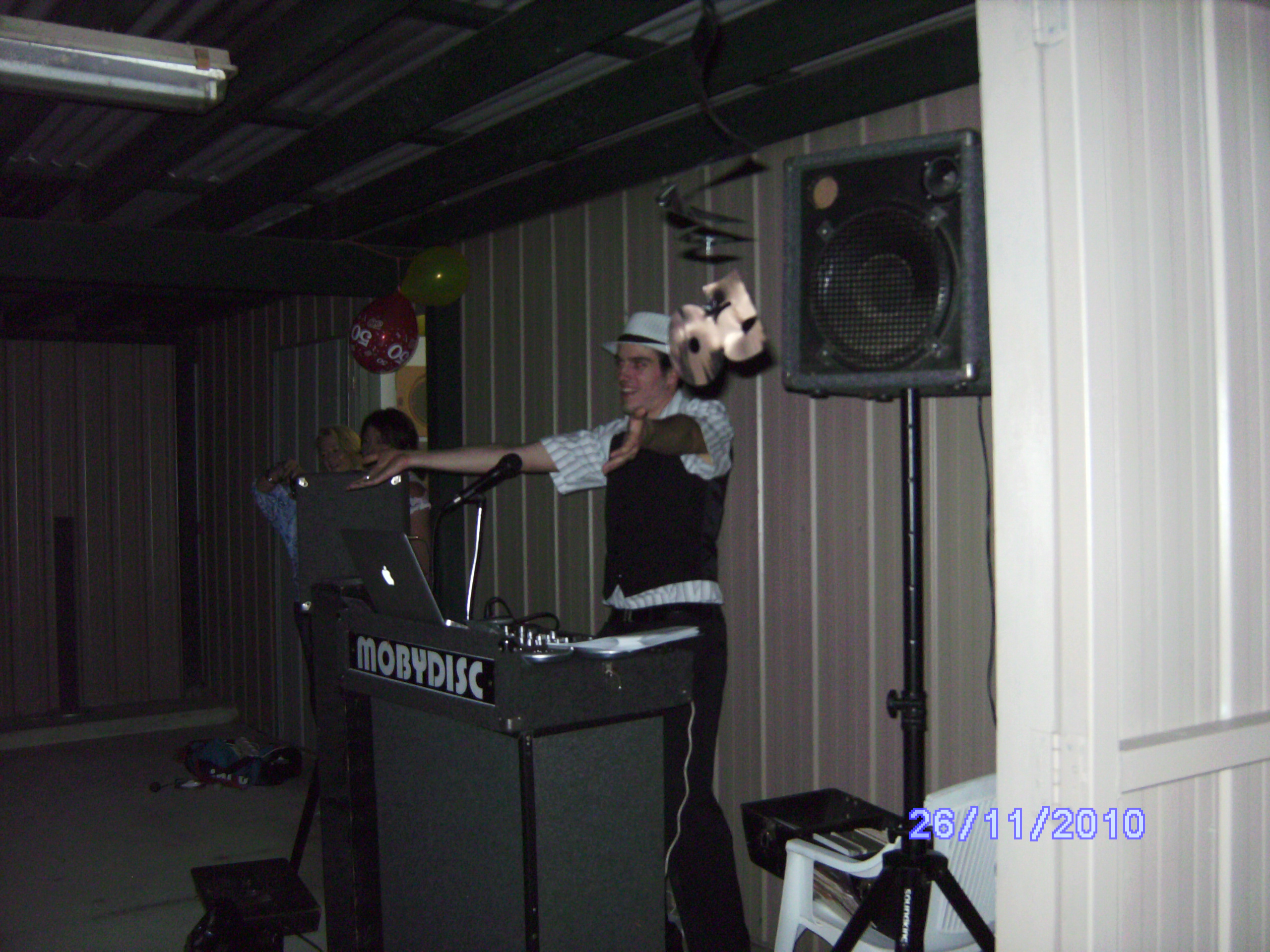
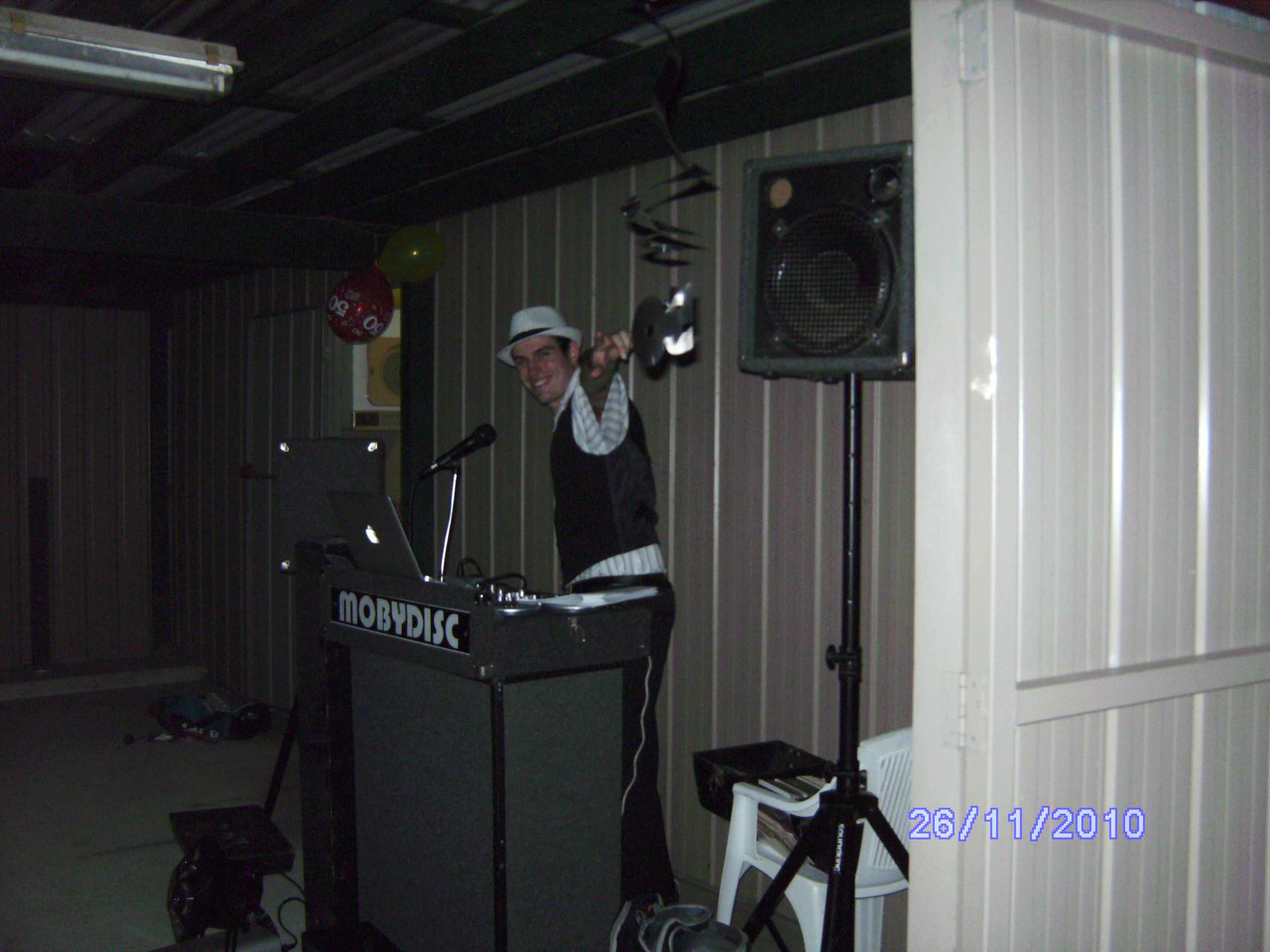
Here are some more pictures we took at last Saturday’s 50th birthday party!
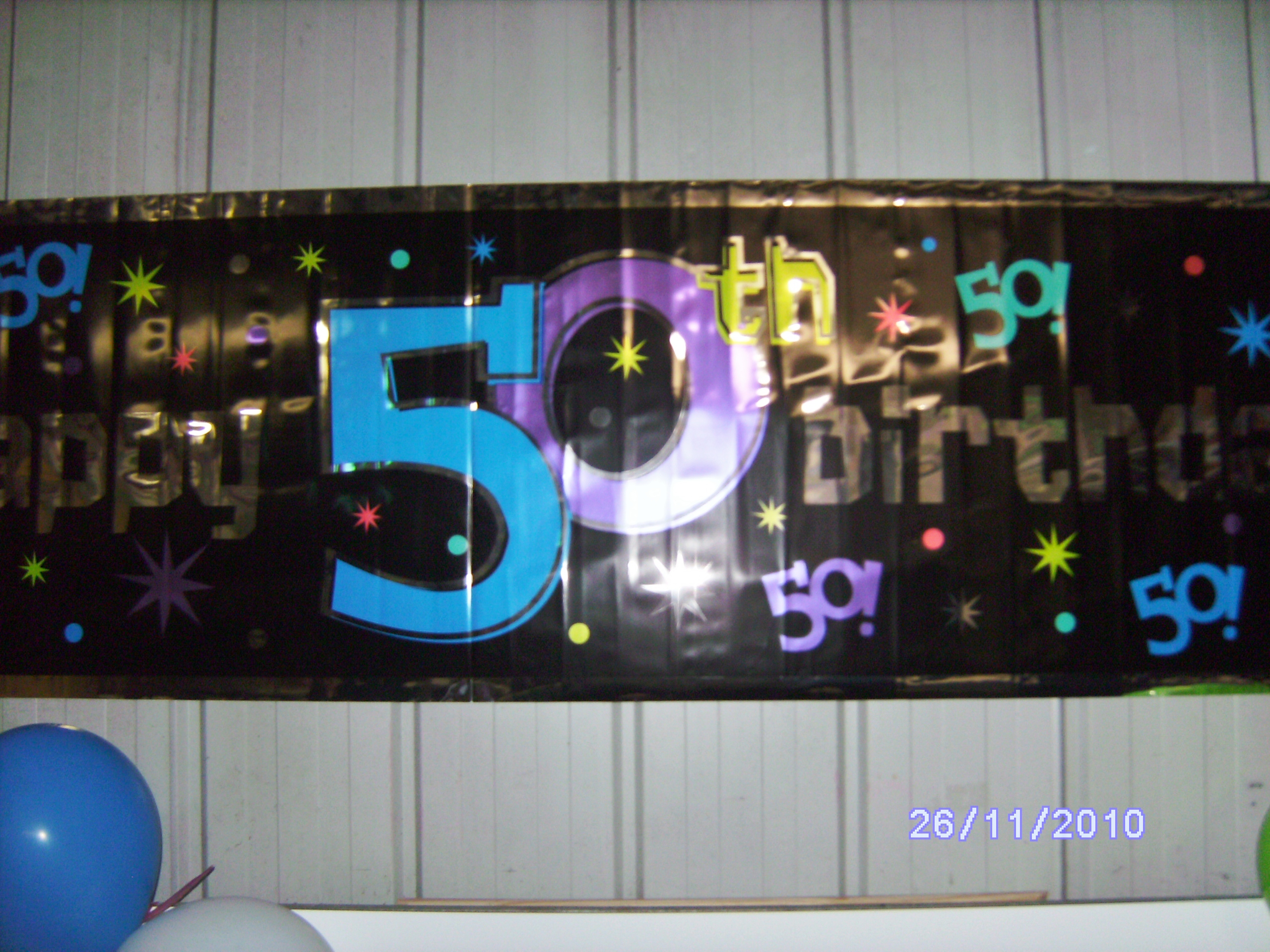

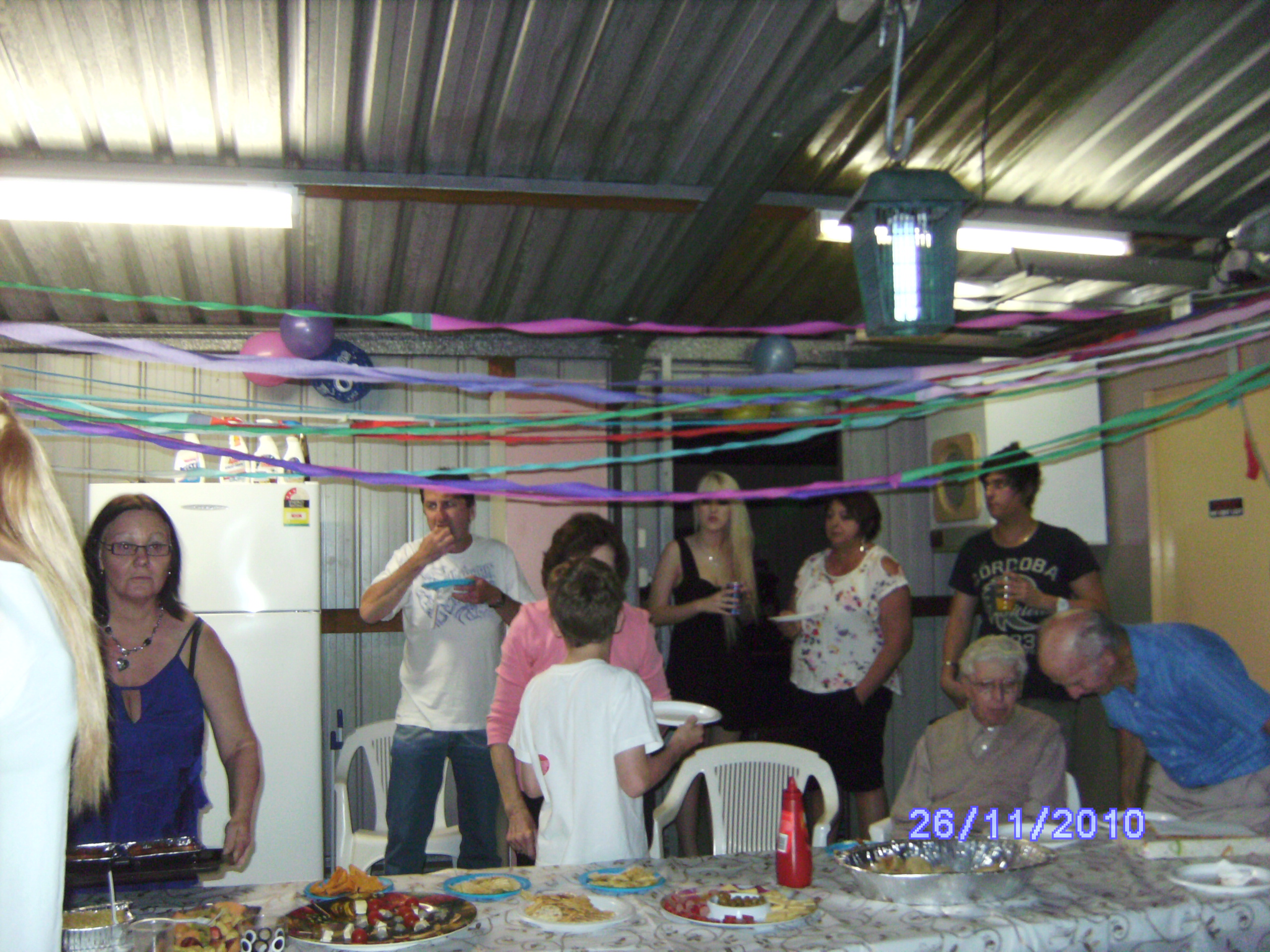

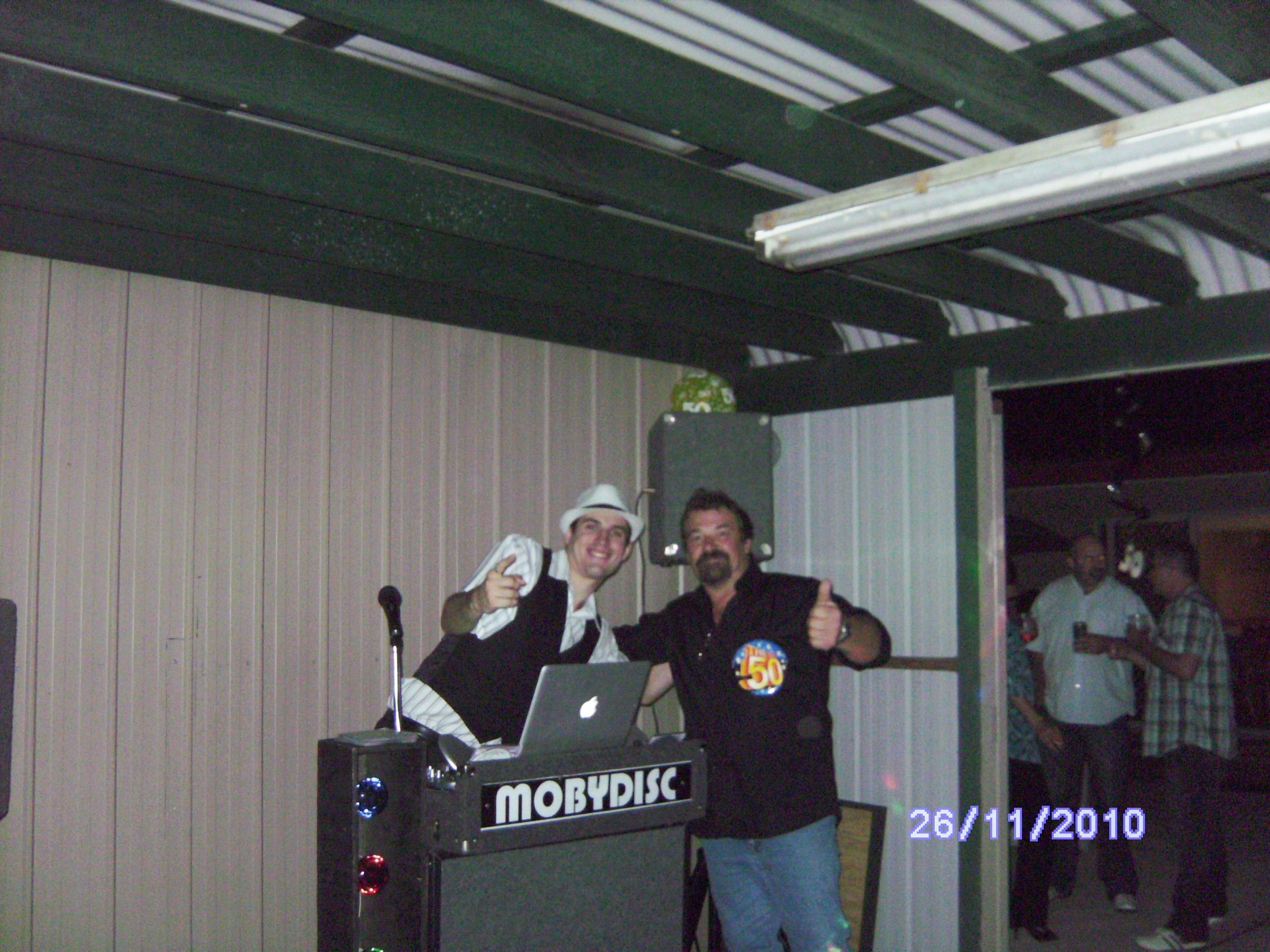
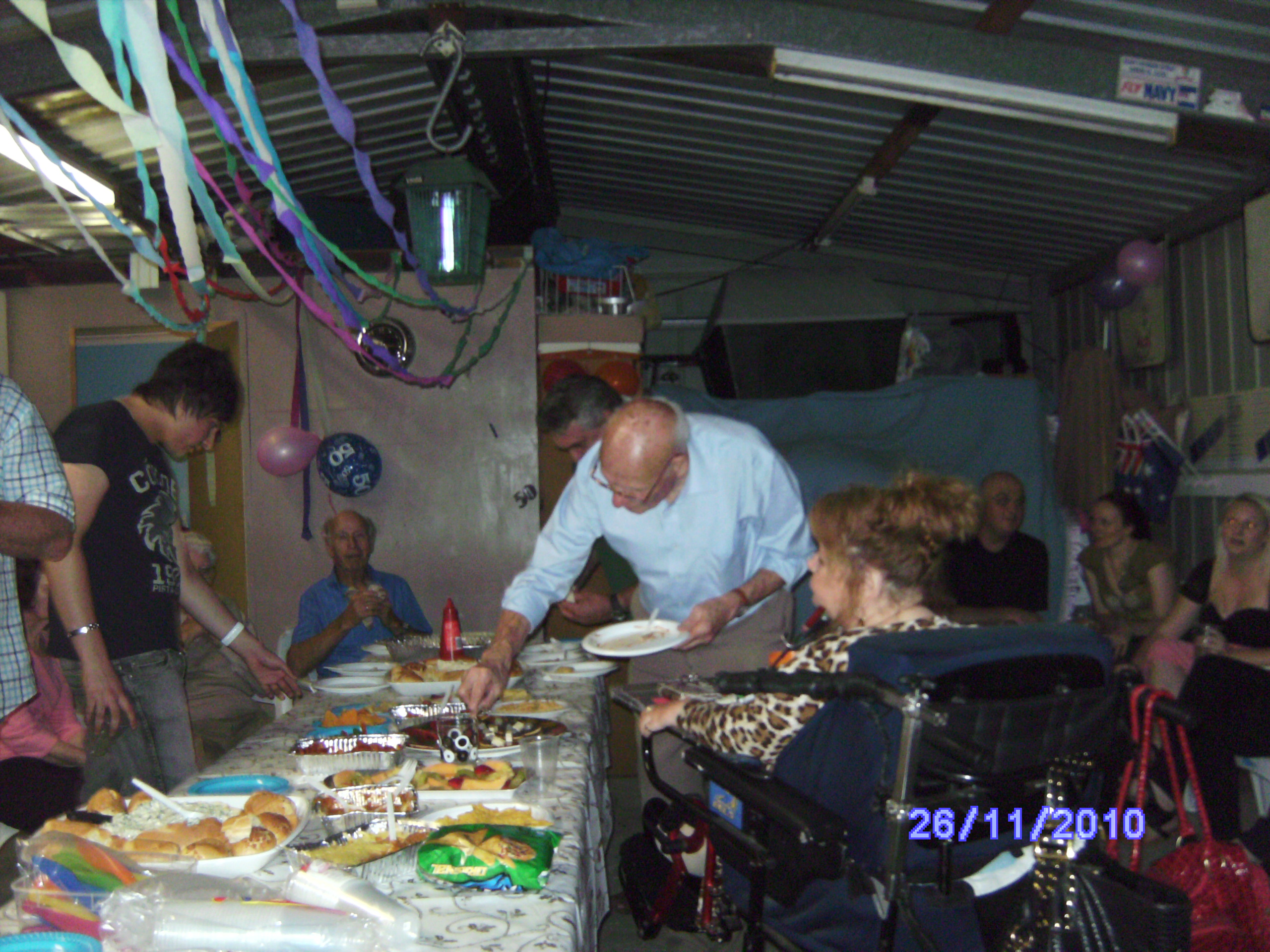
50th and 55th
Last Saturday we were invited to a 50th birthday party. I took a few pictures, but unfortunately they are not ready for publishing yet.
It so happened that at the party all of our daughters and quite a few grandchildren were present. And we did get the good news, that another great-grandchild is on the way! So that means our daughter Monika is going to be a grandma first time around. She was thrilled about the news. I think she had been longing for a long time to become a grandma. She’s going to be 53 next week. Her partner is the one who turned 50 and in his honour the big party had been organised. They did not have a barbecue this time, but Monika had prepared lots of delicious finger-food. There was enough to eat for everyone. And Mark, the birthday-guy, had engaged a disc-jockey, who had set himself up in one of the big garages. In the other connecting garage all the food was later served. The disc-jockey played nearly non-stop from 7 pm to midnight!
When we arrived towards 8 pm Monika very enthustically let me know that she had ordered a couple of songs especially for me. It nearly blew me away when soon after ‘Rock around the clock’ was played. Nobody danced. Young and old were scattered around the backyard, sitting on garden chairs around huge garden tables or standing with drinks in hand, talking to each other. Mark had shown me before where the music was and he and the disc-jockey had obliged to pose for me for a picture. When I heard the sounds of ‘Rock around the Clock’ I immediately found my way back to where the music was. As I said, nobody danced. So I had the dance-floor all to myself!
Later on I danced with Peter to the sounds of Glenn Miller music. Still nobody else danced. Anyhow, I had had my fun. After that my old bones needed a rest. Not so Peter. He continued dancing with a few younger women once a few people had finally appeared on the dance-floor. The music was beat, beat, beat and extremely loud. I found a conversation was impossible! I enjoyed the balmy night, taking some pictures here and there, resting for a while on a chair outside; then getting up again and making a few movements to the music. The noise was easier to bear when I was able to do a few dance movements by following the beat.
I watched the dancers in the garage from outside and took pictures. Mark’s slim, tall, blond daughter and her boyfriend were by far the best dancers. It was a joy to watch them. I saw none of Monika’s three daughters dancing. The youngest one and her girlfriend were giggling a lot when they saw me dancing! We went home soon after 10 pm, after all the birthday-cake ceremonies were finished. Maybe some more people, who hadn’t danced before, started dancing later on.
Our youngest daughter, who turns 33 a few days after Monika’s birthday, went home with us, feeling quite sick. Her partner stayed overnight at our place too. He had to leave early on Sunday morning to go back to Sydney to work. Daughter Caroline still felt too sick and couldn’t go to Sydney with him. We took her back to her place in Sydney on Monday morning when she felt a bit better. Sunday night, when she still hadn’t felt all right and hadn’t been able to eat anything for twenty-four hours we took her to our Medical Centre at half past nine, where a doctor was still in attendance. He advised her not to eat anything till she felt better and then only eat dry toast with honey. He told her to drink plenty of water, but only boiled water. He said he had a few people seeing him that evening with similar symptoms. Apparently it was a virus.
After having delivered Caroline back home we went on to a newly opened IKEA shop for lunch. We had Swedish meatballs. Simply delicious! Then on to Fairfield, one of the Western suburbs of Sydney. Gaby, our eldest daughter, was to meet us there. Gaby had managed on Saturday night to get two of her carers to take her to Mark’s party. By the time she got back home with her carers and put to bed, it was close to 3 am!
Now to the 55. This refers to Peter’s and my wedding anniversary. We invited the family to have lunch with us in Parramatta (another Western Sydney suburb) on Sunday, 18th December. This is not just for the wedding anniversary but also a pre Christmas celebration. This year the family cannot come to our place on Christmas Eve.They are all upset about this. To spend Christmas Eve at our place has been a long held tradition. It saddens them that this year is going to be different.
On the 23rd of December Peter and I are off to Melbourne to stay with our son, Martin. On Monday the 26th of December we’ll be off to the holiday cottage at the beach. This is were we’ll be celebrating the start of 2012.
This year is coming to an end. It has been a very eventful year again.
Paul Keating Event
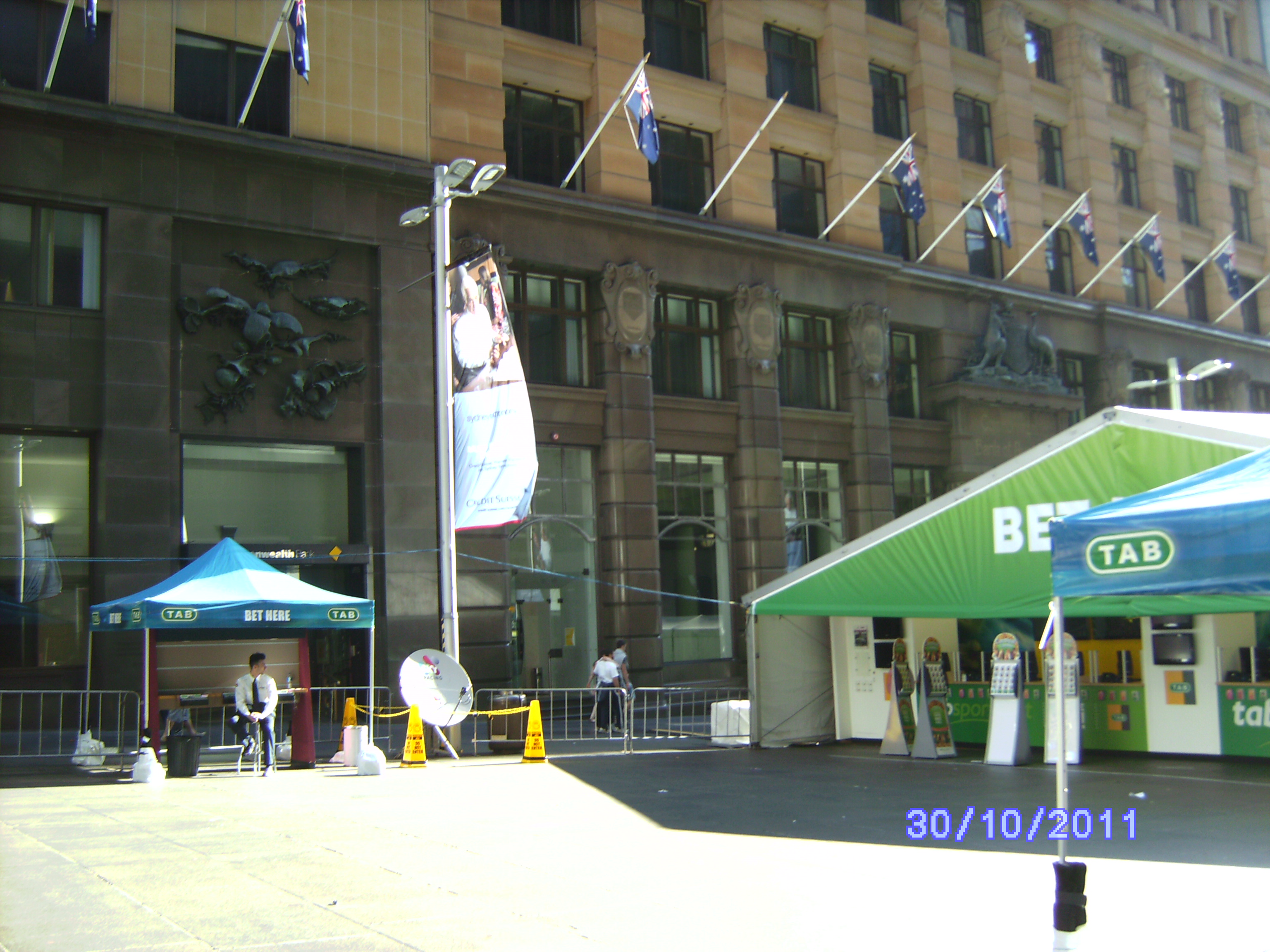
 The Sydney Writers’ Festival organised an event at the City Recital Hall, Angel Place, with Paul Keating. He was Australia’s Prime Minister from 1991 to 1996. A book with some of his recent speeches had been published. Kerry O’Brian interviewed Keating on Sunday afternoon, October 30th, about the speeches in this book. The hall was packed full with 1250 people. After the talk Keating was available for signing his book which was for sale in the lobby.
Peter and I enjoyed to listen to what Keating had to say. Afterwards we strolled through Martin Place in the CBD. We took a picture of the old Commonwealth Bank building. Right in front of it was a betting tent where people would be able to place their bets for Melbourne Cup Day. Race Number 7 on Melbourne Cup Day is the most famous. It is said that this is the race which stops the nation! For this race even Peter and I always place a bet. Melbourne Cup Day is on the first Tuesday in November. So this year the race was already on the 1st of November!


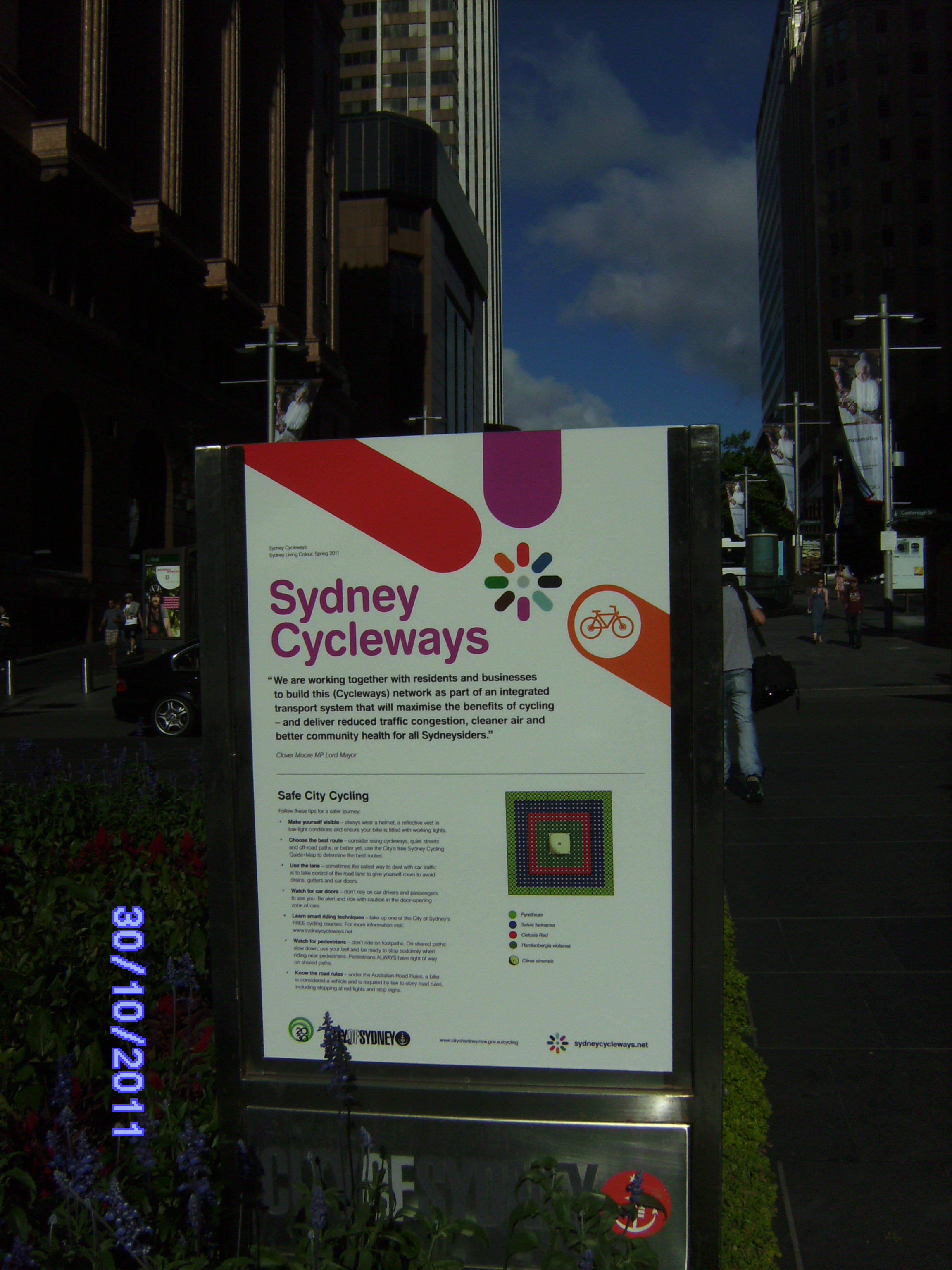
More Sculptures by the Sea
Here are some more pictures that were taken with Peter’s camera. (The previous pictures were taken with my camera.)


Sculptures by the Sea
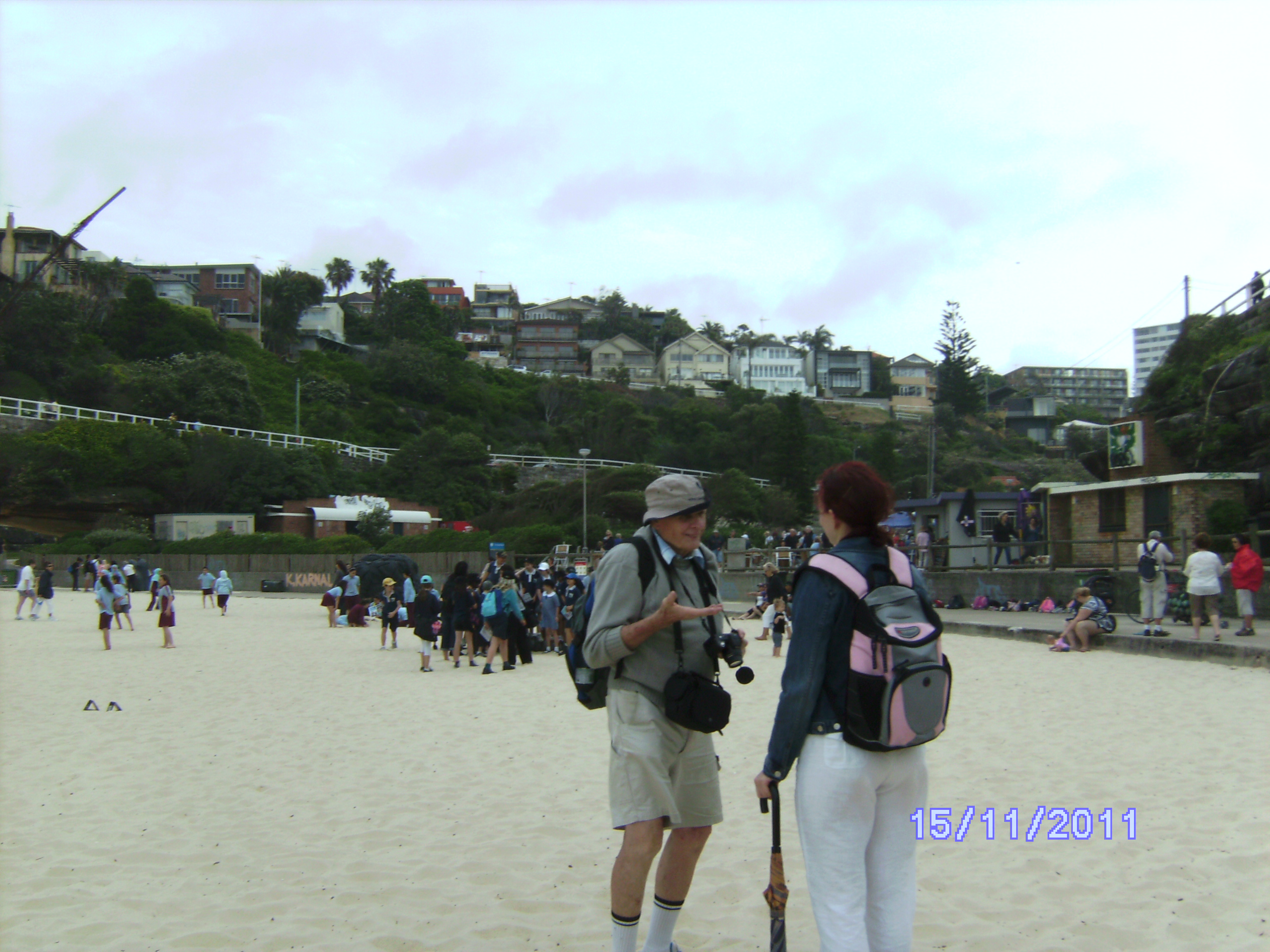
Every year at around this time you can view on the walk from Bondi Beach to Tamarama Beach an exhibition of ‘sculptures by the sea’.
We went by train from Dapto to Bondi Junction, where we met our daughter. From Bondi Junction going on the bus it wasn’t far to Bondi Beach, where we started our walk.




Growing up in Australia
Unfortunately I did not have the opportunity to grow up in Australia. However, all my children grew up here and are very happy to live here. I ask myself, do people always love the place they grow up in? No, I do not think that is necessarily so. I for one was not happy with the educational opportunities that were open to me in postwar Germany. I was glad to leave Germany behind in 1959. I felt I did owe Germany no loyalty. In those postwar years a lot of Germans longed to live in America, the free country! I thought the next best thing would be to live in Australia.
These days I am glad that we were given the chance to migrate to Australia rather than to America. In Australia we felt straight away freer than in Germany. Peter started in a very low paid job. That meant, we were on an extremely low budget. Still we found life in Australia easy going. It took us only a couple of years to pay off a block of land! Somehow we managed the payments for the land by strictly buying only the most basic things. We spent little on clothes. Home cooked meals were not expensive. About once a week we could even afford to buy take-away fish and chips or a yummy take-away hamburger!
After the land had been paid for, a building society gave us a loan for a small house. We could never have achieved that in Germany! Our two babies were regarded as something precious in Australia. Whereas in Germany people’s attitude was something like: We young people with hardly any prospects for the future should not have any children. The question at the top of their minds was, how on earth could we dare to have children when we had no means to adequately provide for them?!
Over the years we raised four children in Australia. We soon owned our own home. I never had to go to work. Peter always earned sufficient to provide for his family. I chose to stay home with the children. Sure, our children were not spoiled with a lot of the things that todays children take for granted. But there was always a roof over their head, someone to look after them, enough food and clothes as well as the chance for a good education. I reckon Australia was the best place for children to grow up in. University education was free in those days. Even when the parents were on a low income level their children were given good opportunities to better themselves.
We came to Australia in 1959. A lot of things have changed since then. Maybe I feel a bit nostalgic as far as the 60s and 70s are concerned. Sure, a lot of progress has been made since then. Some technical progress has been enormous; e.g. with computers, mobile phones, digital TV etc. However, I reckon the growing gap between rich and poor has not been good. To my mind the difference between poor people and rich people has been growing to an unacceptable level. How can an enormously huge gap in assets and income level be good for society? I wonder whether any reforms are possible and whether the very rich could ever accept a somewhat lower standard of living so that the gap would not be quite as enormous?
I wrote the above about a year ago and came across it today in my files. Somehow it still makes sense to me today. How on earth can the excessive widening of the gap ever be stopped? Is it right for me to worry about it? I live in one of the richest countries in the world and personally I don’t suffer any hardship. Being seventy-seven years of age my life is nearing its end. Is it right for me to worry about what comes after me? Shouldn’t I just count my blessings? Justice for all and the abolishment of poverty: It’s just a dream, isn’t it? Or maybe, just maybe it might become true one day!
Childhood Memories
‘Your father has always been a selfish person. He doesn’t send any money for you but I bet he sits down for breakfast with a soft boiled egg in front of him. He knows how to look after himself and doesn’t care whether his children have anything to eat.’
The voice of my mother still rings in my ears. When years later I talked to my father about his so called selfishness, he justified himself with a lot of words and by producing the Post Office receipts which proved that he had constantly sent money for us children. True, he never could send much, however Mum’s claim that he didn’t send any money at all was totally wrong, according to Dad. He made sure that I looked at all the relevant slips. It seemed very important to him that I should believe him.
I felt sorry for Dad and I felt sorry for Mum. I used to feel that I could not take sides for either of them: I was totally torn between them. My loyalty belonged to both in equal proportions, that means, I could never decide on who’s side I should be. Mum of course accused me constantly of siding with my father and rejecting her. She probably did not feel supported by me. She just could not stand it when I tried to defend Dad.
Dad was the opposite. No matter how much he complained about Mum and let it be known how frustated he was about Mum’s behaviour, he was never angry with me when I tried to defend Mum. He always listened patiently to what I had to say. On the contrary, he liked it when I pointed out how much Mum meant to me and the boys.
‘You are right, Uta,’ he would say, ‘it is very important for you and the boys that you have a good relationship with your Mum. After all she is your Mum. I certainly would not like you rejecting her. In her own way she loves all three of you. You should never forget this.’ Then he would continue to complain about it that Mum was not willing to leave Berlin and live with him and us children as one family. He also had some gripes about Tante Ilse. According to him it was she who had wrecked their marriage.
I loved this aunt. For me it was very hard to listen to Dad’s accusations about her. Dad claimed in a very angry voice that Ilse had lived a ‘Lotter-Leben’ (bad life) when she was younger. He said that she had now a very good marriage. He was of the opinion that marrying HL was the best thing that could have happened to her. Dad regarded HL as being of very good character. I could only agree. In my experience, this Uncle spoke of Dad always in a respectful way, that is, I never heard him say anything bad about Dad. Come to think of it, neither did Tante Ilse. The way I saw it, only Mum would talk about Dad in a very nasty kind of way. It shows that to her mind he must have been a great disappointment to her. Even as a child I tried to see both sides. This was mind boggling for me. A lot of the issues were about what normally only grown-ups would be concerned about. On the other hand – even though I had no way of being able to tell what for instance the sexual difficulties may have been – I none the less felt those vibes which told me, my parents had those very strong love/hate feelings towards each other. I also sensed Mum’s absolute disgust about the way Dad’s life had turned out to be. Yes, I can imagine what immense disappointment this was for her!
Some time after Dad had managed to set himself up in a secure position again he talked to me about how it would be best for all of us if he remarried Mum. I told him that I could not imagine this happening. And sure enough, when he asked Mum to live with him again, she refused.
In 1959 Peter and I migrated to Australia with our two baby-girls. The following year Dad married Gertrud. Peter and I were under the impression that the new wife was right for Dad in every way, I am sure, Dad had a very good marriage with G. They had only a short time to
gether: At age sixty-two Dad died of prostate cancer. After having stayed in hospital for a while Dad pleaded with G to take him home. She did this and nursed him for the last six months of his life. It so happened, that G received Dad’s pension after he died. This upset my Mum and my brothers immensely! They thought, G had no right to receive all the benefits. They told me that the first wife should get more consideration for having had a much longer marriage as well as children. I felt awful when my family talked badly about G. I know that she had always been very welcoming, kind and supportive towards my brothers.
G is ninety-two now. Over the distance I still have some occasional contact with her. I am never going to forget, how, during the last years of his life, she gave Dad so much of herself. When I received her letter six months before he died, telling me about the seriousness of Dad’s illness, I cried and cried.
PS on the 14th of October 2017:
My step-mother, Gertrud Spickermann, died recently aged 98. Her 99th birthday would have been on the 23rd of November 2017. Not so long ago she skyped with Peter and me. She was always keen to keep in touch with family.
Aunty Uta’s Memories
How we settled in Australia
We disembarked in Port Melbourne on the 31st of May, 1959. The same day a train took us from Melbourne to the Bonegilla Hostel (near Albury/Wodonga). The train was a special train for us migrants who had come on the S.S. STRAITHAIRD to Port Melbourne.
Around lunch-time we stopped in what seemed to be the middle of nowhere. There were two long huts. Some Australian volunteer ladies were about to serve us a warm meal in these huts. One hut was designated for women and children, the other for men. Each hut was equipped with long tables and benches.
It was lunch-time. The meal for us consisted of meat with three vegies: Potatoes, carrots and peas. The peas were straight away called ‘Kuller-Erbsen’ by some German migrants for they thought the peas weren’t soft enough. They kept joking they were just good enough to be ‘kullert’ (rolled around)!
Peter was most upset that he wasn’t allowed to sit with me and the children. ‘I could’ve helped you with the feeding of the babies,’ he said. ‘Why on earth wouldn’t they let me sit with you?’ Yes, I would have loved Peter to be with us for the meal. Nonetheless, I felt that the feeding of the newcomers was well organised. I thought we ought to be thankful that they went to a lot of trouble to provide a warm meal for all of us. Strangely enough, I even liked the ‘Kuller-Erbsen’. The meat-rissoles were tasty and suitable to be fed to the babies. Besides, they had allowed us enough time for our lunch; we did not feel rushed at all. — And there were special chairs for all the babies! That gave me the feeling that Australians liked children. In Germany we had never seen a baby-chair in any public place!
In the evening our train stopped at a siding close to the Bonegilla Migrant Hostel. It was still early evening, but already pitch dark. And we could immediately feel that it was going to be a very cold night.
At the Hostel we were assigned two rooms in one of the huts. One room contained two single beds with two sheets and four Army blankets on each bed. In the other room were two baby cots, also with sheets and warm baby blankets. Both rooms were freezing cold. An electric radiator was in each room. We decided we would use only one room to sleep in, and use the other room as a store-room for our luggage and for one of the cots. One of the cots fitted into our bedroom. So we let our twenty-one months old baby sleep in it. Our six months old baby was to sleep in her pram, of course also in the same room with us. We pushed the two single beds together to make one big bed. One of the Army blankets we hung over the window as an extra buffer against the cold. Using both radiators for the one room it was soon pleasantly warm.
Before bedtime we were given another hot meal in the huge dining hall. We were told every day we would get breakfast, lunch and dinner in the dining hall. The meals were served from a counter. And again there was no shortage of baby-chairs for all the little ones!
For breakfast there was always semolina available, which was cooked in creamy milk. Our babies liked to eat it and so did I. Most German grown-ups didn’t like it at all and would complain that this sort of food was served every morning.
Nonetheless, this was not the only breakfast food. There was always toast and butter and jams as well as other hot cooked food; for instance baked beans, scrambled or boiled eggs or fried eggs with bacon. I think there was also fruit-juice on offer and of course hot tea as well as coffee. The coffee would not have been made the way Germans liked it, but I’m sure I thought by myself, we had really nothing to complain about!
We had severely cold nights during the month of June and wonderful sunshine during the day. We could use an outside laundry free of charge. There were a number of huge kettles and laundry tubs. Most mornings we boiled nappies in one of the kettles. After having rinsed those nappies in one of the laundry tubs, they were hung outside on one of the long clothes-lines. The sun quickly dried them. Taking the dry nappies of the line, they smelled wonderfully fresh! Some of the women made some rather sly remarks about how Peter was always around to help me with the babies as well as all the daily washing. They were probably envious that their husbands didn’t help them as much!
We soon made friends with another German couple who had two babies of about the same age as our babies. During the day we often went for walks with them. The fresh air was good for all of us, especially for the babies, two of them being pushed around in their prams, while the other two could already walk a bit and when they got tired they could sit on a little seat which was fastened to the front of the pram.
This other German family had been neighbours of ours on the S.S. Straithaird. The voyage on that P & O ocean-liner had been absolutely first class: Families with very small children had been accommodated on C-Deck with private cabins for each family! The cabins were large enough for double bunks for the parents as well as room for two cots. Right next to our cabin we had our own private bathroom, where the steward would fill the bathtub for us with hot seawater. He did this twice daily. Next to the bathtub was a dish which was filled with hot softwater for soaping ourselves.
Every morning our steward collected our baby nappies to take them to the laundry-service, for which we had to pay some money. We were not allowed to wash nappies in the communal laundry, which people could use for free. Our voyage lasted for five weeks. For a five weeks nappy-service we had sufficient money, only just. Naturally we could not buy anything in the shops on board the ship. This did not in the least matter to us. All the meals on board for the passengers were absolutely first class! We regarded this sea-voyage as the best holiday we ever had.
In Bonegilla we were immediatly given ‘dole’-money, since nobody had started work yet. The migrant workers were given a choice to look around themselves for a job or to start working in the Port Kembla Steelworks in Wollongong. Peter chose to go to Wollongong, a pleasant town at the Pacific Ocean. (We still live in the area!) Most migrants chose to start in the Steelworks. For a number of years Peter worked in the Steelworks with a gang of brush-handpainter climbing onto very high chimneys in order to paint these chimneys.
Over the years Peter has had lots of different jobs. He was never out of work. It was like that in the sixties: There were always jobs available for everyone. People did not have to be afraid of losing their job. In the seventies Peter joined the railways and eventually was an ASM (Assistant Station Master). He worked then for the railways until his retirement.
We raised four children in Australia. We are debtfree and own our own home. We never regretted that we left Germany to live in Australia. However we like to go back to Germany for visits. We’ve done so a number of times.
 AuntyUta