UTA’S DIARY, 20th January 2015 and Thoughts on the End of World War Two

RIMG0522

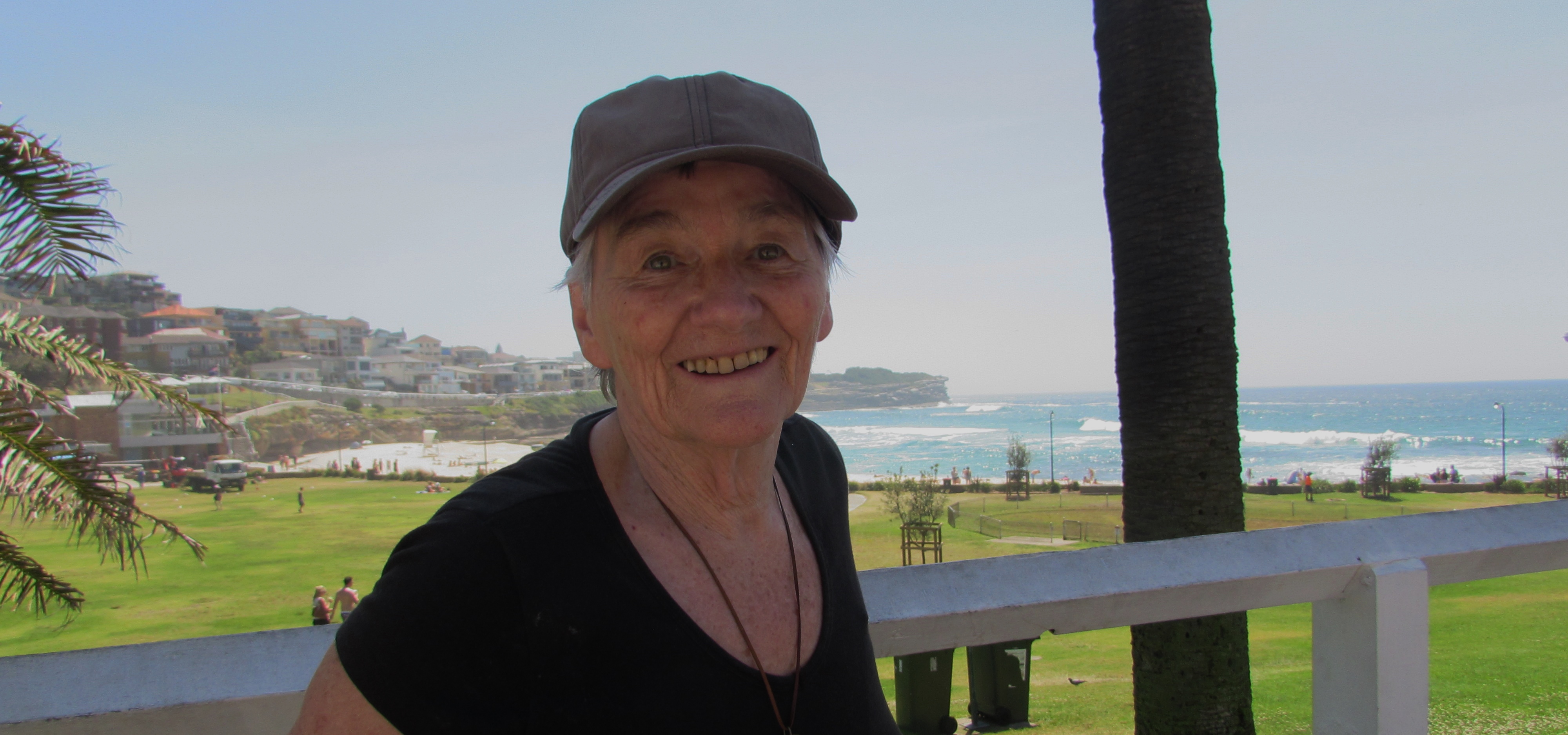
Peter and I eat a banana every day. When they are as large as the ones in the picture, we share one banana. We also have a few cherries every morning. At the moment Australian grapes and peaches are in season and taste very good. I think we spend more money on fruit and vegetables than on meaty things.

Today’s news is that next year one per cent of the global population are going to own as much as the rest of us together. I wonder how this shall go on!!

ST FRANCIS OF ASSISI said:

“Where there is charity and wisdom,
there is neither fear nor ignorance.”

I think it is fair to say that our civilisation is in crisis or very close to an immense crisis. I do not want to be ignorant about this, but I also do not want to give in to fear. Isn’t there always some light at the end of the tunnel?

Today I reblogged quite a few blogs that were written by very knowledgeable people, mainly by Joseph E. Stiglitz, who comes across to me as an economist who knows what he is talking about in a global sense. The warning signs are clearly there for everyone to see. Maybe it is mostly people and organisations with too much power and also people who think they have too much to lose who want everything to just to continue on and on and on. Common sense would tell them it just cannot go on like this indefinitely. But who wants to let common sense rule their lives?!

Enough of this for today. I am going to enjoy my life with what I have today. I plan on looking up one of my old posts. Actually I decided already on one that I want to re-post. Here it is:

https://auntyuta.com/2013/06/07/thoughts-on-the-end-of-war/#comments

Thoughts on the End of World War Two

Here in the blogger world there are always a few people who respond to what I write. I am very grateful for this. It keeps me going. I mean I would like to continue writing anyway but getting some kind of response helps a lot in actually proceeding with it.

When I write about my experiences during war time and after the war,  people instinctively respond in proclaiming their thoughts upon the horrors of war. Undoubtedly the horrors of war are immense. I know it,  just about everyone has some inkling about it. It may sound strange, but I always had the feeling that I personally escaped real horror.

Did I experience hunger? Real hunger and starvation that resulted in problems with health? I don’t think so. When I hear stories from people who were absolutely starved,  it makes me feel terrible. Why did my Dutch-Australian friend, who was about the same age as I was during the war, why did she at times have to go absolutely without food in Holland whereas I had in Germany always a little bit to eat? It is just not fair. War is not fair!

During the war the Nazi propaganda machine constantly bombarded us with slogans how we as Germans had to believe that we were going to win this war. We all had to work towards the ‘Endsieg’ (the winning at the end). By 1944 hardly anyone I knew still believed that Germany could win the war. My grandmother was the exception. She expressed an unshakable belief in the ‘Führer’ (Hitler). For this she was ridiculed by the family.  She believed stories about the ‘Wunderwaffe’ (wonder weapon) which would save us.

More and more everyone talked about it how they wished an end to the war. All our lives were put on hold so to speak. And this went on for quite some time after the war too. Schools were closed a few months before the end of the war. Where I was I couldn’t go back to school until four months after the war had finished.

My eighteen year old cousin couldn’t go to uni as she had planned. She had to work in a munitions factory instead, getting up at five o’clock every morning to travel by train to her place of work. I heard everyone saying to continue with the war was madness. But still everyone seemed to go on doing what they were supposed to do. Even the bomb raids generally didn’t effect people’s behaviour very much. I mean most people went on doing what they had to do bomb raids or not.

Amazingly a lot of foreign workers seem to have helped Germany by doing a proper job. For which after the war the Russians I believe handed out punishment. It is said that they treated their own people badly if they found out they had ‘co-operated’ with the Germans. However during the war years the Germans would send anyone who hindered the war effort away to concentration camps. Probably executions on the spot were not unknown either. During the first days after the war the Russians took everyone who looked like he could have been a soldier away. A lot of these men were never seen again. They may have ended up in a work camp in Siberia where starvation was rampant.

No doubt about it, Germans had a hard time during the first post war years. But still it was an end to fighting. There was a future without any war. Everyone could live in peace. Peace, peace, peace, this is what we wanted. We were very relieved that the war had ended. Tough times, yes, but at least there was no more war. We could concentrate on peaceful things. What a relief. What hope for the future!

Comments

rangewriter
rangewriter.wordpress.com
linda@rangewriter.biz
24.117.176.58
Submitted on 2013/06/10 at 12:12 pm | In reply to auntyuta.
Still, I can’t imagine what that must have felt like to those former believers. A bit like having your priest turn into a mass murderer. Was it you who suggested to me the book , The Shame of Survival? It’s interesting to read how a young girl came to recognize that she’d been duped.

Reply by Uta: We had the feeling we had all been duped, Linda. Over time most of former ‘believers’ had already changed their mind long before the war had actually ended. When you hear of all the atrocities later on of course you feel guilty then, guilty by association even if you were only a kid. I can’t help but feeling weary of all kinds of propaganda and indoctrination throughout my life. This kind of feeling of being duped never leaves me!
Linda, I think towards the end even my grandmother didn’t believe in the ‘Führer’ any more. Germany was well and truly defeated. I think Germany learned its lesson from this.

berlioz1935
berlioz1935.wordpress.com
berlioz1935@gmail.com
14.200.207.145
Submitted on 2013/06/10 at 10:49 am | In reply to gerard oosterman.
The big lesson for me in Australia was, that people from other countries CAN live together. Australians are not totally free from racism and prejudice but it has a much milder form as they don’t feel so much under pressure as people who live much closer like in Europe. Luckily the bad times in Europe are over.
People that go to another country are not necessarily the terrorist but they are the ones that want to avoid conflict. A decent job and income is foremost on their mind once they have arrived.
Give them a chance and the will become valuable citizens.

gerard oosterman
oosterman.wordpress.com/
oostermn@tpg.com.au
121.218.209.42
Submitted on 2013/06/07 at 11:11 pm
Acceptance of differences and inclusiveness might also be helpful in avoiding conflict. Break down barriers and learn to respect each other. Are fences between neighbours really necessary?

Reply by Uta: Gerard, you ask are fences between neighbours really necessary?
A very interesting question, indeed. I feel it’s possible to write a whole essay about it. My short answer would be communicate with each other while at the same time showing some respect for what is different in the other person. It’s good to feel included if this kind of respect is shown. Communication is good. But so is privacy. You need a balance, don’t you think?

berlioz1935
berlioz1935.wordpress.com
berlioz1935@gmail.com
14.200.207.145
Submitted on 2013/06/07 at 12:30 pm
You mentioned Holland in your post. Food that was grown there, was taken out of the country by the Germans to feed their own people.
I share your sentiments on war generally. Germany fares much better now trading with every other country and not making war and trying to conquer those countries.
Personally, we were lucky being spared the experience of trauma. But hearing, after the war, of all the atrocities done in our name, gave a big shock. And now? We learn every day from the news that other people do atrocities too. It seems to me one can declare someone an enemy and, Bingo, everything is allowed that you can do to them.
I think, of all the commandments “Love thy neighbour !” is the most important one.

Reply by Uta: Hi, Berlioz. it seems to me too “Love thy neighbour” is a very important commandment. It could help to avoid wars if people were willing to live up to this commandment

Memories of 1943/1944

Having read once more a few of my blogs on childhood memories, I came to the conclusion, it might be best if I tried to put all these blogs about my childhood as ‘pages’ together in the one place, so I could find them more easily when I wanted to look something up. It would make it easier for my children too to read up on my childhood. For now I plan to first copy the relevant blogs. I’ll probably need a few days or weeks for this. As far as possible I might refrain from putting anything else in my posts. Just as well, for ‘news’ items, as far as politics are concerned, usually do not give me much pleasure. And personal news, well, I could probably catch up with them at a later stage.

At the moment I collect the childhood memories rather randomly. Here is one about remembering 1943/1944:

Towards the end of September 1943 we left Berlin to live in the country. We moved to a place called the ‘Ausbau’, which meant that eventually ‘more’ was to be added to the building.. It was a simple rectangular red brick complex with several entrances around the building. There was no plumbing or electricity. The entrance for us ‘Berliners’ was on the left side at the front of the building. We had a cellar, a ground floor and two upper floors.

Mum, my two younger brothers and I, shared a bedroom on the first upper floor. We also had a small kitchen and a living-room. I would sleep in the living-room when my dad came home on leave. Two maids, one Polish, the other Russian, shared two rooms on the top floor. All the rooms on the top floor had sloping ceilings. Our Polish maid was in her early twenties. Her name was Maria. She was very efficient and always rather serious.. The T. Family, who lived on the ground floor, employed Katja, the Russian maid, who was only eighteen and extremely fun loving.

My mum’s sister, Tante Ilse, also had her rooms on the first upper floor. She had a bedroom and a living-room. On the ground floor, right underneath her upper rooms, she had a kitchen and a dining-room. She hardly ever used those downstairs rooms. Our friends from Berlin, the T. Family, occupied three rooms downstairs, namely a kitchen, a living-room and a bedroom, the same arrangement of rooms that we had on the upper floor.

There was an additional larger room for storage under the sloping roof. T. Family and my Family stored in that room additional larger furniture which we wanted to save from the bombs in Berlin. — In that room Mum stored a lot of Boskop-apples during the cold season. They were neatly spread out on some straw. Come Christmas-time, other delicious food was also hidden somewhere among our stored furniture. It was very tempting for me to go exploring in that room! Mum noticed sometimes, that some food was missing. And I admitted, when questioned, that I had helped myself to some of the goodies. However I was never punished for doing such a thing. That shows, that Mum must have been quite tolerant. —

On the same upper floor right under the roof was a playroom, which my brothers and I shared with eight year old Edith T. There was another room next to the playroom where Mrs. T.’s parents had stored some bedroom furniture. The parents were Mr. and Mrs. B. and had a business in Berlin. They sometimes stayed at the ‘Ausbau’ in that bedroom in order to be with their family away from the bombs in Berlin.

Our toilets were “plumps-closets” some distance away from the house. Water for cooking and washing had to be fetched from a pump in the backyard. Fetching water from the pump kept both maids very busy indeed. For lights we had kerosene-lamps, for heating there were coal-fired stoves which could also be used for cooking. Everything was very basic.

Gradually some changes were being made. The first big change was that our landlord had electricity laid on. All the workers who lived with their families in the other part of the building, received the benefit of electricity at the same time. This certainly was a very welcome improvement for them.

The ‘Ausbau’ was built close to a dirt-track which meandered through wide open barley-, oat- and potato-fields. On the track it was a good half hour to walk to the next village. Bike-riding however made it a bit quicker.

Werner M., the owner of all those fields that went on for miles and miles, was an acquaintance of Tante Ilse. He was apparently quite rich and also owned extensive brick-works (Ziegeleien). It was said of him that he was a millionaire. He was our landlord and he liked to spoil us. With no strings attached! Tante Ilse only had to voice a wish and Werner M. immediately did whatever he could to fulfill her wish. He spoiled us by constantly getting produce delivered to us: Potatoes, cabbage for making sauerkraut, wonderful treacle made of sweet-beets, and coal for our stoves.

Even I, as a nine year old, could see that sixty year old Werner M. was hopelessly in love with Ilse. I also was quite aware, that she always kept him at a distance. He was happy to just be invited for ”Kaffee und Kuchen’ on weekends and to spend some time with all of us. He always came to visit on his bike. On his daily inspection tours of the workers in the fields he also went around on his bike. He owned coaches with horses, but hardly ever used these to go anywhere.

Occasionally we were invited to his place (which people called ‘Schloss’), Then he sent a coach with a coachman to pick us up. Once in winter when there was plenty of snow, Werner M. sent a ‘Pferde-Schlitten’ (horse-drawn sledge). On this sledge we were wrapped up in blankets under a clear night-sky with the moon and lots of stars shining on us. It was unforgettable and one of the rare highlights in our otherwise pretty dreary country-life existence.

The place where Werner M. lived, did not look like a castle at all, even though people called it ‘Schloss’. It was not even a mansion but a rather large, but fairly plain house. There was a huge, fenced in veggie garden next to the house. I have seen the veggie garden only once. However I was very impressed by it, because it seemed to be so very large.

When we moved to the ‘Ausbau’, Ilse had already been divorced from her first husband. It was obvious that Werner M. would have liked to marry Ilse. However, it never came to that. Tante Ilse married Onkel Peter aka Helmut L. on July 20th, 1944.

***************************

It was a big thrill for me to go exploring among the furniture in that big storage-room, especially in the weeks before Christmas! Mum used to store lot of goodies during the Christmas season. It was very exciting for me to find out what new things had been stored in that big room. I remember seeing huge chunks of nougat (a yummy hazelnut-paste) as well as heart-shaped marzipan-pieces. There was a pot with sweetened thick milk. Sometimes I dipped my finger into it to lick this wonderful sweet stuff! I also liked to eat a few of the stored raisins and prunes! Smells of ginger bread and apples: It made me feel that Christmas was something to be looking forward to.

Where on earth did Mum get all those things from? It was war-time, wasn’t it? We were in the midst of war! I knew very well where all this came from. The parents of Mrs.T. had a distributing business. It was called ‘Backbedarf en Gros’. That meant they delivered goods to bakeries and cake-shops. Even in the midst of war deliveries of the above mentioned goods still took place! Of course there were shortages, but basically most things were still available.

Mr.T. and Mrs.T., as well as Tante Ilse and Mum were all good friends. Every Saturday night they came together for some card games. Eight year old daughterEva and I were allowed to stay up late on those nights. For hours we were watching the adults playing cards. At the same time we entertained ourselves with doodling on bits of paper. At around ten o’clock some cake and hot chocolate as well as coffee were served. But the maids did not have to do the serving, They were already in their rooms at this hour. The cake was usually freshly baked, very fluffy yeast cake topped with delicious butter-crumbs and filled with a thick custard. Hmm, yummy!

Mr.T. always stayed in Berlin during the week, where he worked in the business of his parents-in-law. Being over forty, he was not required to join the German army. Mr.T. always brought some sweet goodies along when he came home from Berlin for the weekend.

During the summer of 1944 Mr.T. and Mum liked to go on their bikes to a neighbouring Nursery where they were able to trade sweets for fresh produce. Eva and I were often allowed to go along with them on our bikes. The sweets were traded for strawberries or cherries or gooseberries as well as peaches and apricots, and later on in the year for pears and apples. I remember the Boskop apples were still in season in late autumn. The owner of the nursery was a well-off looking middle-aged woman who was very fond of sweets and loved to trade her produce. At one time we found out that she thought Mr.T. and Mum were a couple and we girls were sisters. Laughing joyfully, Mum and Mr.T. explained, that this was not so.

Only once as far as I remember were we shown into the lady’s home. Mr.T. made complimentary remarks about the interior of the house. He said it showed off the owner’s good taste. I liked the lady’s house a real lot too. Our families used to have well furnished apartments in Berlin. But this modern looking villa in the midst of the nursery really was something else. My feelings were I would very much like to live in a place like that. However we had to be happy with our accommodation in the Ausbau. To us children it was always pointed out, to be happy that we did not have to live among the bomb raids in Berlin. I’m pretty sure that by myself I felt that I’d rather live in Berlin, bomb-raids or not. I think to children bomb-raids usually didn’t seem as scary as to the adults. At the time we children had had no experience yet how absolutely horrible these bomb-raids could become.

In 1990, soon after the Fall of the Wall, I went with my family to have a look at the area where we used to be hidden away from the bomb-raids. We discovered that the nursery as well as the lady’s house had completely vanished. There was nothing left of the ‘Ausbau’ either!

In 1943, when we had lived at he ‘Ausbau’ only for a couple of months, Mrs. T. delivered a healthy daughter in a regional hospital. The day after the baby was born, it may perhaps have been a Saturday or Sunday, Mr. T. and Eva went for the forty-five minute bike-ride to the Hospital. I was thrilled that I was allowed to go with them! The baby was rather tiny. I think this is why she was soon called Krümel (tiny crumb). Her given name was Ruth. Eva had a pet-name too. She was often called Honkepong.

As soon as Mrs.T. came home from hospital, there was a nurse waiting for her to take charge of the baby. Mr.T. said something like: “Katja is a very nice girl, but I would not trust her with our new born baby. I am glad that Nurse is here to help my wife to look after our Krümel.”

Nurse used for herself the bedroom next to our playroom. Sometimes she sat with us children in the playroom. Since Christmas was approaching, she taught us how to make some Christmas decorations. I was very impressed, because I was nine years old and nobody had ever taught me anything like it! Nurse also made sure, we learned our Christmas poems. We had to be prepared to recite them to Santa on Christmas Eve!

Maria, our Polish maid, had been with us since before my little brother was born. He regarded Maria as his ‘Dah-dah’, that is he always called her ‘Dah-dah’. By the end of January 1945 we had to flee from the ‘Ausbau’ as the Russians were approaching fast. We went to Berlin first and then by train to Leipzig to stay at Grandmother’s place. Maria remained in Berlin with her Polish fiancee, who was a butcher.

When we parted from Maria, little brother Peter had just turned three. Yet he must have missed her for quite a while since she had always looked after him and I am sure, he loved her very much and she loved him. Mum always trusted Maria, who was in every way caring and efficient at the same time. Mum was always impressed how quickly Maria worked. Any dirty dishes were washed immediately. She was indeed capable of doing all the housework. Mum was happy to let her do just about everything. An exception was the baking of a large cake on Saturdays, which Mum loved to do herself.

Maria always made some potato-salad for the weekend. I watched how she did it. To the peeled and sliced potatoes she added finely cut onion, some oil, pepper and salt. Then she poured hot vinegar-water over the potatoes as a finishing touch. The huge salad-bowl was placed outside on a shelf near the stairway so the salad could cool down. I often helped myself to some of the warm salad when nobody was looking, because I loved to eat the salad when it was still a little bit warm. It was the same every Saturday. I watched Maria preparing the salad and placing it on the shelf outside. Then it did not take long before I had a good taste of it!

Friday night was the night for our bath. Maria placed a small tin-tub on the kitchen-floor. She carried several buckets of water from the outside pump to the kitchen. Some of the water she heated on the kitchen-stove in an especially huge pot. I was always the first one to use the bath-water, then it was brother Bodo’s turn. Little brother Peter was always the last one. Some hot water was added for everyone, but still the water must have been quite dirty for little Peter after Bodo and I had had our baths!

When Maria first came to live with us, she knew very little German. However she was determined to learn German quickly. She liked to ask Bodo and me how to pronounce certain words. She also asked me how to write these words in German. Mum often praised Maria, that she was willing and able to learn quickly. This applied to everything she did. She was an amazingly efficient person. A ‘pearl of a maid’ people would say of her. Maria was a city girl. She came from Lodz, which was called ‘Litzmannstadt’ at the time. We had spent the summer-months of 1941 at Zokolniki (near Lodz) and that was when Maria was assigned to us as a help. Mum liked Maria and wanted her to come with us when we went back to Berlin. Maria told me later that she did not want to leave Poland. But she had not been given the choice to stay in her own country.

When Katja arrived, we could see that she was very different from Maria. She was a country-girl from Russia. She never learned German as well as Maria did. She could never be trusted to do all the house-work by herself. Mrs.T. always had to supervise her and do certain things herself because Katja took too long to learn to do it properly. But we all loved Katja. She was always cheerful and full of beans. As a country-girl she did not know certain things that a city-girl had been brought up with. Maria took to instructing Katja about certain things. I think they communicated in German. After they finished work in the evening, they had plenty of time to stay in their rooms together and keep each other company. Both girls always had to get up early. During summer, school-classes in the village started as early as seven o’clock. That meant, I had to get up at six o’clock to get ready for school. Mum never got up that early. But Maria always came down at six o’clock to start working for us. She often had to do Peter’s linen early in the morning, which I am sure was not one of her favourite tasks.

I mentioned in this post our landlord, Werner M. He is here in this picture which was taken by Mrs. T. on Christmas Eve 1943.

Werner M. is on the left, on the right is Mr. T.

Tante Ilse is next to Werner M. together with cousin Renate. I am in the back with my doll.

The children in front are Eva T. and my brother Bodo.

Next to Mr. T. is Mum and Grandma Olga (Mum’s mum) is on the left next to Werner M.

Christmas Eve 1943

I won’t copy the comments I received to this post, only my replies to them. If you want to see the comments, please go to: https://auntyuta.com/2013/06/02/childhood-memories-194344/

Here are my replies:

I experienced this country life nearly seventy years ago. It was very different from life in Berlin. Thanks for commenting, dear Catterel.

I hope some of my descendants are going to find it of interest, Robert.

Well, Emu, the memory can be quite shady. Some things we remember, some things we forget. We always seem to remember holiday times better than other times for instance. I think lots of things that have to do with how I felt at the time did get stuck in my memory. Maybe as a kid I didn’t often have a chance to really talk about my feelings. This is why I reflected a lot during the hours when I was by my lonely self. This reflecting came naturally to me. Nobody did give me instructions how to do it. When someone made a comment to me that stirred my feelings in some way, I would probably reflect on this comment for hours later on and never forget it. As a kid I seem to have analysed what sort of feelings certain persons gave me.
Auntyuta.
Our Landlord in 1943/1945

Our toilets were “plumps-closets” some distance away from the house. Water for cooking and washing had to be fetched from a pump in the backyard. Fetching water from the pump kept both maids, Maria and Katja, very busy indeed. For lights we had kerosene-lamps, for heating there were coal-fired stoves which could also be used for cooking. Everything was very basic.

Gradually some changes were being made. The first big change was that our landlord had electricity laid on. All the workers who lived with their families in the other part of the building, received the benefit of electricity at the same time. This certainly was a very welcome improvement for them.

The ‘Ausbau’ was built close to a dirt-track which meandered through wide open barley-, oat- and potato-fields. On the track it was a good half hour to walk to the next village. Bike-riding however made it a bit quicker.

Werner Mann, the owner of all those fields that went on for miles and miles, was an acquaintance of Tante Ilse. People said he was a millionaire. Apart from these Ländereien he owned extensive brick-works (Ziegeleien). He was our landlord and he liked to spoil us. With no strings attached! Tante Ilse only had to voice a wish and Werner Mann immediately did whatever he could to fulfill her wish. He spoiled all of us by constantly getting produce delivered to us such as: Potatoes, cabbage (for making sauerkraut), wonderful treacle made of sweet-beets, and coal for our stoves.

Even I, as a nine year old, could see that sixty year old Werner Mann was hopelessly in love with Ilse. I also was quite aware, that she always kept him at a distance. He was happy to just be invited for ”Kaffee und Kuchen” on weekends and to spend some time with all of us. He always came to visit on his bike. On his daily inspection tours of the workers in the fields he also went around on his bike. He owned coaches with horses, but hardly ever used these to go anywhere.

Occasionally we were invited to his place (which people called ‘Schloss’), Then he sent a coach with a coachman to pick us up. Once in winter when there was plenty of snow, Werner Mann sent a ‘Pferde-Schlitten’ (horse-drawn sledge). On this sledge we were wrapped up in blankets under a clear night-sky with the moon and lots of stars shining on us. It was unforgettable and one of the rare highlights in our otherwise pretty dreary country-life existence.

The place, where Werner Mann lived, did not look like a castle at all, even though people called it ‘Schloss’. It was not even a mansion but a rather large, but fairly plain house. There was a huge, fenced in veggie garden next to the house. I have seen the veggie garden only once. However I was very impressed by it, because it seemed to be very large.

When we moved to the ‘Ausbau’, Ilse had already been divorced from her first husband. It was obvious that Werner Mann would have liked to marry Ilse. However, it never came to that. Tante Ilse married Onkel Peter aka Helmut Lorenz on July 20th, 1944.

**************

Our part of the building had a huge storage room on the top floor. A lot of our furniture was stored there. I loved to go exploring among the furniture where Mum used to store a lot of goodies. Especially in the weeks before Christmas Mum used to store there a lot of stuff. It was very exciting for me to find out what new things had been stored in that big room. I remember seeing huge chunks of nougat (a yummy hazelnut-paste) as well as heart-shaped marzipan-pieces. There was a pot with sweetened thick milk. Sometimes I dipped my finger into it to lick this wonderful sweet stuff! I also liked to eat a few of the stored raisins and prunes! There were smells of ginger bread and apples: It made me feel that Christmas was something to be looking forward to.

Where on earth did Mum get all these things from? It was war-time after all! We were in the midst of war. – However I knew very well where all this stuff came from. The parents of Mrs.T. had a distributing business. It was called ‘Backbedarf en Gros’. That meant they delivered goods to bakeries and cake-shops. Even in the midst of war deliveries of the above mentioned goods still took place! Of course there were shortages, but basically most things were still available. Mr. Fritz T. was in that business with his parents-in-law. This is why he stayed in Berlin during the week. But on weekends he left Berlin to stay with his family in the Ausbau. He usually was able to bring along some delicious Backbedarf. And apparently he was always willing to let my mum Charlotte have some of the goodies too. Mr.T., being over forty, was not required to join the German army.

Mr. Fritz T. and Mrs. Edith T., as well as Tante Ilse and Mum were all good friends. Every Saturday night they came together for some card games. Eight year old daughter Eva and I were allowed to stay up late on those nights. For hours we were watching the adults playing cards. At the same time we entertained ourselves with doodling on bits of paper. At around ten o’clock some cake and hot chocolate as well as coffee were served. But the maids did not have to do the serving, They were already in their rooms at this hour. The cake was usually freshly baked, very fluffy yeast cake topped with delicious butter-crumbs and filled with a thick custard. Hmm, yummy!

During the summer of 1944 Mr.T. and Mum liked to go on their bikes to a neighbouring nursery where they were able to trade sweets for fresh produce. Eva and I were often allowed to go along with them on our bikes. The sweets were traded for strawberries or cherries or gooseberries as well as peaches and apricots, and later on in the year for pears and apples. I remember the Boskop apples were still in season in late autumn. The owner of the nursery was a well-off looking middle-aged woman who was very fond of sweets and loved to trade her produce. At one time we found out that she thought Mr.T. and Mum were a couple and we girls were sisters. Laughing joyfully, Mum and Mr.T. explained, that this was not so.

Only once, as far as I remember, were we shown into the lady’s home. Mr.T. made complimentary remarks about the interior of the house. He said it showed off the owner’s good taste. I liked the lady’s house a real lot too. Our families used to have well furnished apartments in Berlin. But this modern looking villa in the midst of the nursery really was something else. My feelings were I would very much like to live in a place like that! However we had to be happy with our accommodation in the Ausbau. To us children it was always pointed out, that we should be happy that we did not have to live in Berlin where all these bomb raids occured. I’m pretty sure that by myself I felt that I’d rather live in Berlin, bomb-raids or not. I think to children bomb-raids usually didn’t seem as scary as to the adults. At the time we children had had no experience yet how absolutely horrible these bomb-raids could become.

In 1990, soon after the Fall of the Wall, we went for a visit to Germany and had a look at this area east of Berlin where we used to be hidden away. We discovered that the nursery as well as the lady’s house had completely vanished. There was nothing left of the ‘Ausbau’ either!

In 1943, after we had lived at he ‘Ausbau’ for a couple of months only, Mrs. T. delivered a healthy daughter in a regional hospital. The day after the baby was born, it may perhaps have been a Saturday or Sunday, Mr. T. and Eva went for the forty-five minute bike-ride to the Hospital. I was thrilled that I was allowed to go with them! The baby was rather tiny. I think this is why she was soon called Krümel (tiny crumb). Her given name was Ruth. Eva had a pet-name too. She was often called Honkepong.

As soon as Mrs.T. came home from hospital, there was a nurse waiting for her to take charge of the baby. Mr.T. said something like: “Katja is a very nice girl, but I would not trust her with our new born baby. I am glad that Nurse is here to help my wife to look after our Krümel.”

Nurse used for herself the bedroom next to our playroom. Sometimes she sat with us children in the playroom. Since Christmas was approaching, she taught us how to make some Christmas decorations. I was very impressed, because I was nine years old and nobody had ever taught me anything like it! Nurse also made sure, we learned our Christmas poems. We had to be prepared to recite them to Santa on Christmas Eve!

Maria, our Polish maid, had been with us since before my little brother was born. He regarded Maria as his ‘Dah-dah’, that is he always called her ‘Dah-dah’. By the end of January 1945 we had to flee from the ‘Ausbau’ as the Russians were approaching fast. We went to Berlin first and then by train to Leipzig to stay at Grandma Olga’s place. Maria remained in Berlin with her Polish fiancee, who was a butcher.

When we parted from Maria, little brother Peter had just turned three. Yet he must have missed her for quite a while since she had always looked after him and I am sure, he loved her very much and she loved him. Mum always trusted Maria, who was in every way caring and efficient at the same time. Mum was always impressed how quickly Maria worked. Any dirty dishes were washed immediately. She was indeed capable of doing all the housework. Mum was happy to let her do just about everything. An exception was the baking of a large cake on Saturdays, which Mum loved to do herself.

Maria always made some potato-salad for the weekend. I watched how she did it. To the cooked, peeled and sliced potatoes she added finely cut onion, some oil, pepper and salt. Then she poured hot vinegar-water over the potatoes as a finishing touch. The huge salad-bowl was placed outside on a shelf near the stairway so the salad could cool down. I often helped myself to some of the warm salad when nobody was looking, because I loved to eat the salad when it was still a little bit warm. It was the same every Saturday. I watched Maria preparing the salad and placing it on the shelf outside. Then it did not take long before I had a good taste of it!

Friday night was the night for our bath. Maria placed a small tin-tub on the kitchen-floor. She carried several buckets of water from the outside pump to the kitchen. Some of the water she heated on the kitchen-stove in an especially huge pot. I was always the first one to use the bath-water, then it was brother Bodo’s turn. Little brother Peter was always the last one. Some hot water was added for everyone, but still the water must have been quite dirty for little Peter after Bodo and I had had our baths!

When Maria first came to live with us, she knew very little German. However she was determined to learn German quickly. She liked to ask Bodo and me how to pronounce certain words. She also asked me how to write these words in German. Mum often praised Maria, that she was willing and able to learn quickly. This applied to everything she did. She was an amazingly efficient person. A ‘pearl of a maid’ people would say of her. Maria was a city girl. She came from Lodz, which was called ‘Litzmannstadt’ at the time. We had spent the summer-months of 1941 at Zokolniki (near Lodz) and that was when Maria was assigned to us as a help. Mum liked Maria and wanted her to come with us when we went back to Berlin. Maria told me later that she did not want to leave Poland. But she had not been given the choice to stay in her own country.

When Katja arrived, we could see that she was very different from Maria. She was a country-girl from Russia. She never learned German as well as Maria did. She could never be trusted to do all the house-work by herself. Mrs.T. always had to supervise her and do certain things herself because Katja took too long to learn to do it properly. But we all loved Katja. She was always cheerful and full of beans. As a country-girl she did not know certain things that a city-girl had been brought up with. Maria took to instructing Katja about certain things. I think they communicated in German. After they finished work in the evening, they had plenty of time to stay in their rooms together and keep each other company. Both girls always had to get up early. During summer, school-classes in the village started as early as seven o’clock. That meant, I had to get up at six o’clock to get ready for school. Mum never got up that early. But Maria always came down at six o’clock to start working for us. She often had to do Peter’s linen early in the morning, which I am sure was not one of her favourite tasks.
I mentioned in this post our landlord, Werner Mann. He is here in this picture which was taken by Mrs. T. on Christmas Eve 1943.

Werner Mann is on the left, on the right is Mr. Fritz T.

Tante Ilse is next to Werner Mann. together with cousin Renate. I am in the back with my doll. You can see me holding up one of my Käthe-Kruse-Dolls. Mum had knitted a lovely new dress for this doll.

The children in front are eight year old Eva T. and my five year old brother Bodo.

Next to Mr. T. is Mum and Grandma Olga (Mum’s mum) is on the left next to Werner Mann.

Christmas Eve 1943

This photo was taken in Tante Ilse’s livingroom. We were all sitting together for Christmas Eve celebrations. The photo is proof that my grandmother from Leipzig and cousin Renate were with us for Christmas 1943.

In the weeks before Christmas Mum loved to do some sewing of clothes as well as a lot of knitting for us children. When she did this we were not allowed in the living-room because she wanted the gifts to be a surprise for Christmas Eve. That meant of course that we had to be very, very patient. Naturally we thought Christmas Eve would never come!

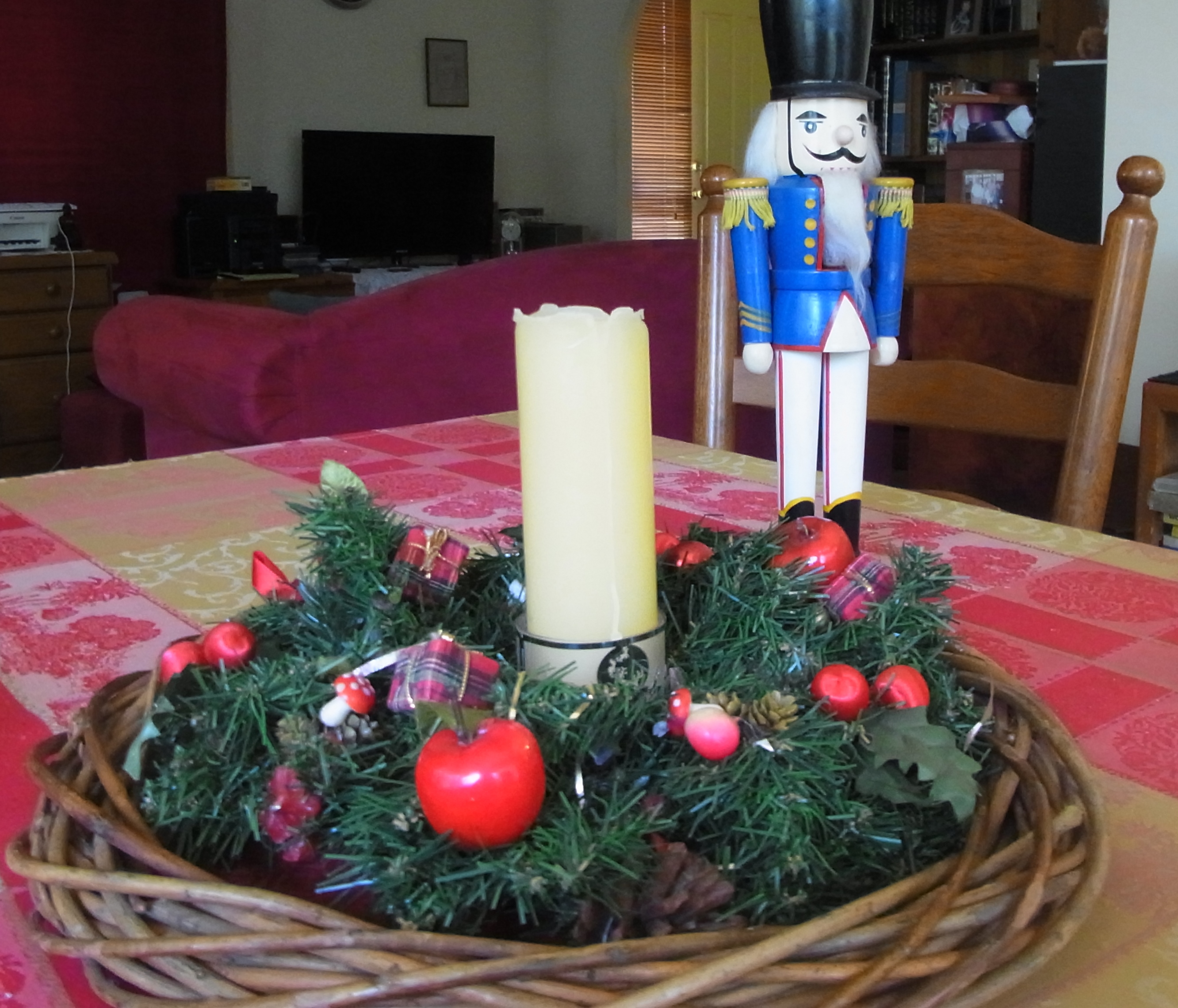
First of Advent 2014

RIMG0594

RIMG0598

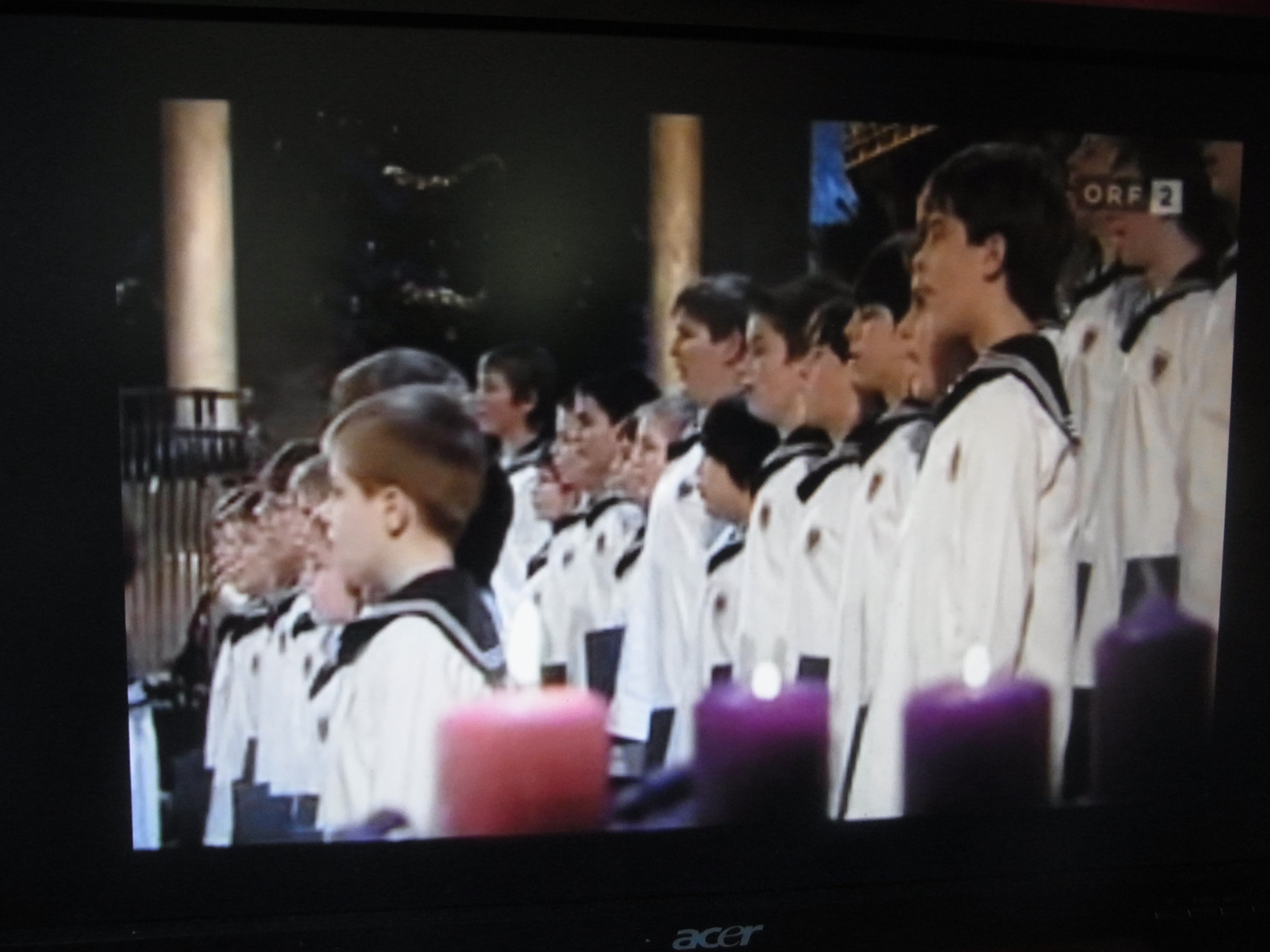
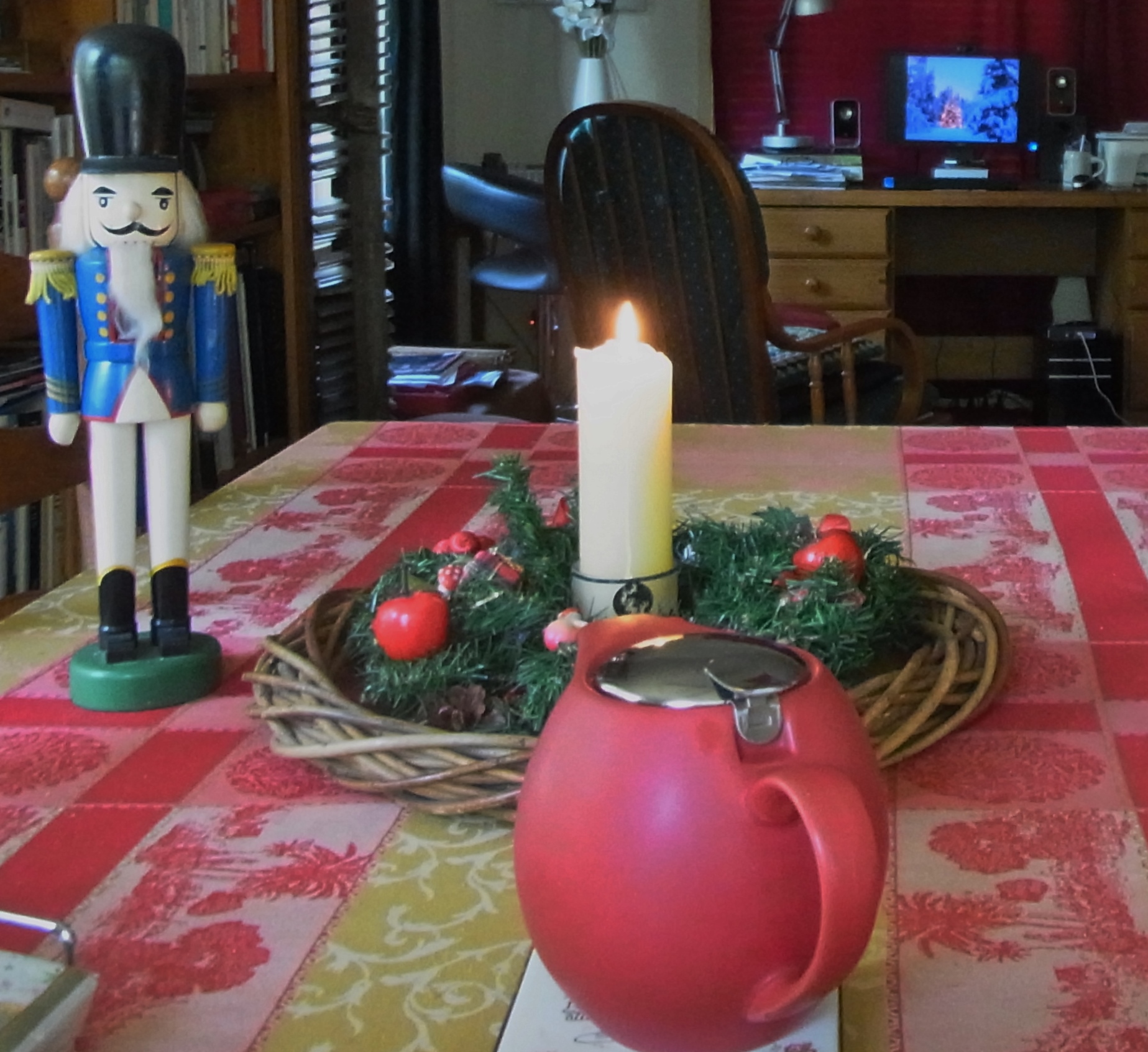
Peter found a series of old German Christmas songs in the computer. It was very rewarding to be able to listen to all these songs while celebrating the First of Advent.

A picture from the computer of the Vienna Boy's Choir singing German Christmas songs.
A picture from the computer of the Vienna Boy’s Choir singing German Christmas songs.

RIMG0601 (2)

RIMG0601

We listened to a lot of Christmas songs by different groups and artists. They all sang the German texts that we are still quite familiar with, bringing back memories to what it was like when we were children. Here some names of the songs: O Tannenbaum, O du fröhliche, Ave Maria, Kling Glöckchen kling, Leise rieselt der Schnee, and so on.

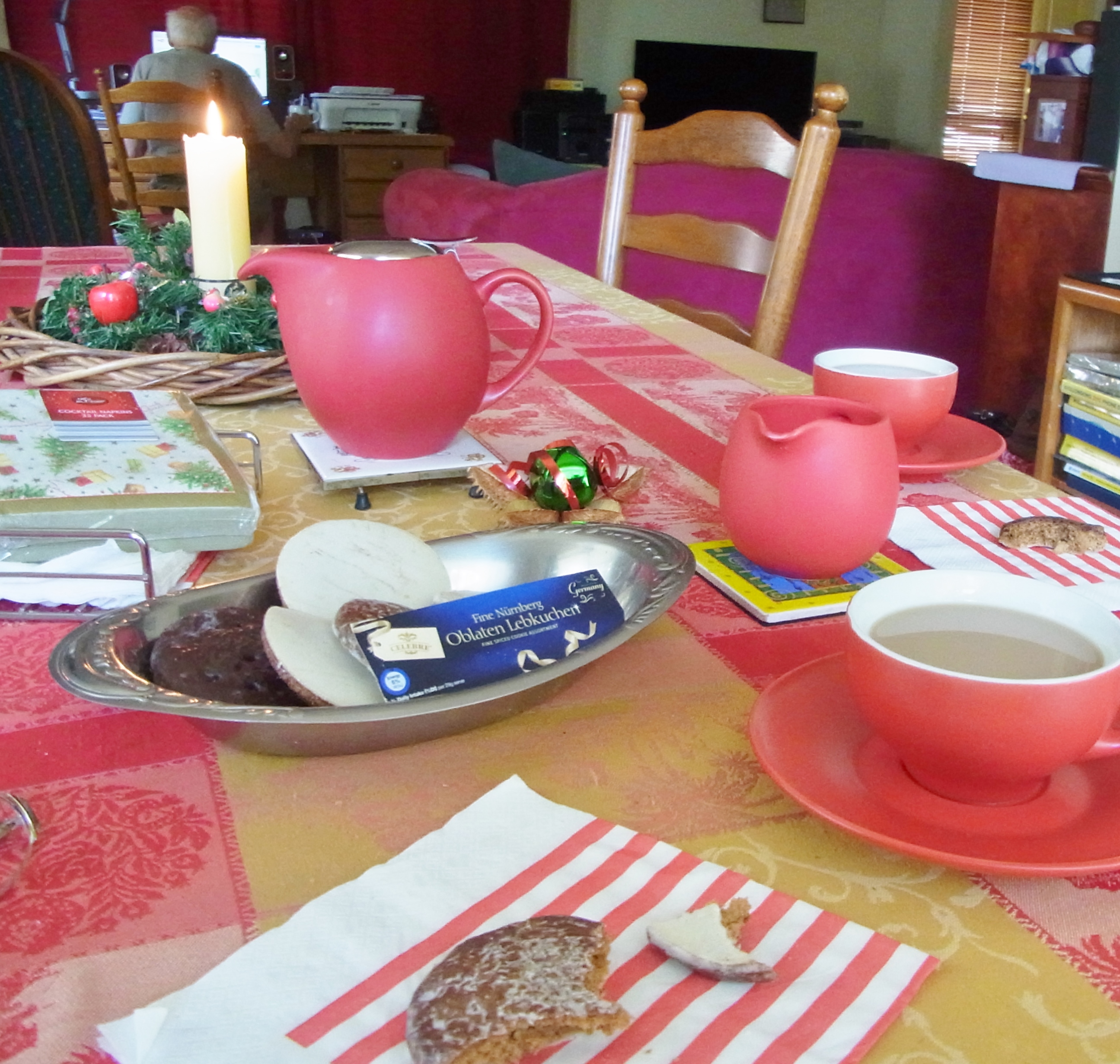
We had tea and German ‘Oblaten Lebkuchen’.

Then I could not help myself taking a few more pictures!

RIMG0597

RIMG0592

RIMG0591

RIMG0590

RIMG0593

RIMG0600 (2)

What I wrote in November 2013

Tiergarten. Berlin, Beginning of Nov. 2012
Tiergarten. Berlin,
Beginning of Nov. 2012

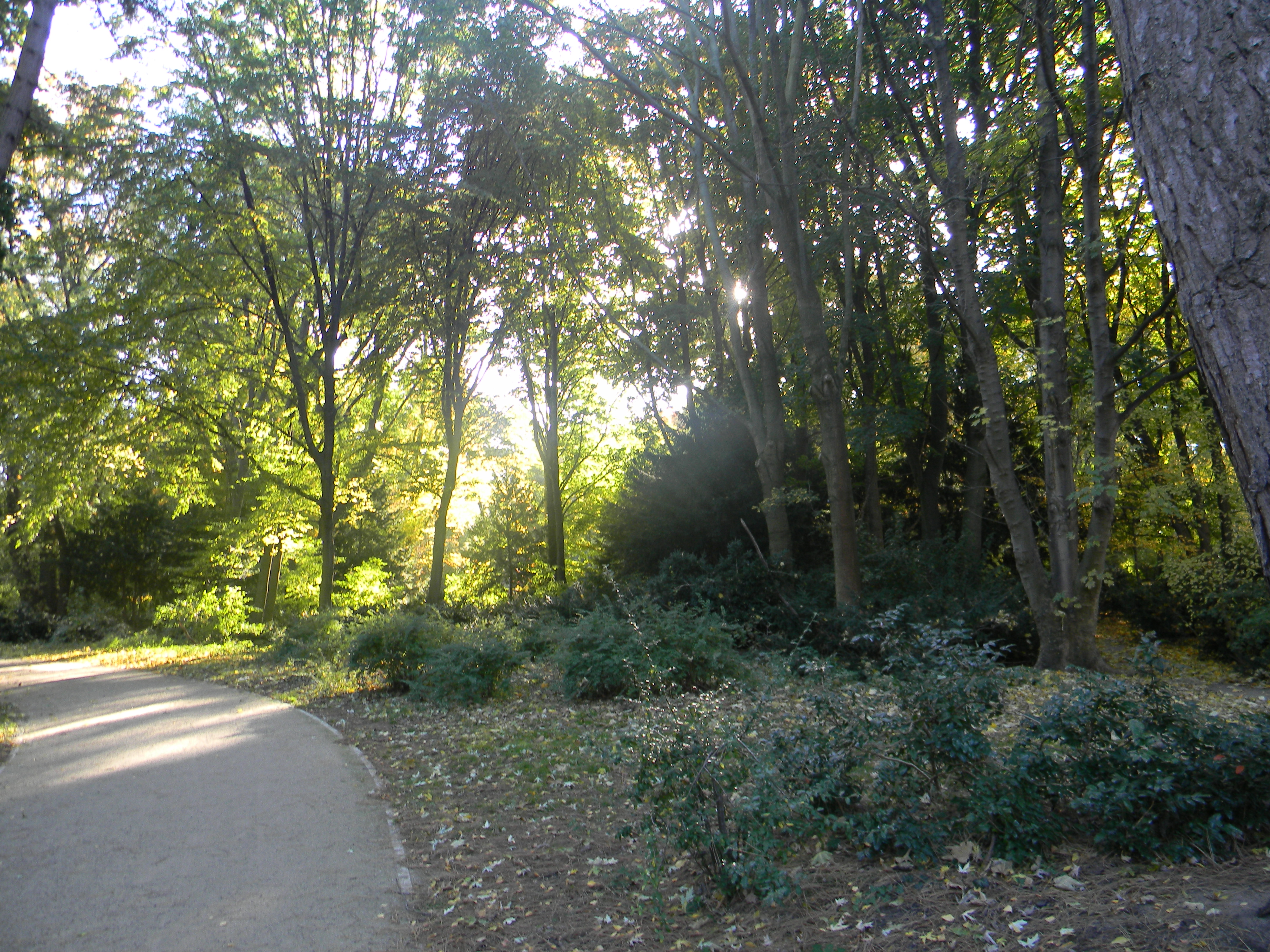
One year ago we were visiting Berlin. For two months we stayed in one of the high-rise apartment buildings in Hansa Viertel, right in the centre of Berlin with the Tiergarten at our doorstep. We would usually go for an early morning walk in this beautiful Tiergarten. The above picture we probably took around the 2nd of November when our stay in Berlin was nearing its end.

In Berlin,  the first and second of November would not have been any special days for us. Unless you were Catholic, you would not think of All Saints and All Souls. In some parts of Germany the 31st of October is a holiday to celebrate Reformation Day. But in Berlin even the 31st of October is not a holiday.

Gaby, our daughter passed away last year. When we light a candle, we remember her. We also remember a great number of other departed. Nearly everyone who has been older than we are, has passed away by now. After all,  both Peter and I are in our late seventies by now. There are not all that many people around who are older than we are. We always think we might be the next ones to leave!

Do we have special needs in an emergency? This question came up recently when large areas of New South Wales experienced very hot conditions and fast spreading fires. Peter copied for us from the internet a plan for an emergency during a HEATWAVE. It said: “ABC Emergency delivers official warnings and alerts and publishes emergency coverage sourced form ABC Local Radio and ABC News.”

Here is a list of some of the things we should have prepared in our SURVIVAL KIT:

BATTERY-OPERATED RADIO (WITH SPARE BATTERIES)
Torch (with spare batteries)
Strong shoes, gumboots, leather gloves and overalls
First aid kit and medications we need
A change of clothes, toiletry and sanitary supplies
Water in sealed containers – ten litres per person (for three days)
Three days supply of canned food (plus can opener and utensils)
Pillows and blankets (woollen and thermal)
Mobile phone and charger
Strong plastic bags (for clothing, valuables, documents, and photos)
Spare car and house keys

Several Emergency Services are mentioned that can be of help.

Here is what we should do before a HEATWAVE:

Stay hydrated – it’s recommended to drink two to three litres of water and to avoid alcohol and caffeine
Dress light

Check on family and friends – twice a day
Avoid exposure to the sun
Get your home ready – draw curtains, blinds, awnings at the start of the day to keep the sun out
Seek air-conditioning in a shopping centre, library or other public place. (We do not have air-conditioning)
Fans can also provide relief (We do have fans.)

During a HEATWAVE we should phone for assistance immediately if we show any symptoms of heat stress including extremely heavy sweating, headache and vomiting, confusion, swollen tongue

After a Heatwave we should be careful of falling tree limbs – they can be a hazard during periods of extended high temperatures.

UTA’s DIARY, SATURDAY 15th November 2014

RIMG0549

RIMG0537

RIMG0541

RIMG0551

RIMG0550

RIMG0546

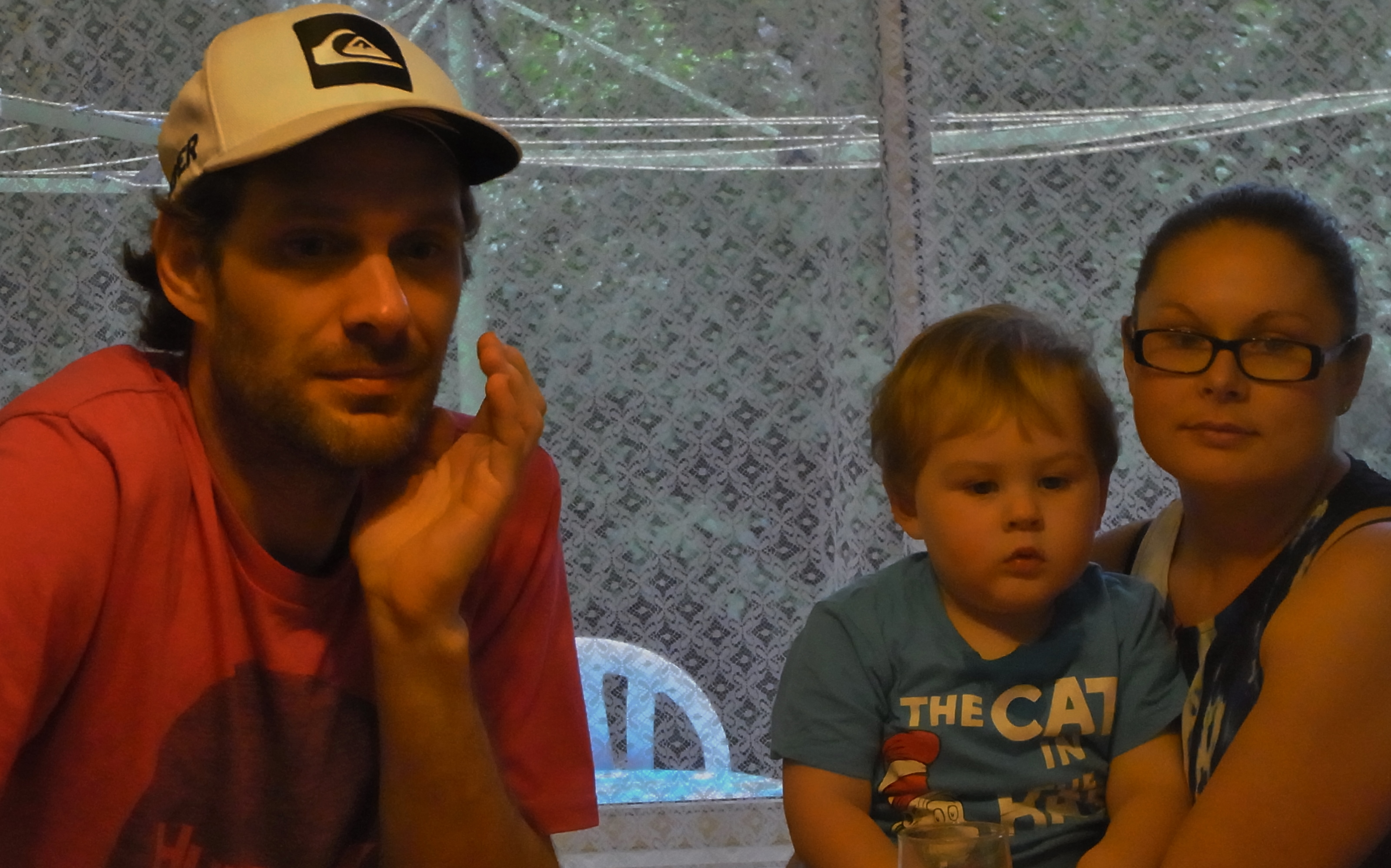
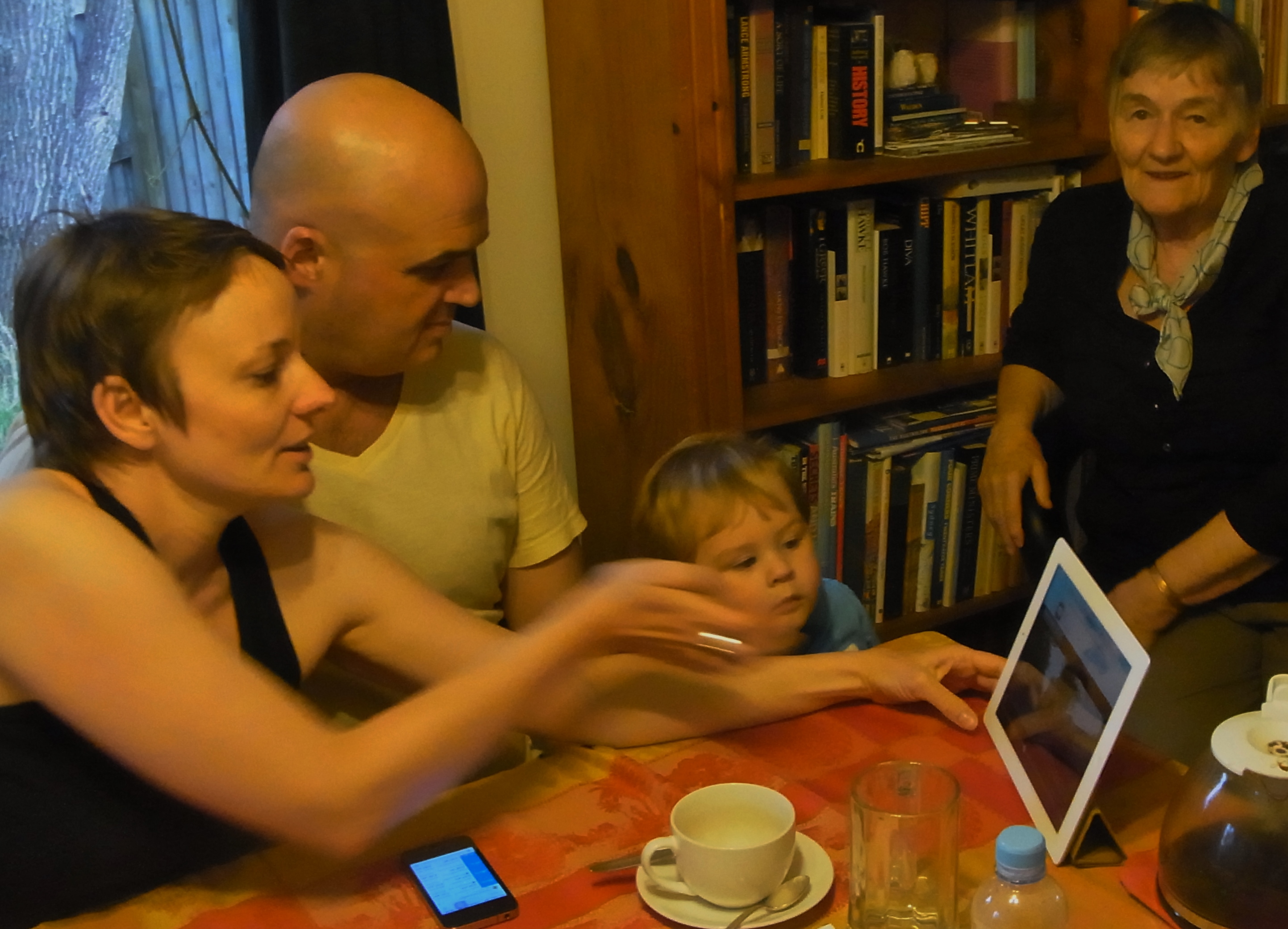
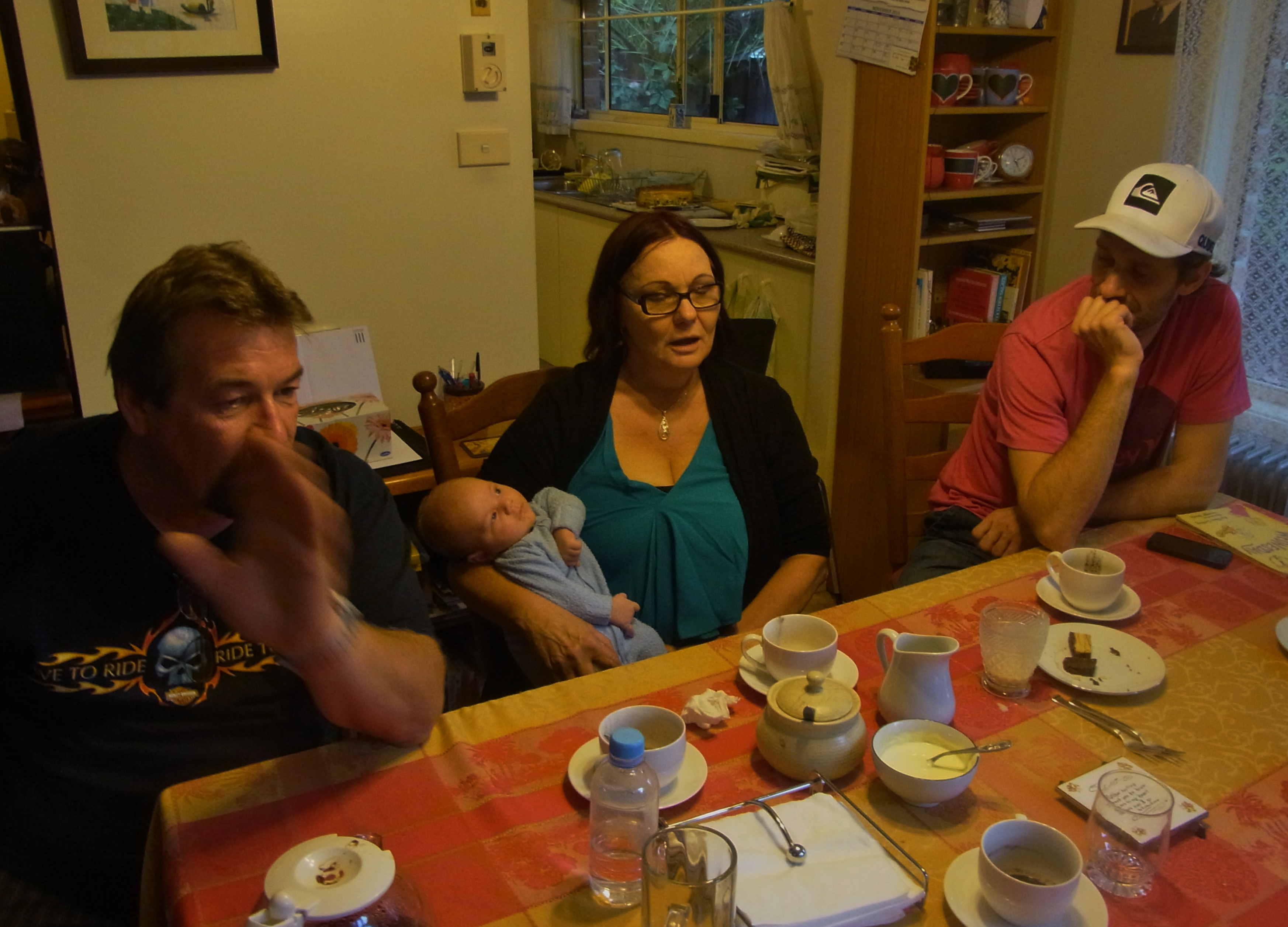
It turned out several family members could come to visit us on Saturday. Caroline had baked a cheese-cake after having gone shopping with Matthew for the ingredients. The cake had just come out of the oven when Ryan and Ebony arrived with Lucas and Baby Alexander. A bit later also Monika and Mark came for afternoon coffee.

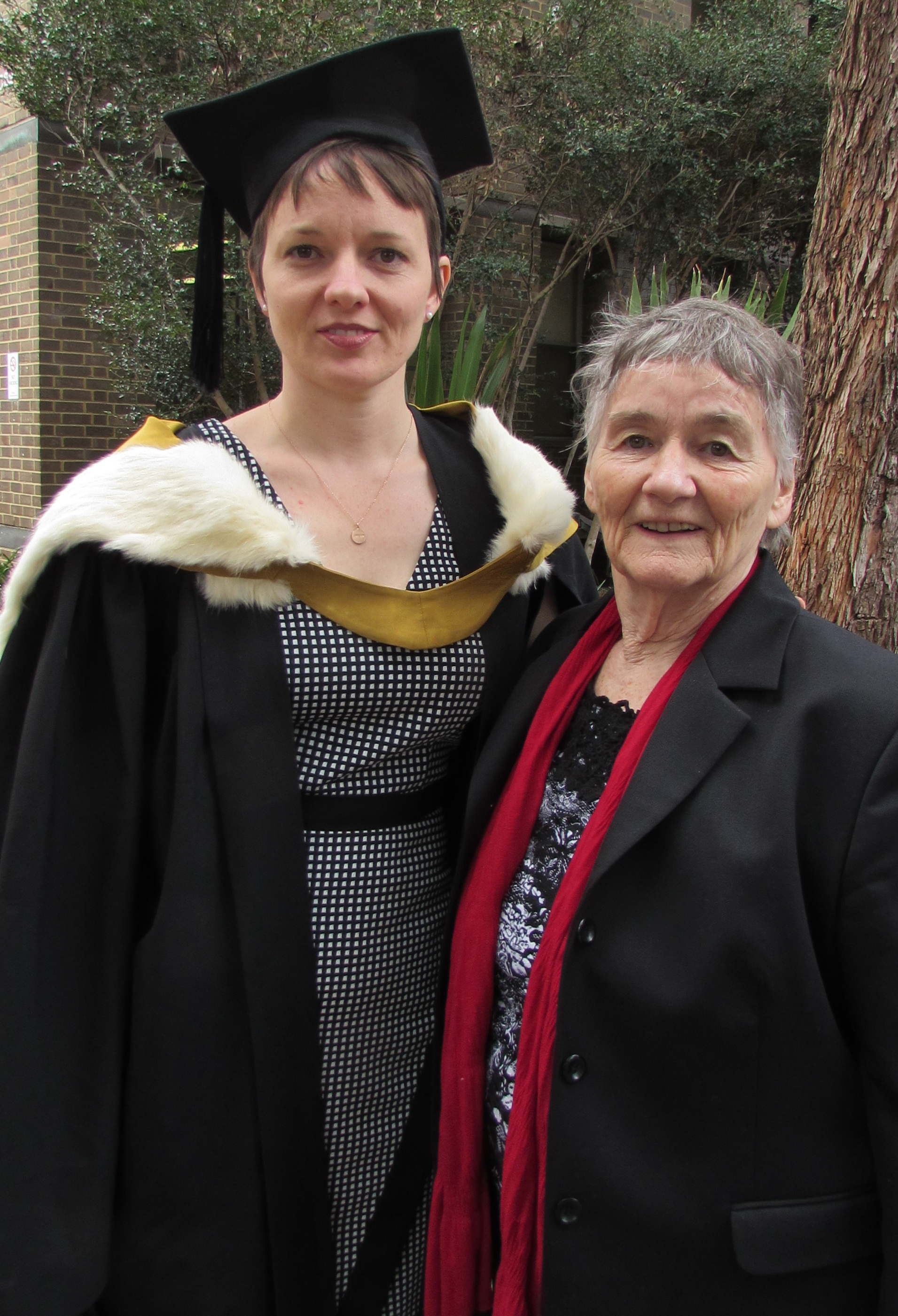
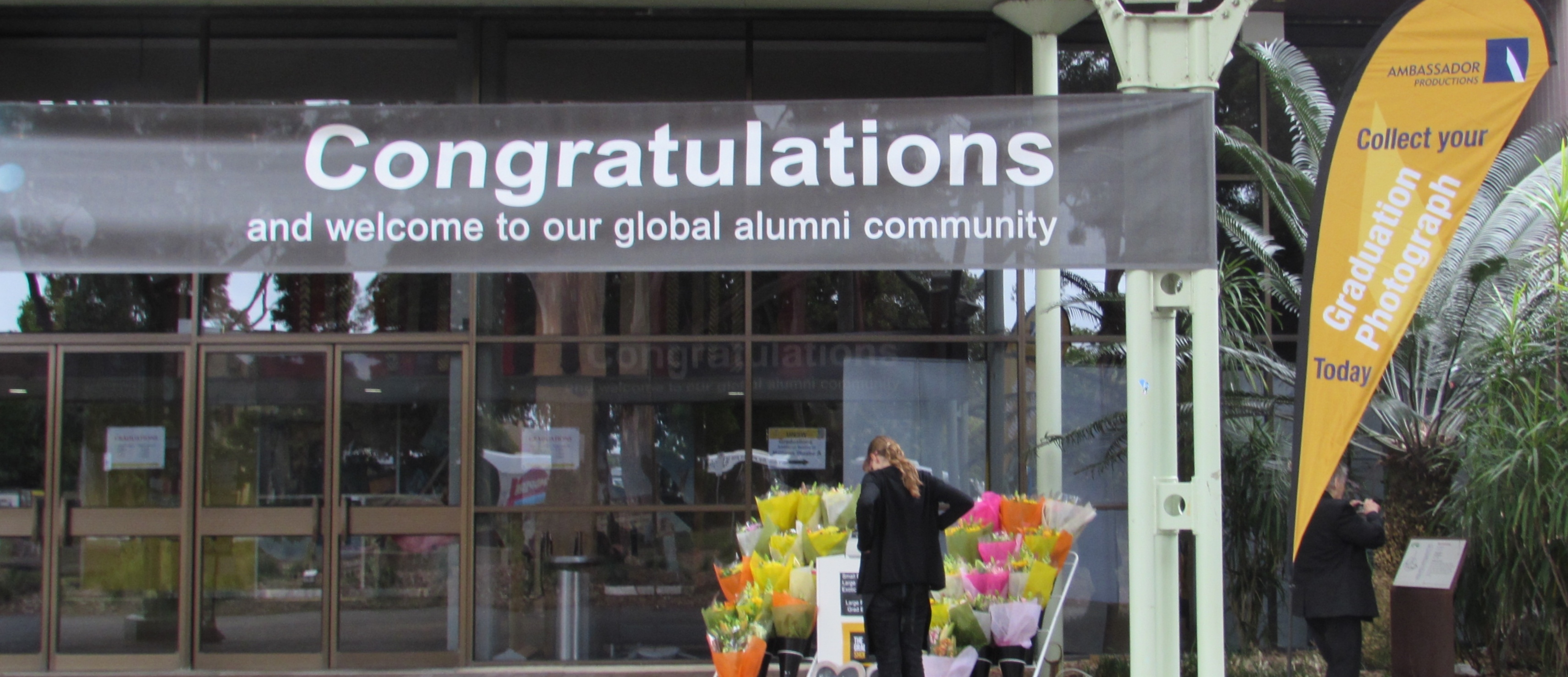
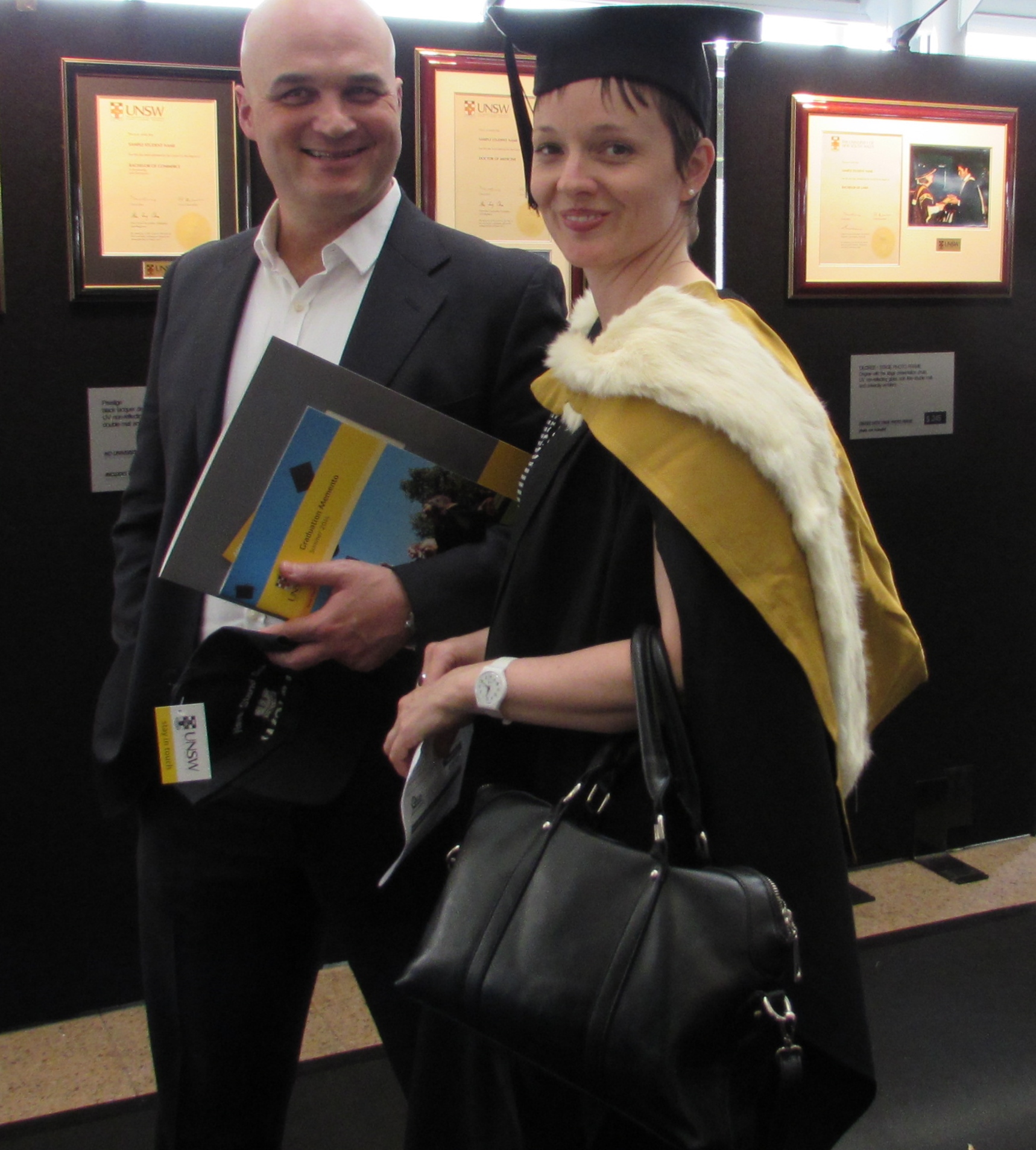
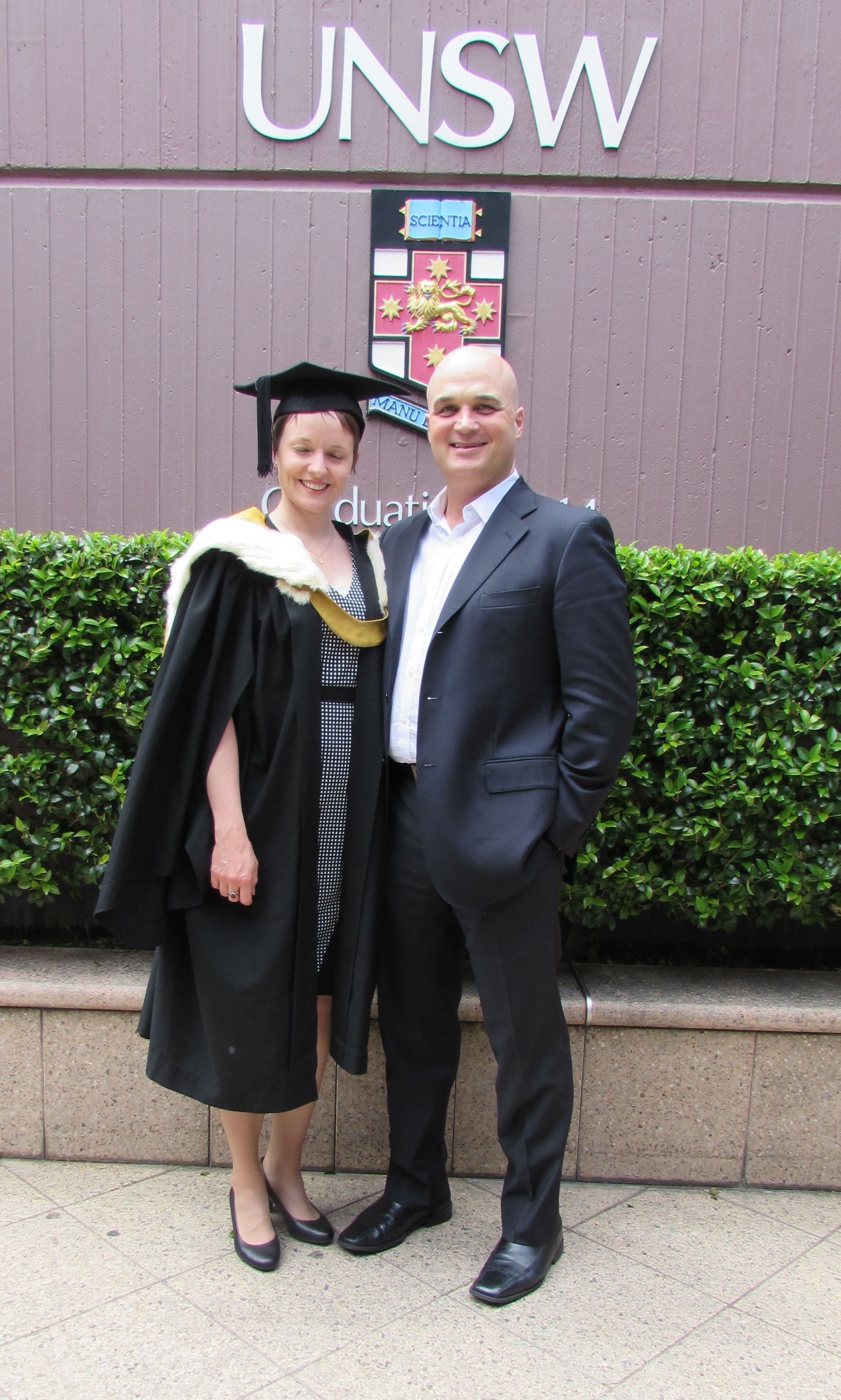
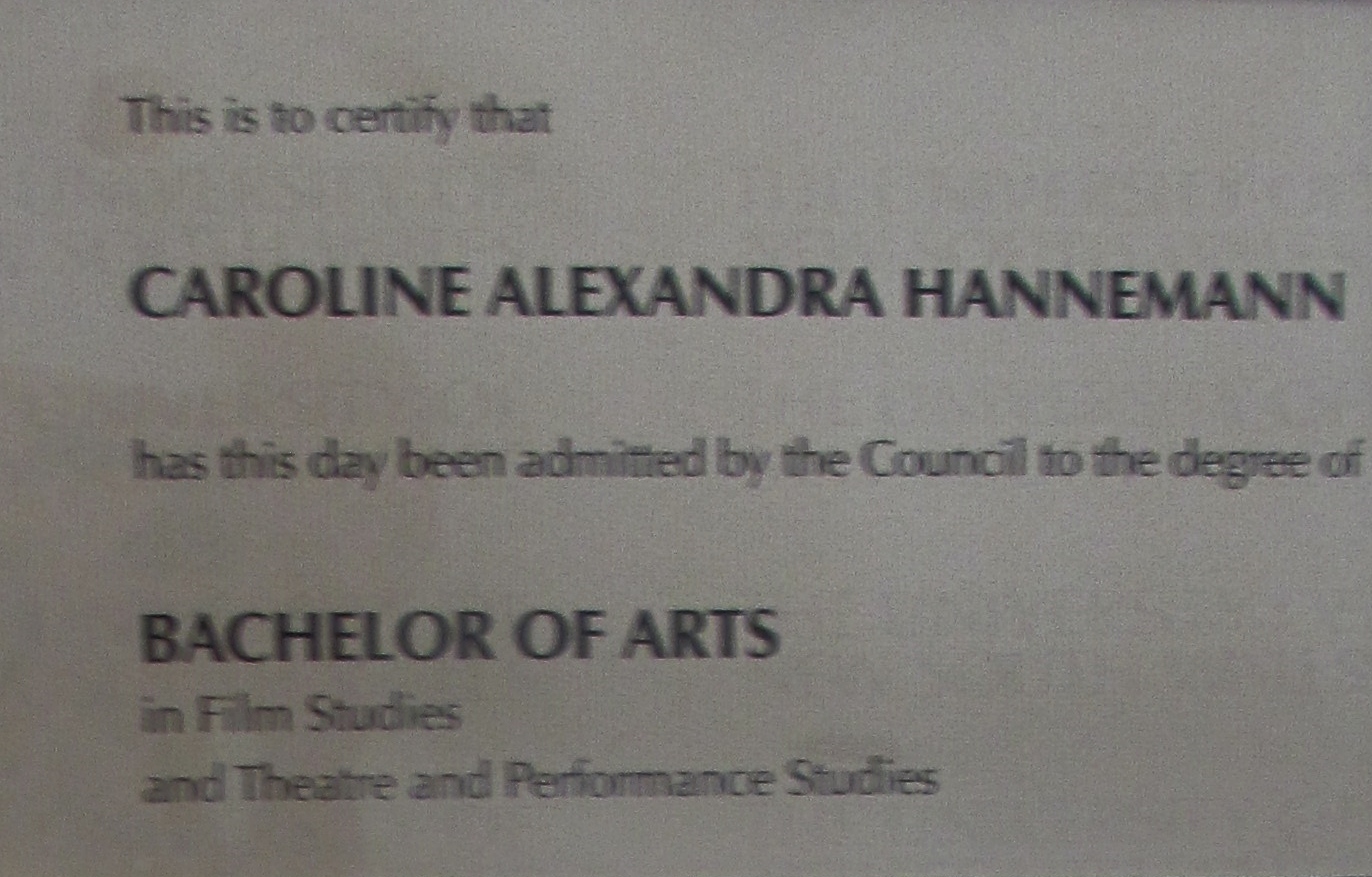
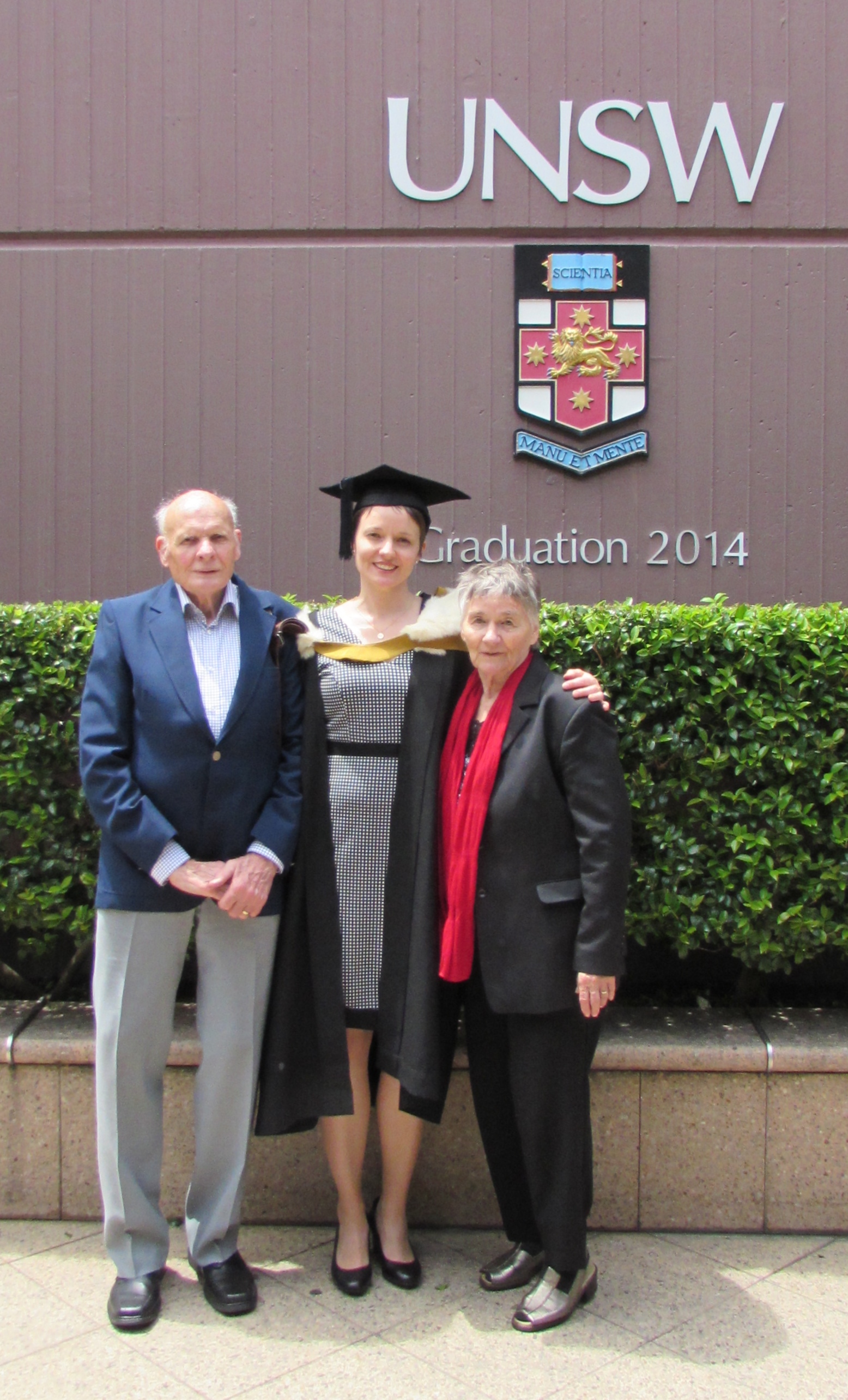
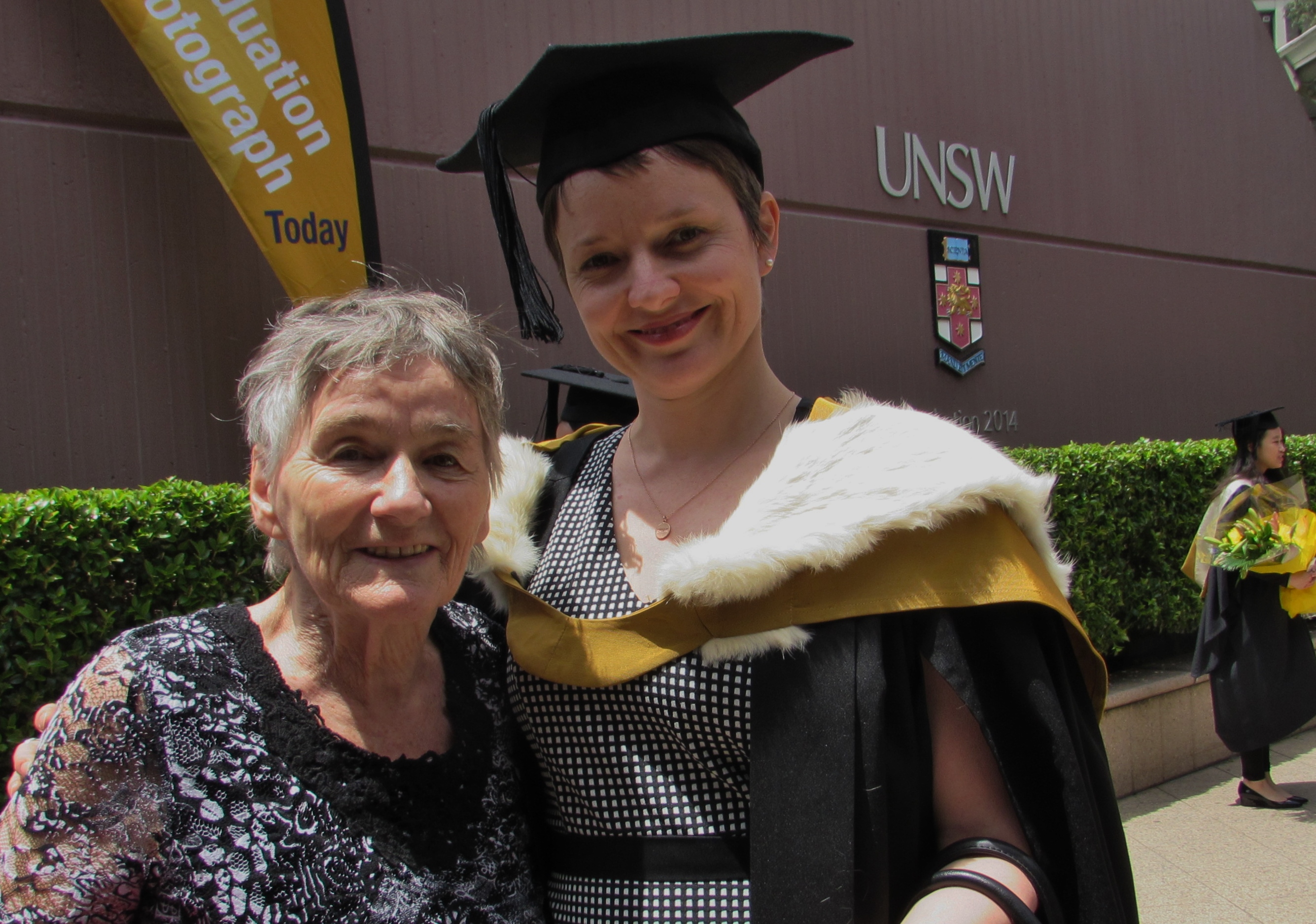
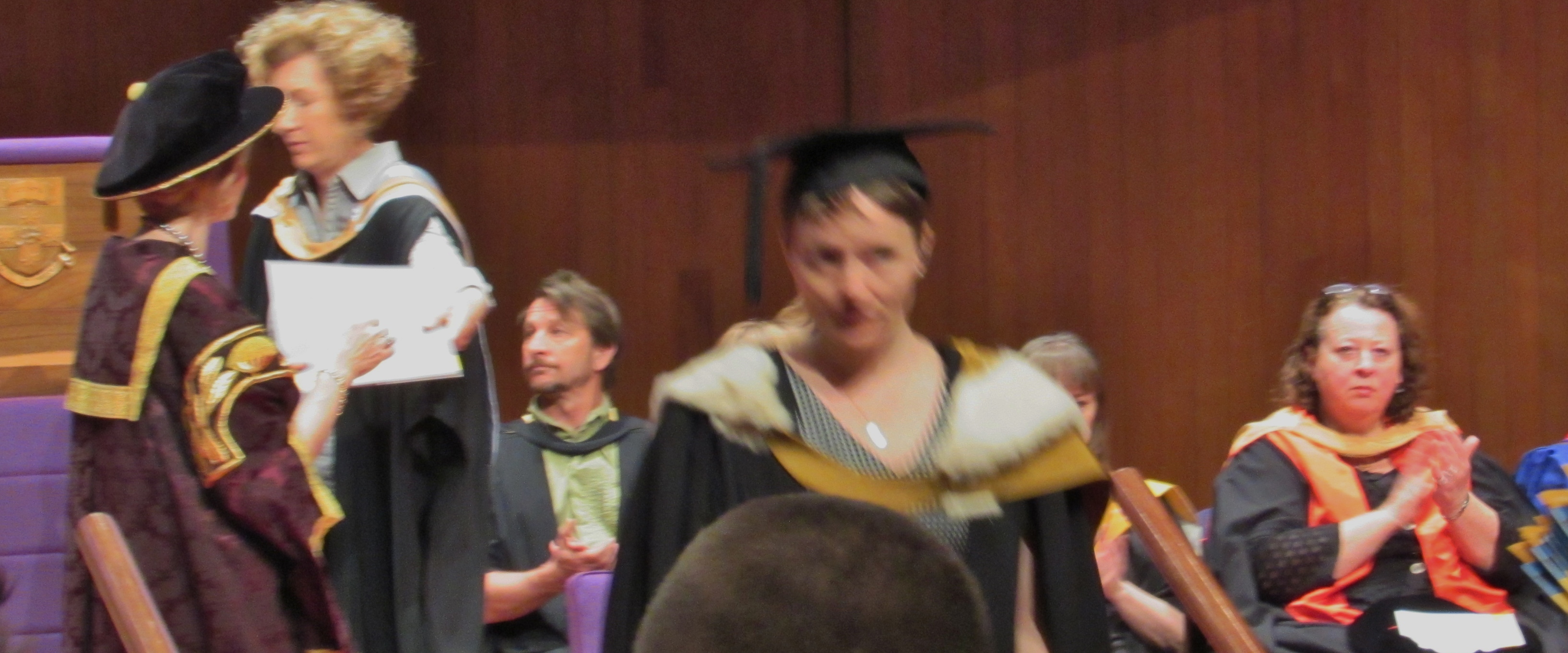
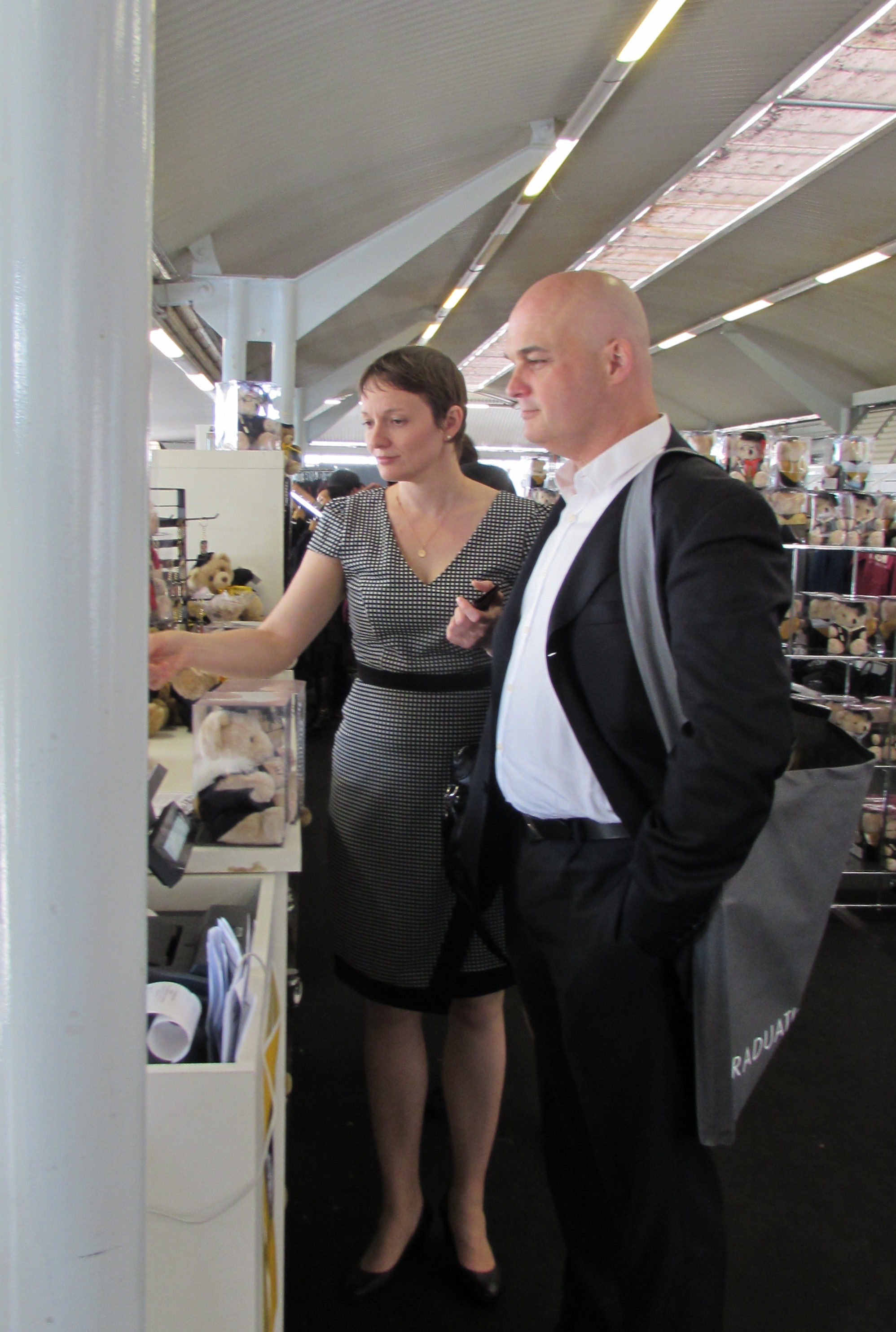
Caroline and Matthew had come with us to Dapto on Friday night. Saturday night they went back home to their place in Sydney. Caroline’s Graduation Ceremony had been on Thursday. Wednesday afternoon Peter and I had been arriving in Sydney where we went with Caroline and Matthew to a performance at the Griffin Theatre. We saw EMERALD CITY, a play by David Williamson. On Saturday morning Matthew went for some exams at Wollongong University. Matthew is going to keep working at IKU. And he is going to do some more post graduate studies next year, whereas Caroline stopped working at IKU and started now her full time work at the Griffin Theatre.

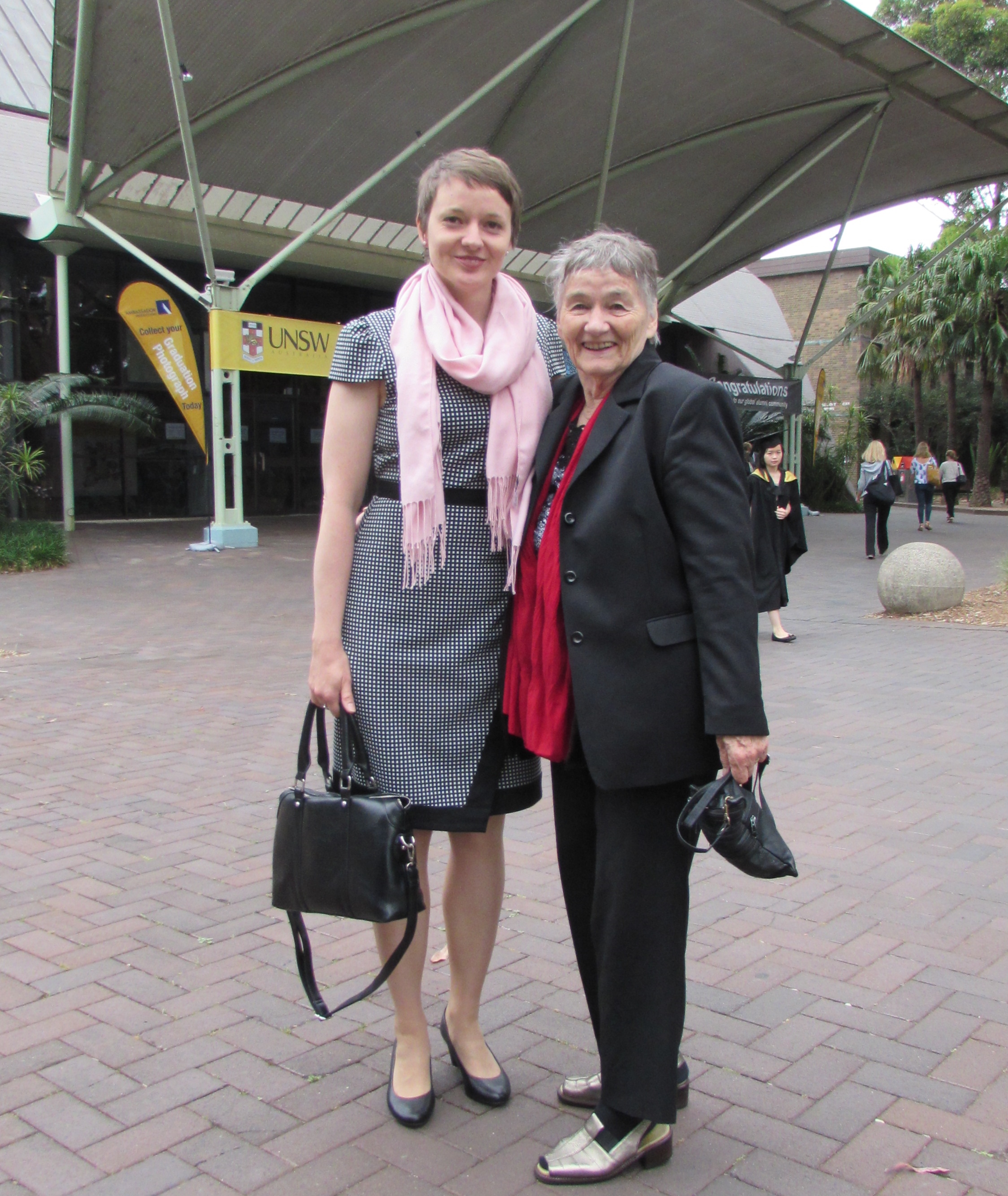
Peter and I enjoyed spending a few days in Sydney and being guests at Caroline’s graduation ceremony. Later on that Thursday some of Caroline’s and Matthew’s friends came over. We then celebrated with sparkling wine and snacks.

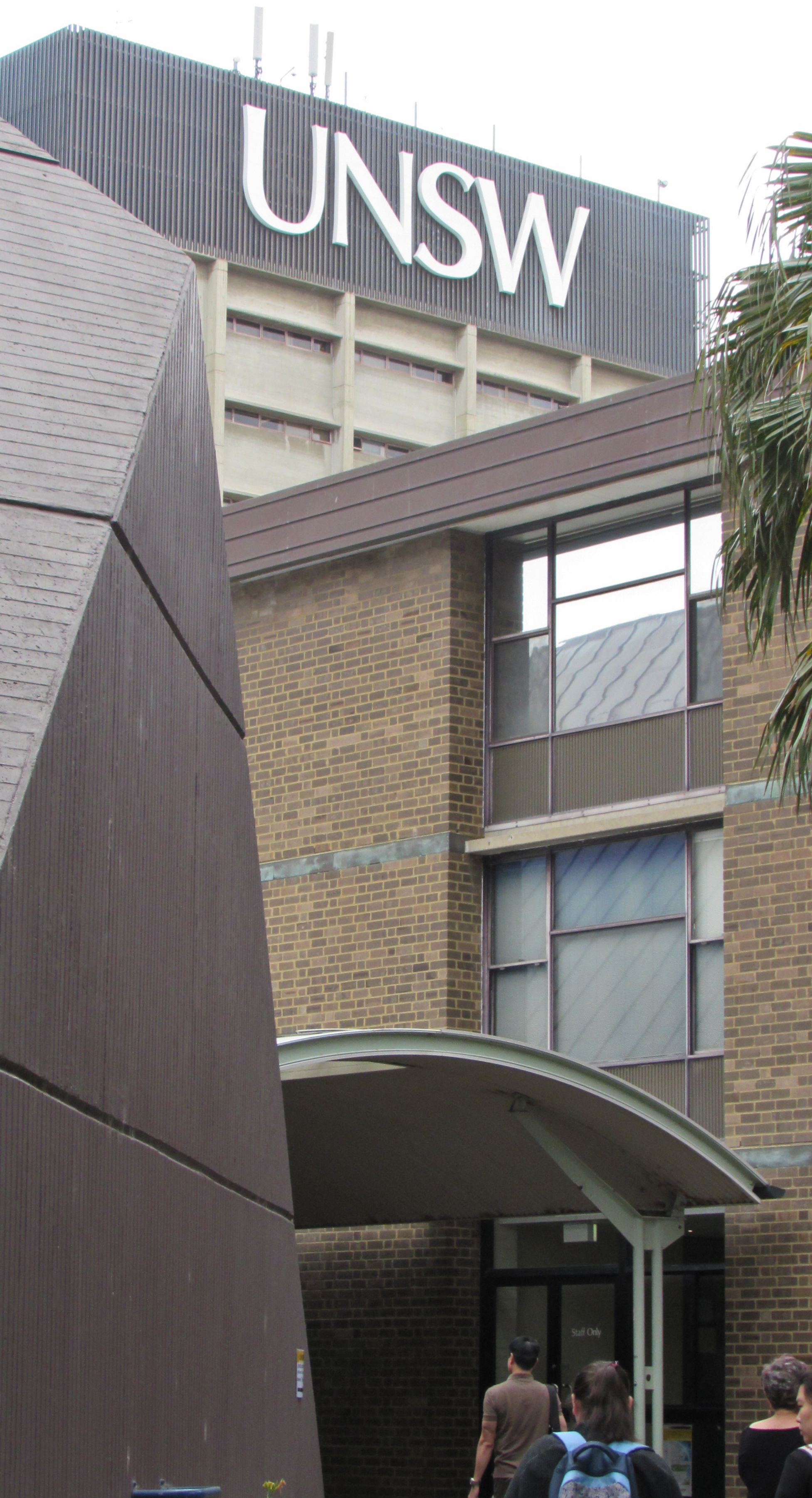
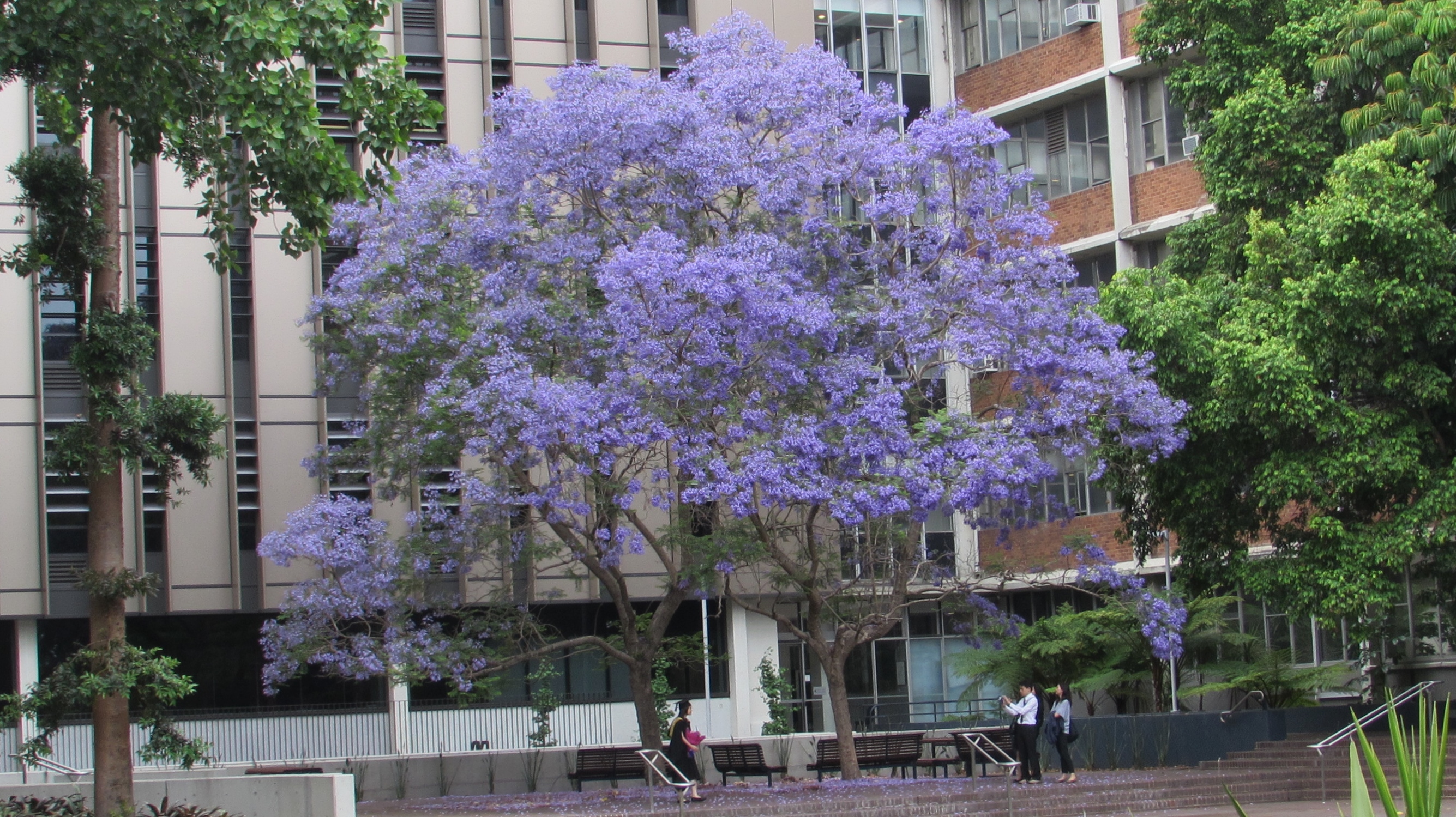
At the University of New South Wales on Thursday, 13th Nov 2014

Berlin, a City undivided

http://www.theguardian.com/world/2014/nov/09/berlin-wall-fall-remembered-residents-25-anniversary

A city undivided: the fall of the Berlin Wall commemorated 25 years on
Germans recall the ‘sheer madness’ of the night in 1989 when thousands of East Berliners streamed across the border

Philip Oltermann in Berlin
The Guardian, Monday 10 November 2014 07.56 AEST
Jump to comments (42)
Germany Celebrates 25th Anniversary Of The Fall Of The Berlin Wall
The Brandenburg Gate stands illuminated during celebrations on the 25th anniversary of the fall of the Berlin Wall. Photograph: Sean Gallup/Getty Images
As the long row of helium-filled white balloons lifted off one by one into the night sky over Berlin, Tina Krone managed to gulp down a tear and lit a sparkler. “I haven’t seen that many people on the streets for 25 years,” she said, surveying the crowds at Bernauer Strasse.

On 9 November 1989, when she and thousands of other East Berliners streamed across the border into the west shortly before midnight, only those old enough to remember the building of the wall had cried.

Krone and her friends, on the other hand, had simply been lost for words: “‘Madness, sheer madness’. I know it’s not very original of me, but I must have said that a thousand times that night.”

An active member of the East German dissident movement, she had received a call from a friend in the west at about 10.30pm: “Have you seen the news? They’re saying the wall is open.”

Illuminated balloons, part of the so-called Border of Light, rise into the sky at the Potsdamer Platz in Berlin.
Illuminated balloons, part of the so-called Border of Light, rise into the sky at the Potsdamer Platz in Berlin. Photograph: Soeren Stache/Corbis
Because the closest border crossing to her at Bornholmer Strasse was already crowded, she and her partner jumped into their Trabant car to head to Kreuzberg.

When she had passed through the checkpoint at Heinrich Heine Strasse, a West Berliner thrust a bottle of beer into her hand, but she says she did not need to take a single sip to feel intoxicated.

In a bar, she and her partner met long-lost friends, who gave them a pile of western newspapers and a small colour TV as a welcoming gift. By daybreak, they were back at the checkpoint – there had been rumours that the border would close again at 8am.

Only when the guards waved them through for a second time did the reality sink in. “Then I knew there was no way back for the party bigwigs,” Krone says. “After that, it felt like our Trabi was flying us home.”

Whatever one’s views of the handling of the aftermath of the wall’s fall, memories of 9 November 1989 still have power. And while fall-of-the-wall anniversaries come and go, this year’s art installation, conceived by brothers Christopher and Marc Bauder, managed to create a rare thing: a memorial that felt both poignant and playful, thought-provoking but not maudlin.

People watch balloons marking the former border flying away in front of the Reichstag building.
People watch balloons marking the former border flying away in front of the Reichstag building. Photograph: Steffi Loos/AP
Since Friday morning, a so-called Lichtgrenze or “border of light”, made up of 8,000 balloons, has traced a section of the fallen wall across central Berlin for 15km (nine miles).

On Friday and Saturday night, thousands of Berliners old and young were out on the streets to walk along the old border.

Those who grew up in a divided Berlin are unlikely to ever forget the precise route of the old dividing line.

Krone says she still feels a bit queasy when she passes from east to west and recalls that it “hurt” the first time she passed under the Brandenburg Gate. The driver of the taxi in which she was travelling turned around and did it again, three times in total, “until it stopped hurting”.

But for tourists, it is surprisingly hard to tell these days where West Berlin used to start and East Berlin used to end. On Potsdamer Platz and near the central station, the area where the wall of light ran this weekend has been wholly renovated and is unrecognisable from the wasteland of 1989. In the hipper parts of Kreuzberg, the installation has reminded more recent arrivals that a country used to end right outside their doorstep.

German chancellor Angela Merkel walks along a section of the former Berlin Wall during celebrations for the 25th anniversary of its fall.
German chancellor Angela Merkel walks along a section of the former Berlin Wall during celebrations for the 25th anniversary of its fall. Photograph: Imago / Barcroft Media
At 7.20pm, with a considerable delay, the first balloon floated into the night sky in front of the Brandenburg Gate. The Berlin State Orchestra played Beethoven’s stirring Ninth Symphony and outgoing Berlin mayor, Klaus Wowereit, gave a short speech. “Walls made of concrete and walls in our heads are surmountable when people come together and take their fate into their own hands,” he said.

At Bernauer Strasse, the row of balloons took a sharp left into Mauerpark, once a section of the death strip, now a giant park for residents. Some people had climbed on to the strip of wall in front of the Friedrich-Ludwig-Jahn sports stadium to get a better view, as if in tribute to the pictures that were transmitted around the world in 1989.

Back then it was here, in the Prenzlauer Berg district, that the power of crowds forced the first border point to open. On Sunday, the locals’ famed impatience was once again on display: a number let go of their balloons early.

This year’s commemoration of the fall of the Iron Curtain may also feel more poignant because there is a palpable sense that peace in Europe in 2014 is more fragile than it was at the 20th anniversary in 2009.

People attend a memorial activity to commemorate the 25th anniversary of the fall of the Berlin Wall.
People attend a memorial activity to commemorate the 25th anniversary of the fall of the Berlin Wall. Photograph: Xinhua/Landov/Barcroft Media
In her speech at the wall memorial on Bernauer Strasse on Saturday afternoon, Germany’s chancellor, Angela Merkel, had explicitly emphasised the geopolitical resonances of the event, instead of indulging in personal reminiscences.

“We have the strength to shape things, to turn things from bad to good, that is the message of the fall of the wall,” she said. “These days, that message is directed at Ukraine, Syria, Iraq and many, many other regions in the world.”

Merkel, who on 9 November 1989 had walked over into the west at the Bornholmer Strasse checkpoint on her way back from the sauna, with her wet towel still in her bag, said: “If one thing was wonderful about those days, it was the imagination that was being set free after having been suppressed for so many years.”

Jean-Claude Juncker, the president of the European commission, issued a statement on the anniversary, warning that “Europe must once again become a thing of the heart”. He said: “It was with passion and courage that the people tore down that which divided them, in search of peace, freedom, unity, democracy and prosperity. Two decades later, we must not forget that peace is not a given in Europe. More than ever, Europe must live up to its responsibility to safeguard freedom and peace.”

Hulda, 3, places flowers in between slats of the former Berlin Wall at the Berlin Wall Memorial at Bernauer Strasse.
Hulda, 3, places flowers in between slats of the former Berlin Wall at the Berlin Wall Memorial at Bernauer Strasse. Photograph: Sean Gallup/Getty Images
On Saturday, the former Russian president Mikhail Gorbachev warned of a “new cold war”, brought about by the west’s mishandling of the aftermath of the fall of the wall.

“Instead of building new mechanisms and institutions of European security and pursuing a major demilitarisation of European politics … the west, and particularly the United States, declared victory in the cold war,” said the man behind the Soviet Union’s glasnost and perestroika reforms, speaking at a symposium near the Brandenburg Gate.

“Euphoria and triumphalism went to the heads of western leaders. Taking advantage of Russia’s weakening and the lack of a counterweight, they claimed monopoly leadership and domination in the world.”

The enlargement of Nato, Kosovo, missile defence plans and wars in the Middle East had led to a “collapse of trust”, said Gorbachev, now 83. “To put it metaphorically, a blister has now turned into a bloody, festering wound.”

Gough Whitlam praised by Noel Pearson, 5th Nov 2014

http://www.smh.com.au/federal-politics/political-news/noel-pearsons-eulogy-for-gough-whitlam-praised-as-one-for-the-ages-20141105-11h7vm.html


Gough Whitlam ‘Australia’s greatest white elder’

Aboriginal leader Noel Pearson speaks at the memorial service for Gough Whitlam, describing the former prime minister as ‘a friend without peer of the original Australians’.

Indigenous leader Noel Pearson’s powerful eulogy for Gough Whitlam at his state memorial service is being hailed on social media as a one of the best political speeches of our time.

The chairman of the Cape York Group paid tribute to “this old man” Whitlam, praising his foresight and moral vision in striving for universal opportunity in Australia.

He even channelled Monty Python as he listed Whitlam’s achievements, saying: “And what did the Romans ever do for us anyway?”, to laughter and clapping from the audience. He then answered his own question, reeling off a great list of Whitlam’s achievements, including Medibank, the abolition of conscription, the introduction of student financial assistance and Aboriginal land rights.

Noel Pearson received rave reviews for his tribute to Gough Whitlam. Noel Pearson received rave reviews for his tribute to Gough Whitlam. Photo: Peter Rae

Mr Pearson said as a person born into poverty and discrimination, he spoke of “this old man’s legacy with no partisan brief”.

“Only those born bereft truly know the power of opportunity,” Mr Pearson said.

“We salute this old man for his great love and dedication to his country and to the Australian people.

“When he breathed he truly was Australia’s greatest white elder and friend without peer to the original Australians.”

Thousands of those gathered outside Sydney’s Town Hall sang along to From Little Things, Big Things Grow, about the Indigenous struggle for land rights and recognition in Australia.

Within minutes of his speech, #noelpearson was trending on Twitter in Australia and his oration was being heaped in praise.

Read more: http://www.smh.com.au/federal-politics/political-news/noel-pearsons-eulogy-for-gough-whitlam-praised-as-one-for-the-ages-20141105-11h7vm.html#ixzz3IA5pcRse


Gough Whitlam memorial: Tony Abbott, former PMs and dignitaries farewell titan of Australian politics

Updated 53 minutes agoWed 5 Nov 2014, 3:45pm

Gough Whitlam, Australia’s 21st prime minister, has been lauded at a memorial service in Sydney as a giant of politics and a man who devoted his talents to public service.

Sydney’s Town Hall and many of the streets surrounding it overflowed with people wanting to be a part of the memorial service for Mr Whitlam, who died at the age of 98 on October 21.

There were cheers, and some jeers, for the six former prime ministers and current leader Tony Abbott as they filed into the hall to join the capacity crowd of almost 2,000.

“Gough chose this venue,” said master of ceremonies Kerry O’Brien. “Of course he did. The people’s hall. But it wasn’t his first choice. His first choice was to have a funeral pyre in the Senate.

“Big man, big heart, big vision, big hurdles, big flaws, big outcomes, a big life dedicated to public service.”

The service was also beamed live into Melbourne’s Federation Square and to Cabramatta in Mr Whitlam’s former western Sydney electorate.

There were cheers as Indigenous leader Noel Pearson listed Mr Whitlam’s achievements while in office.

“My single honour today, on behalf of more people than I could ever know, is to express out immense gratitude for the public service of this old man,” Mr Pearson said.

“We were at last free from those discriminations that humiliated and estranged our people.”

Other speakers included Academy Award-winning actor Cate Blanchett, Mr Whitlam’s speechwriter Graham Freudenberg, Labor senator John Faulkner and Antony Whitlam QC, Mr Whitlam’s eldest son.

“He touches us in our day-to-day lives, in the way we think about Australia, in the way we see the world,” Mr Freudenberg said.

“He touches, still, the millions who share his vision for a more equal Australia, a more independent, inclusive, generous and tolerant Australia, a nation confident of its future in our region and the world.”

Blanchett said Mr Whitlam’s reforms, including free tertiary education and health care, helped her pursue a career as an actor.

“I was but three when he passed by, but I shall be grateful till the day I die,” she said.

“The effect on the geo-cultural political map of Australia made by Gough Whitlam is so vast that wherever you stick a pin in you get a wealth of Gough’s legacy.”

The Sydney Philharmonic Choir and the Sydney Symphony Orchestra provided music throughout the service, while Paul Kelly and Kev Carmody performed From Little Things Big Things Grow, a song that tells the story of Gurindji man and Aboriginal rights activist Vincent Lingari and the creation of the Aboriginal Land Rights Act in 1976.

The Gurindji people have never forgotten the man they call Kulum Whitlam, who returned their traditional lands in what became known as the Wave Hill hand-back.

A group of Gurindji people travelled to Sydney from their traditional home, about 800 kilometres south of Darwin, for the service.

Groups gathered outside the hall and watched the broadcast of the service at other locations, including Cabramatta, in Mr Whitlam’s former seat of Werriwa in Sydney’s west.

Mr Whitlam was the member for Werriwa for 26 years, after serving in the Royal Australian Air Force during World War II.

One mourner outside the hall wore a T-shirt with Whitlam’s famous slogan from the 1972 federal election campaign, “It’s Time”.

Mr Whitlam left a legacy of unprecedented and unmatched change in Australian politics, but he is perhaps most remembered for his part in the constitutional crisis of 1975 known as The Dismissal.

Mourner Chris Foran said he attended to pay tribute to Mr Whitlam’s legacy.

“I don’t think we’ll see another person like that, as a leader of this country, he was just one in a million,” he said.

More than 100 people also gathered at Old Parliament House in Canberra to pay their respects.

There was laughter, applause and some tears as the group watched a live broadcast of the national service.

Christopher Chenoweth reflected on the significance of watching the service at Old Parliament House, near the halls of power during Mr Whitlam’s time as prime minister.

“He made changes that could never be turned back, he made mistakes, he had some extraordinary characters in his ministry, but it was a revolutionary time in Australia I believe,” he said.

‘A great man with a great legacy’

Authorities struggled to accommodate the crowds that gathered for the service.

About 6,000 people registered to attend, but there were only 1,000 general public seats, which were allocated on a first-come, first-served basis.

Max McCleod, from Corrimal in northern Wollongong, became emotional after being told he could not get into the service.

“I got out of bed at five o’clock this morning, where I live at Corrimal,” he said.

“I caught the six o’clock bus and I’ve come all the way in here and I can’t see the man I know.”

Ahead of the memorial, Mr Shorten told Channel Seven that Mr Whitlam was a great man with a great legacy.

“It’s sad because a great Australian has left us,” Mr Shorten said.

“But it’s also a happy day because we recognise that he was a politician, unlike many others, who not only served the nation, but he changed Australia for the better,” he said.

Two Years ago in Bowral

DSCN5588

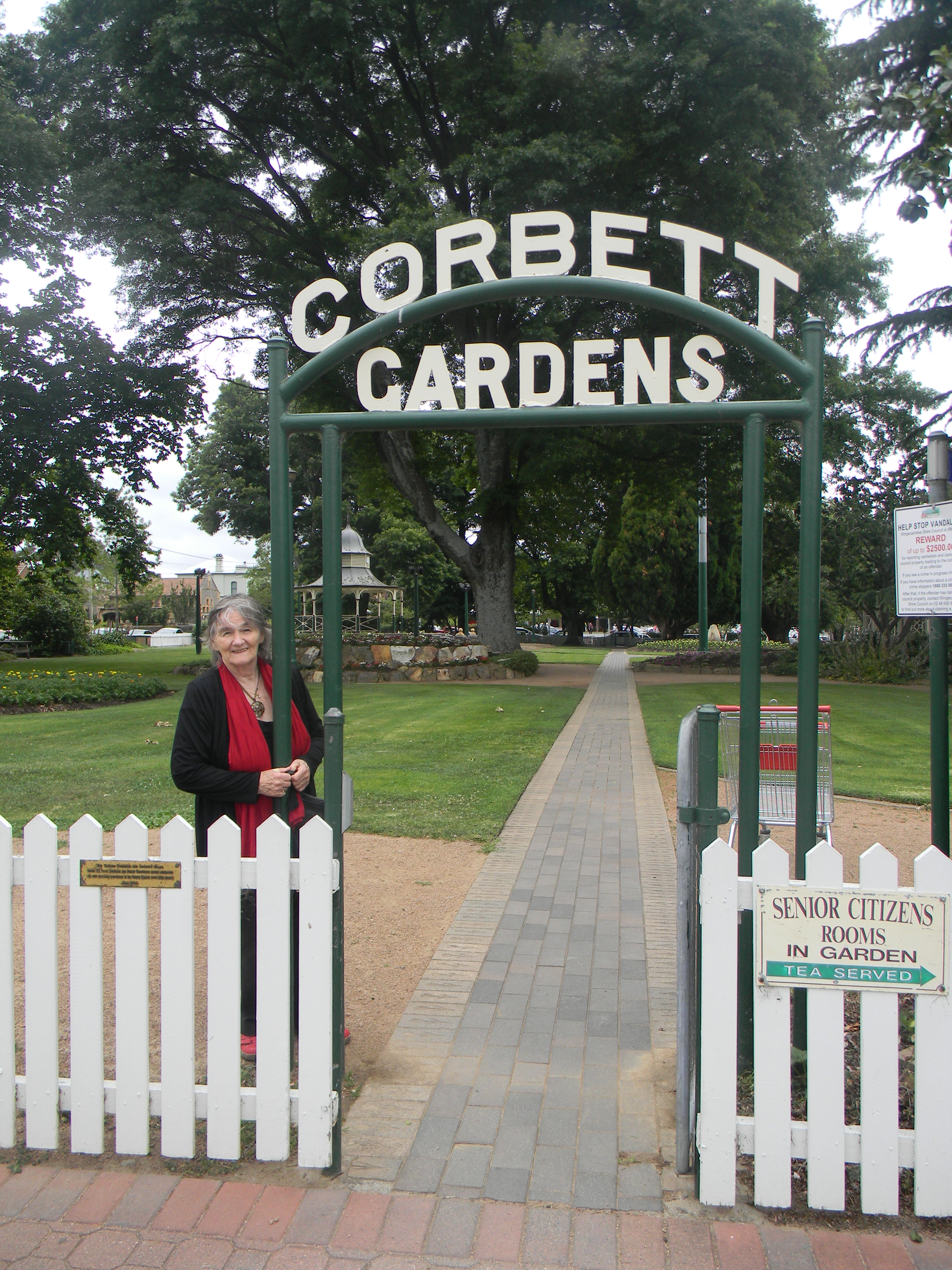
Peter took this picture on the 21st December 2012, our Wedding Anniversary. The Corbett Gardens are in Bowral. This day in 2012 was the last time we went to see the Gardens. Over the years we did go a few times to have a look at the tulips there in spring time during the tulip festival. This year we missed out again on seeing the tulips there.

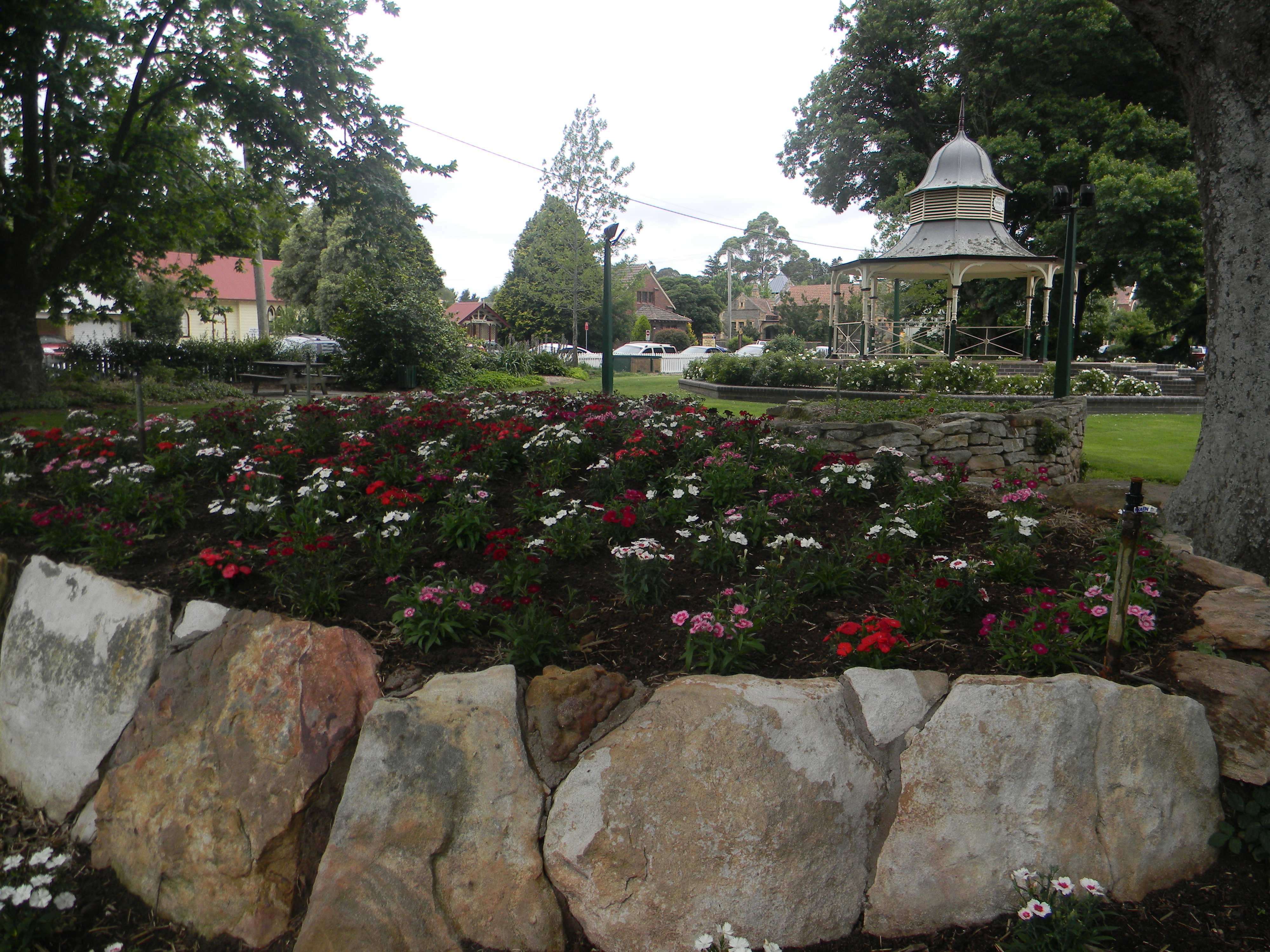
Two years ago in December we quite liked to walk through Corbett Gardens on a summer day. There were no tulips there, but the gardens looked lovely none the less. DSCN5589

DSCN5591

DSCN5587

DSCN5594

DSCN5595

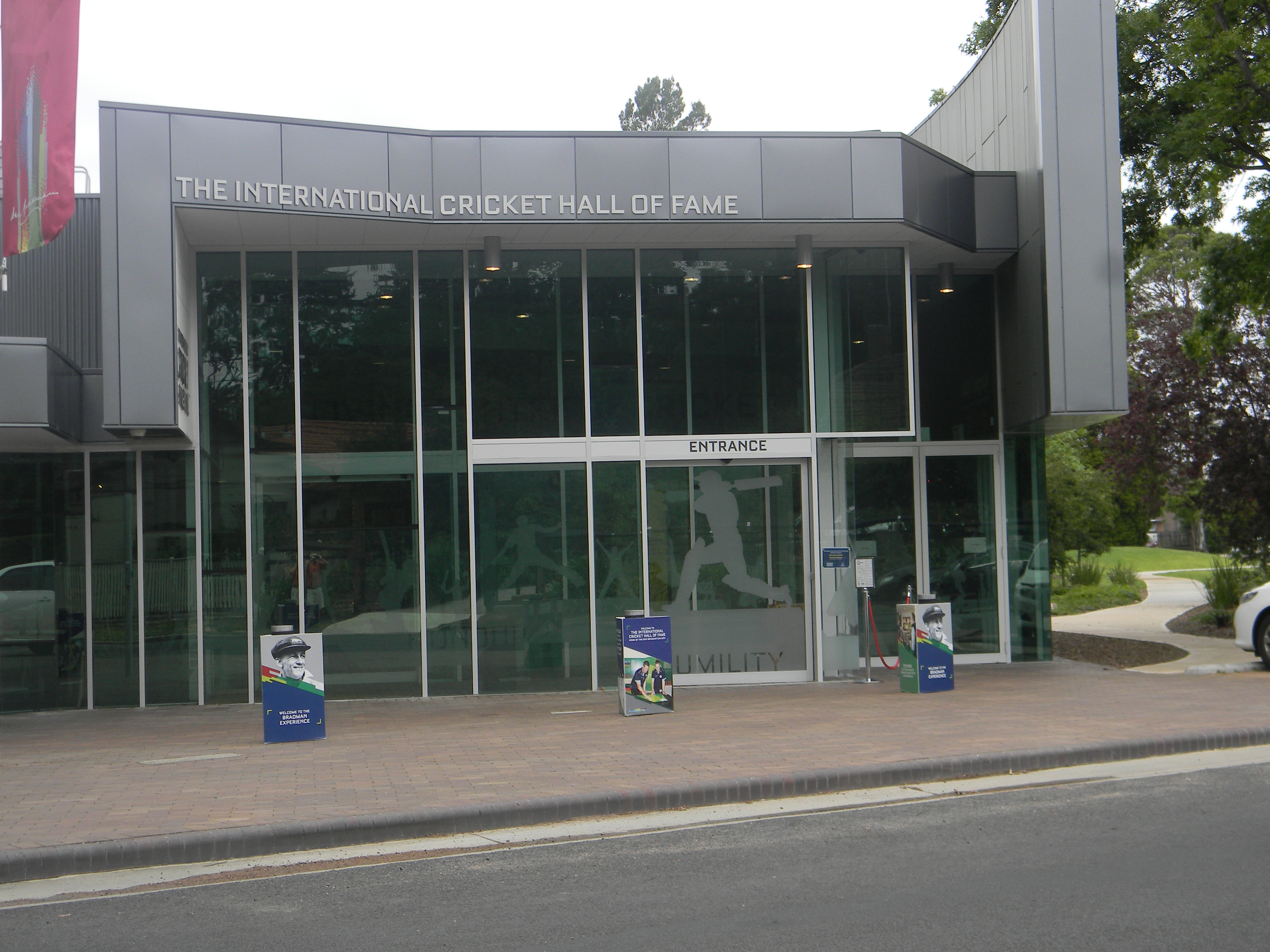
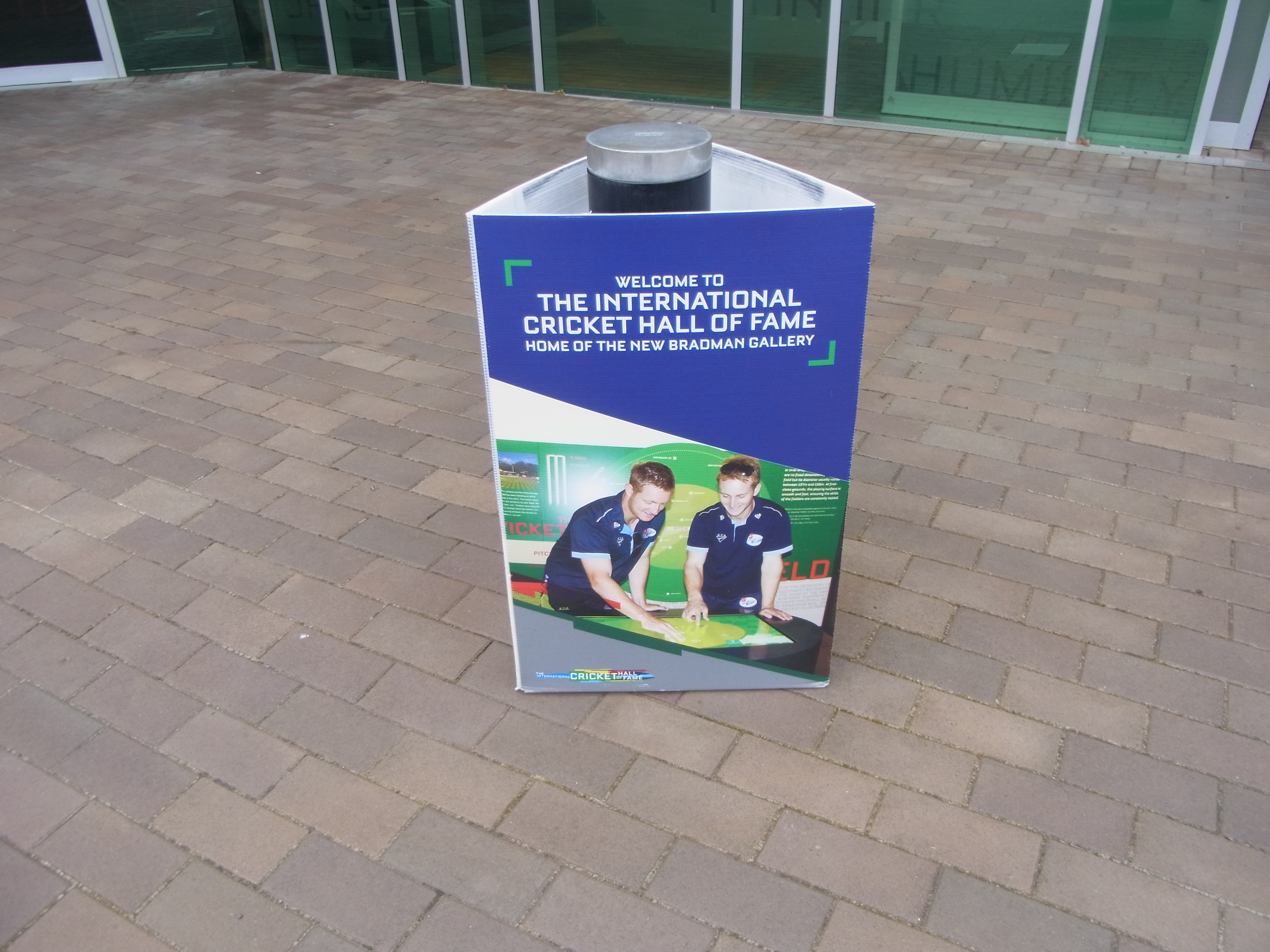
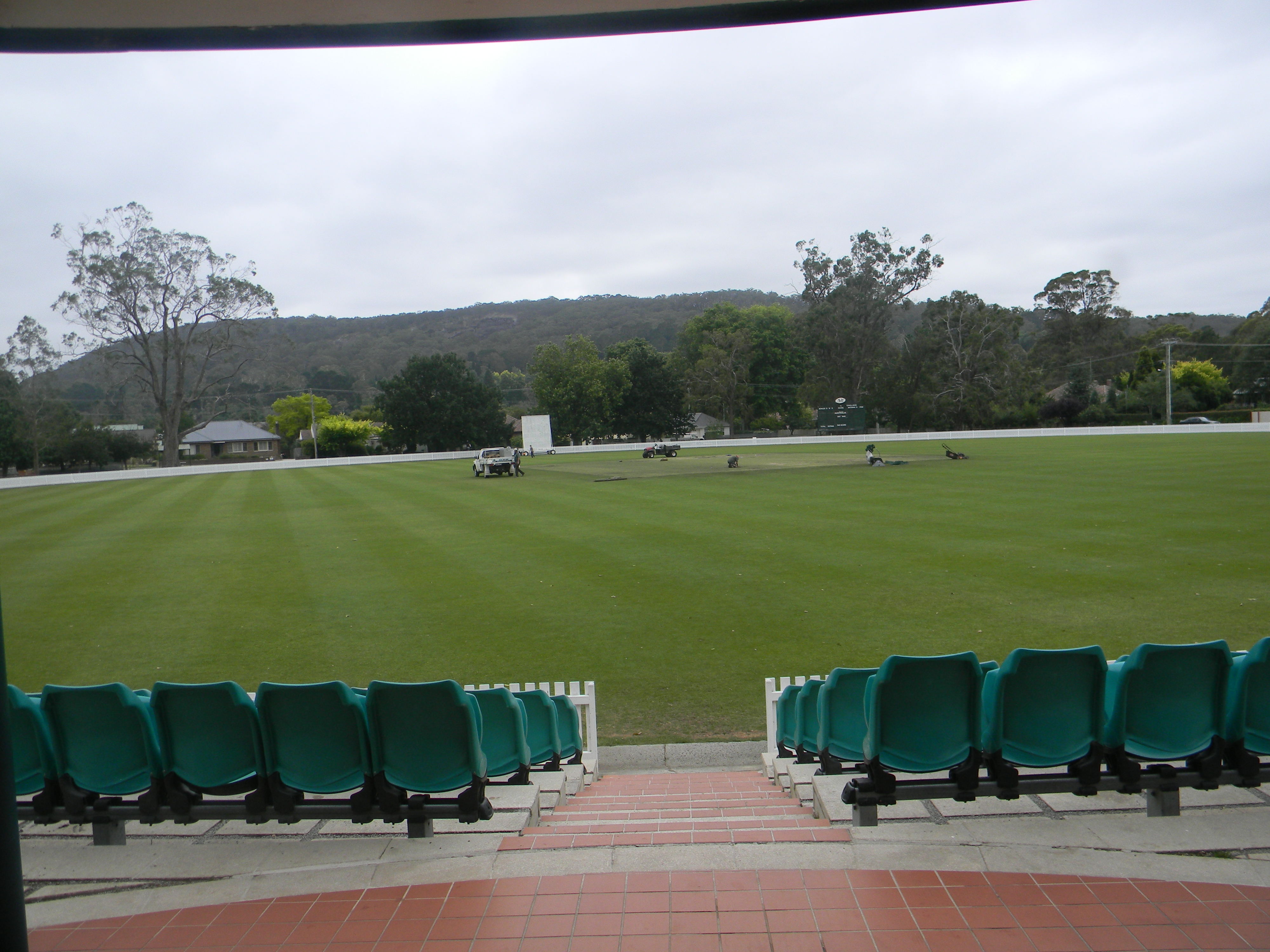
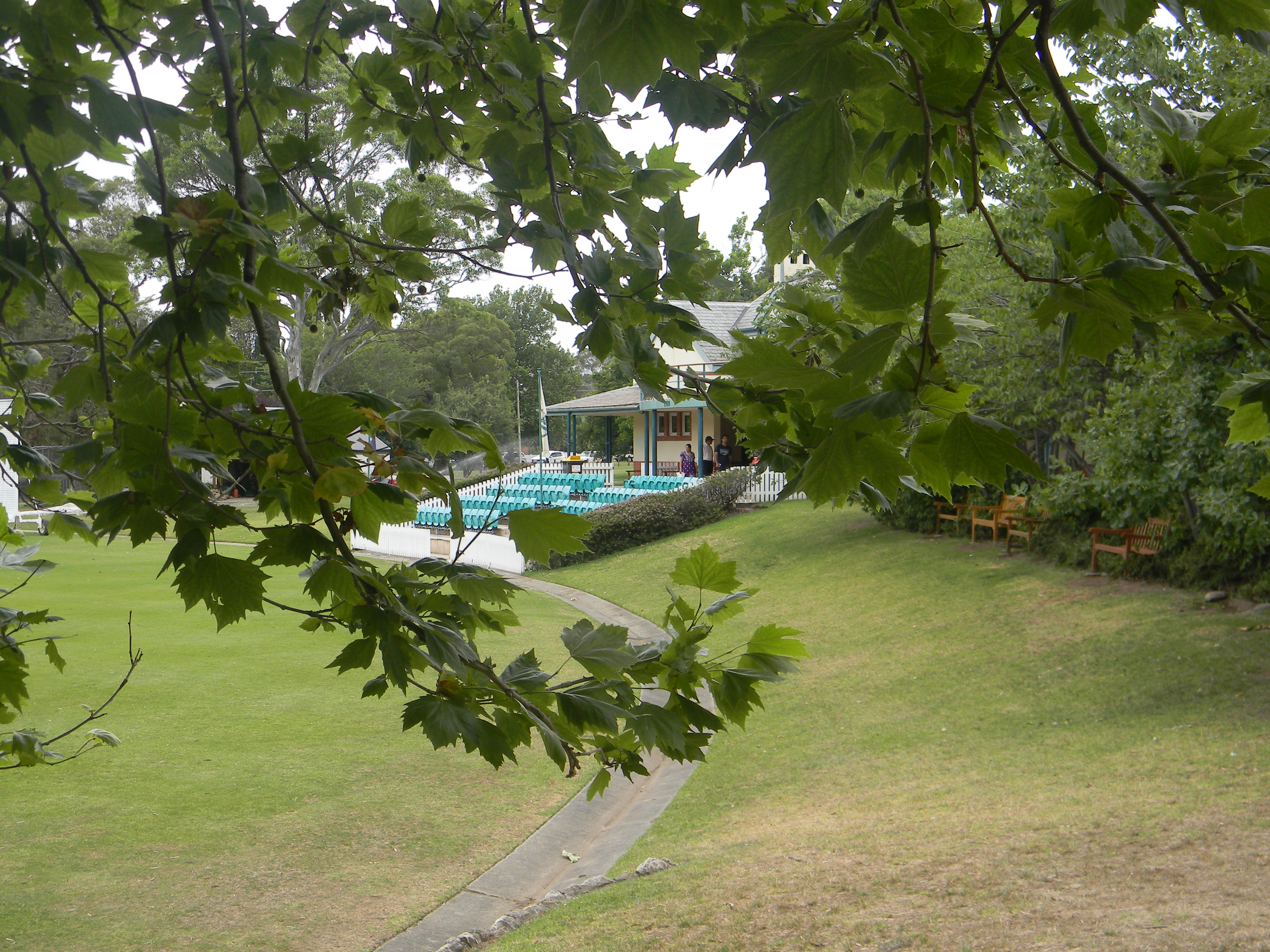
On the way to the Gardens we had stopped at the Bradman Museum.

RIMG0096

DSCN5565

DSCN5562

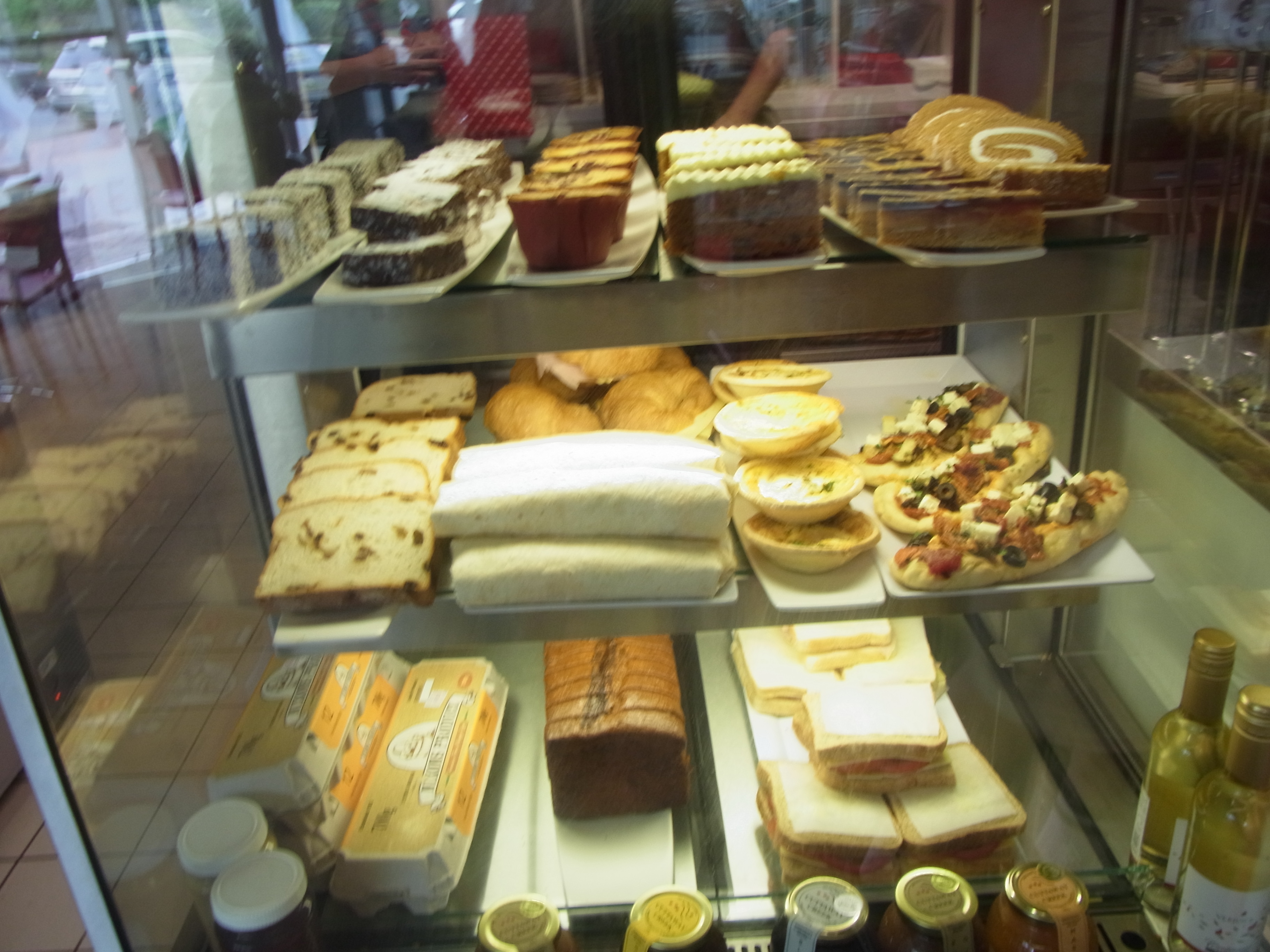
Some refreshments were very welcome.

RIMG0108

RIMG0106

RIMG0114

RIMG0104

RIMG0103

RIMG0101

DSCN5571

DSCN5576

DSCN5574