
To find the answer to the above question please read the above article in today’s Sydney Morning Herald.

To find the answer to the above question please read the above article in today’s Sydney Morning Herald.

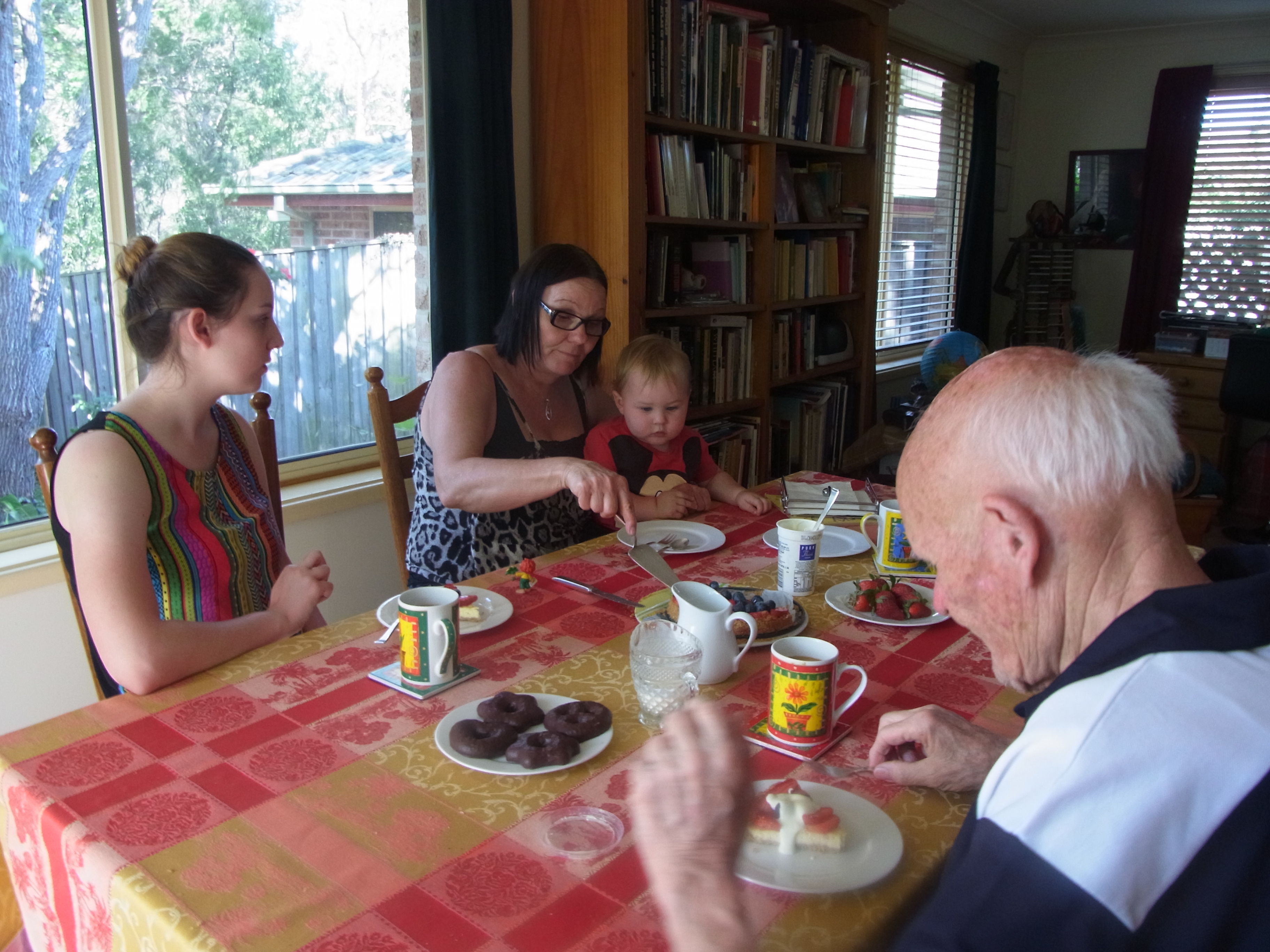
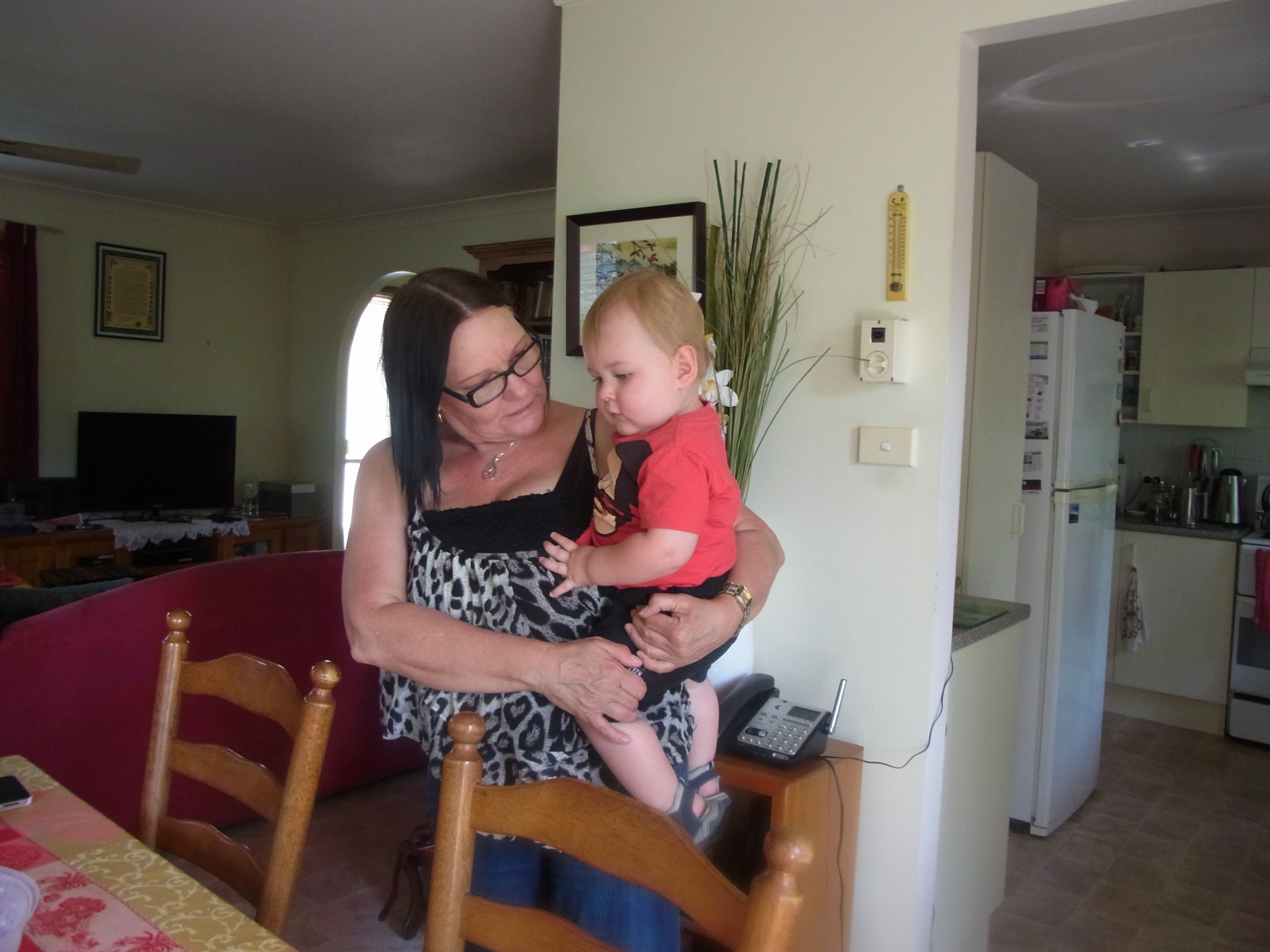
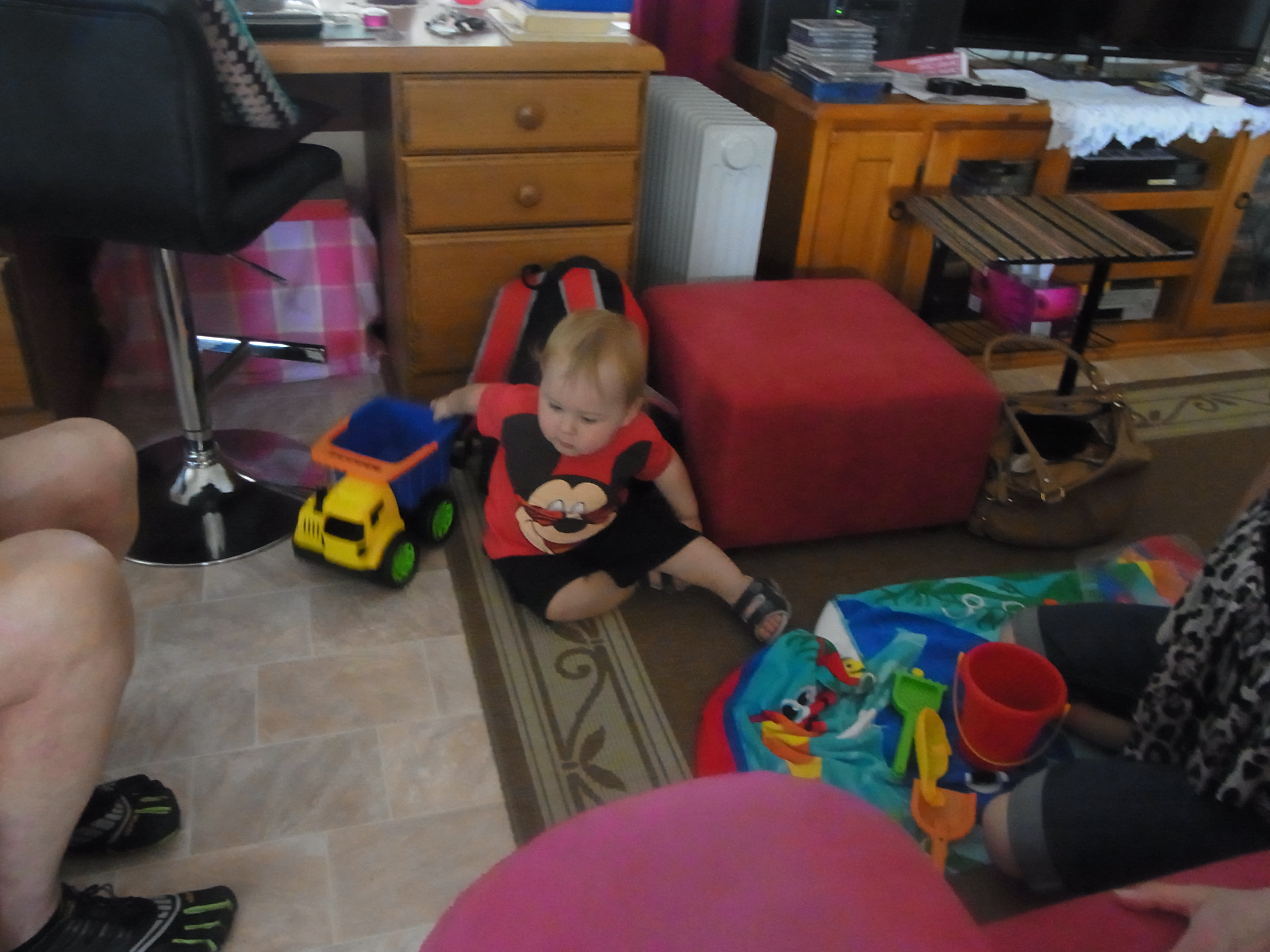
We had some lovely visitors this afteroon. Monika and Krystal came to see us with little Lucas. They also did bring an excellent cheese-cake along that they had baked themselves this morning. We had lots of fun with Lucas roaming around our place.



Zacchaeus said to Jesus: “Look, Sir, I am going to give half my property to the poor, and if I have cheated anybody I will pay him back four times the amount.”
Occasionally there may be a wealthy person in our society who does likewise. Wouldn’t it be a marvellous world if more wealthy people had a similar attitude?
I want to mention here that you can now find “The Crisis of Civilisation” among my pages at the top. You may remember that I reblogged it from The Guardian.
October 27, 2013 at 5:36 amChristopher Goodfellow
theguardian.com, Saturday 26 October 2013 02.02 AEST
. . . . But the left is ripe for a unique, intelligent leader who can truly work with the protest movement. Often the underdog is simply the politician that breaks from the normal rhetoric and speaks in manner which sounds different to the existing political elite.
Brand hasn’t put in the work, but the stage is set, so to speak. Paxman rather likes Brand too, and that’s probably something that would help should he take up my call and lead the revolution. And, if you look closely, he’s already made the implicit nod he’ll take up the mantle: “I don’t need the right [to be involved in politics] from you, I don’t need the right from anybody, I’m taking it.”
“The existent political elite” is mentioned in the above comment. At present the voter has no alternative but to vote for the existent political elite of one of the two major parties who differ only slightly in what they want to achieve politically. For if you vote for one of the minor parties your vote does not really count. As far as I can see it is about the same in all the Western Democracies. For people who absolutely do want a change in policies there should be the opportunity to vote for a true alternative. I think many people who are as frustrated with the political system as Brand is, would welcome the chance to be able to vote for a change.
 ThePoliticalVagina Says:
October 27, 2013 at 6:27 amThere is no alternative. I, like you wanted to believe our hard fought for votes meant something.
This present political system is flawed and broken.
Russell is saying he does not want to be a part of the old paradigm. He advocates for a total change – not politicians but “admin bods” which is really what politicians are or should be. Which is a type of public servant. The public is us – the tax payer – the majority. They should be looking after and serving us and not their corporate overlords and sponsors. It is reaching critical mass now, a tipping point .
 auntyuta Says:
October 27, 2013 at 6:59 amCome to think of it we should really all be some kind of public servants, namely do whatever is good for the general public. Not everyone has the same qualifications or abilities. We all need to keep learning right into old age and pass on the knowledge we have acquired. There are very well qualified and highly trained people in our society. We should value them for the work they do for the whole community.
We should respect each other, not waste our energies abusing each other!
I agree, our present political system seems to be rather flawed. “The existing political elite” may not want any changes. Someone belonging to this elite should point out to them that changes are necessary and genuinely welcome some new ideas by people who do not belong to the established ‘elite’.
Personally I prefer a well functioning society to one where ‘chaos’ prevails. We need capable, well trained people for a well functioning society. But we also need new ideas for instance how corruption can be prevented. We definitely ought to introduce measures to slow down climate change as much as possible.
Berlin is surrounded by the land of Brandenburg. In 2010 we travelled from Berlin through Brandenburg in a northerly direction. Where Brandenburg ends Mecklenburg-Vorpommern starts. The ‘border’ was marked by some signs near the road. We took some pictures of these signs.


Rheinsberg-Kleinzerlang is in Brandenburg. In 2010 we took a picture of its marina.
There is also a postcard picture of the Baltic Sea Resort (Ostsee Bad) Warnemünde. The other picture of Warnemünde is one that we took. .

The picture of the lake is my favourite. This lake is just a few steps away from where my brother Peter lives in Neu Canow with his wife Astrid. We stayed with them for one week in June 2010..
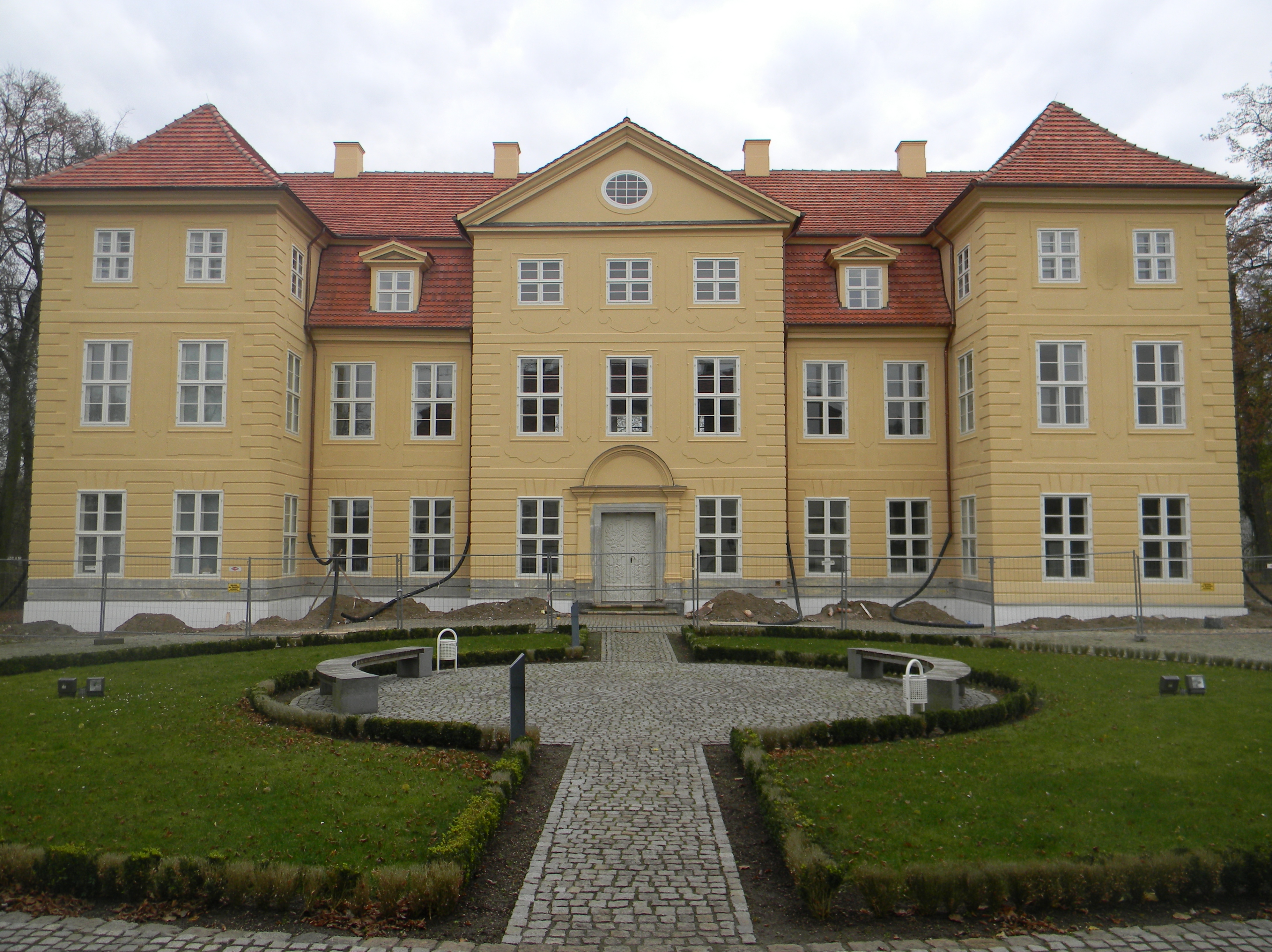
Last year in November 2012 we had once more a very good time in Neu Canow, Mecklenburg/Vorpommern. Peter and Astrid showed us every day another beautiful place in this beautiful land of Meck/Pom. Parts of it always remind us a bit of Australia, some of the country-side that is. Meck/Pom is sparsely populated and has a lot of waterways and forests. It stretches right to the Baltic Sea. If you want a very relaxing, peaceful holiday in beautiful natural surroundings, you should go there. Lots of old castles can be visited. Here are some examples:
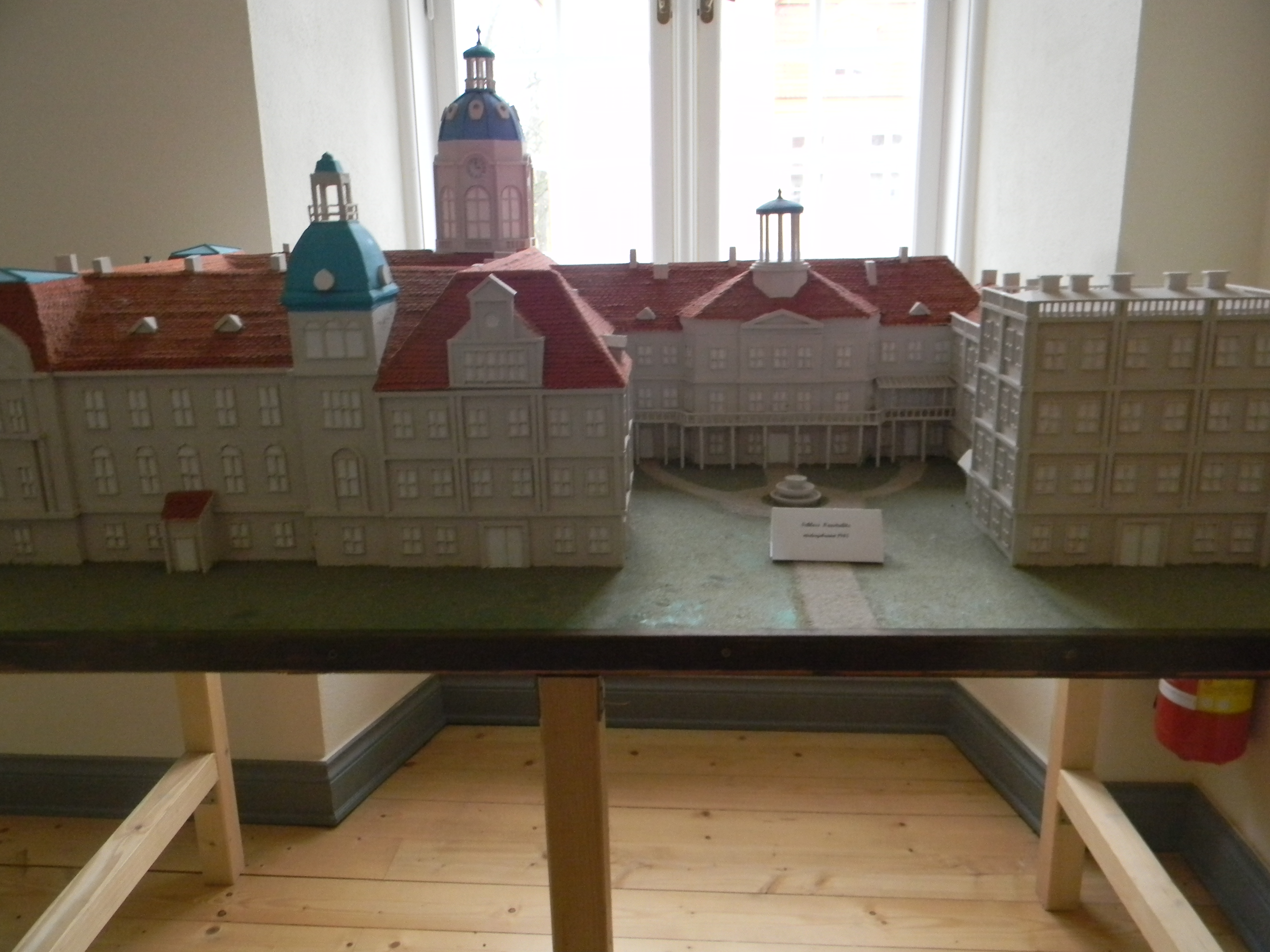

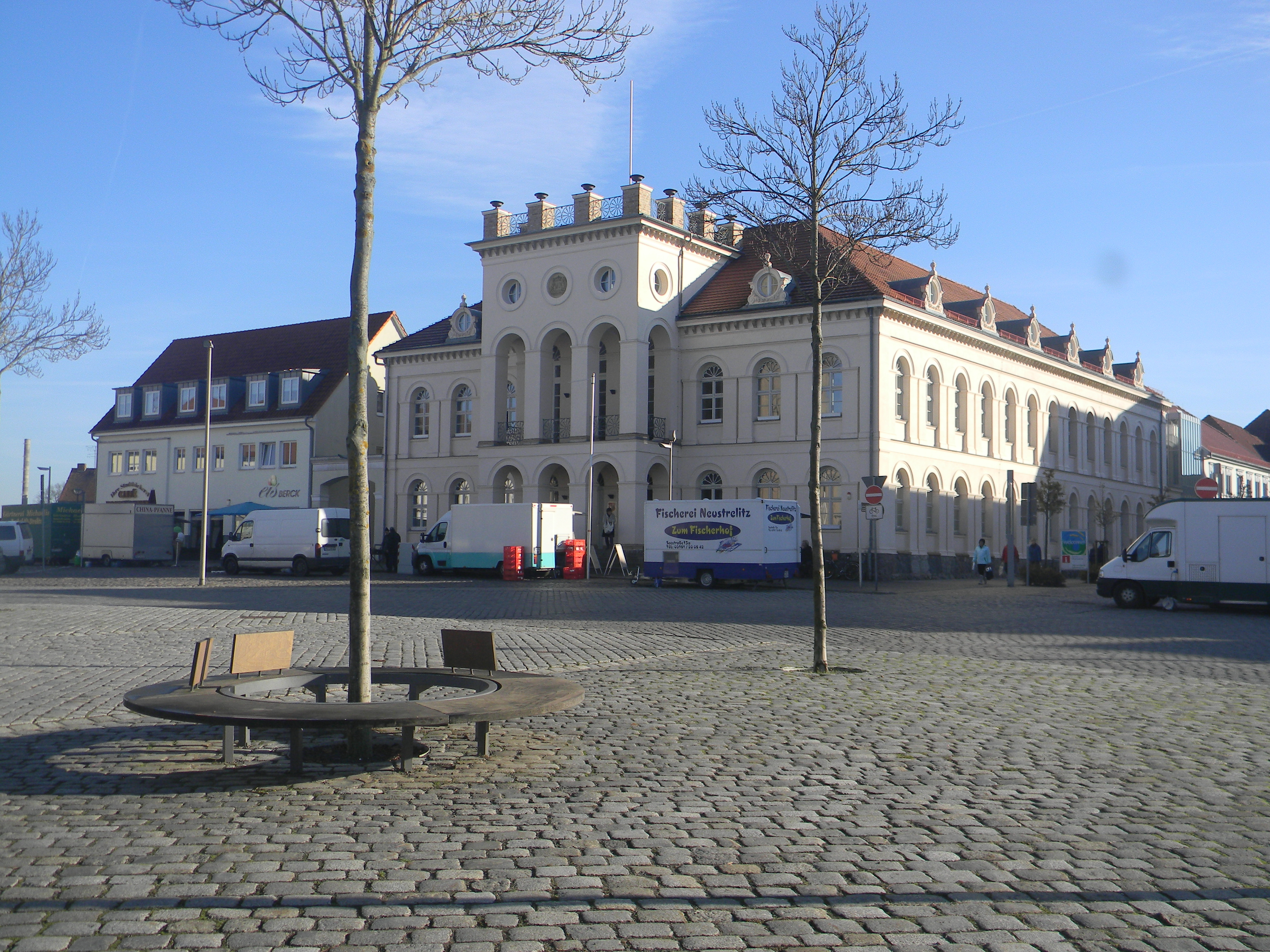 .
.
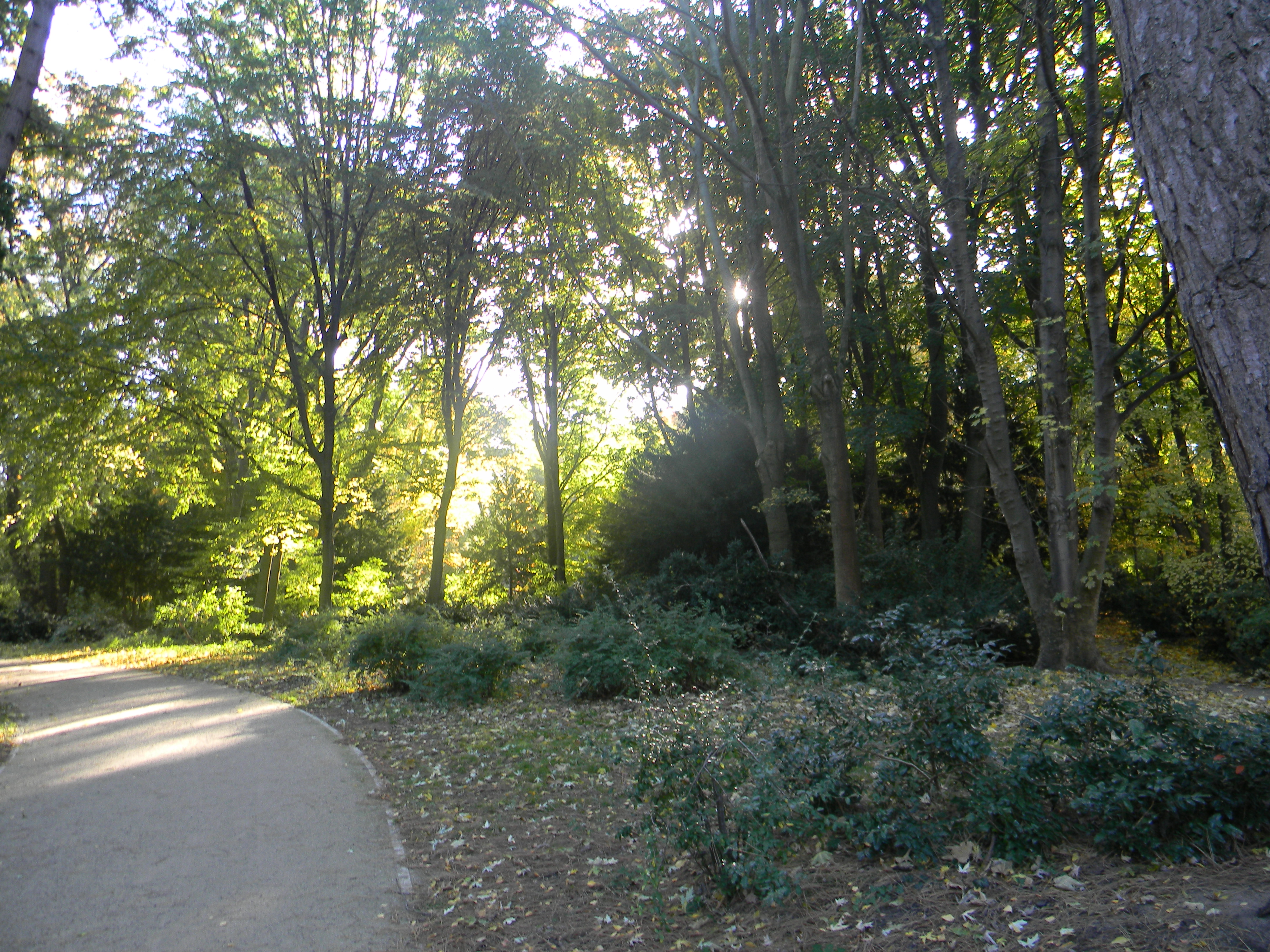
One year ago we were visiting Berlin. For two months we stayed in one of the high-rise apartment buildings in Hansa Viertel, right in the centre of Berlin with the Tiergarten at our doorstep. We would usually go for an early morning walk in this beautiful Tiergarten. The above picture we probably took around the 2nd of November when our stay in Berlin was nearing its end.
In Berlin, the first and second of November would not have been any special days for us. Unless you were Catholic, you would not think of All Saints and All Souls. In some parts of Germany the 31st of October is a holiday to celebrate Reformation Day. But in Berlin even the 31st of October is not a holiday.
Gaby, our daughter passed away last year. When we light a candle, we remember her. We also remember a great number of other departed. Nearly everyone who has been older than we are, has passed away by now. After all, both Peter and I are in our late seventies by now. There are not all that many people around who are older than we are. We always think we might be the next ones to leave!
Do we have special needs in an emergency? This question came up recently when large areas of New South Wales experienced very hot conditions and fast spreading fires. Peter copied for us from the internet a plan for an emergency during a HEATWAVE. It said: “ABC Emergency delivers official warnings and alerts and publishes emergency coverage sourced form ABC Local Radio and ABC News.”
Here is a list of some of the things we should have prepared in our SURVIVAL KIT:
BATTERY-OPERATED RADIO (WITH SPARE BATTERIES)
Torch (with spare batteries)
Strong shoes, gumboots, leather gloves and overalls
First aid kit and medications we need
A change of clothes, toiletry and sanitary supplies
Water in sealed containers – ten litres per person (for three days)
Three days supply of canned food (plus can opener and utensils)
Pillows and blankets (woollen and thermal)
Mobile phone and charger
Strong plastic bags (for clothing, valuables, documents, and photos)
Spare car and house keys
Several Emergency Services are mentioned that can be of help.
Here is what we should do before a HEATWAVE:
Stay hydrated – it’s recommended to drink two to three litres of water and to avoid alcohol and caffeine
Dress light
Check on family and friends – twice a day
Avoid exposure to the sun
Get your home ready – draw curtains, blinds, awnings at the start of the day to keep the sun out
Seek air-conditioning in a shopping centre, library or other public place. (We do not have air-conditioning)
Fans can also provide relief (We do have fans.)
During a HEATWAVE we should phone for assistance immediately if we show any symptoms of heat stress including extremely heavy sweating, headache and vomiting, confusion, swollen tongue
After a Heatwave we should be careful of falling tree limbs – they can be a hazard during periods of extended high temperatures.


I think this last picture was taken in September 1994 when we had just moved into our new home in Dapto. The hammock found room in our backyard. Ryan, one of the twins, would have been fifteen at the time.
In December 1999 Caroline turned twenty-one. We had lunch with the family and some of Caroline’s friends at a club. Later the family came to our place where the following picture was taken. Gaby is in her wheelchair. Her carer David can be seen in the left of the picture. Martin carries his daughter Lauren, who is only one and a half, Monika carries Krystal who is two. Roxy and Tashi are seven and eight.


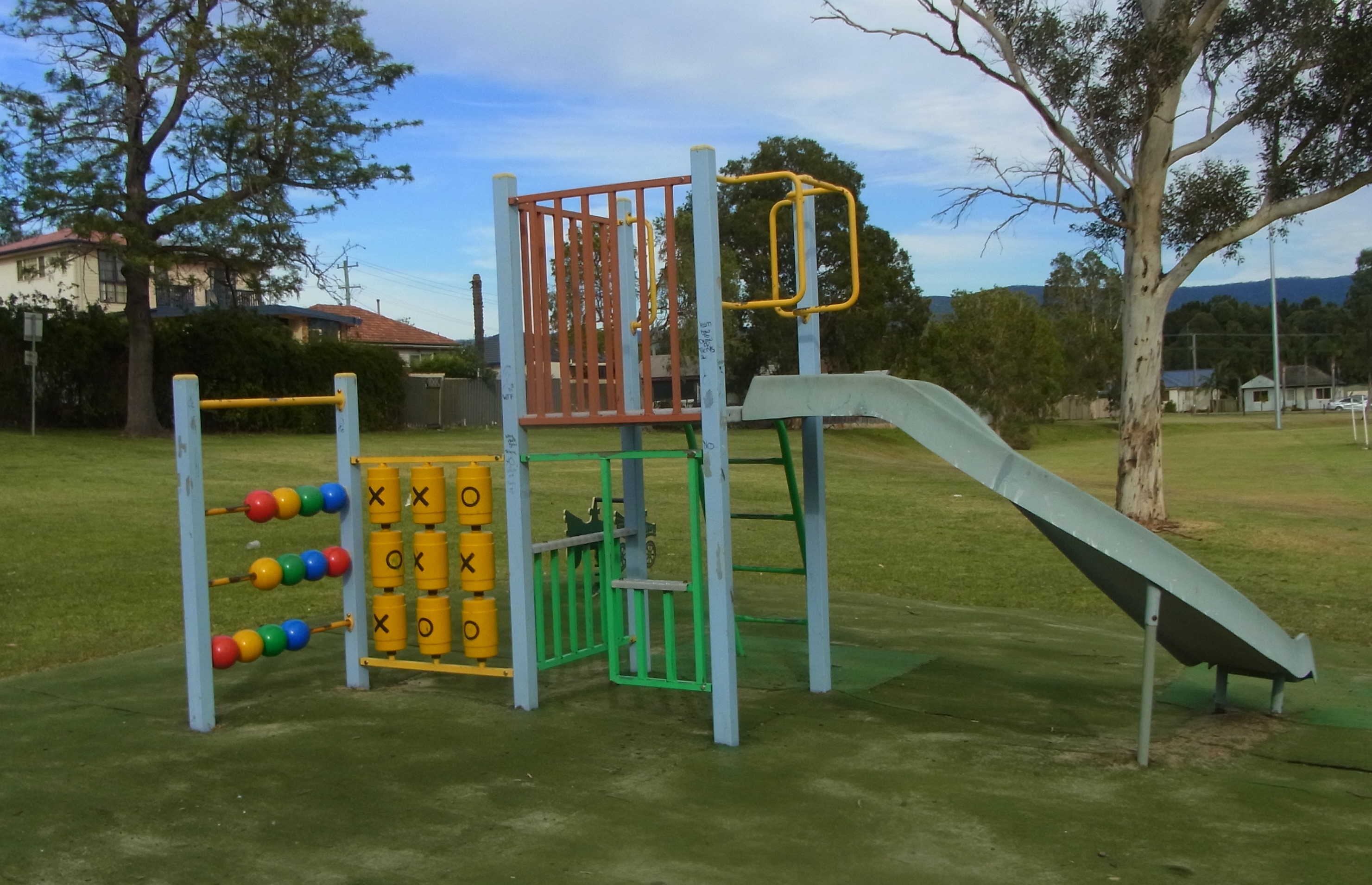
In early 2001 Peter’s sister Ilse, who lives in Berlin, came to visit us for a few months. The following pictures were taken near that playground about 500 meters behind our house.


Posted by
Friday 25 October 2013 16.01 ESTtheguardian.com
Wednesday night interview with Jeremy Paxman on BBC Newsnight, comedian and actor Russell Brand said what no politician or pundit would ever dare say: that without dramatic, fundamental change, the prevailing political and economic system is broken, and hell-bent on planetary-level destruction:
“The planet is being destroyed. We are creating an underclass and exploiting poor people all over the world. And the legitimate problems of the people are not being addressed by our political powers.”
Yesterday, Brand published an extended essay in the New Statesmanfleshing out in detail his case for a “revolution” – not just a political and economic transformation, but one fundamentally rooted in a shift in consciousness toward a new way of thinking.
Brand’s interview and article elicited overwhelming support from the general public in social media, but widespread detraction from journalists and commentators. In the Telegraph, Tom Chivers insisted:
“But the political system – or, more precisely, the wider human system of society – is working… generally speaking, humans have it better than ever before. There is more food per head of population, despite the population growth. We live longer. We are less likely to die violently.”
The Independent described Brand as “Britain’s most trivial revolutionary”, slamming his Newsnight performance as the:
“… ultimate expression of Slackerism, a political theory with roots in teenage angst, mild rebelliousness, and a pie-in-the-sky leftism that wants to pull down the walls of the politics then sit around smoking pot in the ruins.”
Andy Dawson in the Mirror scoffed:
“What we do know is that we won’t have a ‘government’ under Brand’s vision of the future – instead we’ll have ‘admin bods.’ Sadly, he didn’t seem to have any idea how the admin bods would be chosen though… Brand’s overriding message was ‘be more apathetic.'”
But these and other critics simply missed the point, by focusing obsessively on one issue: that Brand has never voted in his life, and rejects democracy in its current form as a viable system. “Like most people, I am utterly disenchanted by politics,” Brand writes:
“Like most people, I regard politicians as frauds and liars and the current political system as nothing more than a bureaucratic means for furthering the augmentation and advantages of economic elites.”
Yet the response of many pundits – which has consisted largely of ad hominem attacks on Brand’s inauthenticity due to his stance on voting and his own personal wealth – illustrates precisely his point. It is not Brand that is trivial or apathetic. It is the prevailing political, economic and cultural system. And the very inability of so many media commentators to engage with the substance of this issue, the crux of Brand’s argument, is symptomatic of the complete state of delusion this system revels in as it accelerates its trajectory toward environmental annihilation.
It is a sad reflection of the dire state of politics and the media that it falls to a celebrity comedian such as Russell Brand to speak truth to power – and an even sadder reflection that mainstream cultural commentators find themselves incapable of even understanding his key message.
“Apathy is a rational reaction to a system that no longer represents, hears or addresses the vast majority of people. A system that is apathetic, in fact, to the needs of the people it was designed to serve.”
To this, the critics simply insist ad nauseum that there is no viable alternative to our current bankrupt form of representative democracy – the solution, the Mirror claims for instance, is for “the disillusioned and disenfranchised to become re-engaged with the democratic process.” But what about the fact that the democratic process has become hopelessly compromised by corporate power?
Take the issue of environmental policy. As I’ve shown in my previous articles here, both the Tory and Labour parties’ approaches to the questions of fracking and energy prices are incoherent. Ed Miliband’s lofty declaration of intent to freeze gas and electricity bills, just like David Cameron’s promise to review green taxes, were simply hot air that overlooked the fundamental deeper systemic crisis: that we are transitioning to a new energy era in which fossil fuels are now increasingly dirtier, costlier, and more difficult to extract. And yesterday, I revealed the financial connections of Cameron acolyte, Tory MP Jacob Rees-Mogg, illustrating that his stance on deregulation and fracking was hardly objective.
The British political stalemate is not unique. In the US, President Obama has exerted his executive authority to push through climate change powers which are, however, fatally compromised by his government’s unyielding commitment to exploiting unconventional oil and gas – and which, in any case, are so timid in emissions reduction pledges that even if implemented, they would not avert catastrophe before close of century. And even this is under threat from a deeply irrational Republican Party stocked with oil industry-funded climate deniers.
The US and UK stalemate on climate change illustrates the impasse continually reached at international climate change negotiations, which have consistently failed. It is a stalemate that is fundamentally irrational. Cutting edge research looking at the complex interconnections between planetary ecosystems suggests we are on track to see as much as an 8C rise in global average temperatures by 2100 – but even half that would create a near uninhabitable planet facing collapse of the oceans, world crop yields dropping by almost half, and over 4.8 billion people experiencing water scarcity.
Confronted with these prospects, however, governments remain structurally beholden to the hegemony of giant energy corporations tied into the old, defunct, carbon-dependent system. And we would be truly foolish to think we can separate out looming climate catastrophe from the other crises Brand highlights.
Wealth inequalities globally and within nations have spiralled out of control even as exploitation of the planet’s resources has accelerated for the benefit of the corporate few under the prevailing paradigm of endless growth for its own sake. A comprehensive study by the Center for Economic and Policy Research (CEPR) in Washington DC gathered data on the period from 1980 to 2005, widely hailed as neoliberal globalisation’s ‘golden age’ of growth. The study found that in this period, under IMF and World Bank reforms, the vast majority of the world’s economies had been systematically retarded, facing declines in progress on growth and other key social indicators such as literacy, health, and so on.
Even worse, those of us in the west, particularly the centres of neoliberal capitalism such as the US and UK, are not necessarily lauding it up. Amongst our most wealthy are growing numbers who are deeply unhappyand suffering disproportionately from mental health challenges, even while our increasingly unequal societies correlate with all kinds of social problems including more violent crime, higher teenage births, more obesity, more people in prison, and so on.
So when Brand in the same breath says that the system is simultaneously destroying the planet and widening wealth inequalities while the political class prevaricates pointlessly, he is absolutely right.
We are currently at the helm of a dysfunctional political, economic and cultural system which is plundering the earth’s resources at unsustainable rates, accelerating environmental degradation, concentrating wealth in a tightening network of unaccountable corporate entities, spawning rampant unhappiness, amplifying the risk of economic crisis, and potentially culminating in planetary-level species extinction.
Should Brand be taken to task for rejecting the vote in this context? Yes and no. No, because his rejection clearly resonates with, and is reflective of, a growing sentiment in wider society where, in fact, actual majorities in our liberal democracies do not vote – not because they are apathetic, but because of the abject apathy of a broken political system in the face of the crisis of civilisation. Yes, because simply disengaging from the prevailing political system is another extreme reaction that is, in fact, part and parcel of the very system it purports to reject. Because the more the majority disengages, the more a decreasing minority is able to dominate the political class.
It is precisely the reactionary disengagement of the majority that permits powerful corporate lobbies to inordinately influence the democratic process, and even allows proto-fascist parties like the now defunct British National Party (BNP) and the meteorically rising UK Independence Party (UKIP) to enter the political scene and channel the direction of political discourse – apathy fueling apathy enabling insanity.
If anyone wants a glimpse of what happens when you simply reject the existing system without the slightest clue where else you’re going and why, look at Egypt and Syria.
Both countries are microcosms of the global crises we face as a species, encapsulating the challenges of peak oil, climate change, economic inequality and political repression. The convergence of those crises triggered food price hikes that, in turn, sparked uprisings which may well have overturned and undermined prevailing state structures, but which have been unable to offer viable alternatives.
That does not mean the solution lies within the prevailing political paradigm. Brand’s call for revolution, for a fundamental political, economic, cultural and cognitive shift, is on point. But rather than entailing disengagement resulting in anarchy, this requires the opposite: Engagement at all levels in order to elicit structural transformation on multiple scales through the overwhelming presence of people taking power back, here and now.
That could include civil disobedience and occupying public spaces. But it should also include occupying mainstream political spaces – not just as an act of protest, but as an act of constructive engagement that is difficult to ignore, through intensive, organised grassroots campaigning, lobbying and dialogue with political actors; occupying media narratives by mobilising organised critical engagement with journalists and editors; occupying economic spaces by experimenting with new equitable forms of production, consumption and exchange; occupying food and energy spaces by pooling community resources to grow our own food and produce our own energy in our communities; and so on.
And in doing so, we might begin to realise that it is precisely the lack of a single, top-down manifesto that is our greatest strength – because, unlike the old, dying, fossil fuel dependent paradigm of endless growth for its own sake for the corporate few, the new, emerging post-carbon paradigm will be co-created by people themselves from the ground up.
That is why Brand’s answer for the way forward is so compelling:
“We shouldn’t destroy the planet. We shouldn’t create massive economic disparity. We shouldn’t ignore the needs of the people.”
If we want our children to inherit a habitable planet, rather than bashing Brand for not having a more coherent solution, we need to start being part of it.
Dr Nafeez Ahmed is executive director of the Institute for Policy Research & Development and author of A User’s Guide to the Crisis of Civilization: And How to Save It among other books. Watch his film, The Crisis of Civilization, for free. Follow him on Twitter @nafeezahmed
This week turned out to be much cooler after the very hot spell of weather we had during the previous week, The cooler weather gave the firefighters a chance to get on top of the fires that had been out of control in very strong, hot wind. Sadly quite a few houses were lost. We are told we still have to be vigilant for conditions can change quickly.
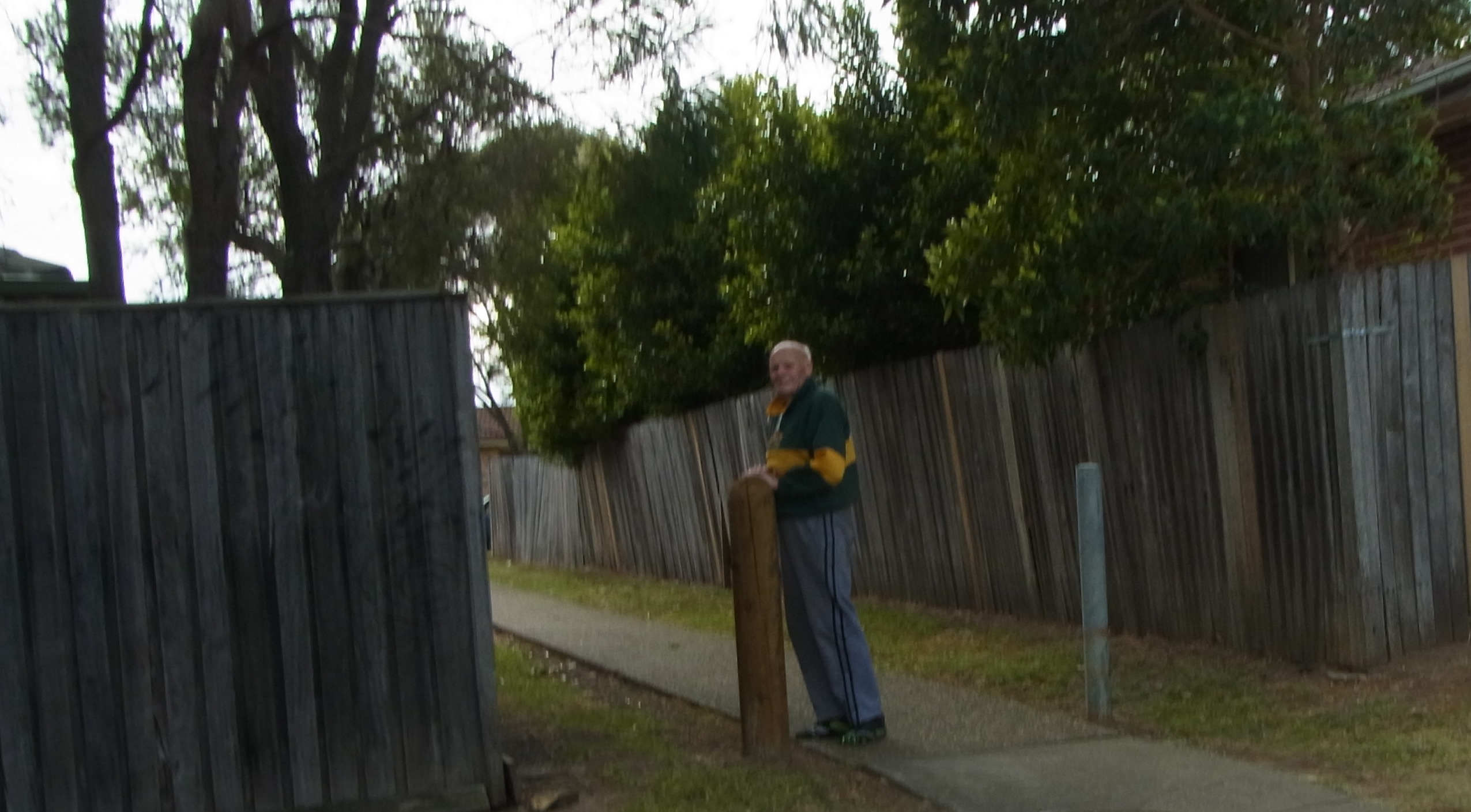
Peter and I went for a little walk early this morning. Today I remembered to take the camera along. I took pictures of the reserve behind our house. The Junior Soccer Club has quite a few soccer fields on this reserve. There is also a playground close by. When we moved here to this area nineteen years ago, some of our grandchildren were still little. We would sometimes walk with them to this playground. I think it still looks pretty much the way it looked nineteen years ago.




I am so sorry, Robyn, that all this makes you feel so tired right now. You are a very brave woman and I hope that all your fighting and struggling may result in some changes to help people who are in desperate need.

