Sealevel Rise

https://theconversation.com/au/topics/sea-level-rise


Rising seas threaten to drown important mangrove forests, unless we intervene

October 15, 2015 6.33am AEDT

Mangroves put their roots down where few other plants will. Catherine Lovelock, Author provided


Getting to the root of it all

Mangroves grow along tropical coasts. Unique amongst the world’s plants, they can survive in salt water and can filter seawater. The rain of leaf-fall from tropical mangrove forests provides food for crabs and other herbivores, the foundation of a food web that extends to fish (and therefore people) right across the tropics.

One of the distinguishing characteristics of mangroves are their roots, used to anchor the plant on unstable ground and buttress against wind, waves and currents. The form of root architecture varies greatly between families of mangrove, including the dense prop-roots (Rhizophora), cathedral-like buttresses (Bruguiera), and numerous pneumatophores – literally narrow breathing–tubes – of the common grey mangrove of southeast Australia (Avicennia).

Prop roots on a mangrove Ruth Reef

A high proportion of the living mass of mangroves exists below-ground. This means mangroves are the most efficient ecosystem globally in the capture and sequestration of atmospheric carbon dioxide. The uniquely oxygen-poor, salty characteristics of mangrove soil provides the perfect setting for long-term preservation of carbon below ground. The typical mangrove forest sequesters several times more carbon dioxide than a tropical rainforest of comparable size.

Mangrove roots trap sediment as currents carrying suspended particles are intercepted and slowed. Between the carbon sequestered below-ground, and the sediment trapped within the tangle of roots, mangroves are effectively able to raise the height of the land over time.

Keeping up with rising seas

Analysis of these sediments shows mangroves can deal with low to moderate sea-level rise by building up land. But how will mangroves respond to future rising seas when people are in the way?

We and other colleagues measured how fast mangrove forests in the Indo-Pacific region increase the height of the land. We used a tool called Surface Elevation Table-Marker Horizon, as you see in the video below.


Mangroves also build up land height by accumulating roots below ground. Previous studies have focused on this. Our study, using up to 16 years of data across a range of coastal settings, shows that sediment build up is also important.

We also compared the rate of land height increase in mangroves to local tidal gauges, to assess whether mangroves were keeping pace with the local rate of sea-level rise.

In most cases (90 out of 153 monitoring stations) mangroves were lagging behind. This is not an immediate problem if mangroves are already high enough to delay the effect of expected sea-level rise. However, mangroves at the low end of their elevation are highly vulnerable.

We used this insight to model how long mangroves might survive rising seas across the Indo-Pacific. We used a range of sea-level rise projections from the Intergovernmental Panel on Climate Change, including a low-range scenario (48 cm by 2010), high-range (63 cm by 2100) and extreme (1.4 m by 2100).

Mangrove forests with a high tidal range and/or high sediment supply such as Northern Australia, eastern Borneo, east Africa and the Bay of Bengal proved to be relatively resilient. Most of these forests will likely survive well into the second half of the century under low and moderate rates of sea-level rise.

The prospect of mangrove survival to 2070 under the 63 cm and 1.4 m scenarios was poor for the Gulf of Thailand, the southeast coast of Sumatra, the north coasts of Java and Papua New Guinea and the Solomon Islands.

Dams holding mangroves back

Our results imply that factors that prevent sediment building up may prevent mangroves responding to sea-level rise. This might include dams holding sediment within water catchments.

This impact is already being felt. An 80% reduction in sediment delivery to the Chao Phraya River delta has, for example, contributed to kilometres of mangrove shoreline retreat.

Similar developments are planned for the Mekong River. These threats compound those already being felt, including the widespread conversion of mangrove to aquaculture.

Appreciation of the financial contribution of mangroves has been slowing the trend of decline. However, long-term survival will require planning that includes both the continued provision of sediment supply, and in many cases the provision of retreat pathways, to allow mangroves to respond to sea level in ways they always have.
 

https://www.youtube.com/watch?v=ya3EI7Yknf4


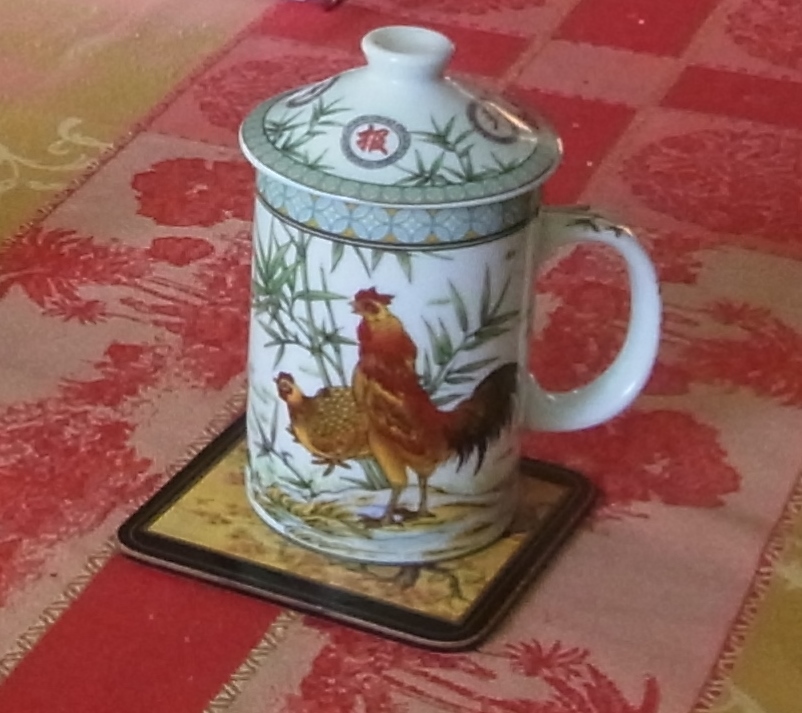
A Cup of Tea before leaving for Lakelands Park

RIMG0391

RIMG0391 (2)

RIMG0391 (4)

RIMG0470

This might grow into a big tree if nobody cuts it down.

I could not help myself, this morning I went in search of that little tree again. Did someone collect all the berries from it? Is this why I cannot recognize it any more? Anyhow, it was another glorious morning. I was happy to go for another walk in Lakelands Park while  taking more pictures of big trees and the bush along the creek. I also made a bit of time to sit down on that special bench reading one chapter of The little Prince.
RIMG0471

RIMG0474

RIMG0475 (4)

RIMG0476 (2)

RIMG0477

Over the distant mountains a bit of early morning fog.

RIMG0479

RIMG0467

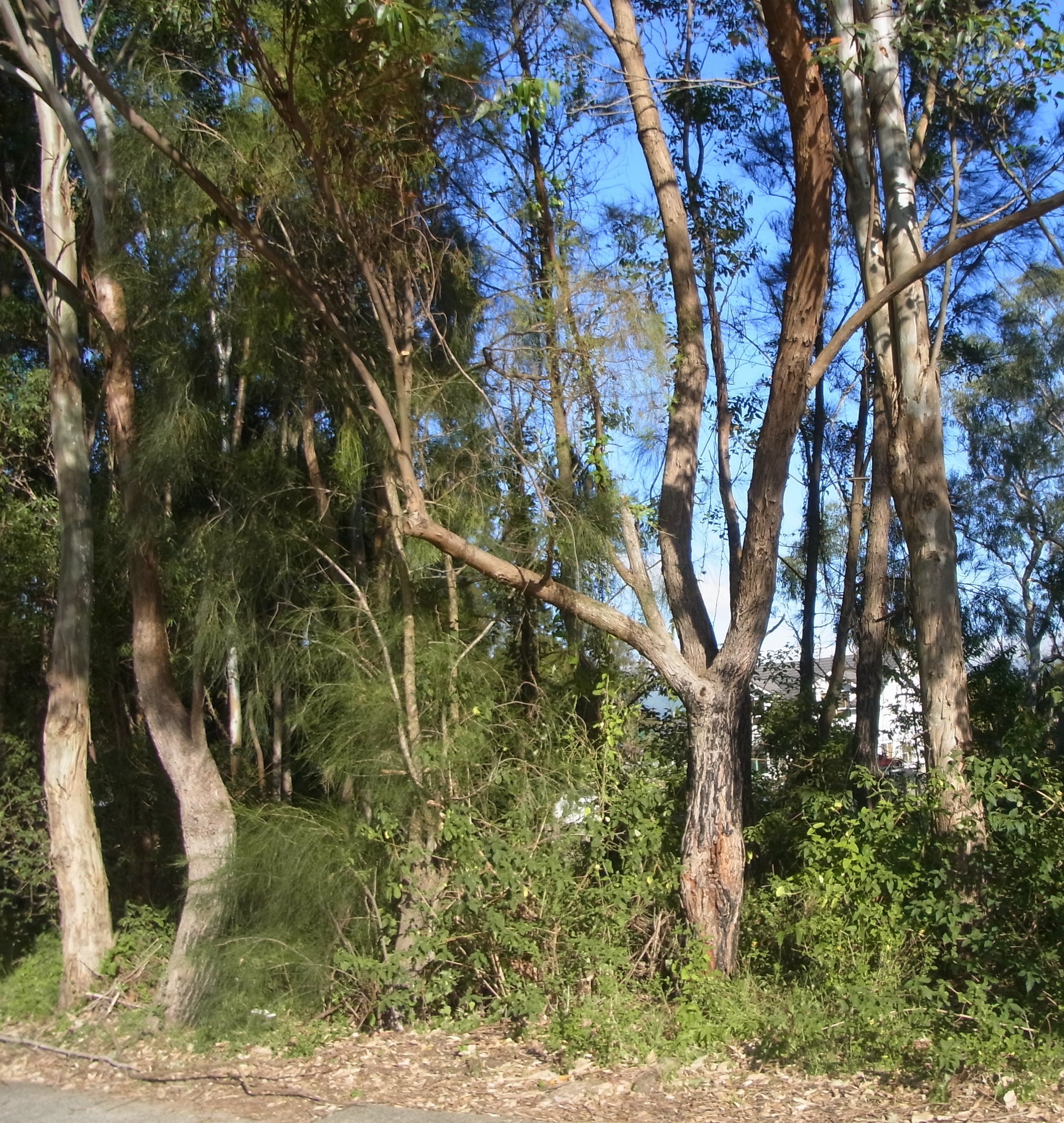
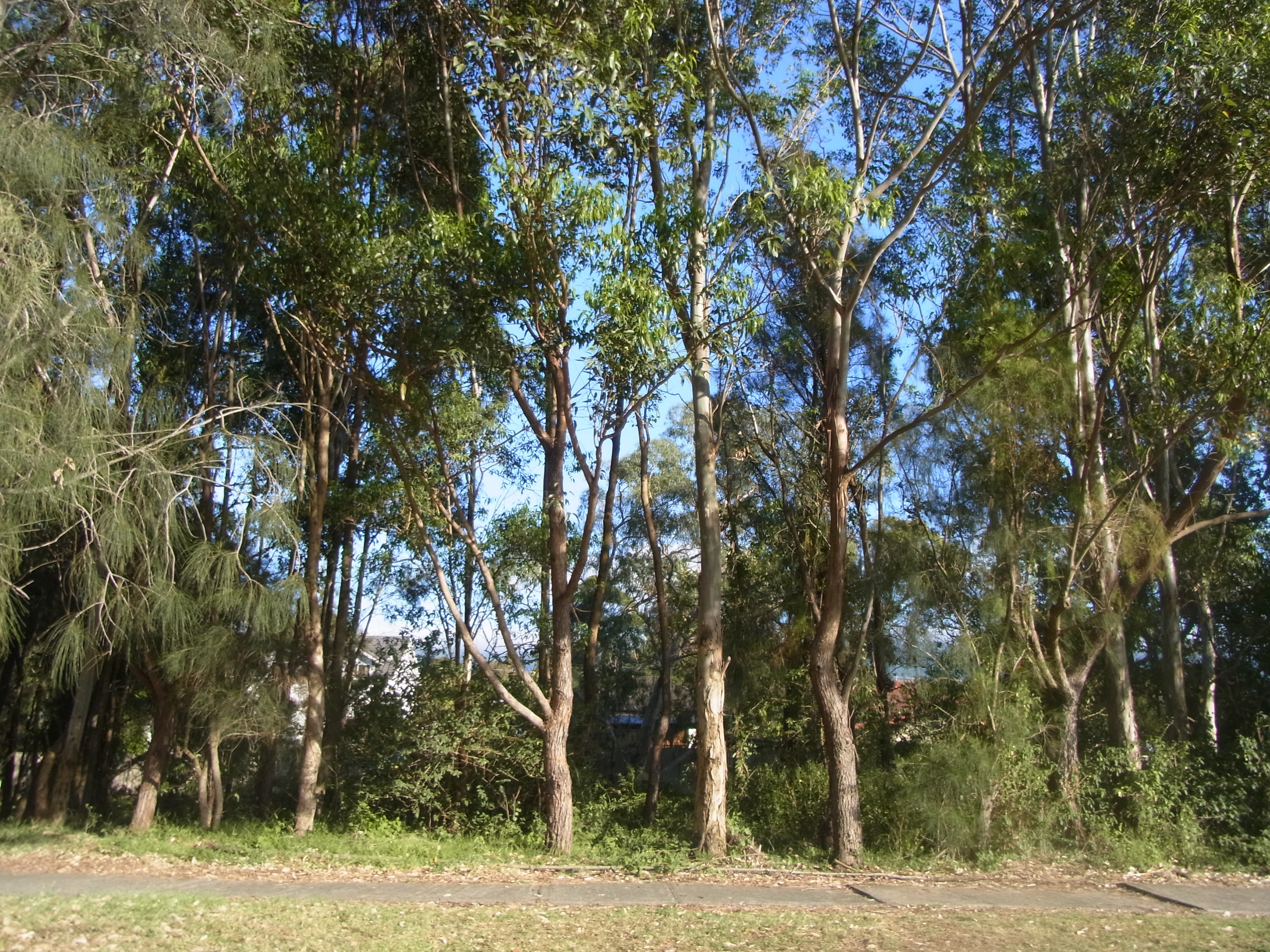
The 'Bush' along the Creek
The ‘Bush’ along the Creek
Some beautiful Trees on the other Side of the Park.
These have a beautiful smell flowering now in spring (November).
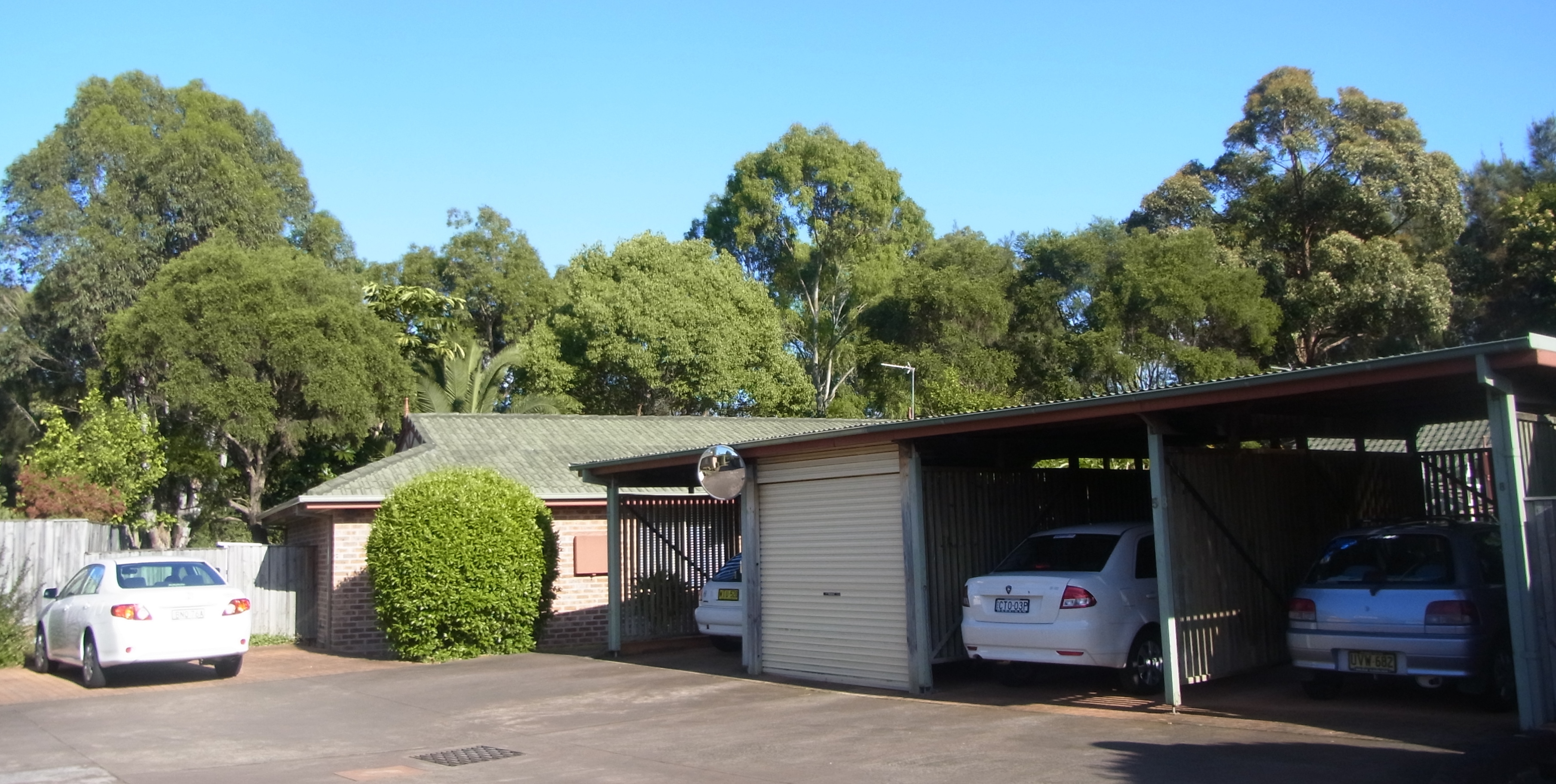
Looks like this villa is still for sale.
Saturday morning. Sometimes all the cars are gone. Not today.

Peter just returned from his morning run. We’re soon going to make another cup of tea.

Saturday

The weeks go so quickly. I can’t believe it’s Saturday again. Last Saturday we were at that conference in Sydney. I think on the Saturday before this I went to the swimming pool. Actually I would love to go to the swimming pool again today even if it is a cloudy day with no sun. The water in the pool is always kept at 24C.

I definitely have to go for walks again today whether there’s sun or not. Last Thursday it was pouring. So I missed out on my walk on that day. But Peter drove me to my heart moves class, which was good. Marta. our instructor,  had to cancel.  But lovely Janet was prepared to take her place on short notice.  Janet said Marta had a pinched nerve, I think she mentioned her back. My pinched nerve is in my right wrist. It’s still painful. However because I take these pain killing  tablets now  it’s easier to cope with the pain.

The doctors want to give me a pain killing injection into my wrist. I am very reluctant to agree to this. Months later they want to operate on the twisted nerve in my wrist. I want to ask for more information on this before I take any steps regarding the injection and the operation.

– – – – –

The other day I walked with Peter around the reserve and I took some pictures from the back of our backyard fence. The trees in our backyard have grown a real lot as  can be seen in these pictures. When we moved here in 1994 there were just a few seedlings planted. We never imagined these seedlings would grow as much! The reserve is adjoining our property. Kids play soccer there on certain days. In some of my pictures you can see where the kids have their playing fields. I concentrated on taking photos of a number of huge trees in the area. I love  to go for walks along these trees! There’s also a nice little playground at the other side of the reserve.  When we first moved here to this place, we sometimes went with the grandchildren all the way across the reserve to this little playground. Now all the grandchildren have grown up, the youngest being fifteen. Maybe one year old great-grandson Lucas may get a chance one day to stroll around the reserve. This would be very much to my liking!

RIMG0284

RIMG0285

RIMG0273

RIMG0275

RIMG0276

RIMG0279

Sunny Days

Caroline and Mama Uta
Caroline and Mama Uta sitting outside towards the end of summer

This photo was taken a few months ago when Caroline had been at our place for a visit. We were sitting behind our house for morning tea. Peter and I always love to have a cup of tea outside enjoying a beautiful sunny day in our backyard that is overgrown with trees. We just love to sit under these trees and listen to a variety of birds who usually chirp happily close by. It is such a peaceful place. We always call it our little paradise.

Caroline and Papa Peter
This is what the table looks like without the table cloth.

We are in the midst of winter now here in Australia. After a long rainy period in June, the month of July is promising to be full of sunshine. However the nights are extremely cold. All the rooms in the house are extremely cold too, not just during the night but during the day too unless we put the heaters on. We usually switch our electric heater only on in the rooms we happen to use for a while. The warmest room is usually the computer room for it is small and does not require a lot of heating to get it comfortably warm.

Outside in the sun it is much warmer today than inside. So, naturally we had morning tea as well as lunch outside.  We sat there for quite a while, absorbing the lovely sunshine and listening to the birds. How lucky we are to have such a lovely spot behind our house. As I said, we feel this is our little paradise! 🙂

Hugging Trees

There were three birch tress standing together in the Tiergarten in Berlin. I hugged one of them on my birthday last September. This is the tree that was cut down soon after! Who made the decision it had to go? No idea. I remembered this tree hugging picture because yesterday I published another tree hugging picture which found great response.
There were three birch tress standing together in the Tiergarten in Berlin. I hugged one of them on my birthday last September. This is the tree that was cut down soon after! Who made the decision it had to go? No idea. 

I remembered this tree hugging picture because yesterday I published another tree hugging picture which found great response.

Here's the tree I hugged yesterday. I hope nobody is going to cut it down!
Here’s the tree I hugged yesterday. I hope nobody is going to cut it down!