
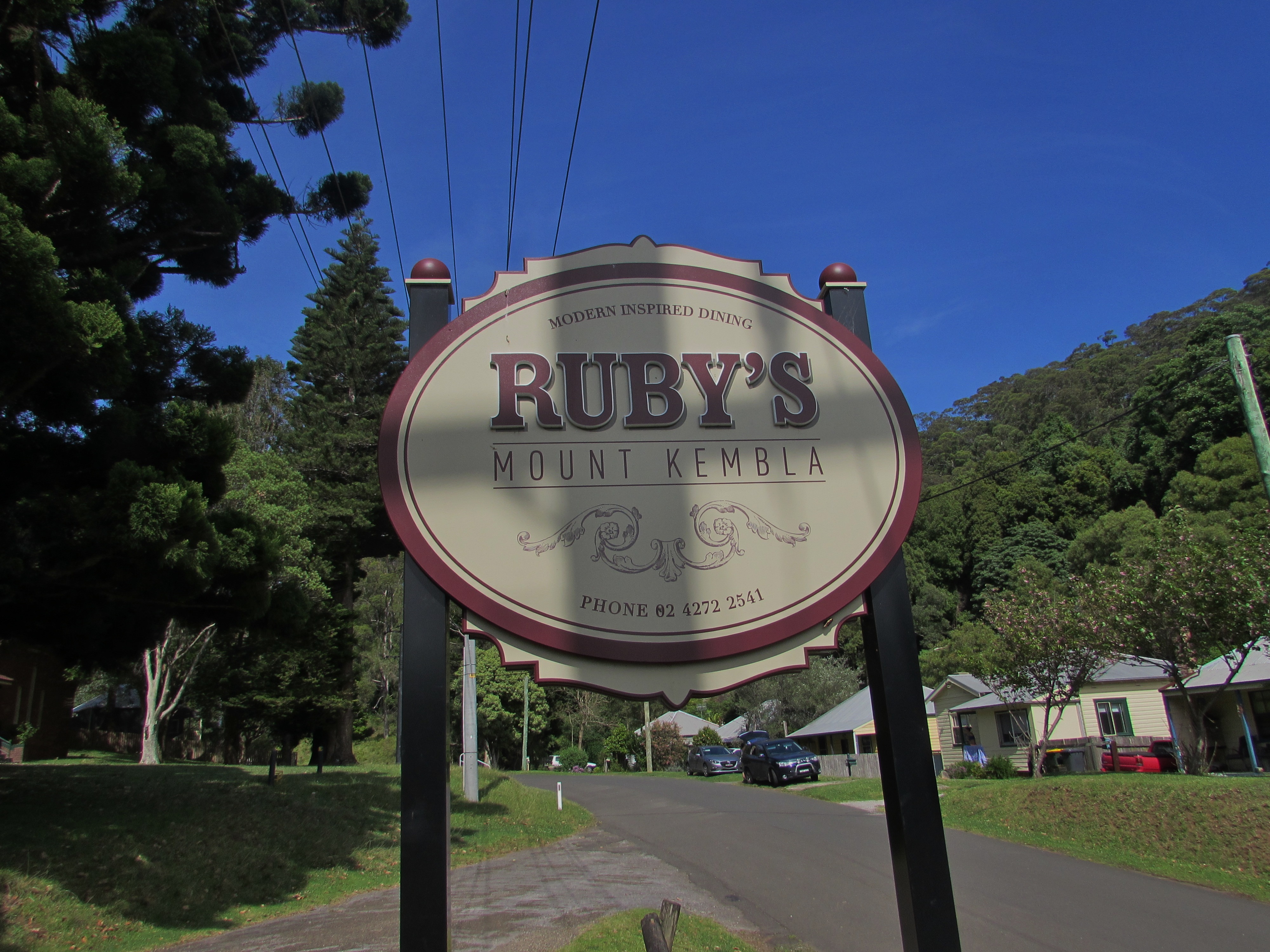
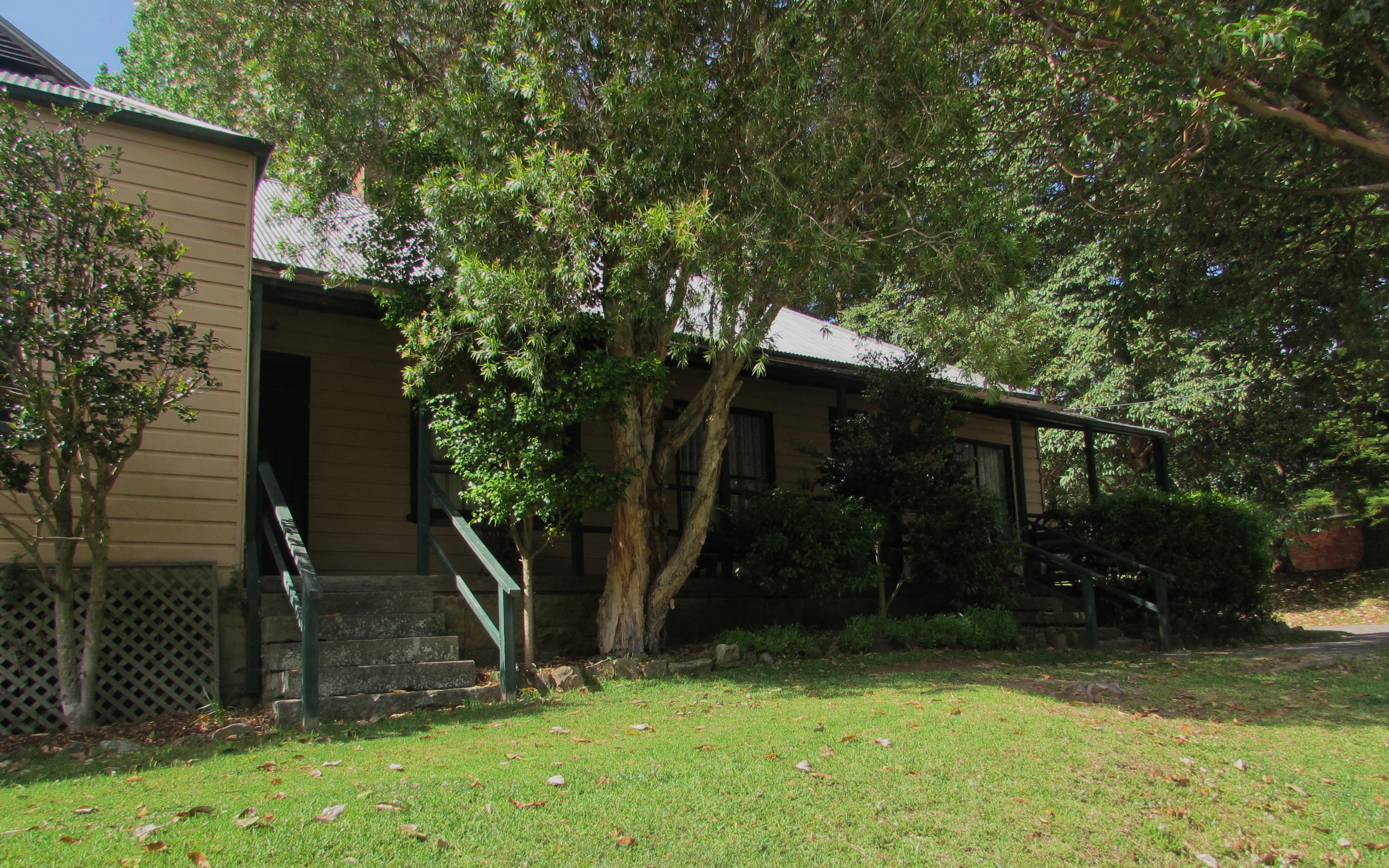
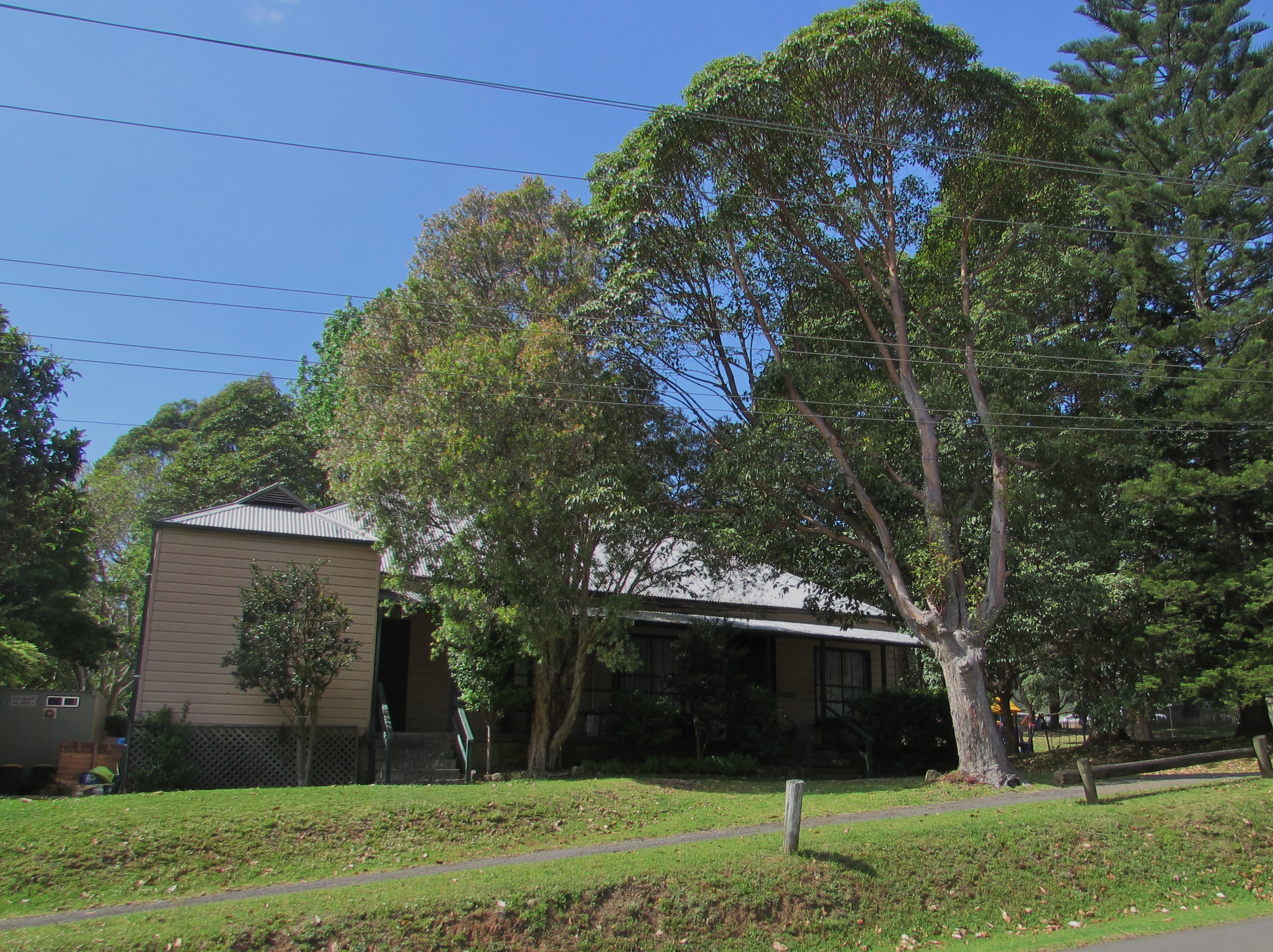
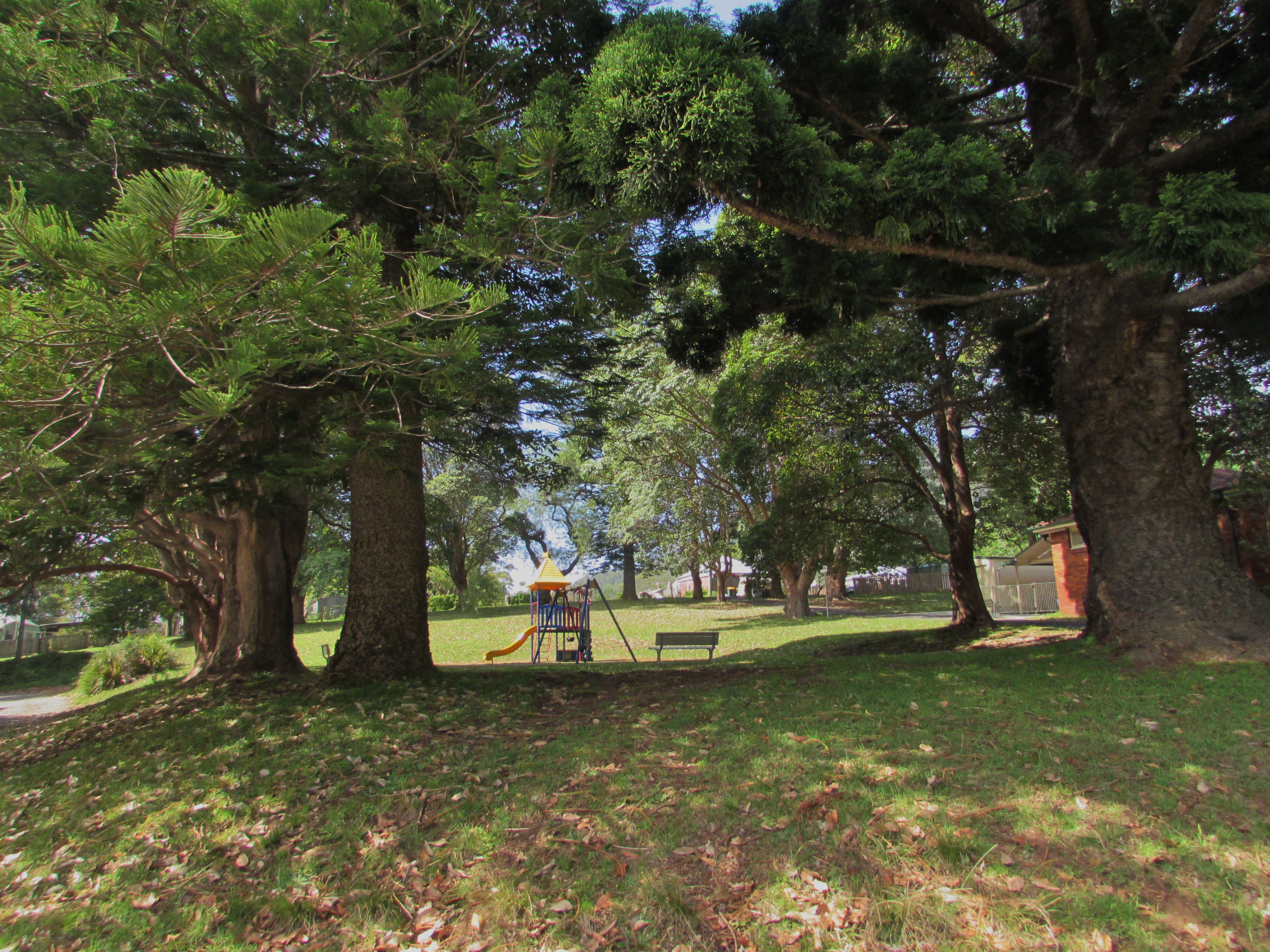
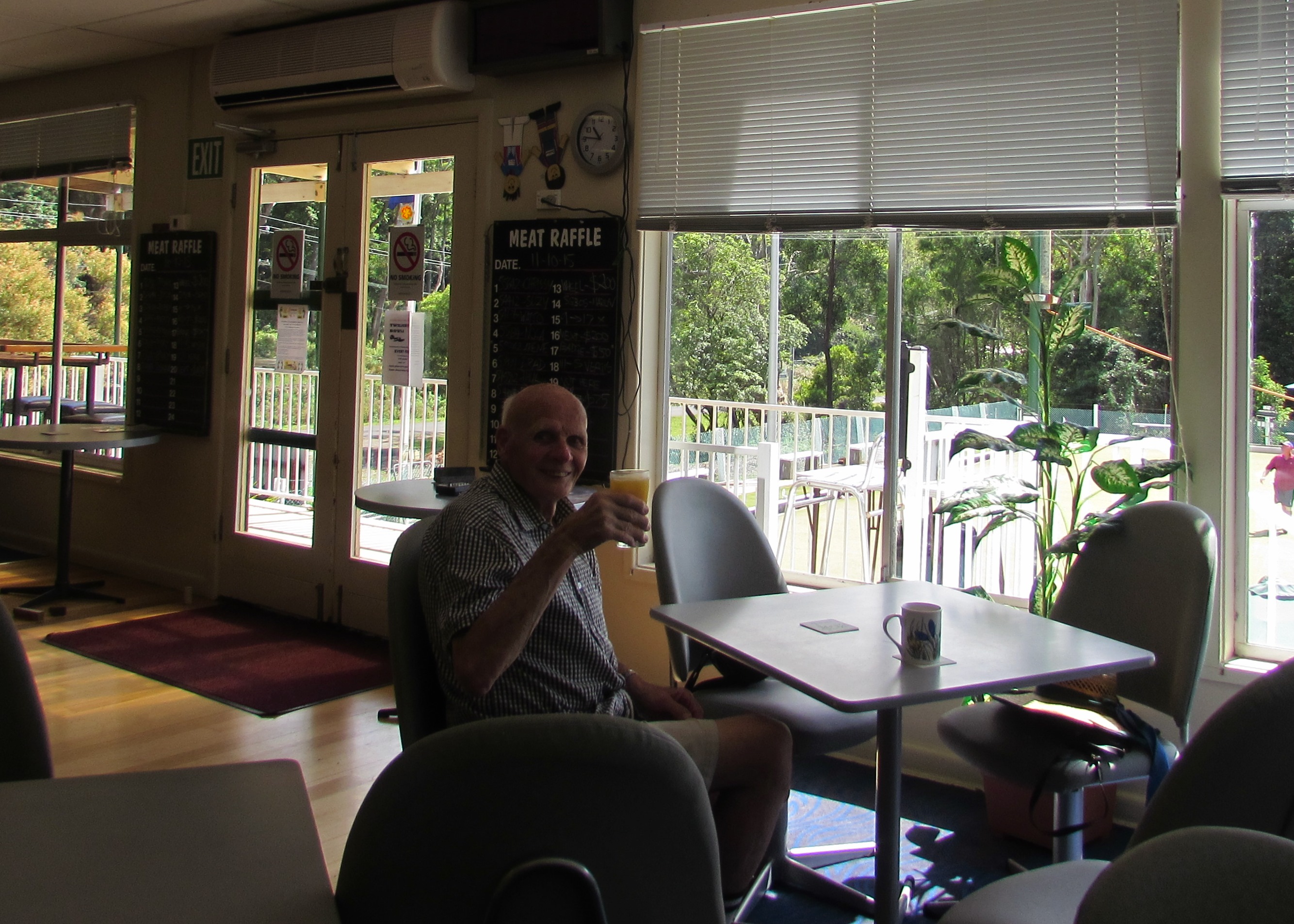
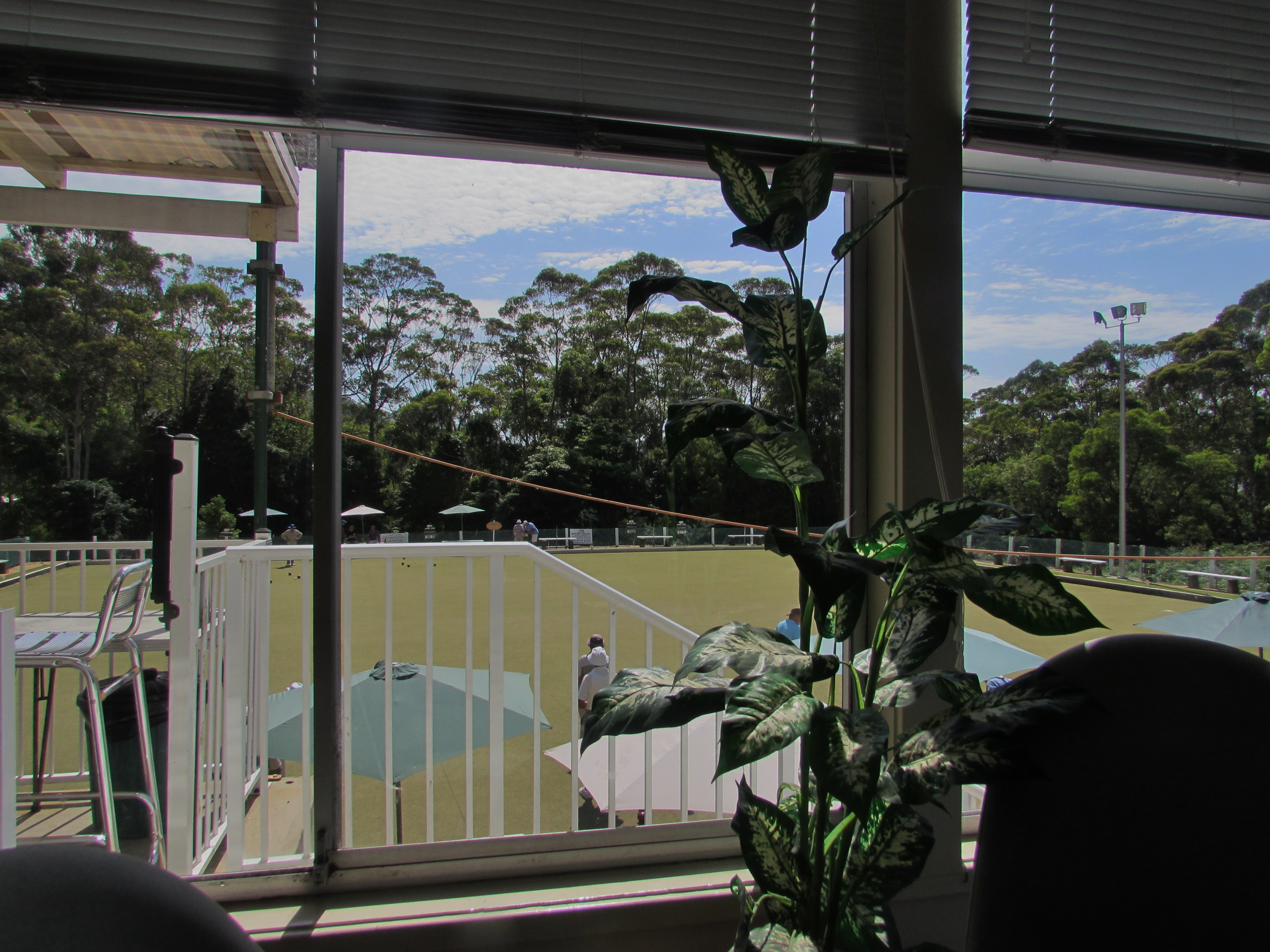
First we saw Ruby’s. Then a bit further on we noticed the Mount Kembla Bowling Club. We stopped there and went in for some refreshments.
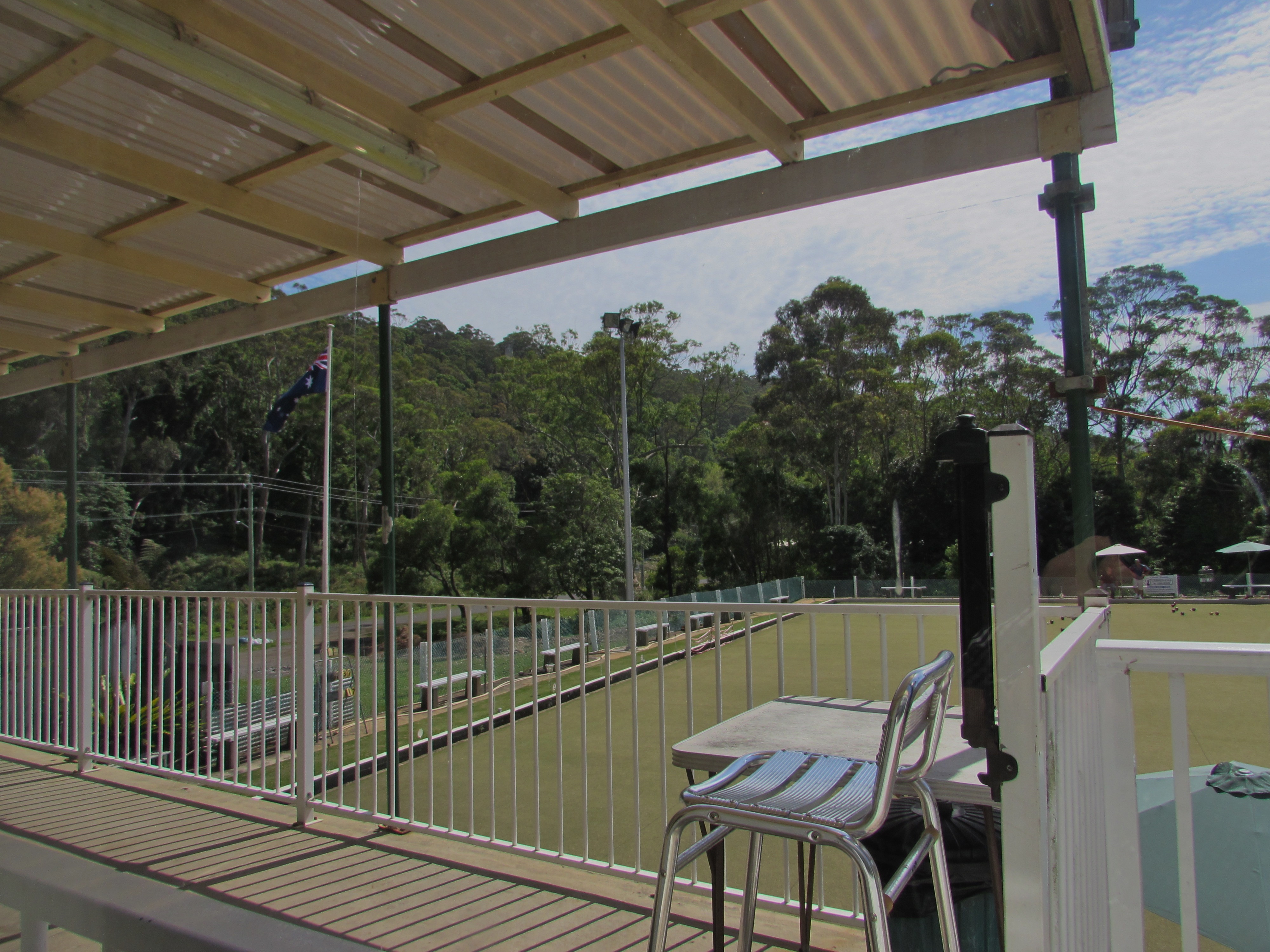
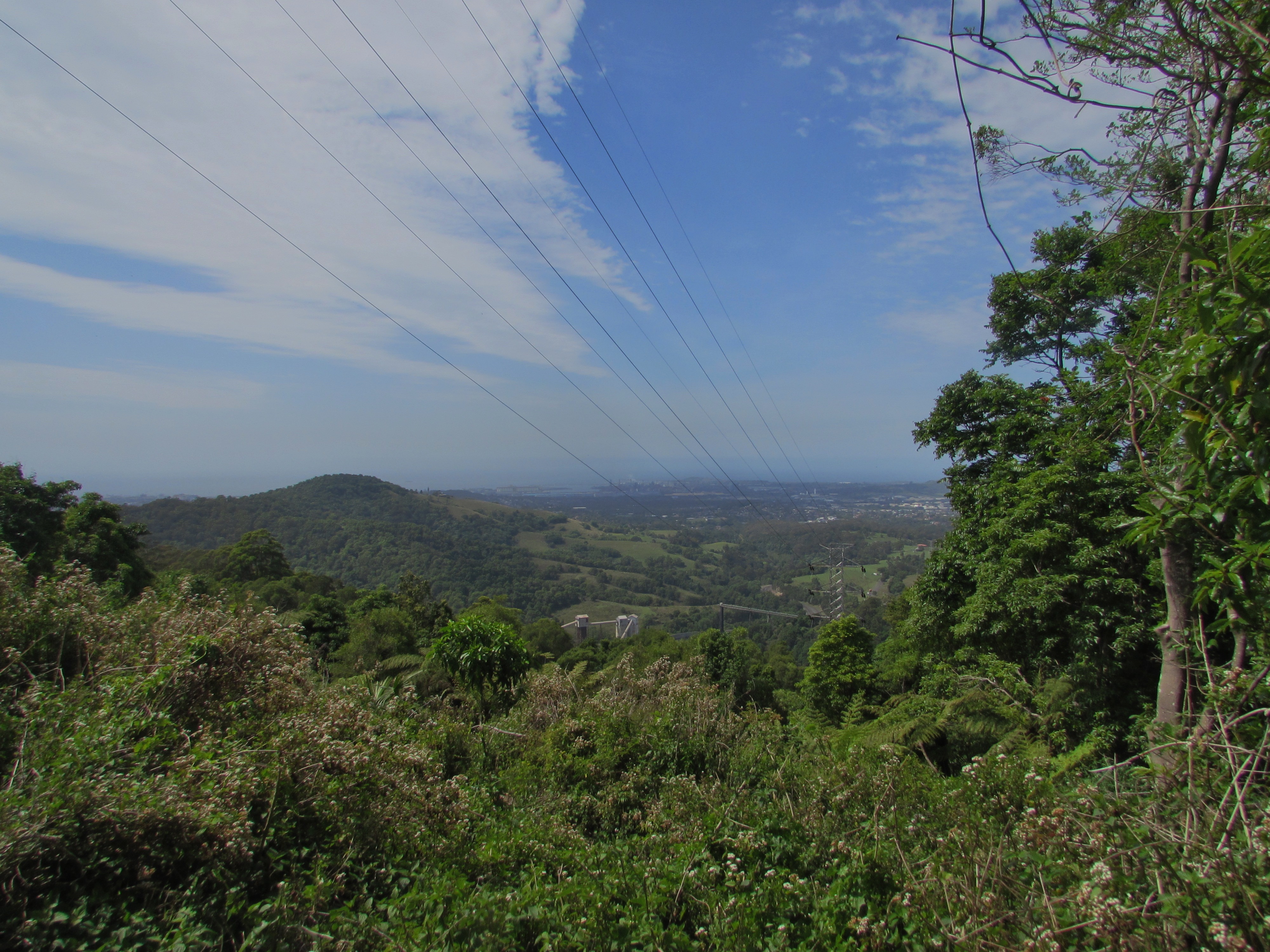
On the way home we stopped at a look-out.

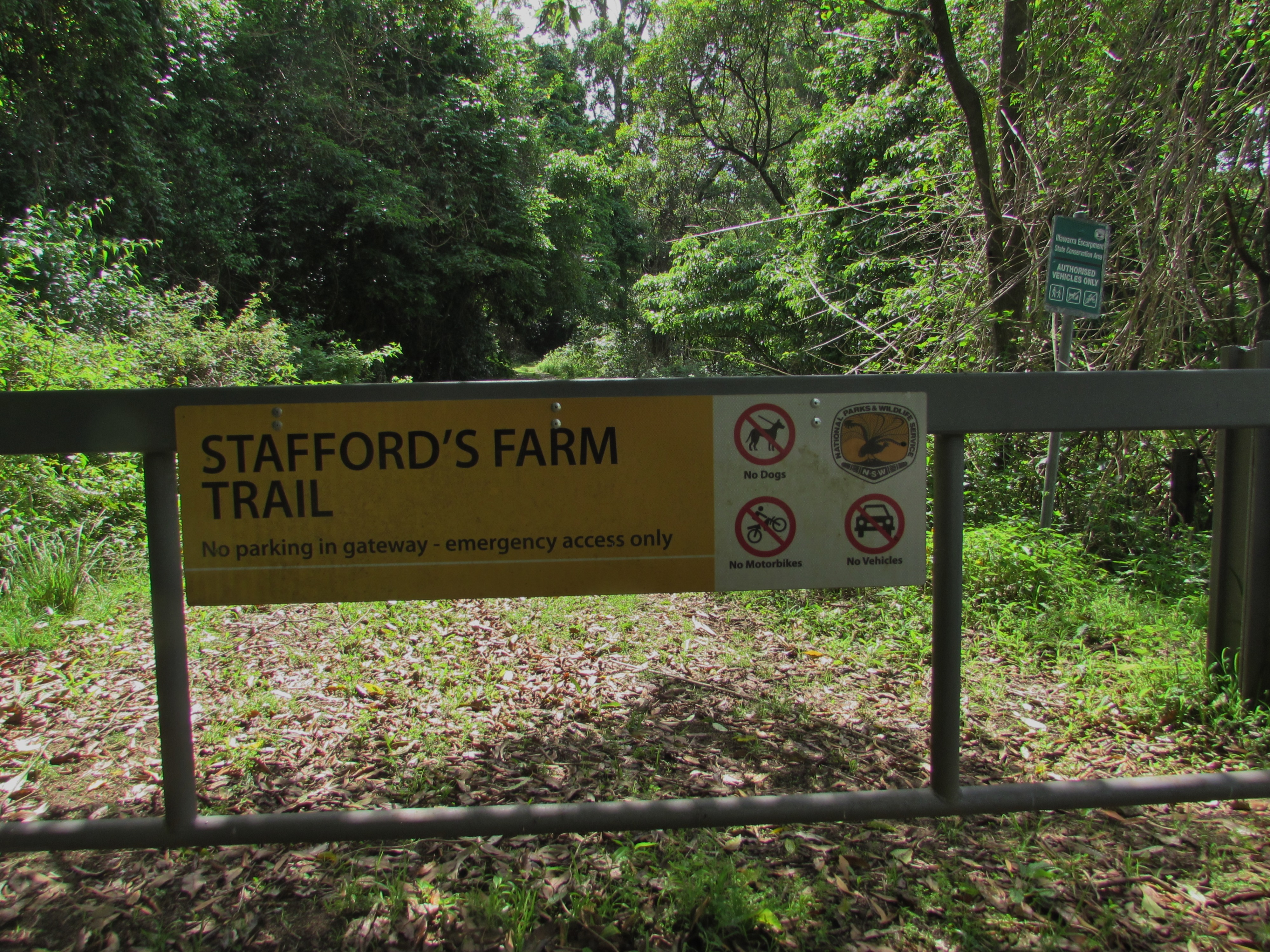
First we saw Ruby’s. Then a bit further on we noticed the Mount Kembla Bowling Club. We stopped there and went in for some refreshments.
On the way home we stopped at a look-out.
Kindness is in our power even when fondness is not.
~Henry James~
Compassion is language the deaf can hear and the blind can see.
~Mark Twain~
Carry a heart that never hates , a smile that never fades and a touch that never hurts.
Today I bent the truth to be kind, and I have no regret,
for I am far surer of what is kind than I am of what is true.
~Robert Brault~
.
Treat everyone with politeness, even those who are rude to you ,
not because they are nice but because you are.
Never look down on anyone unless you are helping them up.
A good character is the best tombstone.
Those who loved you will remember.
Carve your name on hearts, not on marble.
It’s nice to be important but it’s more important to be nice.
Today, give a stranger one of your smiles.
It might be the only sunshine he sees all day.
If you want others to be happy, practice compassion.
I always prefer to believe the best of everybody, it saves so much trouble.
~Rudyard Kipling~
Don’t be yourself — be someone nicer.
Never miss an opportunity to make others happy,
even if you have to leave them alone in order to do it.
)
_JounPC.
Love your enemies – it will confuse them greatly.
JounPC.
There is one word which may serve as a rule for all one’s life — reciprocity.
~Confucius~
Grownups know that little things matter and that relationships are based on respect.
Don’t wait for people to be friendly, show them how.
~Henry James~
_JounPC.
The most important trip you may take in life is meeting people halfway.
~Henry Boyle~
When I was young, I admired clever people.
Now that I am old, I admire kind people.
~Abraham Heschel~
If we should deal out justice only in this world, who would escape?
No, it is better to be generous for it gains us gratitude.
~Mark Twain~
.
Be tender with the young, compassionate with the aged, tolerant of the weak,
because someday in your life you will be all of these.
~George Washington Carver~
You can’t live a perfect day without doing something for someone
who will never be able to repay you.
~John Wooden~
_JounPC.
If those who owe us nothing gave us nothing, how poor we would be.
~Antonio Porchia~
_JounPC.
You cannot do a kindness too soon for you never know how soon it will be too late.
~Ralph Waldo Emerson~
By swallowing evil words unsaid, no one has ever harmed his stomach.
~Winston Churchill
Real generosity is doing something nice for someone who will never find out.
~Frank A. Clark~
We have two ears and one mouth so that we can listen twice as much as we speak.
~Epictetus~
Don’t let those who take advantage of your generosity
stop you from being generous.
~Author Unknown ~
Be a rainbow in someone else’s cloud.
~Maya Angelou~
JounPC.
Love thy neighbor and if that requires that you bend the truth, the truth will understand.
~Robert Brault
https://theconversation.com/au/topics/sea-level-rise
October 15, 2015 6.33am AEDT
Neil Saintilan receives funding from the Australian Research Council and the Fulbright Commission
Catherine Lovelock receives funding from the Australian Research Council; Stream 2 of Natural resource management climate change impacts and adaptation research grants program. East Coast Cluster; CSIRO.
Kerrylee Rogers receives funding from the Australian Research Council (FT130100532)


The University of Queenslandand The University of Wollongong provide funding as members of The Conversation AU.
We believe in the free flow of information. We use a Creative Commons Attribution NoDerivatives licence, so you
can republish our articles for free, online or in print.
Mangroves grow along tropical coasts. Unique amongst the world’s plants, they can survive in salt water and can filter seawater. The rain of leaf-fall from tropical mangrove forests provides food for crabs and other herbivores, the foundation of a food web that extends to fish (and therefore people) right across the tropics.
One of the distinguishing characteristics of mangroves are their roots, used to anchor the plant on unstable ground and buttress against wind, waves and currents. The form of root architecture varies greatly between families of mangrove, including the dense prop-roots (Rhizophora), cathedral-like buttresses (Bruguiera), and numerous pneumatophores – literally narrow breathing–tubes – of the common grey mangrove of southeast Australia (Avicennia).

A high proportion of the living mass of mangroves exists below-ground. This means mangroves are the most efficient ecosystem globally in the capture and sequestration of atmospheric carbon dioxide. The uniquely oxygen-poor, salty characteristics of mangrove soil provides the perfect setting for long-term preservation of carbon below ground. The typical mangrove forest sequesters several times more carbon dioxide than a tropical rainforest of comparable size.
Mangrove roots trap sediment as currents carrying suspended particles are intercepted and slowed. Between the carbon sequestered below-ground, and the sediment trapped within the tangle of roots, mangroves are effectively able to raise the height of the land over time.
Analysis of these sediments shows mangroves can deal with low to moderate sea-level rise by building up land. But how will mangroves respond to future rising seas when people are in the way?
We and other colleagues measured how fast mangrove forests in the Indo-Pacific region increase the height of the land. We used a tool called Surface Elevation Table-Marker Horizon, as you see in the video below.
Mangroves also build up land height by accumulating roots below ground. Previous studies have focused on this. Our study, using up to 16 years of data across a range of coastal settings, shows that sediment build up is also important.
We also compared the rate of land height increase in mangroves to local tidal gauges, to assess whether mangroves were keeping pace with the local rate of sea-level rise.
In most cases (90 out of 153 monitoring stations) mangroves were lagging behind. This is not an immediate problem if mangroves are already high enough to delay the effect of expected sea-level rise. However, mangroves at the low end of their elevation are highly vulnerable.
We used this insight to model how long mangroves might survive rising seas across the Indo-Pacific. We used a range of sea-level rise projections from the Intergovernmental Panel on Climate Change, including a low-range scenario (48 cm by 2010), high-range (63 cm by 2100) and extreme (1.4 m by 2100).
Mangrove forests with a high tidal range and/or high sediment supply such as Northern Australia, eastern Borneo, east Africa and the Bay of Bengal proved to be relatively resilient. Most of these forests will likely survive well into the second half of the century under low and moderate rates of sea-level rise.
The prospect of mangrove survival to 2070 under the 63 cm and 1.4 m scenarios was poor for the Gulf of Thailand, the southeast coast of Sumatra, the north coasts of Java and Papua New Guinea and the Solomon Islands.
Our results imply that factors that prevent sediment building up may prevent mangroves responding to sea-level rise. This might include dams holding sediment within water catchments.
This impact is already being felt. An 80% reduction in sediment delivery to the Chao Phraya River delta has, for example, contributed to kilometres of mangrove shoreline retreat.
Similar developments are planned for the Mekong River. These threats compound those already being felt, including the widespread conversion of mangrove to aquaculture.
Appreciation of the financial contribution of mangroves has been slowing the trend of decline. However, long-term survival will require planning that includes both the continued provision of sediment supply, and in many cases the provision of retreat pathways, to allow mangroves to respond to sea level in ways they always have.
by
When Americans hear that the US country may go to war against another nation, we generally believe there’s probably a good reason for it or that no viable alternatives exist–or we don’t think about it at all. We trust our leaders to represent us and defend our values. We accept their claims that war is to ensure our safety when others who wish to harm us. The mediareassures us that our reasons for war are altruistic — but is all this really true?, that we wish to spread democracy and allow others to adopt our way of life. But is this the case? This book examines the realities of American wars how American values are manipulated to gain support for initiatives contrary to our ideals and well-being of our country Are we fighting for the right reasons? Can we trust the government, military, and media to deal honestly with the American people? Do we know the full costs of war to ourselves and to others? Are there undue benefits or inequitable losses to anyone involved? What is the human face of the enemy? Is the world a better place because of our wars? can we as world citizens resolve our differences in a better way? This book seeks to provide insight into basic American misconceptions about war.
See also:
http://www.commondreams.org/views/2015/10/12/five-great-american-hypocrisies
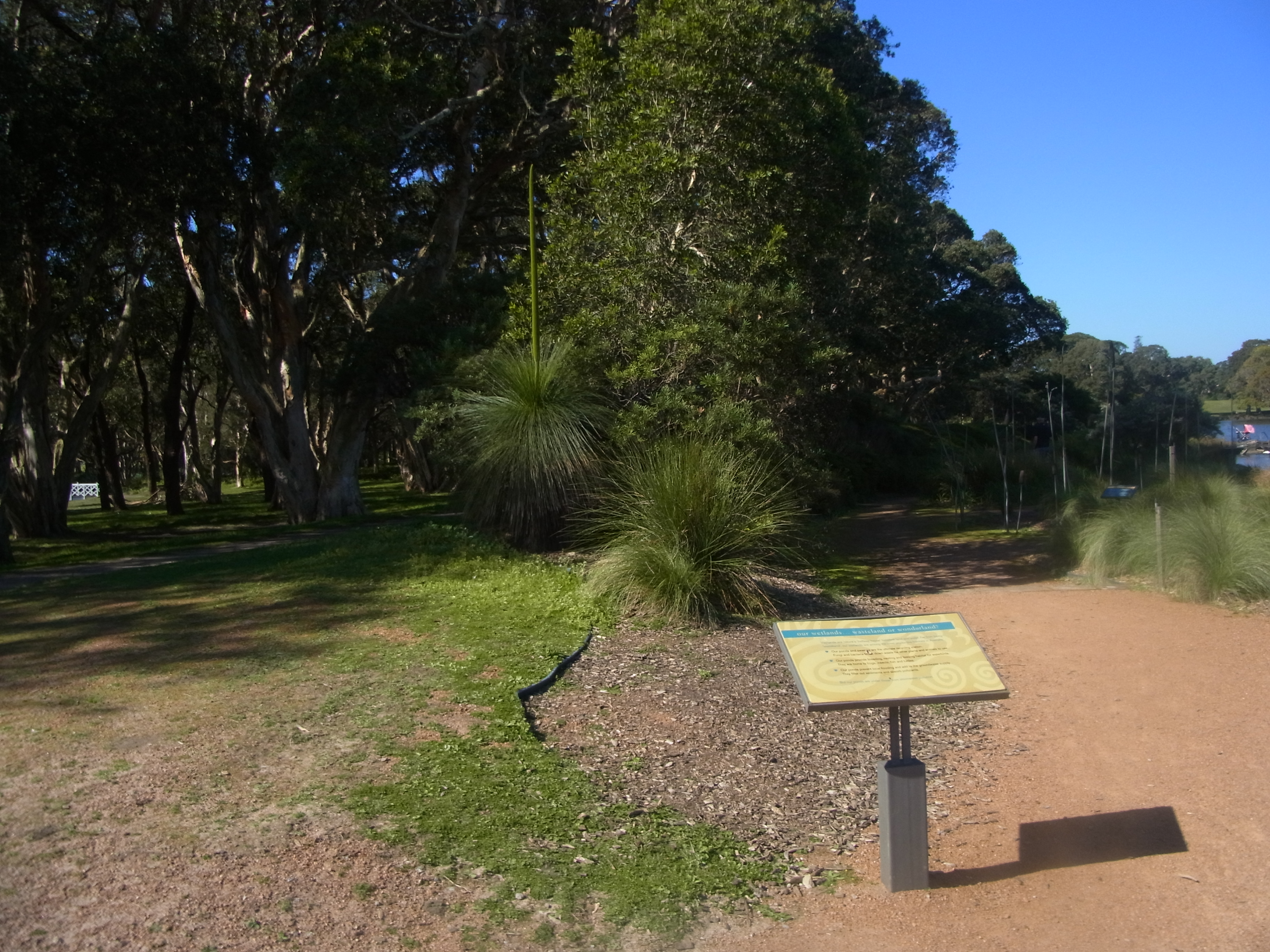
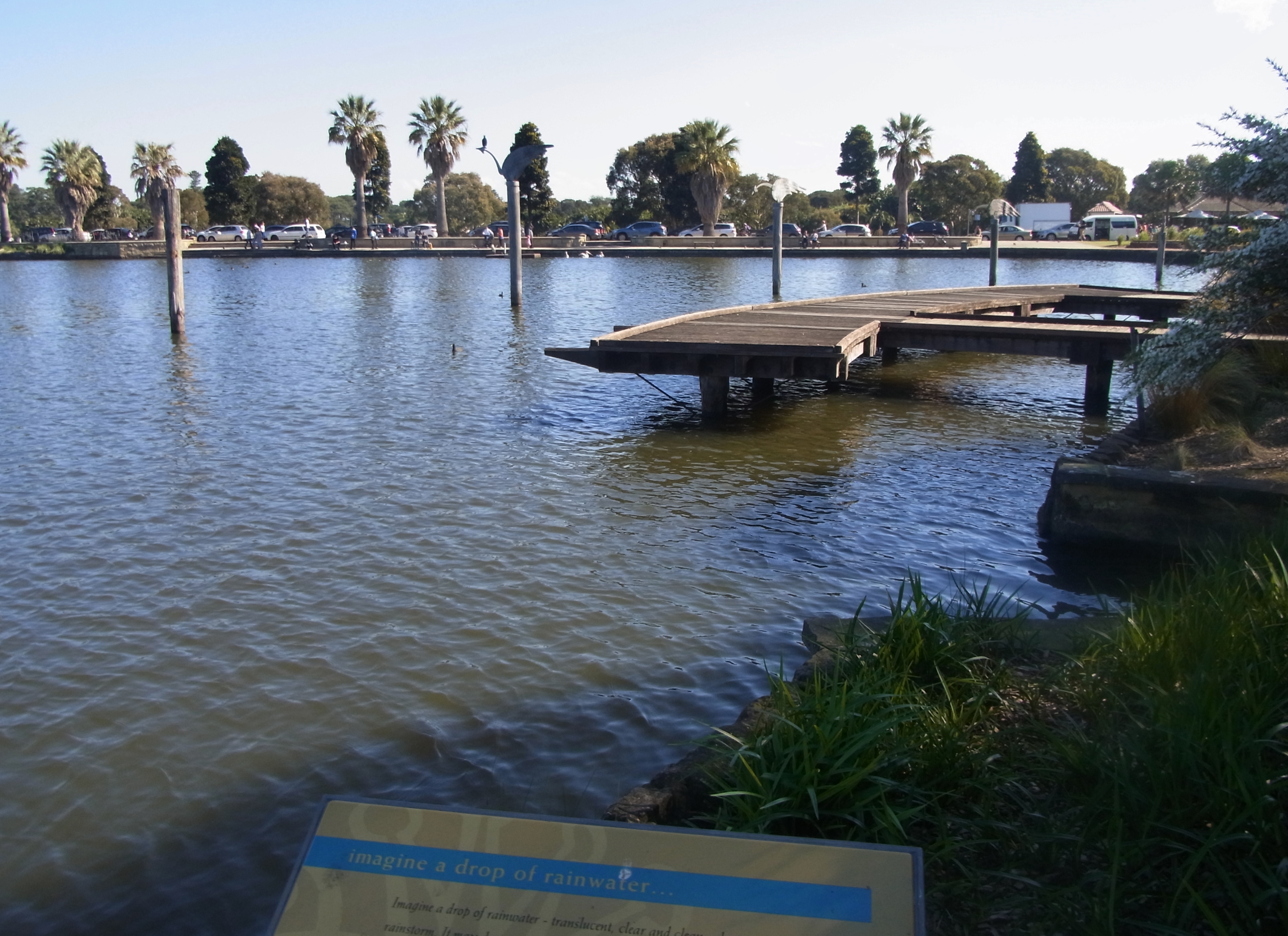
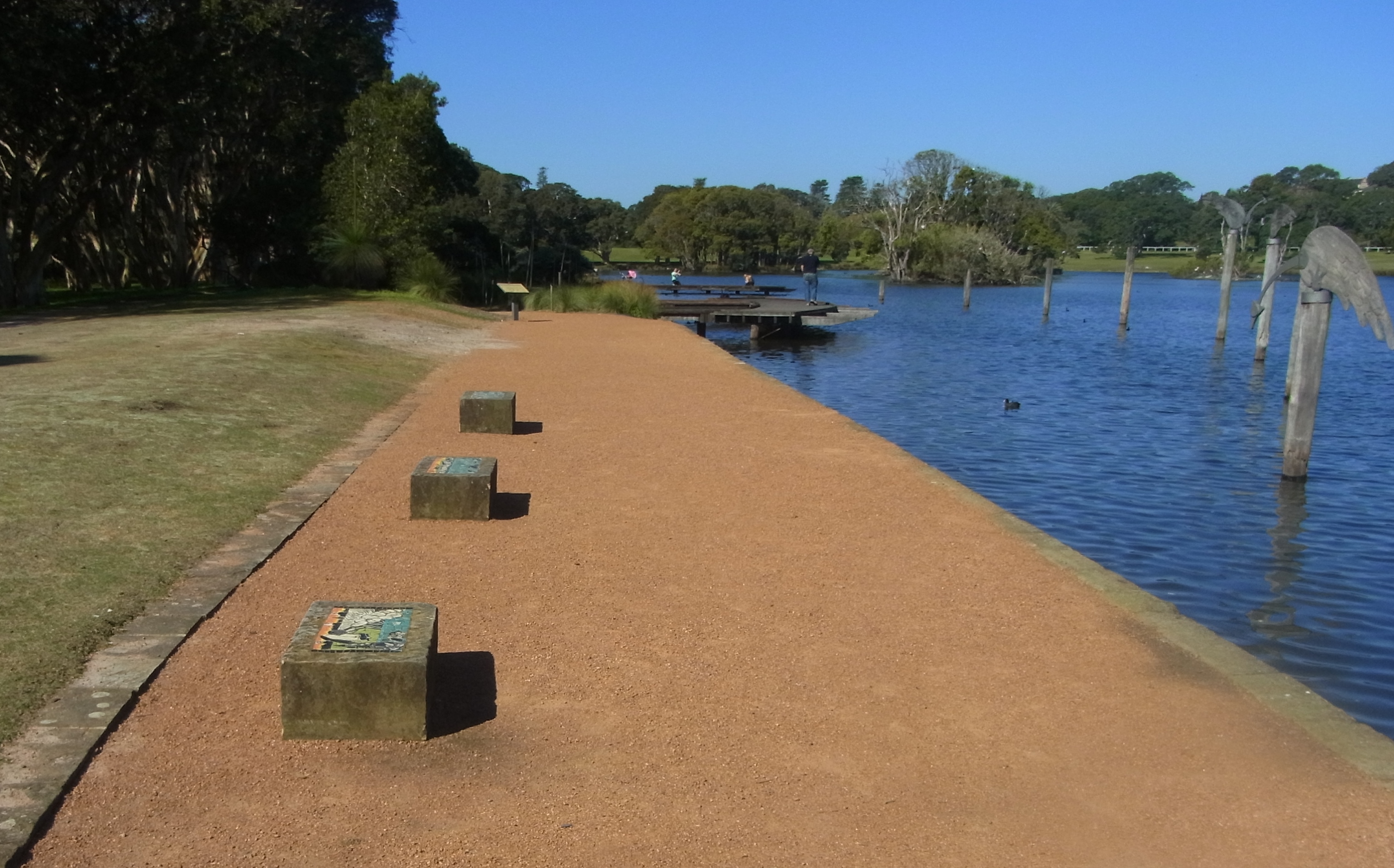
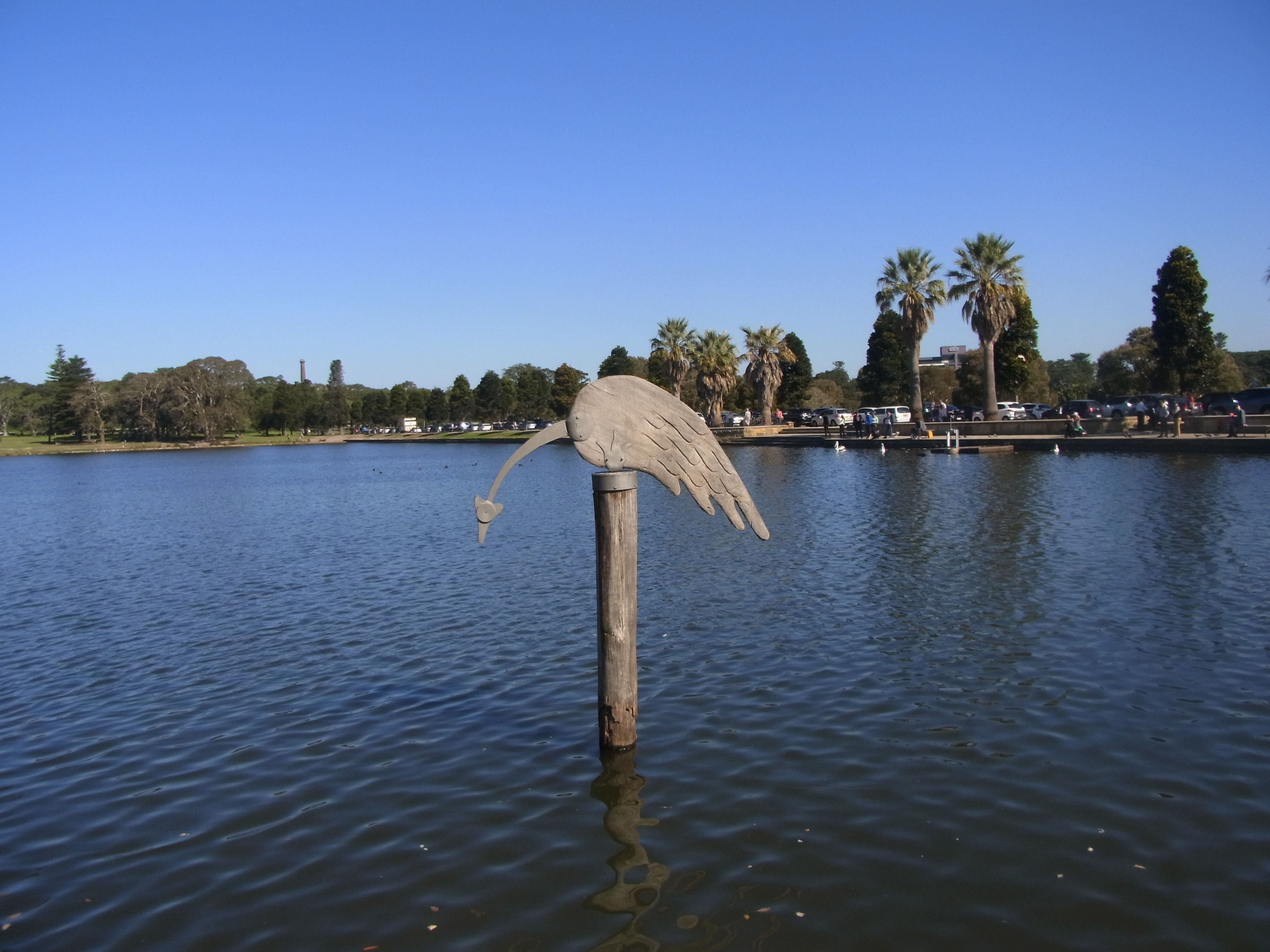
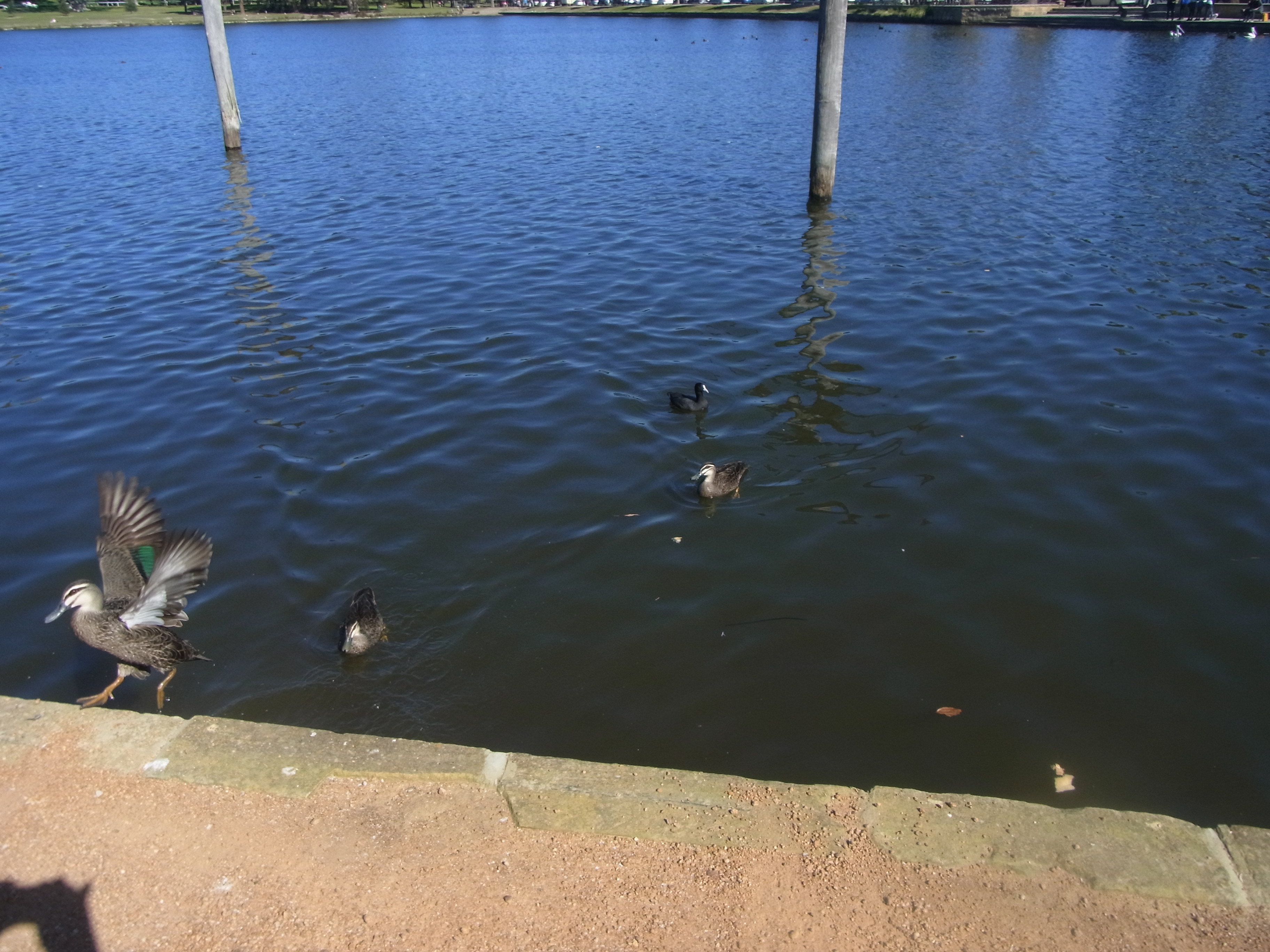
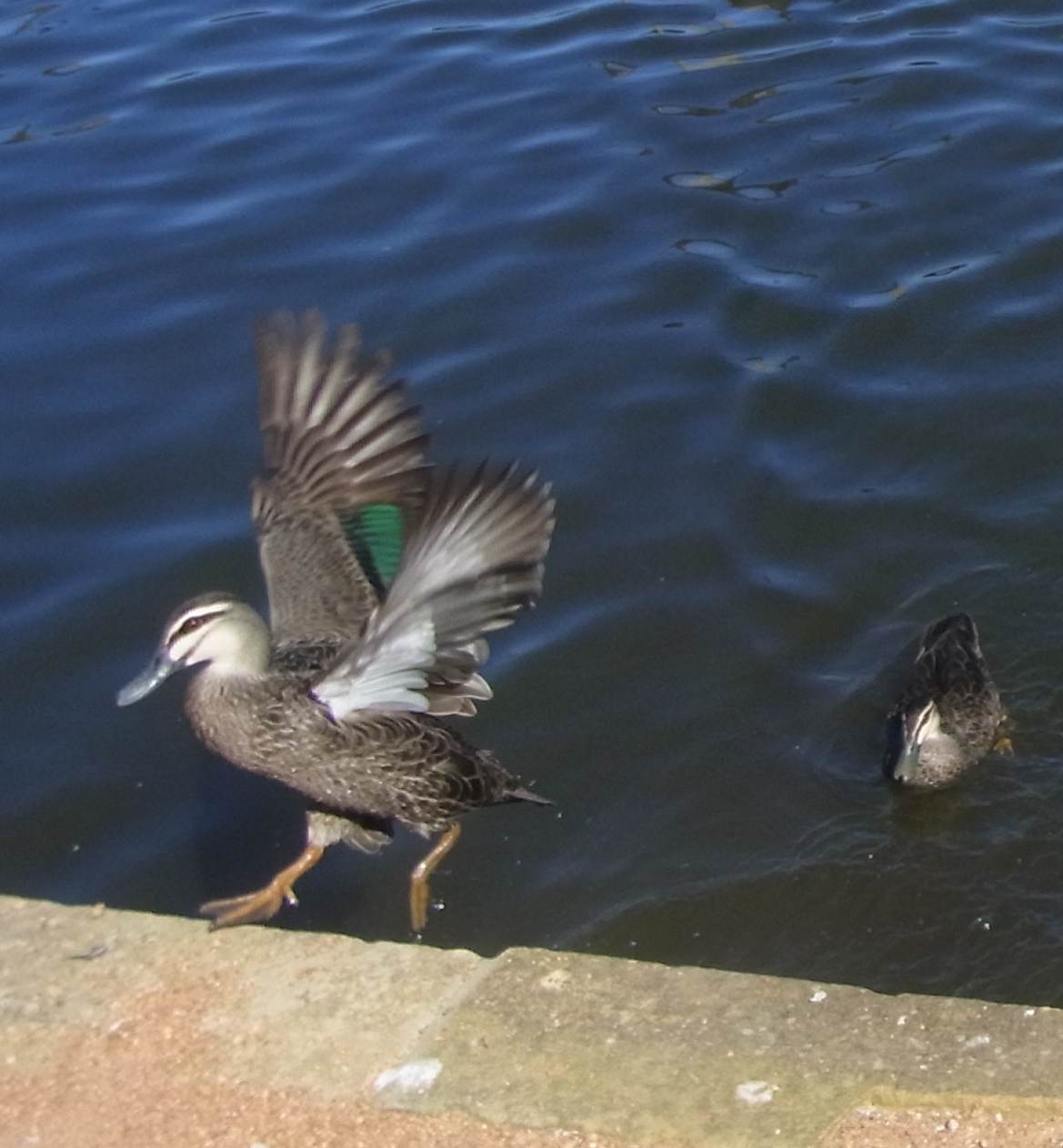
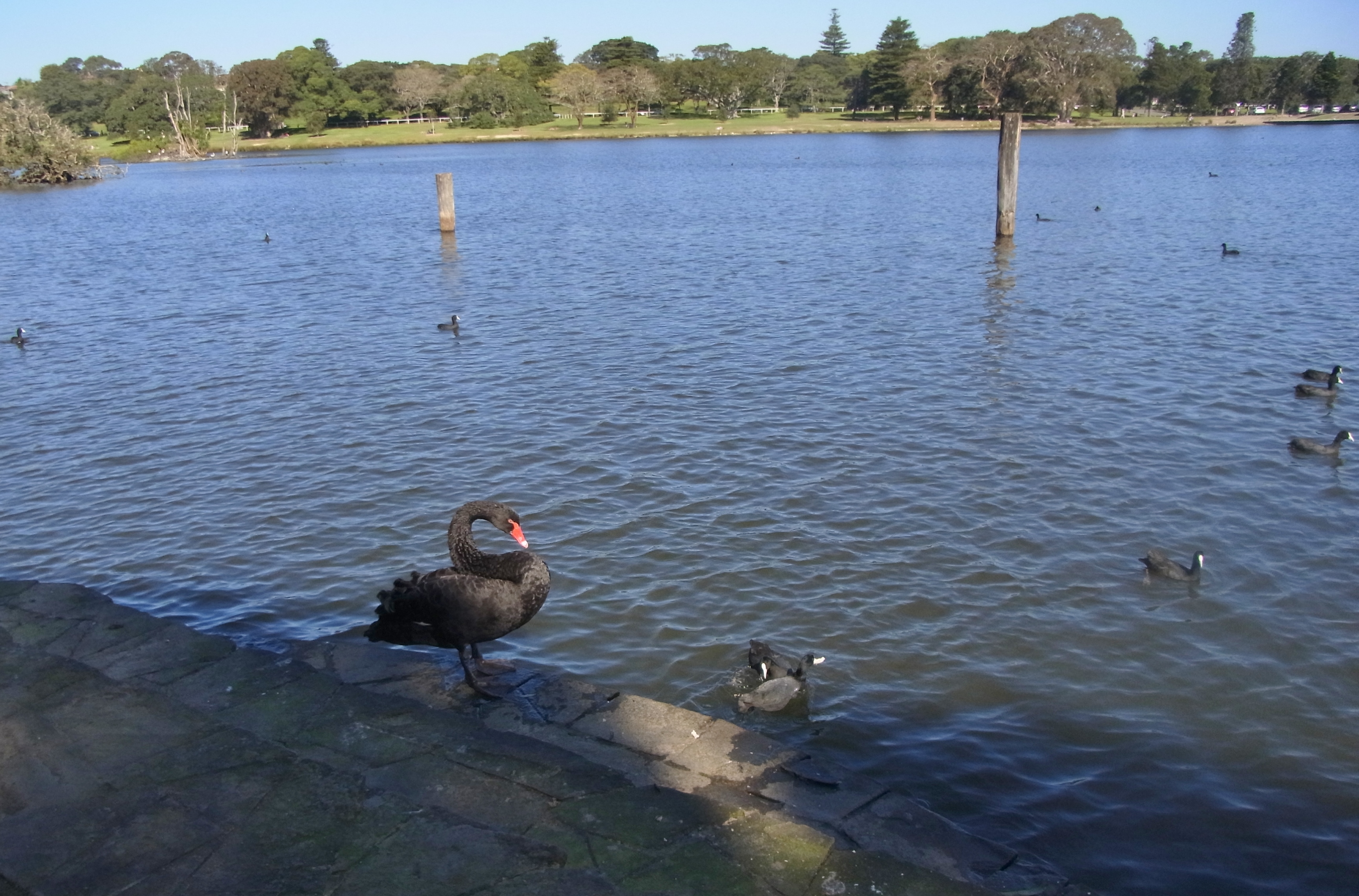
On Sunday, 14th September 2014, our daughter went with Peter and me to Centennial Park in Sydney. This is when I took all these pictures that you can see in this blog. Morse pictures from that day are in this post:
https://auntyuta.com/2014/09/15/utas-diary-monday-15th-september-2014/






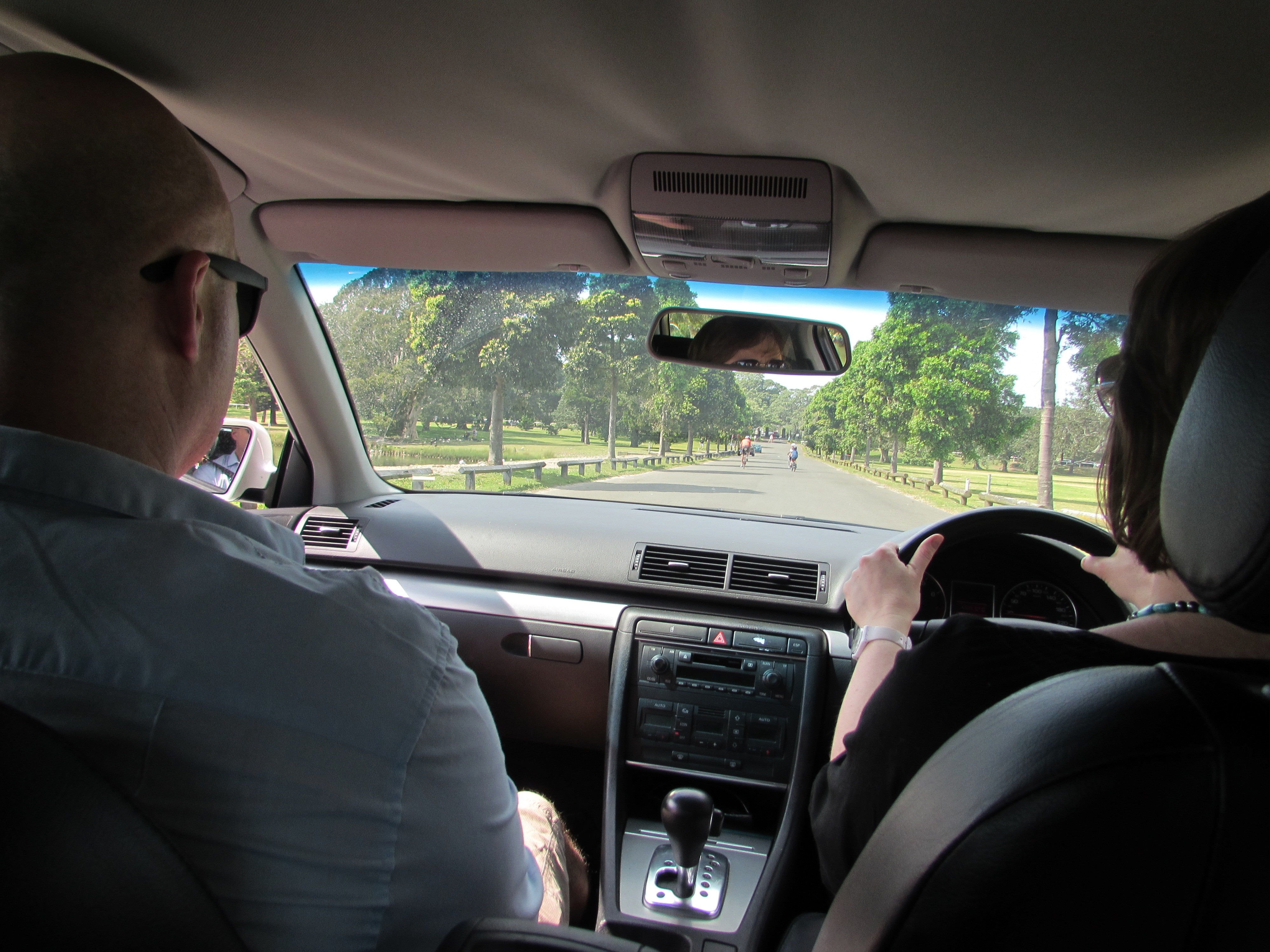
The next day, Sunday, we went for breakfast to a cafe in Centennial Park. It was Caroline’s turn to drive our Audi, while Matthew was sitting beside her.


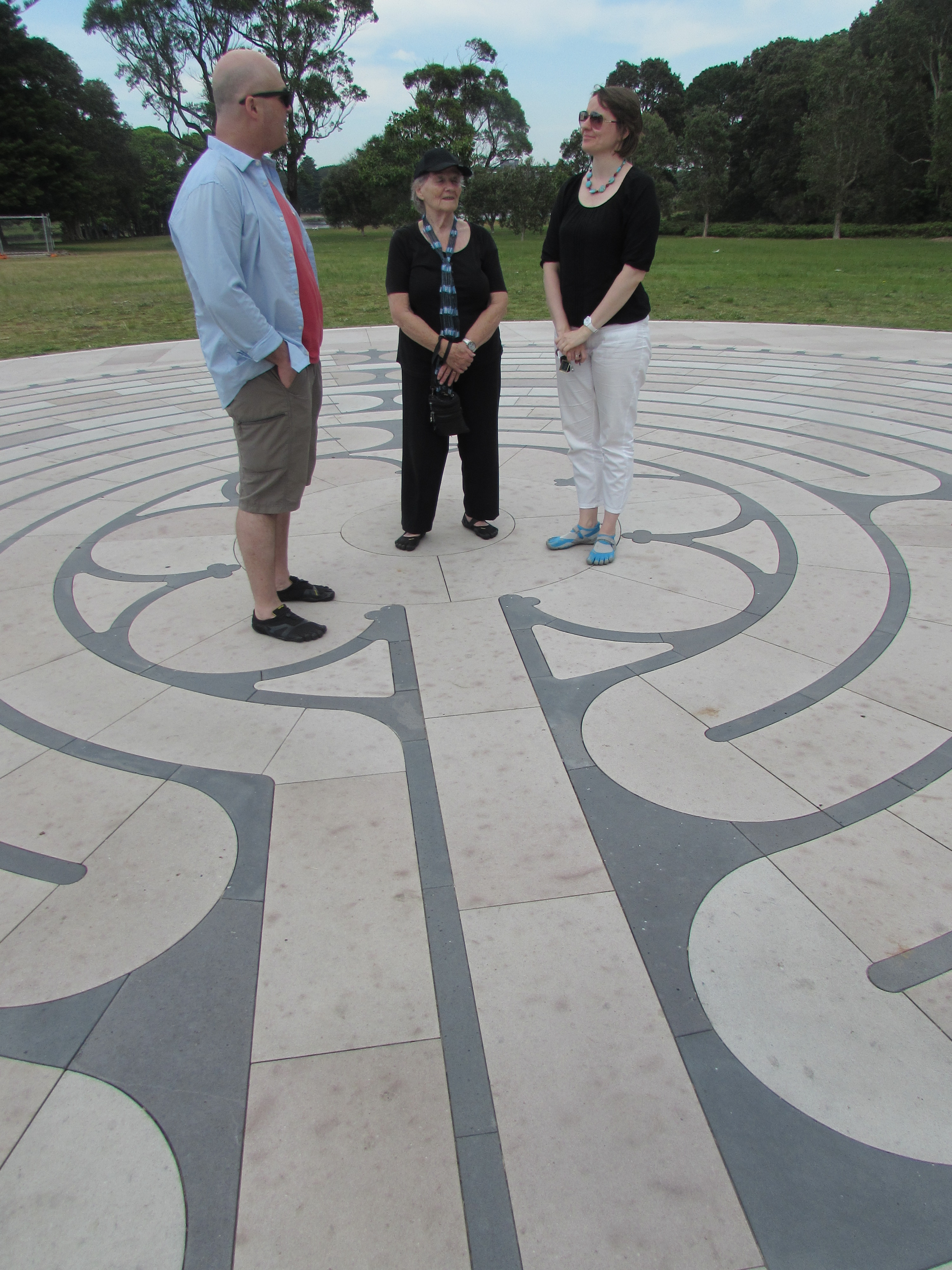
On our walk through the park Peter took more and more pictures. We were happy to have found the labyrinth and had fun walking to the middle of it and back to the outside again.
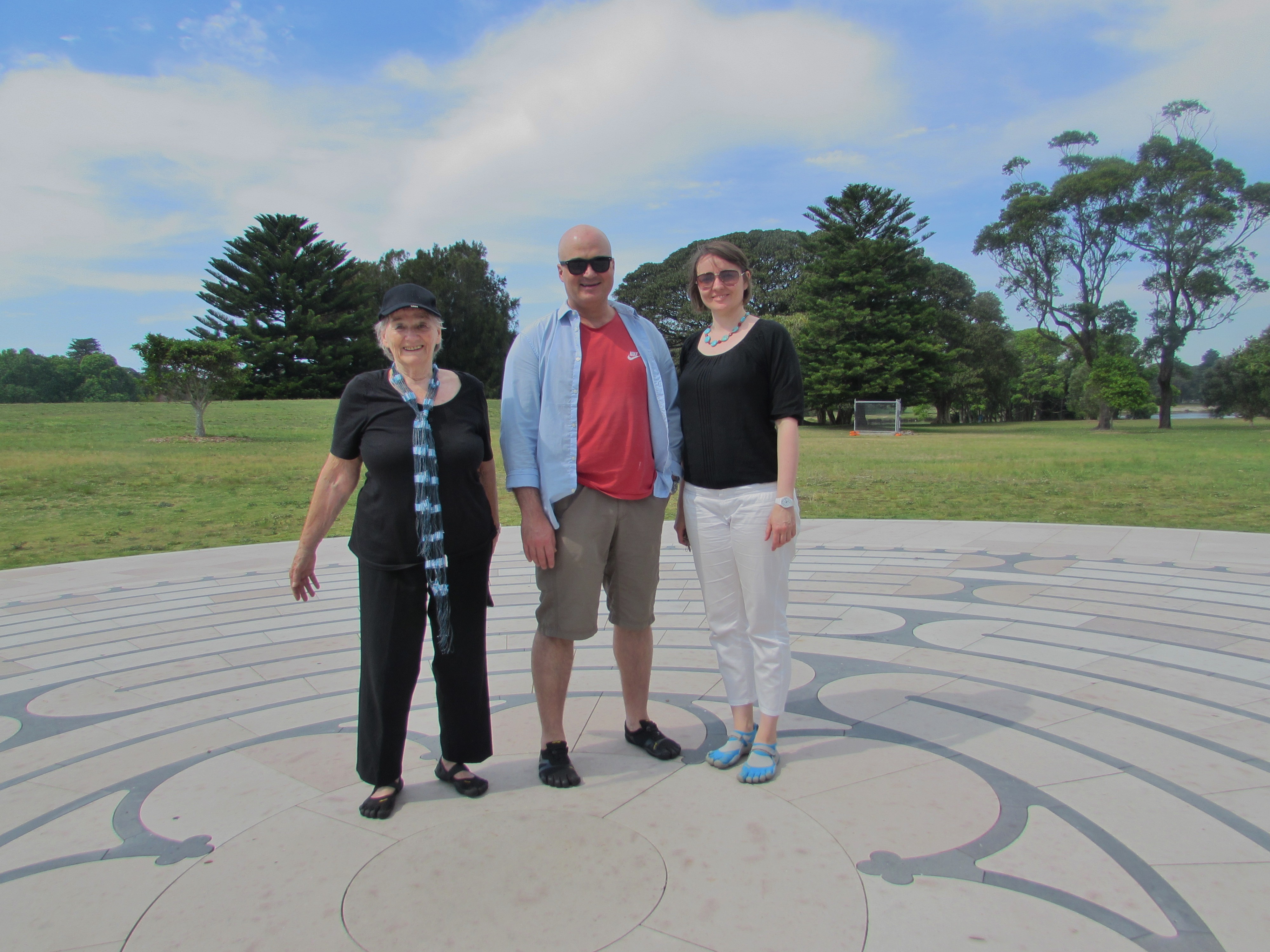


“Centennial Park is home to Sydney’s first public stone labyrinth, and possibly the most intricately built labyrinth in the world.
The Labyrinth is a magnificently crafted pathway designed for quiet reflection and exploration. You can find it adjacent to the northern end of Willow Pond (off Dickens Drive) in Centennial Park (see map).
The Centennial Park Labyrinth is an 11 circuit sandstone labyrinth, based on the design of the medieval labyrinth in Chartres Cathedral in France, which dates from the early 13th century.
Used as a tool for reflection or meditation in many cultures a labyrinth has been acknowledged for its therapeutic and medical benefits. Find out more and learn how to walk it.”
I found the above in Google. We spent the weekend in Sydney. On Sunday morning Caroline, Matthew, Peter and I had a beautiful walk in Centennial Park. We also had a walk in the labyrinth.
There is no single solution to the tragedy of escaped fires</h1>
<span><a href=”http://theconversation.com/profiles/trent-penman-197032″>Trent Penman</a>, <em><a href=”http://theconversation.com/institutions/university-of-melbourne”>University of Melbourne</a></em></span>
Prescribed burning is a highly contentious topic, particularly this week after an escaped burn near Lancefield in Victoria. The burn jumped its containment under high winds, resulting in the reported loss of two homes and several other buildings. The government has announced an independent investigation of the incident, due to report in a couple of weeks
This is not the first time this has happened. In November 2011, a prescribed burn in Margaret River in Western Australia escaped and burned down some 30 houses.
In September 2013, a similar incident occurred at the base of the Blue Mountains west of Sydney, where no houses were lost but several buildings were reportedly damaged.
The incidents have prompted questions over whether prescribed burning is worth the risk, and whether property losses could be prevented through better management. The loss of one or many houses from fire impacts not only on the residents of that house, but the entire community.
Unfortunately, house loss from fire is part of the risk of living in a fire-prone land and there is always going to be pressure on land managers to try and reduce this risk.
How fire agencies plan prescribed burns
Fire management agencies around the country take great care in planning and implementing prescribed burns. An agency responsible for a burn will spend weeks and sometimes months planning the logistics of a burn.
In this process they must give consideration to a host of factors such as fuel loads, biodiversity, water and assets such as houses and infrastructure that may be at risk, both within the burn area and outside it.
Before the burn, access tracks are cleared to make it safe for operations, and the agency will inform neighbours through media, letterbox drops and occasionally public meetings.On the day (or days) of a burn, an agency must only burn if the weather conditions both during the planned operation and in the following days are within given prescriptions.
They must also consider where the smoke will go and how that may impact traffic, local residents, schools, and hospitals. Given the range of people affected by a fire and the values they hold, the plans of agencies will never please all of the people all of the time.
But the best laid plans of mice and men often go awry. A common thread to most of these incidents is that the weather that eventuated was far more dangerous for fires than was predicted when the burn started. For example, the Margaret River enquiryfound that wind speeds were 35% higher than predicted. Everyone has made plans on a Monday for the following weekend only to find the forecast has changed and what originally looked like a nice day at the beach is now cold and wet.
Prescribed burn planners need to do just this and plan based on the week’s weather forecast before starting a prescribed burn. This is not to criticise weather forecasts made by the Bureau of Meteorology, it is simply the reality that fire management agencies have to live with.
Agencies incorporate this risk into the decision-making process when first developing the prescriptions for conducting a burn. They are incorporated again by ground crews for every fire when the decision is made to ignite each prescribed burn.
Many would question, is it worth persisting with prescribed burning if we have to endure these losses? The answer is not a simple yes or no, but a question of where and how much prescribed burning is needed to change the risk to the things we value in the landscape.
Nobody wants to see people and property affected by wildfire, but the harsh reality is that we have created the problem by developing cities and towns in high fire risk areas. Australia is not unique in this respect as this is a problem in many fire-prone landscapes around the globe.
Many people opt for a tree change and move away from the urban centres to the urban fringes or semi-rural landscapes to get the feeling of naturalness. Often these people do not realise or appreciate the nature of the risk to which they are exposed. Fire agencies are faced with an increasingly complex situation where they are attempting to reduce risk to people and property while maintaining the environmental values which attracted residents to the area in the first place.
Our research here and that of others, has shown the most effective means of reducing risk to property in these interface zones is by agencies reducing fuels next to houses (where the risk of burns escaping and impacting on the communities is highest) and by residents adequately preparing their property for fire. There is a shared risk that needs to be acknowledged by all parties.
Is the risk of a prescribed burn escaping and impacting on people and property higher than the risk of not undertaking the prescribed burn and having a wildfire impact upon the same area resulting in the same or greater loss?
Would agencies be better investing in engagement with communities to prepare them for the upcoming fire season and treat less area adjacent to houses?
These are questions that researchers, land managers and residents in fire-prone landscapes are constantly grappling with. Those who have experienced damaging wildfires often argue the agencies should have done more before the fire, but if you lose your house in a prescribed fire you might be of a different mindset.
In my opinion, there is no single solution. The answer will vary across the country and will be dependent on what risk from fire residents are willing to accept.
<p><span><a href=”http://theconversation.com/profiles/trent-penman-197032″>Trent Penman</a>, Lecturer, Bushfire Behaviour and Management, <em><a href=”http://theconversation.com/institutions/university-of-melbourne”>University of Melbourne</a></em></span></p>
<p>This article was originally published on <a href=”http://theconversation.com”>The Conversation</a>. Read the <a href=”https://theconversation.com/there-is-no-single-solution-to-the-tragedy-of-escaped-fires-48828″>original article</a>.</p>
Jane Goodall spent years observing chimpazees in the wild. She discovered that the animals can murder and wage war. As an environmentalist, the British activist now spends more time observing humans. She says she still has hope in people.

“What we’re talking about here is global Internet censorship.”

Digital rights groups warn that TPP “will criminalize our online activities, censor the Web, and cost everyday users money.” (Photo: Getty)
The “disastrous” pro-corporate trade deal finalized Monday could kill the Internet as we know it, campaigners are warning, as they vow to keep up the fight against the Trans Pacific Partnership (TPP) agreement between the U.S. and 11 Pacific Rim nations.
“Internet users around the world should be very concerned about this ultra-secret pact,” said OpenMedia’s digital rights specialist Meghan Sali. “What we’re talking about here is global Internet censorship. It will criminalize our online activities, censor the Web, and cost everyday users money. This deal would never pass with…
View original post 465 more words











 AuntyUta