One Month ago

img_1310
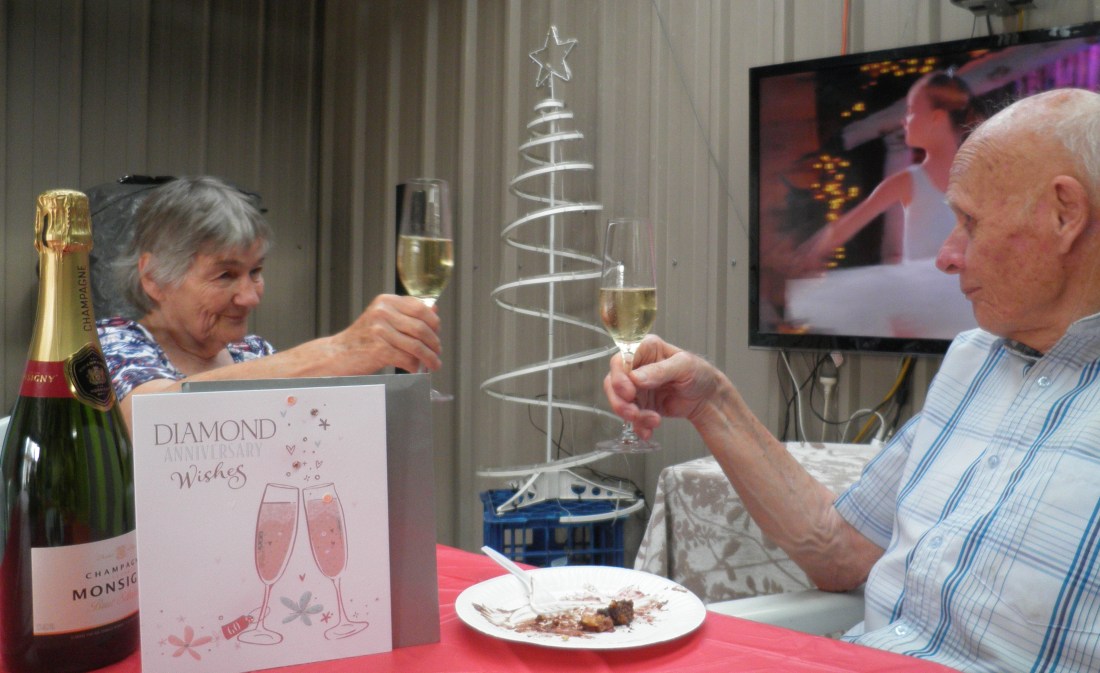
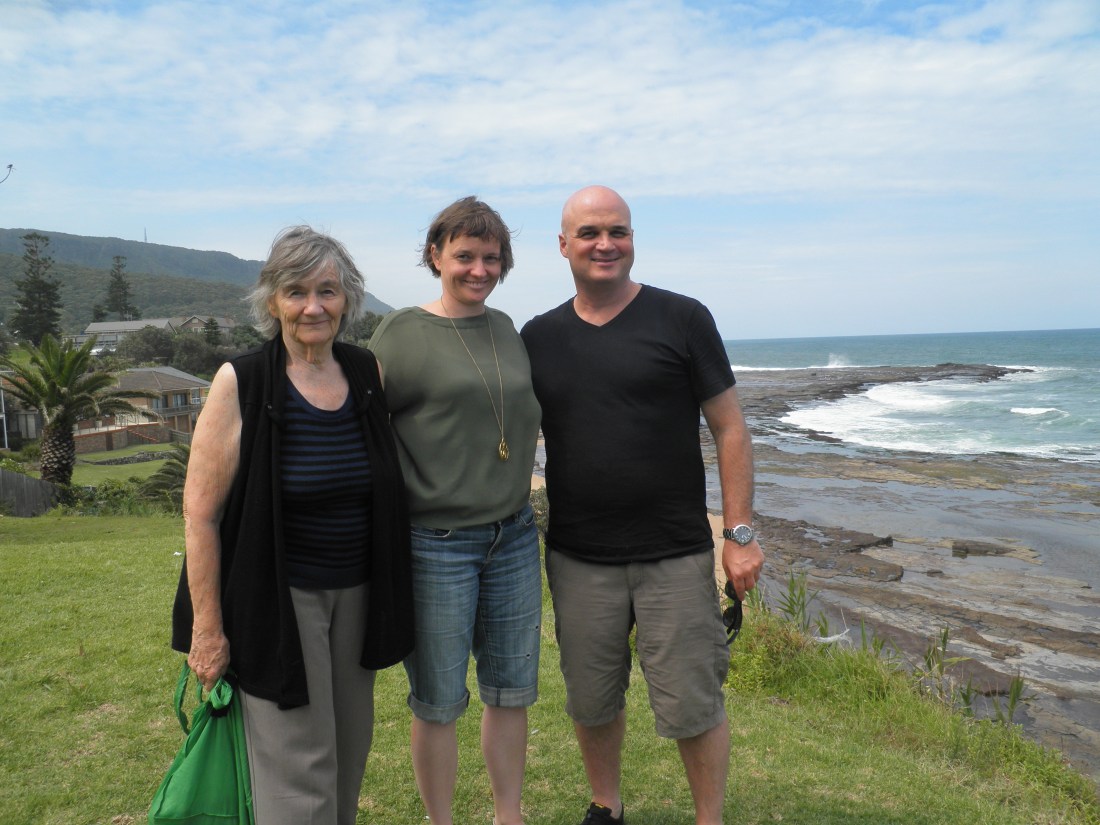
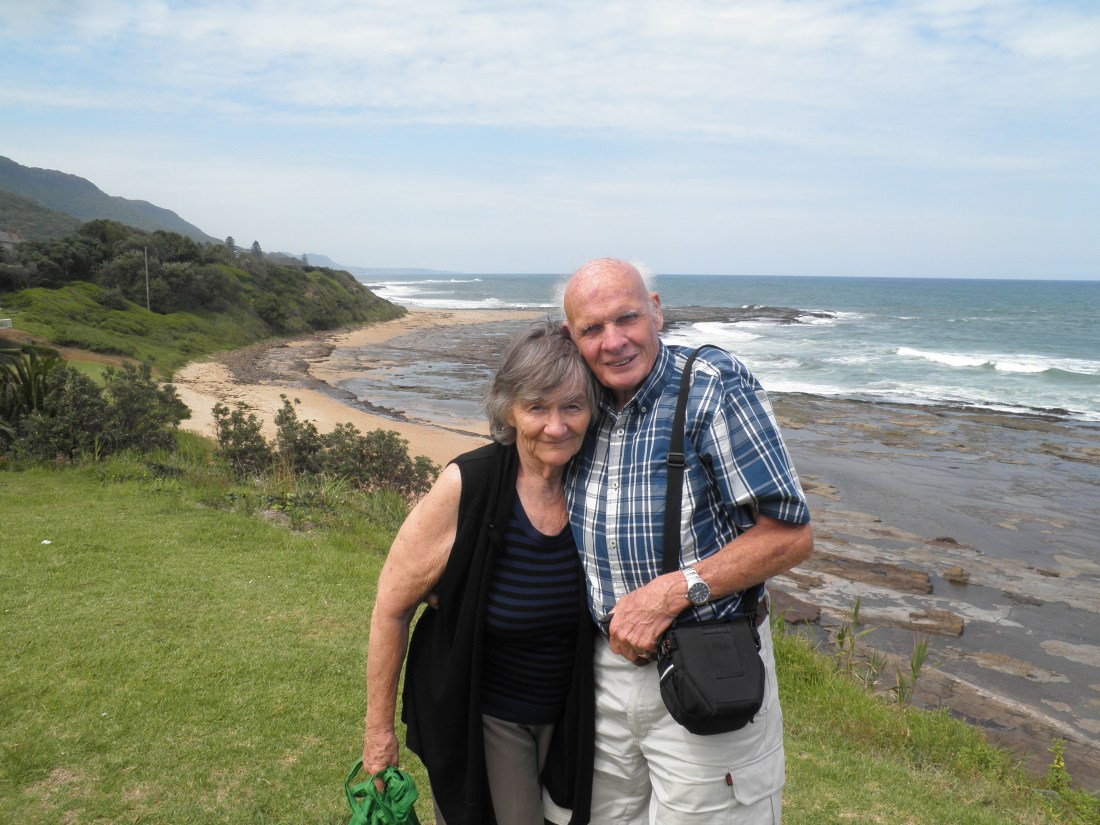
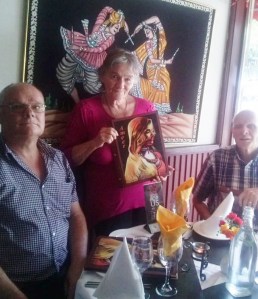
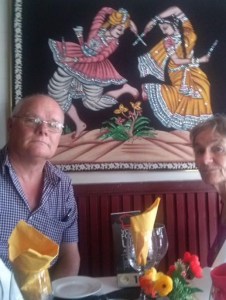
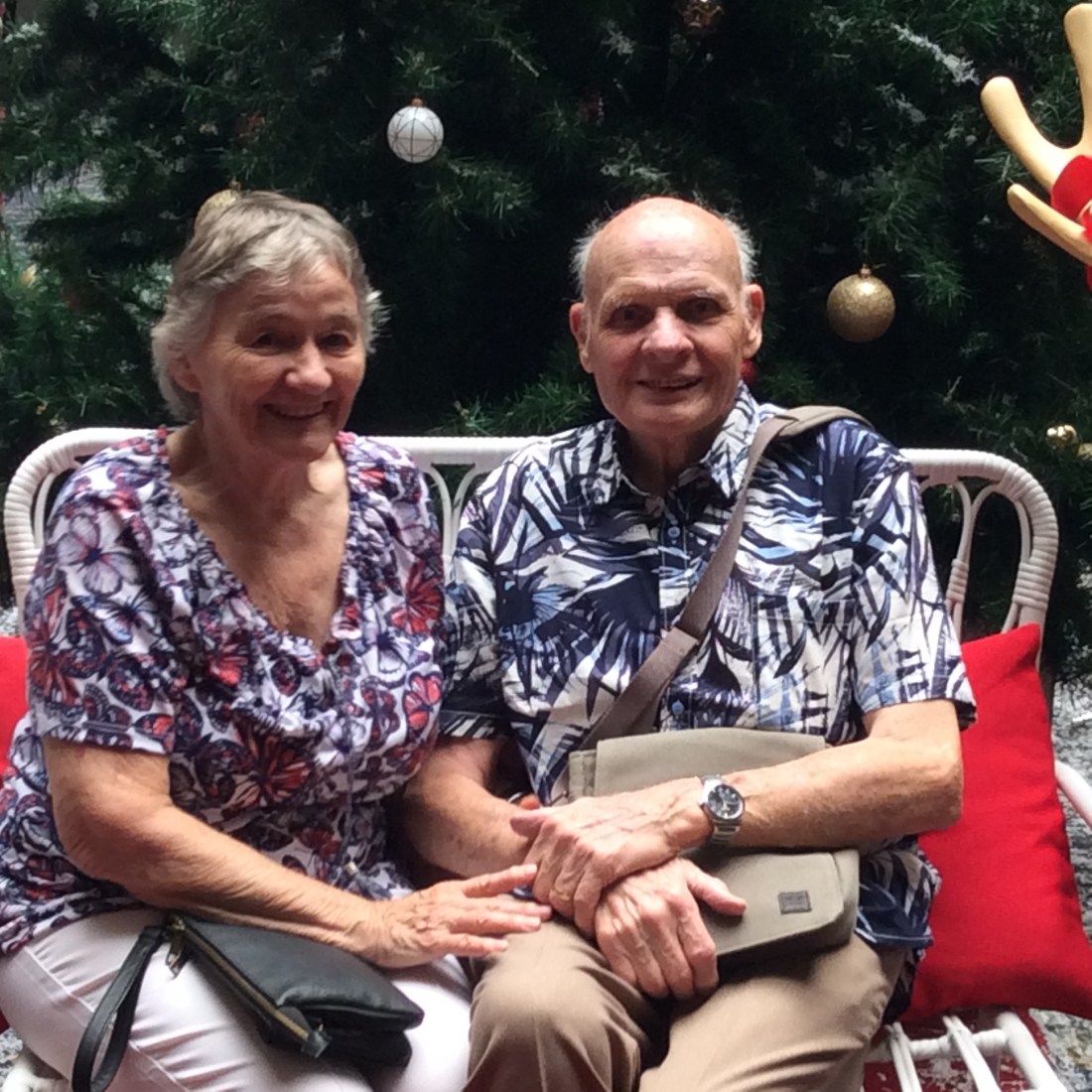
This picture was taken exactly one month ago on the day of our 60th Wedding Anniversary.

img_1309

We visited our grandson with his family on our way back home from Melbourne. The above layout pictures are from our visit at the farmhouse where Tristan and family live now.

img_1348
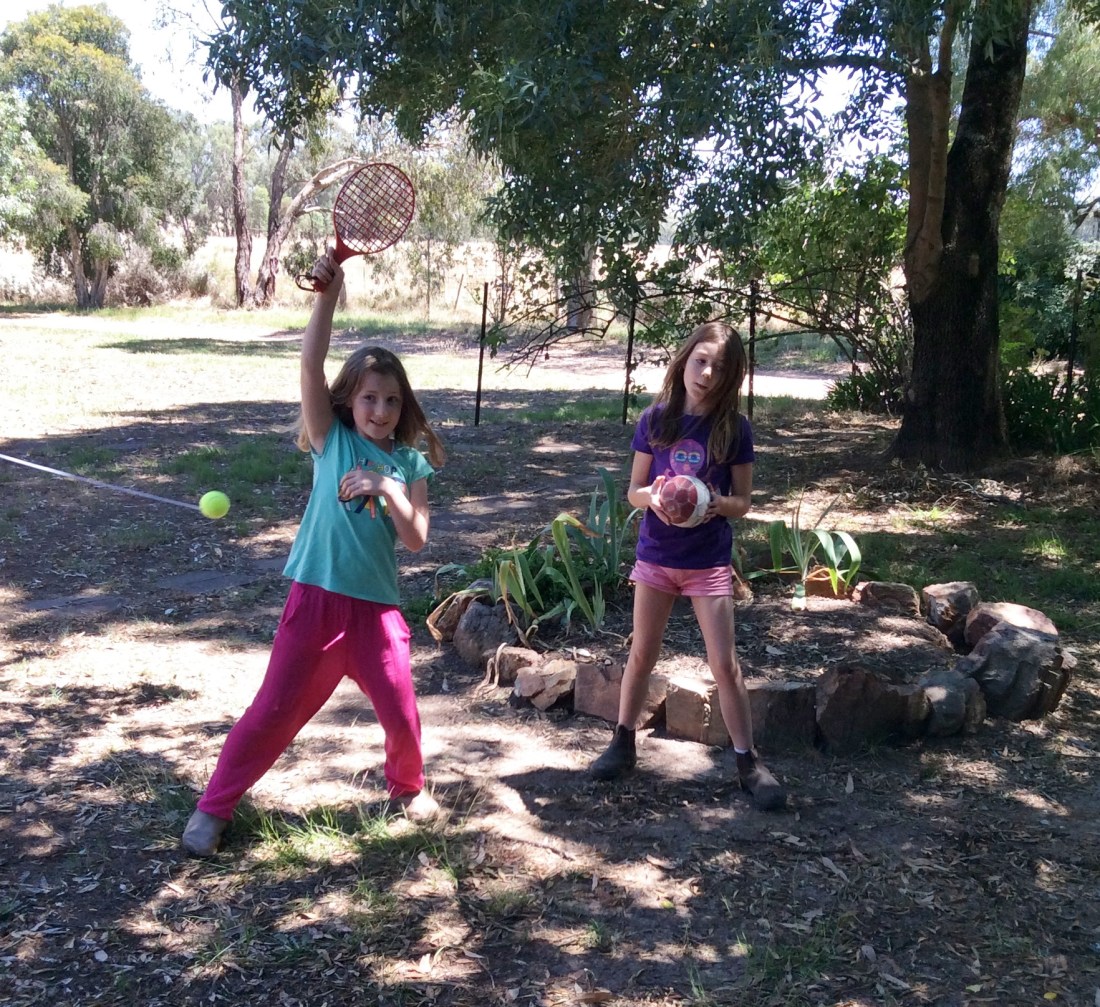
These are Kia and Jaki, our great granddaughters.
img_1357
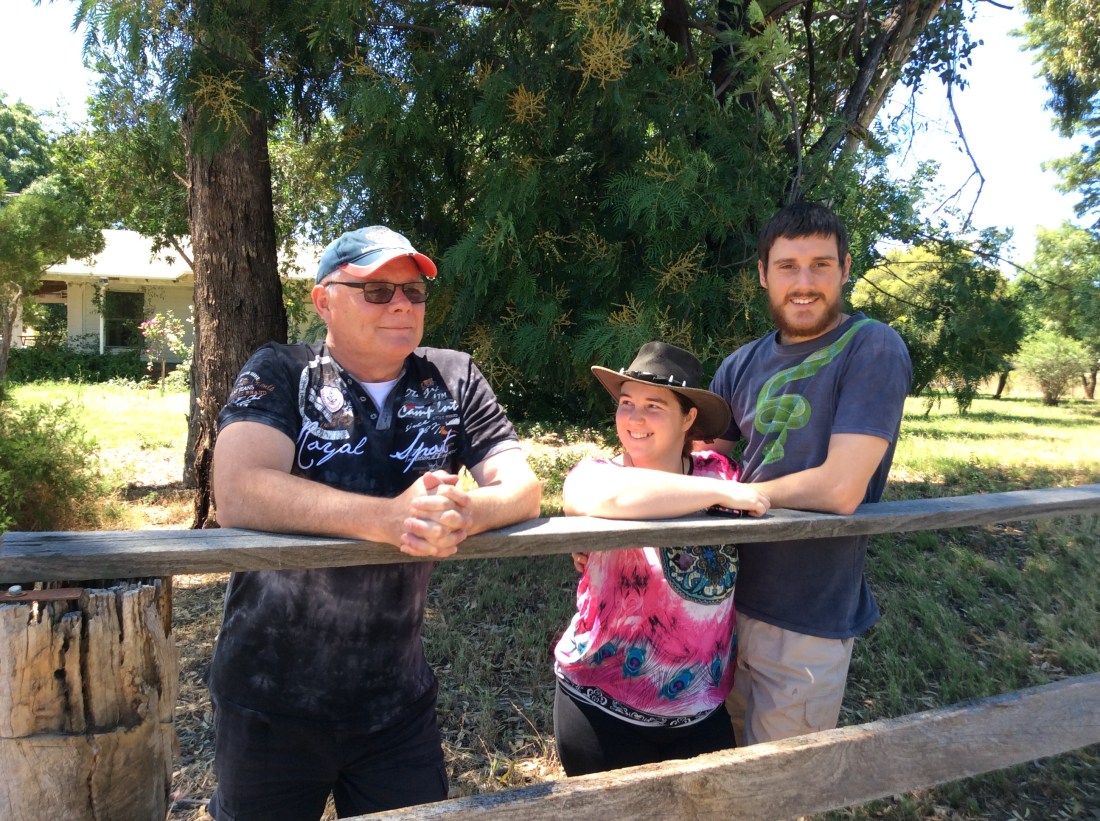
Son Martin and grandson Tristan with his wife Stephanie

img_1349

img_1358

img_1352

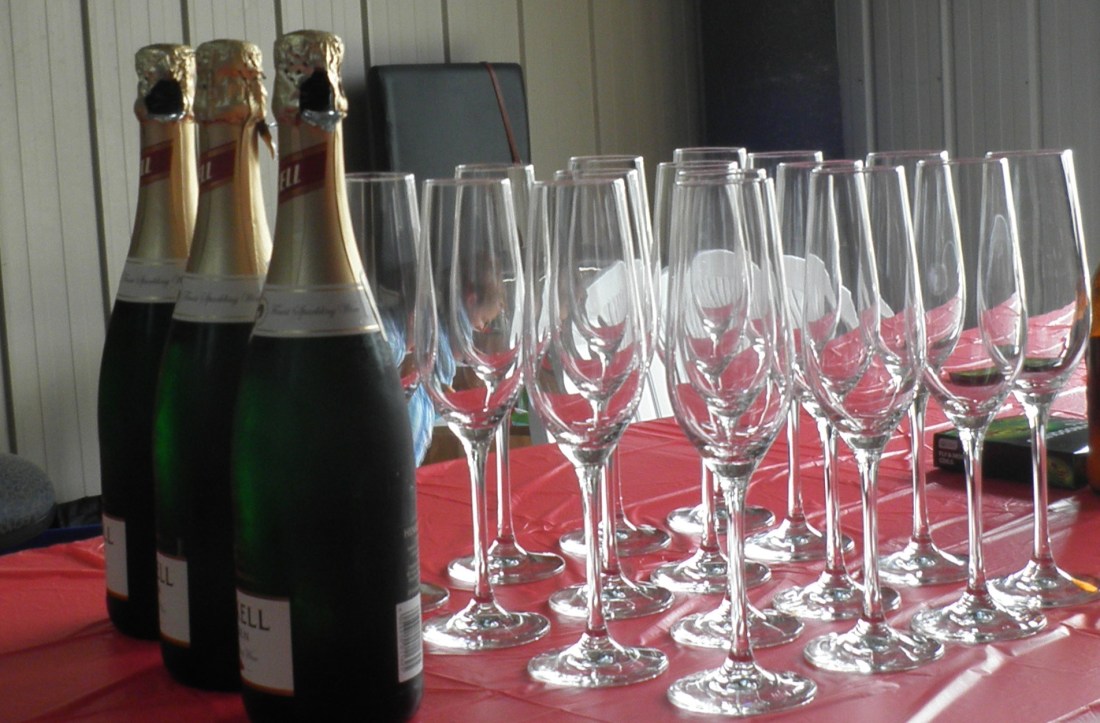
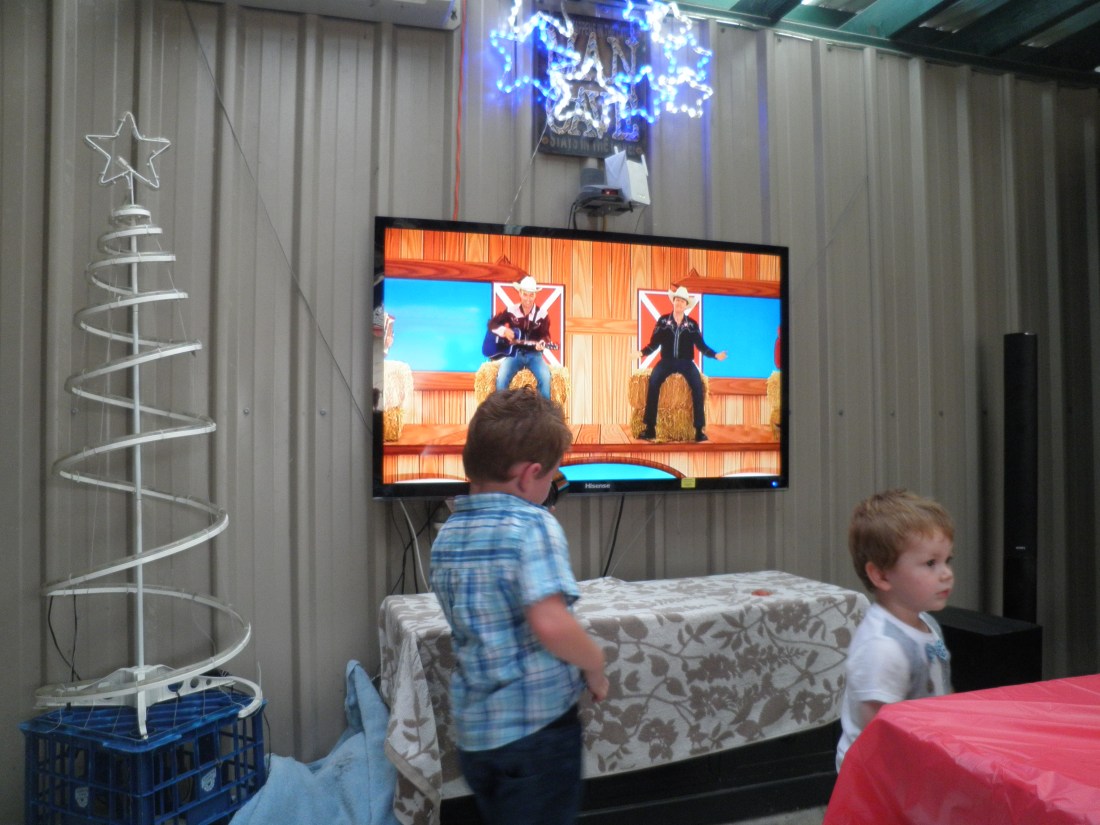
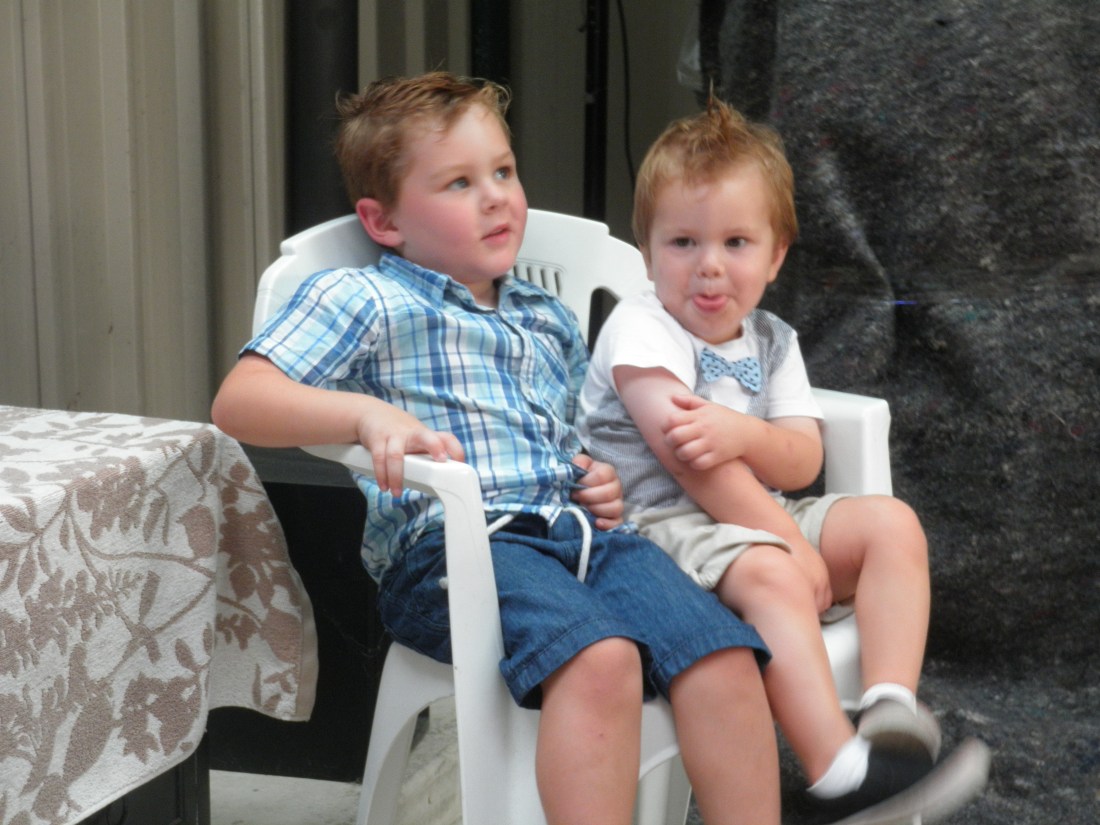
The following are some pictures from our anniversary celebrations on Christmas Eve:

OLYMPUS DIGITAL CAMERA


OLYMPUS DIGITAL CAMERA

OLYMPUS DIGITAL CAMERA

OLYMPUS DIGITAL CAMERA

OLYMPUS DIGITAL CAMERA

OLYMPUS DIGITAL CAMERA

15697847_1282059555148670_5005975641204185781_n


Puzzles

OLYMPUS DIGITAL CAMERA

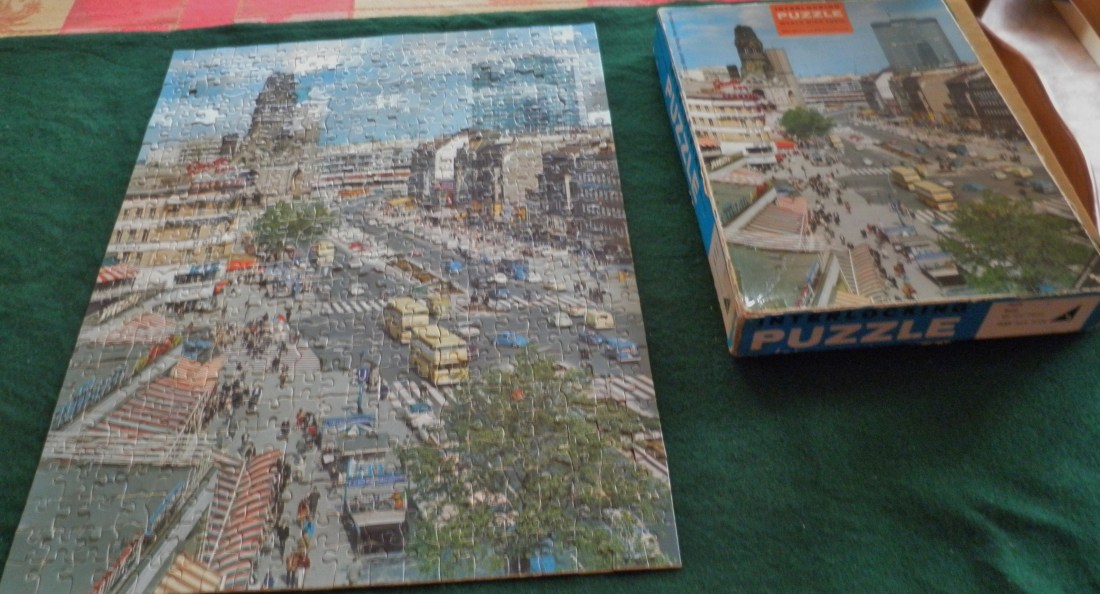
This Berlin puzzle we have had for many, many years. We have had it for so long, that our middle aged children can remember it from their childhood! Amazingly it is still intact, didn’t get thrown out yet with all the other things. Martin occupied himself doing it one night before last Christmas when he stayed at our place.

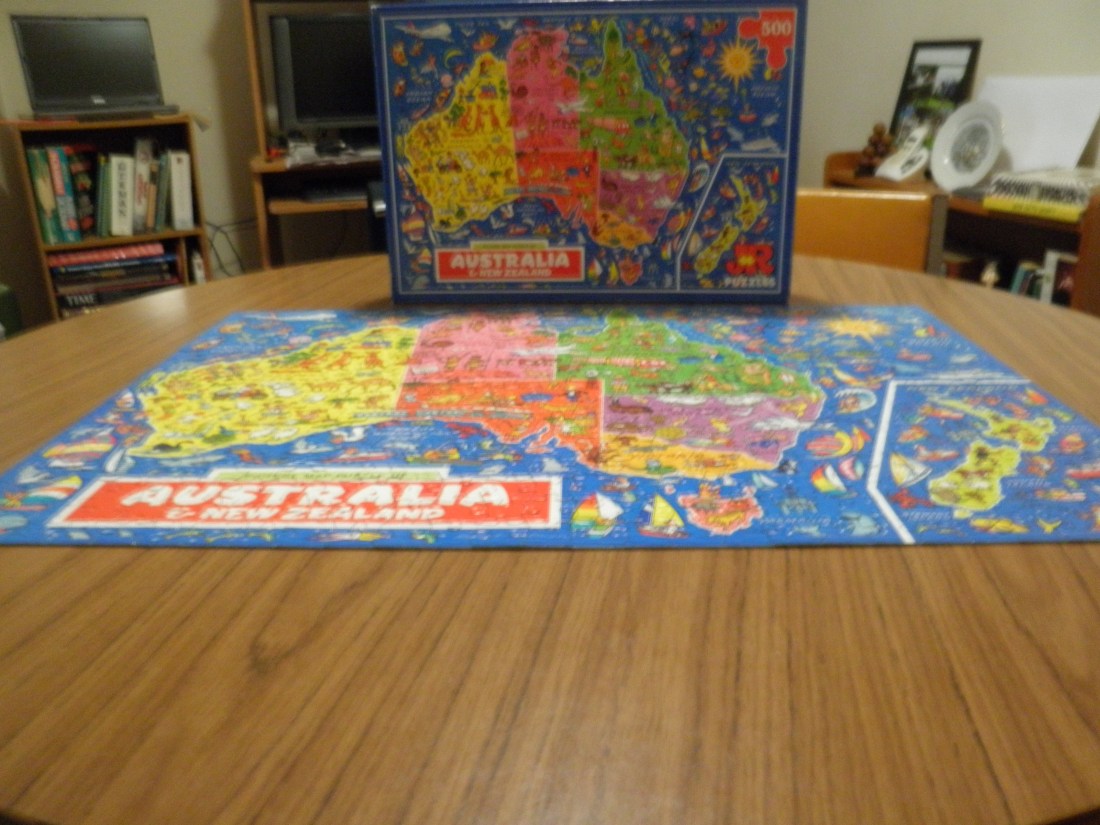
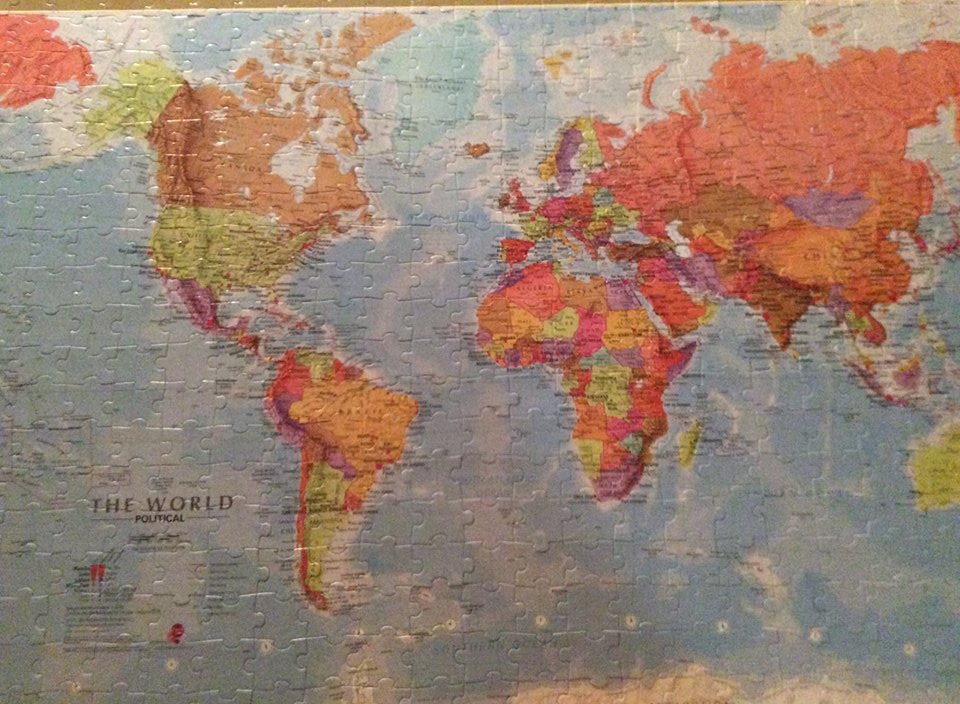
After the Christmas of 2016,  Peter and I stayed at Martin’s place in Melbourne. It did rain a lot. So we asked Martin, could he show us one of his puzzles. We ended up doing a world puzzle, and I think we took a picture of it after the puzzle was finished, but tight now I cannot find this picture. But I found a picture of another of Martin’s puzzles that we did all together on New Year’s Eve:

OLYMPUS DIGITAL CAMERA

This Australia puzzle looked quite easy to do, but I thought it was actually not all that easy.

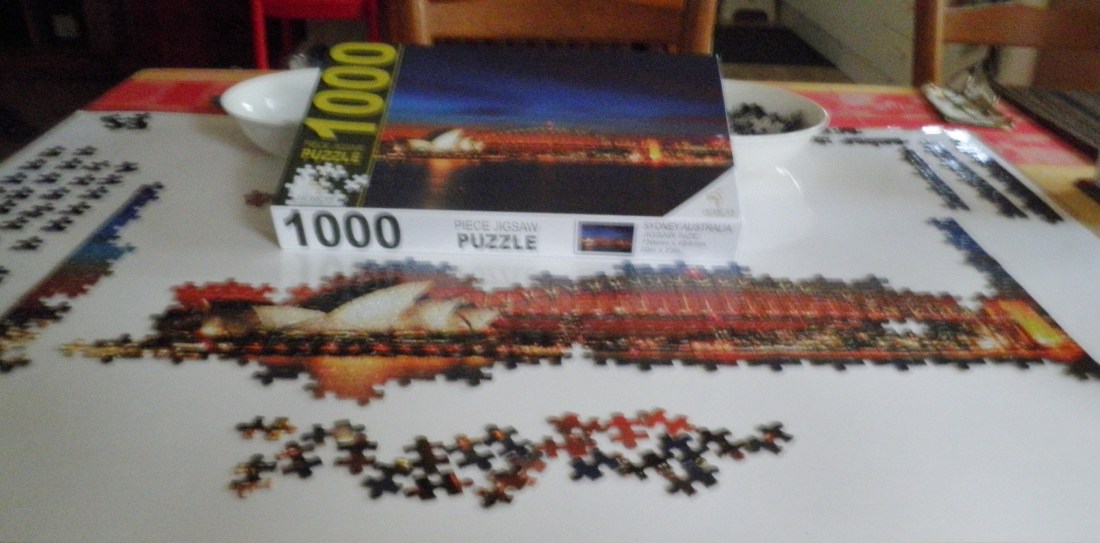
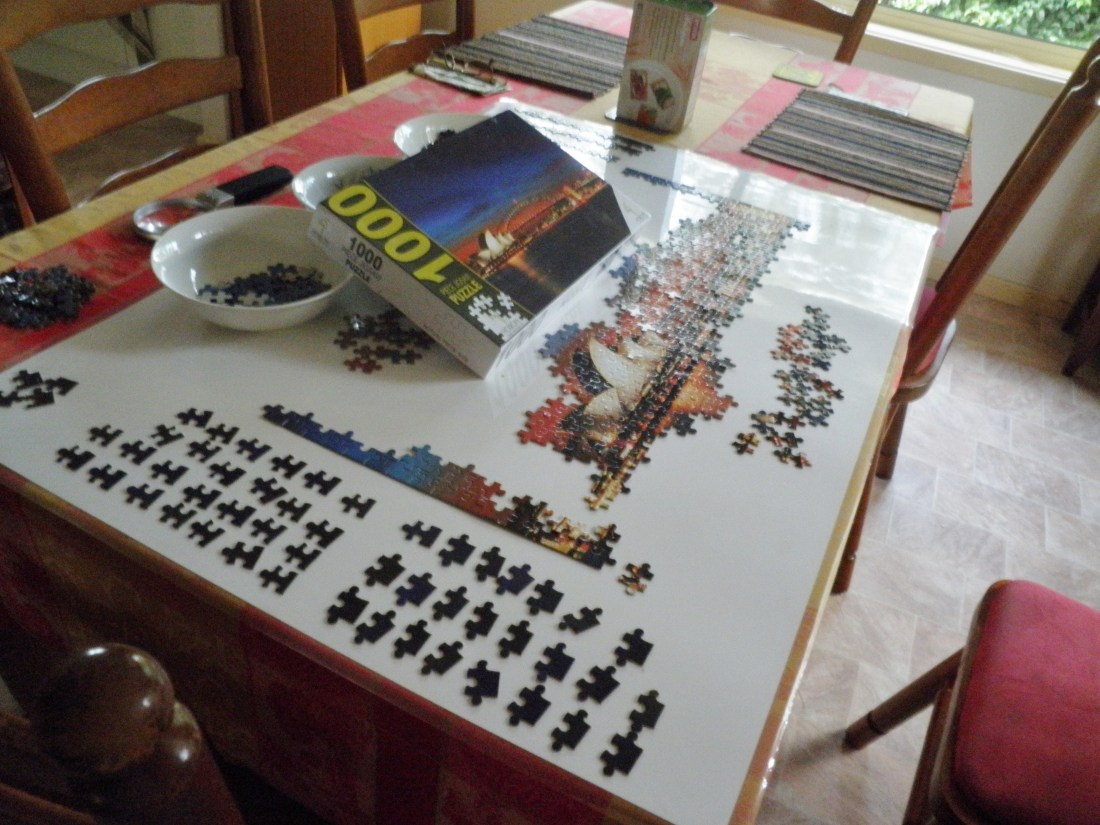
Back home in January I wanted to try out a new puzzle that we bought. It had a lot of water and sky in it. So I expected it to be very, very difficult.  The picture of the Sydney Harbour Bridge and the Sydney Opera House in the middle of the puzzle, for sure I could manage to do this, couldn’t I? Well, I was wrong. It took me a long, long time just to do this little bit. I did not want to leave it on our dining table for days on end. So I packed it away again. Is there anyone who would like to do it for me? I did not throw it out yet. I only packed it away, sorted out in different little bags. Anyone is welcome to have a go at it!

OLYMPUS DIGITAL CAMERA

OLYMPUS DIGITAL CAMERA

P.S. I asked Peter about the picture of that other puzzle. And surprise, surprise, he found it in the cloud! So he copied it for me to use it. It took him a while to work out how he could get it out of the cloud!

15800032_1567776623251676_7614894314032333827_o
Here is the picture of the other puzzle that we did with Martin.

Uta’s Diary, January 2017

Towards the end of last month Caroline and Matthew moved back to Sydney. Since they both work in Sydney, they save a lot in travelling time by living in Sydney again. Peter and I do not see them so often anymore and we do miss  them! There are visits of course, but visits cannot take place all that often. So naturally we are just by ourselves now most of the time. Still, at least Peter and I still have each other. We cannot help to sometimes  think about it, that there might come a time when maybe one of us is going to have to cope without the other. This makes it important to make the best of the time that we still are together and appreciate every day of it.

I was thinking today about what it was like a year ago when Caroline and Matthew had just moved in with us. I thought it would be interesting to look up a few posts that I published ten or twelve months ago. I ended up having a close look at these two posts:

Uta’s Diary two Weeks before Easter 2016

Uta’s Diary, February 2016

OLYMPUS DIGITAL CAMERA
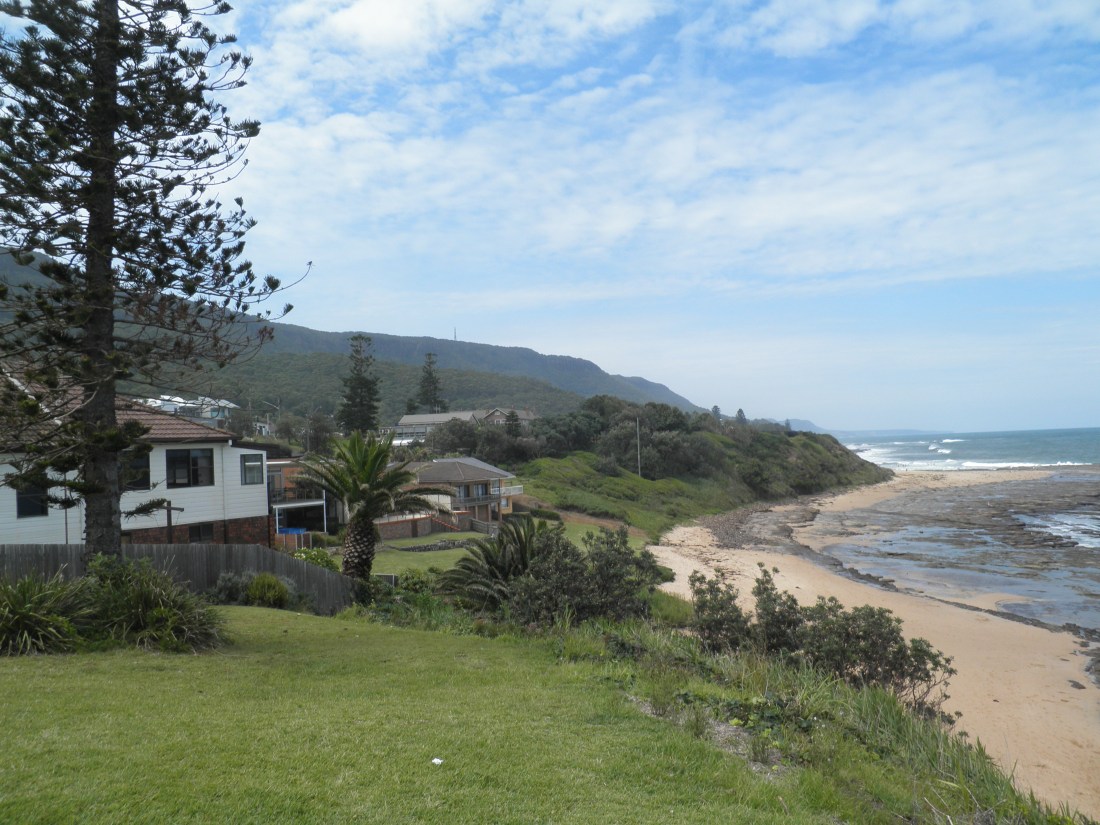
On some weekend last year Matthew drove all of us to a club-house where  we had some good Aussie food for lunch. This view of the  beach was a few steps away.

OLYMPUS DIGITAL CAMERA

OLYMPUS DIGITAL CAMERAOLYMPUS DIGITAL CAMERA

My Memories of Australia in the 1960s

I think back to what Sydney was like in the 1960s. Oh, so much has changed since then. On a Sunday you would see hardly any people in the city, Outside cafes? Not in your dreams.

I cannot recall that I noticed then a lot of homeless people. When our daughter became sick with the polio virus, she received in Sydney the best of medical care paid for by the Hospital Fund. We were recent migrants. My husband was on very low wages, but we had no money problems, none whatsoever!

Our diet in the 1960s included of course fish and chips and meat pies, also topside steak (which was very affordable) and minced meat and occasionally a leg of lamb roasted in the oven. I never liked to eat chicken, but I cooked it for the family. Of course we could always afford to buy fresh vegetables and fruit. We thought Australia was the best country for our young family. We had three children within three years, and I was able to stay home with them! We were also able to save up for our own block of land to build our own house on with a loan from a Building Society. So we were able to get by on my husband’s low wages. We were never without some kind of accommodation or basic food. We did not spend a lot on clothes. How about that? Unheard of today!!

We never borrowed any money. Our only debt was for a second hand car and later for a very low priced house.

Kevin Rudd: reflections on a troubled country and a troubled world December 16, 2016

https://theconversation.com/kevin-rudd-reflections-on-a-troubled-country-and-a-troubled-world-70528

Kevin Rudd
Senior Fellow, John F. Kennedy School of Government, Harvard University

Disclosure statement

Kevin Rudd was the 26th prime minister of Australia, representing the Australian Labor Party. He is the President of the Asia Society Policy Institute, a Senior Fellow at the Belfer Center for Science and International Affairs and is also a Visiting Fellow with Harvard’s Institute of Politics.

This is an edited extract from a speech delivered by Kevin Rudd, the 26th prime minister of Australia, on his receipt of an honorary doctorate of laws from the Australian National University on December 16, 2016.

“We live in a deeply unsettled world, where once again the great questions of war and peace rumble across the international headlines, casually, almost as a matter of routine, as if we have become inoculated to their actual meaning.

We live too in a troubled country, with growing uncertainties on how we carve out our economic future.

We also live, some of us, in troubled communities, where the politics of race once again raise their ugly head.

In Indigenous Australia, where reconciliation seemed possible, we now seem to be sliding back into older, more familiar patterns of division and despair.

And then there is the planet itself, which we all share. Despite the best efforts of many, we will pass it to later generations in sad disrepair.

But our national cup remains more than half-full. There is much to celebrate, much to be grateful for from those who have gone before us, and even more to encourage among our fellow Australians for the future.

Our land and our people have indeed been deeply blessed. Yet I fear that part of our cup that remains empty may become the larger part.

But somehow we seem powerless to act. It is as if we have lost our national bearings. Lost in a national culture of learned helplessness. Lost in what the Jesuits call “the globalisation of superficiality”. Losing faith too in our national institutions.

We are satisfied instead by this shrieking culture of partisan recrimination, and the kabuki play that now passes for our national politics – where the room for discourse on the deep questions of our future has become increasingly marginal; where any discussion of national vision, let alone global vision, disappears amid the deafening howls of derision from a political class and large parts of the commentariat whose first instinct is to tear down, never to build up.

This is all reinforced by national elites, both of the right and the left, both corporate and union, including both academia and the media, increasingly incapable of honest self-reflection.

It is as if we have produced such a vicious public culture, well beyond the realms necessary for robust disagreement and debate, in which to admit error is to admit weakness and therefore to yield to defeat.

These seem to me to be some of the core cultural elements of our current national malaise, which places facts last and opinion first, with what we once called truth now seen as little more than subjective illusion.

And it is this malaise that infects our ability to even begin to conduct a civilised national conversation about the substantive policy, corporate and communitarian possibilities for our country’s future, and its future in the world.

As a former prime minister of this country, I am not innocent of any of these charges. And some may say that now that I live in America, although returning here several times a year, that I am now least qualified to comment.

Perhaps they are right. Perhaps, however, it gives me a different perspective. A perspective that sees these forces now at work not only in Australia, but across the collective West, where the very notion of “the West” itself, and the combined traditions of faith and the enlightenment it represents, begins to slide into civilisational irrelevance, as collateral damage in a post-modern world.

I retain a passionate commitment to this country, its future, and what we Australians can and must do in this troubled world.

And that is where the next generation of Australian leaders come in, because it is this generation that will decide which path we take – and the hour is already late.

The two visions for Australia’s future

When it is all boiled down, there are two visions for Australia’s future: one broad, the other narrow.

One is confident of its core values of individual freedom, fairness, compassion, creativity, enterprise – all anchored in the institutions of our democracy.

One sees our future lying in an expansive, inclusive, tolerant society, based on the abiding principles of mutual respect and the guarantees of equal rights and protections for all.

The economy is driven by innovation, enterprise, fully wired to global markets, where small businesses are encouraged to become big businesses and then global businesses, and where employees are seen as partners rather than objects.

This is an Australia whose national politics is capable of seeing the paramount importance of investing in the infrastructure, the industries, the skills formation and the immigration levels needed for tomorrow, in order to boost our national population, our workforce participation and our economic productivity for the future.

An Australia that sees itself as an integral part of the regional and global community, where our values and our interests are enhanced by comprehensive international engagement, where we are active contributors to the global solution to challenges like sustainable economic growth, climate change and asylum seekers, rather than just being part of the global problem.

There is, however, an alternative Australia.

This is a society that is insular, judgemental and intolerant of diversity. We are retreating to the illusions of a racial and cultural laager, the legacy of what we thought was a long-distant past.

This economy is governed by the self-congratulatory arrogance of many of our corporate elites, whose mediocrity is such that in 100 years we have failed to produce a single, memorable, “made in Australia” global brand, content instead with the comfortable confines of a domestic market of 24 million, and content too with a market seen by the rest of the world as little more than “treasure island”.

A narrow politics is content with the continued appeasement of BHP and Rio, as if these two corporate behemoths should mystically be equated with the national interest, nourished by the illusion that the mining boom would magically last forever, and that building a more resilient economic foundation based on national broadband, higher education and the industries of the future, reinforced by strong immigration, was therefore somehow redundant.

Or, more broadly, a narrow, inward-looking Australia sees the region and the world as a threat, rather than an opportunity, and one ripe therefore for playing the ever-diminishing politics of race, xenophobia and fear.

A big Australia

These are the alternative futures we face.

We can dream and build a big Australia – not just in the size of our population and the scale of our economy as necessary guarantees for our national survival, but, more importantly, an Australia that is big in heart, big in imagination, big in innovation, big in its entrepreneurial spirit.

This would include a politics capable of sustaining big ideas, not cringing from them, and Australia playing a bigger role in the region and the world – a role of which we can all be proud.

Or there is the alternative, a small Australia, which increasingly disappears into itself.

I stand, unapologetically, for a big Australia.

Leadership is not about the title you have. Leadership is about the values, the ideas and the initiatives you bring to the table – in your family, your workplace, your enterprise, your community and your country. It’s a question of whether, together, this great national family of ours can paint a bigger, broader canvas for our country, and as good international citizens in our troubled world.”

The New Democracy Party

https://newdemocracyparty.org.au/policy/principles/

I really like this Party’s PRINCIPLES:

All people have their own inviolable value
All people deserve to be respected and have the right to meet their full potential, which means all Australian citizens and residents have the right:
To feel safe
To justice
To shelter, adequate food, clean fresh water and clean air
To medical care
To education from early childhood to tertiary and beyond
To work and to make a decent living, for themselves and their families
To retire in dignity
To die with dignity
To seek and receive assistance in times of hardship
To all information on the policies, regulations and governance processes that impact them
To contribute their ideas, strengths and abilities for the betterment of society
To live their life in the way they choose as long as they do not hurt others
To government representatives that act as credible stewards of the country’s common wealth
The Government is accountable for effecting the above rights
Australia’s real resources, both ecological and human are finite and must be utilised in a sustainable way

Ameer Tandoori Restaurant

Welcome to

Ameer Tandoori Restaurant

We are delighted to have your company and invite you to taste quality
Indian Food at Ameer Tandoori.

Established since 1985, Ameer Tandoori Restaurant is located in Essendon
and is one of the oldest Indian Cuisines serving Australians and guests
from around the world.

With dishes originating from the Mughlai Empires,
our Tandoori Platters, Vegetarian and Seafood selection
gives you a wide variety to choose from.

Ameer Tandoori has been a highly recommended restaurant by many.
We welcome new guests and take pride in looking after our
existing customers.

To get a feel of what our customers have to say about Ameer,
visit our Testimonial’s Page.

If you’re unsure of what to eat, ask our experienced staff members and be assured to get the best recommendation considering your dietary requirements.

A private function room, BYO license and with the commitment of great customer service, Ameer Tandoori Restaurant is the place to have your next dine in experience.

_____________________________________________________________________________________________

10580059_1234495193246489_3287231261297145423_n
This picture was taken on New Year’s  Eve 2015
10583944_1234494933246515_2116972621504745772_n-1
This picture is also from New Year’s Eve 2015


15 Leake Street

Essendon VIC 3040

(03) 9379 7223 / (03) 9374 3461

info@ameertandoori.com.au

We had a great experience at this restaurant

Dangers of Genetically Modified Corn: New 90-Day Rat Study Destroys Corporate GMO Propaganda

stuartbramhall's avatarThe Most Revolutionary Act

GM proponents who constantly drone on with untrue claims that the science has clearly demonstrated GMOs as safe were dealt yet another blow shortly before Thanksgiving this past year.

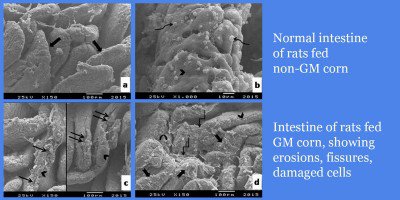
This is because yet another study has been published demonstrating the negative health effects of GMOs on the intestinal tract.

This study by Ibrahim and Okasha entitled “Effect of genetically modified corn on the jejunal mucosa of adult male albino rat.,” and published in the journal Experimental and Toxicologic Pathology has demonstrated that rats fed GM Bt corn MON810 for only 90 days did indeed suffer rather serious damage to the surface mucous membranes of the jejunum – which is part of the small intestine.

The specific type of corn fed to the rats was MON810: Ajeeb YG. This is a GM version of Ajeeb, which is a…

View original post 630 more words