Join Lily Serna as she explores the key ingredients to happy relationships and lasting friendships. From the science of laughter to how to instantly improve your dating odds, Lily reveals how important relationships are for long, healthy lives.
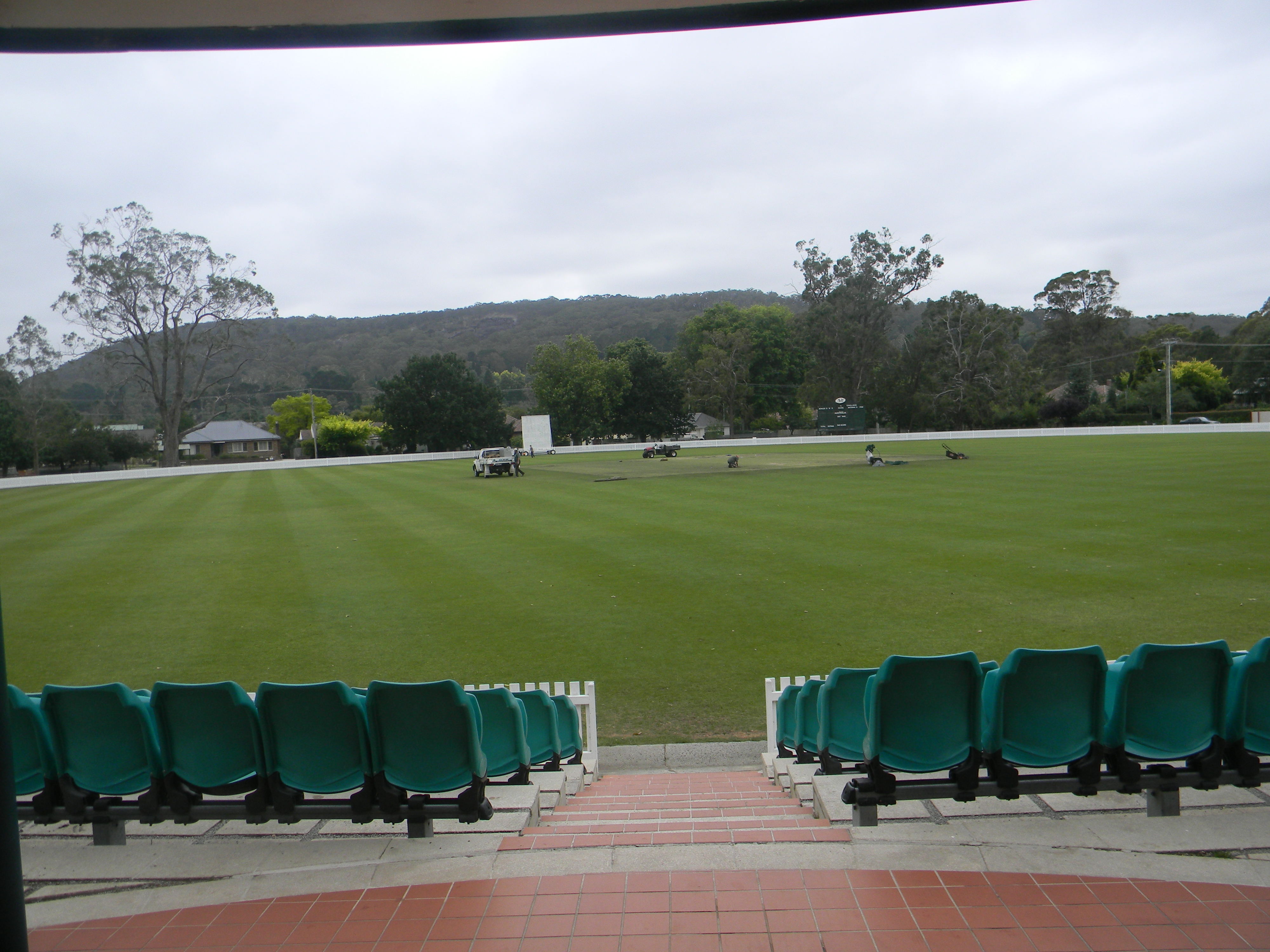
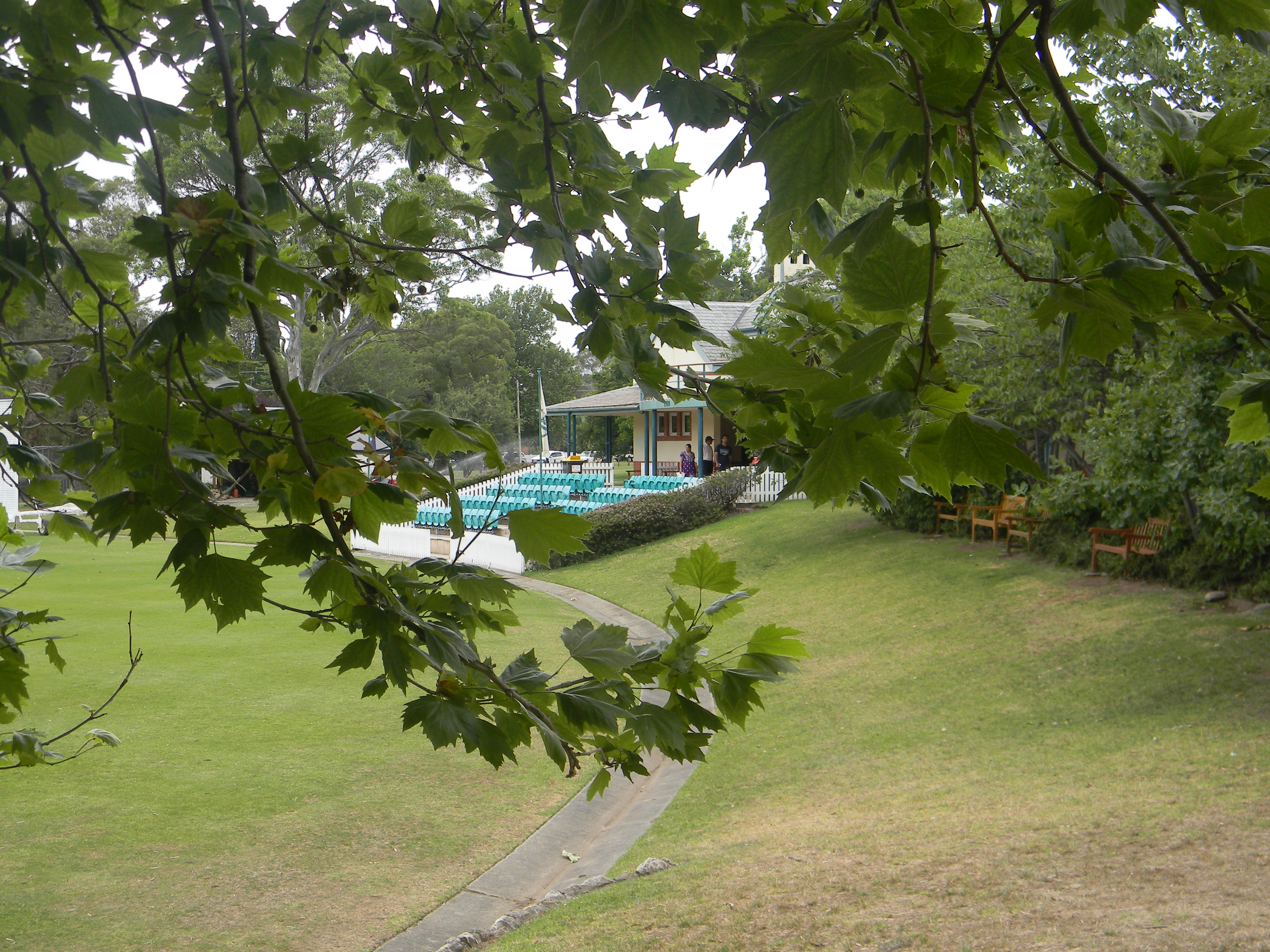
Peter took this picture on the 21st December 2012, our Wedding Anniversary. The Corbett Gardens are in Bowral. This day in 2012 was the last time we went to see the Gardens. Over the years we did go a few times to have a look at the tulips there in spring time during the tulip festival. This year we missed out again on seeing the tulips there.
Two years ago in December we quite liked to walk through Corbett Gardens on a summer day. There were no tulips there, but the gardens looked lovely none the less.
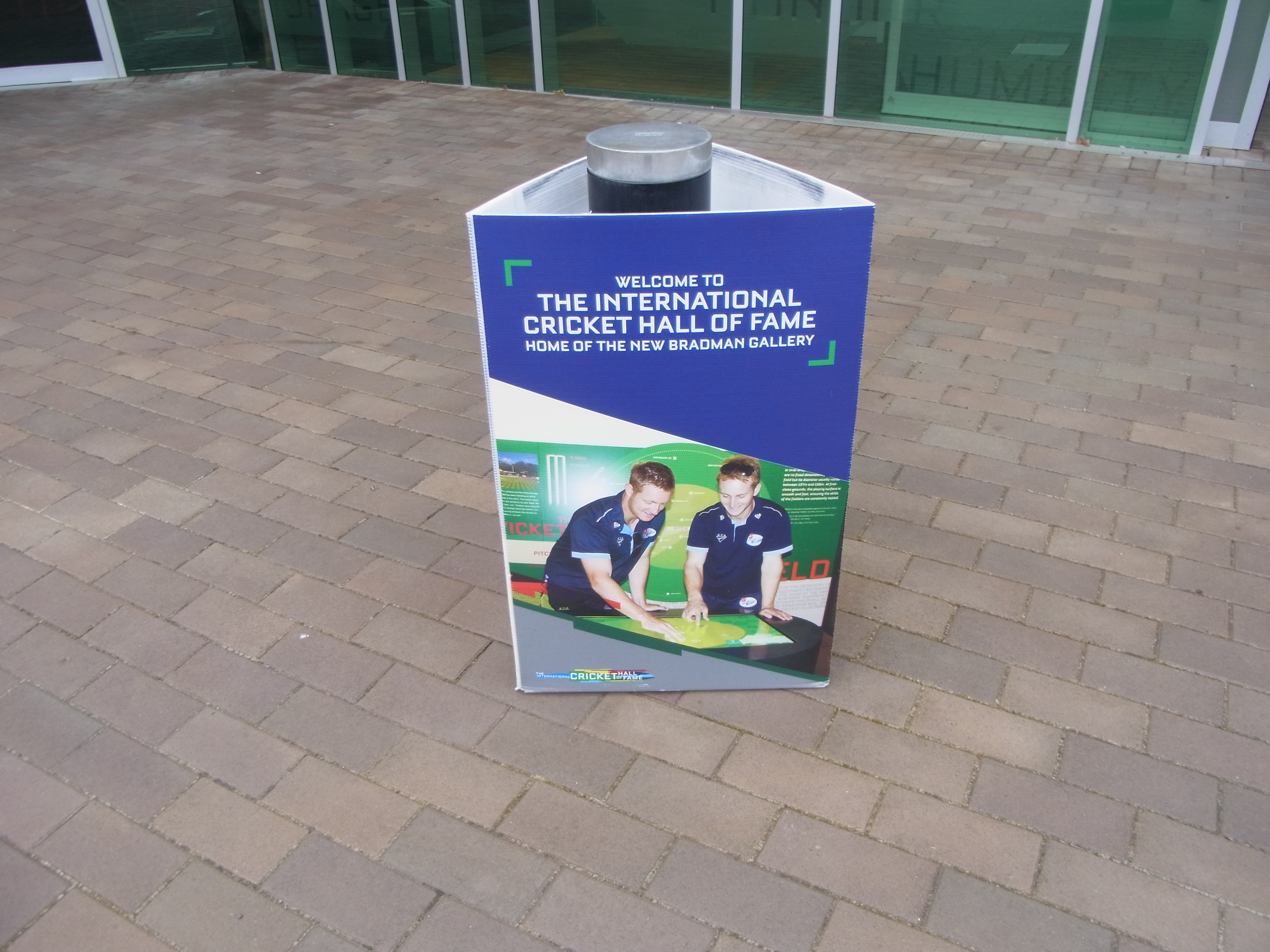
On the way to the Gardens we had stopped at the Bradman Museum.
Auntie, Sister. Grandmother, Great-Grandmother, Mother and Wife of German Descent I’ve lived in Australia since 1959 together with my husband Peter. We have four children, eight grandchildren and six great-grandchildren. I started blogging because I wanted to publish some of my childhood memories. I am blogging now also some of my other memories. I like to publish some photos too as well as a little bit of a diary from the present time. Occasionally I publish a story with a bit of fiction in it. Pete sadly died on 12/12/2020. He was publishing some of his stories under berlioz1935.wordpress.com View all posts by auntyuta
The EmuEditBeautiful to see a Rotunda set amongst the peaceful gardens Dont see too many more these days, the days of bands playing on a lovely Sunday, whilst attracting the crowds to the Rotunda are gone I fear. IanReply
auntyutaEdithttp://www.visitnsw.com/events/tulip-time“Music in the Gardens with Rachael Leahcar” I found a bit about the festival program in the above website, Ian. I am not sure whether the band did play in the Rotunda. Weather permitting there are always a lot of people in the Corbett Gardens for the Tulip Festival. The tulips last only for a few weeks. Sadly we missed out again on seeing them this year.Reply
auntyutaEditBowral’s seeing yellow as Tulip Time festival celebrates 54th birthday with 100,000 blooms DAVID FITZSIMONS BEST WEEKEND EDITOR AT LARGE THE DAILY TELEGRAPH SEPTEMBER 12, 2014One thousand tulips will be blooming in Bowral, Moss Vale and Mittagong for the 54th Tulip Time festival. ADA Corbett’s little country garden has come a long way in 100 years. When the Bowral resident and garden lover pushed the council for an empty corner block in the town to be turned into a public park, no one realised just how big the project would become.The park, now known as Corbett Gardens, is celebrating its centenary in style as the centrepiece of Tulip Time 2014, one of the biggest festivals in NSW, which begins today.Organisers say more than 65,000 people will visit the Southern Highlands over the next two weeks, and 35,000 will visit Corbett Gardens to admire tens of thousands of tulips and enjoy a host of community events.Tulip Time is not quite the size of Canberra’s Floriade, which also opens today, but it outdraws just about every other event in the state.“It’s the biggest event in southern NSW. There is no other event like it,” says Destination Southern Highlands group manager Steve Rosa.The festival began with just 500 tulips in 1961. This year, its 54th, it opens with this weekend’s Food Wine Festival. On Tuesday, the tulip gardens officially open, fun family events, including a street parade and billycart derby, are on next weekend, and the festival finishes with a concert and Dogs Day Out at the end of the month.Tours of 12 private gardens in the district are also available, as well as art, entertainment, dinners, cycling and a steam train ride — but tulips are the priority.Organisers have been sweating for months on the right weather for the bulbs to bloom in time.“The council garden team purchases 100,000 tulips — 65,000 are planted in Corbett Gardens in Bowral and the rest are planted in Moss Vale and Mittagong,” Rosa says.“They buy them back in October (from Tasmania and Victoria) and ship them in mid-March. In April, around Anzac Day, they have to be in the ground. Then it’s up to the gods.”Hot weather and warm winds have affected plantations in the past and the festival has been brought forward a week to avoid the flowers dying before the festival ends, but this year things are looking good.“We’ve had a lot of frosts and cold weather and that helps their growth,” Rosa says.“ We’ve also had a lot of rain, which is good.”This year’s theme is yellow so expect to see a swathe of sunny colour across all the gardens as well as in Southern Highlands shopfronts and streetscapes.You’ll even see a yellow Wiggle. The original Yellow Wiggle Greg Page will be hosting a school holidays fun day in the Gardens on September 23.More than 65,000 people are expected to visit the Southern Highlands during Tulip Time. The Food Wine festival has been moved to Corbett Gardens this year after two years at the local racecourse.“It’s a showcase of the best food and wine from the Southern Highlands,” says Rosa. “There are 66 vineyards with 17 cellar doors.”About 45 stalls from wineries and producers will be on show while top local restaurants including Biota will have cooking workshops.For the officially opening of the tulip gardens on Tuesday, a feature will be a raised garden bed in the shape of a birthday cake — celebrating the gardens’ centenary.There will be 25 horticulturally themed stalls open each day of the festival, and experts will give gardening talks twice a day.One of the beauties of this festival is that it encompasses the whole community. The street parade next Saturday will feature 40 floats, with marching bands and more, and the billycart derby to follow has attracted widespread interest.Rosa says the prospect of hurtling down the Bong Bong St hill centimetres from the ground in a homemade wooden box on wheels has excited a lot of people.A local hardware store has even been running billycart-making workshops for locals keen to race.The police will join in the fun, using a radar gun to clock just how fast the billycarts go.Rachael Leahcar, a 2012 finalist in TV talent show The Voice, will head the line-up for the September 27 concert in Corbett Gardens.The following day, the gardens’ gates will be thrown open to dogs and their owners for a day of doggie activities supporting Guide Dogs NSW/ACT.“It’s a first” says Rosa. “We’ve never let dogs into the park before.”Rachel Leahcar heads the line-up for a concert in Corbett Gardens on September 24.http://www.adelaidenow.com.au/travel/australia/bowrals-seeing-yellow-as-tulip-time-festival-celebrates-54th-birthday-with-100000-blooms/story-fnjjv02i-1227056282613Reply
gerard oostermanEditAt the cricket ground you were almost at our place about 300metres away from our town house. You could have popped in!. Maybe next time?Reply
berlioz1935EditWe will let you know. Perhaps a cup of coffee at the museum cafe?Reply
Three Well BeingsEditThe tulip festival sounds like it would be worth another visit. My husband would like to one day visit our Baseball Hall of Fame in Cooperstown, New York. I like the photo of you standing with the Cricket player. It must have been a very enjoyable day. Reply
auntyutaEditOh yes, Debra, it was our Wedding Day Anniversary! Reply
While an explosion is not impossible, experts say the greatest concern is in the leak of radiation that could come as a result of the Russia-Ukraine war.
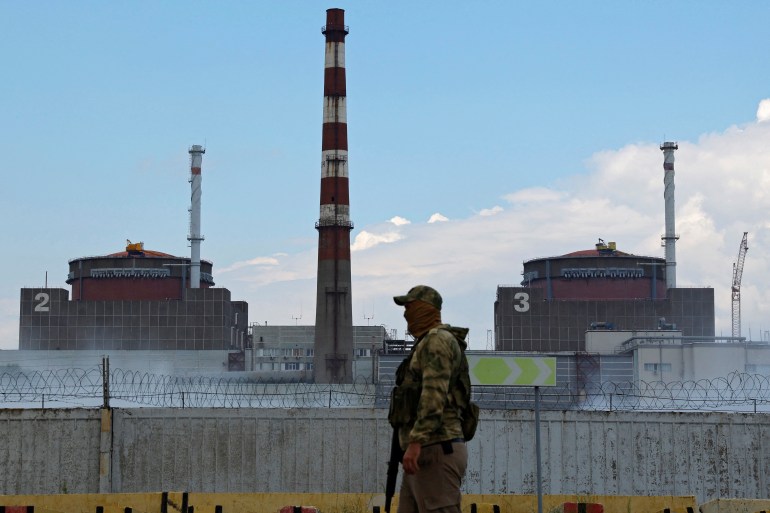
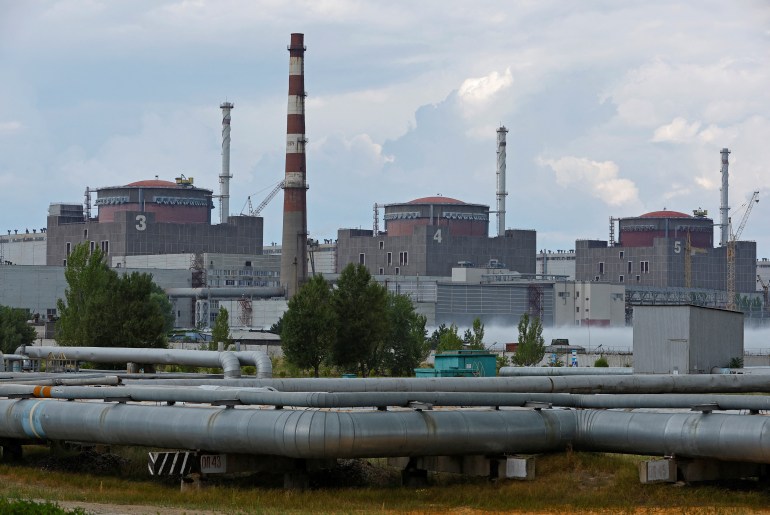
A serviceman with a Russian flag on his uniform stands guard near the Zaporizhzhia Nuclear Power Plant [File:Reuters]
The International Atomic Energy Agency (IAEA) has raised alarms about the shelling that is taking place at the Russian-controlled Zaporizhzhia nuclear power plant in Ukraine, saying the current situation poses a great risk and could lead to a “nuclear disaster”.
Both Russia and Ukraine have accused each other of attacking the plant and of “nuclear terrorism”, with the IAEA urging “utmost restraint” around the site.
Where is Zaporizhzhia nuclear power plant and why is it important?
Zaporizhzhia nuclear power plant is the largest plant in Europe and among the 10 largest in the world; it generates half of Ukraine’s nuclear-derived power.
The plant has a total capacity of about 6,000 megawatts, enough for about four million homes.
It is located in the southern Ukrainian steppe on the Dnieper River, some 550km (342 miles) southeast of Ukraine’s capital, Kyiv, and about 525km (325 miles) south of Chernobyl, the site of the world’s worst nuclear power plant accident in 1986.
Currently, the plant is operated by Ukrainian staff but Russian military units guard the facility.
According to the IAEA, the plant has six Soviet-designed water-cooled reactors containing uranium 235, each of which has a net capacity of 950 megawatts. A megawatt of capacity will provide energy for 400 to 900 homes in a year.
Zaporizhzhia plant is also located about 200km (125 miles) from Crimea, which Russia annexed in 2014.
On Tuesday, Ukrainian operator Energoatom said the Russian forces occupying the area were preparing to “connect the plant to the Crimean electricity grid”.
Michael Black, the director of the Centre of Nuclear Engineering at Imperial College London, told Al Jazeera that the main concern is that connecting the plant to the Crimean electricity grid could interrupt the offsite power to the reactors. “You need that power to provide cooling to the reactors … As long as [those generators] function, then everything is fine,” he said.
“It’s encouraging to see that the Russians want to use the electricity; that does imply that they don’t want to damage [the power plant],” he added.
What has the IAEA said?
Rafael Mariano Grossi, director-general of the IAEA, described the situation as “completely out of control” in an interview with The Associated Press last week.
“Every principle of nuclear safety has been violated” at the plant, Grossi said. “What is at stake is extremely serious and extremely grave and dangerous.”
During the interview, he said the physical integrity of the plant was not respected and the supply chain was interrupted, so it was not certain the plant was getting all it needs, “and there is a lot of nuclear material there to be inspected”.
In a statement released on Tuesday, Grossi said he was preparing to brief the UN Security Council about the nuclear safety in the plant on Thursday and his efforts to agree and lead an expert mission to the site as soon as possible.
The IAEA has been trying for months to send an inspection team to the nuclear plant but it has not been successful.
The watchdog also said on Tuesday that Ukraine had informed the IAEA about the restoration of a power line that can be used to supply the plant with electricity from a nearby thermal power plant if needed.
“This external power line is necessary to safeguard the proper cooling of the facility.
Grossi outlined the need for a secure offsite power supply as one of the seven nuclear safety pillars at the beginning of the conflict.
Given the IAEA’s warnings, could the plant explode – and if so – what would happen?
According to experts, this is possible but the likelihood of that taking place is not certain.
“What we have here with the military involvement is very difficult … If multiple catastrophic factors come together, an explosion might be possible,” Ross Peel, the Research and Knowledge Transfer Manager for the Centre for Science and Security Studies at King’s College London, told Al Jazeera.
“It’s difficult to say whether this will [happen] and the possible consequences of that, what they might be. It depends how the explosion comes about,” he added.
There are concerns about the shelling occurring around the facility, with the potential to damage critical infrastructure, including the reactors.
“Reactors [need] to be constantly cooled by water passing through [them,]” MV Ramana, a professor at the University of British Columbia’s School of Public Policy and Global Affairs, told Al Jazeera.
“If that water stream is cut out, cut down, cut off in some fashion, then the reactor could lose cooling, the fuel will start melting. It will sort of create high pressure, and the thing can explode,” he added.
In the immediate aftermath of an explosion, experts say that we could likely see widespread evacuations caused by an invisible radioactive cloud. However, the impact of a leak in radiation would probably be felt for years to come
“You’re probably going to see hundreds of thousands of people trying to flee from that area,” Ramana told Al Jazeera.
“There will be a cloud, but you’re not going to be able to see it … We’re able to track the cloud because [we] have sensitive instruments that are measuring radiation levels,” he added.
Some of the illnesses we could see from an explosion similar to this could be acute radiation poisoning or cancers that could be seen later.
“So, for instance, at Chernobyl, the people who were going into the reactor to actually stand on top of the burning building and put the fire out were exposed to huge amounts of radiation and suffered the impacts of that within hours,” Ross said.
“People who are exposed to not quite so great amounts may still suffer from acute radiation poisoning and recover. This happens over days to weeks, maybe months. For people exposed to lower levels of radiation, there may be greater numbers of cancer cases coming later over the following years to decades,” he added.
The Zaporizhzhia plant is operated by Ukrainian staff, but Russian military units guard the facility [File: Reuters]
What other scenarios could take place?
Rather than a reactor core explosion, experts are more concerned about damage to systems that cool the spent fuel pool and the reactors. If the cooling fails, this could lead to an uncontrolled heat buildup, a meltdown and a fire that could release and spread radiation from the containment structures.
“We’re mostly scared of radiation release, not necessarily of an explosion,” Amelie Stoetzel, a PhD Student in the Department of War Studies at King’s College London, told Al Jazeera.
“Even though that looks scary, [a] radiation release, in any case, would be catastrophic,” she added.
“It’s unpredictable; we don’t really know where the plume [containing radioactive material] would go; it can go anywhere really, depending on the weather conditions.”
Due to the plant’s geographical location, a radiation release could hit any part of the European continent.
“Zaporizhzhia is in the middle of the continent. So no matter which way the wind is blowing, somebody’s going to get contaminated,” Ramana said.
Overall, experts emphasise that any kind of prediction is hard to make at this stage.
“The only certainty we have really is that the military activity around the nuclear power plant poses a risk to it. And how exactly that will play out is, is very difficult to predict,” Ross said.
If there is a radiation leak, what happens next?
Experts expect immediate evacuations but also difficulties in accessing medical facilities since they will probably see a surge in patients.
“When there were incidents of radiation accidents, there were a lot of people that showed up with symptoms of radiation poisoning, even though they had not been exposed, due to fear and panic,” Stoetzel said.
Experts also said that evacuations in a war zone will come with their own set of complications.
“A lot of people have already left the area, but there are still a lot of people left behind,” Stoetzel said.
“So yes, there would be a lot of people rushing to hospitals and rushing to get out of the area, which would be a problem … there would be confusion; in an ongoing war, evacuating people is extremely difficult,” she added.
According to experts, for many people, the fear of radiation could be more dangerous than the radiation itself.
“We could see an uptick in patients because of the psychological symptoms that are connected to the knowledge that radiation might have leaked from a nuclear power plant nearby,”
“So actually the most problematic issue for the government at least would be how to deal with a large number of patients,” she added.
In case of an explosion, or a fire, a leak of radiation could lead to a “long-term disaster”.
“It’s not something where people are going to be exposed to it and immediately fall down and die … there’s going to be a huge, psychological toll, right on top of the psychological toll of the war itself,” Ramana said.
A serviceman with a Russian flag on his uniform stands guard near the Zaporizhzhia Nuclear Power Plant [File:Reuters]
The International Atomic Energy Agency (IAEA) has raised alarms about the shelling that is taking place at the Russian-controlled Zaporizhzhia nuclear power plant in Ukraine, saying the current situation poses a great risk and could lead to a “nuclear disaster”.
Both Russia and Ukraine have accused each other of attacking the plant and of “nuclear terrorism”, with the IAEA urging “utmost restraint” around the site.
Where is Zaporizhzhia nuclear power plant and why is it important?
Zaporizhzhia nuclear power plant is the largest plant in Europe and among the 10 largest in the world; it generates half of Ukraine’s nuclear-derived power.
The plant has a total capacity of about 6,000 megawatts, enough for about four million homes.
It is located in the southern Ukrainian steppe on the Dnieper River, some 550km (342 miles) southeast of Ukraine’s capital, Kyiv, and about 525km (325 miles) south of Chernobyl, the site of the world’s worst nuclear power plant accident in 1986.
Currently, the plant is operated by Ukrainian staff but Russian military units guard the facility.
According to the IAEA, the plant has six Soviet-designed water-cooled reactors containing uranium 235, each of which has a net capacity of 950 megawatts. A megawatt of capacity will provide energy for 400 to 900 homes in a year.
Zaporizhzhia plant is also located about 200km (125 miles) from Crimea, which Russia annexed in 2014.
On Tuesday, Ukrainian operator Energoatom said the Russian forces occupying the area were preparing to “connect the plant to the Crimean electricity grid”.
Michael Black, the director of the Centre of Nuclear Engineering at Imperial College London, told Al Jazeera that the main concern is that connecting the plant to the Crimean electricity grid could interrupt the offsite power to the reactors. “You need that power to provide cooling to the reactors … As long as [those generators] function, then everything is fine,” he said.
“It’s encouraging to see that the Russians want to use the electricity; that does imply that they don’t want to damage [the power plant],” he added.
What has the IAEA said?
Rafael Mariano Grossi, director-general of the IAEA, described the situation as “completely out of control” in an interview with The Associated Press last week.
“Every principle of nuclear safety has been violated” at the plant, Grossi said. “What is at stake is extremely serious and extremely grave and dangerous.”
During the interview, he said the physical integrity of the plant was not respected and the supply chain was interrupted, so it was not certain the plant was getting all it needs, “and there is a lot of nuclear material there to be inspected”.
In a statement released on Tuesday, Grossi said he was preparing to brief the UN Security Council about the nuclear safety in the plant on Thursday and his efforts to agree and lead an expert mission to the site as soon as possible.
The IAEA has been trying for months to send an inspection team to the nuclear plant but it has not been successful.
The watchdog also said on Tuesday that Ukraine had informed the IAEA about the restoration of a power line that can be used to supply the plant with electricity from a nearby thermal power plant if needed.
“This external power line is necessary to safeguard the proper cooling of the facility.
Grossi outlined the need for a secure offsite power supply as one of the seven nuclear safety pillars at the beginning of the conflict.
Given the IAEA’s warnings, could the plant explode – and if so – what would happen?
According to experts, this is possible but the likelihood of that taking place is not certain.
“What we have here with the military involvement is very difficult … If multiple catastrophic factors come together, an explosion might be possible,” Ross Peel, the Research and Knowledge Transfer Manager for the Centre for Science and Security Studies at King’s College London, told Al Jazeera.
“It’s difficult to say whether this will [happen] and the possible consequences of that, what they might be. It depends how the explosion comes about,” he added.
There are concerns about the shelling occurring around the facility, with the potential to damage critical infrastructure, including the reactors.
“Reactors [need] to be constantly cooled by water passing through [them,]” MV Ramana, a professor at the University of British Columbia’s School of Public Policy and Global Affairs, told Al Jazeera.
“If that water stream is cut out, cut down, cut off in some fashion, then the reactor could lose cooling, the fuel will start melting. It will sort of create high pressure, and the thing can explode,” he added.
In the immediate aftermath of an explosion, experts say that we could likely see widespread evacuations caused by an invisible radioactive cloud. However, the impact of a leak in radiation would probably be felt for years to come
“You’re probably going to see hundreds of thousands of people trying to flee from that area,” Ramana told Al Jazeera.
“There will be a cloud, but you’re not going to be able to see it … We’re able to track the cloud because [we] have sensitive instruments that are measuring radiation levels,” he added.
Some of the illnesses we could see from an explosion similar to this could be acute radiation poisoning or cancers that could be seen later.
“So, for instance, at Chernobyl, the people who were going into the reactor to actually stand on top of the burning building and put the fire out were exposed to huge amounts of radiation and suffered the impacts of that within hours,” Ross said.
“People who are exposed to not quite so great amounts may still suffer from acute radiation poisoning and recover. This happens over days to weeks, maybe months. For people exposed to lower levels of radiation, there may be greater numbers of cancer cases coming later over the following years to decades,” he added.
The Zaporizhzhia plant is operated by Ukrainian staff, but Russian military units guard the facility [File: Reuters]
What other scenarios could take place?
Rather than a reactor core explosion, experts are more concerned about damage to systems that cool the spent fuel pool and the reactors. If the cooling fails, this could lead to an uncontrolled heat buildup, a meltdown and a fire that could release and spread radiation from the containment structures.
“We’re mostly scared of radiation release, not necessarily of an explosion,” Amelie Stoetzel, a PhD Student in the Department of War Studies at King’s College London, told Al Jazeera.
“Even though that looks scary, [a] radiation release, in any case, would be catastrophic,” she added.
“It’s unpredictable; we don’t really know where the plume [containing radioactive material] would go; it can go anywhere really, depending on the weather conditions.”
Due to the plant’s geographical location, a radiation release could hit any part of the European continent.
“Zaporizhzhia is in the middle of the continent. So no matter which way the wind is blowing, somebody’s going to get contaminated,” Ramana said.
Overall, experts emphasise that any kind of prediction is hard to make at this stage.
“The only certainty we have really is that the military activity around the nuclear power plant poses a risk to it. And how exactly that will play out is, is very difficult to predict,” Ross said.
If there is a radiation leak, what happens next?
Experts expect immediate evacuations but also difficulties in accessing medical facilities since they will probably see a surge in patients.
“When there were incidents of radiation accidents, there were a lot of people that showed up with symptoms of radiation poisoning, even though they had not been exposed, due to fear and panic,” Stoetzel said.
Experts also said that evacuations in a war zone will come with their own set of complications.
“A lot of people have already left the area, but there are still a lot of people left behind,” Stoetzel said.
“So yes, there would be a lot of people rushing to hospitals and rushing to get out of the area, which would be a problem … there would be confusion; in an ongoing war, evacuating people is extremely difficult,” she added.
According to experts, for many people, the fear of radiation could be more dangerous than the radiation itself.
“We could see an uptick in patients because of the psychological symptoms that are connected to the knowledge that radiation might have leaked from a nuclear power plant nearby,”
“So actually the most problematic issue for the government at least would be how to deal with a large number of patients,” she added.
In case of an explosion, or a fire, a leak of radiation could lead to a “long-term disaster”.
“It’s not something where people are going to be exposed to it and immediately fall down and die … there’s going to be a huge, psychological toll, right on top of the psychological toll of the war itself,” Ramana said.
The Zaporizhzhia plant is operated by Ukrainian staff, but Russian military units guard the facility [File: Reuters]
What other scenarios could take place?
Rather than a reactor core explosion, experts are more concerned about damage to systems that cool the spent fuel pool and the reactors. If the cooling fails, this could lead to an uncontrolled heat buildup, a meltdown and a fire that could release and spread radiation from the containment structures.
“We’re mostly scared of radiation release, not necessarily of an explosion,” Amelie Stoetzel, a PhD Student in the Department of War Studies at King’s College London, told Al Jazeera.
“Even though that looks scary, [a] radiation release, in any case, would be catastrophic,” she added.
“It’s unpredictable; we don’t really know where the plume [containing radioactive material] would go; it can go anywhere really, depending on the weather conditions.”
Due to the plant’s geographical location, a radiation release could hit any part of the European continent.
“Zaporizhzhia is in the middle of the continent. So no matter which way the wind is blowing, somebody’s going to get contaminated,” Ramana said.
Overall, experts emphasise that any kind of prediction is hard to make at this stage.
“The only certainty we have really is that the military activity around the nuclear power plant poses a risk to it. And how exactly that will play out is, is very difficult to predict,” Ross said.
If there is a radiation leak, what happens next?
Experts expect immediate evacuations but also difficulties in accessing medical facilities since they will probably see a surge in patients.
“When there were incidents of radiation accidents, there were a lot of people that showed up with symptoms of radiation poisoning, even though they had not been exposed, due to fear and panic,” Stoetzel said.
Experts also said that evacuations in a war zone will come with their own set of complications.
“A lot of people have already left the area, but there are still a lot of people left behind,” Stoetzel said.
“So yes, there would be a lot of people rushing to hospitals and rushing to get out of the area, which would be a problem … there would be confusion; in an ongoing war, evacuating people is extremely difficult,” she added.
According to experts, for many people, the fear of radiation could be more dangerous than the radiation itself.
“We could see an uptick in patients because of the psychological symptoms that are connected to the knowledge that radiation might have leaked from a nuclear power plant nearby,”
“So actually the most problematic issue for the government at least would be how to deal with a large number of patients,” she added.
In case of an explosion, or a fire, a leak of radiation could lead to a “long-term disaster”.
“It’s not something where people are going to be exposed to it and immediately fall down and die … there’s going to be a huge, psychological toll, right on top of the psychological toll of the war itself,” Ramana said.
“The specter of climate change threatens worsening natural disasters, rapid urbanization, forced migration, and economic hardship for the most vulnerable. Despite significant global advances, inability to effectively address epidemics and health emergencies still prevail and continuously threaten global health security and economic development.” ~ Tedros Adhanom[1].
After several decades characterized by misinformation and prevarication concerning the veracity of climate change, governments are now acceding to the warnings from climate scientists and their learning experience as a result of the rapidly increasing number of extreme weather events.
But there is a current corresponding absence of substantive climate-related action – which has very little to do with a need for additional technological innovation[2]. While world political leaders seem to have jointly entered into a totally senseless fossil fuel suicide pact, the actual problem is more of a consistent lack of political will…
1.68M subscribersSUBSCRIBEMessages posted to her official social media accounts said the singer “passed away peacefully” at her ranch in southern California surrounded by family and friends. Subscribe: http://ab.co/1svxLVE Read more here: https://ab.co/3SAwBMd ABC News provides around the clock coverage of news events as they break in Australia and abroad, including the latest coronavirus pandemic updates. It’s news when you want it, from Australia’s most trusted news organisation.
Download podcast episodes a week early here! – http://www.lewishowes.com/pod Muniba Mazari is an artist, a global Motivational Speaker, humanitarian, Pakistan’s first wheelchair bound Female TV Host, Pakistan’s first wheelchair bound Model and Pakistan’s First Goodwill Ambassador to UNWomen Pakistan. Muniba derives her strength from the tragic car accident that took place in February, 2008 when she was 21 which left her wheelchair bound because of spinal cord injury . Since then, she’s been a pioneering voice heard in different countries around the world. She took a massive decision which gave her a new purpose & meaning to life. That decision was the adoption of her son Nael who is now 11 years old. — If you’re ready to learn more about the importance of solitude, how to practice self-acceptance, develop unconditional self-love, and how to break FREE of others’ expectations once and for all, then this episode is for you! And now, let’s jump right into Episode 1,282 of The School of Greatness.
During the mid-19th century a revolutionary struggle swept across ibero American nations and in the course of several decades monarchical systems of empire that had established themselves across the Americas began to lose their hold on power and a new system of republics were instituted. Certainly this movement cannot be said to be bad as the ideals of “self-government”, “inalienable rights” and the “consent of the governed” contained in these republican struggles are preferable to systems of hereditary power… but the question remains: Why was the hand of British Intelligence so often found helping these anti-spanish revolutionary groups? Were these revolutionary movements as pure as we are told? Could something better have occured had anglo-American imperial intrigue not subverted many of these movements? Similarly, it has become commonplace to label everything done under spanish/portuguese rule prior to the age of revolutions to be entire evil and rapacious. Certainly it cannot be argued that great evils were not done under the helm of such empires, but in embracing such black legends that paint everything pre-revoluationary as totally evil with no redeeming value to be found, are we not also missing the virtuous struggles by Christian humanist movements who fought to do great works of good that reverberate to this day? In this Rising Tide Foundation lecture, Adam Sedia sheds new light on Ibero American history as you’ve never seen it beginning with the fight between oligarchical vs Christian humanist factions of Spain during the days of Columbus and onward to our present age.
Since ancient times, philosophers have sought the remedy to humanity’s recurrent plunges into war, division, chaos, ignorance and all the moral, temporal and spiritual ills that accompany those disharmonies.
In ancient Greece, this effort was spearheaded by Plato (427-347 BCE) and his school of disciples that applied the methods of their master Socrates (470-399 BCE) to unlocking not only scientific mysteries in astronomy, mechanics, geometry and medicine, but also natural law in the form of the Plato’s ongoing effort to organize philosopher kings capable of raising society to a standard of excellence whereby all citizens and rulers alike could finally access the pathway towards awakening self-understanding, agapic love of truth, beauty and the good and ultimately true happiness.
Paralleling this development many thousands of miles across the world island, the followers of Confucius (551-479 BCE) were engaged in an identical combat but with Chinese characteristics. By the 4th century BCE, this fight was spearheaded by Mencius (372-289 BCE) who worked tirelessly to organize a philosopher king during the dark days of the warring states period who would be capable of uniting the people under a unified state governed by Li (principle), Ren (agape/benevolence) and the Mandate of Heaven (Tian Ming).
Like Plato, whose efforts to educate Dionysius I and II to the status of Philosopher Kings of Syracuse were thwarted in his lifetime, so too did Mencius watch his efforts come undone by lesser souls incapable of seeing a higher reality beyond the limits of their senses. Yet despite these set-backs both philosophers established powerful schools of thought that endured far beyond the bookends of their lives which transmitted their teachings over many generations and which resulted in the greatest leaps of progress, peace, and creativity ever recorded among both eastern and western civilizations.
It is in this spirit that The Rising Tide Foundation is proud to present a new study group led by Dr. Quan Le which plunges into the geopolitical history of ancient China while also exploring the diverse philosophical currents, personalities and more in the form of a series of dialogues composed by the students of Mencius and translated by Professor Robert Eno.
To access the original text of Robert Eno’s translation of the Mencius, click here.
To access Dr. Quan Le’s class: “Plato and Confucius: Spiritual Brothers at Two Ends of the World Island”, click here.
Write to info@risingtidefoundation.net to participate in future lectures and readings
Feminist writer and academic Germaine Greer talks to Krishnan Guru-Murthy about why she is against gender equality, for women’s liberation and uninterested in the trans community. She also talks in-depth for the first time about her own experience of rape

















 AuntyUta