
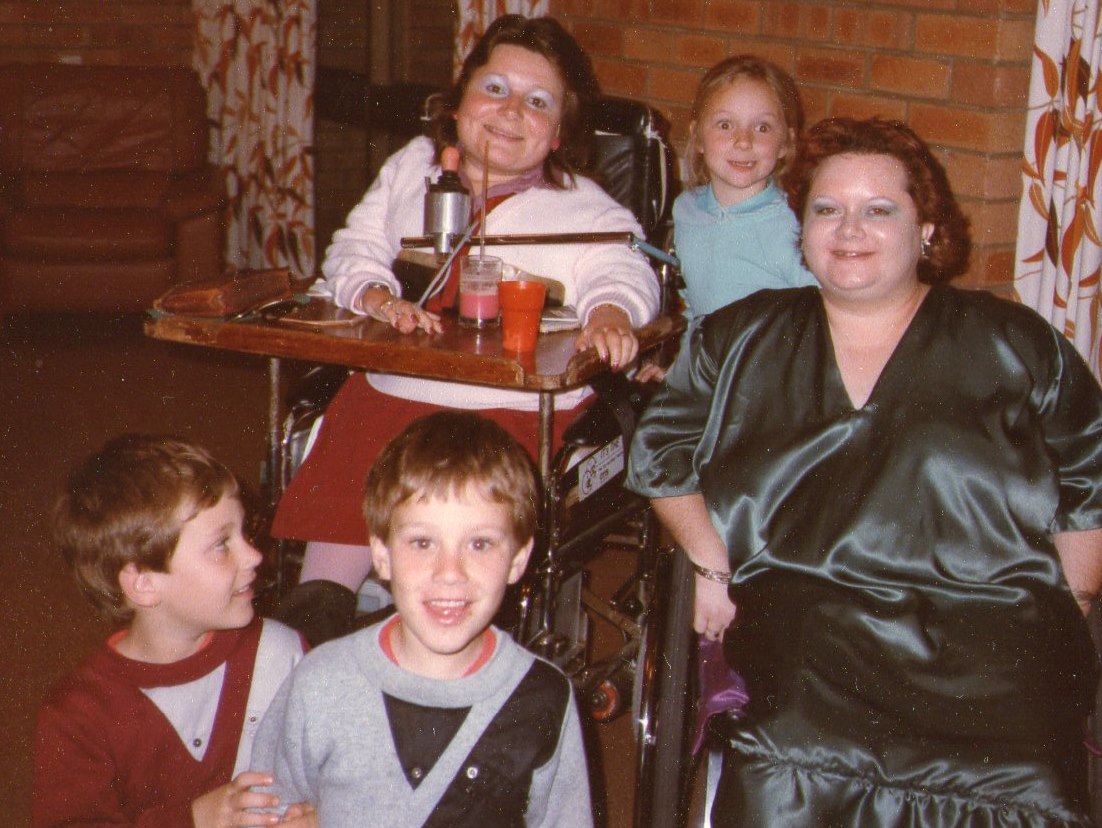
Gaby on her 27th birthday at Ferguson Lodge with Caroline and friend Coral as well as the twins Troy and Ryan.


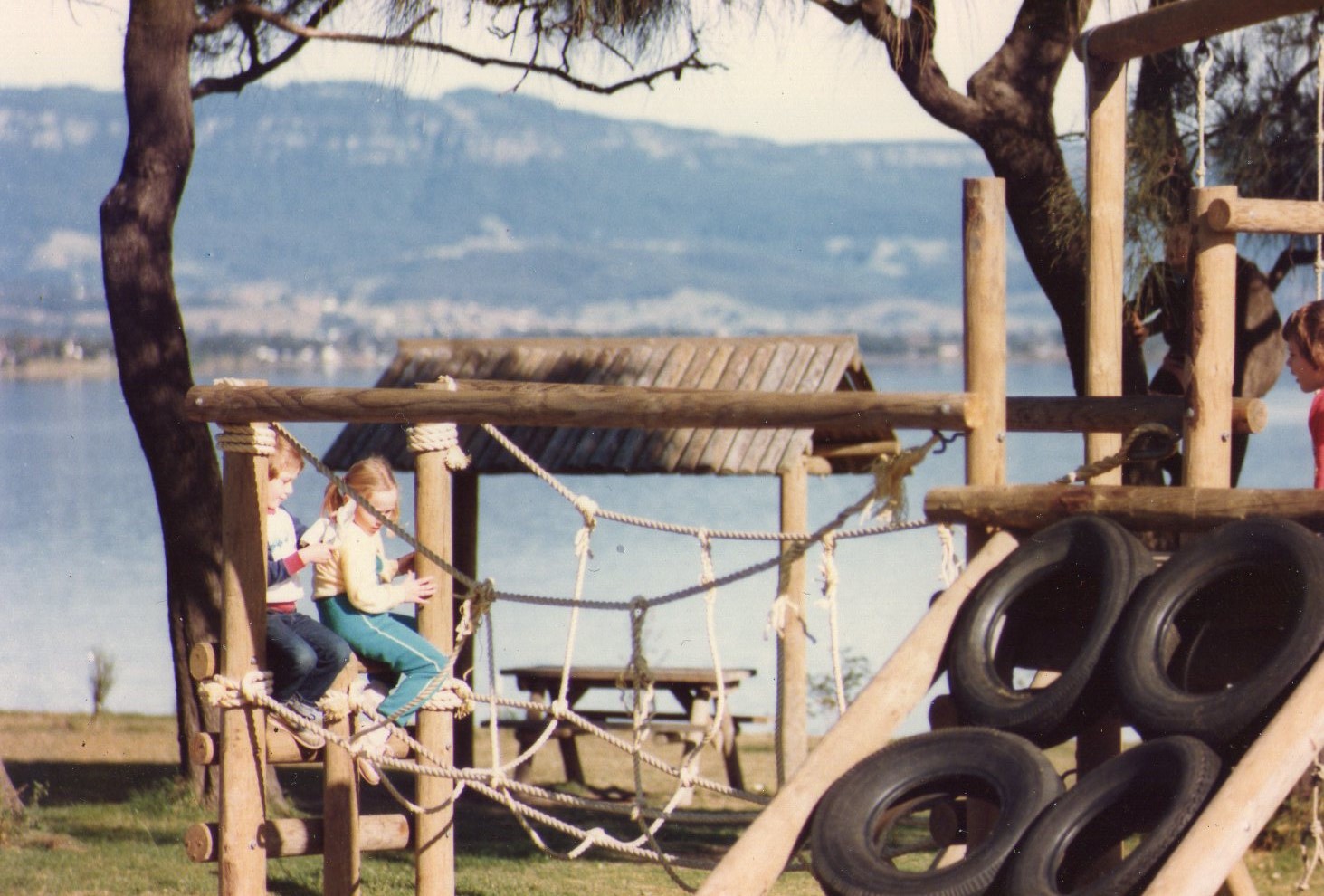

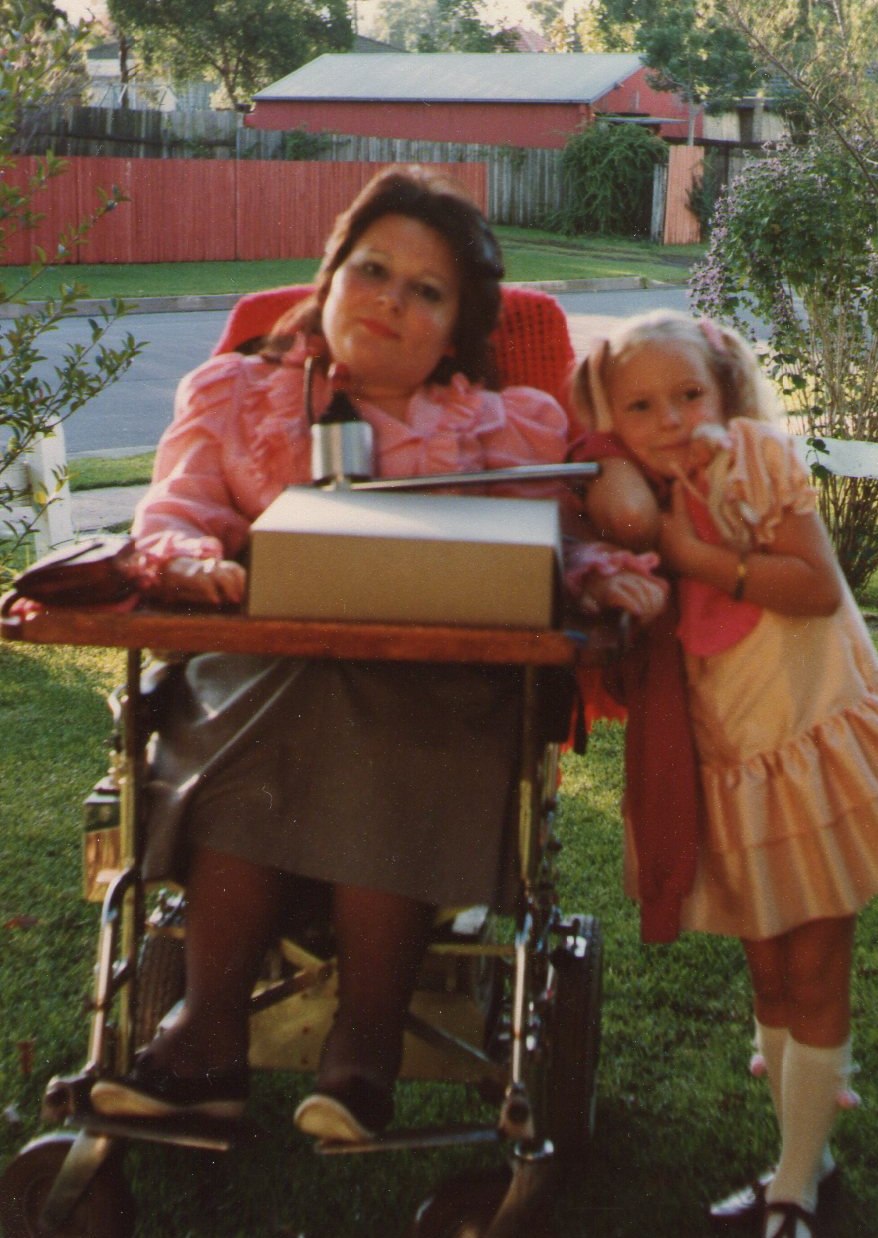
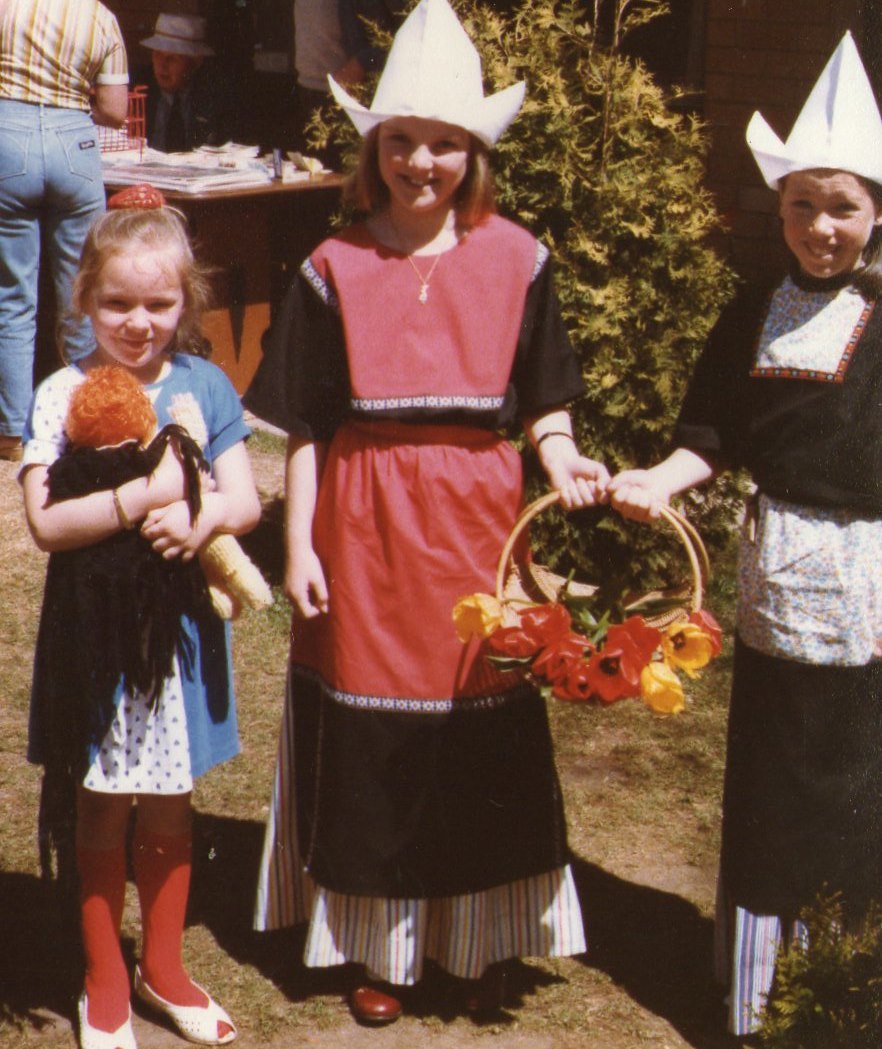
trees in backyard
Gaby on her 27th birthday at Ferguson Lodge with Caroline and friend Coral as well as the twins Troy and Ryan.
I just read this very interesting transcript of a broadcast from the 30th of June 2014. Joseph Stiglitz says, if Australia wants to prosper in the coming years, the Abbott government should be spending more, not less. I copied the transcript hoping that some of my blogger friends might find it interesting too. Here now is the transcript:
http://www.abc.net.au/lateline/content/2014/s4036416.htm
Australian Broadcasting Corporation
Broadcast: 30/06/2014
But Nobel prize winning economist Joseph Stiglitz says if Australia wants to prosper in the coming years the Abbott government should be spending more, not less.
STEVE CANNANE, PRESENTER: The Nobel Prize-winning economist Joseph Stiglitz has warned that the Abbott Government’s proposed spending cuts are a threat to Australia’s future prosperity. Professor Stiglitz, who is in Australia for a series of public lectures, has told Lateline Australia’s future relies on investing in its people and that means spending more, not less. And the Nobel laureate had some harsh words for multinational companies avoiding tax, describing the amount of tax the tech giant Apple pays as an outrage. I spoke to Professor Stiglitz earlier today at the Australian National University in Canberra.
Joseph Stiglitz, welcome to Lateline.
JOSEPH STIGLITZ, NOBEL PRIZE-WINNING ECONOMIST: Nice to be here.
STEVE CANNANE: The Abbott Government is about to try to push a whole lot of large spending cuts through the new Senate. You’re advocating for spending rather than spending cuts. Why’s that?
JOSEPH STIGLITZ: Well there are two reasons. The first and most obvious one is that Australia is not in a bad fiscal position. Its debt-to-GDP ratio – net debt-to-GDP ratio is under 14 per cent. It’s one of the lowest in the advanced countries. It’s absurd to think that that is your major problem. Even your deficit GDP ratio is very, very low. The real challenge for the future of Australia are going to be related to investments – investments in people, infrastructure, technology – to make Australia competitive in a global economy. If you don’t make those investments, where will you be?
STEVE CANNANE: Well, Tony Shepherd, the chair of the Commission of Audit, made the point today that the Department of Human Services writes out cheques for $400 million per day. How is that an investment?
JOSEPH STIGLITZ: A country’s most important resource are its people. And if you don’t invest in your children, if you don’t invest – make sure they have adequate nutrition, education, health, it will jeopardise your future.
STEVE CANNANE: So you see welfare as an investment?
JOSEPH STIGLITZ: Appropriately-designed policies are clearly an investment. One of the reasons the US has not been performing as well as it should is that if you’re not lucky enough to be born with the right parents, able to give you a good education, your prospects are really bleak. The likelihood that you’ll be able to live up to your potential are really very small.
STEVE CANNANE: The Government though is making the point that we’re already paying a billion dollars to finance the debt per month on the government debt and that is likely to blow out even further as Australia’s population ages. Is the kind of spending increases that you’re advocating for unsustainable?
JOSEPH STIGLITZ: They’re very sustainable. I mean, think about it the following way: if you were a firm and you could borrow at very low interest rates – in Australia, the United States are currently able to borrow at a negative real interest rate. You know, take into account inflation. And you could take that money and you could invest it in high-return investments, investments in infrastructure, technology, education, in people, in making sure that all of your citizens are able to live up to their potential, then these investments more than pay back. We’ve done studies in the United States – I haven’t done them for Australia – but we’ve done studies in the United States where we looked at the return on these public investments across the board, and they yield a far higher return than the cost of capital. So, it’s actually making a country stronger when we make those investments.
STEVE CANNANE: But I know you’re a fan of the way Australia handled the Global Financial Crisis, but wasn’t one of the reasons they were able to do that was that their budgets were balanced, that they had that money up there sleeve for difficult times?
JOSEPH STIGLITZ: Well it is a good thing to have, you might say, a rainy day fund. Today, though, the world is in very volatile shape. The global economy is very weak. The US economy is growing about 2.2 per cent, not even able enough to create new jobs for the new entrants in the labour force. Europe, many of the countries are in depression. This is not the time for fiscal contraction. Now obviously you want to be very careful on your spending. You want to make sure you get high returns. But a lot of people talk about the waste in government. The private sector waste a lot. And in fact, no government has ever wasted money on the scale of America’s private financial system, which has cost us trillions of dollars. But if you don’t make these investments, you’re wasting resources.
STEVE CANNANE: You’ve written a lot about inequality. Are you concerned that the Budget measures recently announced by the Abbott Government, which the Crawford School here at the ANU found hit the lowest paid workers the hardest, that they could lead to increased inequality in Australia?
JOSEPH STIGLITZ: Very much. I mean, that’s why they’re widely perceived to be grossly unfair. Already – Australia is not the worst, but it’s not the best. Australia ranks about fifth among the advanced countries in the level of inequality after tax and transfer. That’s not an enviable position to be. I mean, you’re not worst – America is the worst. But the other countries are like – that are up on the scale are not countries you would want to envy. So, the point is, you’re already not performing in terms of equality very well. Your inequality in the standard measure Gini is twice that of the best-performing countries. So you’re not really, as I say, performing well. And these cuts are going to make Australia even worse.
STEVE CANNANE: What can we learn from the American experience, where you have argued that growing inequality is linked to America’s sluggish growth rate?
JOSEPH STIGLITZ: This is not just true for America. The IMF has pointed out that high inequality is associated with lower economic growth and more economic instability. This is a very big change in perspective from the way we thought about things before. We used to say, “Well, inequality is bad, but if we do anything about it, it will slow economic growth.” Now we realise that inequality has reached a level where it’s actually having adverse effects on countries like the United States and other advanced countries.
STEVE CANNANE: But you want to see higher income tax rates at the higher level end of the scale, in excess of 50 per cent, I understand. How do you know that that won’t be a disincentive to create wealth and also an incentive to avoid tax?
JOSEPH STIGLITZ: There’ve been very careful studies looking at what we call the supply elasticity, the response of the private sector to – in labour supply, in savings, to an increase in the tax rate. And the leading experts on this have looked at these numbers very carefully, have said there’s really no problem, so we could increase taxes substantially above 50 per cent. They’ve talked about …
STEVE CANNANE: How much higher before it becomes a problem?
JOSEPH STIGLITZ: They’ve talked about 70 per cent or more. Now, it depends to some extent on how targeted you can be in your taxes. If you tax monopoly power, if you tax excess what we call rents of a whole variety of kinds, there are some ways in which raising taxes at the top can actually improve the efficiency of the economy. Let me give you an example. In the United States, the speculators are taxed at lower rates than those who work for a living. The result of that is more resources go into speculation. The result of that?: an economy that has an excessively large financial sector, an economy that’s excessively is unstable, excess activities in speculation, and, less of our scarcest resource, our most talented young people, fewer of them are going into research, into the kinds of things – transistors, lasers – all these basic research that would improve our standard of living. Why go into those low-paying research jobs if you can make a lot more money after tax in speculation?
STEVE CANNANE: The Treasurer Joe Hockey says that 10 per cent of the Australian population pays two-thirds of all income tax and two per cent pay more than 25 per cent. Aren’t they paying their fair share?
JOSEPH STIGLITZ: Well I don’t know the data for Australia, but I do know the data for the United States. Rich people like Romney, hundreds of millions of dollars in wealth. We’re paying half the tax rate that people of comparable income were paying because they were taking advantage of all these loopholes that they and people like them have put into the tax system. So, you look – I know for the United States that those at the very top pay a smaller percentage, smaller percentage of their income in taxes. Now they do pay a lot of taxes. Why do they pay a lot of taxes? ‘Cause they have a lot of income. The top one per cent in the United States gets over 22 per cent of all the income, has more than 30 per cent of all the wealth. So, yes, they should be paying a lot.
STEVE CANNANE: You want to see a crackdown on multinational companies who are avoiding tax. Now this issue is meant to be on the agenda at G20 in Sydney next year. What should they be doing about it?
JOSEPH STIGLITZ: Some of the problems are pretty obvious. You have companies like Apple that basically have created a corporate organisation that exists in cyber space. They claim to be in Ireland, but they found a loophole so they don’t even pay full taxes in Ireland. So, here you have the largest American company in capitalisation pretending as if all the production, all the profits are generated by a few people in Ireland. It’s an outrage. It’s particularly outrageous because a company like Apple would not exist if it were not for the internet, if it were not for government investments in technology that led to the internet, that led to a lot of the advances that they’re taking advantage of. So they’re willing to take, but they’re not willing to give back.
STEVE CANNANE: So how do you crack down on them? Because some of these companies have just as much innovation when it comes to avoiding tax as they do to creating new products.
JOSEPH STIGLITZ: Precisely. And that’s the point of the G20 discussion. Say – look, this is a question of moving money around to these tax havens. Those tax havens exist because of what the governments – the governments in the United States and Australia have allowed them to exist. You know, a few years ago, we discovered that the terrorists were using these islands, offshore senders to help fund their terrorist activities. We quickly found out where that money was and we shut them down, for purposes of terrorism. But we said, “OK, it’s alright if you go ahead and engage in money laundering, tax avoidance. Those activities are OK,” but they’re not OK.
STEVE CANNANE: Do you think the will is there within the G20 to suddenly crack down on these companies?
JOSEPH STIGLITZ: There is a beginning to get a will. Part of the reason is if they escape taxes, there are more taxes that have to be imposed on ordinary citizens. And they’re already having these cutbacks, they’re seeing basic services cut back and that’s going to become less and less acceptable. So, I hope, I hope they actually do something and not just talk.
STEVE CANNANE: You were the lead author on the 1995 IPCC report which received the Nobel Prize in 2007 alongside Al Gore. Last week Al Gore stood next to Clive Palmer at a press conference as he announced that his party would in the Senate vote to kill off the carbon tax. Were you surprised Al Gore turned up at that press conference?
JOSEPH STIGLITZ: I was a little surprised, except that there was a deal as part of what Palmer was doing where he made a commitment to get a price of carbon if other countries were willing to do it.
STEVE CANNANE: And we know from the reality in the US that cap-and-trade is dead there, so …
JOSEPH STIGLITZ: Well, it’s not quite dead. Actually – the States are actually doing a lot in both the East Coast and the West Coast, so there is an understanding in certain parts of our country that climate change is a real – really serious problem. And there is a resolve on the coast to do something about it. And if we had the right president and right congress, we will do something about it. I would prefer to keep the carbon tax. I think having a price of carbon to send a signal that one of our most valuable resources is our environment, and once we destroy it, we won’t get it back again.
STEVE CANNANE: The Australian Prime Minister Tony Abbott has said that he’s not going to take action on climate change, which “clobbers our economy”. Would maintaining a price on carbon have clobbered the Australian economy though?
JOSEPH STIGLITZ: Absolutely not. In fact, I would say it actually puts you in a better position, because we know that eventually there will be a price of carbon. The fact of the matter is – even the United States, which is a moderate climate, some of us used to think that, yes, the south would get hotter and less pleasant to live in, but Minnesota would get warmer and actually would be nicer. We now realise that our economy is facing a very big cost, as where variability goes up, crops are being destroyed, hurricanes. We are paying a very big cost.
STEVE CANNANE: But if Australia acts before the rest of the world, are they not ceding an economic advantage to those countries?
JOSEPH STIGLITZ: No. First, you’re getting in a better position than other countries to deal with the inevitable. And secondly, if you’re taxing carbon, you’re getting revenue that you would otherwise have to get from other sources. Ask a simple question: is it better to tax bad things or good things? Is it better to tax something that’s destroying the global planet or to tax work or savings? And my view is: let’s tax carbon and use that revenue to enable a lowering of taxes on savings and work. To me, it’s just common sense. Tax bad things rather than good things.
STEVE CANNANE: Joseph Stiglitz, we’ve run out of time. Thanks so much for joining us.
JOSEPH STIGLITZ: Thank you.


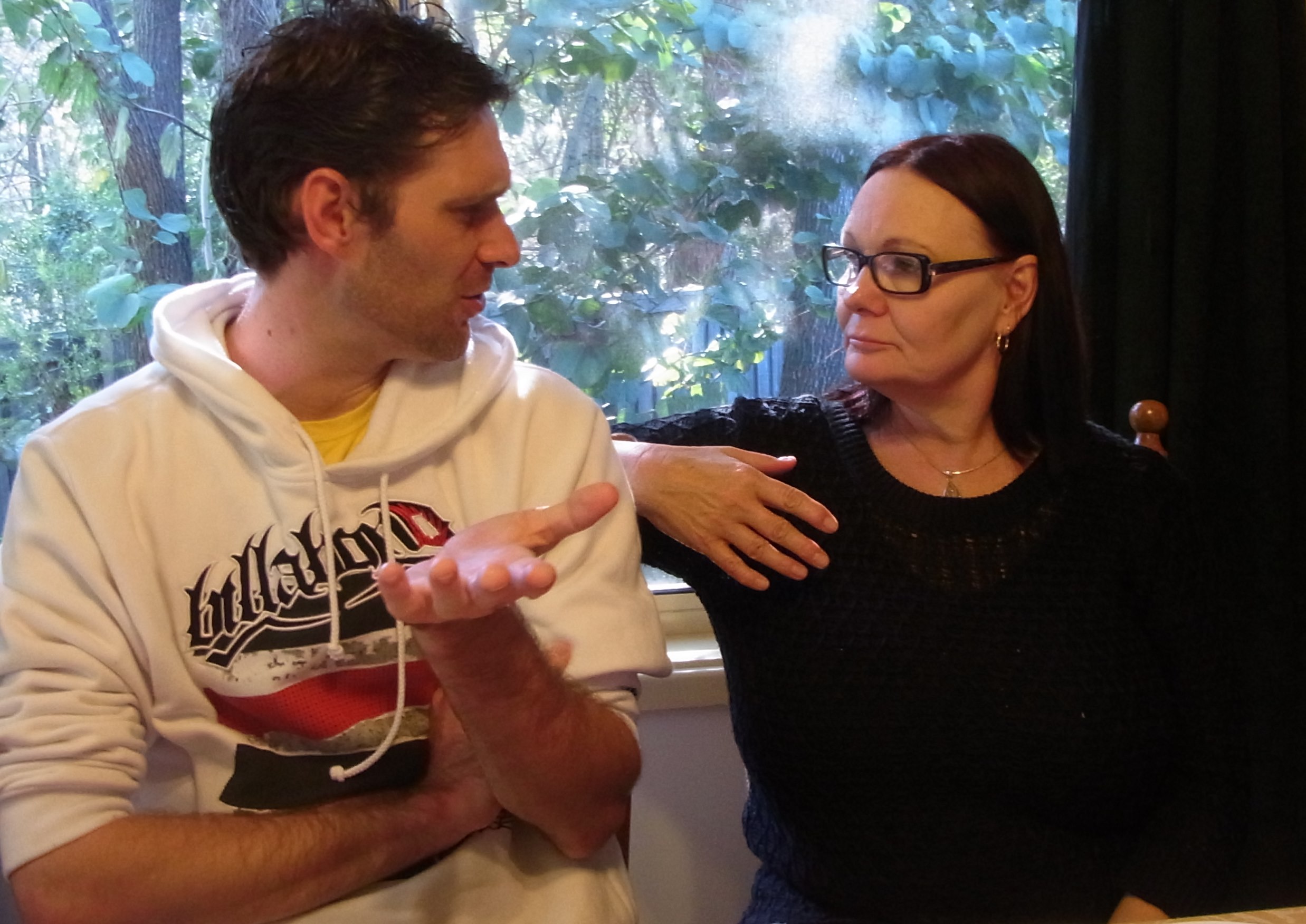



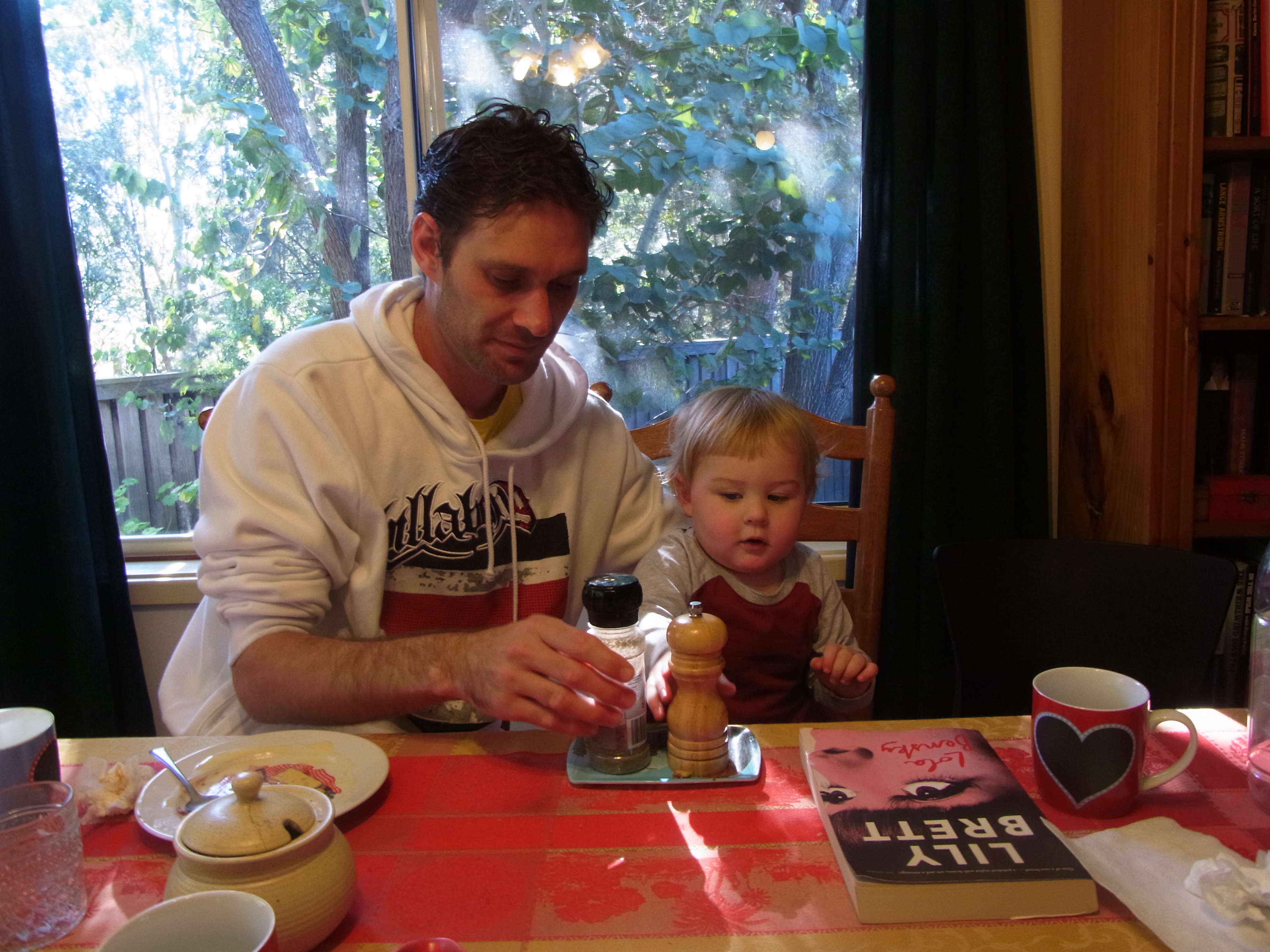
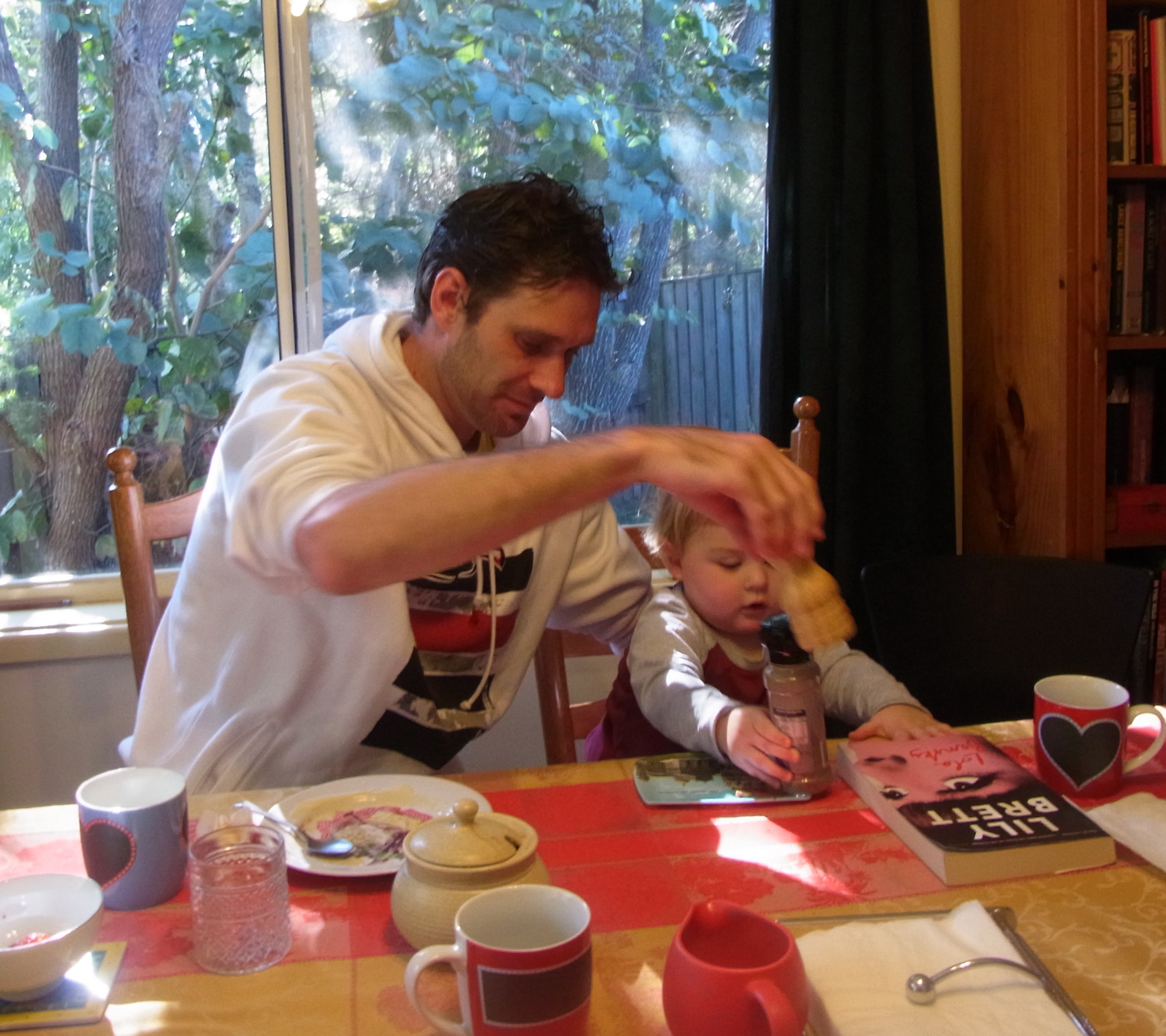
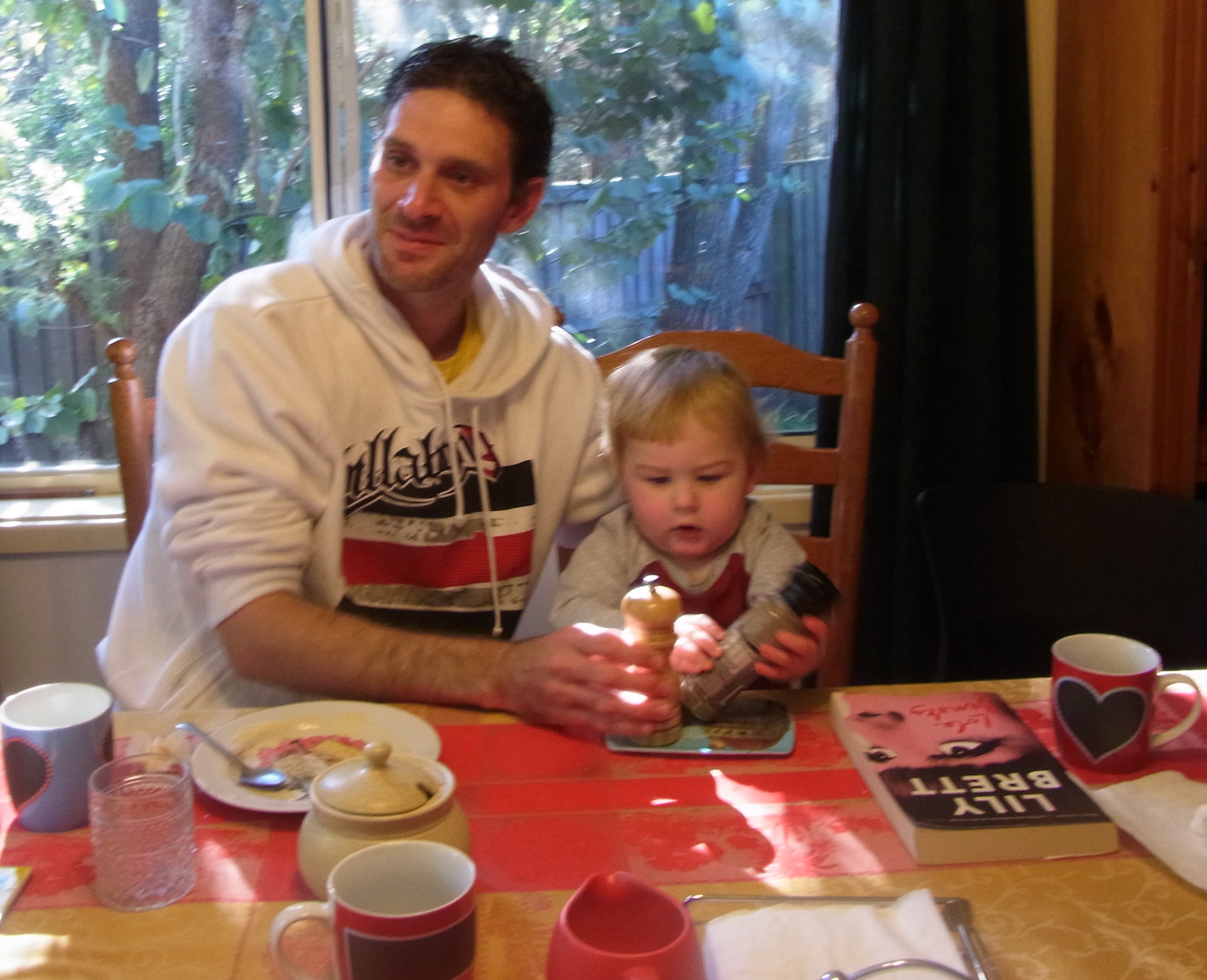
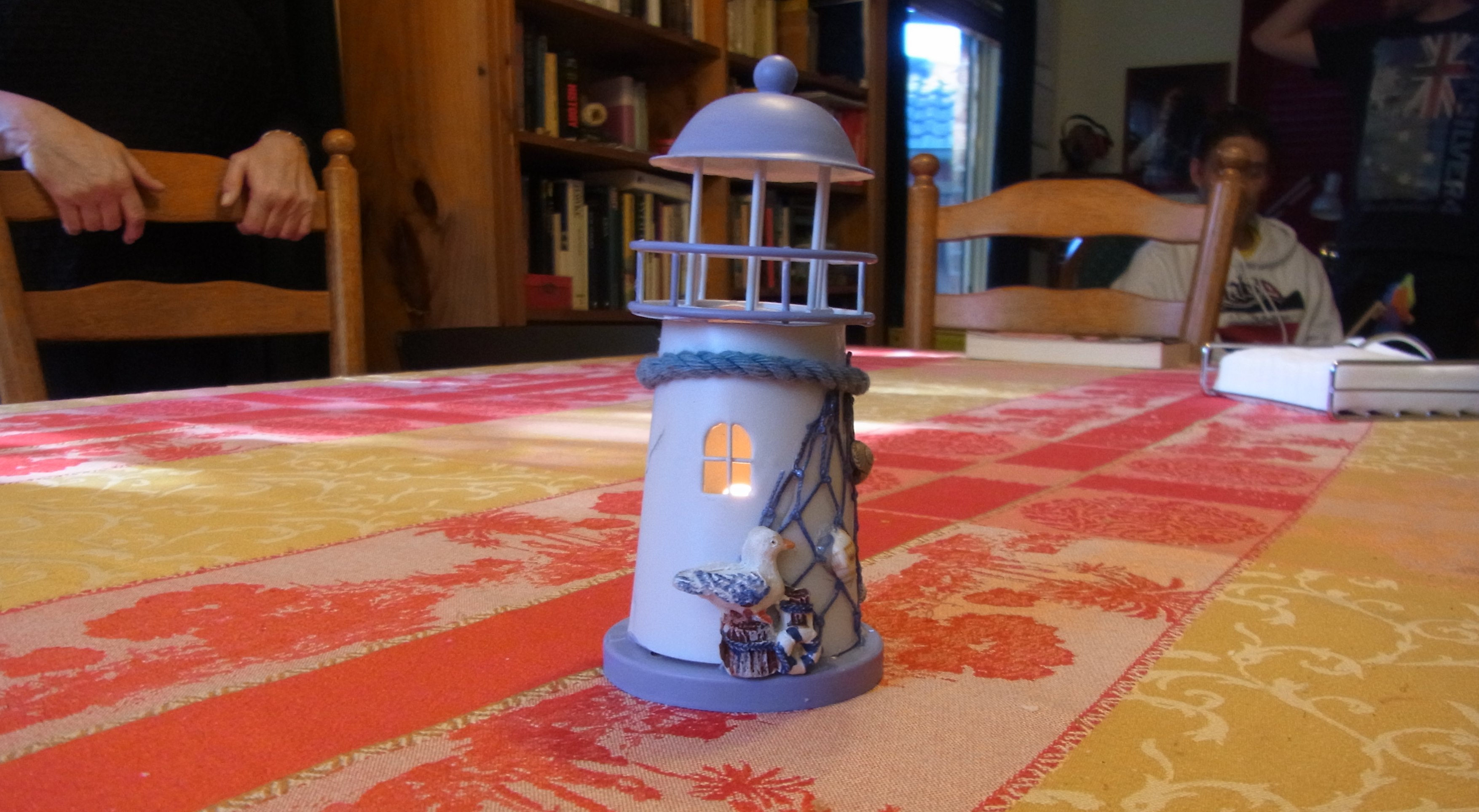
Thursday, 3rd of July 2014
Today we did get a surprise visist by Monika and family. All the pictures are todays pictures. Peter took some and I also took some. Caroline and Matthew were with us too. Sorry, nobody thought of taking pictures of them too. Krystal isn’t in any of the pictures, also Peter is missing in any of them. Ebony is in the background of the picture with Lucas.
It was so nice to have visitors! It was also great to have Caroline and Matthew with us for a while. I kept talking about our trip to Sussex Inlet in a few weeks. There’s going to be a special family meeting at Sussex Inlet for one weekend. Family from Melbourne and Newcastle are going to be with us too. I hope we’re going to have plenty of sunshine during our Sussex Inlet weekend. We are probably going to be about sixteen people for this family meeting. The family booked four units already. Each unit is for four people. There’s also an annex with every unit which can be used for additional people.
Here is what Kaye Lee found out:
To just underline the society we now live in…..
Tony Abbott’s $1.7bn cut to the Commonwealth Home Support Program will affect services including Meals on Wheels, respite care, cleaning, maintenance and other in-home services for elderly Australians living in their homes.
The government said the $1.7bn in savings from this measure would be directed to repairing the budget.
A $1.5bn scheme to fund wage increases for the aged-care workforce will also be scrapped, but the money will be redirected into boosting subsidies to aged-care providers by 2.4 per cent.
| About the Association and a little History |  |
 |
 |
| The general framework of George’s social philosophy is rooted in the view of Thomas Jefferson that the cause of social problems is an inequality of rights.The problem Henry George addresses is the problem of involuntary poverty. He sees this problem essentially as one of unequal rights to land. His teaching is founded upon the right to use land, land being the whole material universe, the “reservoir” as he says, from which all production comes. Because we are many the right to use land is an equal right.Henry George argues that the task of government is to secure these equal rights to land for everyone. However, George points out that observation of the institution of private property in land shows that it entails the very opposite of equal rights in land.In the social law of rent (the fact that productivity is enhanced by location) George finds an “adjustment” in nature that permits government to secure the equal right to land. For, if government took the value of locations, each would be left with land of equal value. By discouraging the holding of land for gain this charge would also permit all to use land.
The value given by location is land value. If collected, taxes on production might be done away with. For that reason his proposal was called a ‘single tax’. Some have reduced that proposal to some limited use of land value taxation. More generally George gave a proposal that assists in the resolution of many land problems. Where land is held exclusively the occupant must pay for the social and natural advantages that constitutes the value of its location. Other land is common and subject to the equal right of all to use. The “market value” of such land and of those common services on it are captured in the value of land held exclusively. George considered that the value of land would rise faster than wages as a proportion of production. He also believed that it exceeded the needs of government and that it might be made use of for cultural puposes or distributed among the citizens as a kind of ‘dividend’. History
The usual name taken by these organisations had been ‘Single Tax Clubs’. Its founders, however, now chose a different name ‘Free Trade and Land Values League, to represent its changing policies. That name generally alternated with ‘NSW Henry George League’ until 1965 when the name ‘Association for Good Government’ was adopted. At the same time its magazine (founded in December, 1905, as The Standard) was renamed Good Government. The organisation consolidated all Georgist organisations in Sydney into one. A.G. Huie the first Secretary made ‘country visits’ by car to collect subscriptions, speak at open air meetings and maintain contact with members in outlying towns in NSW. Huie must hold something of a record since he became Secretary in 1901 and only retired in 1955. He also edited the journal. During its over 100 years of history the Association has maintained a remarkably consistent set of activities, holding conferences, seminars, courses and committee meetings, maintaining a journal and writing submissions to government and letters to the press and others upon issues as divergent as civil liberties, privatisation and taxation. At all times it has held to the main concerns of its founders, to bring to the attention of the public the importance of equal rights in the earth and an understanding of economic rent to social stability and prosperity. In 2006 the Association formed a Branch in Canberra. |
Prosper Australia is a non government organisation inspired by economic justice. When wealth produced from land – the earth and natural monopolies – is the funding base for government, equality of opportunity becomes possible for all humanity.
This concept was developed during the 18th Century era of Classical Economics. The theory was clarified when the self-educated Henry George wrote “Progress and Poverty”. The success of this book and the strength of his oratory prompted a world-wide movement.
We reach out to business on lower taxes and greater efficiencies (through the removal of deadweight taxes) and to progressives on urban density, self funding public infrastructure and resource conservation.
Prosper Australia is primarily a voluntary organisation with sister organisations throughout Australia and the world.
In Victoria we have a number of related groups including:
In Tasmania we have:
Around Australasia we have associated groups in the Association for Good Government (NSW), the Georgist Education Association (W.A), Site Revenue Society (QLD) & Resource Rentals for Revenue Association (NZ).
Prosper Australia grew out of the ferment of social reform at the beginning of the twentieth century. Although there was landowner opposition to the idea of untaxing work and taxing land instead, this reform enjoyed widespread support. During the first twenty years or so of the last century our journal PROGRESS reached a circulation of 20,000. Both the conservative and Labor Parties put Land Value Taxation on their policy platforms. A good beginning had been made. We were part of a wider movement for a more equitable society and dynamic economy.
During the dislocation of the war years, support waned. However people were still enthused. A band of businessmen clubbed together and bought a property so that the organization would have a permanent home and duration. Another very generous benefactor donated money and began the Henry George Foundation (Australia). These initiatives gave the movement a sound financial base.
Key economic reforms could be made at a local level: to levy council rates on the value of the location and not on the buildings. Once the merits of land value capture was demonstrated at a local level we could then move onto the State and Federal.
In Victoria, to make the change from net annual value to site value rating, a ratepayer poll was required in which 40 per cent of ratepayers demanded council conduct a poll to decide on the rating system preferred by the majority. Data was painstakingly collated to show site value rating was just and equitable and that most people would benefit. This hard work lead to a gradual shift and councils submitted to the demand of ratepayers with changes to site value rating. This was clearly democracy at work.
In the 1970’s, a change to the law in Victoria introduced a charge of $1 to view the value of an allotment (a land title). This had been free. Here was a deathblow to anyone compiling local government statistics, and was a serious set back to our organisation. Our statistics had shown conclusively that ordinary people and hardworking businesses were better off with Site Value rating. The final blow to our local government work was the return to net annual value (or Capital Improved Value), disguised in the Kennett-era amalgamation of councils. Ratepayers who had used the democratic process to move the rate base to Site Value were now rated on their improvements as well. Kennett also increased the cost of viewing land titles to $20 per title.
The Site Value system of revenue raising worked very well in Canberra. Planners knew that when siting the national capital in Canberra became publicly known, it would prompt a crippling land grab. A leasehold system was devised to stop this. Canberra was created without land speculation and prohibitive high land prices. Canberra designer Walter Burley Griffin, a member of our organisation in the early years, helped draw up the leasehold system. This stood the test of time until the 1970’s when the Gorton Government all but abolished it. At the time Prosper campaigned for a revamp of the leasehold system, as we saw the real problem was not the leasehold system but that intervals between valuations were too spasmodic.
The loss of the leasehold system in Canberra and the local government rating change were heavy blows to Georgists. All our hard work was systematically dismantled. The local government work had not led to permanent improvement. We did not have the success which we had at first envisaged. Today, the popularity of tax havens combined with the compliance costs heaped on modern business mean that in the near future our views will return to their rightful place. Our challenge is to put the undeniable evidence before citizens.
Prosper is part of a worldwide network working for economic justice. We believe a just revenue system lies at the heart of many of Australia’s social issues. We are concerned about poverty, homelessness, joblessness, community fragmentation and the destruction of our environment. We know most people share our concerns. Prosper Australia differs in its approach to addressing these issues from many other groups. We not only ask “How is Government spending to be allocated?”, we also ask, “What is the most just way Governments can obtain their revenue?” There is not enough attention paid to the second question because people delegate this complex task to government and trust it to behave impartially. People drive great distances for cheaper petrol, but spend no time analysing why they pay so much tax.
We are a grassroots, not for profit and educational organization. We are truly independent and not affiliated with any political group. Our members and supporters come from all walks of life. Any one who agrees with our outlook is invited to become a member. We have always enjoyed steady support from academic and business circles and the many people who simply see the sense of funding government this way. We hold regular meetings and forums to lift understanding of these concepts. These meetings are advertised on our web site and in our 109 year old journal Progress Magazine
Members elect an Executive each year to direct Prosper’s activities. The executive meets monthly. The movement’s work is done by volunteers and a small cadre of thinkers and communicators from our rooms in the heart of the city of Melbourne. Here we have meeting rooms, our research library and bookstore. Members are welcome to use the facilities, deepen their understanding and debate the issues.
We maintain a panel of speakers to address other organisations on these key economic issues. We reach out constantly to environmental, community and political groups. If you would like a speaker for your group simply contact us.
Are held regularly in our meeting rooms at Level 2/22 Punch Lane, Melbourne. We promote rigorous community debate on economic, social and environmental issues. All are welcome. Check our Events.
Prosper collates fresh economic data from a wide range of sources, including our own researches. The foundations of Georgism are laid out in our Council Ratings system. We provide Australia with the evidence that many say is world-best practice through the Land Values Research Group. The Site Rating Defence Group also does exceptional work. Individual members and a Researcher contribute as well. Check the evidence
Yes, since 1904. This impressive record “is a tribute to the succession of capable editors who are willing to give their services in an unpaid capacity to the production of our paper. It is equally a tribute to the members of our movement who, through their subscriptions and donations, have met the printing and distribution costs over such a long period in the quest for economic and social justice.” (Progress Centennial Edition)
We rely solely on the strengths of our arguments to win supporters. We do not pressure people to conform with our beliefs, but we do hope that now that you have found our website you will take time to consider the importance of what we are saying. Please join today, but if you would like more information, why not take up our offer of a free introductory subscription to Progress Magazine. There are many similar organisations around the world that you can investigate via our links page.
To curious minds!
“Thanks for telling us about your history. I found it fascinating. I have always admired your positive outlook on life and also not being afraid to speak out and make comments on political events and standing up for your beliefs. thank you.”
It is great to get a comment like this one that Elizabeth made in response to my previous post. I hope I am telling the truth when I say I probably always had a rather positive outlook on life. Even during times when I felt very down there was always hope at the back of my mind that things would turn out all right. Something comes to mind what I did when I felt depressed: I looked for people I could talk to about my problems.
My problems resulted mainly from a feeling of self doubt. I doubted that I was any good to anyone. One day a friend of mine told me: “You know, God does not make rubbish!” This simple statement somehow brought about a change in my thinking. I started to believe that I must have some kind of value. I started to accept myself the way I was. I think Peter did not like me to have friends that were not his friends. But I told him that I needed people to talk to. I said that I just could not talk solely to him all the time.
In my last post I said that some things I could not change as for instance the war- and post-war conditions. In the meantime I talked with Peter again about our dear first born daughter who passed away on the 15th of July 2012. She was a very strong willed, loving and courageous woman. Yes, I say woman for she was close to 55 when she died. Even though, in a lot of ways she seemed to us a bit like a teenager right until the day she died. But these days women stay younger for longer, right?
The daughter’s name was Gabriele. We called her Gaby. Some Australians called her “Gabby” which I think was fitting for she liked to talk a lot. So she was a good organiser, a good talker and had an outgoing personality. However she was a quadriplegic with breathing difficulties. Some of my blogger friends may remember that I mentioned this before. Gaby was not the intellectual type. She never got around to doing university studies. But I believe she made of her life as much as was possible under the circumstances.
When Gaby ended up in hospital as a four year old, she soon started bossing every one around. The very motherly head sister called her “the boss” of the ward. Who knows what career Gaby could have had had she been able growing up without these extremely severe disabilities! A vaccination against poliomyelitis could have prevented Gaby falling sick during the 1961 polio epidemic. Peter and I assured us again and again that we were not neglectful since the vaccine was not available at the right time. It was a disastrous set of circumstances. Still, the regret is there of course. Peter would say it was fate, I say it was the will of God. Gaby understood the position we were in. We did whatever we could do for her throughout her life. And she always showed us that she loved us! She was a “pain in the neck” as the saying goes, but she also had a very big and generous heart. Gaby was loved and admired by a great many people. She had a marvellous memory for faces and names. And she liked to keep in touch with every one in our family.
I wish that some things could have been different. But I have to accept that some circumstances could not be changed. The decisions I made during my life always felt right at the time, even though later on I sometimes doubted whether I had made the right decision. I think with most important decisions like marrying and having children I overcame any doubts. There is one decision I certainly never regretted: Our coming to Australia. I regard it as a blessing that we were accepted as migrants in 1959. Coming to Australia for me was the best decision we ever made. I never had any doubts about this.
“When it comes to controlling human beings there is no better instrument than lies. Because, you see, humans live by beliefs. And beliefs can be manipulated. The power to manipulate beliefs is the only thing that counts.”
― Michael Ende. The Never-ending Story
“If you tell a big enough lie and tell it frequently enough, it will be believed.”
Joseph Goebbels said it. Adolf Hitler re phrased it.
‘When you tell a lie you deny the other person’s right to the truth
John Lord”
I took the above quotes from an article by John Lord from the THE AIM NETWORK (AUSTRALIAN INDEPENDENT MEDIA NETWORK):
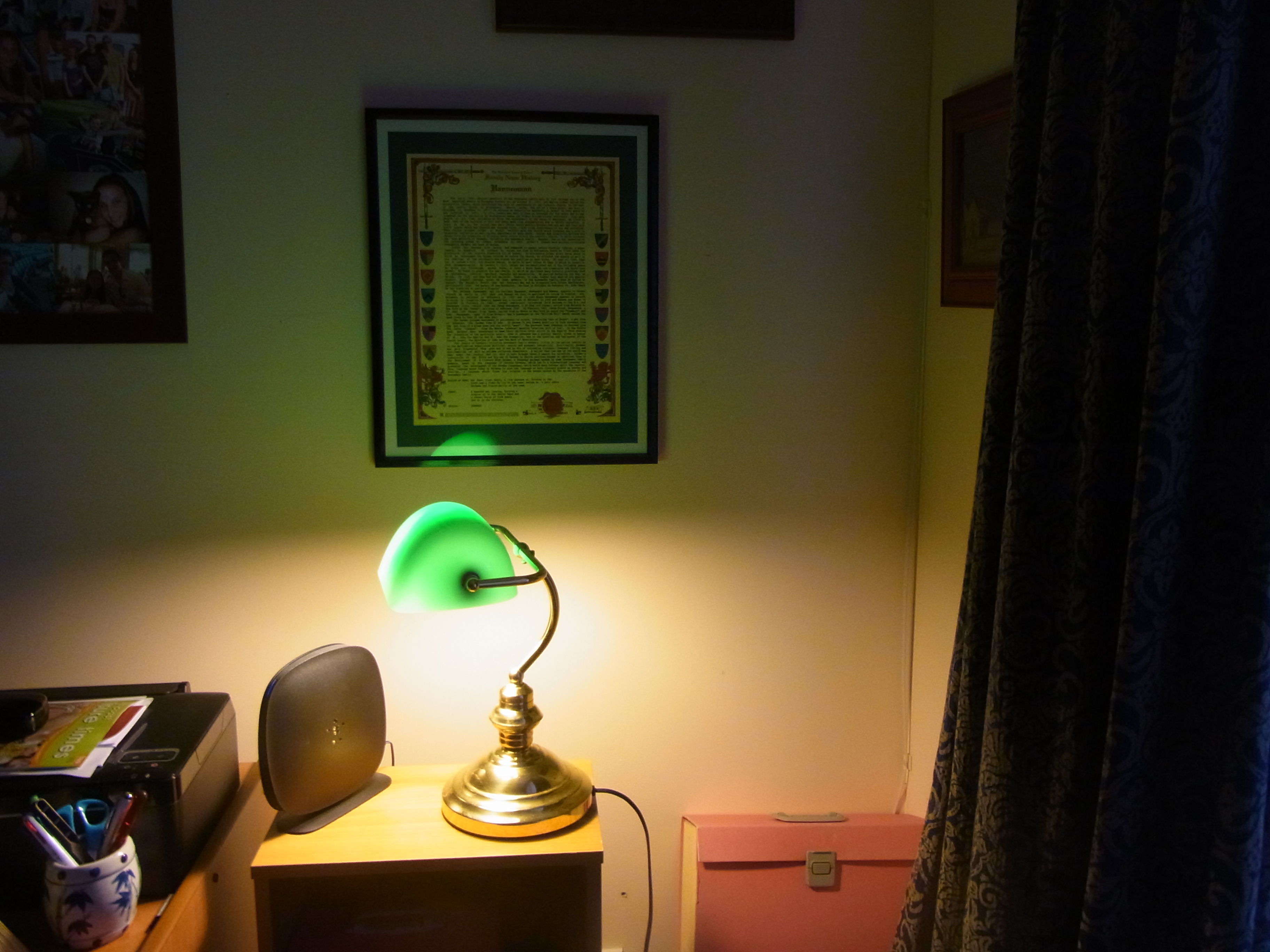
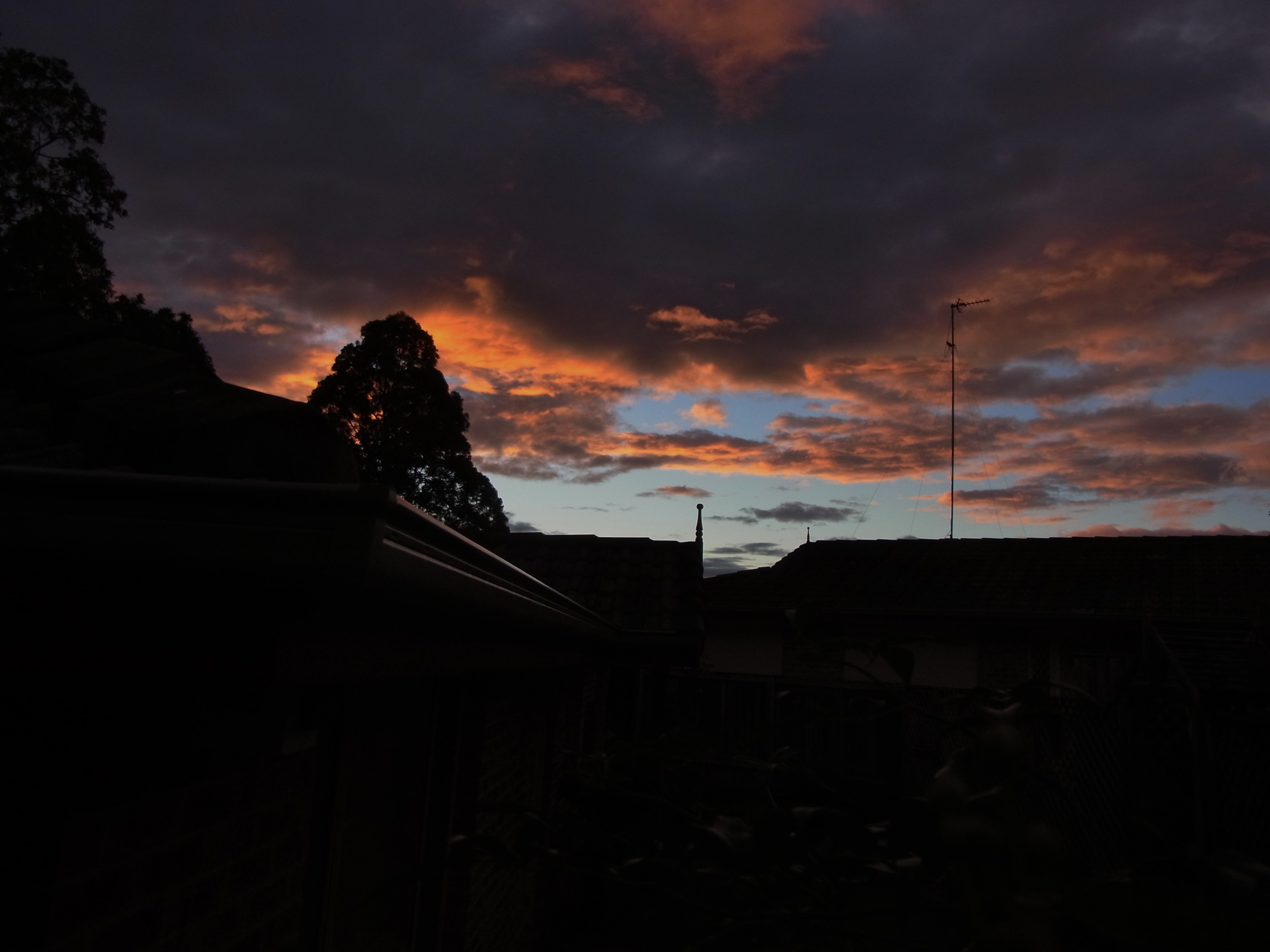
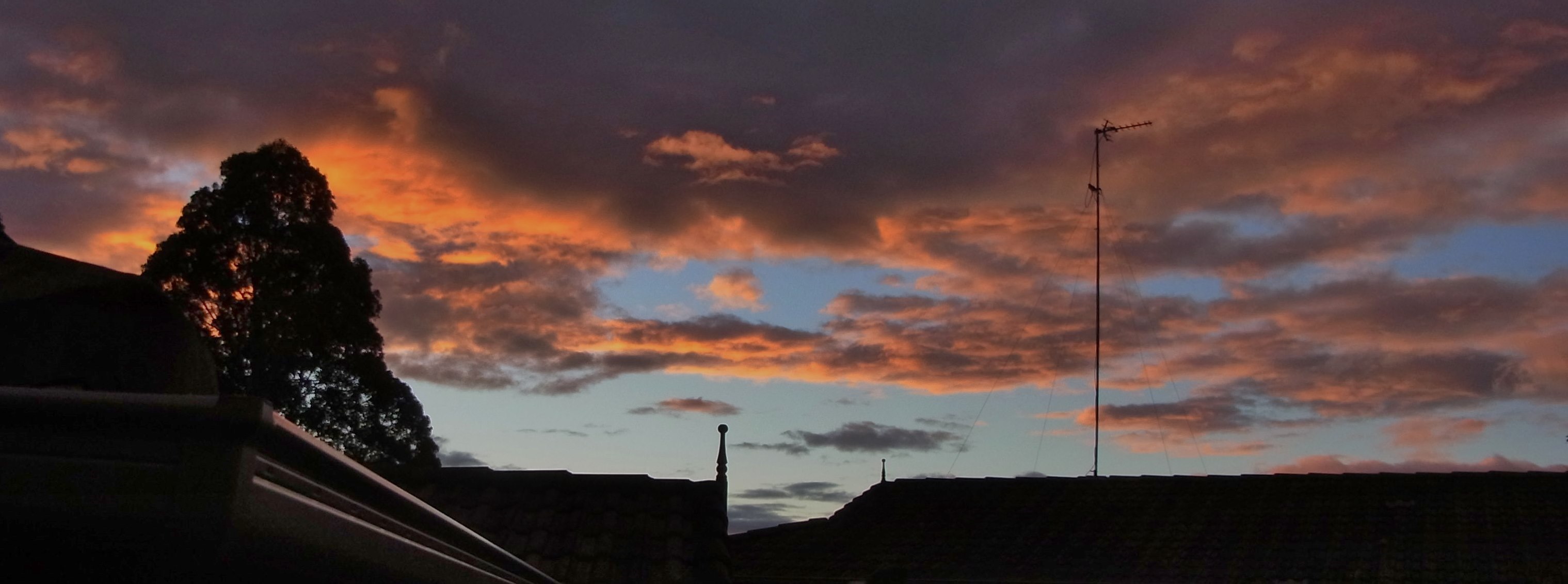

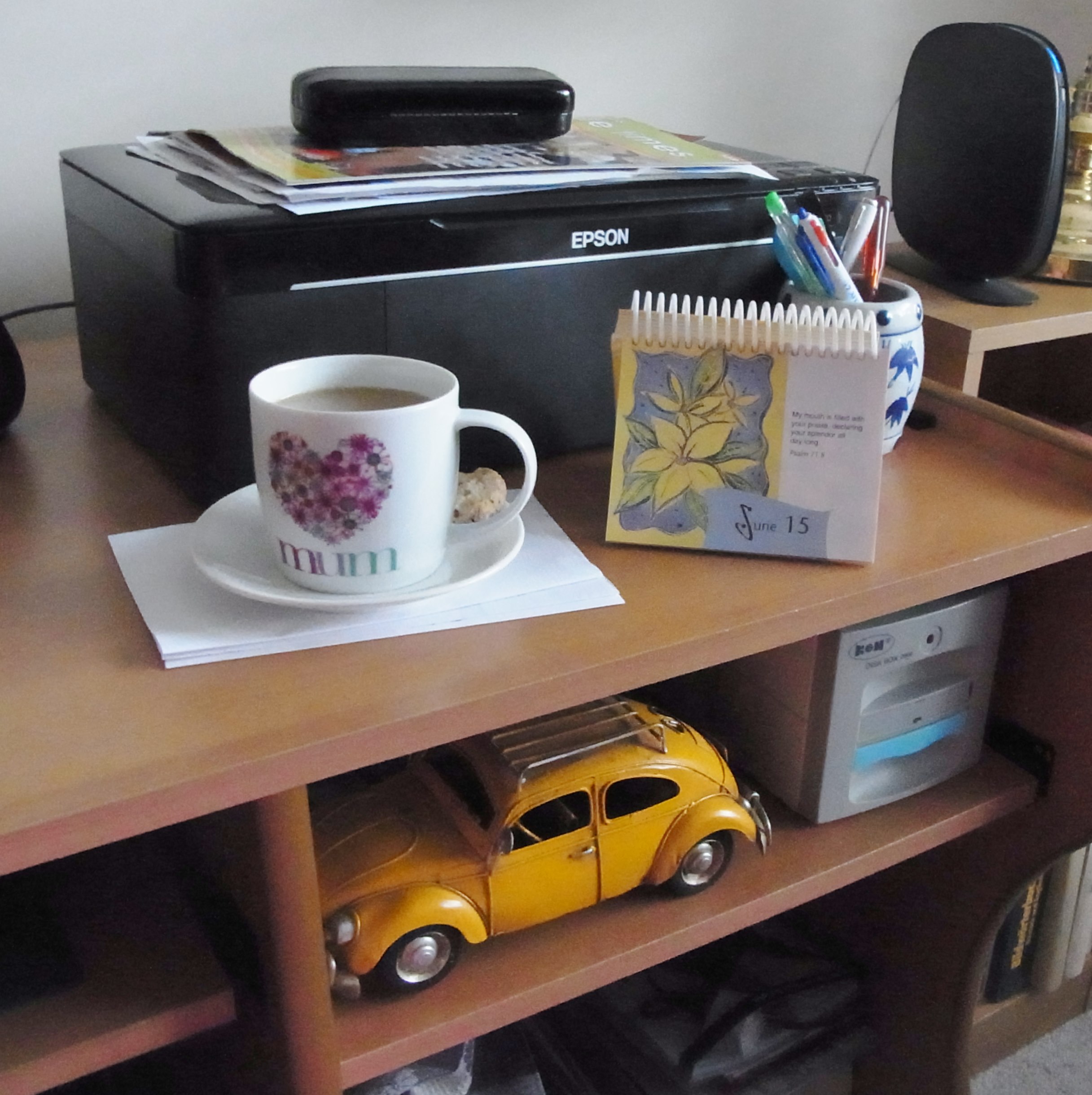

I have my laptop in a very small easy to heat room. I love this small space on a cold winter morning. It feels so snugly warm. Still I have diverse layers of clothes on. I am out to keep as warm as possible. I do not want to catch a cold. With temperatures like we have right now I cannot be too careful! The forecast for today is: Cloudy, windy, max. temperature 16 C. This means no sun! Doesn’t sound very good, not good at all. If it gets very windy, I better stay indoors. I do not like cold wind!
Peter is watching a football game in the living room: England versus Italy. I took my coffee to this computer room to occupy myself with taking pictures rather than watching another football game so soon after yesterday’s game: Chile versus Australia. I liked the way the Australians played, but really I am not that much into football that I want to watch every available FIFA World Cup game. But it is great to see that so many people get a lot of enjoyment out of it. In many cities all over the world the games are being watched on big outside screens. Our twin grandsons watch the before mentioned game in a pub in London right now!
All the above photos I took this morning. I glanced some very colourful clouds when I looked outside. My pictures are just some trial pictures. I saw the cloud much more colourful. It did not turn out that good in the photo.
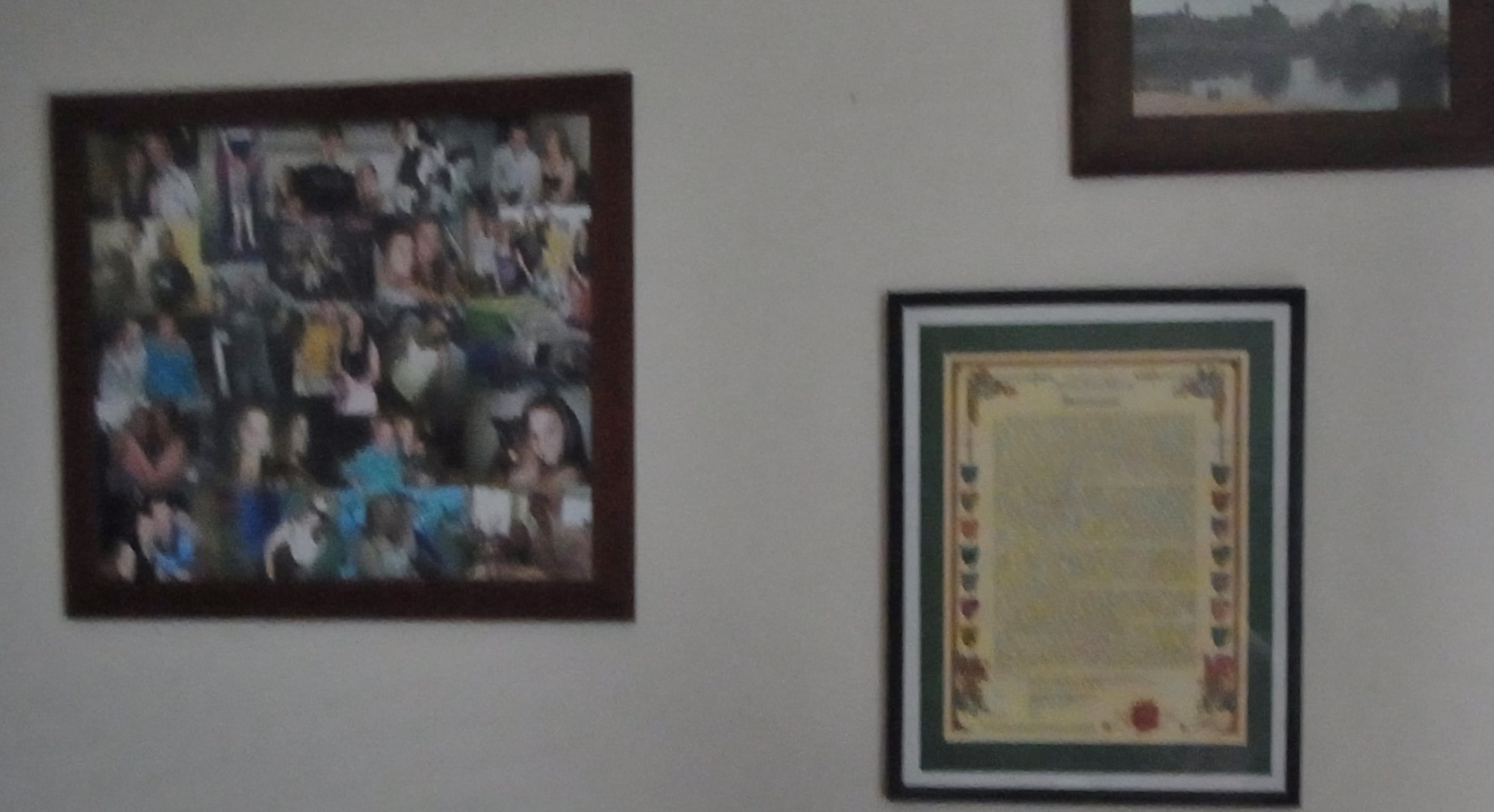
There are several pictures on the wall in front of my laptop. One picture is titled “Family Name History”. The picture was given to us on our 50th Wedding Anniversary by our children. It says a lot about our family name. The print is rather small. This is why it did not come out well in the photo. Maybe some other time I can try to take a better picture of it.
“Tony Abbott’s vision of society as a market
By Tim Dunlop
Posted Thu 11 Jul 2013, 8:26am AEST
A society with “greater inequality” isn’t a society. It’s a market. (AAP)
PHOTO: A society with “greater inequality” isn’t a society. It’s a market. (AAP) (AAP: Tracey Nearmy)
Tony Abbott’s policies reveal him to be in thrall to the voices of wealth and privilege, and for all his claims of conservatism, he is actually leading a party that does not believe in community, writes Tim Dunlop.”
This article was already published last year on the 11th of July! If you want to read on, please go to the link below:
http://www.abc.net.au/news/2013-07-11/dunlop-abbott-policies/4812208
 AuntyUta