
https://en.wikipedia.org/wiki/Battle_of_Fromelles
Western Front
The Battle of Fromelles (French pronunciation: [fʁɔmɛl]; 19–20 July 1916) was a British military operation on the Western Front during World War I, subsidiary to the Battle of the Somme.[a] General Headquarters (GHQ) of the British Expeditionary Force (BEF) had ordered the First and Second armies to prepare attacks to support the Fourth Army on the Somme 80 kilometres (50 mi) to the south, to exploit any weakening of the German defences opposite. The attack took place 16 kilometres (9.9 mi) from Lille, between the Fauquissart–Trivelet road and Cordonnerie Farm, an area overlooked from Aubers Ridge to the south. The ground was low-lying and much of the defensive fortification of both sides consisted of breastworks, rather than trenches.
The operation was conducted by XI Corps of the First Army with the 61st Division and the 5th Australian Division, Australian Imperial Force (1st AIF) against the 6th Bavarian Reserve Division, supported by two flanking divisions of the German 6th Army. Preparations for the attack were rushed, the troops involved lacked experience in trench warfare and the power of the German defence was significantly underestimated, the attackers being outnumbered 2:1. The advance took place in daylight, against defences overlooked by Aubers Ridge, on a narrow front which left German artillery on either side free to fire into the flanks of the attack. A renewal of the attack by the 61st Division early on 20 July was cancelled, after it was realised that German counter-attacks had already forced a retirement by the Australian troops to the original front line.
On 19 July, General von Falkenhayn, the German Chief of the General Staff, had judged the British attack to be a long-anticipated offensive against the 6th Army. On the next day when the effect of the attack was known and a captured operation order from XI Corps revealed the limited intent of the operation, Falkenhayn ordered the Guard Reserve Corps to be withdrawn to reinforce the Somme front. The Battle of Fromelles had inflicted some losses on the German defenders but gained no ground nor deflected many German troops bound for the Somme. The attack was the début of the AIF on the Western Front and the Australian War Memorial described the battle as “the worst 24 hours in Australia’s entire history”.[2] Of 7,080 BEF casualties, 5,533 losses were incurred by the 5th Australian Division; German losses were 1,600–2,000, with 150 taken prisoner
Romesh Chandra (30 March 1919 – 4 July 2016)
https://en.wikipedia.org/wiki/Romesh_Chandra
From Wikipedia:
” . . . . Chandra became the General Secretary of the All-India Peace Council in 1952 and continued that position till 1963.[4] In 1953 he joined the World Peace Council, becoming its General Secretary in 1953 and its president in 1977.[1] He addressed the United Nations many times, the most times of any Indian.[5] The World Peace Council gave Chandra its F. Joliot-Curie Gold Peace Medal in 1964. The Soviet Union in 1968 presented him with the International Lenin Prize for Strengthening Peace among Nations and again honoured him by conferring the Order of Friendship of Peoples in 1975.[1] In 1971, he criticized the North Atlantic Treaty Organization as a “great threat to world peace”.[6] During the Assembly of the World Peace Council held at Athens in 2000, Chandra was elected as its “President of Honour”.
. . . . Around 3 p.m. IST on 4 July 2016, Chandra died in Mumbai of old age at the age of 97.”
Tahir Elci: preaching peace, killed by the gun
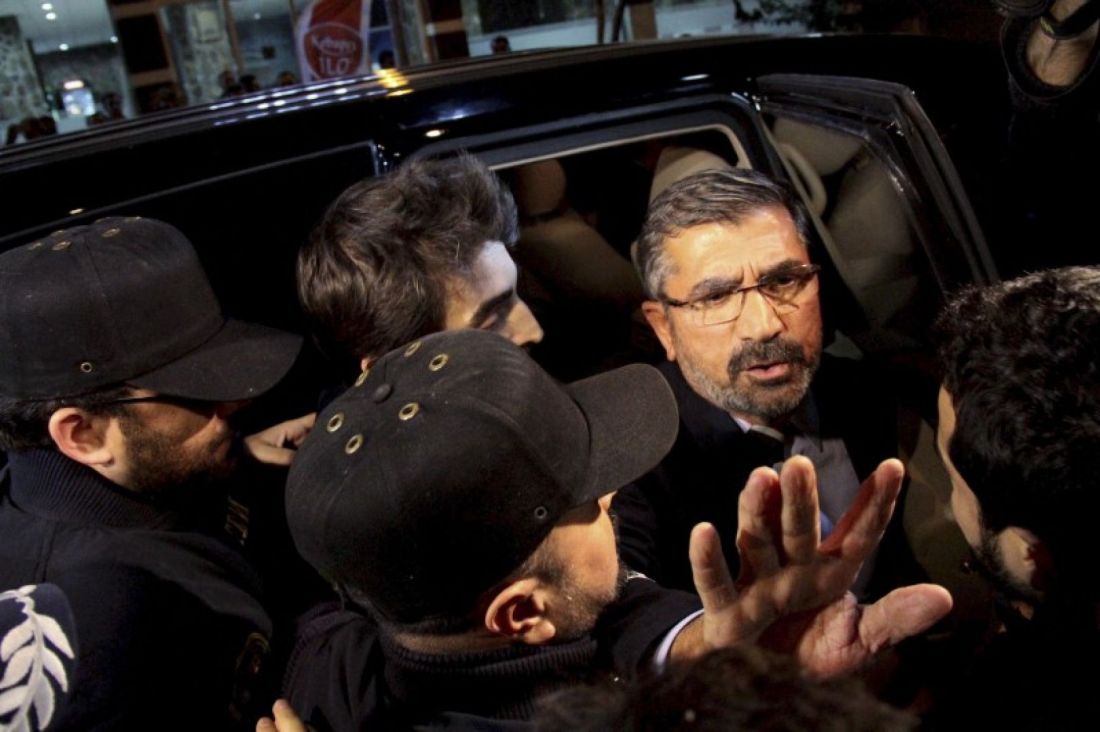
{t says: “Elci was a critic of both the government and the PKK, and a prominent supporter of a peaceful solution for the conflict between the Kurds and the Turkish state.”

This article was originally written in Dutch and appeared in the Groene Amsterdammer on 2 December. I’ve translated it into English for publication on my blog. Please scroll down for the Dutch original.
Rarely were someone’s last words so auspicious as those of Kurdish human rights lawyer Tahir Elci. “We don’t want weapons, conflicts and operations around here,” he stated, mere seconds before he lost his life during a clash between unknown assailants and the police in Diyarbakir, Turkey’s largest Kurdish town.
Elci had gathered with a small group of fellow lawyers to draw attention to the destruction of cultural and historical heritage during clashes between the police and local militant youth. Before the press conference had properly come to an end, the sound of gun shots rang through the air. Elci was hit in the head by a single bullet, and died on the spot.
Less than a month…
View original post 717 more words
. . . . Break the Silence
I would like to draw your attention to the following publication from 22 March of this year. In an address at the University of Sydney John Pilger voiced his opinions entitled: A World War Has Begun.
What is your opinion? Are we in danger of a Nuclear War?
Published 22 March 2016
119Comments
Comments
” . . . . .
OPINION: Why the Rise of Fascism is Again the Issue
In Britain last week, Jeremy Corbyn’s closest ally, his shadow treasurer John McDonnell, committed a Labour government to pay off the debts of piratical banks and, in effect, to continue so-called austerity.
In the U.S., Bernie Sanders has promised to support Clinton if or when she’s nominated. He, too, has voted for America’s use of violence against countries when he thinks it’s “right.” He says Obama has done “a great job.”
In Australia, there is a kind of mortuary politics, in which tedious parliamentary games are played out in the media while refugees and Indigenous people are persecuted and inequality grows, along with the danger of war. The government of Malcolm Turnbull has just announced a so-called defense budget of $195 billion that is a drive to war. There was no debate. Silence.
What has happened to the great tradition of popular direct action, unfettered to parties? Where is the courage, imagination and commitment required to begin the long journey to a better, just and peaceful world? Where are the dissidents in art, film, the theatre, literature?
Where are those who will shatter the silence? Or do we wait until the first nuclear missile is fired?
This is an edited version of an address by John Pilger at the University of Sydney, entitled “A World War Has Begun.”
Tags
USElection2016 War & conflict”
Toxic chemicals found in bodies of residents near fracking site [VIDEO]
Talking about “Human Rights”. How can they be applied with this going on?
Kipseli, The Bee Hive of Gods
https://www.linkedin.com/pulse/kipseli-athens-multicultural-bee-hive-europe-nico-spies
http://www.greeceathensaegeaninfo.com/h-athens/areas-of/kypseli.htm
Kypseli Area of Athens Greece
Kypseli, which means ‘bee hive’ in Greek, is worth noting for its Fokionos Negri section which is a long park like street with many cafes, bars, restaurants and boutiques.
Fokionos Negri is very popular with local residents and to other residents it is a destination for its night time amusements and promenades. You can cruise the strip here in Fokionos! Kypseli Sq is also very nice in a traditional Greek way at the top end of the strip.
There you may get a whiff of old Greece with many people enjoying the outdoors and children playing and so on. Of course non ( or very few) of the people you see in Kypseli will be Greek.
They will likely be Albanian or Ukrainian or Russian or Kurdish or from relatively near by. No big deal these are the people that do all the work in Greece these days. There are some great souvlaki places and restaurants in the square area that should not be missed too!
Also you will find the American chain Pizza Hut. Yawn! Stick with the local cuisine! Try Greek Pizza it really good usually.
http://www.mel.gr/en/content.asp?id=7
Bee – The most beneficial species of the animal kingdom for humans.
Humans cultivated bees since the ancient times. Honey is referred as therapeutical in Egyptian papyruses 3500 years ago. In the ancient Indians’ book of life it is said that life is prolonged when there is honey and milk in everyday diet. Nectar was the food of the immortal Olympian Gods. Zeus was brought up with honey by the Bee nymph.The father of medicine Hippocrates recommended it for the treatment of several diseases, and so did Aristotle who believed that honey prolongs life.
The Egyptians offered their gods honeycombs with honey as a valuable present showing devotion and gratitude. Cleopatra, the Egyprian queen, used honey for her face and body.
In Mykinae and the Minoan signs of other basic products of nutrition honey is (me-ri) is mentioned. In the classical era honey was one of the mytotos (kind of gruel) ingredients. Legumes also were eaten in the form of gruel adding honey. “Plakunta” was also a very popular sweet with honey, nuts and spices. Aristeos had become immortal because the Earth and the Hours to whom Apollon had given him,fed him with amvrosia. In the Byzantine period honey was also part of the diet.
Putin Warnings
At Singapore Airport, Friday evening, 1st of July 2016
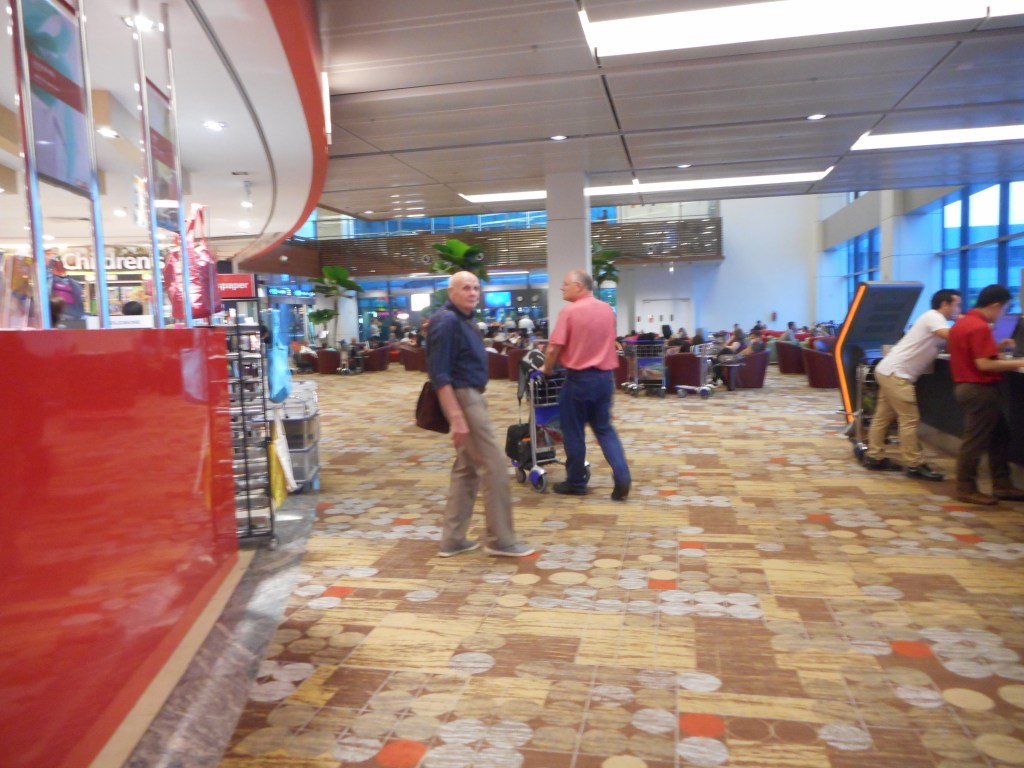
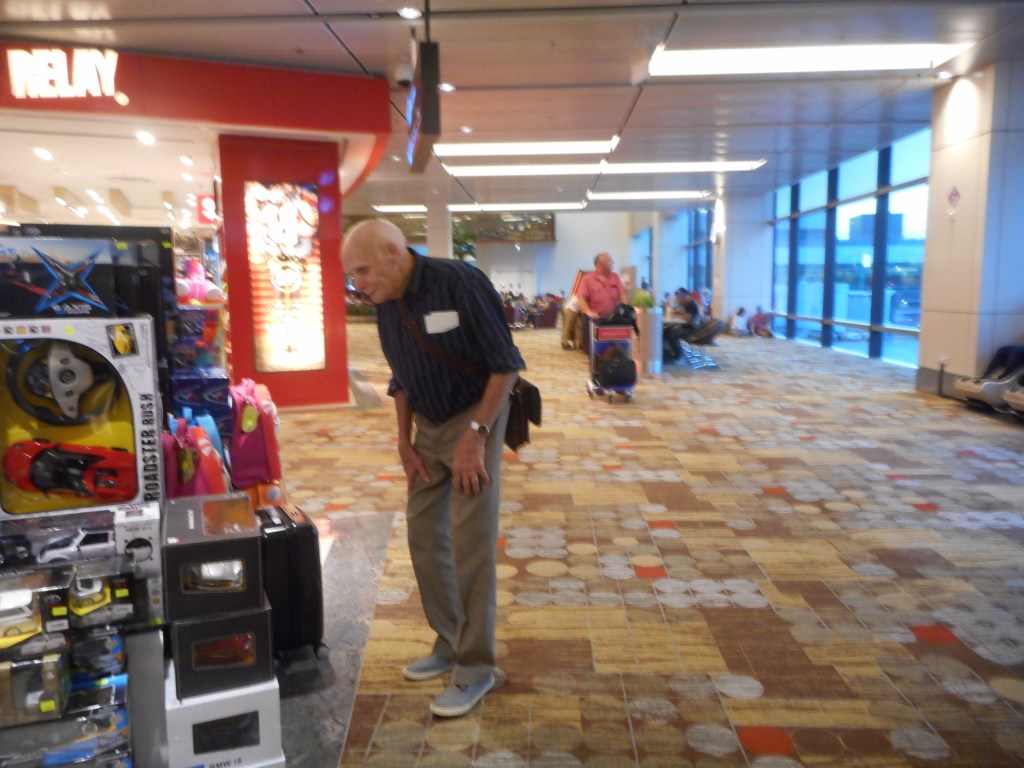
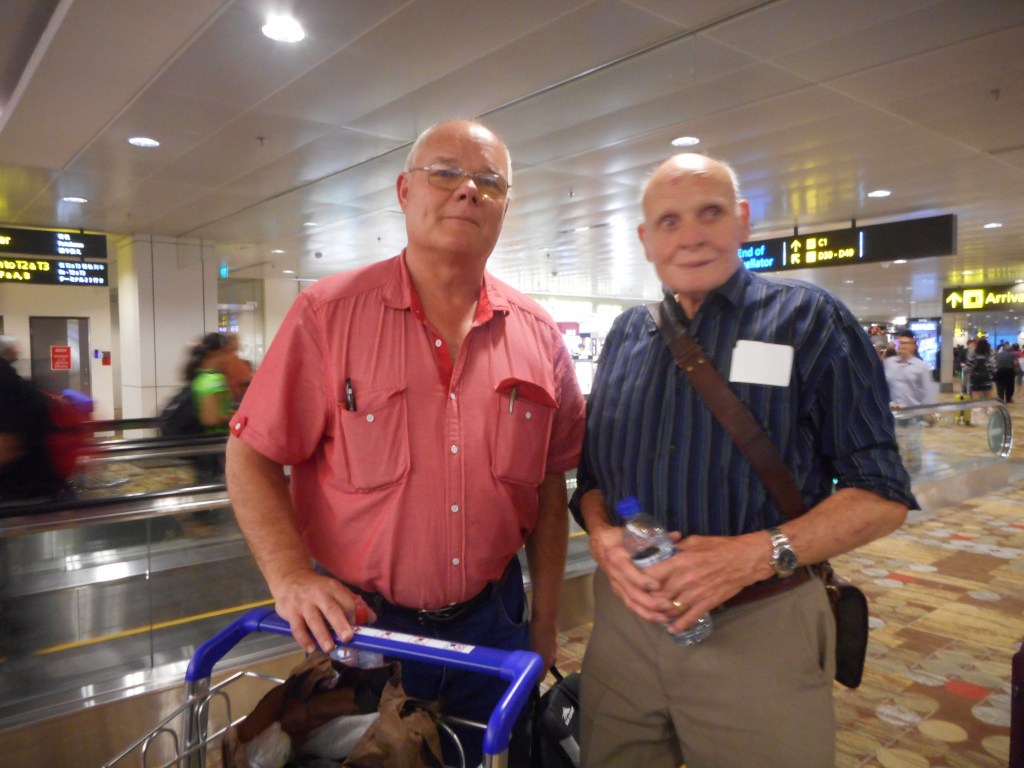

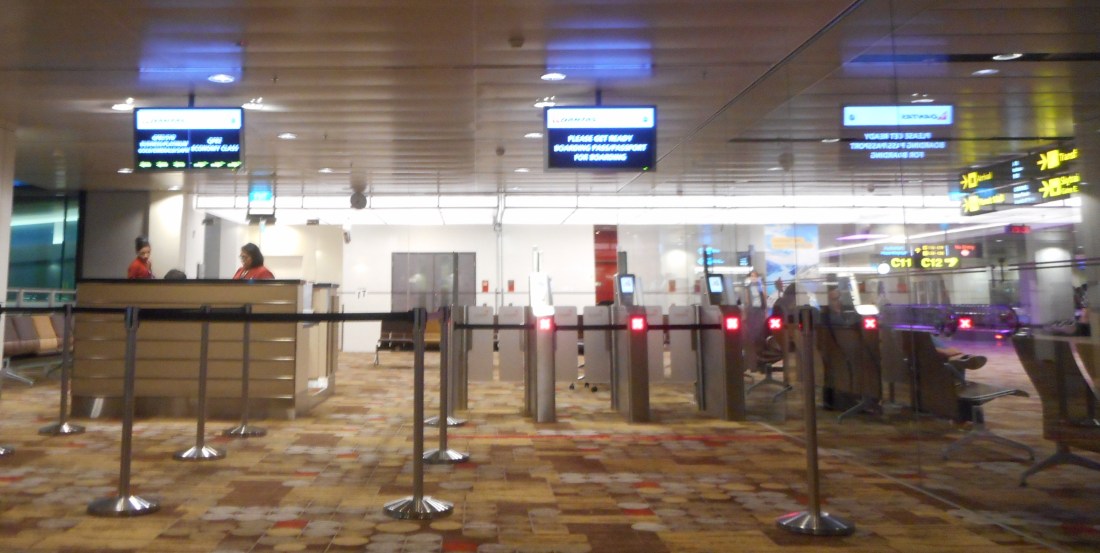
Qantas Flight Singapore to Sydney
There were Touch Screens on the last leg of our flight back home to Sydney. For instance I very much enjoyed the Louis Armstrong music.
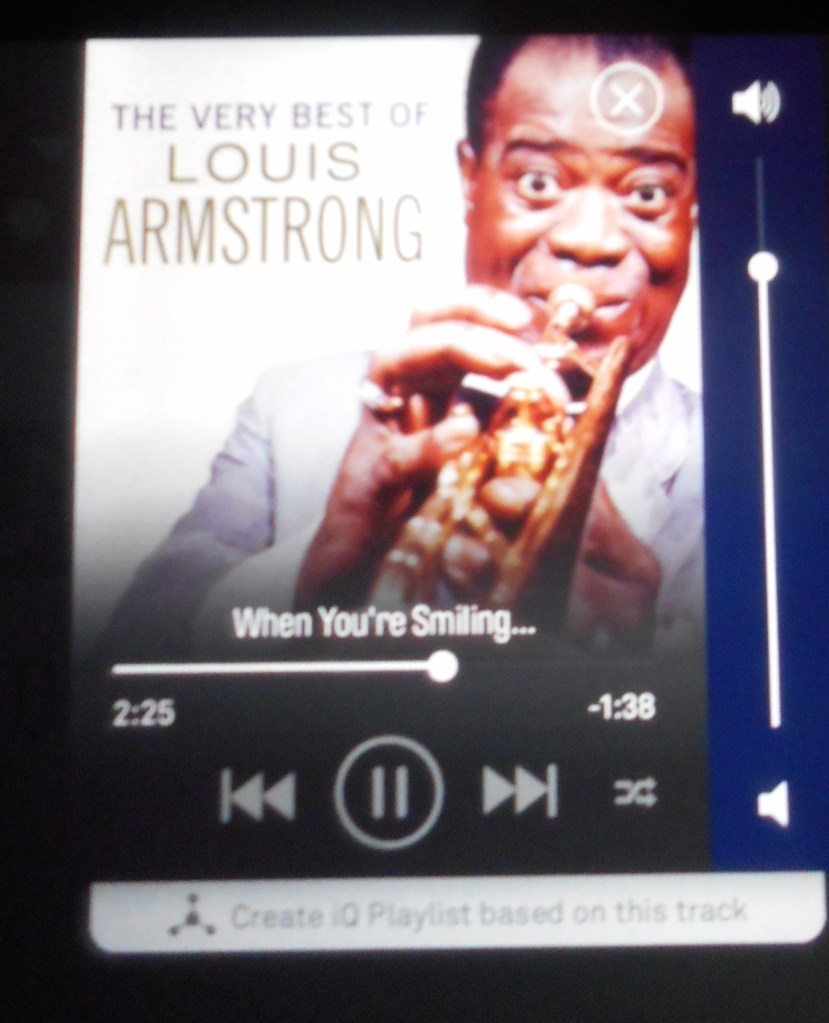
I listened to the whole tape twice in a row, even though there was plenty of other music available that I could have listened to.
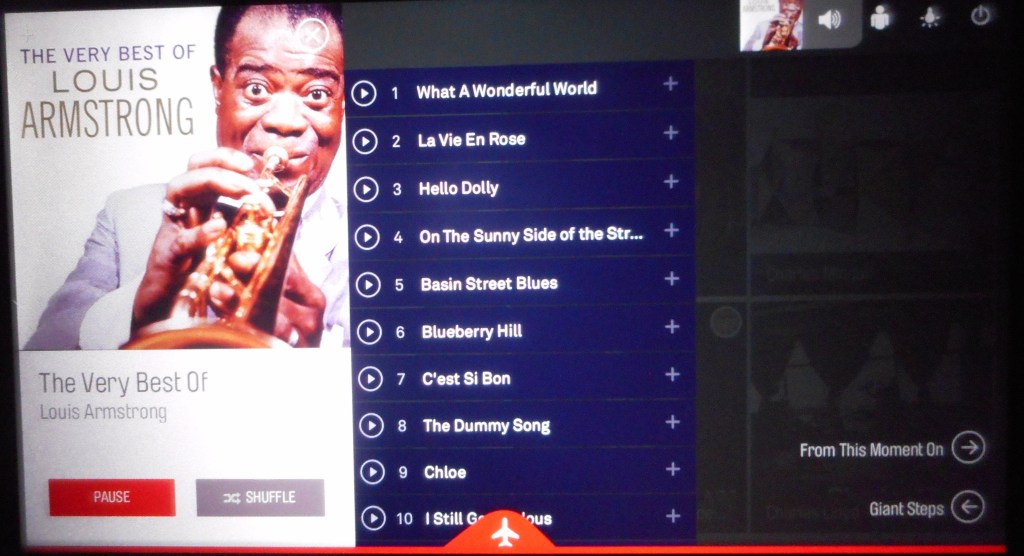
Also, bottles of water were frequently passed around for whoever wanted them. We did fly right through the night till we arrived in Sydney at 6 am. Some people slept most of the time, but others had their screens turned on in front of them. I very much liked these easy to handle touch screens. I ended up getting very interested into an American TV series called ‘The 100’ and copy here some information about it from Wikipedia.
“From Wikipedia, the free encyclopedia:
The 100 (pronounced The Hundred is an American post-apocalyptic science fiction drama television series that premiered on March 19, 2014. The series, developed by Jason Rothenberg, is loosely based on a book of the same name, the first in a trilogy by Kass Morgan.”
I do find the plot very interesting. Here I copy again from encyclopedia something about the plot:
“The series is set 97 years after a devastating nuclear apocalypse wiped out almost all life on Earth. The only known survivors lived on 12 space stations in Earth’s orbit prior to the apocalyptic event. The space stations banded together to form a single massive station named “The Ark”, where about 2,400 people live under the leadership of Chancellor Jaha.[1] Resources are scarce, so all crimes – regardless of their nature or severity – are punishable by ejection into space (“floating”) unless the perpetrator is under 18 years of age. After the Ark’s life-support systems are found to be critically failing, 100 juvenile prisoners are declared “expendable” and sent to the surface – near former Washington, D.C.[7] – in a last ditch attempt to determine whether Earth is habitable again, in a program called “The 100”. The teens arrive on a seemingly pristine planet they have only seen from space. They attempt to find refuge and supplies at an old military installation, Mount Weather Emergency Operations Center, located in the foothills of the Blue Ridge Mountains. However, they land some distance from the intended target and soon face other problems. Confronting both the wonders and the dangers of this rugged new world, they struggle to form a tentative community. They soon discover that not all humanity was wiped out – some survived the war: the grounders who live in clans locked in a permanent power struggle, another group of grounders who have become cannibals are known as Reapers, and Mountain Men, who live in Mount Weather, who locked themselves away before the apocalypse and are killed by the residual radiation outside.
In the second season, the remaining 48 of the 100 are taken to Mount Weather, where they discover a community of survivors. It is eventually revealed that the medical staff are extracting bone marrow from the 100 and the grounders so they will finally be able to survive on the outside. Meanwhile, the inhabitants of the Ark have successfully crash-landed various stations on Earth and begun an alliance with the grounders to save groups of people, naming the main settlement at Alpha Station “Camp Jaha”.”
Travelling back to Australia
From Singapore on we had been flying Qantas. This was a really great experience. Also, Singapore turned out to be a lovely break for our transfer to our flight home. First of all, after having landed in Singapore I needed quite a bit of recovery from that 13 hour flight from Frankfurt. I must have been very dehydrated, for within half an hour or so I consumed a lot of water. The water and some rest in pleasantly warm surroundings soon made me feel on top of the world.
In Frankfurt the airport staff looked after us very well. Since it is a vast airport and we oldies had very limited time to catch our connecting flight, we had asked to be driven to our point of departure, just to make sure that we would not miss our flight. This worked out very well. A very nice young lady drove us in that airport buggy car over vast distances and through secret passage ways all the way to where we had to go. Our son Martin was allowed to join us on that buggy car.
So this went very well.
Unfortunately we had not managed to acquire seats next to our son Martin: At Berlin Tegel Airport we had found out that three connecting seats were not available anymore. Even to get two connecting seats was a bit of a problem. Peter and I ended up having two seats in a middle row. Peter had a lady to his right, I had a young Asian student on my left. We think these days it is not a good idea to book seats at the counter when checking in because most people do book online. By the time one gets to the check-in counter, one has to put put up with whatever seating is still left.
Martin got off the plane with us in Singapore. He went on to Melbourne soon after our Qantas plane had left for Sydney. But first we could spend a few hours together with Martin.
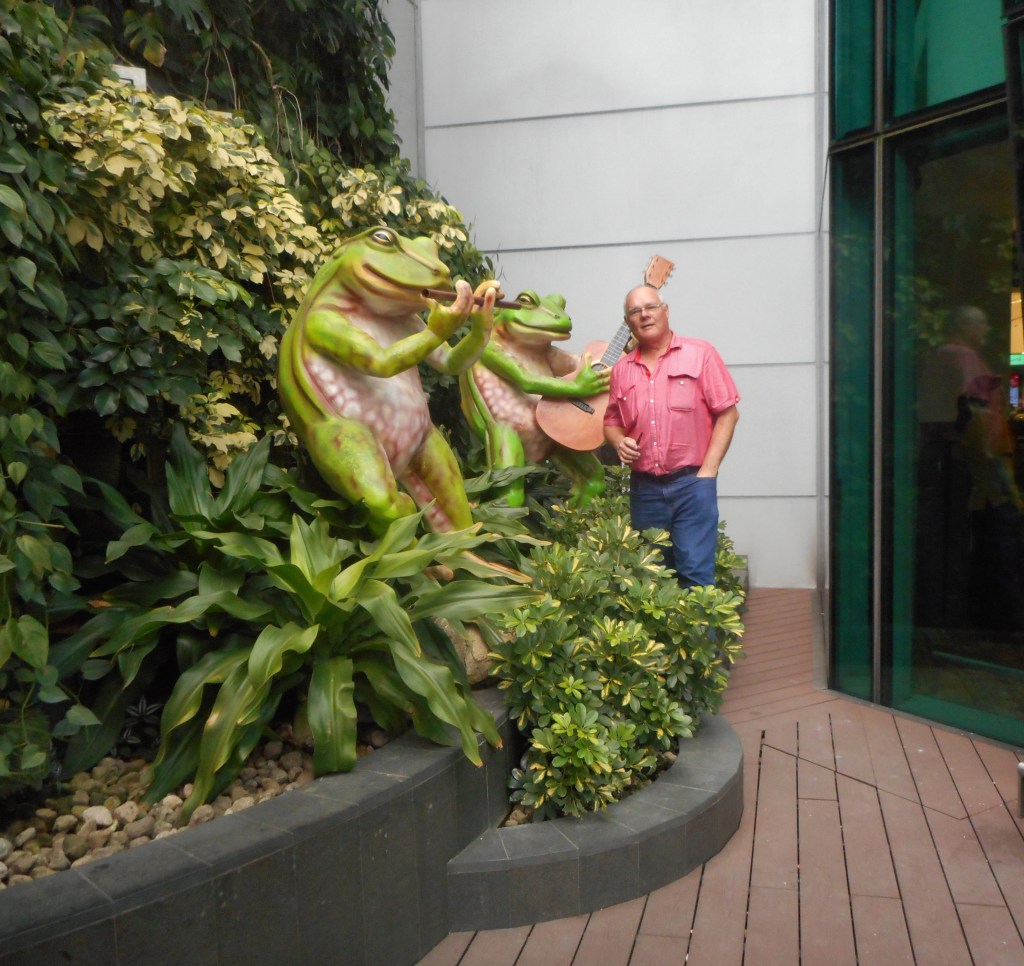
Evening of 1st of July 2016
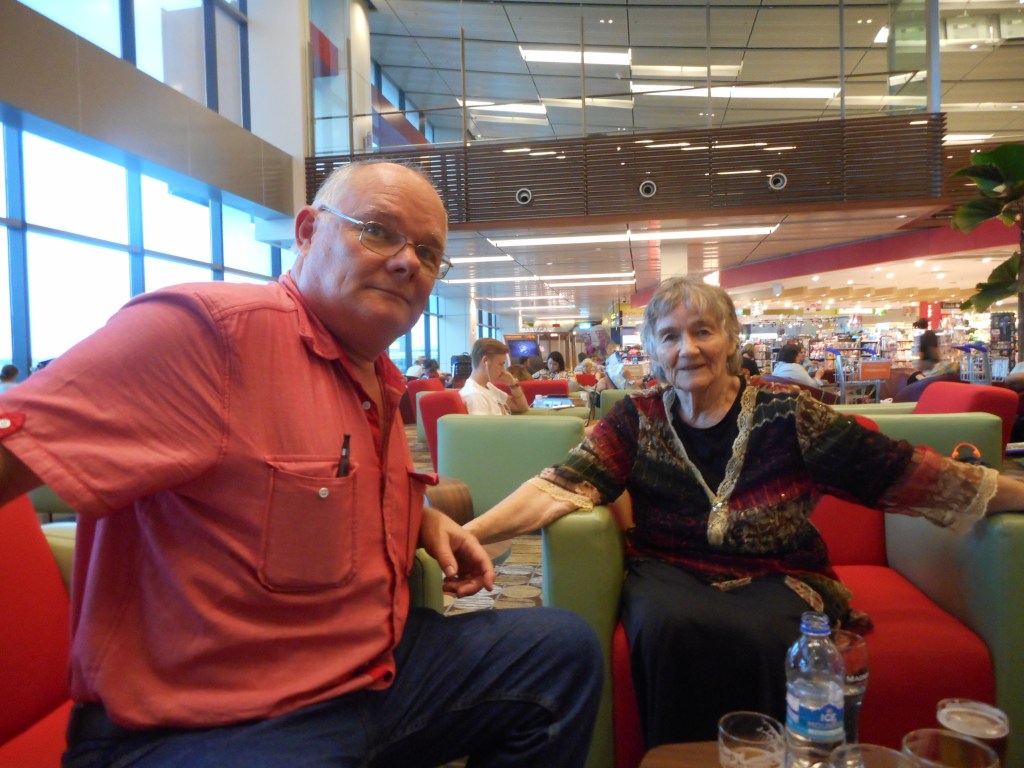
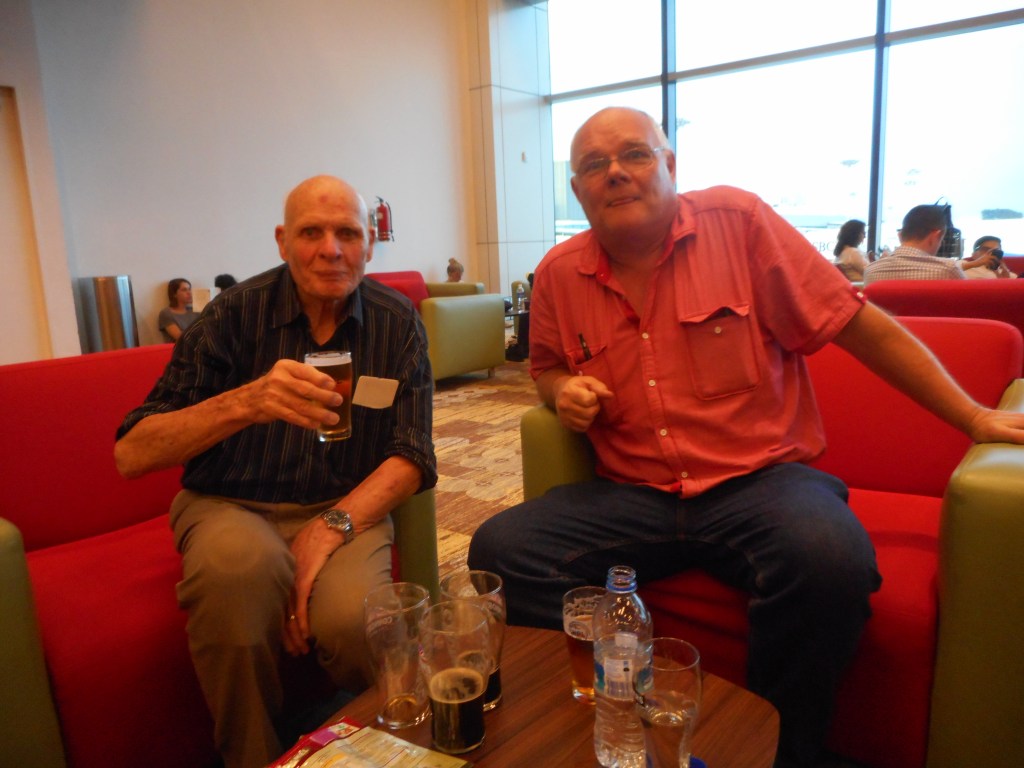

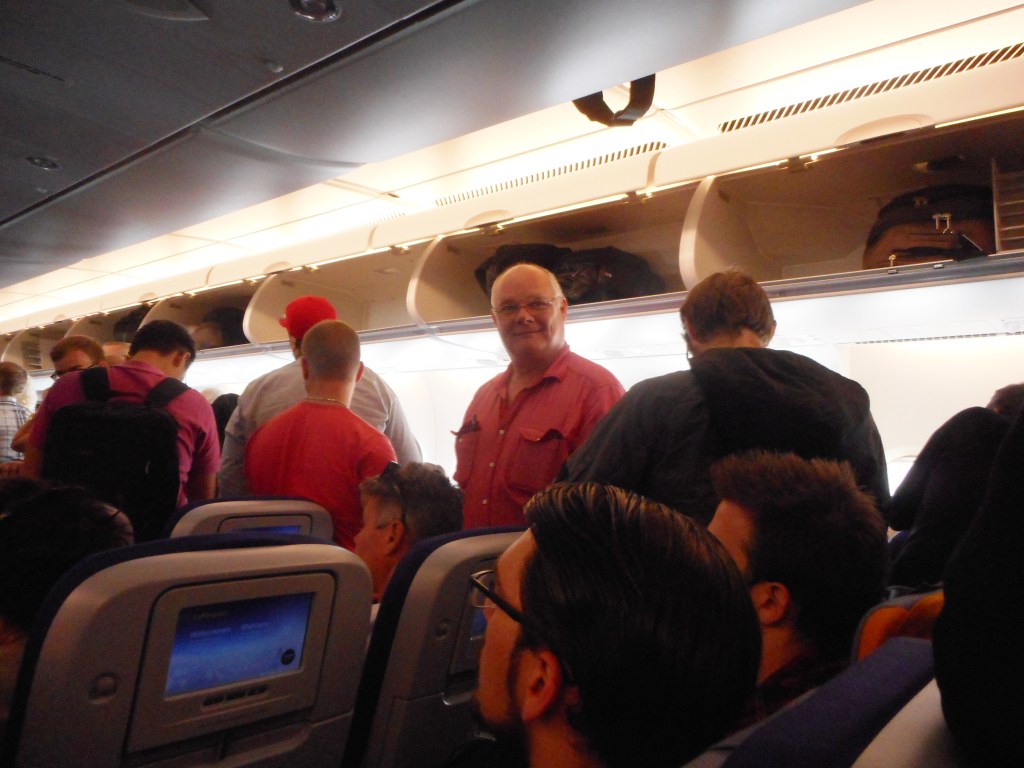
We had left Frankfurt on Thursday, 30th of June, late at night. We were given an evening meal and then the lights were switched off. Everyone went to sleep, including me, for I was very, very tired. I noticed that the air-conditioning was blowing quite a bit, however there were only light switches, nothing to turn off any vents. I wore my thick winter jacket which I had with me, for I knew it would be cold when grtting off the plane in Sydney. Peter ware his thick jumper. We used the thin cotton blankets that were provided. Being so tired, Peter and I slept soundly for a few hours despite the cold air. However when we woke up, we were both frozen stiff. Peter said, the plane felt like an ice-box. I don’t know for how many hours the lights were still switched off with every one was being asleep. I think it was about two hours before landing time, when finally there were lights and some movement started. We were offered very cold orange juice. Feeling so very cold and starting to shiver, I asked for some hot tea instead. Alas, tea was not ready yet, but the kind hostess offered to get me some hot water to drink, asking me with concern in her voice whether I felt all right. I assured her, that I was all right, that I just felt very cold.
 AuntyUta