Meeting with Granddaughters in Melbourne Two Years ago

I copy here a blog that I published two years ago. At the time we had spent a lovely evening with Justine and Lauren. Both their birthdays are in June. They are six years apart. Justine lives in Melbourne and Lauren lives in Newcastle. Because it is their birthday this month, I thought I republish this blog which has a few lovely pictures with the birthday girls.

Out and about in Melbourne

Famous sculpture at the Yarra River in Melbourne.

DSCN5801

Peter, granddaughter Lauren and I had been waiting at Flinders Street Station for granddaughter Justine who was going to meet us there after work. It was a happy meeting after not having seen each other for sooo long!

DSCN5794

Uta and granddaughters at the Yarra River

RIMG0516

Dinner at Il PRIMO POSTO, Italian Restaurant

RIMG0503

RIMG0506

RIMG0498

After dinner we strolled to a Gelato shop that was still open. We each had a little tub of this delicious gelato and sat down at a large table with a terrific view of the Yarra.

RIMG0507

RIMG0509

DSCN5817

RIMG0510

DSCN5815

DSCN5816

DSCN5788

This was a lovely night out with the granddaughters. Justine caught the train back home from Flinders Street Station. Peter and I went with Lauren by train back to Essendon where our son Martin was waiting with the car to take us home.

More Aunties and Uncles and Cousins

I just reblogged another post. I cannot help myself, I want to reblog this one too. It contains a lot of old pictures and a lot of comments which I did like to have a look at again.

auntyuta's avatarAuntyUta

This picture was taken on a holiday near Lodz
I can be seen with Ursel and Karl-Heinz, my cousins.
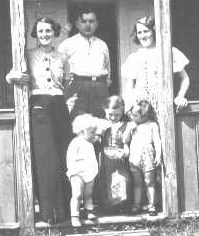
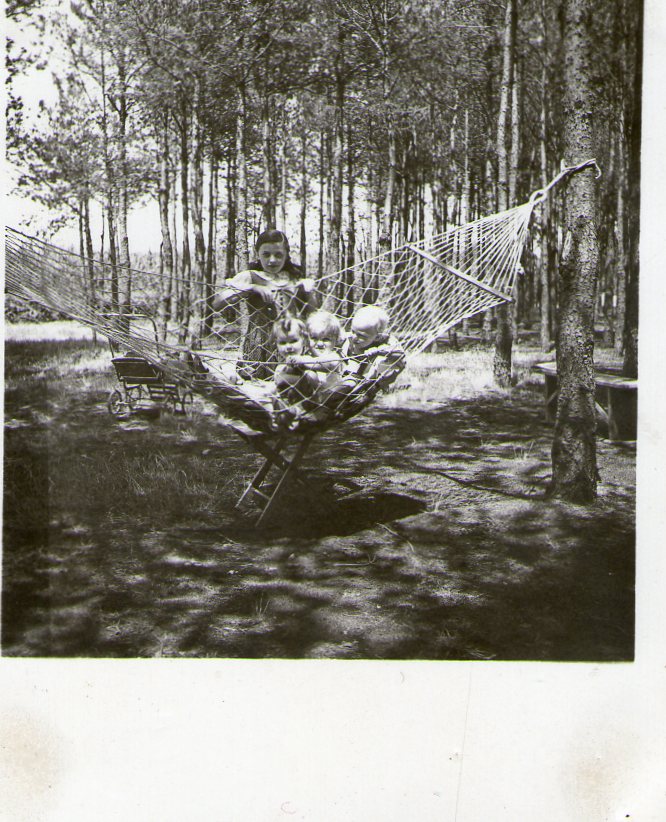
An older sister of Dad, Aunt Jenny and her husband, another Uncle Alred, are in the back. On the left is Charlotte, ,my Mum. It is summer 1937

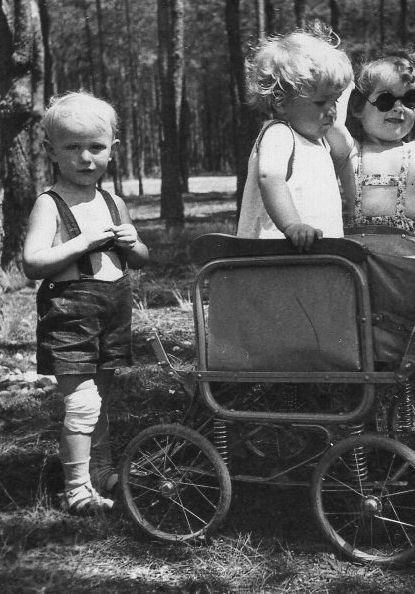
Horst, Karl-Heinz, Uta (with sun-glasses)

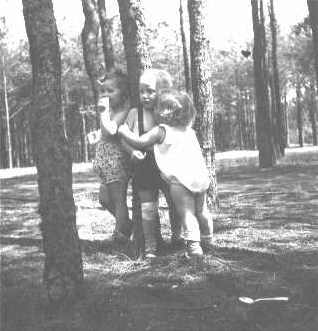
Ursel (Ulla) looks after us.
We all love the hammock.
It’s great fun lying in it!

– – – – – – – – – – – – – – – –

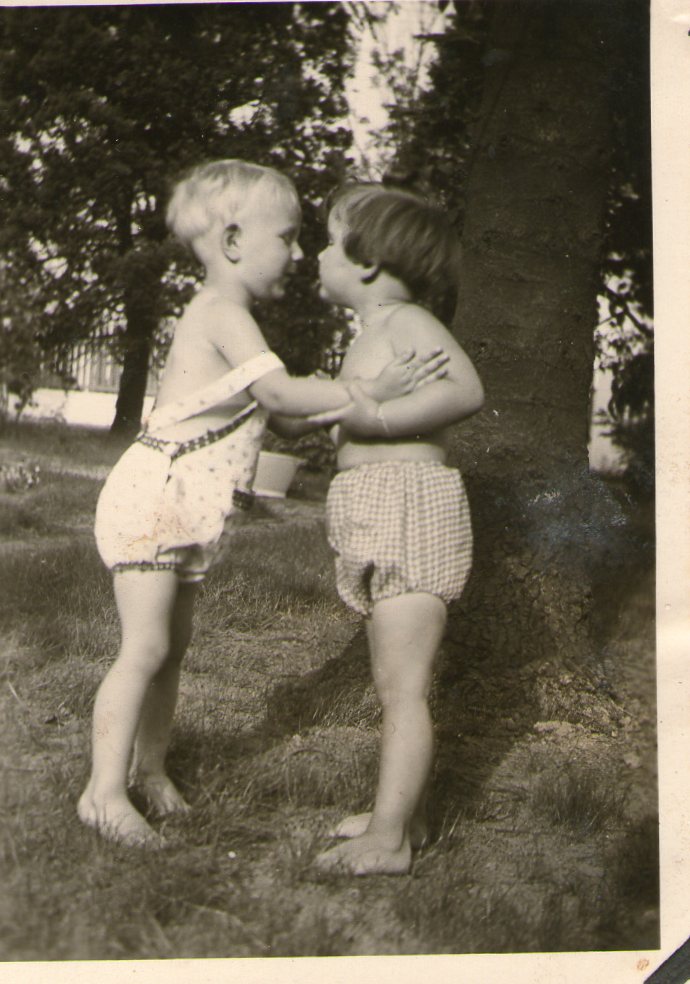
This picture was taken in Lodz on the 26th of May 1937
My two year old cousin Horst seems to like me! It’s not summer yet,  but it must be quite warm already.

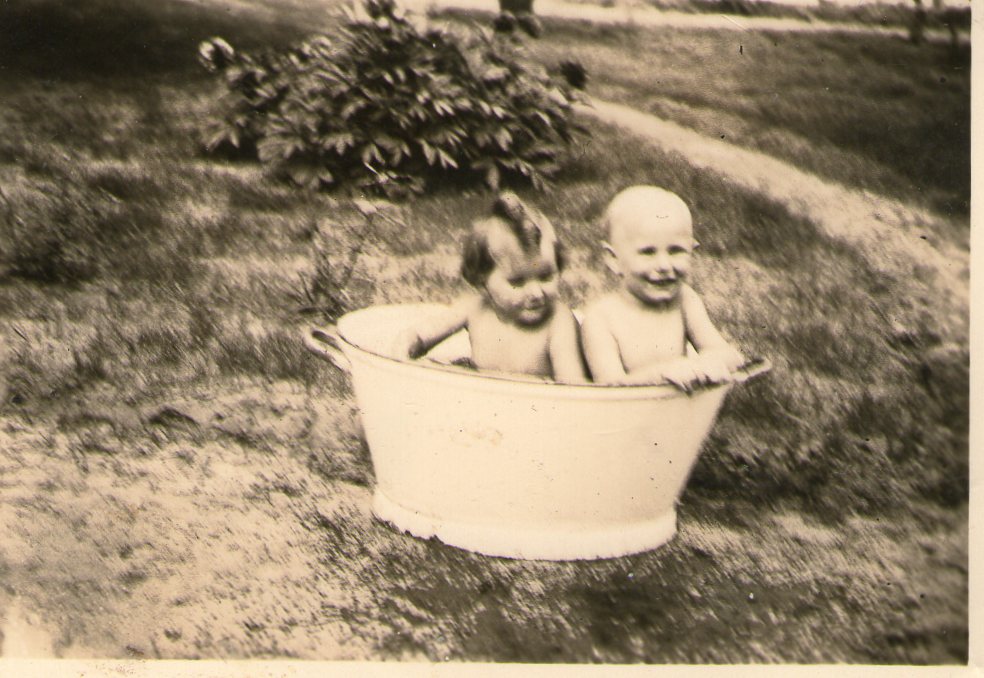
Enjoying a bath. These small bath-tubs were quite common in those days. But they are really meant for doing the washing.

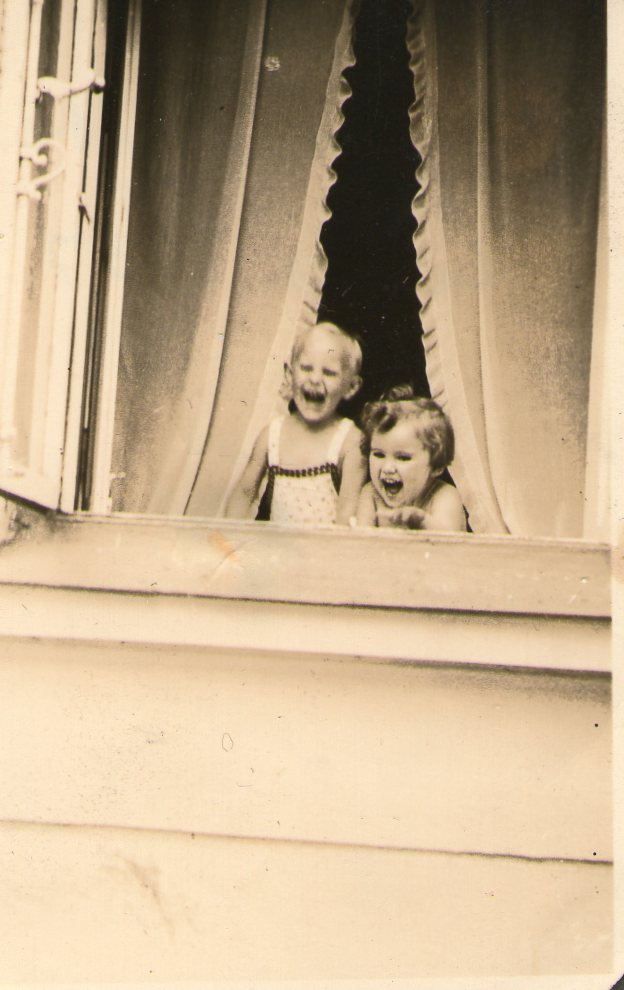
Oh, what fun it is to look out of the window.!

–…

View original post 180 more words

Cousins, Aunties and Uncles

The pictures in this blog were taken in 1935!

auntyuta's avatarAuntyUta

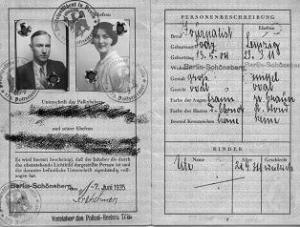
Passport from 1935

In June 1935 my parents traveled with me to Lodz, which was in Poland. My father did get a passport for this trip. This one passport was not just for himself, but also for his wife and infant daughter!

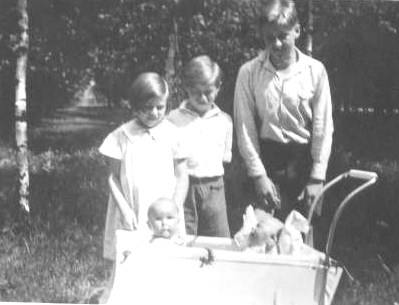
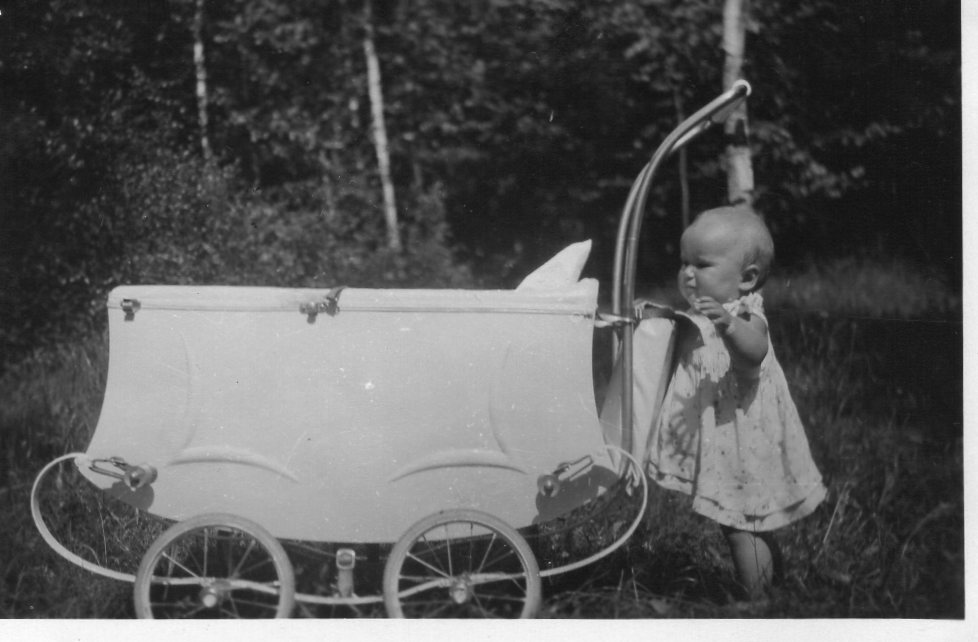
I suppose we traveled by train from Berlin to Lodz. I’m sure the journey would have taken something like twelve hours. In Lodz we stayed at the house of Aunt Elisabeth (Tante Lies) and Uncle Alfred. Tante Lies was my father’s younger sister. She was the same age as my mum.  Their son, my cousin Horst, was only four months at the time and I was nine months. I had three older cousins in Lodz. They were Georg, Gerd, and Ursula (Ulla). You can see them with little Horst and my little self in one of the pictures.

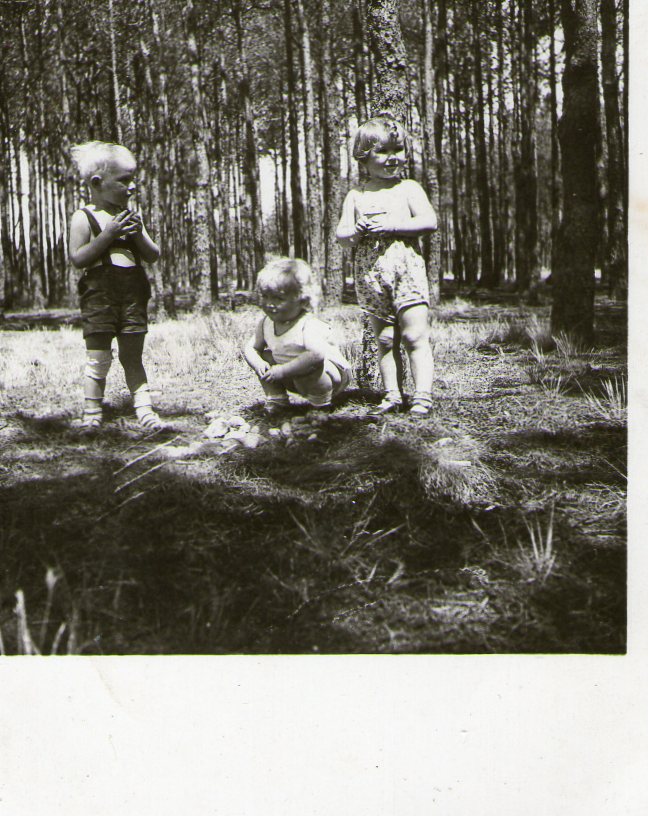
Ursel, Gerd, and Georg with Horst and Uta (Ute)

June…

View original post 34 more words

14 Years After Decriminalizing All Drugs, Here’s What Portugal Looks Like

I COPIED THIS ARTICLE By Zeeshan Aleem February 11, 2015 (I COULD NOT COPY THE PICTURES AND CHARTS)

http://mic.com/articles/110344/14-years-after-portugal-decriminalized-all-drugs-here-s-what-s-happening

14 Years After Decriminalizing All Drugs, Here’s What Portugal Looks Like

By Zeeshan Aleem February 11, 2015

In 2001, the Portuguese government did something that the United States would find entirely alien. After many years of waging a fierce war on drugs, it decided to flip its strategy entirely: It decriminalized them all.

If someone is found in the possession of less than a 10-day supply of anything from marijuana to heroin, he or she is sent to a three-person Commission for the Dissuasion of Drug Addiction, typically made up of a lawyer, a doctor and a social worker. The commission recommends treatment or a minor fine; otherwise, the person is sent off without any penalty. A vast majority of the time, there is no penalty.

Fourteen years after decriminalization, Portugal has not been run into the ground by a nation of drug addicts. In fact, by many measures, it’s doing far better than it was before.

The background: In 1974, the dictatorship that had isolated Portugal from the rest of the world for nearly half a century came to an end. The Carnation Revolution was a bloodless military-led coup that sparked a tumultuous transition from authoritarianism to democracy and a society-wide struggle to define a new Portuguese nation.

The newfound freedom led to a raucous attitude of experimentalism toward politics and economy and, as it turned out, hard drugs.

Portugal’s dictatorship had insulated it from the drug culture that had swept much of the Western world earlier in the 20th century, but the coup changed everything. After the revolution, Portugal gave up its colonies, and colonists and soldiers returned to the country with a variety of drugs. Borders opened up and travel and exchange were made far easier. Located on the westernmost tip of the continent, the country was a natural gateway for trafficking across the continent. Drug use became part of the culture of liberation, and the use of hard narcotics became popular. Eventually, it got out of hand, and drug use became a crisis.

At first, the government responded to it as the United States is all too familiar with: a conservative cultural backlash that vilified drug use and a harsh, punitive set of policies led by the criminal justice system. Throughout the 1980s, Portugal tried this approach, but to no avail: By 1999, nearly 1% of the population was addicted to heroin, and drug-related AIDS deaths in the country were the highest in the European Union, according to the New Yorker.

But by 2001, the country decided to decriminalize possession and use of drugs, and the results have been remarkable.

What’s gotten better? In terms of usage rate and health, the data show that Portugal has by no means plunged into a drug crisis.

Drug use has declined overall among the 15- to 24-year-old population, those most at risk of initiating drug use, according to Transform.

There has also been a decline in the percentage of the population who have ever used a drug and then continue to do so:

Drug-induced deaths have decreased steeply, as this Transform chart shows:

Source: Transform
HIV infection rates among injecting drug users have been reduced at a steady pace, and has become a more manageable problem in the context of other countries with high rates, as can be seen in this chart from a 2014 report by the European Monitoring Center for Drugs and Drug Addiction Policy:

Source: European Drug Report 2014: Trends and developments/EMCDDA
And a widely cited study published in 2010 in the British Journal of Criminology found that after decriminalization, Portugal saw a decrease in imprisonment on drug-related charges alongside a surge in visits to health clinics that deal with addiction and disease.

Not a cure but certainly not a disaster: Many advocates for decriminalizing or legalizing illicit drugs around the world have gloried in Portugal’s success. They point to its effectiveness as an unambiguous sign that decriminalization works.

But some social scientists have cautioned against attributing all the numbers to decriminalization itself, as there are other factors at play in the national decrease in overdoses, disease and usage.

At the turn of the millennium, Portugal shifted drug control from the Justice Department to the Ministry of Health and instituted a robust public health model for treating hard drug addiction. It also expanded the welfare system in the form of a guaranteed minimum income. Changes in the material and health resources for at-risk populations for the past decade are a major factor in evaluating the evolution of Portugal’s drug situation.

Alex Stevens, a professor of criminal justice at the University of Kent and co-author of the aforementioned criminology article, thinks the global community should be measured in its takeaways from Portugal.

“The main lesson to learn decriminalizing drugs doesn’t necessarily lead to disaster, and it does free up resources for more effective responses to drug-related problems,” Stevens told Mic.

The road ahead: As Portugal faces a precarious financial situation, there are risks that the country could divest from its health services that are so vital in keeping the addicted community as healthy as possible and more likely to re-enter sobriety.

That would be a shame for a country that has illustrated so effectively that treating drug addiction as a moral problem — rather than a health problem — is a dead end.

In a 2011 New Yorker article discussing how Portugal has fared since decriminalizing, the author spoke with a doctor who discussed the vans that patrol cities with chemical alternatives to the hard drugs that addicts are trying to wean themselves off of. The doctor reflected on the spectacle of people lining up at the van, still slaves of addiction, but defended the act: “Perhaps it is a national failing, but I prefer moderate hope and some likelihood of success to the dream of perfection and the promise of failure.”

Zeeshan Aleem
Zeeshan is a Politics staff writer at Mic. He has experience at The Huffington Post, Politico, The Atlantic Wire, and BBC News. He was educated at the Sidwell Friends School, Oxford University, George Washington, and the University of Chicago.

A REAL LIFE POLITICAL THRILLER

http://www.abc.net.au/news/programs/killing-season/

Here is a summary about ABC’s program: The Killing Season.
I did not write this myself. I just copied it!

“THE KILLING SEASON is Sarah Ferguson’s gripping three-part examination of the forces that shaped Labor during the Kevin Rudd / Julia Gillard leadership years.

It is a documentary series like no other. Visually striking, scripted like the best political dramas, The Killing Season is an enthralling account of one of the most turbulent periods of Australian political history.

Packed with political intrigue, strong feelings and frank disclosures, this is a must-watch series for the nation.

For the first time, Kevin Rudd gives his own, full account of the period and relives in vivid detail the events of losing the Prime Ministership – a retelling he found painful.

Julia Gillard is forthright with her recollections and analysis and doesn’t spare her colleagues.

A comprehensive cast of the main players – including many of those still in parliament – speak frankly, providing a dramatic portrait of a party at war with itself.

Episode Two of The Killing Season goes to air on Tuesday 16th June at 8.30pm, on ABC1. You can watch Episode One on ABC iview and at abc.net.au/killingseason.”

It is still Tuesday today. Peter and I just finished watching Episode Two of the above program. Having just watched it, I feel sick to my stomach. I wonder, wonder why on earth politics has to be such a dirty business?
Yesterday was a lot of talk about the Magna Carta, which was written down 800 years ago. The principals that led to the writing down of the Magna Carta have not changed in 800 years. People are still the same. What you own of the land or the wealth of the land determines what class you are in and what your political powers are. All politicians who want to stay in power have to be prepared to do more for the rich than the poor. It is as simple as that.

Why can’t the poor have simple housing, healthy food, clean water, clean air and adequate clothing? And of course a job according to their abilities. Is that too much if the poor expect as much as this? But even this much the rich of this world are not prepared to leave for the poor of this world. Has anything changed since Jesus walked the earth? Ah well, he said we are always going to have the poor with us. But do we need to drive them to desperation or distinction?

We have laws that forbid killing. Still, wars and killings go on and on. Why?

People are capable of heroic acts. They often help other people not counting the costs, sacrificing themselves. A species that can resort to such heroic acts, also needs to kill at times? Why is that so?

As far as politics is concerned, I find it very difficult to reconcile myself with mainstream politics, be it Labor or Liberal. To my mind they are practically the same. How can I like to be governed by back stabbing, scheming people who do everything to support big business at the expense of poorer people?

Correction, personally I don’t really mind that much being governed like this, for I have all my creature comforts. So what do I complain about? Well, I do not like how people through no fault of their own can end up being desperately poor and without a job. And I do not like how politicians constantly do scare all of us and try to keep us in line that way.

Some Reflections

I am very interested in learning to understand how people relate or not relate to each other. With some people there is immediate rapport or so it seems. With others misunderstandings pile up in no time. Trying to resolve some misunderstandings can take a long, long time: Maybe years! And maybe some misunderstandings can never be resolved. It is like living on different planets.

Do some relationships become stressed because of a confusion in the pecking order? Is a pecking order always essential in every life situation? Do childhood experiences play a very important part in a person’s life?

I wished I had it in me to write a novel, creating characters that express some unexplainable things inside me that I cannot express any other way. Sometimes talking to an open minded person can help a lot. Finding a talking partner like this whenever needed is probably not possible. People who can resort to prayer are very lucky in this regard. Having a conviction that God always listens and understands our problems, is enormously consoling. God may understand, no doubt about it. But can we talk about everything that is a puzzle to us? Maybe this puzzle becomes less of a puzzle by writing about it in a novel?

What did we have for Lunch?

2015-06-13_12-54-15_872

This is our coffee (flat white) after lunch on Sunday. Caroline met us at Central Station. From there we walked to a coffee shop. Caroline and I had the soup of the day, which was a very well spiced tomato soup; Peter had a chicken/veg. pie.

On Sunday we had lunch with Klaus and Tilde at the OAK FLATS BOWLING AND RECREATION CLUB. The lunch special was Roast Meat and Vegetables. Peter, Klaus and Tilde went for the Roast, I chose just Vegetables. I did get a beautifully arranged plate of lots of different vegetables. It was yummy! We each had a glass of beer with our lunch, Tilde had a glass of white wine.

For coffee we chose to sit in a different area of the club. As usual we asked for flat white coffee. Peter had a huge Waggon Wheel with his coffee. I had some yummy cheese cake. I think Tilde chose cheese cake too.

Uta’s Diary, June 2015

Peter took this picture near BELVOIR Theatre on Sunday.
Peter says he took this picture because the lake can be seen a little bit in the background.

I must admit it never occurred to me that it was possible to see the lake from this spot at the OAK FLATS BOWLING CLUB. I am talking of course of LAKE ILLAWARRA. We used to live near the BOWLING CLUB. To go down to the lake took us only a few minutes.

Last Sunday we had mostly sunshine. It was very pleasant to be out in the sunshine near the lake where we went for a walk. Later, in the Bowling Club, where we had lunch, it was beautiful warm. We stayed there with our friends for three and a half hours! It was good to see them, catching up on all the new.

Peter later complained to me that we were talking too much about sicknesses. Klaus and Tilde are about the same age as we are. They are thinking about selling their home to move to a retirement village. That makes me wonder whether Peter and I are going to be able to cope indefinitely in our own home.

Our friends know people who had to move to a nursing home. They pointed out how awful it must be to move from a large, comfortable home to a confined space in a nursing home. However, once you do need constant nursing care, you do not have much of a choice, do you?

When husband and wife, both need to be in a nursing home, it can happen, that they are being separated and have to move to different nursing homes. Even if they end up in the same nursing home, they would probably have separate rooms, each one of them sharing their room with one or more strangers.

We were discussing how fortunate people are who die before they have to go into a nursing home. To live in a retirement village it is different, of course. You have your own private unit where couples can stay together. But you do get help with the things you cannot do for yourself anymore.

The disadvantage is that these residences are usually privately run and can cost quite a bit of money for the private organisations do have to make a profit for their share-holders. Peter’s and my mantra seems to be to stay as healthy as possible for as long as possible!

At the moment we have quite a bit of rain here in Dapto. It has been raining off and on since Sunday night. Monday morning I went for a little walk before it starting raining again. Today, Tuesday, it is very wet and cold. No sunshine, none whatsoever. Ah well, I am comfortably warm near a heater.

Around lunchtime we’ll be going out to buy some groceries. Peter hopes that the rain is going to ease off a bit so that he can go for some running before we go out in our car for our shopping. Peter did not do any running for a couple of days. So he’s really keen to do it today.

Our Weekend 13/14th June 2015

Yesterday, Saturday, we went to the BELVOIR  Theatre in Sydney.
Yesterday, Saturday, we went to the BELVOIR Theatre in Sydney.
by Bertolt Brecht
We saw this play by Bertolt Brecht

http://belvoir.com.au/school-performances/mother-courage-children/

“HSC Drama: Significant Plays of the 20th Century

Bertolt Brecht’s Mother Courage and Her Children really needs no introduction to teachers.

Anna Fierling is a refugee. She has three children, a shop in a cart, and buckets of chutzpah. She buys and sells her way through a massive and pointless religious war – gulling, lying, charming, inveigling. Will those great capitalist qualities save her from the common fate?

Mother Courage and Her Children is a magnificent pageant of humanity in extremis. A 20th century colossus about a 17th century war is a vision of the 21st century – of globalisation, religion, violence, capitalism, love and pity.

Eamon Flack (Once in Royal David’s City) directs Robyn Nevin in a Michael Gow translation of this epic play.”

As far as I know, Bertolt Brecht asked the question who profits from war? And I would say his answer was that the well off always did profit from wars, but never any of the not so well off.

Today, Sunday, we met some friends for lunch at the OAK FLATS BOWLING AND RECREATION CLUB. We had a very good lunch there and later on coffee and cake.

2015-06-14_15-12-12_60

There's ample parking at the club.
There’s ample parking at the club.
I guess this is for elderly people who drive around on scooters instead of cars.
A View of Lake Illawarra from a Park in Oak Flats.

We took advantage of the beautiful winter sunshine spending some time in this Park at Lake Illawarra.

IMG_0932

IMG_0935 (2)

IMG_0939

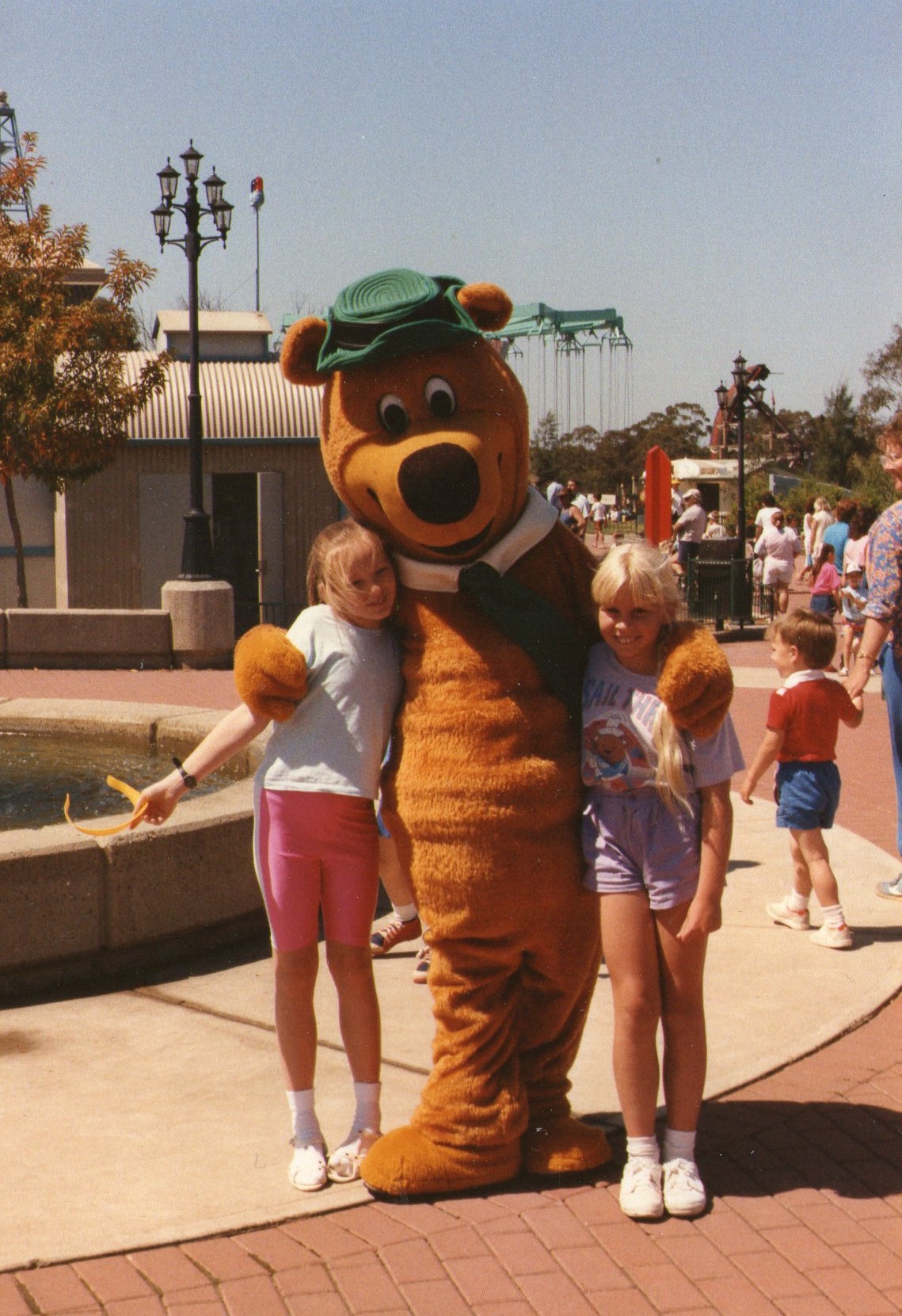
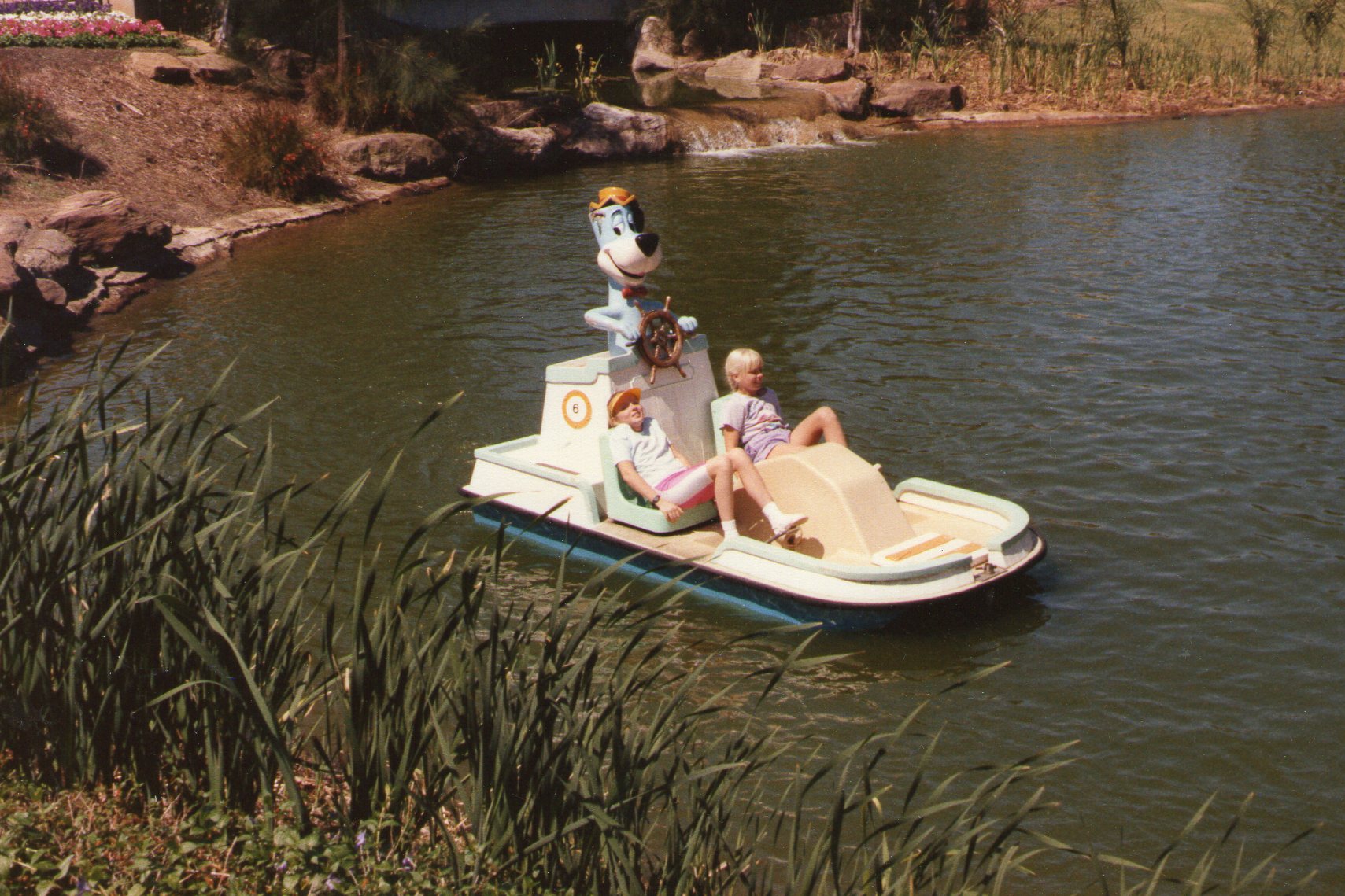
A visit to Australia’s Wonderland in Sept. 1988 and another Visit to Canberra in Jan1989

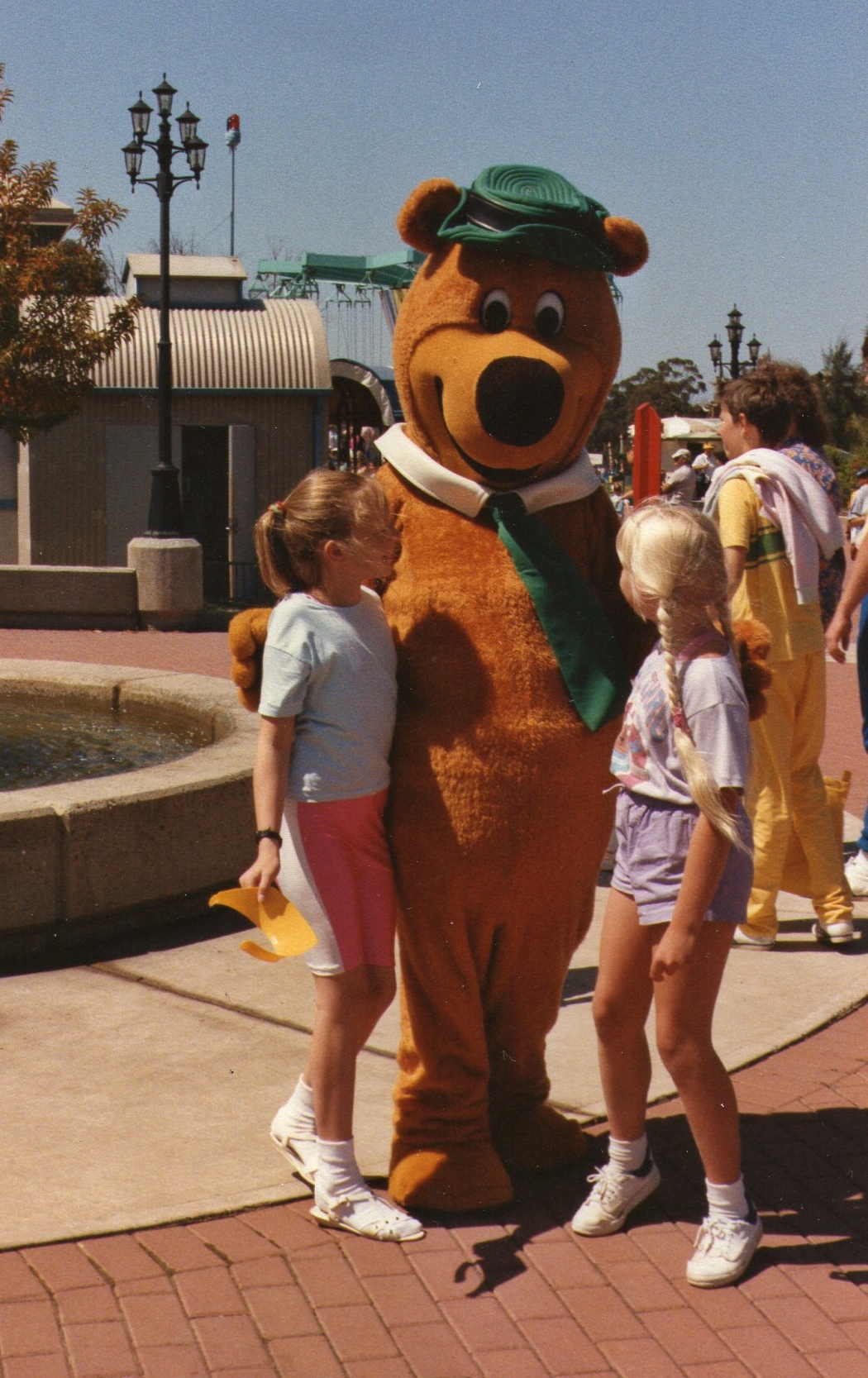
Caroline with friend Amy in Australia's Wonderland, Sept.1988
Caroline with friend Amy in Australia’s Wonderland, Sept.1988

img075

img073

img076

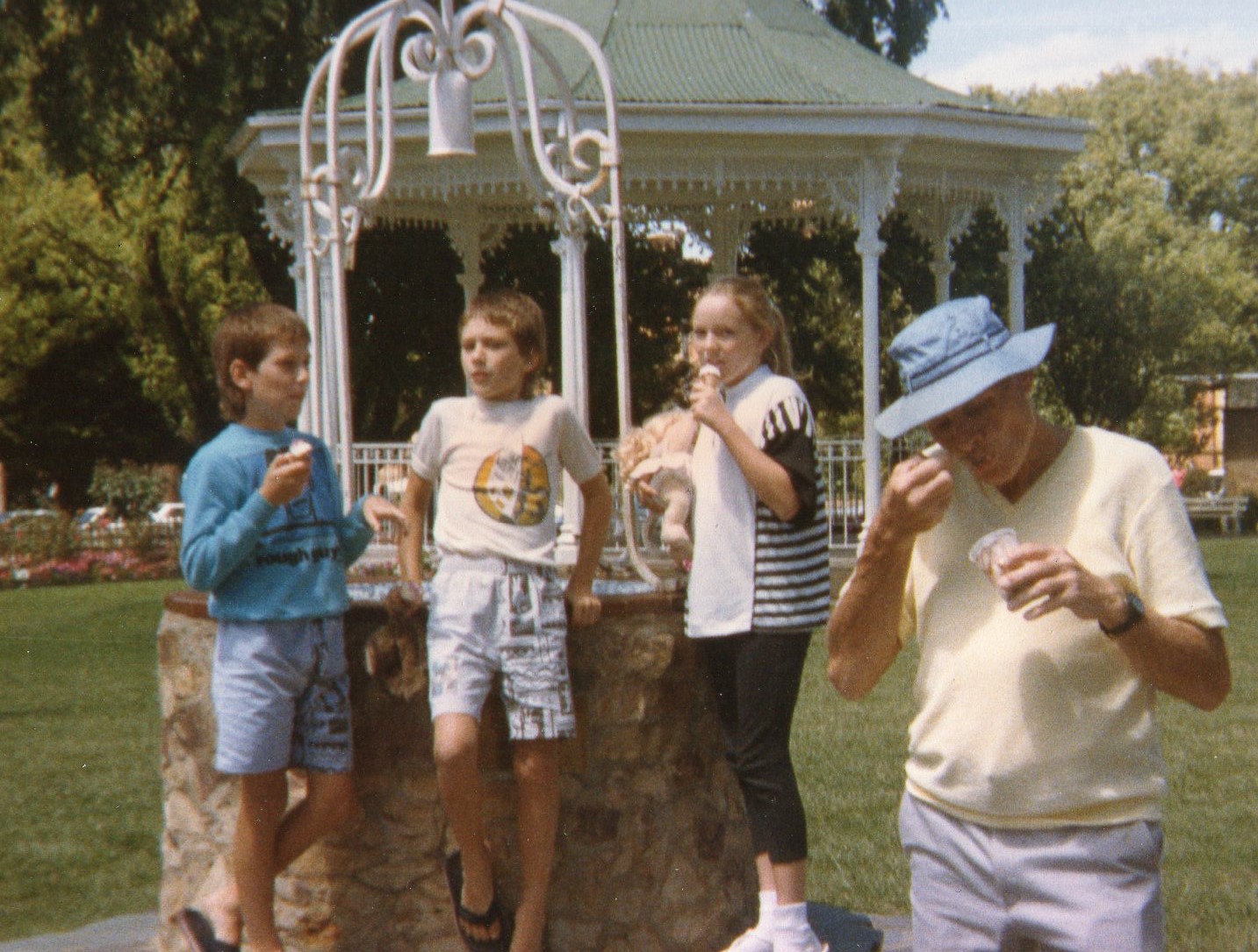
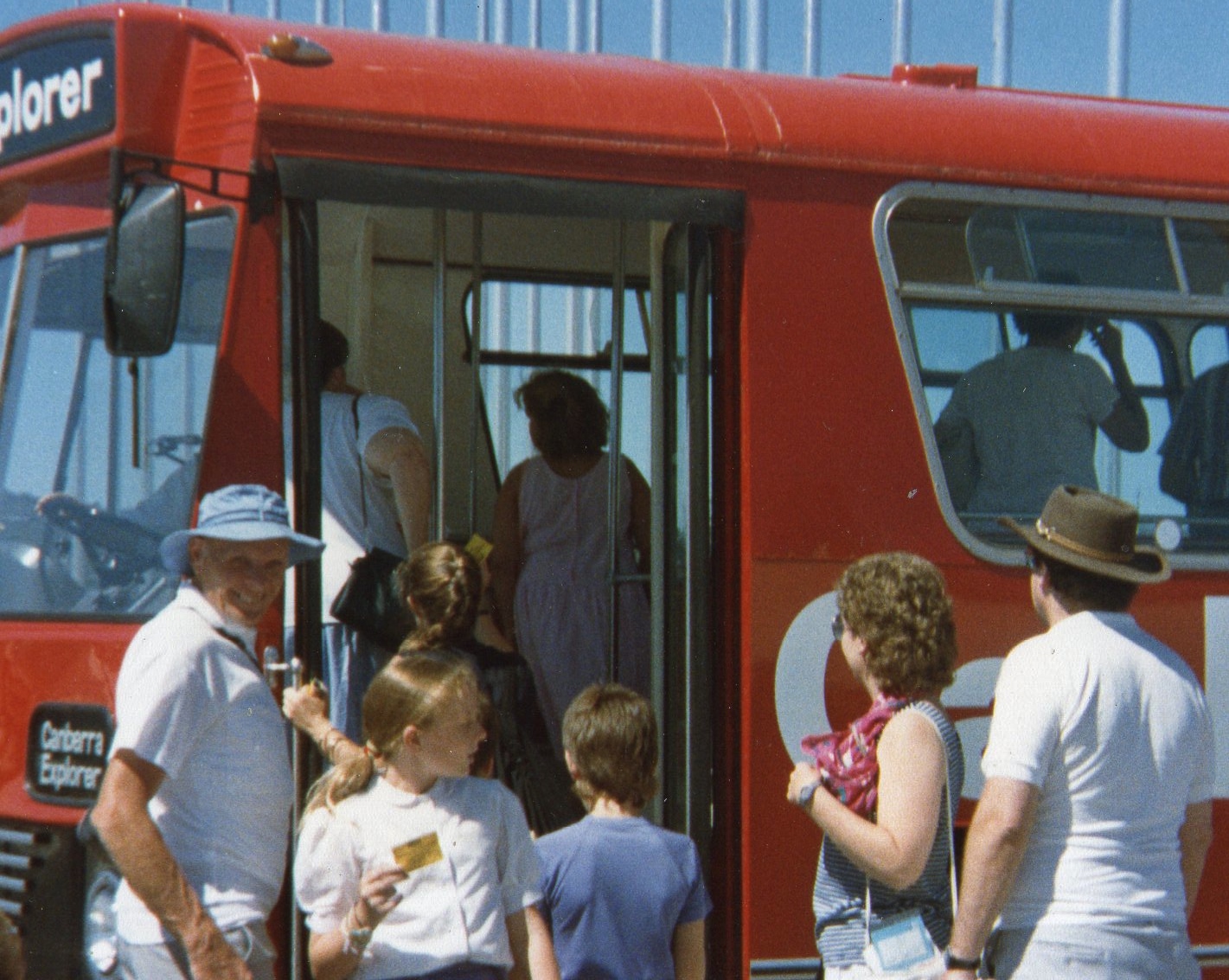
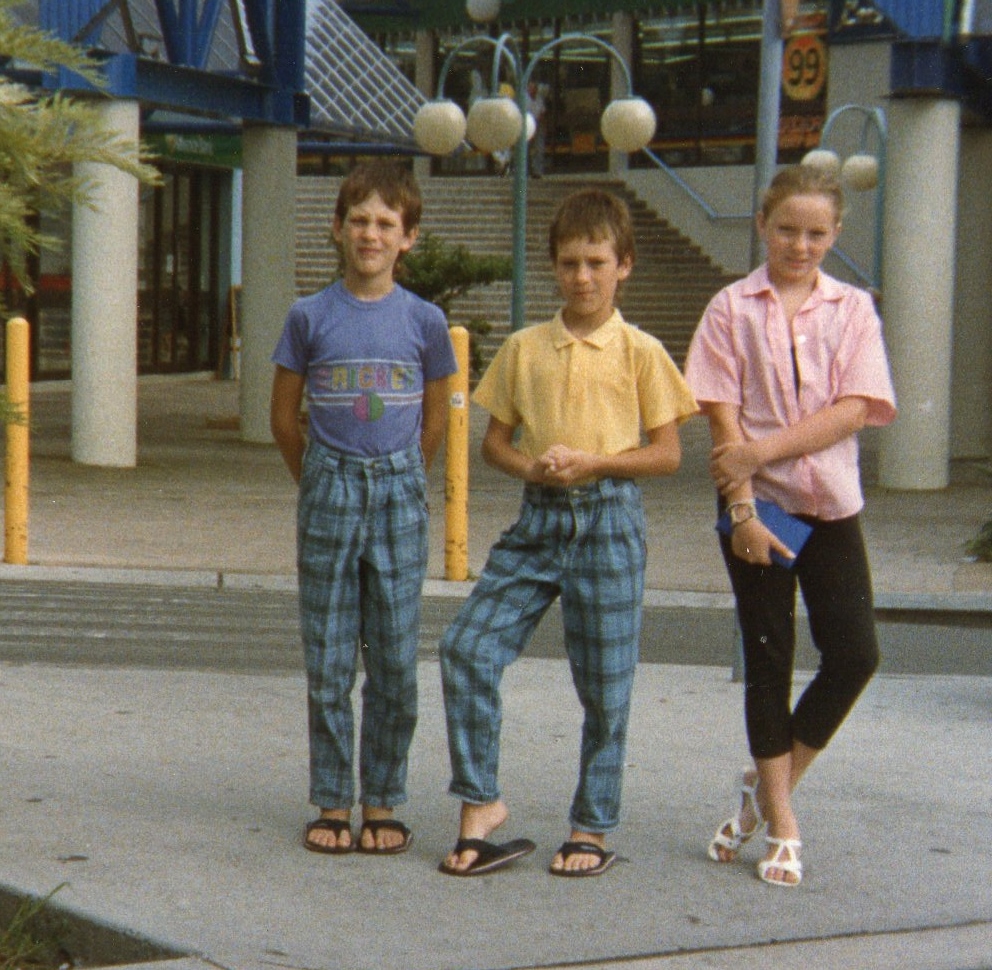
In January 1989, during the summer school holidays, we went with Caroline, Troy and Ryan to Canberra. Previously we had stayed in Canberra only for the day, driving back home on the same day. During the kids’ summer holidays and Peter having a few days rostered off, we took the chance to book into a Canberra motel to stay there for a couple of nights.

This is a park in Goulbourn, where we stopped for some refreshments on the way to Canberra.
Let's do a city tour here in Canberra.
Let’s do a city tour here in Canberra.

img079

img080

img083 (2)

img083

img087

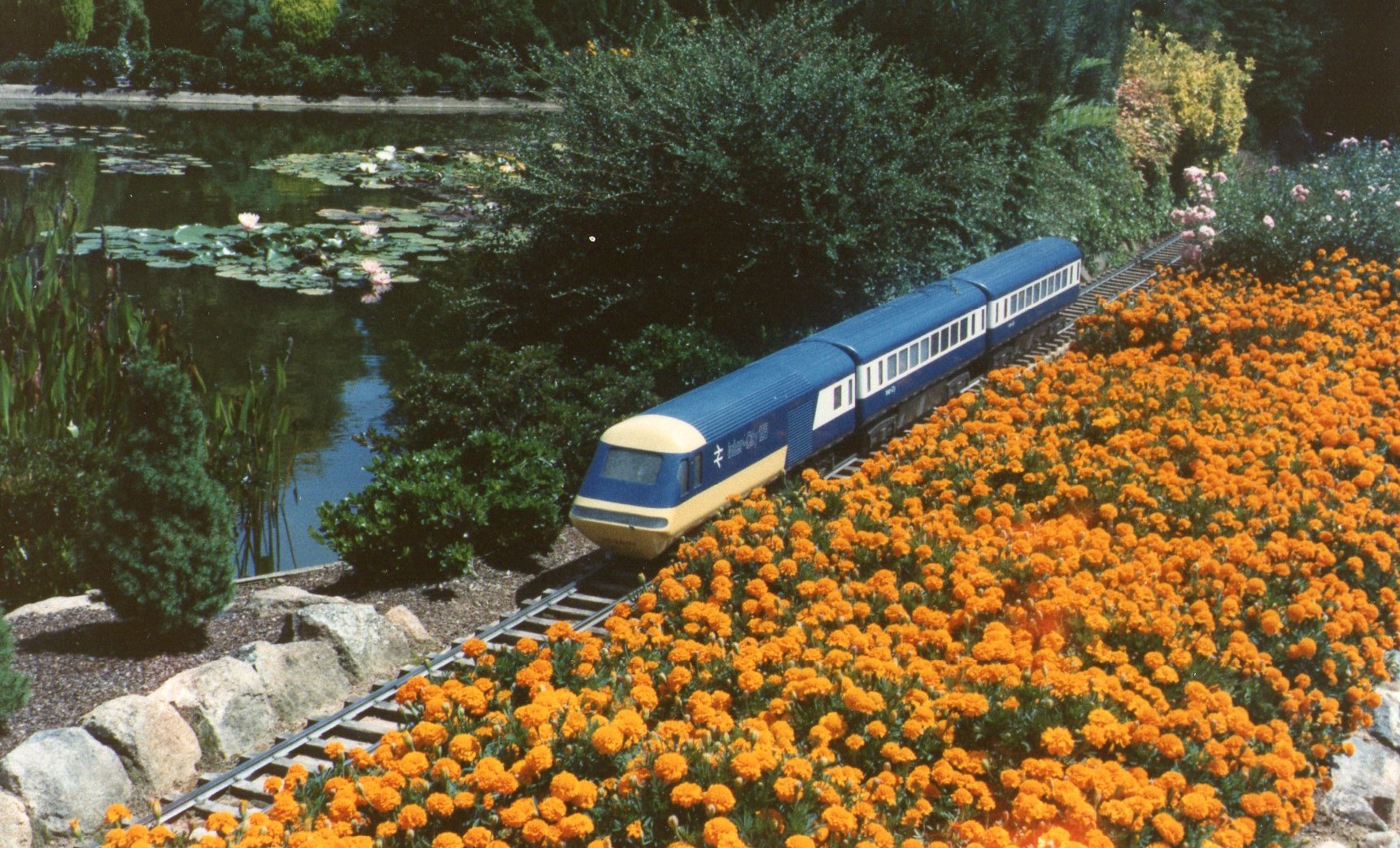
A Trainride around the Cockington Greens

img086

A Toytrain at Cockington Green
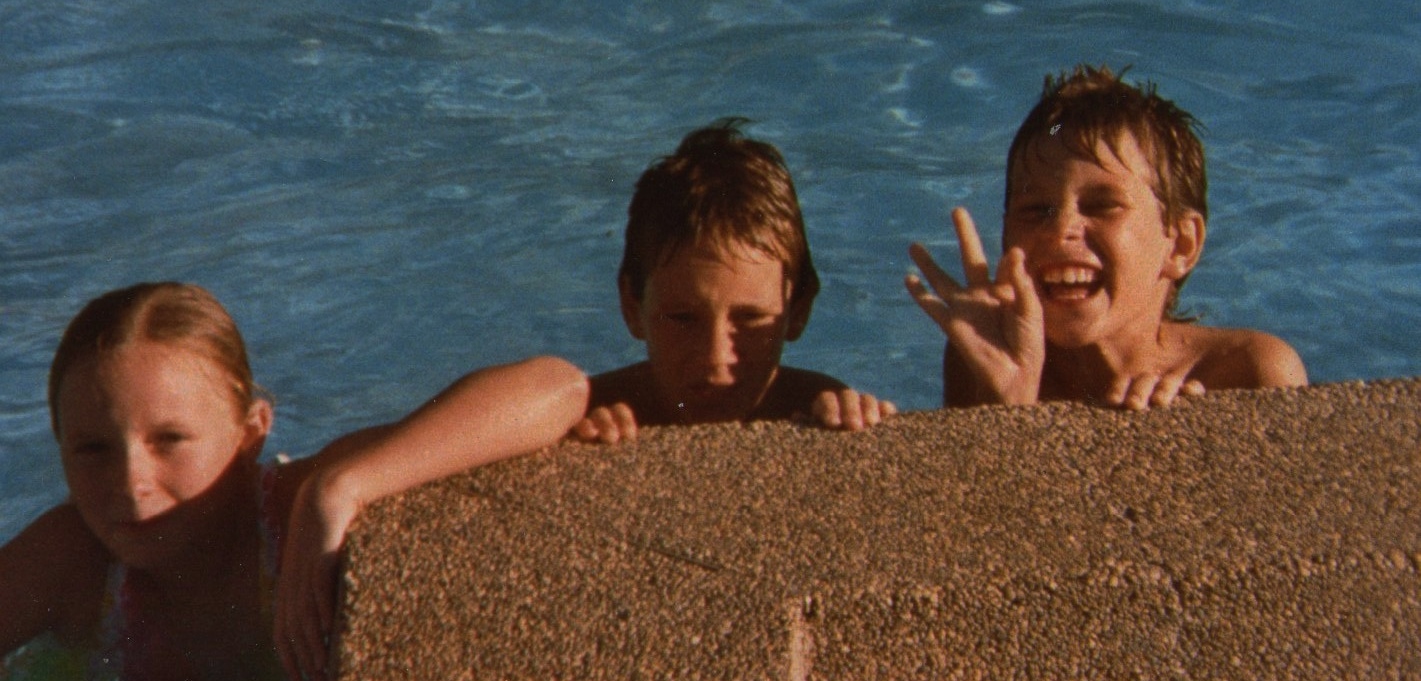
Having some Fun at the Motel's Swimming Pool.
Having some Fun at the Motel’s Swimming Pool.

img092

img091