Tourism Troubles: Berlin Cracks Down on Vacation Rentals
Most of Berlin is still sleeping when Julia Krüger packs her backpack in her bare offices on a recent cold winter morning. Krüger, who works for the division of misappropriated apartments in the city’s central Mitte district, takes along her employee ID card, a small notebook, a digital camera, two apples, a sandwich and some chocolate. She’s wearing athletic shoes so that she won’t have any trouble climbing stairs.
Krüger, 24, is preparing to take back a part of Berlin that has been stolen. Today, she’ll be on the hunt for dozens of the city’s illegal holiday apartments, which, Krüger claims, are bad for the city’s neighborhoods. “I have the feeling that I am doing something good with my work,” she says.Krüger, who wears turquoise-colored nail polish and has the determination of an elementary school teacher, has requested the manager of a communist-era apartment building near Friedrichstrasse to meet her on-site at 8 a.m. She will ask him to open the doors to apartments which she suspects are being used as illegal vacation accommodations. “It would be best, of course, if we run into tourists,” she says.
Twelve Million Guests
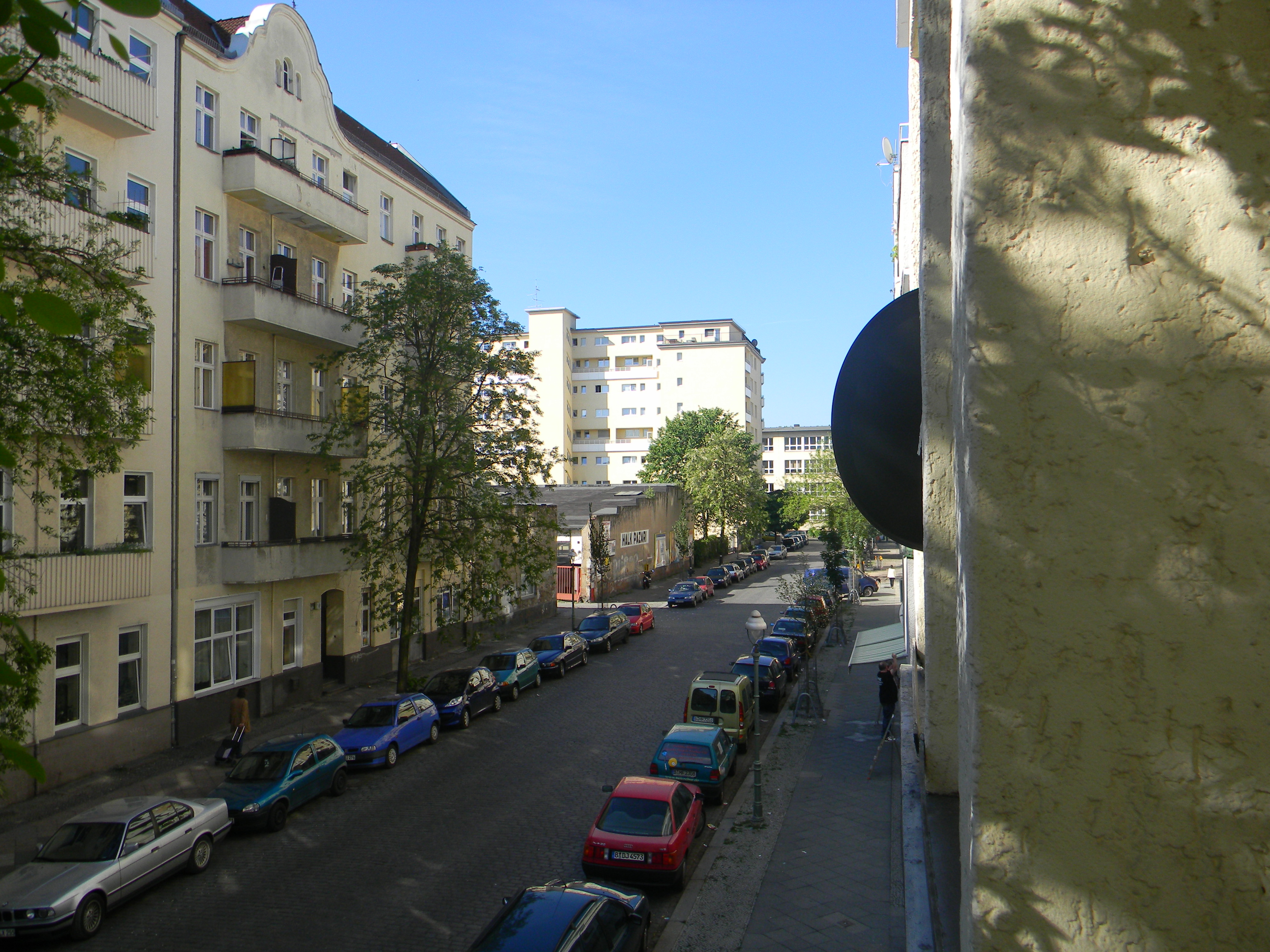
No German city receives more visitors than Berlin. Last year, almost 12 million tourists checked into hotels, youth hostels or pensions in the city. But many tourists also want to go beyond the Brandenburg Gate and TV Tower; they want to get a feel for the real Berlin — something they can’t find in anonymous hotels. As a result, thousands of them end up in apartments that used to house normal Berlin residents, but are now being rented to tourists, either on a temporary or permanent basis.
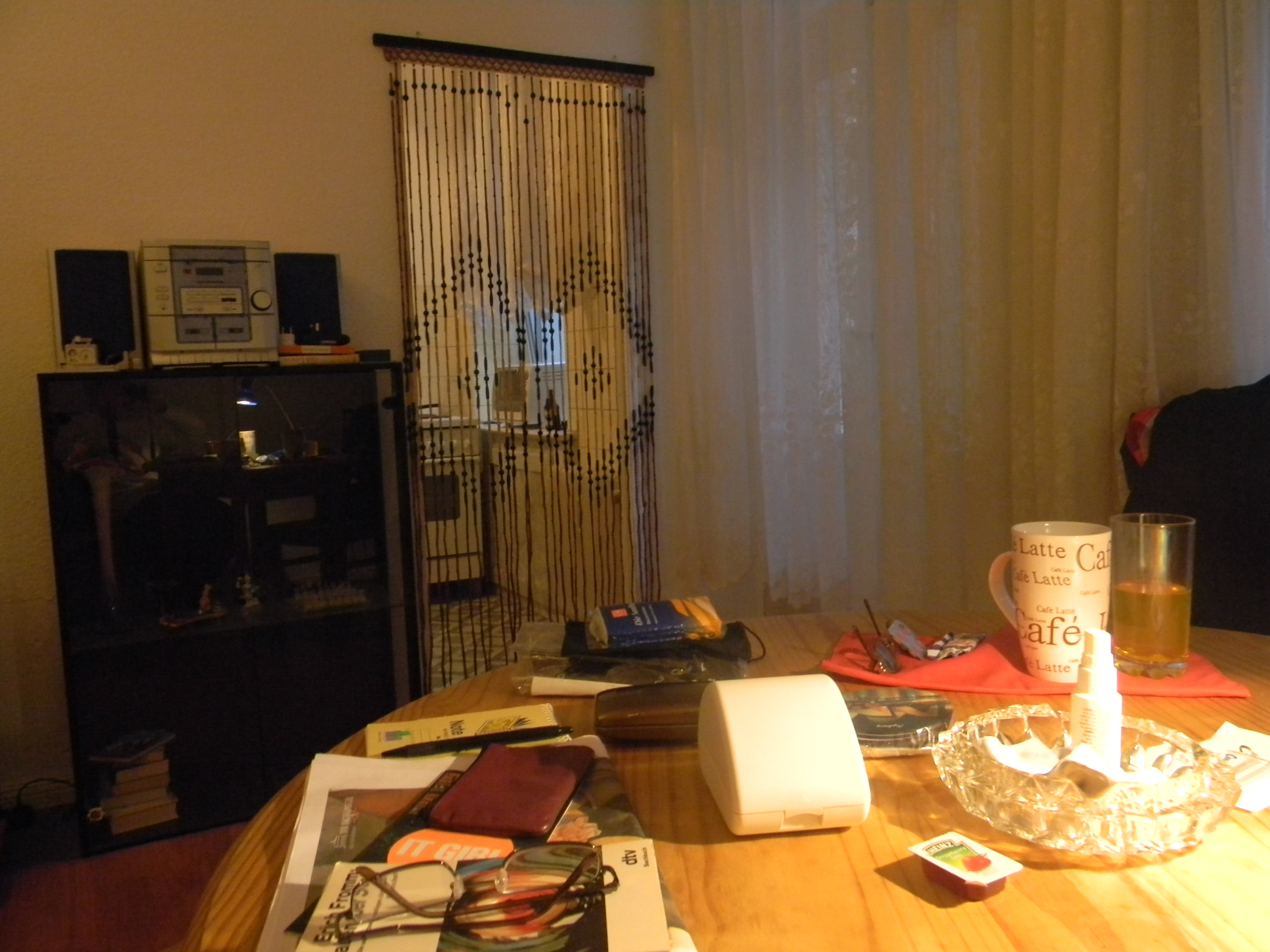
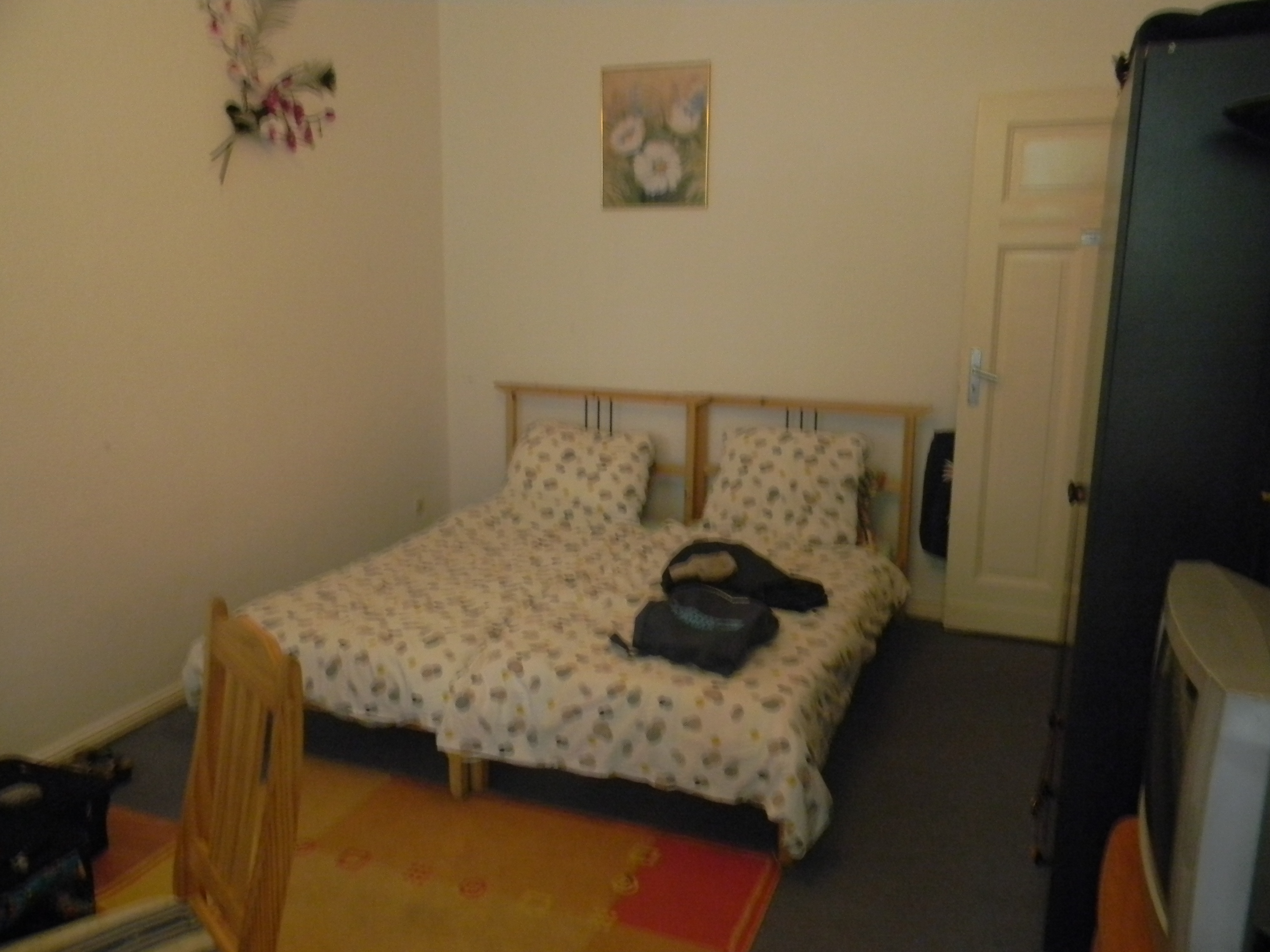
Internet portals like Airbnb have created a niche market controlled by a handful of commercial providers that has become massively successful. Anyone can offer up their apartment using the service: All they have to do is write a short description, add three or four photos and, voilá, they’ve made the true Berlin experience accessible to the world. For some renters, Airbnb has become a lucrative source of side income. For others it is even their main earnings source. And for tourists, it provides a much better bargain than hotels.
The Berlin Mietergemeinschaft, a renter’s rights and advocacy organization, estimates that 18,000 vacation rentals are scattered across the city, a number that represents enough housing for a small city. According to research conducted by the University of Applied Sciences in neighboring Potsdam, over 7,000 short-term accommodations in Berlin are being offered by private individuals and commercial operations on Airbnb alone. A short time ago, a number of German media organizations reprinted an artist’s illustration showing the number of Airbnb offerings versus rental apartments in the Wrangelkiez, a popular area of the city’s Kreuzberg quarter. She found 102 vacation-rental listings, but only a single normal apartment for rent on one of the top rental listings websites.
Unregistered Vacation Rental Ban
In autumn of 2013, the Berlin city government passed a law banning all vacation rentals that had not been registered with the local authorities by summer 2014. The city granted an extension to just under 6,000 accommodations, but they, too, will have to be made available on the normal apartment rental market beginning by May 2016.
The ban was imposed to prevent the city from becoming victim to property owners who would rather rent their apartments for €700 per week to tourists rather than offer them to normal residents for much less. The law is also meant to show that city officials in Berlin are taking the fight against gentrification seriously. Julia Krüger’s boss says the idea is to create the impression among the people that the agency has an armada of employees working to stop these illegal rentals.
But that armada is a bit sparse in Mitte, Berlin’s central district, which is also home to the most vacation apartments. Right now it includes only four employees, with only two of those actually conducting inspections outside the office.
Since starting her job six months ago, Krüger has been busy reviewing complaints from residents in the neighborhood who believe their neighbors are operating vacation apartments. Krüger has collected all of them in four binders. During each shift, she inspects two to six properties together with her colleague Diana Schmidt.
Detective Work
The two women approach their work like detectives, piecing clues together as they go. Indicators of a possible vacation rental can be a number instead of a name on the doorbell or the observations of neighbors. But it is seldom that they come across clear evidence. “We often have to rely on our gut feeling,” says Krüger.
If they consider the evidence they have collected to be sufficient, the owners are ordered to rent their apartment to normal renters after a hearing. So far, though, there has not been a single instance in which the complicated administrative procedure has been ushered through to completion.
It’s frigid and dark outside as Krüger and Schmidt, 46, reach the apartment block. The building manager walks across the street with a bunch of keys. Krüger has already taken photos of the gray-brown façade of the dreary East Germany-era apartment building, which looks like it hasn’t changed a bit since the days of communism.
In the hallway, the building manager closes the door to the first apartment on the eighth floor. Inside, there’s a worn out leather sofa and a bed frame that has been taken halfway apart. There is no sign of any tourists and it smells as if the windows haven’t been opened for quite some time.
Krüger walks through the apartment and photographs each room, noting that there are “three rooms, a kitchen, a bathroom” and that it is “vacant”. The smell is even stronger in the second apartment, where someone left household appliances and ruptured trash bags behind on the carpet.
It’s obvious that the sloppily emptied apartments served as vacation accommodations until a short time ago. All the furniture that has been left behind is identical and someone forgot to remove a sign on the inside of one of the apartments reading: “Please remember to close the door each time you leave your apartment.”
The building manager says the apartments have been empty since last summer and that the owner wants to demolish the structure and construct an “exlusive new building” on the property. More than half the apartments have been cleared. The only reason the building hasn’t been torn down yet is due to resistance from a handful of renters who are fighting against being driven out.
Broad Approval for Crackdown
When the Berlin government made the decision to crack down on holiday rentals — just as Munich and Hamburg had previously done — the decision was met with broad approval. The vacation rentals had become a symbol for everything that had gone wrong with Berlin’s apartment market as well as the tourism industry. The city is plagued with rapidly rising rents and the socially weak are being forced out of the more attractive central parts of the city. The city has also been helpless in figuring out how to deal with loud partying tourists and profiteers who are turning parts of the city into an amusement park. Many view the battle against the vacation rentals as being decisive in the effort to wrestle a piece of Berlin back from speculators and tourists.
After two hours and without finding any current vacation rental, Krüger and Schmidt leave. The building manager points to the residential complex across the street and says, “There are vacation apartments all over the place there. You can tell by the curtains, which all look the same.” It looks as though the city employees may have missed their day’s quarry by just a few meters.
“I’m hungry,” Krüger says, packing up her camera. She will later write down “third party complaint” to note the tip-off from the building manager. Both want to return at some point, but first they need to check whether the vacation rental already has a legal extension until fall under the new rules.
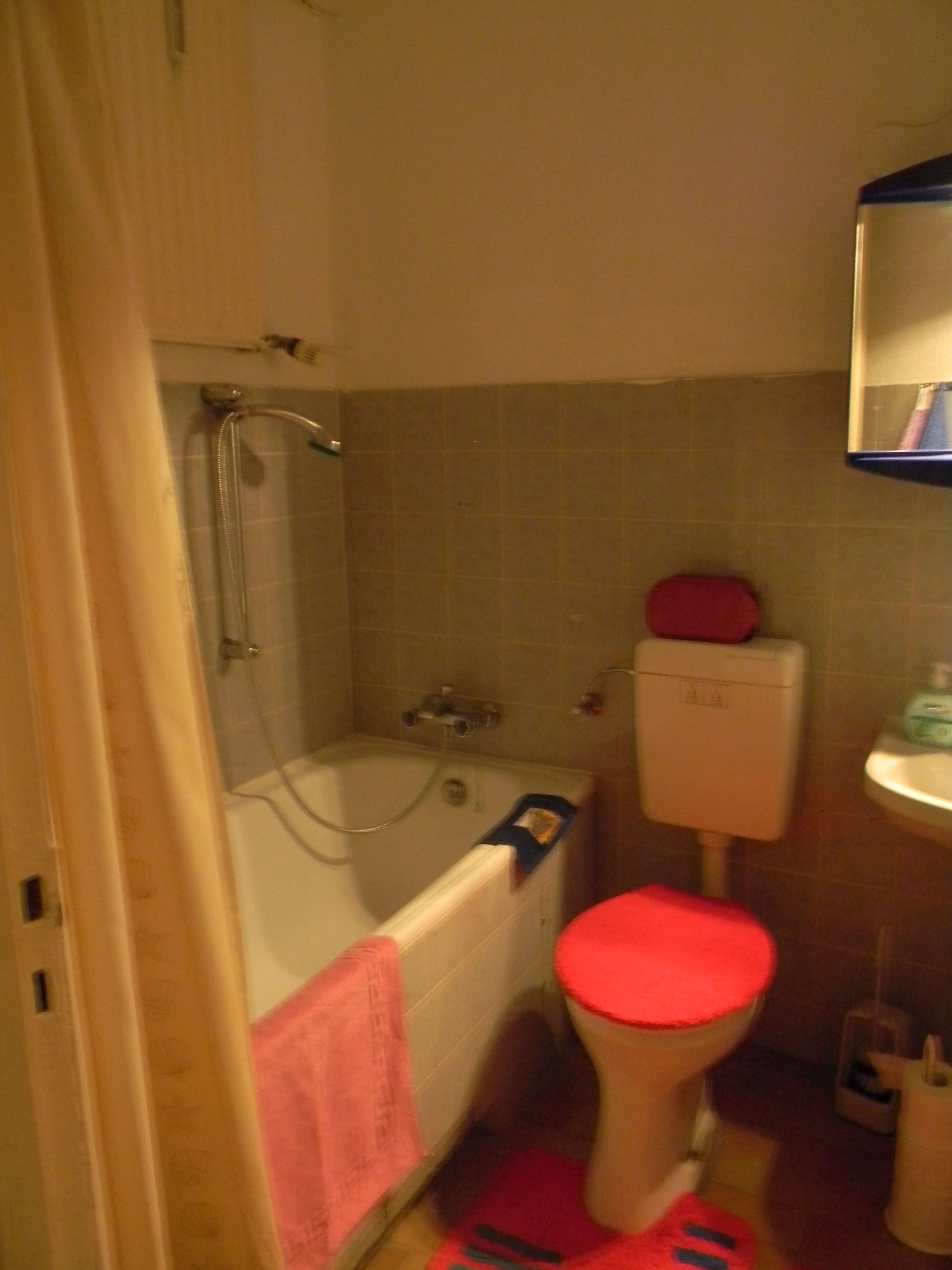
There’s another aspect that complicates local officials’ hunt for illegal vacation apartments. Most holiday rentals these days are only listed on the Internet. With a few clicks on Airbnb and other sites, you can peer into the living rooms of “elegant apartments in the Prenzlauer Berg district” or a bathroom in a “comfy studio in Kreuzberg.” Renters almost never provide the exact address of an apartment.
Furthermore, under current rules, Krüger and Schmidt are allowed to search sites such as Airbnb, but they are prohibited from using them to conduct sting operations. Germany’s data privacy law bans them from conducting any form of undercover research.
‘Needle in the Haystack’
“As things now stand,” says Stephan von Dassel, “we’re looking for the needle in the haystack.” Dassel is the district councilor for Berlin-Mitte and is responsible for the implementation of the vacation apartment ban. He is sitting in his office in the third story of city hall, a man with square glasses and sharp ears, who almost sinks into his desk chair. Dassel would like to have software programmed that would put together an address from the clues that a vacation-rental ad leaves behind online. He claims it would be simple from a technical standpoint.
But he will most likely not be able to implement his plan. Berlin’s privacy commissioner considers the use of a computer program like the one Dassel suggests as only being permissible if there is “initial suspicion” — meaning, if the district authority already suspects that illegal vacation-apartments exist in a street.
If the software doesn’t work out, Dassel says, then he only sees one other solution: that a hacker offers him a CD with the addresses of all of the vacation homes in Mitte. “I don’t know if I would be allowed to buy it,” he says, “but I would do it.” The allusion is to a recent wave of CDs and DVDs sold by sources within Swiss and Luxembourg banks to German government authorities for significant sums of money in exchange for data that has helped them identify tax evaders.
It’s now a steel blue morning two weeks after the first failed attempt. Julia Krüger drags herself across the street in a different part of the Mitte district; she has a cold and would rather be sitting in the office. Diana Schmidt is holding a cigarette in her left hand, and, in her right, a piece of paper that might be their key to success today. The women have by chance managed to find an advertisement online that shows the address of a vacation rental.
It is supposedly on the ground floor of a pre-war building in a well-to-do area — nice furniture, 90 square meters, space for six people, according to the ad. It costs as much as €216 per day.
Another Let Down
The blinds are down, and nobody reacts to Krüger’s ringing. The sign with the name on it is nondescript.
Krüger presses on a random buzzer. “Mitte district office. Misusage. Please open the building door,” she calls into the intercom system, when a neighbor answers. Even though most Berliners are in favor of the ban, they are occasionally called names, Krüger says, like Stasi-spy, or they are taken for con artists. People are also sometimes angered by the fact that, according to the law, the women may enter a suspected vacation rental without a search warrant. Dassel, however, thinks it’s unlikely that this right would stand up before the court, if a renter refused them entry.A retired couple in a bathrobe let Krüger and Schmidt into the building and then welcomes them into their home. “I need to sit down, I have unbearable pain,” the man says, by way of greeting, and then slumps onto a stool in the hallway. Then he starts his monologue. He has never encountered any tourists, he claims, “and I know everything that happens in the building.” The man talks and talks, and Julia Krüger rolls her eyes. At some point, his wife interrupts: “To be brief, we don’t know anything.”
Because an online ad is not considered sufficient proof, the case goes into the “hold file.” Krüger and Schmidt don’t have any option except to return another time. And to hope that a tourist opens the door.






 Big costs to our health
 Impacts on workers’ rights and the environment
 Internet Freedom under threat
 Threats to sustainable, healthy food
 Australian content in media could be reduced
 Secrecy

