On the Wrong Side of Globalisation

On the Wrong Side of Globalization
By JOSEPH E. STIGLITZ MARCH 15, 2014 5:06 PM March 15, 2014 5:06 pm 304 Comments
The Great Divide
The Great Divide is a series about inequality.

Trade agreements are a subject that can cause the eyes to glaze over, but we should all be paying attention. Right now, there are trade proposals in the works that threaten to put most Americans on the wrong side of globalization.

The conflicting views about the agreements are actually tearing at the fabric of the Democratic Party, though you wouldn’t know it from President Obama’s rhetoric. In his State of the Union address, for example, he blandly referred to “new trade partnerships” that would “create more jobs.” Most immediately at issue is the Trans-Pacific Partnership, or TPP, which would bring together 12 countries along the Pacific Rim in what would be the largest free trade area in the world.

Negotiations for the TPP began in 2010, for the purpose, according to the United States Trade Representative, of increasing trade and investment, through lowering tariffs and other trade barriers among participating countries. But the TPP negotiations have been taking place in secret, forcing us to rely on leaked drafts to guess at the proposed provisions. At the same time, Congress introduced a bill this year that would grant the White House filibuster-proof fast-track authority, under which Congress simply approves or rejects whatever trade agreement is put before it, without revisions or amendments.

Controversy has erupted, and justifiably so. Based on the leaks — and the history of arrangements in past trade pacts — it is easy to infer the shape of the whole TPP, and it doesn’t look good. There is a real risk that it will benefit the wealthiest sliver of the American and global elite at the expense of everyone else. The fact that such a plan is under consideration at all is testament to how deeply inequality reverberates through our economic policies.

Worse, agreements like the TPP are only one aspect of a larger problem: our gross mismanagement of globalization.

Let’s tackle the history first. In general, trade deals today are markedly different from those made in the decades following World War II, when negotiations focused on lowering tariffs. As tariffs came down on all sides, trade expanded, and each country could develop the sectors in which it had strengths and as a result, standards of living would rise. Some jobs would be lost, but new jobs would be created.

Today, the purpose of trade agreements is different. Tariffs around the world are already low. The focus has shifted to “nontariff barriers,” and the most important of these — for the corporate interests pushing agreements — are regulations. Huge multinational corporations complain that inconsistent regulations make business costly. But most of the regulations, even if they are imperfect, are there for a reason: to protect workers, consumers, the economy and the environment.

What’s more, those regulations were often put in place by governments responding to the democratic demands of their citizens. Trade agreements’ new boosters euphemistically claim that they are simply after regulatory harmonization, a clean-sounding phrase that implies an innocent plan to promote efficiency. One could, of course, get regulatory harmonization by strengthening regulations to the highest standards everywhere. But when corporations call for harmonization, what they really mean is a race to the bottom.

When agreements like the TPP govern international trade — when every country has agreed to similarly minimal regulations — multinational corporations can return to the practices that were common before the Clean Air and Clean Water Acts became law (in 1970 and 1972, respectively) and before the latest financial crisis hit. Corporations everywhere may well agree that getting rid of regulations would be good for corporate profits. Trade negotiators might be persuaded that these trade agreements would be good for trade and corporate profits. But there would be some big losers — namely, the rest of us.

These high stakes are why it is especially risky to let trade negotiations proceed in secret. All over the world, trade ministries are captured by corporate and financial interests. And when negotiations are secret, there is no way that the democratic process can exert the checks and balances required to put limits on the negative effects of these agreements.

The secrecy might be enough to cause significant controversy for the TPP. What we know of its particulars only makes it more unpalatable. One of the worst is that it allows corporations to seek restitution in an international tribunal, not only for unjust expropriation, but also for alleged diminution of their potential profits as a result of regulation. This is not a theoretical problem. Philip Morris has already tried this tactic against Uruguay, claiming that its antismoking regulations, which have won accolades from the World Health Organization, unfairly hurt profits, violating a bilateral trade treaty between Switzerland and Uruguay. In this sense, recent trade agreements are reminiscent of the Opium Wars, in which Western powers successfully demanded that China keep itself open to opium because they saw it as vital in correcting what otherwise would be a large trade imbalance.

Provisions already incorporated in other trade agreements are being used elsewhere to undermine environmental and other regulations. Developing countries pay a high price for signing on to these provisions, but the evidence that they get more investment in return is scant and controversial. And though these countries are the most obvious victims, the same issue could become a problem for the United States, as well. American corporations could conceivably create a subsidiary in some Pacific Rim country, invest in the United States through that subsidiary, and then take action against the United States government — getting rights as a “foreign” company that they would not have had as an American company. Again, this is not just a theoretical possibility: There is already some evidence that companies are choosing how to funnel their money into different countries on the basis of where their legal position in relation to the government is strongest.

There are other noxious provisions. America has been fighting to lower the cost of health care. But the TPP would make the introduction of generic drugs more difficult, and thus raise the price of medicines. In the poorest countries, this is not just about moving money into corporate coffers: thousands would die unnecessarily. Of course, those who do research have to be compensated. That’s why we have a patent system. But the patent system is supposed to carefully balance the benefits of intellectual protection with another worthy goal: making access to knowledge more available. I’ve written before about how the system has been abused by those seeking patents for the genes that predispose women to breast cancer. The Supreme Court ended up rejecting those patents, but not before many women suffered unnecessarily. Trade agreements provide even more opportunities for patent abuse.

The worries mount. One way of reading the leaked negotiation documents suggests that the TPP would make it easier for American banks to sell risky derivatives around the world, perhaps setting us up for the same kind of crisis that led to the Great Recession.

In spite of all this, there are those who passionately support the TPP and agreements like it, including many economists. What makes this support possible is bogus, debunked economic theory, which has remained in circulation mostly because it serves the interests of the wealthiest.

Free trade was a central tenet of economics in the discipline’s early years. Yes, there are winners and losers, the theory went, but the winners can always compensate the losers, so that free trade (or even freer trade) is a win-win. This conclusion, unfortunately, is based on numerous assumptions, many of which are simply wrong.

The older theories, for instance, simply ignored risk, and assumed that workers could move seamlessly between jobs. It was assumed that the economy was at full employment, so that workers displaced by globalization would quickly move from low-productivity sectors (which had thrived simply because foreign competition was kept at bay through tariffs and other trade restrictions) to high-productivity sectors. But when there is a high level of unemployment, and especially when a large percentage of the unemployed have been out of work long-term (as is the case now), there can’t be such complacency.

Today, there are 20 million Americans who would like a full-time job but can’t get one. Millions have stopped looking. So there is a real risk that individuals moved from low productivity-employment in a protected sector will end up zero-productivity members of the vast ranks of the unemployed. This hurts even those who keep their jobs, as higher unemployment puts downward pressure on wages.

We can argue over why our economy isn’t performing the way it’s supposed to — whether it’s because of a lack of aggregate demand, or because our banks, more interested in speculation and market manipulation than lending, are not providing adequate funds to small and medium-size enterprises. But whatever the reasons, the reality is that these trade agreements do risk increasing unemployment.

One of the reasons that we are in such bad shape is that we have mismanaged globalization. Our economic policies encourage the outsourcing of jobs: Goods produced abroad with cheap labor can be cheaply brought back into the United States. So American workers understand that they have to compete with those abroad, and their bargaining power is weakened. This is one of the reasons that the real median income of full-time male workers is lower than it was 40 years ago.

American politics today compounds these problems. Even in the best of circumstances, the old free trade theory said only that the winners could compensate the losers, not that they would. And they haven’t — quite the opposite. Advocates of trade agreements often say that for America to be competitive, not only will wages have to be cut, but so will taxes and expenditures, especially on programs that are of benefit to ordinary citizens. We should accept the short-term pain, they say, because in the long run, all will benefit. But as John Maynard Keynes famously said in another context, “in the long run we are all dead.” In this case, there is little evidence that the trade agreements will lead to faster or more profound growth.

Critics of the TPP are so numerous because both the process and the theory that undergird it are bankrupt. Opposition has blossomed not just in the United States, but also in Asia, where the talks have stalled.

By leading a full-on rejection of fast-track authority for the TPP, the Senate majority leader, Harry Reid, seems to have given us all a little respite. Those who see trade agreements as enriching corporations at the expense of the 99 percent seem to have won this skirmish. But there is a broader war to ensure that trade policy — and globalization more generally — is designed so as to increase the standards of living of most Americans. The outcome of that war remains uncertain.

In this series, I have repeatedly made two points: The first is that the high level of inequality in the United States today, and its enormous increase during the past 30 years, is the cumulative result of an array of policies, programs and laws. Given that the president himself has emphasized that inequality should be the country’s top priority, every new policy, program or law should be examined from the perspective of its impact on inequality. Agreements like the TPP have contributed in important ways to this inequality. Corporations may profit, and it is even possible, though far from assured, that gross domestic product as conventionally measured will increase. But the well-being of ordinary citizens is likely to take a hit.

And this brings me to the second point that I have repeatedly emphasized: Trickle-down economics is a myth. Enriching corporations — as the TPP would — will not necessarily help those in the middle, let alone those at the bottom.

TiSA versus Public Services

PSI Special Report: TISA versus Public Services

28 April, 2014
Source:
PSI
Cover page – TISA versus Public Services
A new report by Public Services International (PSI) warns that governments are planning to take the world on a liberalisation spree on a scale never seen before. According to the report, this massive trade deal will put public healthcare, broadcasting, water, transport and other services at risk. The proposed deal could make it impossible for future governments to restore public services to public control, even in cases where private service delivery has failed. It would also restrict a government’s ability to regulate key sectors including financial, energy, telecommunications and cross-border data flows.
Treating public services as commodities for trade creates a fundamental misconception of public services. The Trades in Services Agreement (TISA), currently being negotiated in secret and outside of World Trade Organization rules, is a deliberate attempt to privilege the profits of the richest corporations and countries in the world over those who have the greatest needs.

Public services are designed to provide vital social and economic necessities – such as health care and education – affordably, universally and on the basis of need. Public services exist because markets will not produce these outcomes. Further, public services are fundamental to ensure fair competition for business, and effective regulation to avoid environmental, social and economic disasters – such as the global financial crisis and global warming. Trade agreements consciously promote commercialisation and define goods and services in terms of their ability to be exploited for profit by global corporations. Even the most ardent supporters of trade agreements admit that there are winners and losers in this rigged game.

The winners are usually powerful countries who are able to assert their power, multinational corporations who are best placed to exploit new access to markets, and wealthy consumers who can afford expensive foreign imports. The losers tend to be workers who face job losses and downward pressure on wages, users of public services and local small businesses which cannot compete with multinational corporations.

The report on TISA was prepared for Public Services International, written by Scott Sinclair, Canadian Centre for Policy Alternatives, and Hadrian Mertins-Kirkwood, Institute of Political Economy, Carleton University.

Also see PSI and OWINF’s special report The Really Good Friends of Transnational Corporations

Inequality Is Not Inevitable

THE GREAT DIVIDE JUN 27, 2014 Jun 27, 2014 874
Inequality Is Not Inevitable
By JOSEPH E. STIGLITZ
AN insidious trend has developed over this past third of a century. A country that experienced shared growth after World War II began to tear apart, so much so that when the Great Recession hit in late 2007, one could no longer ignore the fissures that had come to define the American economic landscape. How did this “shining city on a hill” become the advanced country with the greatest level of inequality?

One stream of the extraordinary discussion set in motion by Thomas Piketty’s timely, important book, “Capital in the Twenty-First Century,” has settled on the idea that violent extremes of wealth and income are inherent to capitalism. In this scheme, we should view the decades after World War II — a period of rapidly falling inequality — as an aberration.

This is actually a superficial reading of Mr. Piketty’s work, which provides an institutional context for understanding the deepening of inequality over time. Unfortunately, that part of his analysis received somewhat less attention than the more fatalistic-seeming aspects.
Photo

Credit Javier Jaén
Over the past year and a half, The Great Divide, a series in The New York Times for which I have served as moderator, has also presented a wide range of examples that undermine the notion that there are any truly fundamental laws of capitalism. The dynamics of the imperial capitalism of the 19th century needn’t apply in the democracies of the 21st. We don’t need to have this much inequality in America.

Our current brand of capitalism is an ersatz capitalism. For proof of this go back to our response to the Great Recession, where we socialized losses, even as we privatized gains. Perfect competition should drive profits to zero, at least theoretically, but we have monopolies and oligopolies making persistently high profits. C.E.O.s enjoy incomes that are on average 295 times that of the typical worker, a much higher ratio than in the past, without any evidence of a proportionate increase in productivity.

If it is not the inexorable laws of economics that have led to America’s great divide, what is it? The straightforward answer: our policies and our politics. People get tired of hearing about Scandinavian success stories, but the fact of the matter is that Sweden, Finland and Norway have all succeeded in having about as much or faster growth in per capita incomes than the United States and with far greater equality.

So why has America chosen these inequality-enhancing policies? Part of the answer is that as World War II faded into memory, so too did the solidarity it had engendered. As America triumphed in the Cold War, there didn’t seem to be a viable competitor to our economic model. Without this international competition, we no longer had to show that our system could deliver for most of our citizens.

Ideology and interests combined nefariously. Some drew the wrong lesson from the collapse of the Soviet system. The pendulum swung from much too much government there to much too little here. Corporate interests argued for getting rid of regulations, even when those regulations had done so much to protect and improve our environment, our safety, our health and the economy itself.

But this ideology was hypocritical. The bankers, among the strongest advocates of laissez-faire economics, were only too willing to accept hundreds of billions of dollars from the government in the bailouts that have been a recurring feature of the global economy since the beginning of the Thatcher-Reagan era of “free” markets and deregulation.

The American political system is overrun by money. Economic inequality translates into political inequality, and political inequality yields increasing economic inequality. In fact, as he recognizes, Mr. Piketty’s argument rests on the ability of wealth-holders to keep their after-tax rate of return high relative to economic growth. How do they do this? By designing the rules of the game to ensure this outcome; that is, through politics.

So corporate welfare increases as we curtail welfare for the poor. Congress maintains subsidies for rich farmers as we cut back on nutritional support for the needy. Drug companies have been given hundreds of billions of dollars as we limit Medicaid benefits. The banks that brought on the global financial crisis got billions while a pittance went to the homeowners and victims of the same banks’ predatory lending practices. This last decision was particularly foolish. There were alternatives to throwing money at the banks and hoping it would circulate through increased lending. We could have helped underwater homeowners and the victims of predatory behavior directly. This would not only have helped the economy, it would have put us on the path to robust recovery.

OUR divisions are deep. Economic and geographic segregation have immunized those at the top from the problems of those down below. Like the kings of yore, they have come to perceive their privileged positions essentially as a natural right. How else to explain the recent comments of the venture capitalist Tom Perkins, who suggested that criticism of the 1 percent was akin to Nazi fascism, or those coming from the private equity titan Stephen A. Schwarzman, who compared asking financiers to pay taxes at the same rate as those who work for a living to Hitler’s invasion of Poland.

Our economy, our democracy and our society have paid for these gross inequities. The true test of an economy is not how much wealth its princes can accumulate in tax havens, but how well off the typical citizen is — even more so in America where our self-image is rooted in our claim to be the great middle-class society. But median incomes are lower than they were a quarter-century ago. Growth has gone to the very, very top, whose share has almost quadrupled since 1980. Money that was meant to have trickled down has instead evaporated in the balmy climate of the Cayman Islands.

With almost a quarter of American children younger than 5 living in poverty, and with America doing so little for its poor, the deprivations of one generation are being visited upon the next. Of course, no country has ever come close to providing complete equality of opportunity. But why is America one of the advanced countries where the life prospects of the young are most sharply determined by the income and education of their parents?

Among the most poignant stories in The Great Divide were those that portrayed the frustrations of the young, who yearn to enter our shrinking middle class. Soaring tuitions and declining incomes have resulted in larger debt burdens. Those with only a high school diploma have seen their incomes decline by 13 percent over the past 35 years.

Where justice is concerned, there is also a yawning divide. In the eyes of the rest of the world and a significant part of its own population, mass incarceration has come to define America — a country, it bears repeating, with about 5 percent of the world’s population but around a fourth of the world’s prisoners.

Justice has become a commodity, affordable to only a few. While Wall Street executives used their high-retainer lawyers to ensure that their ranks were not held accountable for the misdeeds that the crisis in 2008 so graphically revealed, the banks abused our legal system to foreclose on mortgages and evict people, some of whom did not even owe money.

More than a half-century ago, America led the way in advocating for the Universal Declaration of Human Rights, adopted by the United Nations in 1948. Today, access to health care is among the most universally accepted rights, at least in the advanced countries. America, despite the implementation of the Affordable Care Act, is the exception. It has become a country with great divides in access to health care, life expectancy and health status.

In the relief that many felt when the Supreme Court did not overturn the Affordable Care Act, the implications of the decision for Medicaid were not fully appreciated. Obamacare’s objective — to ensure that all Americans have access to health care — has been stymied: 24 states have not implemented the expanded Medicaid program, which was the means by which Obamacare was supposed to deliver on its promise to some of the poorest.

We need not just a new war on poverty but a war to protect the middle class. Solutions to these problems do not have to be newfangled. Far from it. Making markets act like markets would be a good place to start. We must end the rent-seeking society we have gravitated toward, in which the wealthy obtain profits by manipulating the system.

The problem of inequality is not so much a matter of technical economics. It’s really a problem of practical politics. Ensuring that those at the top pay their fair share of taxes — ending the special privileges of speculators, corporations and the rich — is both pragmatic and fair. We are not embracing a politics of envy if we reverse a politics of greed. Inequality is not just about the top marginal tax rate but also about our children’s access to food and the right to justice for all. If we spent more on education, health and infrastructure, we would strengthen our economy, now and in the future. Just because you’ve heard it before doesn’t mean we shouldn’t try it again.

We have located the underlying source of the problem: political inequities and policies that have commodified and corrupted our democracy. It is only engaged citizens who can fight to restore a fairer America, and they can do so only if they understand the depths and dimensions of the challenge. It is not too late to restore our position in the world and recapture our sense of who we are as a nation. Widening and deepening inequality is not driven by immutable economic laws, but by laws we have written ourselves.

This is the last article in The Great Divide.

Second Sunday after Epiphany 2015

IMG_0686

IMG_0687

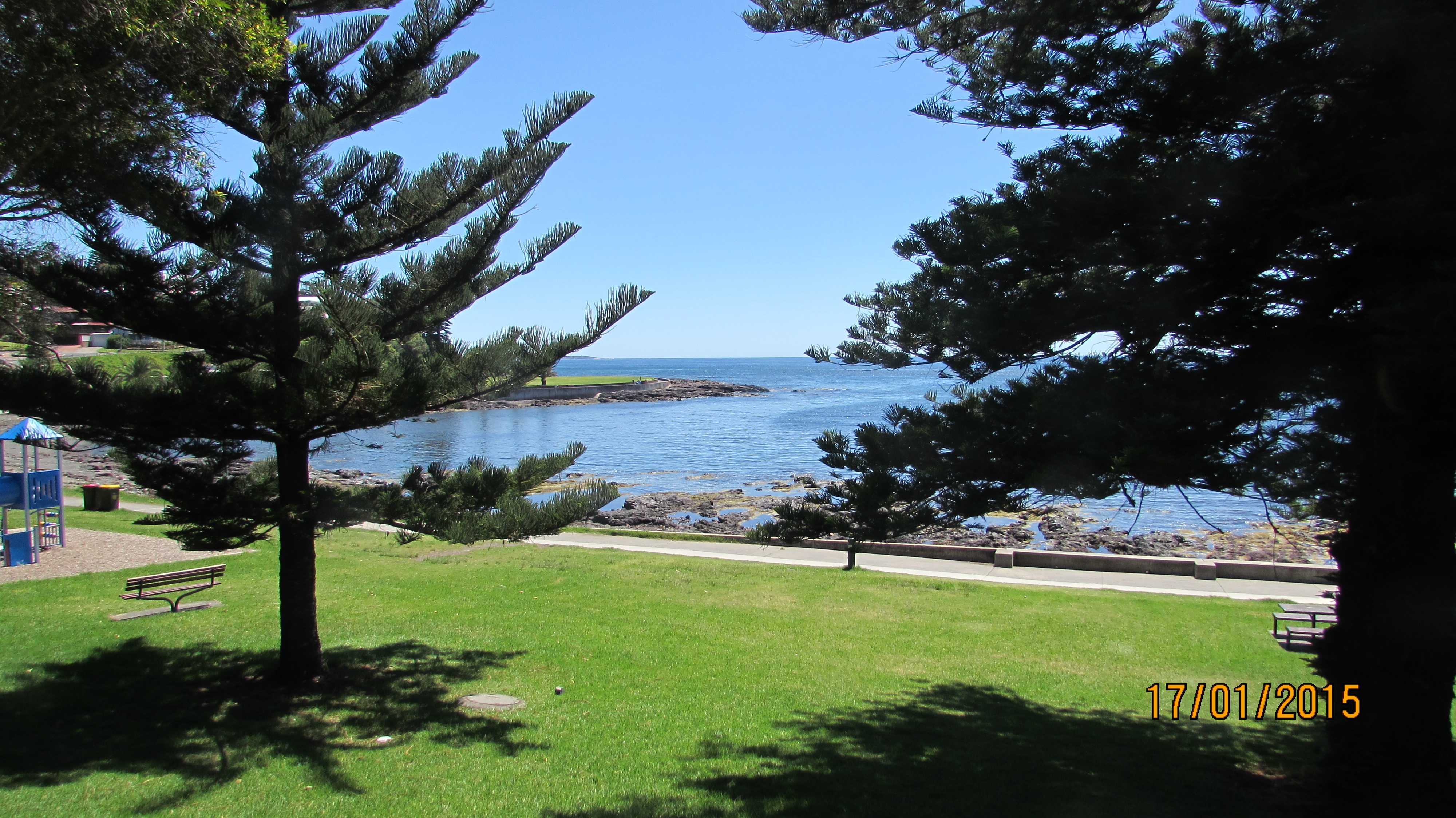
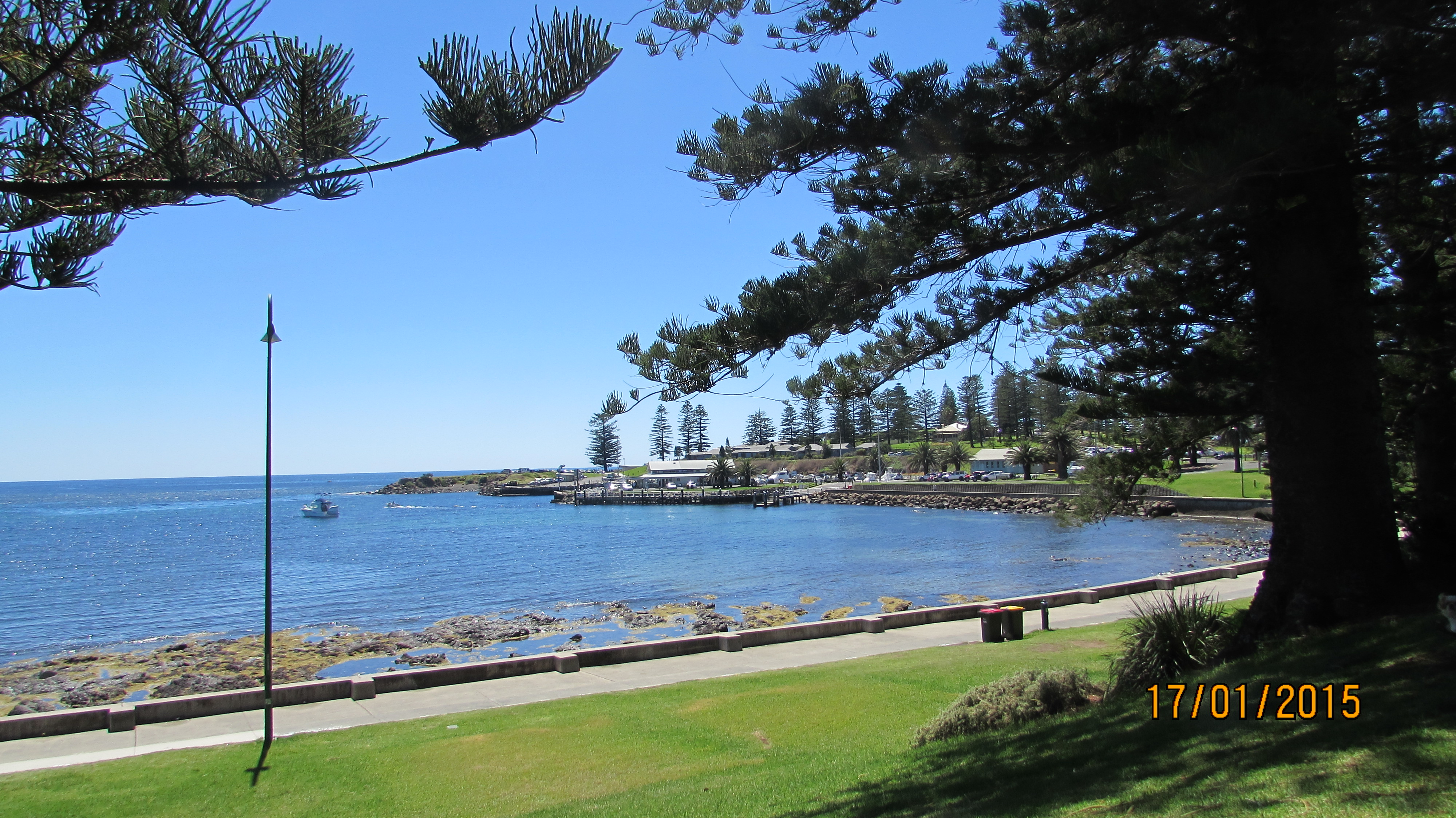
Bombo Beach, early morning, Saturday, 17th January 2015

http://www.wordwebonline.com/search.pl?ww=7&w=Bombo%20Beach

Yesterday, on the way to Kiama, we stopped at Bombo Beach to take some pictures. We had left home early to beat the midday heat. So far we have had a glorious summer here in the Illawarra of NSW, Australia.

Sitting in the car I took this picture of Peter photographing Bombo Beach.
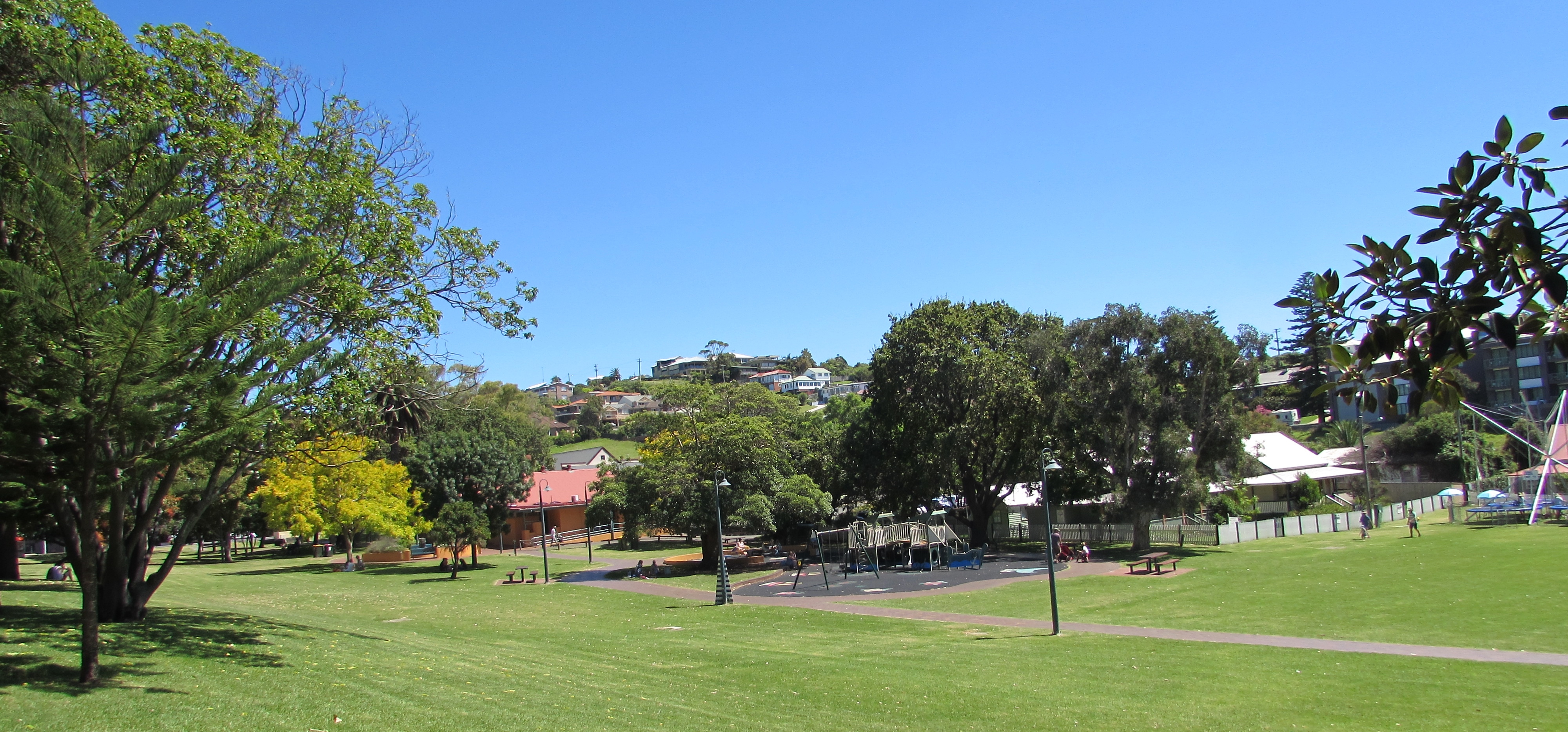
This is a park in Kiama.

RIMG0533

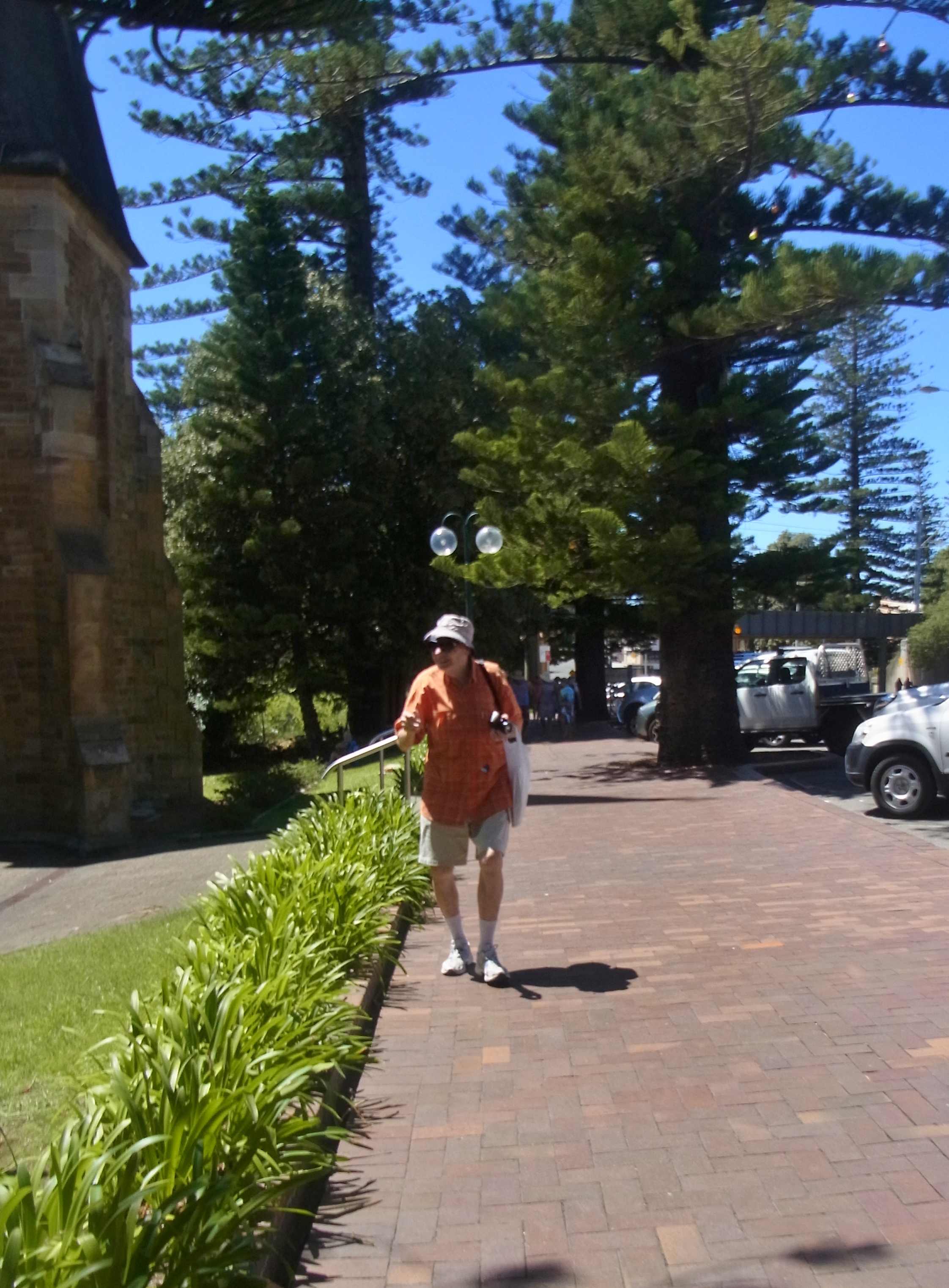
We had found a parking spot in Kiama near this church.

RIMG0548

RIMG0549

RIMG0550

RIMG0551

RIMG0546

RIMG0552

RIMG0553

RIMG0545

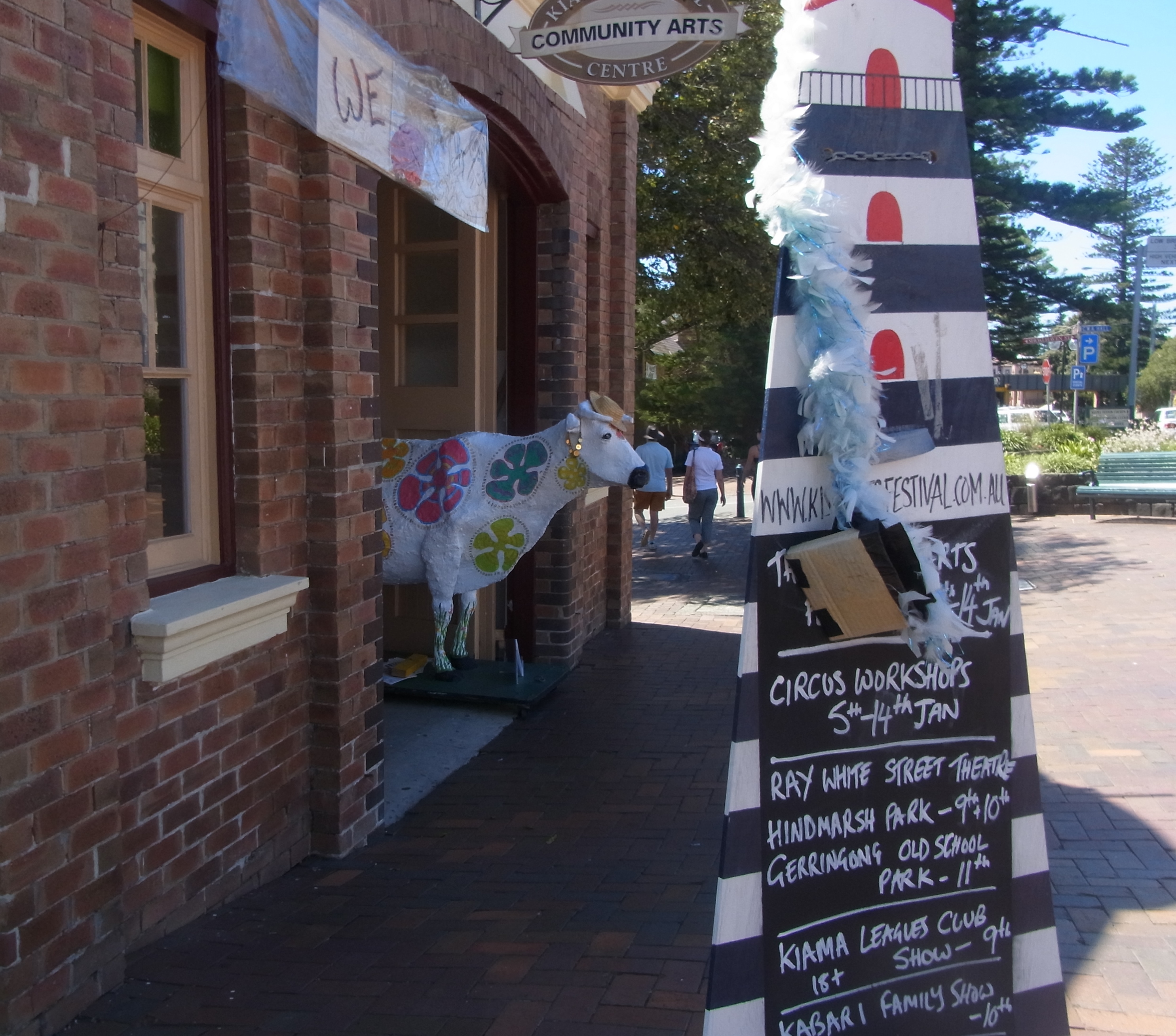
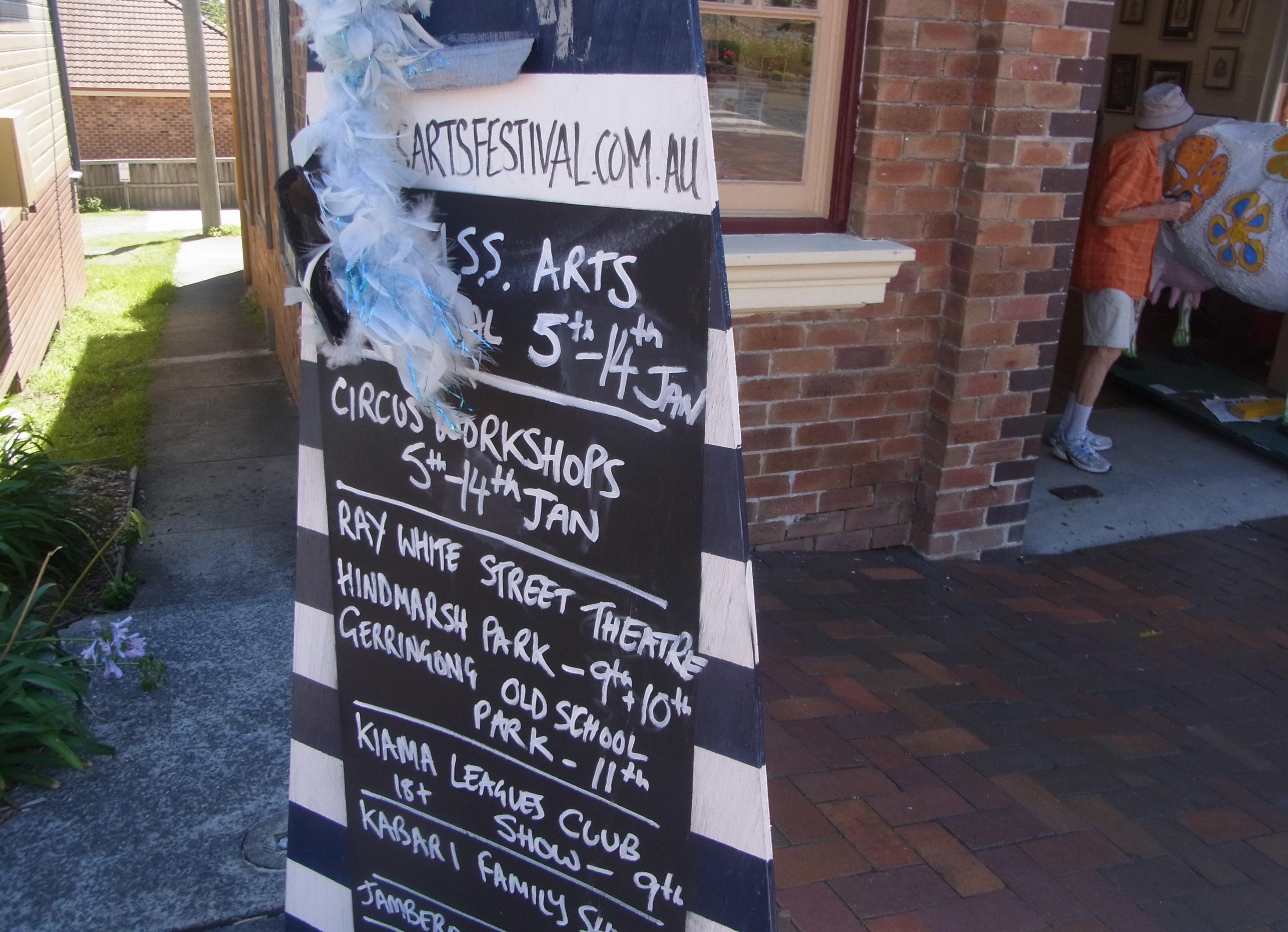
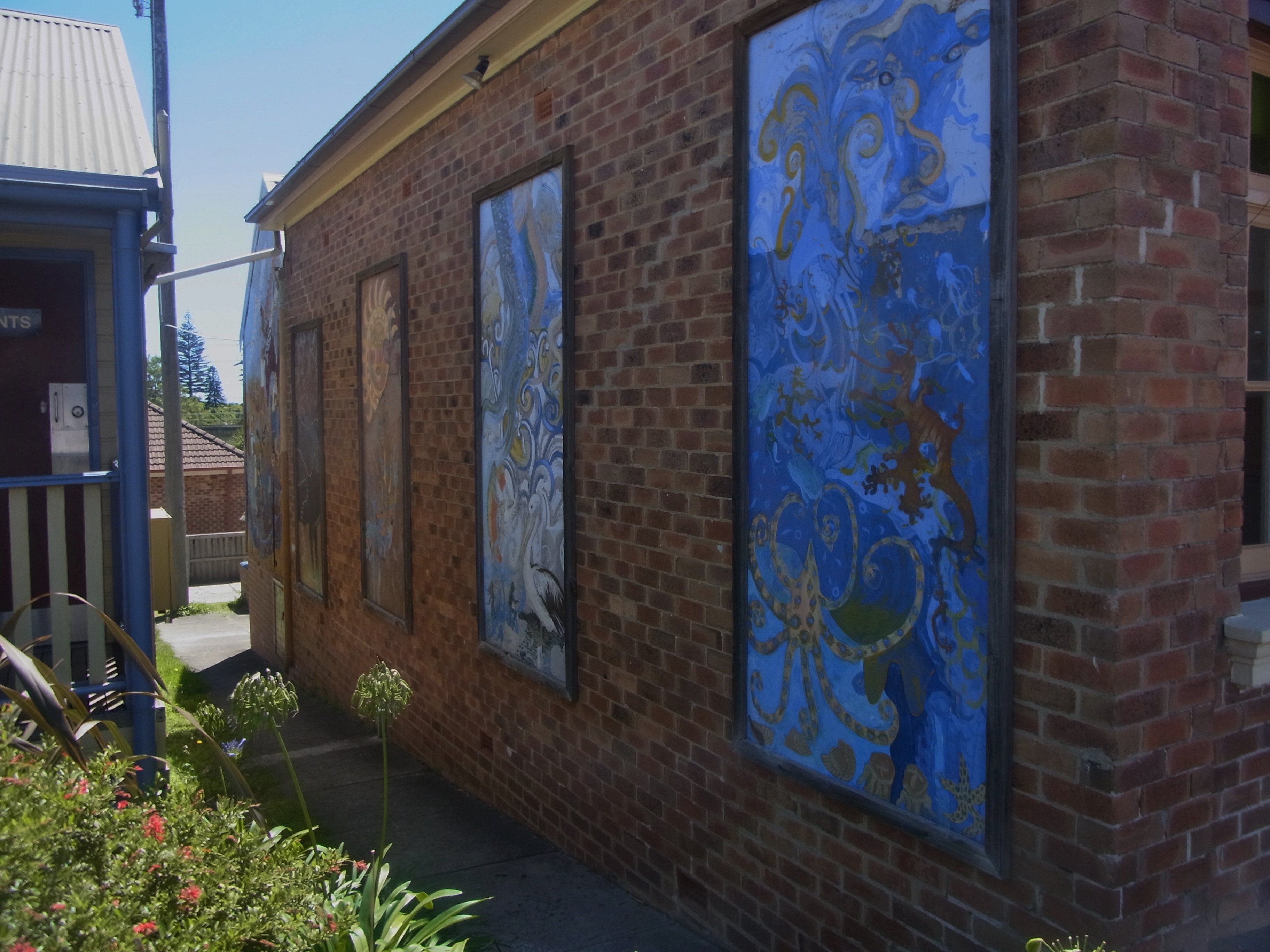
In this 100 year old building, that used to be a Fire Station, is an Art Centre now.

RIMG0537

RIMG0538

RIMG0539

RIMG0543

RIMG0540

IMG_0696

IMG_0697

RIMG0541

RIMG0536

RIMG0535

IMG_0706

RIMG0544

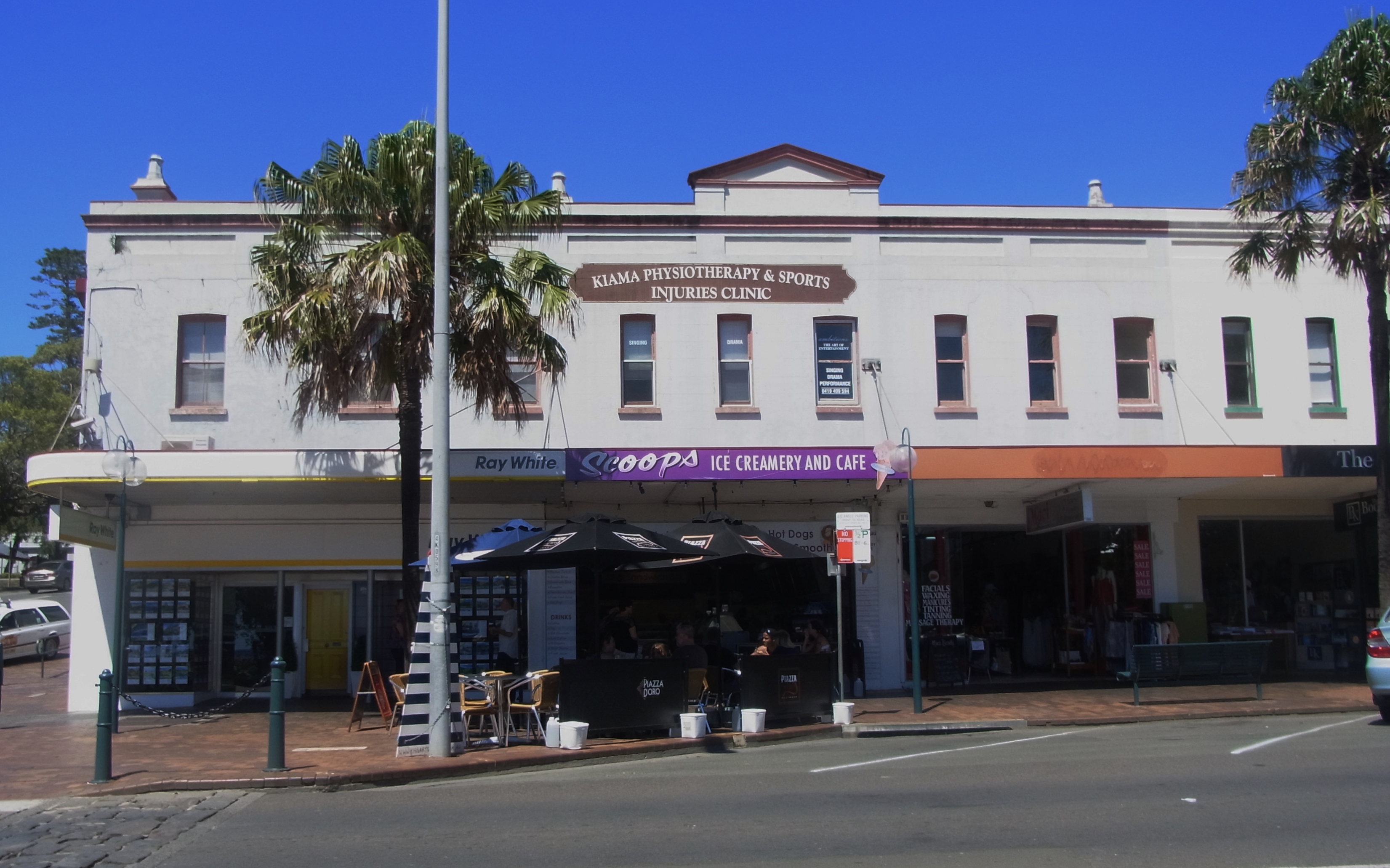
This is where we had coffee and ice-cream.
I decided to have Tropical Gelato: This was yummy!
Peter had Chocolate Ice-Cream.

IMG_0699

Kiama attracts a lot of tourists. It is a good place for retirement. Some great shops along the main road. We looked into a few of the shops and bought a few little gifts.

IMG_0703

IMG_0704

IMG_0705

http://www.visitnsw.com/destinations/south-coast/kiama-area/kiama

A Conversation with Paul Craig Roberts

Transitions; Morals; Alliances and Dissolutions

A Conversation with Paul Craig Roberts

by GARY CORSERI

“This old anvil laughs at many broken hammers.

There are men who can’t be bought.

The fireborn are at home in fire.”

 –Carl Sandburg

GC: I’ve been reading your work fairly regularly over the past 4 years. Within this year, I’ve reviewed your two most recent books: The Failure of Laissez-Faire Capitalism and How America Was Lost. I know something about your background as Assistant Treasury Secretary during the Reagan Administration, and as a former associate editor and columnist for the Wall Street Journal, etc. You and I have corresponded a little, mostly about setting up this interview. I’m glad to meet you in person.

 At one point in LOST you relate the story of a friend who had lunch with former colleagues of yours who lamented your shift in politics from a conservative “Reaganite” to someone now writing radical articles (posted, I’ll add, at some of the best websites in the world!). These former colleagues took the attitude of “Poor Paul! He could have been really rich, with a sinecure at a prestigious university—probably a named chair for him–giving talks at Foundation events, getting cut in on special deals—as rich a sell-out as Tony Blair is now! He just had to play along… he just had to tone it down!”

So, my first question is: What’s the matter with you? Why didn’t you take the easy path? What kind of credo drives you?

PCR: Well, you know, being a prostitute is not an easy path! It’s not a role that anybody really wants… and it’s just people who don’t have alternatives who get stuck in that. . Of course, I did have a prestigious university chair…. When I went to Treasury, I had been occupying the William E. Simon Chair in Political Economy at Georgetown University for 12 years. I think that what some of my former colleagues were saying is that they had gotten rich by selling out. That was their claim to fame—that they were now rich. [He laughs here. He has a good!] So, I felt sorry for them. My friend who related the story told me that he stood up and told them that he didn’t know he was having lunch with a bunch of whores… and he left! [More laughter….]

GC: I like to read history—to get a grip on where we are now, to see the great continuum. You often write about the generation of our Founding Fathers; their intentions in our Constitution, our Declaration of Independence. One of the pictures on your Web articles shows you standing in front of a painting of what looks like a Revolutionary War leader—I think he’s Alexander Hamilton. Can you tell me who is in the painting and how do you identify with him? What values do you share?

PCR: That’s Alexander Hamilton, the first Secretary of the Treasury. It’s a copy of the original. It was given to me when I was appointed Assistant Secretary of the Treasury. It hasn’t any other kind of meaning…. A lot of people think it implies that I’m a Mason, because the person in the portrait has his hand in his waistcoat—like Napoleon. But, of course, Napoleon wasn’t a Mason! It has been explained to me that the reason for this is that it’s very difficult to paint the human hand, and that the “charge” for a picture with the human hand was much greater, so at the time it was the convention to get the human hand out of the picture! I don’t know if that’s true or not….

GC: It sounds apocryphal!

PCR: That could be….

GC: The reason I mention it… many of my “progressive” friends are critical of Hamilton as the founder of the Central Bank, and so forth…. Do you have any feelings about that?

PCR: When you’re forming a new country, no one really knows exactly what to do, and there were differences among these Founding Fathers… and I am not really the kind of historian to handle this issue. He was right and he was wrong. I think everybody was trying to do what they thought was right, and, on the whole, they succeeded. But… the troubles since then are not entirely due to their inability to anticipate….

GC: Everything changes….

PCR: Well, they knew that power would accrue to Government. That’s why they tried to break it up into 3 coequal branches, hoping that the jealousies between the branches would keep the overall power low. Unfortunately, they did not anticipate the War Against Southern Secession, which destroyed States’ Rights and elevated the power of the Central Government…. Since then, we’ve had other interest groups step forward: the Bankers who wanted the Federal Reserve so that they would have a way of endlessly expanding credit; and, of course, we’ve had the so-called “War on Terror,” which is a way to get rid of the Constitution itself! We can’t really say that the Founding Fathers should have anticipated all of this….

GC: I’m going to ask you a question that most journalists will never ask you. Because you do touch on these matters in your books and in your articles…. You talk about the Arts… You mention in LOST that we need a new Orwell…. I think we need a new Shakespeare as well–someone to help us define our language better, to use it as a cutting tool. So, let me ask you: What is the role of the Arts in creating a new political culture?

PCR: Well, ah, you’re getting over my head here, Gary. I’m not… I don’t have the kind of background to answer that question in any satisfactory way.

GC: Okay… this is somewhat related….In the 60s and early 70s, there was a flourishing of political and cultural energies. Is anything like that happening now? How can we help it along?

PCR: Well, I think there was some output with the Occupy Movement. It was put down with force and intimidation…. In a very real sense, those forces in the 60s and 70s have been bought off…. You don’t see [for example] the kind of Black leadership that you had in the days of Martin Luther King…. Just think about the Rappers—when they came on the scene they were socially conscious, the songs were challenging. Now, some of them are billionaires! I saw the other day that someone was selling out and, ah… Apple… Apple was going to buy his company and the guy’s going to end up a billionaire! So… where are these energetic forces going to come from? That has been the success of the elites! They just co-opt whatever movement comes along.

GC: Okay… thanks for indulging me in my particular field…. Back to your expertise now…. You make a strong case that it wasn’t “supply side” economics that screwed up our economy and destroyed our middle class; rather, that had more to do with the Clinton Administration’s de-regulation and off-shoring of jobs…. Now, one definition of “government” is “to regulate.” When we accepted “deregulation” weren’t we basically “de-governing” ourselves—giving up the protections of government, oversight functions, etc.? And when that happened, didn’t we turn into one big neo-con/neo-liberal hairball—liberalism and conservatism blurred into a crazed Godzilla whose main “business” is war?” How can we get back to better, sensible, more humane regulation and governance?

PCR: I’ve always regarded regulation as a factor of production. If you have too much, you’re in trouble; and if you don’t have enough, you’re in trouble. The judgment of getting the right amount is open to debate. But, certainly, financial deregulation was irresponsible… because we had had the experience of a deregulated financial system [during the Great Depression] and we saw what an unsatisfactory outcome that was! So, repealing safeguards against repeating those mistakes was a great error. And, it was done by the Banks, which essentially purchased enough “Think Tanks” with grants and donations, and enough university faculty—with grants and donations and speaking opportunities–, and purchased enough senators and Congressmen to get the Glass-Steagall Act repealed—and this was a fundamental error! Among other serious mistakes: the position limits on speculators was removed… and now they can control the markets; they no longer provide a positive function, they basically loot! They use their power for their own profits…. Also, allowing the kinds of financial concentration, where you have the banks “too big to fail.” Whoever heard of such a thing? If banks are too big to fail, you don’t have Capitalism! The justification for Capitalism is that it eliminates those corporations that don’t make efficient use of resources. Those are the ones that fail! If you don’t let them fail, then you have a subsidized system that makes inefficient use of resources! All of this was a disaster.

GC: And this all happened under Clinton, basically….

PCR: The repeal of Glass-Steagall happened under Clinton. The subsequent deregulations happened under George W. Bush. For example, when Brooksley Born, the head of the Commodities Futures Trading Corporation, tried to perform her federal duty and regulate over-the-counter derivatives, she was blocked by the Chairman of the Federal Reserve, the Secretary of the Treasury and the head of the Securities and Exchange Commission! They took this to Congress and shouted her down and forced her out of office. The position they had was an ideological position for which I know of no evidence: that markets are “self-regulating”… and, therefore, that markets are better regulated without regulators! This is absolute nonsense! And, it’s hard to believe that people in Congress didn’t know it was nonsense! I attribute it to the influence of the Banks—the money…. And, lo and behold, the senator who led the deregulation was very quickly rewarded—he was made Vice-Chairman of one of the “too big to fail” banks; somebody who’s paid millions of dollars to go around giving speeches! This is the way this System works when private interests become too powerful. In the United States today, the public and private sectors have merged–because the powerful private sectors essentially determine the policy of the government. There isn’t really a government independent of Wall Street, the military-security complex, the Israel Lobby, the mining, energy and timber business, agribusiness—these groups write the laws that Congress passes and the President signs…. And, the Supreme Court has made it even easier for them because it has ruled that it’s legitimate for corporations to purchase the government—

GC: “Citizens United” and—

PCR: That was the first one… and then the most recent one—

GC: Made it even easier—

PCR: In other words, there are no limits for wealthy corporations to elect the government they want! It’s like former President Jimmy Carter said a short time ago: At this time, the United States does not have a “functioning democracy.” Well, he’s right! We have an oligarchy. And the oligarchy rules, and the government is some sort of cloak for the rulers. You never see anything happen against the oligarchs! For example, one of the senior prosecutors for the Securities and Exchange Commission retired recently; and, he gave a speech and said that his most important cases had been blocked by the “higher-ups” who hoped to get good jobs with the banks that they were protecting! This is the way the government works today. When you try to say, we need more regulation—you can’t! The regulators are “captured” by private interests. It was about 30 years ago, that economist George Stigler said that regulatory agencies invariably wind up “captured” by the industries they’re supposed to regulate.

GC: What was his name?

PCR: Stigler…. He won the Nobel Prize… not for that observation. He was a colleague of Milton Freedman… and was quite jealous of Freedman’s renown among ordinary people. Whereas, Stigler had renown only among academics! [Laughter….] At any rate, I don’t think you can simply say that we’ll restore regulation… because the regulations that are on the books can’t be enforced; the higher-ups are protecting those they’re supposed to regulate—so they can get major jobs when they leave government service.

GC: The “revolving door”!

PCR: It’s a sea change. And I think the only way you recover from something like this is through a catastrophe—something comparable to the Great Depression. But even that might not do it, because the way the forces are arrayed now it seems that the so-called forces of “Law and Order” are in behalf of the private interest groups. Look at who busted up the Occupy Movement! And we now have all this information of all the federal agencies being armed to the teeth. I mean, even things like the Social Security Administration, and the Post Office! The other day, I read where the Department of Agriculture has put in a purchase order for submachine guns! So… what is all this about if not to suppress any sort of popular resistance to an economic collapse or catastropheAnd, it may be that even a catastrophe won’t let the United States recover.

GC: Are we past the point of no return?

PCR: Who knows? But, I gave you the reasons that could be the case….

GC: I do think we are in a great transitional period. I’m pessimistic, as you are. I think a lot of people admire your work because you made a transition, a transformation in your life—from being a conservative, Reaganite type to a radical who now writes against the system—

PCR: Well, Gary, let me interrupt you here…. Actually, that’s a mistaken perception of me…. Because, they think if you work in a Democratic Administration it means you’re a liberal or a Leftie; if you work in a Republican, it means you’re a conservative or a Right Winger. But, actually, I was writing against the Establishment of the time! The supply-side movement was an attack on the Keynesian movement. The Keynesians were the Establishment! I wasn’t attacking them for any ideological reasons; I was attacking them because their policies had ceased to work, and we were confronted with stagflation—which meant worsening inflation and worsening of unemployment; and they had no solution except to freeze everybody’s wages, salaries and prices—which was an absurd solution; it wouldn’t have worked! I was as much “on the outs” at that time as I am now. I haven’t made any transition. I just see mistakes and speak against them.

GC: You’re against rigidity. You want to be flexible; apply the best solution for the time….

PCR: I’m against ideological thinking. I’m against unrealistic thinking. I’m against the brutality of corruption! Because it endangers the country. We’ve already lost the Constitution because of this. I’m not a radical when I defend the Constitution! Today, it’s becoming “anti-American” to defend the Constitution! Not even the Supreme Court will defend it! So, it’s not a transition I made from being a conservative to a radical. I’ve always been challenging the Establishment—whether it’s Left Wing or Right Wing. When I began as an Economist in Washington, the Keynesian Establishment was essentially a Democratic Establishment. Today, the Establishment is the “exceptional, indispensable Americans”—which is a self-definition which gives you the notion that you are superior to others. It’s like Putin said a year or so ago in one of his speeches: Americans can say that they are exceptional; but, in fact, God created us all equal!

GC: That was in his New York Times op-ed piece.

PCR: Wherever it was… when you start making these claims that you are some sort of ubermensch, you start sounding like the Nazis. And you then start acting like you have the right to run over other people, other countries… because History chose you to be the hegemon! Well, this is extremely dangerous—not just to others, but it’s dangerous to Americans; because the next step is, you lose your civil liberties. And you’re faced with indefinite detention… or you may be murdered! Simply because somebody in the Executive Branch suspects you might be a terrorist! So, it’s not radical to complain against the loss of the Constitution. That’s a very conservative position—historically.

GC: I think it’s fair to say you’re a moralist—

PCR: I’m not an immoralist, I hope!

GC: I’m wondering about your background…. You mention God, not thinking of ourselves, and so forth… What about your upbringing? Can you tell us how these values were inculcated?

PCR: You know…, it was a different world…. People had to be able to look themselves in the mirror—and that meant you had to have behaved correctlyToday, it has almost turned around! The only way you can look yourself in the mirror is if you got the better of someone else. It’s like the Wall Street culture has taken over…. And, if we look at American foreign policy—what it’s about is prevailing! It’s not about diplomacy; it’s about the application of force. Our diplomacy is: If you don’t do as we say, we’re going to bomb you into the Stone Age. This is not the country I grew up in!

GC: What country did you grow up in? Did you go to Church every week…?

PCR: I grew up in the United States! And the people I grew up with—their values, their way of life—were formed in earlier times; their behavior, their appearance, their way of thinking reflected the kinds of values that were the basis of the country—when such values were still effective… or somewhat effective. It was before those values had been worn out and discarded. So, in that sense, I’m a remnant of when we were finer than we are today…. And the kinds of things that happen today simply couldn’t have happened earlier. I think that a great deal has been lost….

GC: Staying with this theme of things lost; values worth retaining and reclaiming…. You bring up Revolution in some of your recent work, and even in your book, LOST…. Other writers I respect talk openly now about Revolution—Chris Hedges, for example…. I wonder if it’s possible to organize Global Resistance against what is, in fact, a Global Empire? Is there any chance for us to unite globally… and resist?

PCR: I have no way of knowing…. I suspect it would be very difficult. There’s so much disinformation, misinformation and propaganda. I suspect what will lead to change will simply be failure. The United States is probably in a failing mode; because it has probably overreached; its ambitions are unrealistic; and its economic base is being hollowed out. When you spend 20 years exporting your manufacturing and industrial jobs, and all of your tradable professional service jobs—like software engineering, for example—you deprive your own people…. When jobs that American university graduates used to take are now offshored, or filled by H1-B foreign workers who are brought in at much-reduced pay, then you are decimating your own population which is losing its vitality, its ability to rise as all the ladders of mobility are dismantled and there’s no growth in incomes and career prospects become dim. The country that is so foolish as to export its own economy, to give its gross domestic product to other countries—that country hasn’t any prospects. And, if that country’s power also rests heavily on its currency being the “reserve currency”… and the US government erodes confidence in the dollar by incessantly creating new money in order to support new debt—as the Federal Reserve has been doing since the 2007-2008 economic collapse—you undermine the confidence of the world in your currency. And, if they abandon its use as the reserve currency, then your power has gone down the drain…. And we see now, that the Obama regime threatening Russia with sanctions—it shows the complete unawareness of the United States government of its precarious position… because when you threaten a major country with sanctions their alternative is to leave the dollar-paying system, as the Russians are now doing, along with China. So, if you drive them out of the payment system, what happens to your power? And others will follow…. I think the prospect for change will be in some sort of American collapse. It has to be coming because every part of the foundation has been undermined.

GC: Has that been intentional? Some people argue that the globalists actually do want to pauperize the American population, and make it docile, and increase our military strength everywhere while at the same time the people are becoming—

PCR: Gary, that doesn’t make any sense to me…. Because, they’re American-based, and there’s nothing they gain by losing the power base. If Americans are impoverished, certainly the globalists aren’t in control in China. And, they’re not in control of Putin. So…, it can look like that, but I think it’s mainly just hubris and stupidity. What was Hitler thinking when he decided to invade the Soviet Union? He wasn’t!

GC: Well… I don’t think he was positive that Britain would attack him when he did that—when he attacked Poland.

PCR: People make mistakes. And I would never think that, as mistake-prone as people are, that they can organize the world in conspiracies. That implies that people don’t make mistakes—especially these conspiracies that people think have been going on for centuries…. We see every day that people make mistake after mistake… That undermines my calculus that there can be some kind of global conspiracy. Again, what do they gain from undermining their own power-base? Their assets are here….

GC: I do have a question related to this. I’ve been preparing for this, so let me go through it. You can berate me, but l’ll ask it anyway. If you were one of the super-elite and had the power they have, is it not likely that you would conspire with your peers to maintain your power against the masses who opposed you? Like the Titans who would rather eat their children than surrender power to the upstart gods….

PCR: Well, logically, it seems that you would do that. But, what we do know is that most people are so competitive with each other that they can’t get along. I mean, even families can’t hold together! So, when these guys are out competing about who has the biggest yacht… or one’s mad because he’s only got 3 Penthouse playmates, and the other guy’s got half a dozen… and one guy’s mad because he’s only got 10 billion dollars but the other guy’s got 15 billion… and his jet plane is bigger than my jet plane! When you see all this endless competition between individuals among the elite—the notion that they’re somehow going to sit down and agree on how they’re going to do anything…. I mean, nobody can hold together! The Beatles couldn’t hold together! Who had a better thing going than the Beatles? I mean, it’s “first me!” First guy comes along and he says, Okay, I’m going to be the leader of this…. He steps in and soon everybody else is trying to get him out because they want to be the leader! And the policy goes to hell! I mean, in the Reagan Administration—it was all we could do to get the President’s economic program out of his own Administration: it was a drag-out fight! If Treasury had not been willing to take that burden, it wouldn’t have happened. We had to make endless enemies within our own government to do what the President wanted. And there aren’t many people in government who will do that! It just so happened that that particular Treasury had some feisty, fighting people, and they were backed up by the Secretary… That’s rare. Usually, nobody can agree! Or, everybody thinks what he wants was the agreement! And each proceeds on the basis of his own agenda. So, I think that the elites—not all of them… there are some very nice ones—but the politically active ones are mainly concerned with maintaining their wealth and power. As to whether they can form up to something tight that holds a line… like an old-time Mafia group…. See, today the Mafia can’t even hold together! If the Mafia can’t hold together, how can these competitive, rich, educated guys who are jealous of each other?

GC: I’m trying to make a point that… if they can’t hold together against each other… but, against the masses, don’t they hold a solid line?

PCR: I don’t think there’s a “solid line” because I think there are disagreements among elites. Some of them are really nasty, and some of them have a social conscience. I knew Sir James Goldsmith—he was a billionaire; he spent the last years of his life fighting for the people against the E.U.! I knew Roger Milliken. He was a textile magnate, a billionaire. He spent his entire life… not on yachts with Playboy bunnies, but fighting for American jobs—in the Congress! He was totally opposed to all this offshoring of jobs! That doesn’t mean there’s not a whole bunch of bad ones; they do conspire—but they’re conspiring for themselves. Plus, you know, if a group like that was seen as a threat to some particular country—like the United States—the CIA would assassinate them! If the CIA wants to kill every billionaire, they can do it tomorrow. So, it’s really not so much about individuals as it is about corporate interests, or sector interests—agribusiness, Wall Street–those guys seem to fix it somehow so that all of them can gain from it, even though they try to cut each other’s throats! That’s a different kind of maneuvering—and that’s the kind we have to be worried about at this time.

GC: You make some solid, perhaps indisputable points, that there isn’t one unified “elite.” That some of the worst aspects of human nature—our selfishness, greed, hubris, even stupidity—militate against such unity. Still, having no desire to join that group… I wonder about the possibility of alliances among us children of a lesser God? Ralph Nader has a new book, UNSTOPPABLE. He proposes an alliance of Left and Right. I’ve been wondering for a long time: Is there any way we can work together and transcend these political divisions, these ideological divisions, and find common ground?

PCR: I have no idea. I have nothing against it…. You know, I’m not an activist. Nader is. I’m a thinker, I analyze. I can see where explanations or perceptions are wrong, and how wrong explanations, and wrong economic theory, and wrong perceptions–like the “Russian threat”—can lead to total disasters. I try to tell people what really is going on. I think we actually do live in a matrix. And our perceptions are controlled by propaganda: some of it intentional, some unintentional. Some… just because people don’t think things through…. I try to show people what reality is… in so far as I can ascertain it. At least I can show them a different way of seeing what is happening. That doesn’t make me a political activist… because I’m not trying to organize people, I’m trying to wake them up, trying to make them aware. And, what they do with that—I don’t know…. If they organize successfully, and they can find leaders capable of pulling off something like that—that’s great! I don’t really know the answer about forming alliances. I suspect that aspects of the matrix are falling away; people are starting to realize that American propaganda doesn’t make sense; that we destroyed 7 countries in the 21st century—in whole or in part. I don’t think many people are falling for the propaganda that Russia invaded Ukraine and stole Crimea. I don’t think that’s the perception in Europe. It could be that the ability of the formal propaganda—the intentional lies–may be losing its convincing power. If so, it makes it easier for people to escape the unintentional lies, or the misperceived ways of thinking. So, there could be big change…. If the E.U. failed, it would have a huge impact on American power. We would no longer be able to claim that we had a “coalition of the willing” or that we were acting in the name of NATO. The aggressive behavior of the United States would be recognized for what it is—war crimes! If Germany, for example, were to say: Look, we have too many relations with Russia, we see the future here….

GC: So, you must feel heartened by the E.U. parliamentary elections this past week—the rise of the “Euro-skeptics”—

PCR: Those elections were not about “race” and immigrants. They were about dissatisfaction… with the whole concept of the E.U.—the loss of national sovereignty. The Greeks, the Italians, the Portuguese, the Irish—they feel like they’ve lost their sovereignty. The only ones that are “holding on” are the Germans, the French and the British—so it starts to look like the E.U. is some sort of Anglo-German-Franco Empire. And even the Germans, French and Brits have their issues with it! The Germans don’t like it that their government is a puppet state of Washington!

GC: So, this is one positive thing that’s happening now—

PCR: These dissolutions are positive. But, I don’t have a plan on how to bring them about. I think if you organized such a plan, you’d be met with overwhelming opposition…. But, if you haven’t got a plan—it’s more than likely to happen! To wind this up: I think that humans are capable of every kind of error, every kind of stupid mistake. And this means that holding anything together, even a family, is difficult. I mean… half of the marriages end in divorce! So, you’ve got two people in love, two people intimate together, and they can’t hold together. So, somehow you’re going to have a plot that’s going to overwhelm the world? It’s not going to happen! I think you’re going to have continuing errors, crises, and mistakes. And I think the United States has made a massive number of them since the Clinton Administration. All the kinds of restraints that George H. W. Bush had in foreign policy—remember the first Iraq War? That was to get them out of Kuwait! We didn’t go on to attack Iraq! This is the kind of restraint that lets a country continue to exist! But, since that time we’ve seen the most reckless kinds of behavior. I think it’s turning the world against us, and the consequences could be catastrophic. I think we can place our hope in the fact that what’s here today won’t stand… because it’s shaky and the mistakes are multiplying. It’s going to come down. And, when it does–that gives the opportunity to change. And to try to bring that about through some revolutionary movement is not going to succeed. But, it will succeed on its own.

GC: To quote Shakespeare: “the readiness is all.”

PCR: Yeah… right….

Paul Craig Roberts is a former Assistant Secretary of the U.S. Treasury, and a former columnist for Business Week. He held the William E. Simon Chair in Political Economy at Georgetown University for a dozen years. He has authored several books, including, “The Supply-Side Revolution” (translated and published in China in 2013) and “How America Was Lost” (2014). His official home page is: http://www.paulcraigroberts.org/

Gary Corseri has published novels and poetry collections, and his dramas have been produced on PBS-Atlanta and elsewhere. He has performed his poems at the Carter Presidential Center and has taught in US prisons and public schools, and at US and Japanese universities. Contact: gary_corseri@comcast.net.

Stars instead of Berliners in 2012

In January 2013 I published a post about our New Year’s Eve 2012. It so happened, that for that New Year’s Eve we had not been able to get Berliners. (In Berlin they are called ‘Pfannkuchen’). When we stopped on New Year’s Day for coffee at the Bake House in Cobargo, voila, there we could get fresh Berliners! Imagine, how joyful this made me feel. Even though I try to avoid white flour and sugar and fat these days, I had to make another exception to the rule for this morning.


https://auntyuta.com/2013/01/22/2464/

We were in Sydney on the 31st of December 2012 and had a good time there as you can see from the pictures in the above post. Here is part of what I wrote in that blog:
” . . . .  we looked at the displays of some cake-shops. We were hoping we would find some Berliners. It is our tradition to eat Berliners on New Year’s Eve. We had no luck. We couldn’t find any.

 

The trip to Dapto (back from Sydney) took nearly two hours. Some shops in Dapto Shopping Center were already about to close when we arrived there. We knew we had a bottle of Bubbly at home in the fridge for our end of year celebrations. But we were still without any Berliners. I felt a bit tired and was sitting down for a while. In the meantime Peter rushed into another shop that was still open. Surprise, surprise, he came out with some delicious looking Berliners in the form of stars! He got them at half price for they were the last ones that were left! At home we watched “Dinner for One”, which is a tradition with us to watch on New Year’s Eve. It is a sketch about Miss Sophie’s 90th Birthday. Very, very funny! We’ve seen it so often and every time we laugh our heads off again.


Peter tried out to take a few pictures from the TV showing Sydney Harbour. At midnight he took also some pictures of the fireworks. Soon after we went to bed. But of course we did have our Bubbly and did eat the heated up little stars with it. They tasted delicious, just as good as the balls, called Berliners, do taste. Of course we did get messages and phone calls from our children before we went to bed, wishing us a HAPPY NEW YEAR.

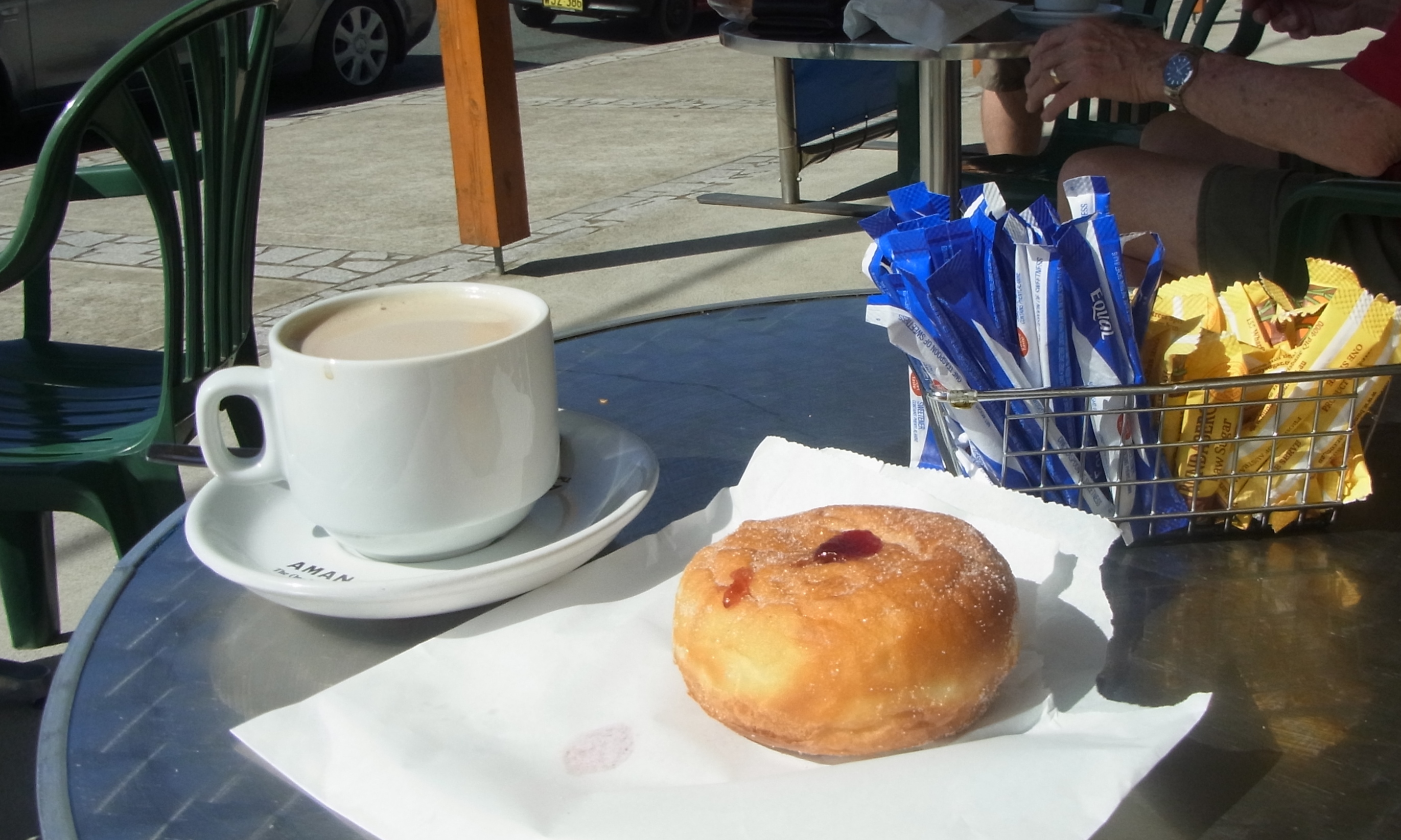
RIMG0489This is what we call a Berliner or Jam Roll or Pfannkuchen. We got it early in the morning from the Bake House in Cobargo on the first of January this year.


Pictures of our first two Weeks in January 2015

This lonely rose decided to delight us with its colour.
We are looking forward to harvest this tomato!
I think this is the first picture I took when we arrived home in the afternoon on New Year's Day 2015.
I think this is the first picture I took when we arrived home in the afternoon on New Year’s Day 2015.
A few days later I took this pictures after it had been raining a lot.
This mat needs to dry out.
It has been raining a lot. So our front lawn still looks green.
Peter is back home from a bit of shopping.
Near the back is growing a lot of grass in some places. We call it our 'meadow'.  In past summers we sometimes had there only bare soil!
Near the back is growing a lot of grass in some places. We call it our ‘meadow’. In past summers we sometimes had there only bare soil!
On the 7th of Jan 2015 we packed away our Christmas Tree.
The computer screen next to the tree reminds me of Lucas on Christmas Eve.

RIMG0217

RIMG0220

RIMG0213

Lucas enjoys A N D R E R I E U Under the Stars. LIVE IN MAASTRICHT
He just loves the Music!

The foot stool he found under the Christmas Tree table. He figured it out totally by himself, that if he got that foot stool out to stand on, he would be better able to see everything.


RIMG0498

These raspberries we bought did not taste as good as the ones that Martin bought. Martin’s raspberries tasted so very good: They reminded me of what raspberries tasted like when I was a kid.

Reversing Lifestyle Diseases

IMG_20150113_0002

IMG_20150113_0001

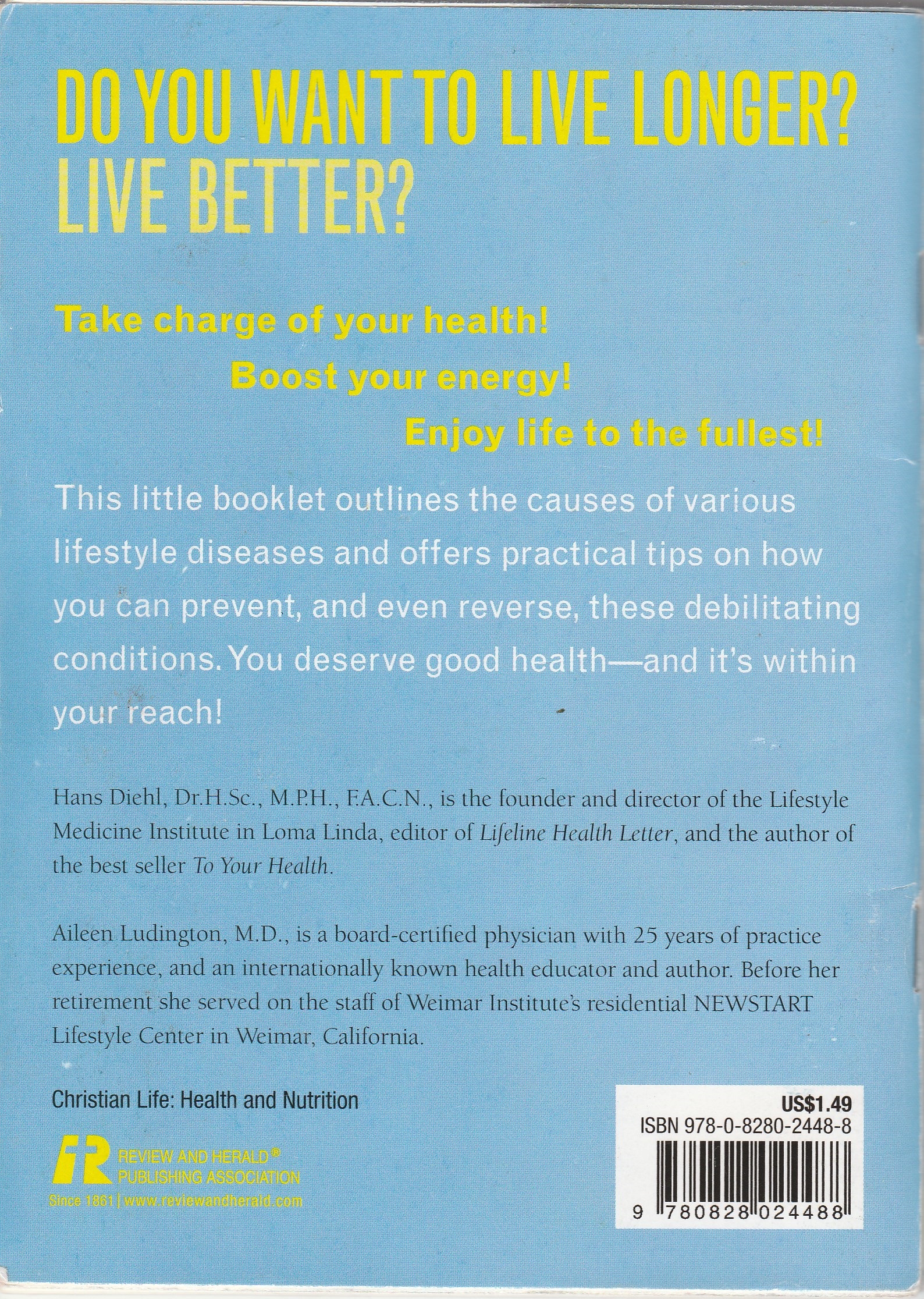
The above booklet contains 61 small pages about 11 different diseases. One chapter deals with the disease of ARTHRITIS. The past few weeks I read again and again what it says about ARTHRITIS. Some passages that I regarded to be relevant to my condition I started copying into my notebook.

It said for instance that arthritis is occurring in the joints and that joints and ligaments need to be repaired during sleep. FOR THE REPAIR OXYGEN AND NUTRIENTS ARE REQUIRED.

Further it says: “When circulation of the blood becomes inadequate, ligaments weaken, joint fluids decrease, and cartilage wears away.”

And here is what it says about OSTEOARTHRITIS:

“Osteoarthritis usually occurs when a joint’s blood supply becomes inadequate for its needed function. Just as a heart will weaken and ultimately fail when the coronary arteries clog up with plaque, so joints begin to break down when the arteries supplying them become narrowed or obstructed. For this reason most osteoarthritis responds to measures that improve circulation, such as lowering the amount of fat in the bloodstream, regular exercise, and hydrotherapy (water treatment).

A book that Hans Diehl wrote has apparently become a bestseller. The title is: To your Health

Going back along the Coastal Road

RIMG0493

Early in the morning of the 1st of January 2015 we stopped at the Cobargo Bakehouse for breakfast. But more about this later.

We left Martin and Essendon early in the morning of the 31st of December 2014. Our first stop was at the information centre in Sale. Toilet facilities and free maps were welcome. The place looked the same as we remembered it from a trip along the coastal road to Melbourne that we did many, many years ago. I am not sure, maybe it was ten years ago. We then stopped in the town of Sale for refreshments:


RIMG0452

RIMG0451

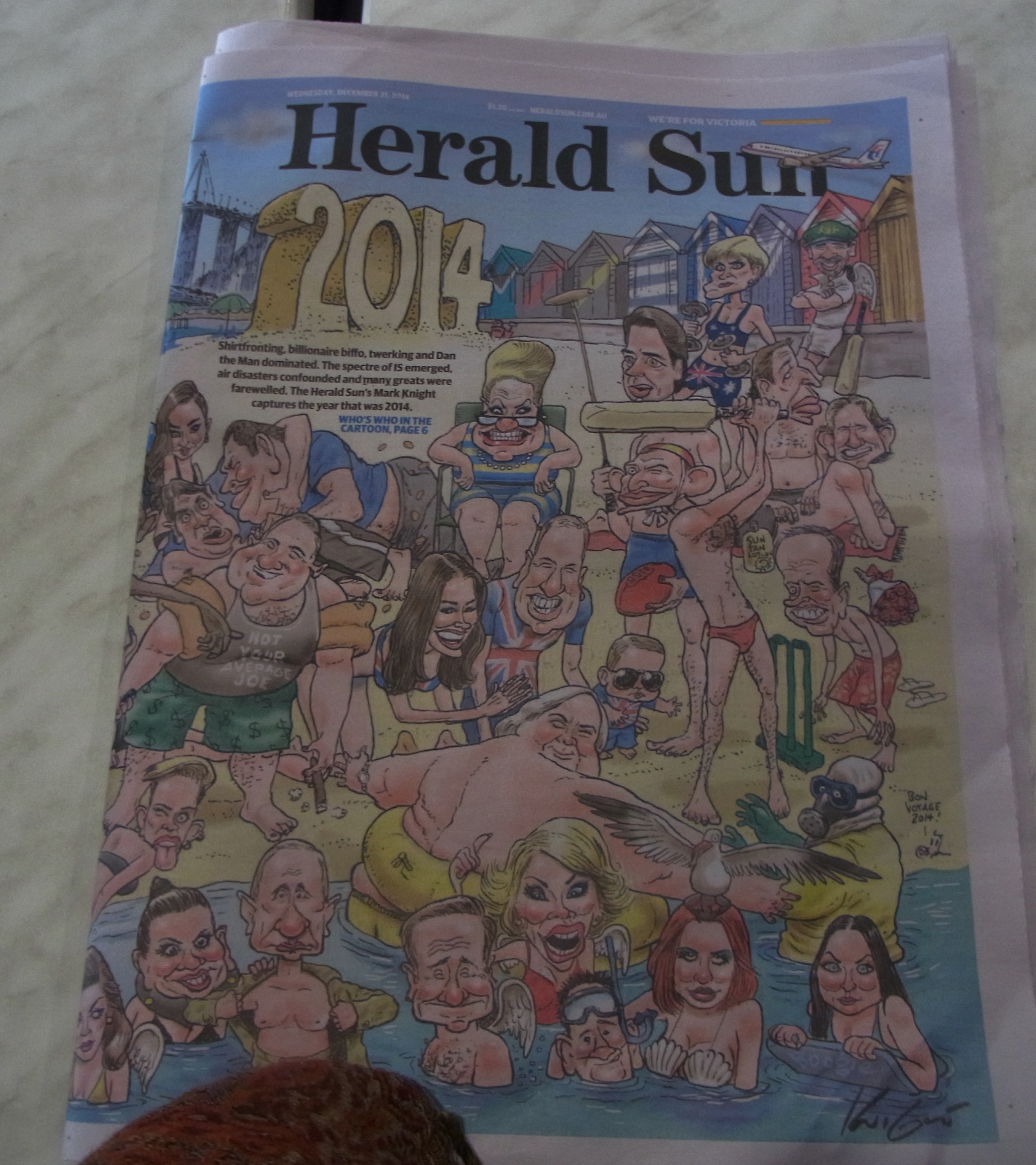
When I sat down I noticed this title page on one of the tables.
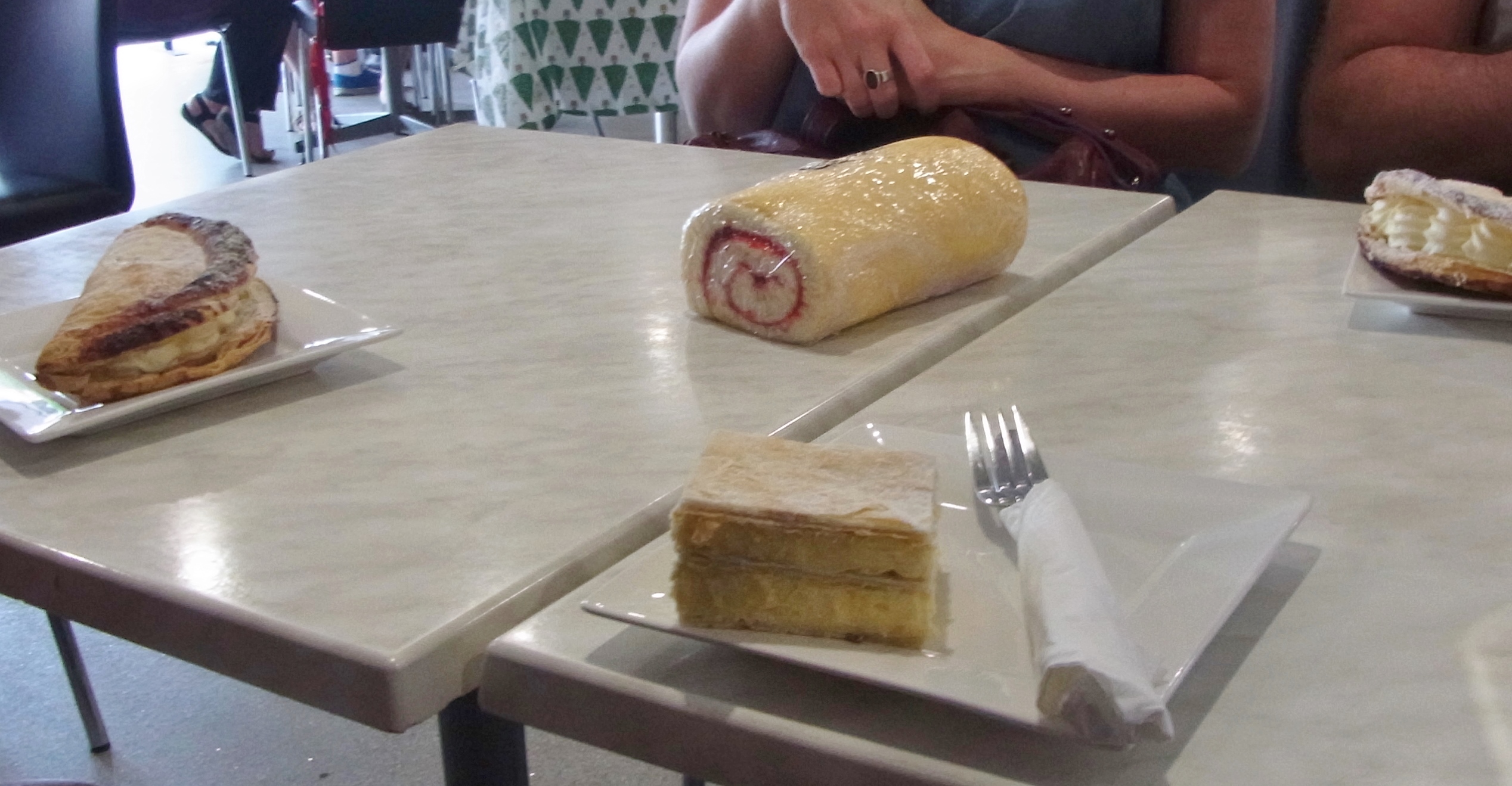
Here are our cakes
Here are our cakes
and tea or coffee to refresh us.

RIMG0458

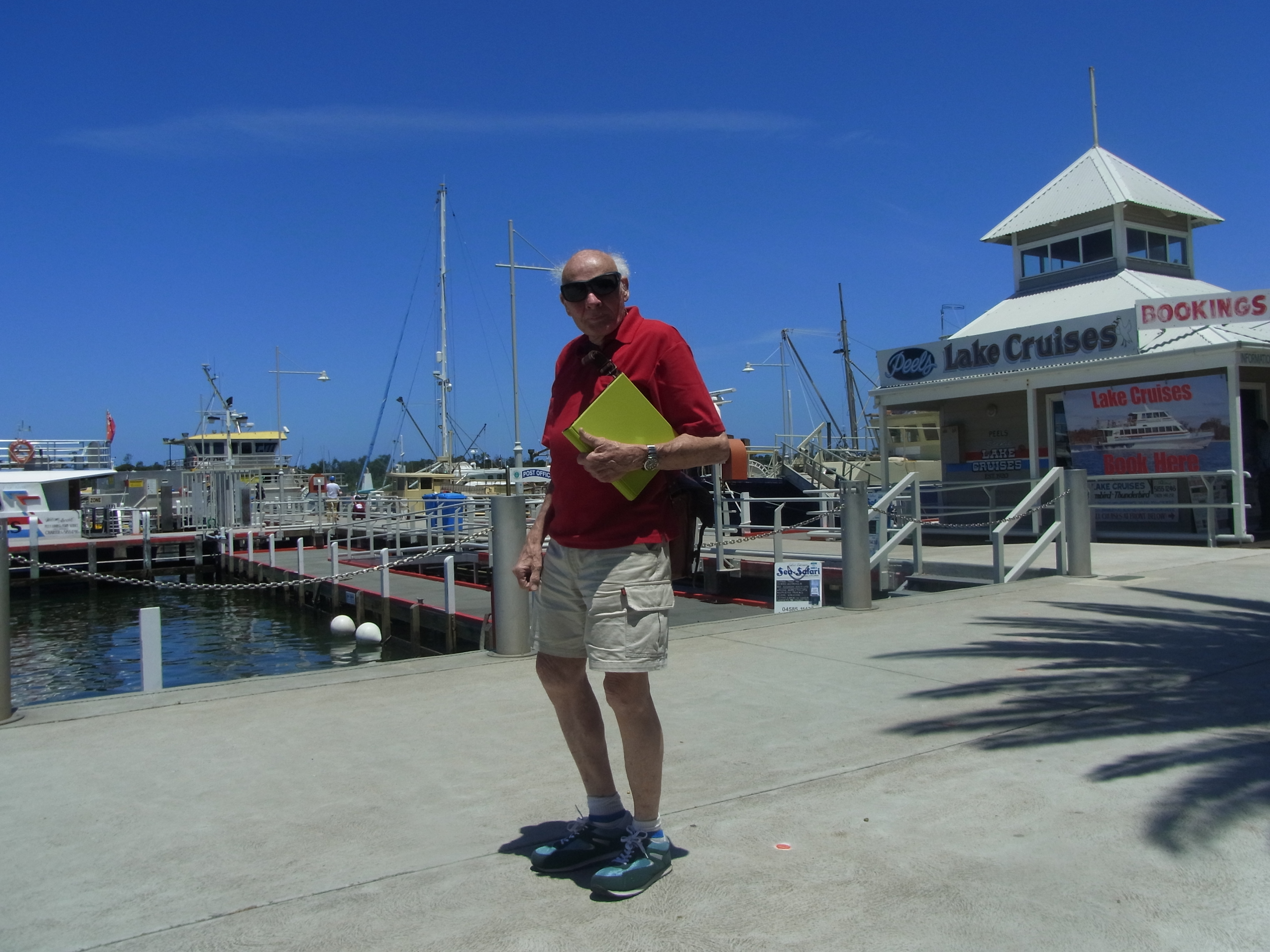
Soon we were on our way to Lakes Entrance, a very beautiful place at Bass Strait. There we enjoyed a stroll along the promenade next to where all the boats were. I did not walk as far as the others. I relaxed sitting down for a while and watching all that was going on around me. I include here some of the pictures that Peter took. I took only some of the pics!

RIMG0462

RIMG0463

RIMG0464


IMG_0517

IMG_0523

IMG_0522

IMG_0514

IMG_0519

IMG_0527

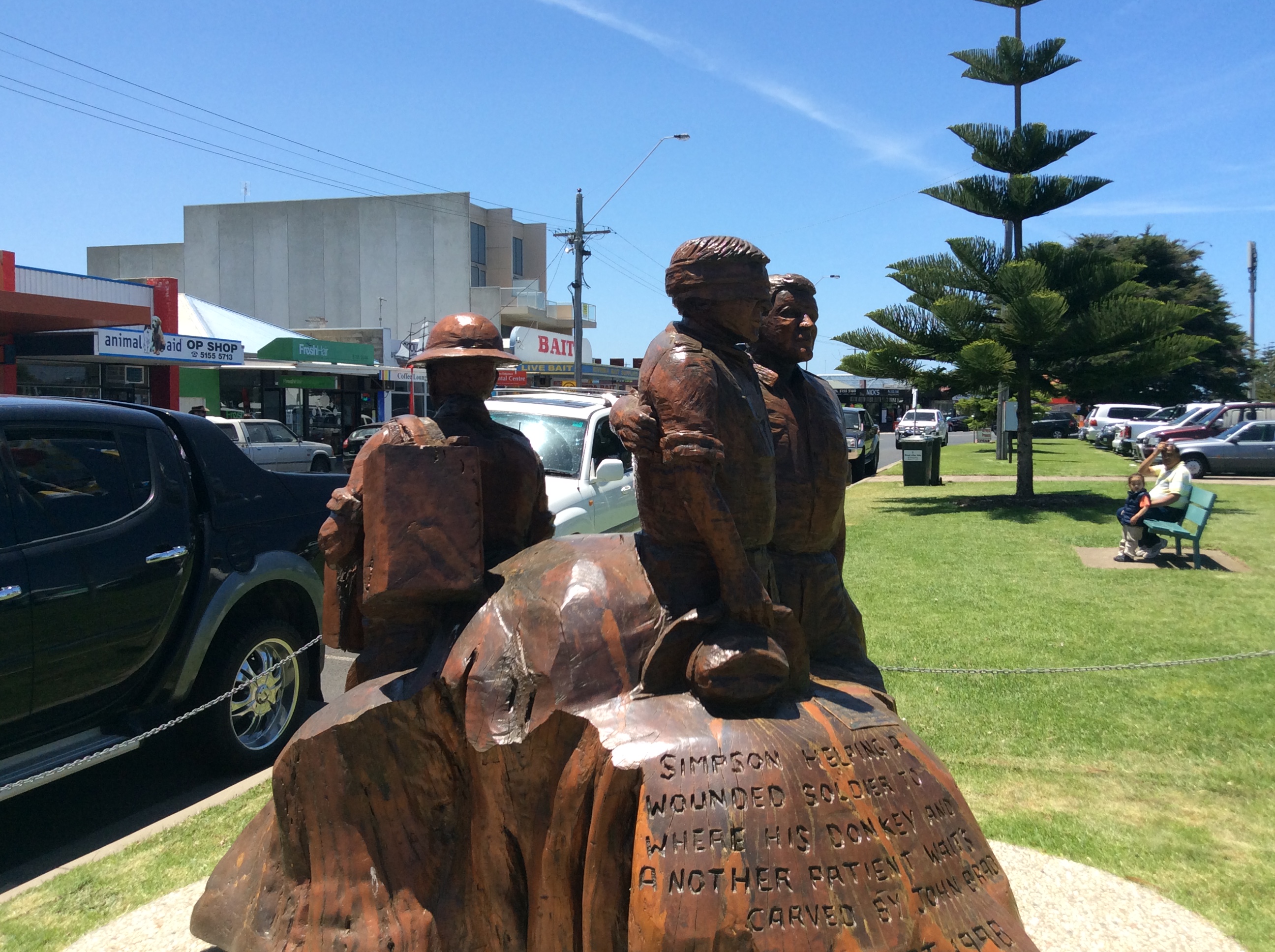
IMG_0526http://en.wikipedia.org/wiki/John_Simpson_Kirkpatrick

Statue opposite the Returned Soldiers’ Club

IMG_0524

Next stop was here:

IMG_0543

This view we had at the back of the General Store.

We ordered a very good lunch at the General Store. They did bring it out to us where we were sitting at the back of the store.

IMG_0537

We did not take photos of our lunch. However I remember I shared one portion of fish and chips with Peter. The fish tasted very good and was a very large piece which was definitely enough to eat for the two of us. I think we had ginger beer to drink. And later on we bought an ice-dream in the store. I also remember they had some good toilet facilities at the back.

We looked around the place a bit more. And Peter acted as the photographer again. Here are some of the pictures he took after we had finished eating:

IMG_0528

IMG_0541

IMG_0535

IMG_0533

IMG_0539

IMG_0540

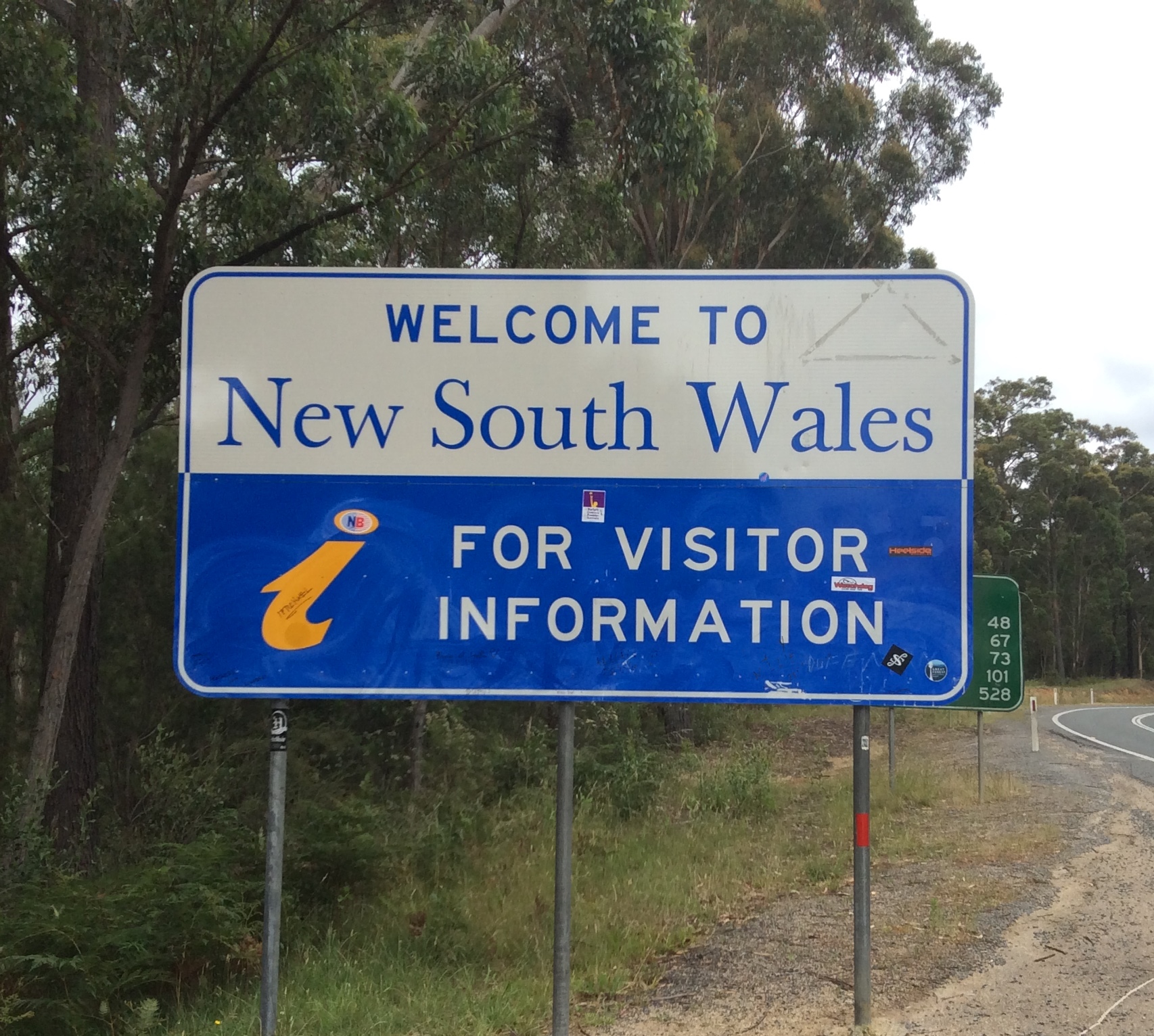
We were already close to the border of New South Wales.

We were welcomed by this sign.

IMG_0545

The booked unit at the Motel in Bega turned out to be a two bedroom unit: Very good for the four of us for an overnight stay.

Casey, who came to pick us up from our motel in Bega, stopped the car here to show us the view.

Here are some more pics that were taken at Tathra with our camera:

RIMG0470

RIMG0467

RIMG0468

RIMG0474

RIMG0480

RIMG0469

RIMG0477

RIMG0478

RIMG0479

RIMG0482

RIMG0483

A visitor shortly before New Year's Eve end.
A visitor shortly before New Year’s Eve end.

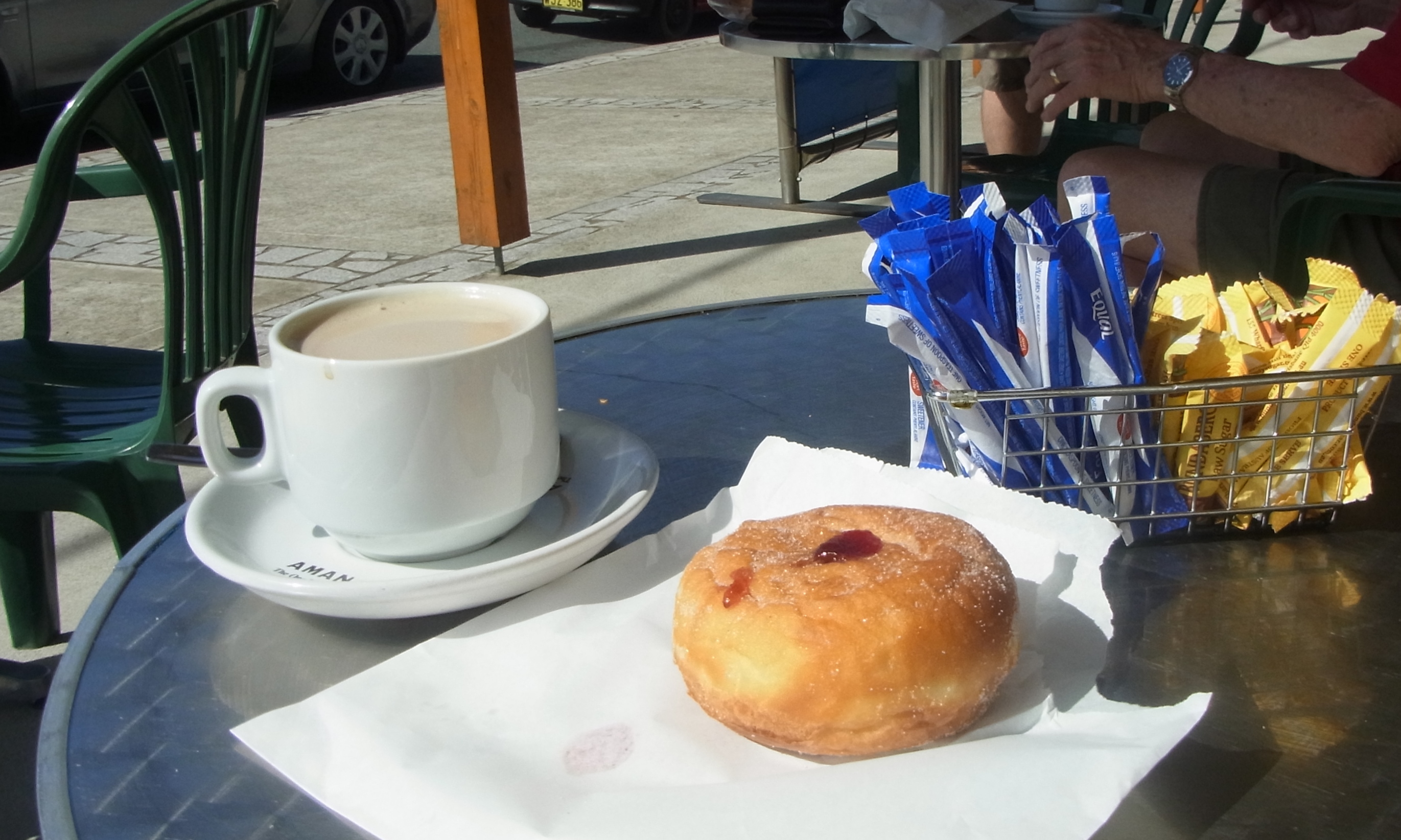
First stop after we left Bega the next morning was Cobargo. It turned out they had good coffee at the Bake house and also – surprise, surprise – some Berliners (Pfannkuchen!) or you may call them Jam Rolls.

RIMG0489

RIMG0490

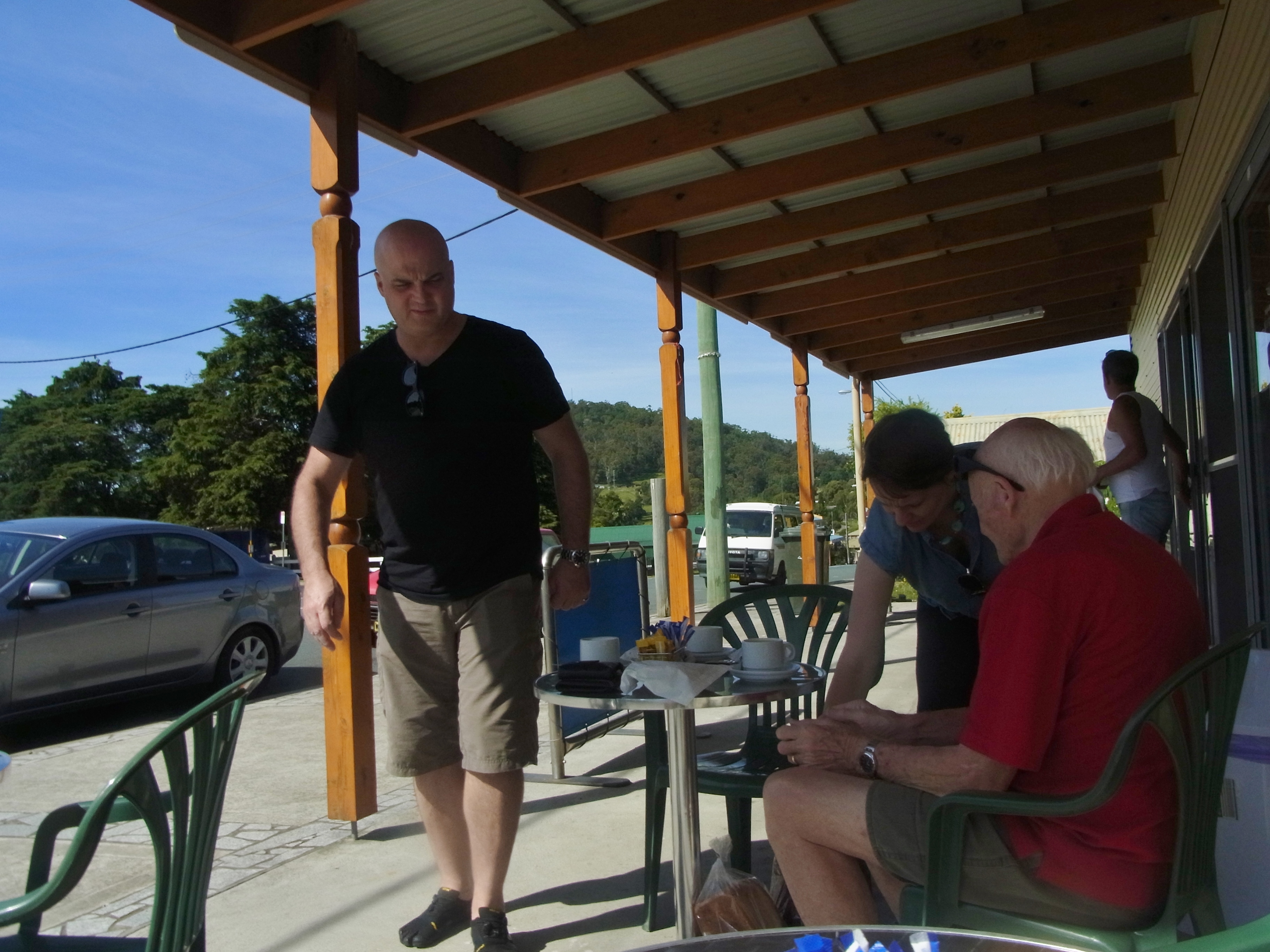
It was a lovely summer’s morning and we were sitting outside.

RIMG0495

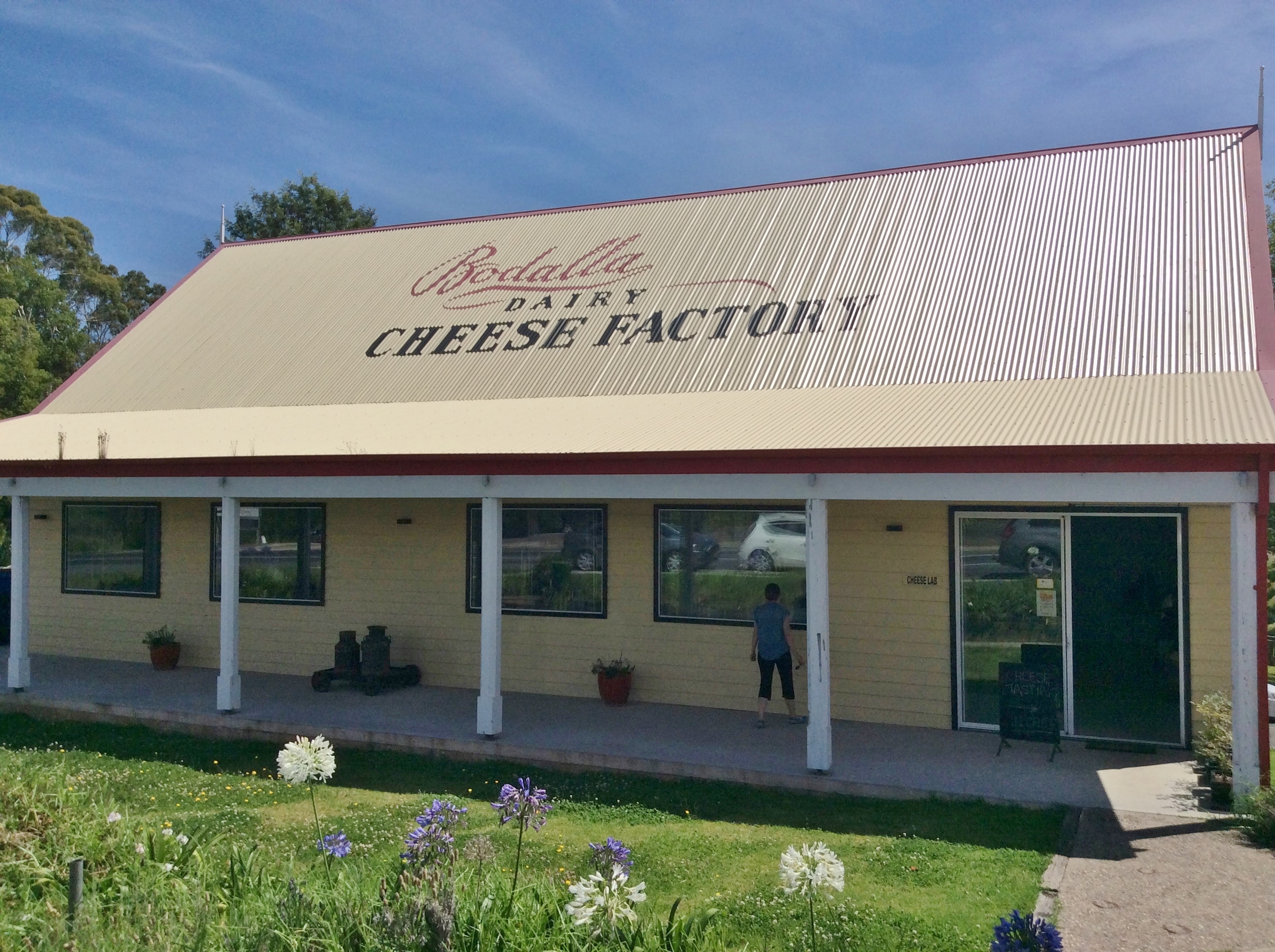
Next stop was Bodalla for buying cheese.

IMG_0547

IMG_0546

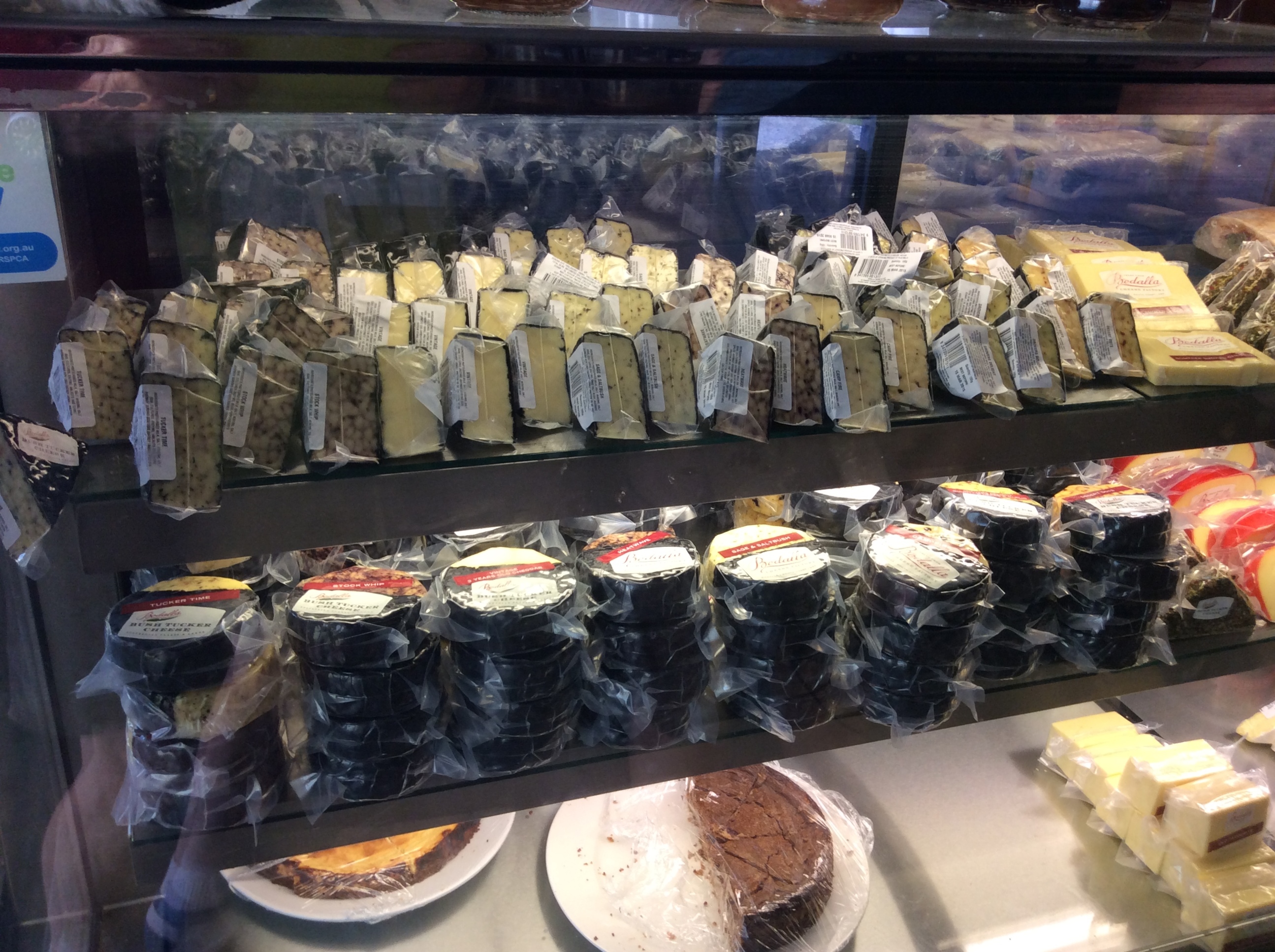
A great variety of cheeses to choose from.

Then another short break in Berry. And, voila, thanks to Matthew’s excellent driving our beautiful rental car got us back home to Dapto in the early afternoon! It was good to see home again. Everything was the way we had left it. Of course we opened all the windows to let some fresh air in.
And soon we had some refreshments on the table. There were still some things left from Christmas and the place looked quite all right. We even turned the lights on our Christmas Tree on again! It was not too hot, not at all.

Our Christmas Tree and all the Christmas things we packed away on Wednesday, the 7th of January 2015. Soon it is going to be Christmas again. Then we are going to start all over again. Or maybe we won’t do all the Christmas decorations another time? Well, so far it has been fun to still be able to do all this. So let’s hope for another time! 🙂

Essendon, Melbourne

RIMG0450

RIMG0347

RIMG0360

http://www.yelp.com.au/biz/huxtaburger-collingwood-3

The first two nights in Melbourne Caroline and Matthew stayed with Matthew’s family in Boronia, while Peter and I had some quiet time with Martin in Essendon. During these couple of days Martin and Peter went out a few times to some near by shops. I was happy to stay home and give my sore knee a good rest. I went around the house a bit though taking some pictures. Martin did some beautiful home cooking. He also played a few games of Scrabble with us.

Occasionally we watched a bit of television. However I had set my mind to it that I would not open up any of my blogs, that is I planned not to touch any computer until I would get home to Dapto. Instead I wrote notes in my notebook that Secret Santa had provided me with. A very good pen came with the notebook. This made writing into the notebook a pleasant and rewarding task. I told myself that I wanted to find out how I would fare with my writing if all of a sudden there was no electricity for instance. Well, I just would have to get used to handwriting again. Of course, I am still able to do a bit of handwriting. I can do it if I have to. And it can be enjoyable for a while. Do I prefer typing for most of my writing? I would have to say ‘yes’ to this!

Since I suffered in Melbourne still quite a bit from soreness in my knee and leg I looked up a lot about arthritis in a little booklet that I had with me. I copied many notes about what it said about arthritis. My notebook is full about these notes now. I have to come back to them one day. The most important bit in that booklet seems to me to be the advice to try and loose weight. So, for some weeks now I try to get used to eating less overall, but to eat vegetables as often as possible. This eating a bit less seems already to improve my well being. I do not have this chronic pain in my knee anymore. So, I am happy to say that I do not need a walking stick any more!  I am hopeful now that my walking will soon be back to normal.

After lunch on Saturday, the 27th of December 2014,  Caroline and Matthew came to Essendon to stay with Martin, Peter and me. The five of us went on a lot of outings. I never had to walk far. Whenever I had to walk a bit I used my walking stick and I walked very, very slowly.

http://en.wikipedia.org/wiki/Essendon_railway_station

On the following Monday, the 29th, Caroline and Matthew went by train from Essendon Station to meet some friends for lunch. Peter drove Martin and me to an outside swimming pool on that Monday where Martin did swim some laps and I did some gentle exercises in the water to make my knee feel a bit better. And bingo, these exercises in the water did make me feel good!

The top three pictures show our different outings the five of us did on three different nights in Melbourne:
Maylasian Food Restaurant, where we had an excellent dinner,
MESSINA Ice-Cream and Haxtaburgers.