My Beliefs

“Thanks for telling us about your history. I found it fascinating. I have always admired your positive outlook on life and also not being afraid to speak out and make comments on political events and standing up for your beliefs. thank you.”

It is great to get a comment like this one that Elizabeth made in response to my previous post. I hope I am telling the truth when I say I probably always had a rather positive outlook on life. Even during times when I felt very down there was always hope at the back of my mind that things would turn out all right. Something comes to mind what I did when I felt depressed: I looked for people I could talk to about my problems.

My problems resulted mainly from a feeling of self doubt. I doubted that I was any good to anyone. One day a friend of mine told me: “You know, God does not make rubbish!” This simple statement somehow brought about a change in my thinking. I started to believe that I must have some kind of value. I started to accept myself the way I was. I think Peter did not like me to have friends that were not his friends. But I told him that I needed people to talk to. I said that I just could not talk solely to him all the time.

In my last post I said that some things I could not change as for instance the war- and post-war conditions. In the meantime I talked with Peter again about our dear first born daughter who passed away on the 15th of July 2012. She was a very strong willed, loving and courageous woman. Yes, I say woman for she was close to 55 when she died. Even though, in a lot of ways she seemed to us a bit like a teenager right until the day she died. But these days women stay younger for longer, right?

The daughter’s name was Gabriele. We called her Gaby. Some Australians called her “Gabby” which I think was fitting for she liked to talk a lot. So she was a good organiser, a good talker and had an outgoing personality. However she was a quadriplegic with breathing difficulties. Some of my blogger friends may remember that I mentioned this before. Gaby was not the intellectual type. She never got around to doing university studies. But I believe she made of her life as much as was possible under the circumstances.

When Gaby ended up in hospital as a four year old, she soon started bossing every one around. The very motherly head sister called her “the boss” of the ward. Who knows what career Gaby could have had had she been able growing up without these extremely severe disabilities! A vaccination against poliomyelitis could have prevented Gaby falling sick during the 1961 polio epidemic. Peter and I assured us again and again that we were not neglectful since the vaccine was not available at the right time. It was a disastrous set of circumstances. Still, the regret is there of course. Peter would say it was fate, I say it was the will of God. Gaby understood the position we were in. We did whatever we could do for her throughout her life. And she always showed us that she loved us! She was a “pain in the neck” as the saying goes, but she also had a very big and generous heart. Gaby was loved and admired by a great many people. She had a marvellous memory for faces and names. And she liked to keep in touch with every one in our family.

I wish that some things could have been different. But I have to accept that some circumstances could not be changed. The decisions I made during my life always felt right at the time, even though later on I sometimes doubted whether I had made the right decision. I think with most important decisions like marrying and having children I overcame any doubts. There is one decision I certainly never regretted: Our coming to Australia. I regard it as a blessing that we were accepted as migrants in 1959. Coming to Australia for me was the best decision we ever made. I never had any doubts about this.
We always wish

I thank Ajaytao for these words of wisdom and want to reblog them and write some thoughts about my own life.

Turning 80 this year I can say that I have had a good life. Even now at this advanced stage in my life I can still enjoy life and do not find it too hard to cope with age related aches and pains. Do I wish I could have changed something in my life? Oh yes, I wished I could have changed not having had to grow up in Germany during wartime and the difficult postwar years. Of course these are things we cannot change. But WW II for sure turned me in an antiwar person for the rest of my life.

False advertising, propaganda, and outright lies, these are the things I am very sensitive to. Blame my childhood experiences. I learned early on that you cannot believe everything a leader might tell you. We lived like paupers after the war. I went to school till I was eighteen, but I did not apply myself. I never learned to study hard. Probably I could not see any sense in it. At eighteen I started secretarial work. A few years later came marriage and children and migration to Australia.

Ever since I left school (and during my school years as well!) I had very little money to live on. However I was never desperate for more money. Throughout my life my motto was I have to make do with the little money I have. It turned out that somehow it was always enough. My husband and I are very good savers. We paid off our house with a building society loan. The first few second hand cars we bought on hire purchase. Apart from that we never went into debt. When we travelled overseas we used our own saved up money.

Do I wish I could have changed my past? Sure I would have liked to grow up without the deprivations of war. I would have liked my father to be home all the time. I would have liked my parents to live together after the war. These are things I definitely could not have changed. What could I have changed? Study hard, go to university, end up in a profession I would have loved to work in? Well, it was not to be. I did not have the guts to study hard.

Even though we were rather poor the first few years in Australia, I did not feel poor. I was happy having a family and I enjoyed the easy going Australian lifestyle. How much did I change over the years? Maybe not all that much. I am probably basically still the person I was when I came to Australia aged 25. Some major changes in my education would probably have been possible before I even entered high-school. I was just easy going at school, always got good marks without much effort; except towards the end of my school career at commercial school, which I hated!

I remember as a teenager I spent hours dreaming about a wonderful person who would come along and give me some guidance. I never did get to know such a person, except in my dreams! But I was very happy later on with romance and married life and children. Well, I must say, I am quite happy with the way things turned out to be in my personal life. Still, one thinks sometimes how things could have been somewhat different.

Do we have a Right to the Truth?

“When it comes to controlling human beings there is no better instrument than lies. Because, you see, humans live by beliefs. And beliefs can be manipulated. The power to manipulate beliefs is the only thing that counts.”
― Michael Ende. The Never-ending Story
“If you tell a big enough lie and tell it frequently enough, it will be believed.”
Joseph Goebbels said it. Adolf Hitler re phrased it.
‘When you tell a lie you deny the other person’s right to the truth
John Lord”

I took the above quotes from an article by John Lord from the THE AIM NETWORK (AUSTRALIAN INDEPENDENT MEDIA NETWORK):


http://theaimn.com/abbott-lie/

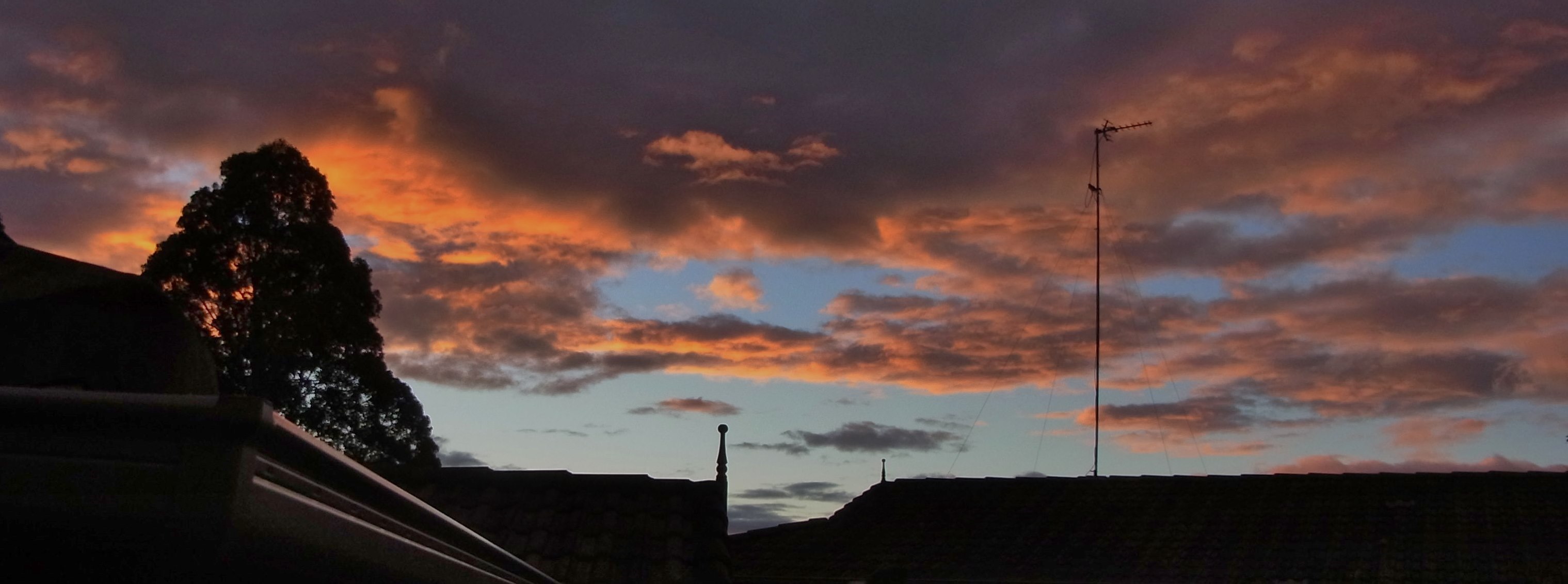
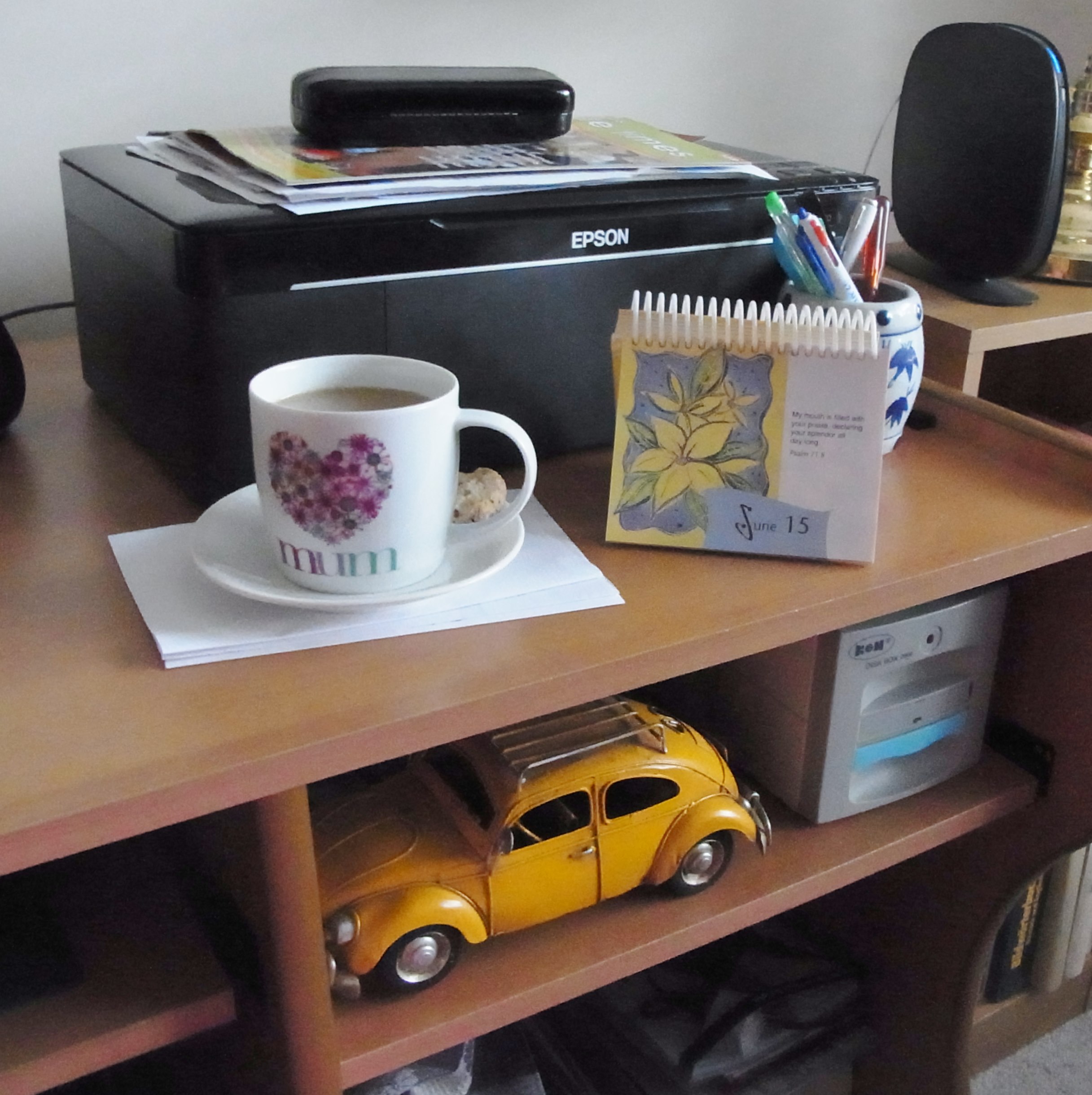
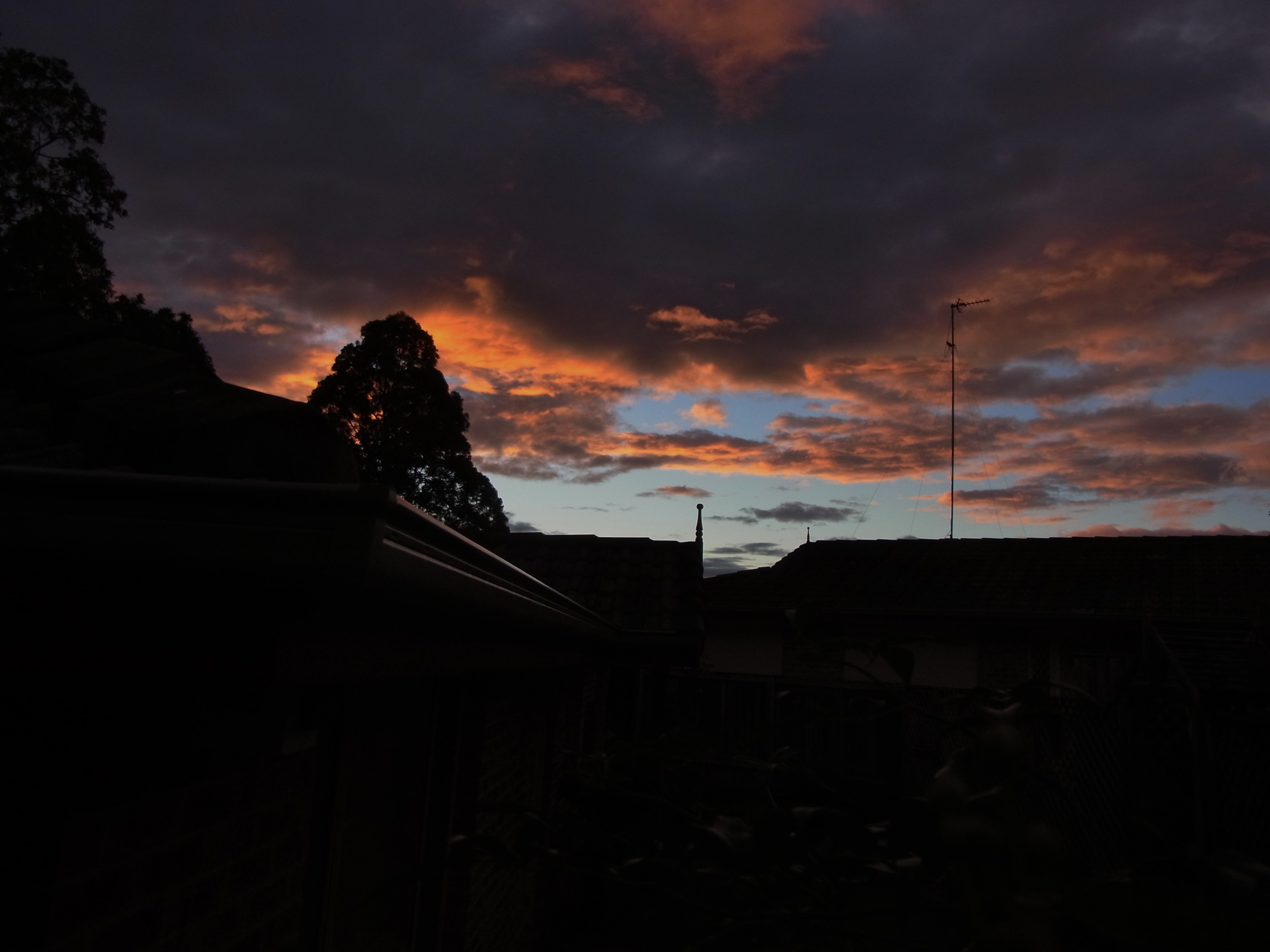
Experimental Photos on a dark Sunday Winter Morning June 2014

RIMG0081

RIMG0076 (2)

RIMG0076

RIMG0075

RIMG0078

RIMG0082 (2)

RIMG0082 (3)

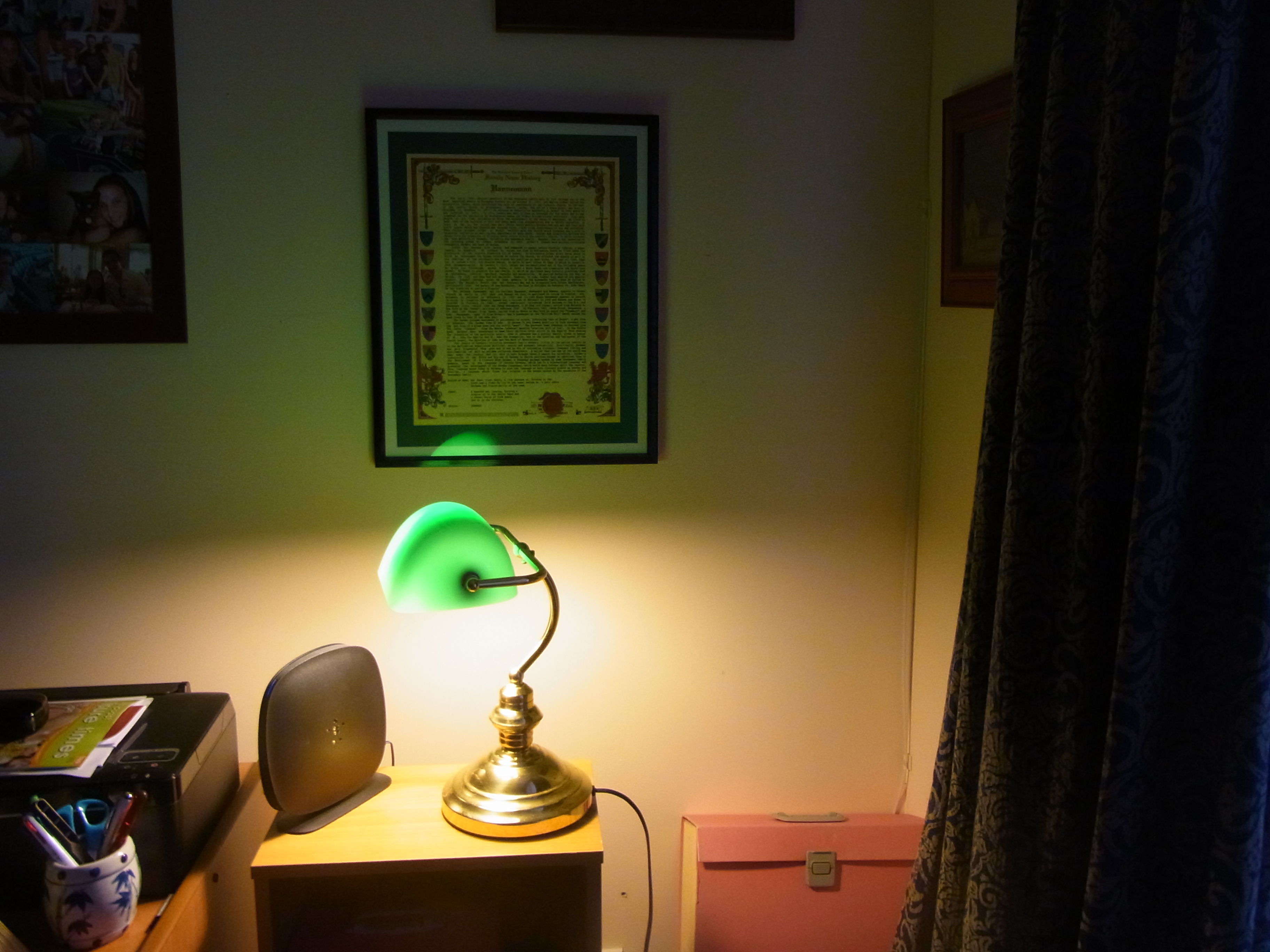
I have my laptop in a very small easy to heat room. I love this small space on a cold winter morning. It feels so snugly warm. Still I have diverse layers of clothes on. I am out to keep as warm as possible. I do not want to catch a cold. With temperatures like we have right now I cannot be too careful! The forecast for today is: Cloudy, windy, max. temperature 16 C.  This means no sun! Doesn’t sound very good, not good at all. If it gets very windy, I better stay indoors. I do not like cold wind!

Peter is watching a football game in the living room: England versus Italy. I took my coffee to this computer room to occupy myself with taking pictures rather than watching another football game so soon after yesterday’s game: Chile versus Australia. I liked the way the Australians played, but really I am not that much into football that I want to watch every available FIFA World Cup game. But it is great to see that so many people get a lot of enjoyment out of it. In many cities all over the world the games are being watched on big outside screens. Our twin grandsons watch the before mentioned game in a pub in London right now!

All the above photos I took this morning. I glanced some very colourful clouds when I looked outside. My pictures are just some trial pictures. I saw the cloud much more colourful. It did not turn out that good in the photo.

There are several pictures on the wall in front of my laptop. One picture is titled “Family Name History”. The picture was given to us on our 50th Wedding Anniversary by our children. It says a lot about our family name. The print is rather small. This is why it did not come out well in the photo. Maybe some other time I can try to take a better picture of it.

Greater Inequality

“Tony Abbott’s vision of society as a market
By Tim Dunlop
Posted Thu 11 Jul 2013, 8:26am AEST

A society with “greater inequality” isn’t a society. It’s a market. (AAP)
PHOTO: A society with “greater inequality” isn’t a society. It’s a market. (AAP) (AAP: Tracey Nearmy)
Tony Abbott’s policies reveal him to be in thrall to the voices of wealth and privilege, and for all his claims of conservatism, he is actually leading a party that does not believe in community, writes Tim Dunlop.”

This article was already published last year on the 11th of July! If you want to read on, please go to the link below:

http://www.abc.net.au/news/2013-07-11/dunlop-abbott-policies/4812208

Lifestyle and Depression

http://www.smh.com.au/lifestyle/diet-and-fitness/doctors-quick-to-criticise-lisa-curry-over-rushing-womens-syndrome-advice-20140613-zs7f0.html

http://www.smh.com.au/lifestyle/celebrity/lisa-curry-opens-up-about-her-divorce-to-grant-kenny-20140613-zs6dg.html

What is this about hormonal imbalance and lifestyle? Lisa Curry apparently is selling supplements. Is she making false claims about the supplements? Some medical people seem to think so according to the above article. Do I understand this right?

And what do some medical people claim about ‘depression’. If a woman is overwhelmed by having to cope with multiple tasks over a long period of time does this lead to depression? Why treat the so called depression instead of seeing to it that the woman is relieved of some of the burdens in her life?

As far as I know a hormonal imbalance is not to be taking lightly. Maybe it can lead to depression. But my question is, does not the hormonal imbalance need to be treated first of all?

At 79 I am well and truly into old age now. But I remember different periods in my life. I am sure I had periods in my life where hormones were playing up quite a bit. Of course in old age some of the aches and pains related to old age are not very welcome, but other things seem to be getting easier. For one, I think there is usually less stress in old age. And if you pamper yourself a bit you have no qualms about it. Also you are probably more likely to admit that some things you cannot do any more. So you enjoy life as much as possible and relax as much as possible! 🙂

Uta’s Diary

Wednesday, 11th June 2014

It had been a very cold night. However by 9am the sun was up a bit and as soon as I saw a bit of sunshine I thought I should go for a walk. Walking in the sunshine on a very calm morning made me feel totally all right. There was absolutely no breeze at all. This is why I immediately thought, it should be a good morning to go for a swim in Dapto’s solar heated outside pool.

I grabbed the bag with my swimming gear and made myself on the way. The walk to the pool is only about fifteen minutes, a rather slow walk that is. I did not regret going to the pool on a winter’s morning. I had a very lovely time in the water! 🙂

When I arrived at the pool these familiar murals greeted me.

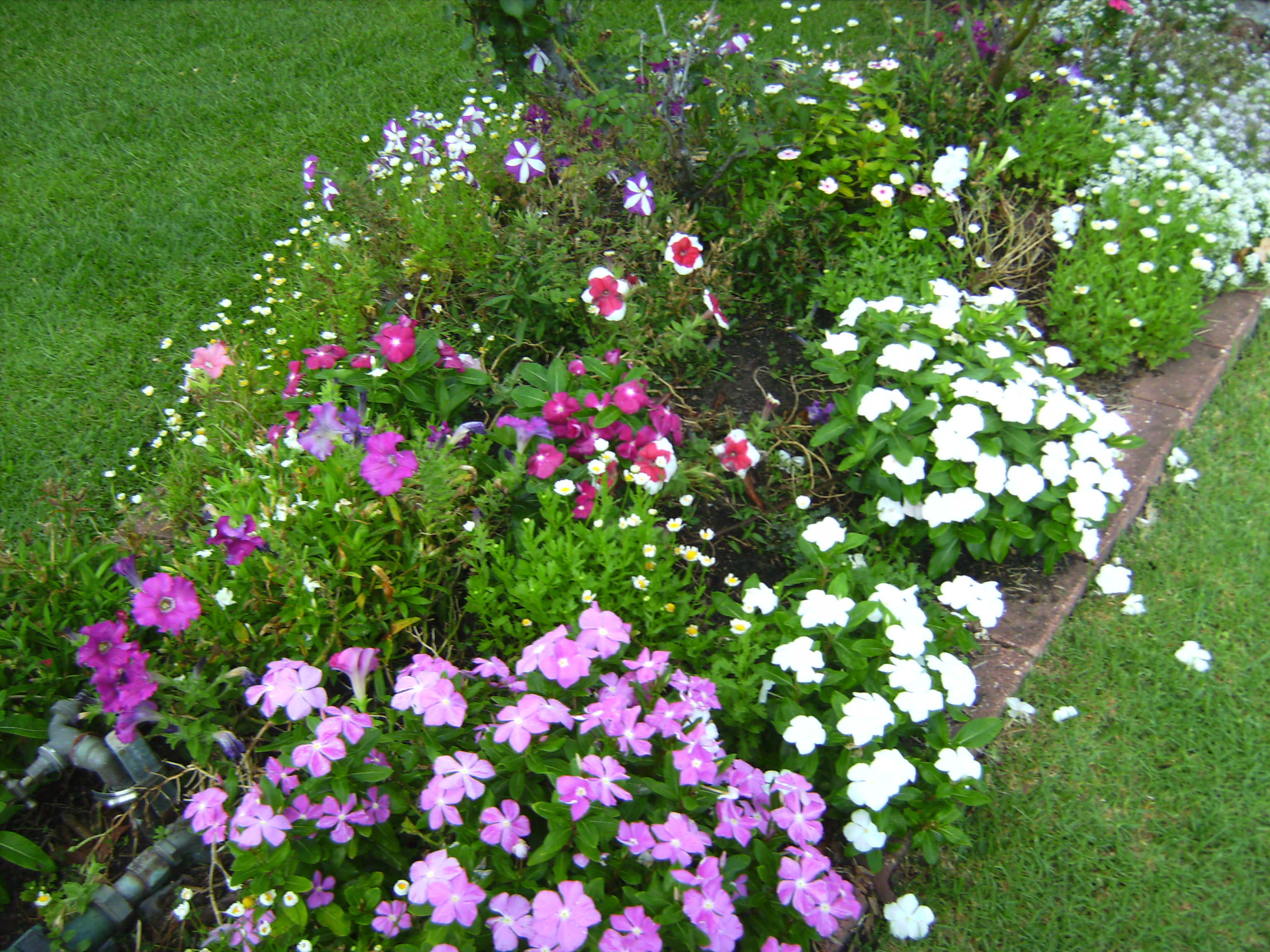
And one of the front gardens that I passed looked pretty much the same it had looked the previous year. But I realised it had been quite a few months that I had been walking this way. I hope I am going to make it back to the pool some time soon. I like the water so very much. It is very relaxing. I should really go there as often as possible. Peter came later on to pick me up so I would not have to walk all the way home again.

Last Sunday for Pentecost I did walk to church all the way. But Peter came to pick me up after Mass.

DIGITAL CAMERA

DIGITAL CAMERA

Caroline surprised us with a little visit on Wednesday afternoon. It was lovely to see her for a bit.

Thursday, 12th June 2014

From 12,30 to 1,30 pm I was at the Ribbonwood Centre doing the heart-move exercises. We were only about fifteen people in that class today. The beautiful music that Marta always brings along makes the movements so much easier to do. It is a very enjoyable class.

Friday, 13th June 2014

Peter and I got up today at 4 am because we wanted to watch the opening ceremonies from Brazil.
From 2 pm to 5 pm I was at Irene’s place. It was our games afternoon. Every Friday we, that is three or four women, play Scrabble and Rummy. Luckily I didn’t get tired at all this afternoon, but I’ll probably go to bed early tonight.

World Cup Football Fever hits:

http://www.abc.net.au/news/2014-06-13/world-cup-soccer-fever-hits-sydney/5521430

Australia is going to play Chile tomorrow, Saturday:

http://www.abc.net.au/news/fifa-world-cup-2014/results/?seriesId=305&roundId=1&matchId=4

We want to watch this game tomorrow morning. 🙂

Ukraine Crisis

NUCLEAR

Ukraine crisis raises risk for nuclear reactors

Ukraine’s volatility exacerbates the risk for the country’s 15 Soviet-style nuclear reactors, warn German experts. They demand more attention for the country where the world’s worst nuclear accident took place.

Khmelnitskiy Atomkraftwerk Ukraine

The recent news of a water shortage due to a broken pipeline affecting thousands in strife ravaged Eastern Ukraine spells trouble for the safety of the country’s nuclear power plants.

That’s because the security and reliability of a country’s critical infrastructure like its electrical power and water grid is essential to safely run nuclear reactors.

“Once you have decided to operate a nuclear power plant or like in this case a nuclear reactor park, you must guarantee you don’t have unstable social situations and you definitely can’t have a war,” Michael Sailer, chairman of the German Nuclear Waste Management Commission and member of the German Reactor Safety Commission, told DW.

Potential for human error

“We are talking about nuclear power plants that have a high risk even when they are constructed well and properly maintained,” Sailer who also heads Freiburg-based environmental think tank Öko-Institut added. “And in the Ukraine we are talking about the additional problem that there is an increased potential for human error due to less motivated nuclear operators than elsewhere and the fact that the security features of these reactors are a lot weaker than those of modern reactors.”

Ukraine currently has four nuclear power plants with 15 reactors online providing roughly half of the country’s energy needs which makes it practically impossible to shut them down during the crisis. All of the reactors stem from the Soviet era, went on the grid in the 1980s and are similar to the Chernobyl reactor that blew in 1986 causing the worst nuclear accident in history. Ukraine’s largest plant in Zaporizhia is located about 200 kilometers from Donetsk, the epicenter of the clash between pro-Russian militants and the Kyiv government.

Danger of sabotage

Ostukraine Krise Separatist in Luhansk 03.06.2014Pro-Russian separatists have attacked public buildings in Eastern Ukraine

But it’s not just the maintenance of the technical infrastructure and the motivation of the engineers operating the reactors that has the experts worried. The continued fighting between government and pro-Russian forces including the seizure of buildings raises the risk that the country’s nuclear plants could also be drawn into the mix.

The older Soviet-style reactors are already less safe than those in Western Europe, Lothar Hahn, former director of the Gesellschaft für Anlagen- und Reaktorsicherheit (GRS), Germany’s leading nuclear safety research center, told DW. “But this is even overshadowed by the danger of sabotage or war. Then you would immediately have a dramatic situation on your hands.”

The experts did not want to describe possible sabotage or war scenarios on the record, but stressed that they consider this a real danger. “You don’t need an army, only 20 to 30 highly trained men,” said Hahn. “These things are totally incalculable.”

That’s why NATO sent a small civilian expert team to Ukraine in April to advise officials on improving the safety of nuclear power plants and other critical infrastructure “in the context of possible threats”. The experts then produced a confidential report that has been handed over to Ukrainian officials.

NATO role

One reason for Ukraine’s request for NATO help was “possible destabilization” in the area where strategic infrastructure was located, the country’s ambassador to the alliance told Reuters.

NATO’s help is useful, but also limited, said Sailer. It can advise Ukrainian officials on how to improve its facilities to better defend against possible intruders. “But at the end of the day, if you have a team that is sympathizing with pro-Russian militants and the conflict escalates then this will become part of it. The second thing where NATO can’t help at all is the safety and stability of the power grid.”

“If you imagine Ukraine without clear command structures, this clearly means that the stability of the entire power grid is threatened,” noted Sailer. “And a nuclear power plant without several connections to a solid power grid is extremely dangerous.”

More attention

Bilder Reportage aus Tschernobyl Juni 2013The Chernobyl ruin serves as a reminder of the danger of nuclear energy

That the command structures particularly in the east of the country are already tenuous and embattled is evidenced by the ongoing fighting, the hostage taking of OSCE observers and the seizures of public buildings. And that this can easily affect critical infrastructure is highlighted by the recent news of a broken water pipeline in Eastern Ukraine.

That’s why – notwithstanding NATO’s assistance – not enough attention is being paid to the security of nuclear power plants in Ukraine, argue the experts.

“It’s really a problem, because only very few people think about this,” said Sailer. Nuclear experts usually don’t focus on such instable situations and the people who are concerned with instable situations like diplomats usually don’t realize how sensitive a nuclear power plant is.”

WWW LINKS

Nuclear Power Stations

NATO experts advise Ukraine on nuclear plant safety

BRUSSELS Wed May 7, 2014 4:53pm 

RELATED TOPICS

(Reuters) – NATO experts have visited Ukraine to advise authorities there on improving the safety of nuclear power plants, gas pipelines and other critical infrastructure amid growing violence and fears of conflict with Russia, officials said on Wednesday.

Ukraine’s Ambassador to NATO, Ihor Dolhov, said the NATO civilian experts had visitedUkraine last month to assess critical infrastructure such as nuclear plants, pumping stations for gas pipelines and hydro-electric plants.

“In any country, in any situation, there are plans and additional measures to protect infrastructure objects, including in Ukraine. So the purpose was to evaluate the performance of measures which are being implemented in Ukraine to protect such objects,” Dolhov told Reuters.

Another objective was to make sure the installations would be safe in the event of an emergency, he said.

A NATO official confirmed that a small team of civilian experts from the alliance visited Kiev last month “to advise the Ukrainian authorities on their national civil contingency plans and safety measures in the context of possible threats to critical energy infrastructure.”

The NATO team, sent in response to a request from the Ukrainian government, later delivered a confidential report with recommendations to Ukrainian authorities, who were evaluating it, the official said.

Ukraine is a major transit route for Russian gas to the European Union.

Ukraine, scene of the world’s worst nuclear accident at Chernobyl in 1986, has 15 nuclear power reactors in operation, accounting for nearly 44 percent of its electricity production in 2013, according to the International Atomic Energy Agency.

DESTABILISATION

Asked if the study was carried out because of Kiev’s fears of Russian intervention in Ukraine, Dolhov said one reason was “possible destabilization” in an area where strategic infrastructure was located.

Ukraine told the U.N. atomic watchdog in March it was reinforcing the protection of its nuclear power plants because of “a grave threat to the security” of the country posed by the Russian military.

A rebellion in the east has raised the prospect that Ukraine, a country of around 45 million people the size of France, could be carved up or even descend into civil war.

Ukraine is not a member of NATO and the alliance has said it will not get involved militarily in Ukraine. But Ukraine and NATO have increased cooperation and Ukraine has asked NATO members for non-lethal equipment such as uniforms.

Dolhov said in a telephone interview he expected the first shipments of this non-lethal aid to be delivered in coming days.

Dolhov also said Ukrainian authorities had information that Russian President Vladimir Putin planned to attend a parade in the Crimean port of Sebastopol on May 9 marking the Soviet Union’s victory over Nazi Germany in World War Two, something Dolhov said would be a provocation and a cynical move.

He said the shooting down by pro-Russian rebels in eastern Ukraine of two Ukrainian helicopters, using what the country’s Defense Ministry said were shoulder-launched anti-aircraft missiles, was evidence of Russian involvement.

“For me, it is clear. Otherwise it is difficult to explain how so-called protesters could get such kind of weapons. It’s not from the shop,” he said.

“I am sure that agents of special services of Russia are present on the territory of Ukraine,” he added.

(Editing by Andrew Roche)