Our Five Weeks Holiday in 2010

From Sydney we did fly with Malaysian Airline to Kuala Lumpur. Our connecting flight was with KLM to Schiphol Airport in Amsterdam. From there we had another connecting flight with KLM to Tegel Airport in Berlin.

DSCN0226

Gaby, Caroline and Matthew had come to Sydney Airport to farewell us.

Caroline took this photo.

DSCN0209 - Copy

Peter took a few photos in Kuala Lumpur at the airport.

DSCN0215

DSCN0219

We enjoyed the Tropical Garden in the midst of Kuala Lumpur Airport.

DSCN0223

When we arrived at Tegel Airport there were Daniel, Ilse and Ingrid waiting for us.

DSCN0227

They took us first of all to Scharnweber Strasse, where Ilse lives. It was Spargel (Asparagus) time in Berlin. Ilse served us a sumptuous Spargel lunch. Soon after lunch, Ilse’s son Daniel drove us to our holiday unit in Bastian Strasse. We stayed in this unit for fifteen nights. On the morning of Tuesday, the 15th of June we were picked up by Peter Uwe, my brother, and his partner Astrid. They took us to their home in Neu Canow in Mecklenburg Vorpommern where we stayed for nine nights. On Thursday, 24th of June, they drove us back to Berlin. Peter’s sister Ilse accommodated us for the rest of our stay in Berlin

On Friday, 2nd of July, Klaudia, my brother’s ex-wife, drove us to Tegel Airport for our departure back to Australia. Several family members farewelled us at Tegel Airport.

DSCN1205

DSCN1206

DSCN1195

For Saturday, the 26th of June, our last Saturday before our departure, Ilse had organised a family meeting. One cousin came from England, another one with his daughter came from Frankfurt and Peter’s sister Eva came with husband Harald from Windischgarsten in Austria. And of course Ilse’s sons and family, who live in Berlin came also as well as Eva’s daughter and granddaughter. Ilse’s partner Finn made a great video of the occasion. A copy of it he sent to us to Australia. There were also some photos taken of this family gathering. I show some of them here:

We met at this restaurant in Scharnweber Strasse.
Peter with his sister Eva who came from Austria.

DSCN0953

DSCN0954

DSCN0955

Another photo in front <a href=

DSCN0972

Ilse und Finn
Ilse und Finn

Ilse and Finn invited us for another farewell meal at the same restaurant a few days later.

Here Ilse talks to Daniel, the manager of the restaurant.
Finn took this photo.

DSCN1173

Berlin in 2010

A street in Berlin-Friedrichshain
This is where my niece lives in Friedrichshain.

DSCN0450 There’s no lift in the building, but a beautiful staircase.

Here I see Carlos, the son of my niece, for the first time.
This picture was taken some other day with Klaudia and Corinna.
I took this picture of Peter with my brother Peter Uwe and partner Astrid.
This is a street in Berlin-Friedenau where my brother Bodo used to live.
Peter took this picture on my brother Bodo's 72nd birthday.
Peter took this picture on my brother Bodo’s 72nd birthday.
Some time later. . .
 ' ' ' we met Ilse and her friend Erica in Berlin-Friedenau.
‘ ‘ ‘ we met Ilse and her friend Erica in Berlin-Friedenau.

DSCN1095

That same day we went with Ilse to this 'Friedhof'.
That same day we went with Ilse to this ‘Friedhof’.
The ashes of Peter's and Ilse parents and of Ilse's husband are buried here.
The ashes of Peter’s and Ilse parents and of Ilse’s husband are buried here.
This site is in one of the next rows.

“Pankstrasse” (Berlin U-Bahn)

From Wikipedia, the free encyclopedia:

“Pankstraße is a Berlin U-Bahn station located on the U8. It was opened on October 5, 1977 (Rümmler) with the line’s extension from Gesundbrunnen to Osloer Straße. The station’s name derives from its location: It sits under the intersection of Pankstraße and Badstraße.

The actual spelling of the station’s name is under debate. The German orthographic rules call for the spelling “Pankstraße”, but the signs inside the station spell “Pankstrasse”.
Like the station Siemensdamm (Berlin U-Bahn), the station is constructed as a “Multi Purpose Facility”. It is prepared and partially stocked to be used as a NBC shelter. It is specified to sustain 3339 people for 14 days.”

DSCN0240

This is one of the churches that Schinkel built in the 19th century.
This area used to be an outer norther suburb of Berlin. Now there is lots of traffic and U-Bahn Pankstrasse close by.
Do you recognise this building?

Here you can find an impressive list of Berlin U-Bahn stations:

http://en.wikipedia.org/wiki/List_of_Berlin_U-Bahn_stations

Berlin-Wedding and Travel to Scharnweberstrasse

I copied the following from the Wikipedia. Five years ago Peter and I lived for four weeks in this area. I must say we felt quite at home there. People were all very friendly. We liked the diversity of people and the many different shops and eating places. And it was also very much to our liking that everything seemed to be very affordable.

http://en.wikipedia.org/wiki/Wedding_(Berlin)


“Today, Wedding is one of the poorest areas of Berlin, with a high unemployment rate (almost 26%). Almost 17% of the population live on social welfare; 27% live below the poverty line.[1] Foreigners make up 30% of the population.[2] Low rents accompany the poverty in Wedding so, like many inexpensive areas in large cities, it is home to a vibrant artists’ community. Many galleries have been founded by artists to provide a space for themselves and their peers to show their work.
Wedding has so far not experienced the boom and gentrification of the 1990s in Berlin. Unlike many other 19th-century working class districts like Prenzlauer Berg, the original character of Wedding has been mostly preserved. However, more recently more and more students and artists move to Wedding due to still lower rents as mentioned above and fairly high level of life quality. As a result some new, more bohemian cafés and clubs opened, organic food stores and markets are established, an urban gardening project has successfully started and high-brow galleries discover that area.[3][4][5][6] It is still said though to be a place to find the Schnauze mit Herz (big mouth and big heart) of the Berlin working class.

Along with Kreuzberg, Wedding is one of the most ethnically diverse localities of Berlin. The multicultural atmosphere is visible in the bilingual shop signs (predominantly German and Turkish or German and Arabic).
In recent years Wedding has seen a significant influx of African people. Wedding is also home to an East Asian community, mostly from China, which is reflected in many Asian and African stores and restaurants. As of 2011, the ethnic make-up of Wedding was 52% of German origin, 18% Turks, 6% Sub-Saharan Africa, 6% Arabs, 6% Polish, 5% former Yugoslavia, and 4.5% Asian.”


In 2010 we lived in Bastianstrasse that is near Pankstrasse. The nearest U-Bahnhof (underground station) was PANKSTRASSE.

DSCN0240

At this underground station we had to change when we went to Scharnweberstrasse.
This is the U-Bahn station near where Ilse lives.

DSCN0355

DSCN0357

DSCN0358

This way to Scharnweberstrasse where Ilse lives.

From Wikipedia:

“Scharnweberstraße is a Berlin U-Bahn station located on the U6. It was constructed by B. Grimmek in 1958. Due to the extension of the U6, the trains had to go above ground after Kurt-Schumacher-Platz station. Soil for the embankment on which the line is built came from excavations for the U9, which was being built in parallel. As the trains had to go above ground, Berliner Verkehrsbetriebe (BVG), who operate the Berlin U-Bahn, had to install windscreen wipers on the trains.”

http://en.wikipedia.org/wiki/Scharnweberstra%C3%9Fe_%28Berlin_U-Bahn%29

Das ist Schasrnweberstrasse
Ilse has the Bus Stop in fronket of her house. U-Bahn Station is only a 5min. walk from there.
Ilse has the Bus Stop in front of her house. U-Bahn Station is only a 5min. walk from there.

DSCN1187

Ilse's apartment in in this building.
Ilse’s apartment in in this building.


.

DSCN0345

DSCN0353

DSCN0352

This Church is also in the Wedding borough and designed by Schinkel.

Back to Wedding I wanted to show the church in Pankstrasse which is one of the four churches that Schinkel designed and built in the 19th century.

Berlin in 2010

https://auntyuta.com/2015/04/18/berlin-in-2012/

DSCN0418

Going for a walk close to where we lived in Berlin-Wedding in June 2010. This is: Am Brunnenplatz in Pankstrasse.

DSCN0424

This was on a nice warm day in June. Our first outing was on the 31st of May to the Brandenburg Gate. On that day it was still horribly cold and windy!

DSCN0277
DSCN0276

A lot of places we could reach by underground.
Here I am with Peter's sister Ilse.
Here I am with Peter’s sister Ilse.
At Ilse's place with Klaudia
At Ilse’s place with Klaudia
Entrance to Ilse's Apartment
Entrance to Ilse’s Apartment
Ilse at her Computer

DSCN0979

There's a balcony attached to Ilse's kitchen where I liked to sit.
There’s a balcony attached to Ilse’s kitchen where I liked to sit.

Berlin in 2010

DSCN0234
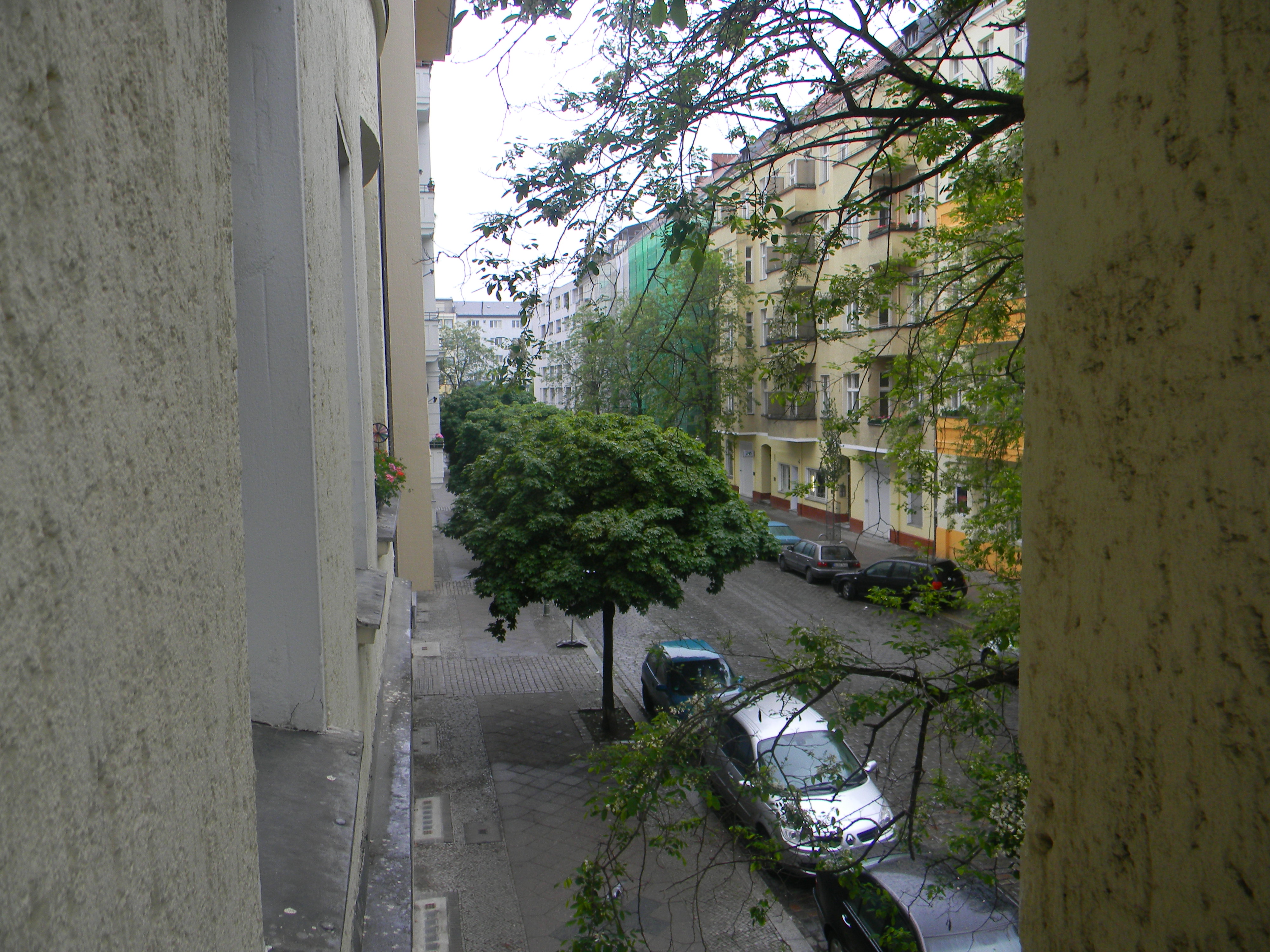
Our Street1
DSCN0293
DSCN0433
DSCN0435

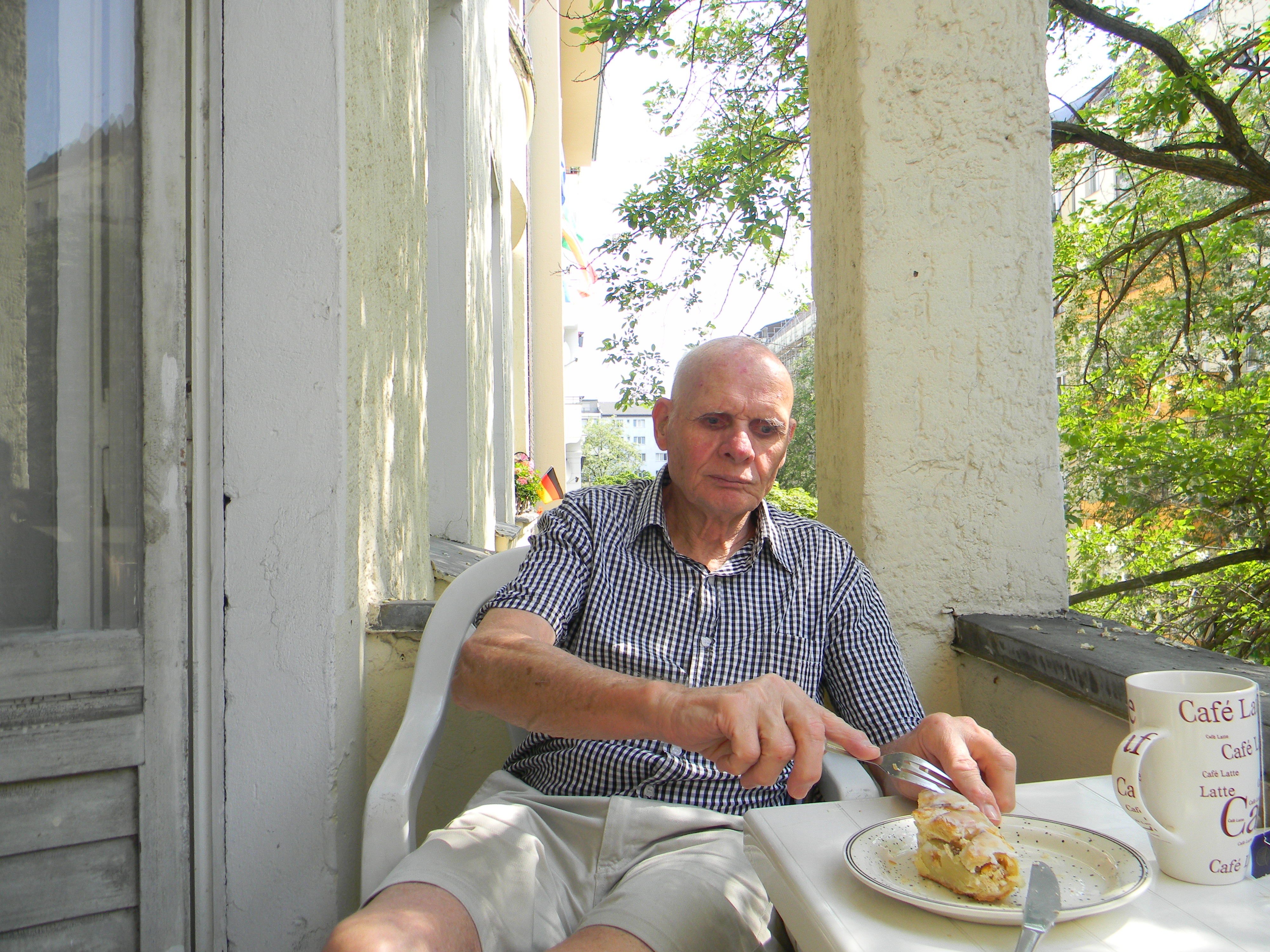
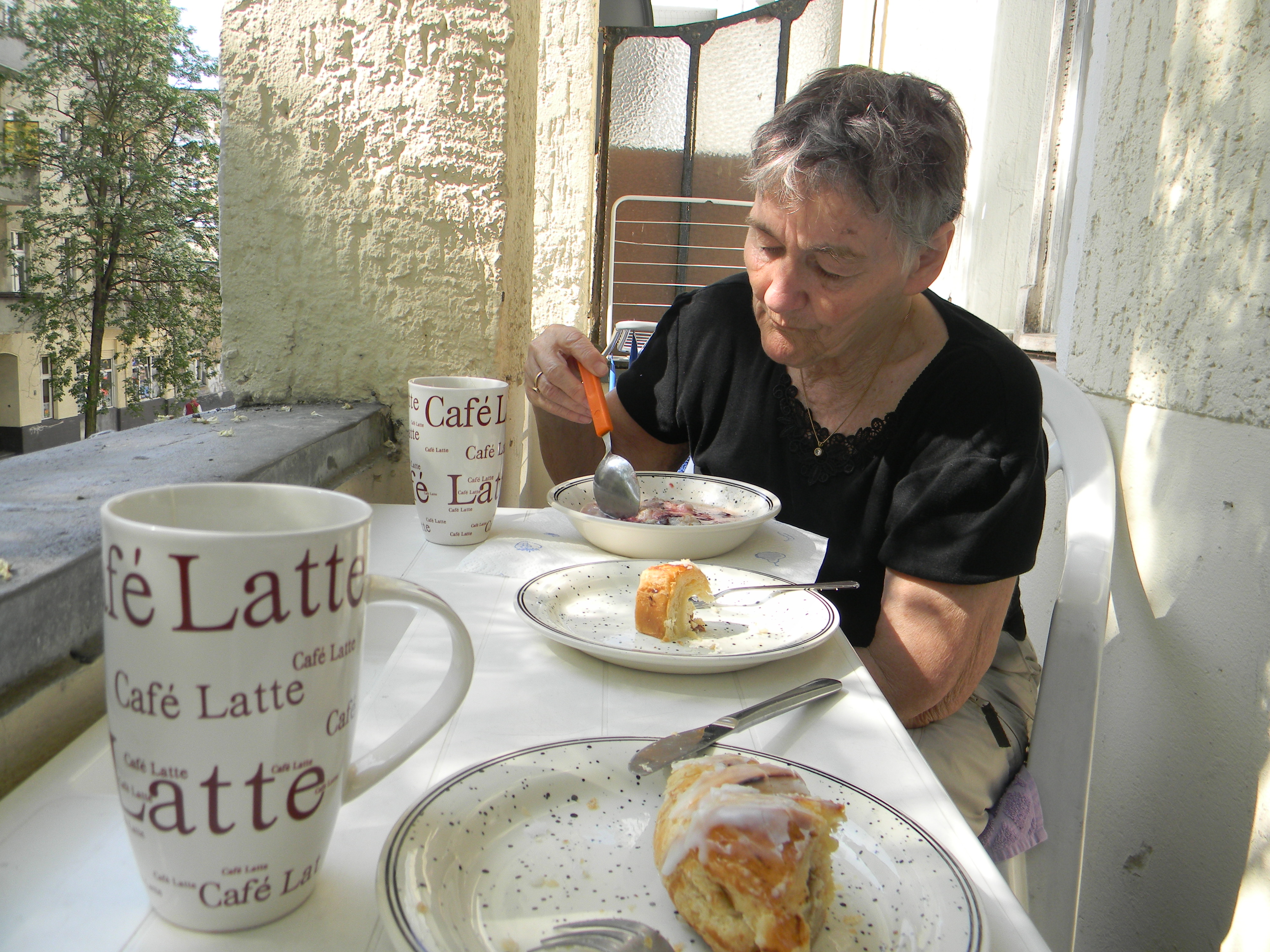
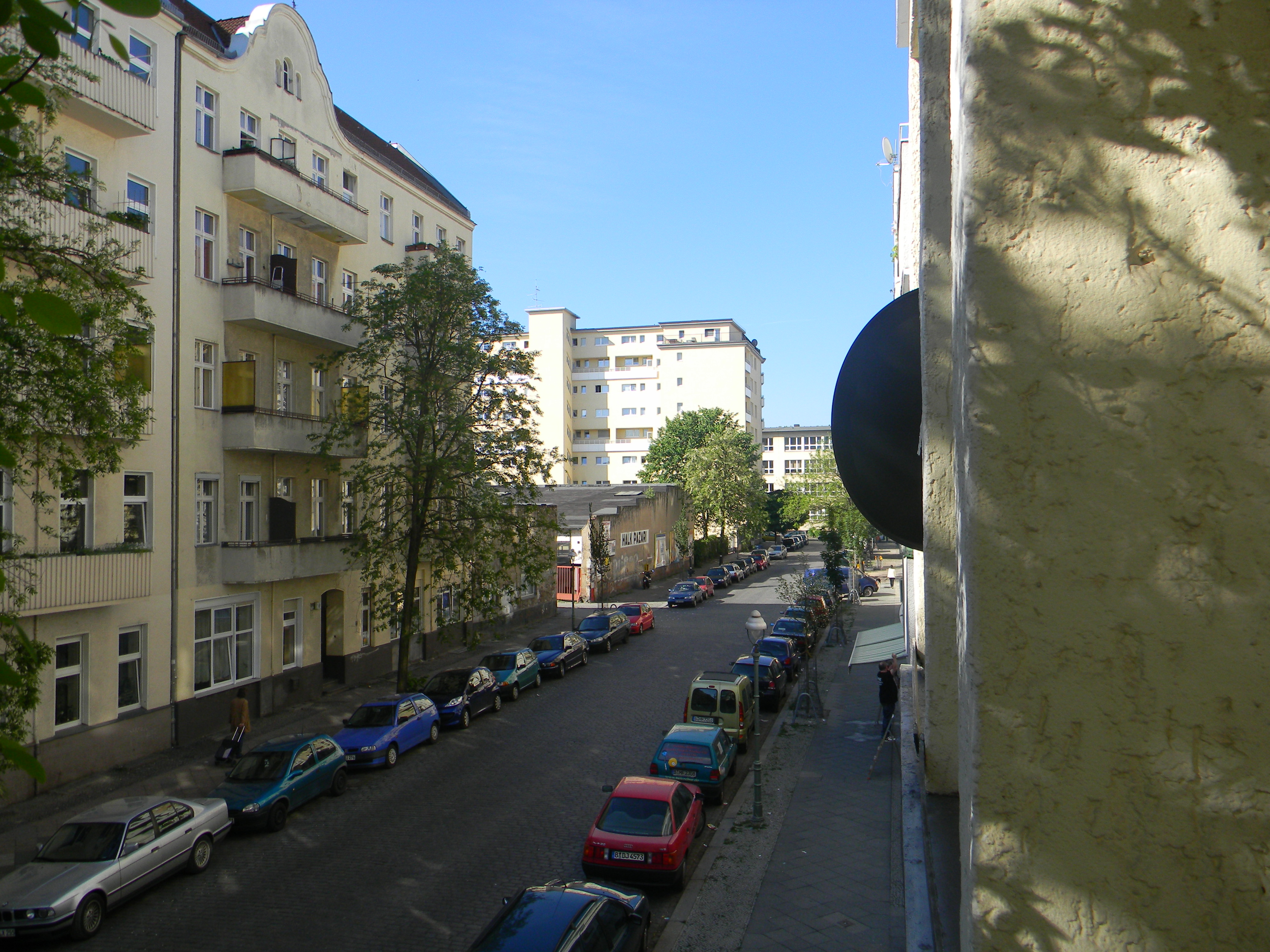
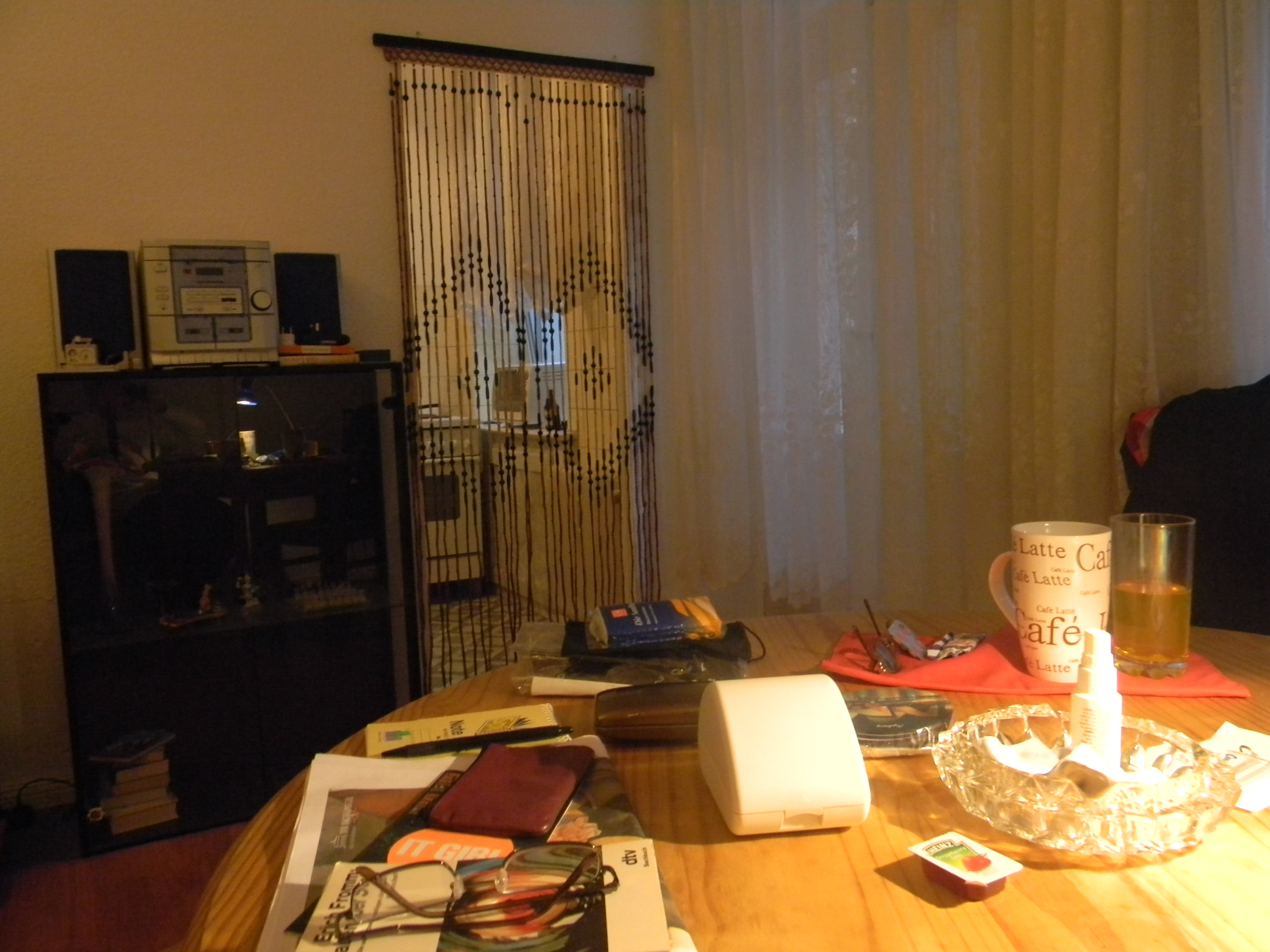
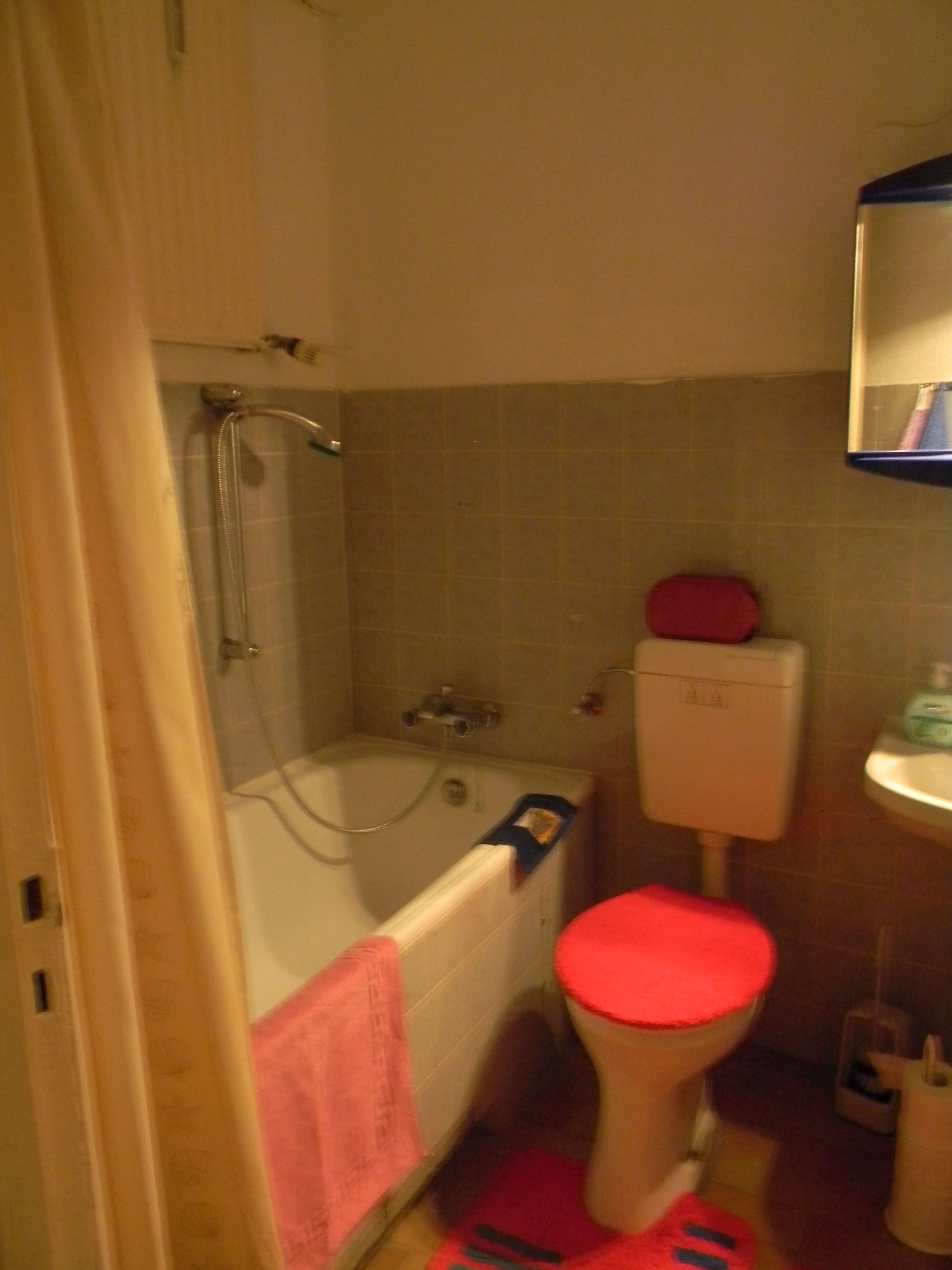
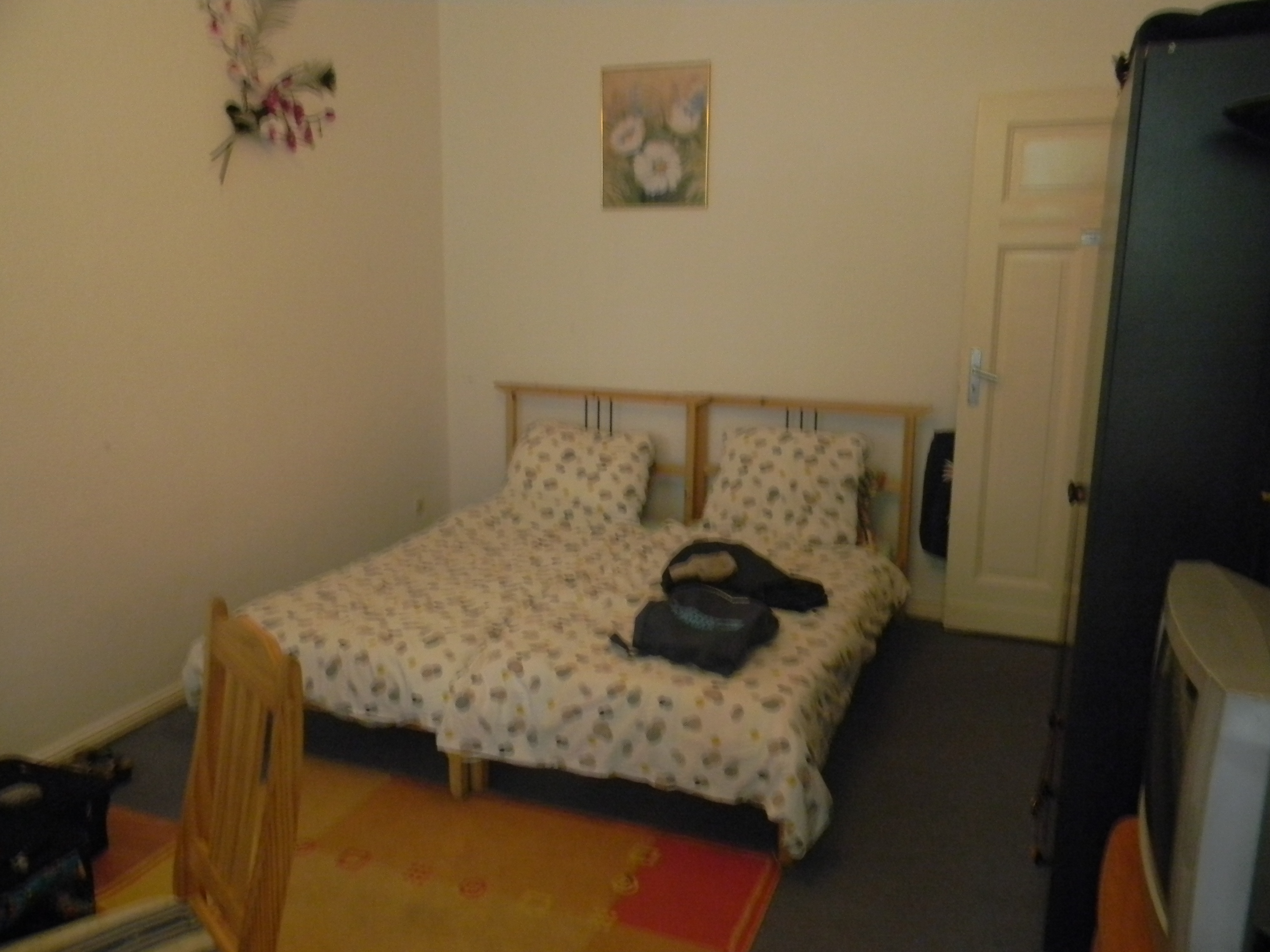
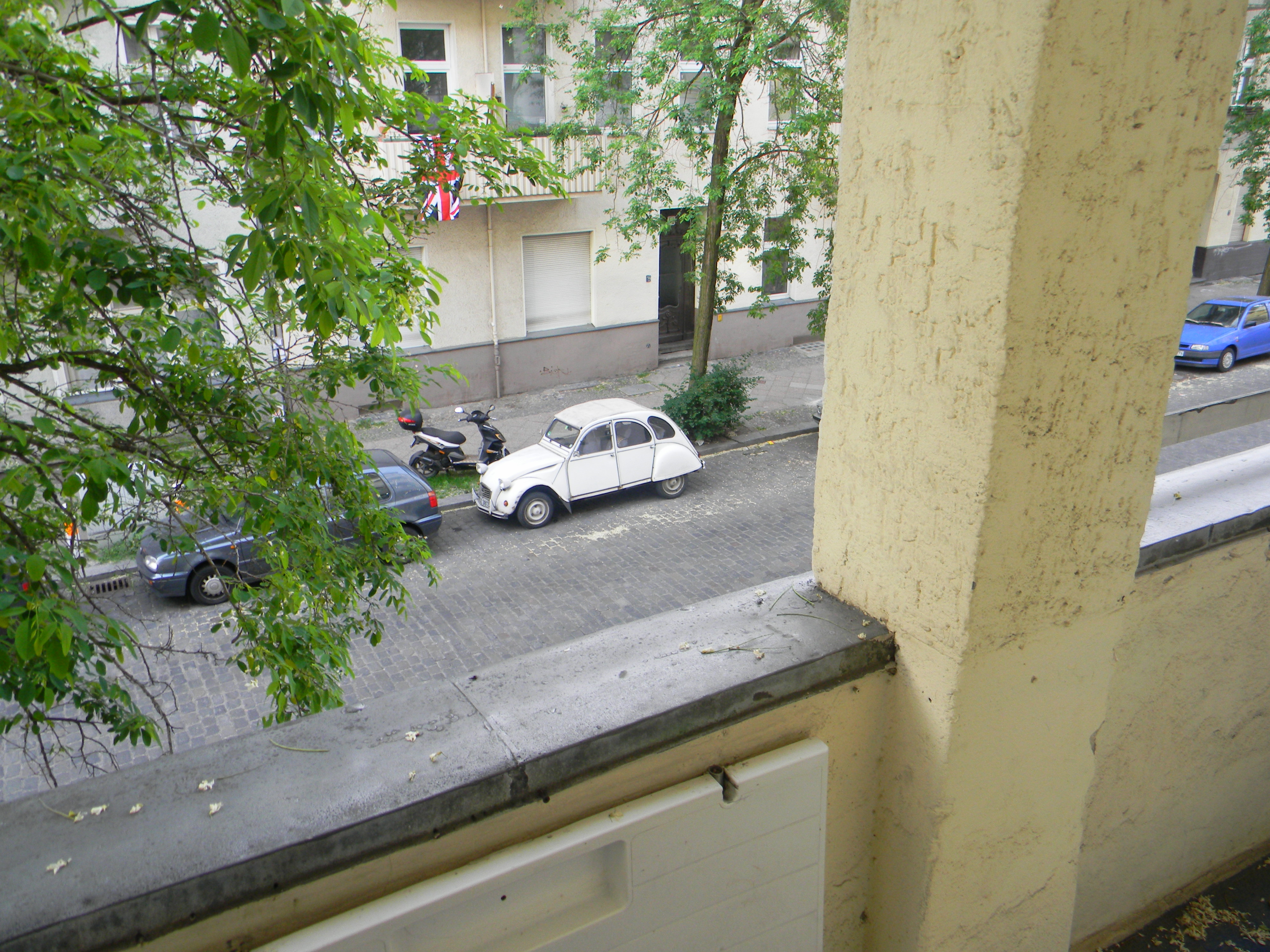
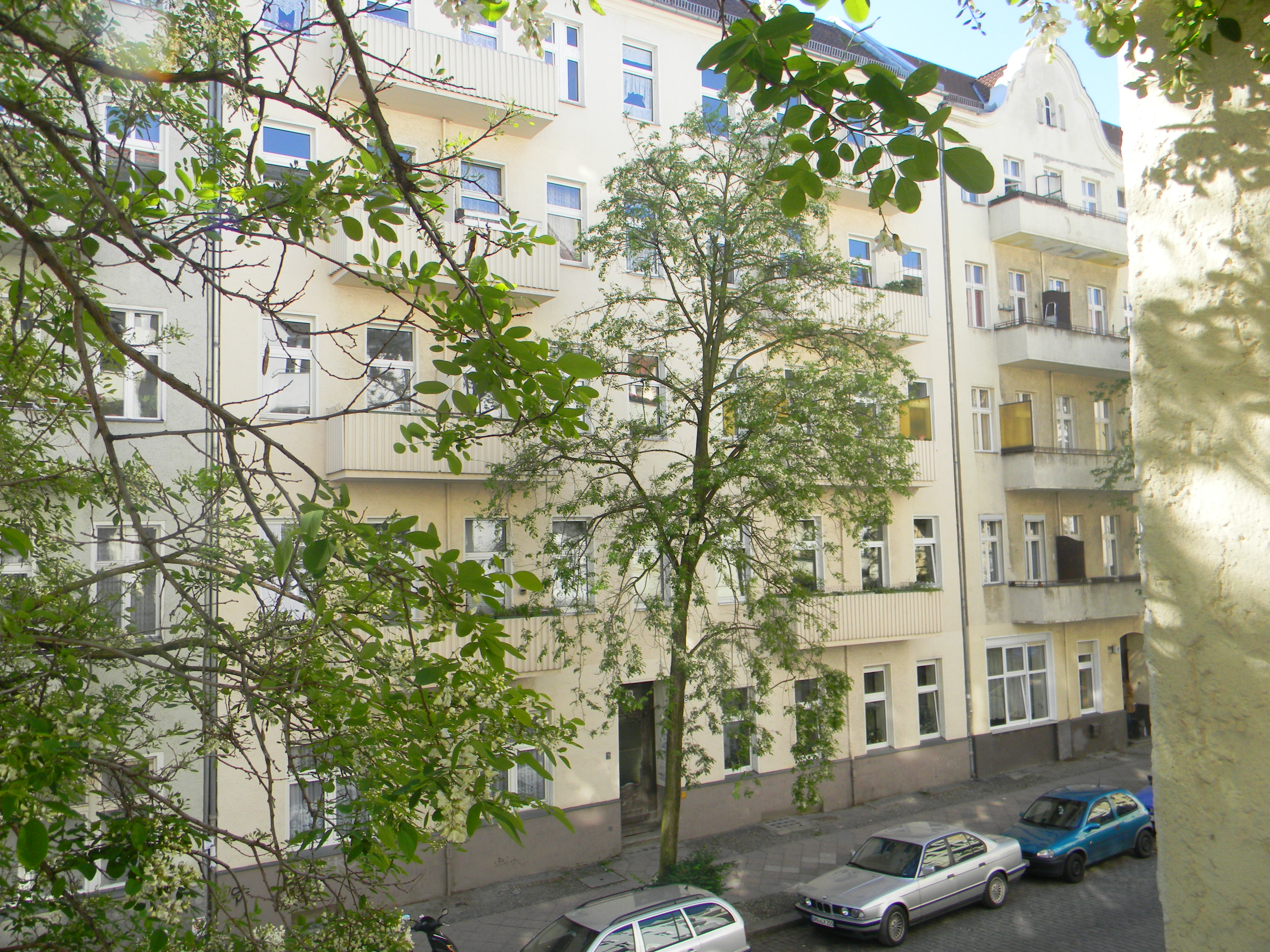
We arrived in Berlin on the 31st of May 2010. We had booked an apartment in Bastian Strasse in Wedding, the north of Berlin. It was a studio apartment with kitchen, balcony and bathroom. We loved the little balcony. It was perfect for sitting outside with a cup of coffee or tea and a bite to eat. The sun was on it nearly all day.

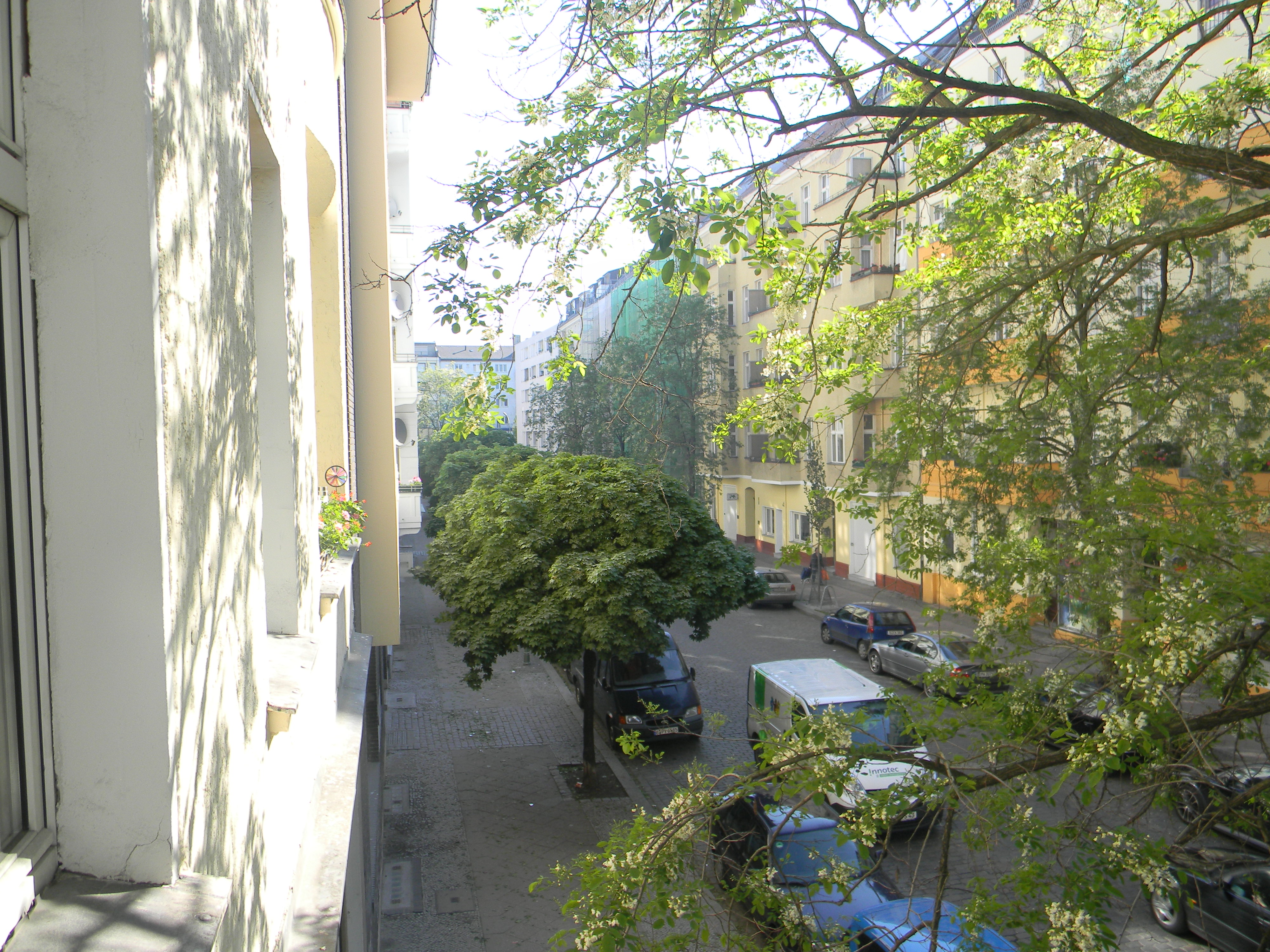
This is Bastian Strasse
DSCN0250
DSCN0252
DSCN0236
DSCN0666
Our Street2

We had this little apartment all to ourselves for four weeks. The fifth week we spent in Neu-Canow with my brother and his wife. And the last week of our holidays Peter’s sister put us up in her very small apartment. But more about this later.

I think we were the last guests in that apartment in Bastian Street. The lady who owned this place said she was about to sell the place to a young couple.

https://wordpress.com/block-editor/post/auntielive.wordpress.com/1434

Am Schlachtensee 1986

Even though this is another blog by pethan35 written in German, I still want to reblog it. I assume, that some of my followers can understand a bit of German, and besides some people might like to see the pictures and listen to the duet on the video.

I found in Google this Obituary about Karl-Josef Hering:

http://www.independent.co.uk/arts-entertainment/obituary-karljosef-hering-1165680.html

ELIZABETH FORBES

Thursday 18 June 1998

After gaining experience in Hanover and Krefeld, Hering was engaged in 1966 by the Deutsche Oper, Berlin, and remained with the company until 1979, when ill-health forced him to retire. He then became landlord of the Fisher Cabin, an old and well-known hostelry in the Zehlendorf district of Berlin. There he frequently entertained his guests with a song.

Hering was born in Westonnen, Westphalia, and had already begun commercial training when he started to study with Franz Volker, a German tenor famous for his Wagnerian roles. Hering also studied with Max Lorenz, another heroic tenor. He made his debut in 1958 in Hanover, where he progressed from the First Prisoner in Fidelio to Florestan, the hero of Beethoven’s opera. In 1964 he moved to Krefeld and in 1966 to Berlin, where one of his earlier roles was Max in Der Freischutz.

In October the same year he made his Covent Garden debut as Siegfried in Gotterdammerung: everyone admired his voice, the kind of heroic tenor not heard in London for many years – older opera lovers even invoked the name of Lauritz Melchior in comparison – but his lack of stage experience and stiff acting were also commented upon.

In Berlin the following April, Hering first sang the young Siegfried, and it became immediately obvious that he had found his perfect role. Nearly two metres tall (around 6ft 5in) and broad to match, the tenor effortlessly conveyed the thoughtless, badly behaved child that lies at the heart of Siegfried, while his “big, never- failing voice unites melody and words with complete naturalness”, as the late Arthur Jacobs wrote, continuing, “I really enjoy his Siegfried.” So did I, quite enormously, when Hering sang both Siegfrieds at Covent Garden in September 1968.

Meanwhile Hering was rapidly acquiring new roles. He sang Pedro in Tiefland at the Vienna Volksoper, Parsifal in Marseilles and, in 1969, Erik in Der fliegende Hollander in Berlin. He visited Buenos Aires the same year, to sing Andres in Wozzeck and Max. He added Bacchus in Ariadne auf Naxos, Aegisthus in Elektra and Hermann in The Queen of Spades to his Deutsche Oper repertory, and in 1970 returned to Covent Garden for both Siegfrieds in what turned out to be his final visit.

Siegmund in Die Walkure took him across the Berlin Wall to the Staatsoper, while he made guest appearances all over Germany, usually as Siegfried, which he also sang in Toronto. Hering was made a Berlin Kammersanger in 1974: his final new role at the Deutsche Oper was the Drum Major in Wozzeck, a character for which his gigantic stature well suited him. His retirement at the age of 50 because of ill-health was a great loss to opera. At any time there are very few tenors who can sing Siegfried; hardly any of them can sing the role the way Hering did.

Karl-Josef Hering, opera singer and innkeeper: born Westonnen, Westphalia 14 February 1929; died Berlin 20 May 1998.”

pethan35's avatarPethan35's Blog

Im europäischen Frühling 1986 waren wir wieder einmal  zu Besuch in Berlin.

Am Sonntag, den 27. April nahm ich am 25 km Lauf teil. Berlin erlebte einen späten Frühling. Aber endlich meldete sich der Frühling an. Die ersten Knospen waren mutig und wagten sich ans Sonnenlicht und gaben den Sträuchern einen grünen Schimmer.

Nach dem erfolgreichen Lauf beschlossen wir, meine Frau Ute, Tochter Caroline und ich,  uns am Schlachtensee zu erholen.  Hier hatte ich auch für den Lauf trainiert. Der Rundlauf (etwa 5.5 km) ist wunderbar zum Joggen geeignet. Aber das lag hinter mir.

Wir erreichten den See mit der S-Bahn und liefen am Ufer entlang zur Bootsvermietung. Es war mitten in der Woche und nicht viele Menschen kamen mit der gleichen Idee.  Die Frau, die uns das Boot verlieh, war überrascht und plauderte munter mit uns. Für Caroline war es auch ein neues Erlebnis und sie wollte natürlich selber…

View original post 310 more words

Sunday, 15th March 2015

I reblog this post so my followers have a chance to listen to “Pop Corn” and to see this 73 year old family picture!

When you go to the original you’ll find two great videos as well as a family picture from 1942. In the picture you see Peter with his two sisters, Eva and Ilse. Yesterday was Eva’s birthday. She turned 83!

In May this year Ilse is going to turn 81 and Peter is going to be 80 three days after Ilse’s birthday.

pethan35's avatarPethan35's Blog

Wie die Musik zeigt, kann das Leben sehr kunterbunt sein. Und dieser Schlager von 1969 war ja damals sehr beliebt. Vielleicht haben wir damals sogar danach getanzt. Heute ist das alles ganz anders.  Ich bin ruhiger geworden.

Gestern war  Sonntag. Eigentlich kein besonderer Tag im Leben von Rentnern. Schließlich haben wir Dauerurlaub auf Staatskosten. Das gefällt unserer Regierung (Australien) gar nicht und sie überlegt, wie sie die Altersrente beschränken könnte. Die Bevölkerung wird immer älter und bald gibt es nicht mehr genug Arbeitende, welche die Rente für uns Alten erarbeiten können. Das kommt davon, wenn man nichts zurückgelegt hat.

Es war aber doch ein besonderer Tag, denn meine ältesten Schwester, die in Österreich lebt,  hatte Geburtstag. Ich rief sie an, um ihr zum Geburtstag zu gratulieren. Dann warf ihr Ehemann seinen Computer an  und wir konnten auch noch, nach einigen Schwierigkeiten, skypen. Dann sprach ich auch noch mit meiner anderen…

View original post 185 more words

Baby Dolls

I copied the following text from somewhere. Sorry, I cannot find the link to it any more. Apologies to the author.

“Baby dolls are a pretty common item to have when you’re a child, and with their plastic heads stuck on stuffed bodies, you’d thankfully never mistake one for a real baby. However, if you’re an adult and are looking for something a bit more realistic, maybe you should learn about the Reborners. PhotographerJamie Diamond did, spending time with what she describes as an “outsider art-making community.” Made up of women, these largely self-taught artists make hyperrealistic baby dolls by painting over existing dolls, collect them, and even interact with them. Sometimes the Reborners keep their dolls; other times, the dolls are put up for “adoption” on eBay. Besides a creative outlet, these dolls can also help the women manage a variety of emotional issues.”
RIMG0134

RIMG0133


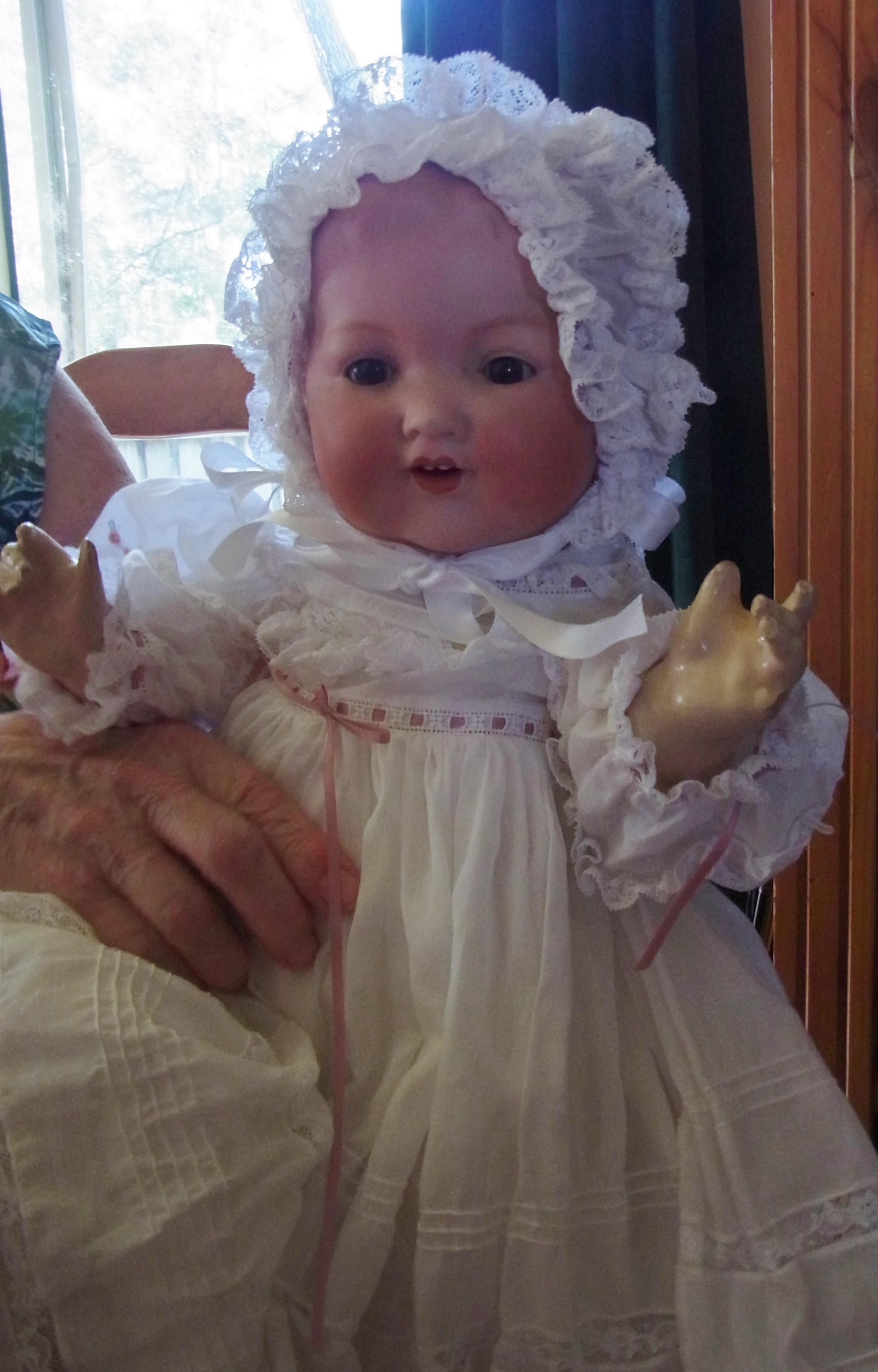
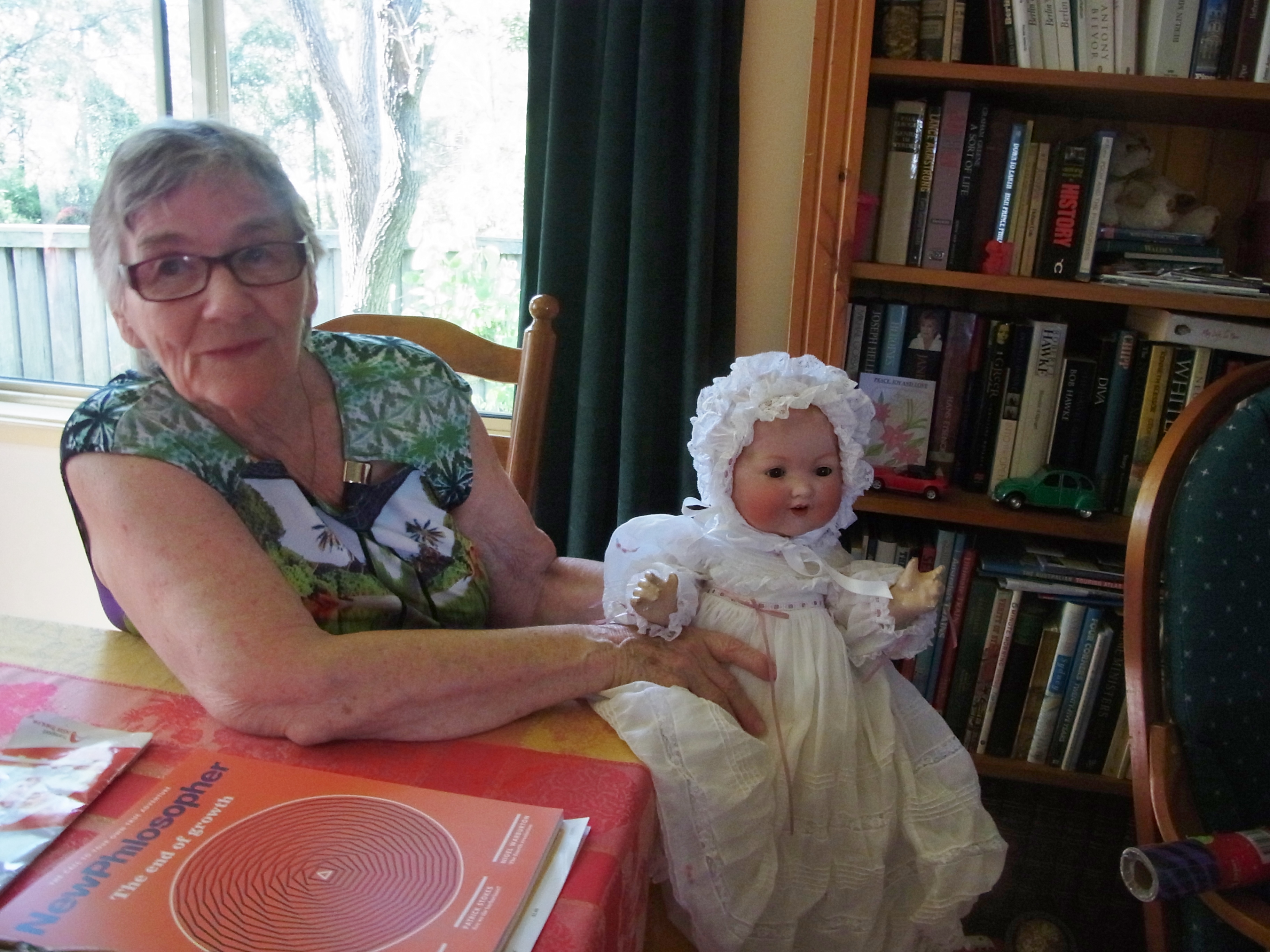
After our Christmas party last year a neighbour had brought around her baby doll for me to hold!


I found this about the reborn subculture in google:

http://petapixel.com/2015/01/23/mother-love-photographers-journey-reborn-subculture-realistic-dolls/

http://robchaney.net/mother-love-a-photographers-journey-in-the-reborn-subculture-of-realistic-dolls/

Bayerisches Viertel

This is a view of Bozener Strasse towards the Chestnut Tree. This picture is to be found in
This is a view of Bozener Strasse towards the Chestnut Tree. This picture is to be found in this article by the Tagesspiegel  about Bayerisches Viertel.

Here is another picture of that Chestnut Tree.

This is a picture of Bozener Strasse seen from the
This is a picture of Bozener Strasse seen from the “Robbengatter” Restaurant.

The top three pictures were all taken from this Tagesspiegel article:

http://www.tagesspiegel.de/berlin/bezirke/bayerisches-viertel/kiezkneipe-robbengatter-im-bayerischen-viertel-dichtung-und-trunkenheit/9860760.html


On September 20th, 2012 I wrote the following:

“Yesterday, Tuesday, our destination was Bayerischer Platz. Just round the corner is Bozener Strasse, where I grew up. I felt quite nostalgic to see my old stomping ground again. We picked up a few large, shiny, rather big chestnuts from under the huge tree at the end of Bozener Strasse. I remember this tree very well from my childhood!”

I mentioned this chestnut tree in this blog: https://auntyuta.com/2013/06/02/early-memories/

This picture under the chestnut tree was taken on the 9th June 1940, my brother Bodo's second birthday.
This picture under the chestnut tree was taken on the 9th June 1940, my brother Bodo’s second birthday.


9th June 1940: All the party guests are under the chestnut tree for picture taking.

Here I am under that tree in September 2012,

Peter in Bozener Strasse, the street where I grew up!