The Gratitude Bell at Nan Tien Temple

IMG_1010

IMG_1011

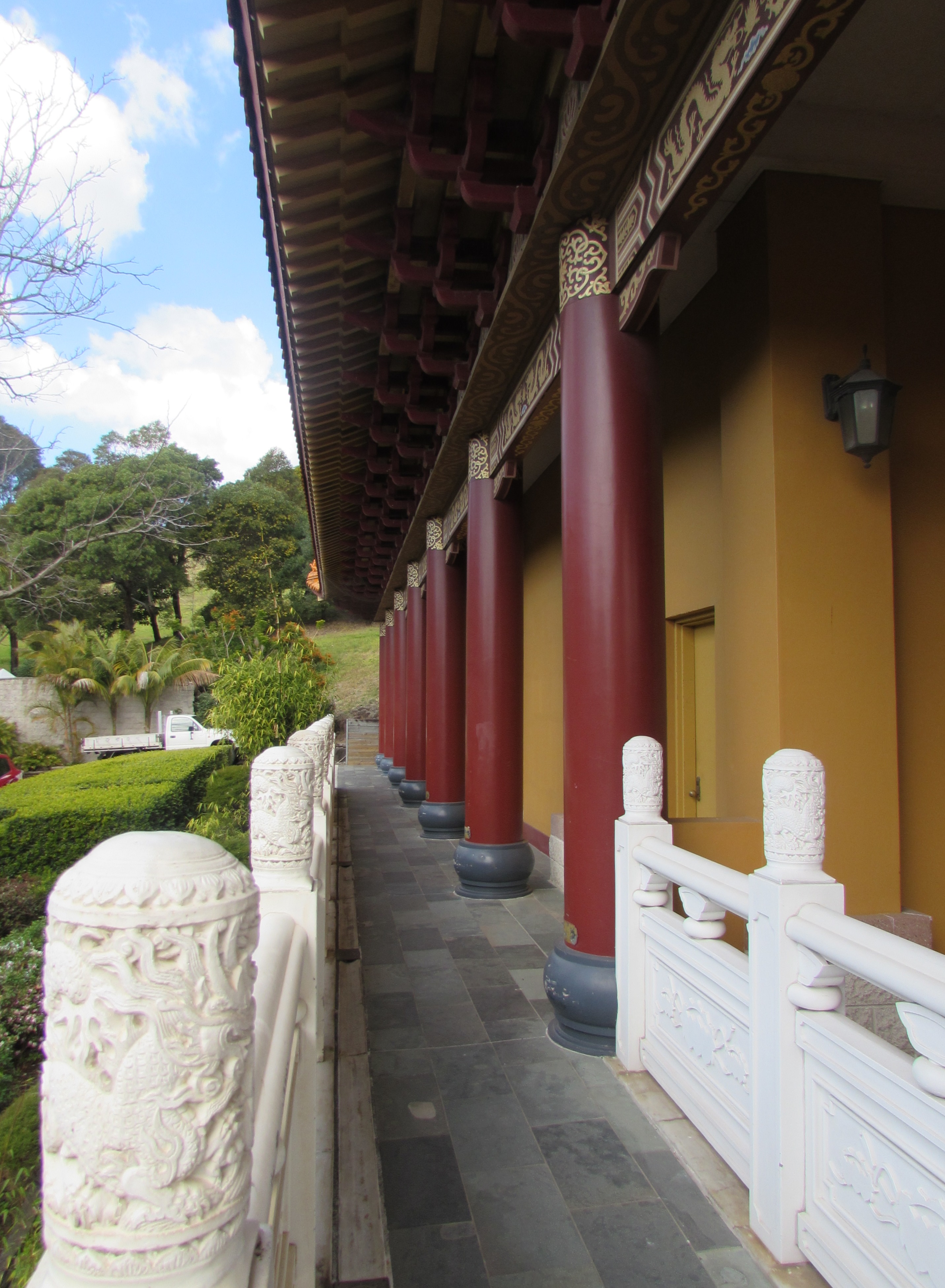
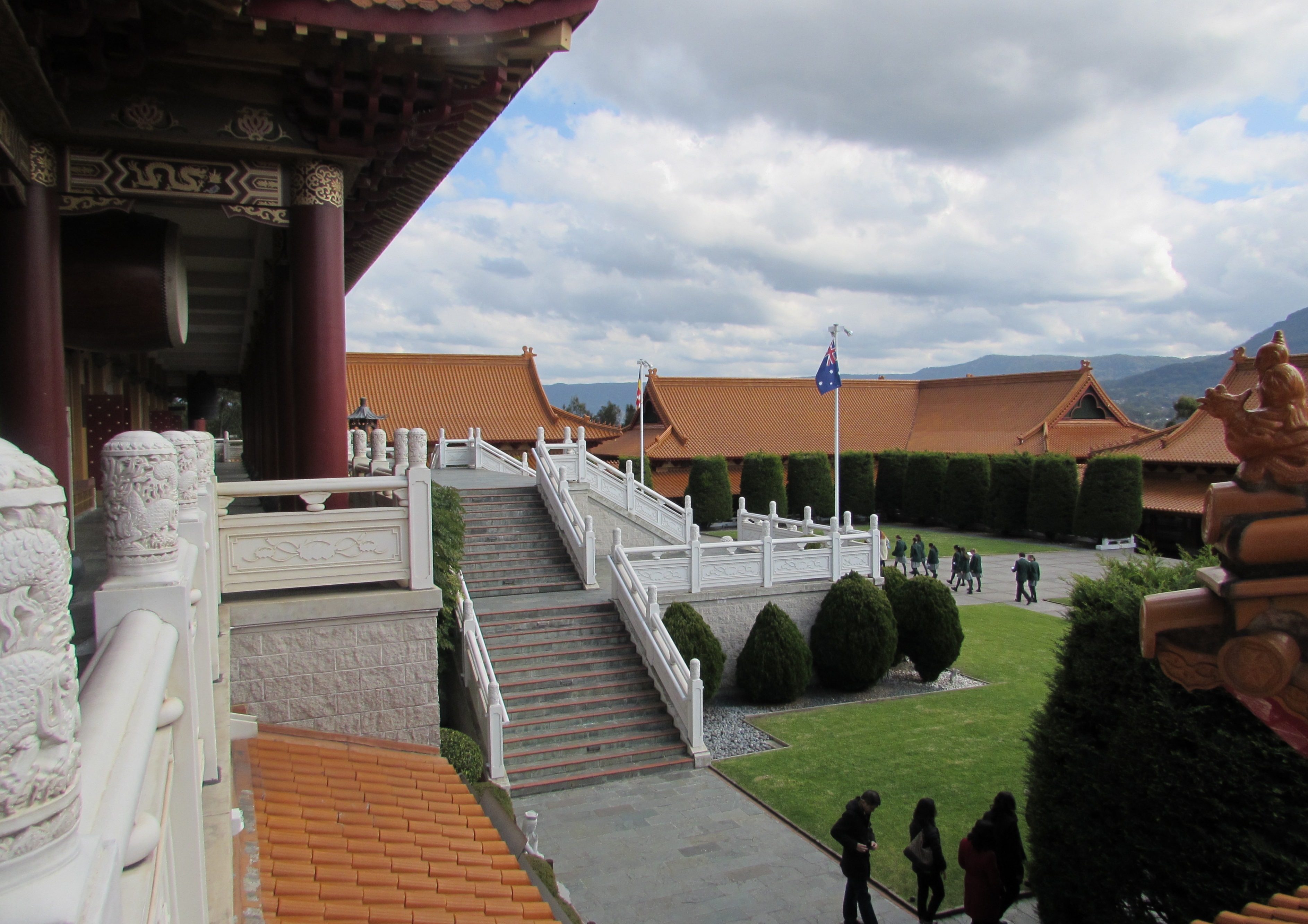
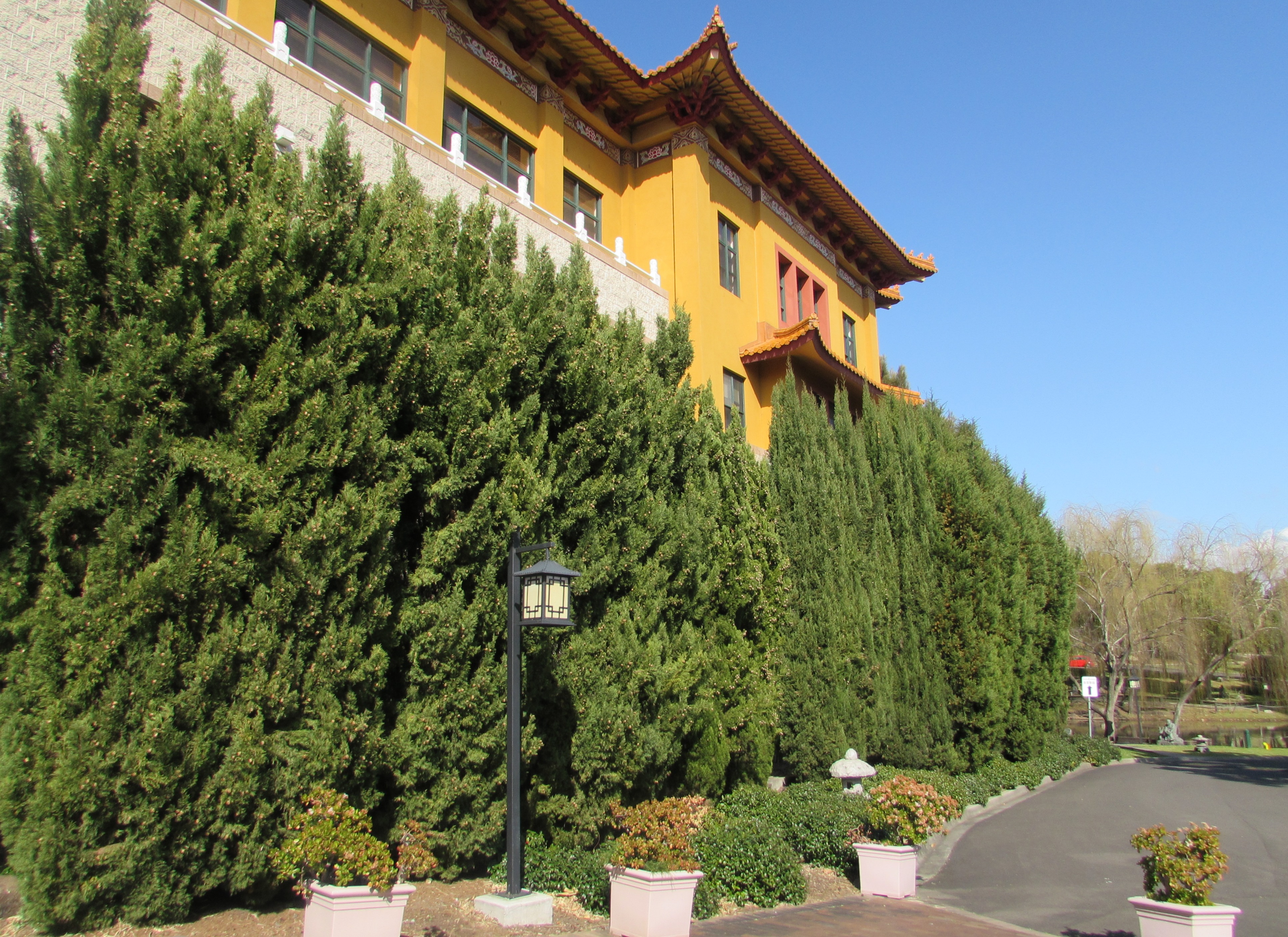
This is where the Gratitude Bell is. There is a great view from up there.


When you chime the bell you are supposed to think with gratitude of your ancestors. I remember when I once walked to the bell in summer, I got very hot. Last Wednesday in the midst of August, I had no problem walking up to the bell. I do love the bell’s sound. It spreads far and wide over the surrounding area.

IMG_1014

Our Weekend with Martin, August 2015

Our XPT to Melbourne Aug/ 2015

As soon as I took my seat on the train, Peter noticed that I had been given a seat with an emergency button. This made me feel very safe indeed. 🙂 The menu card promised that we could be adequately fed during our long train journey.

IMG_0234

In Junee the train had to stop for a while. So Peter had a chance to go off the train and take a few pictures.

IMG_0239

In front of Junee Station

IMG_0242

2015 (18)

Martin lives in Melbourne near Essendon Station. Martin once took this picture with the rainbow above. He is proud that he could capture this rainbow. He kindly let us have the picture. We did not travel from Essendon Station this time for Martin had hired a car for the weekend and drove us around everywhere.

 Sunday,6th.Aug.2015,Martin drove us to the Woodlands Homestead.
Sunday,6th.Aug.2015,Martin drove us to the Woodlands Homestead.

IMG_0274

IMG_0251

2015 (25)

2015 (23)2015 (24)

2015 (22)

IMG_0247

Having a rest after a long walk
In Aug 2014 we were at Sussex Inlet and saw there a lot of kangaroos.

But back to the homestead. Refreshments were available there: Great Devonshire Tea and coffee. It was lovely to sit in typical English surroundings.

This is the Entrance to the Homestead.

img106

After we had had our refreshments we went around to have a look at the different rooms in the homestead and Peter took some more pictures:

IMG_0260

IMG_0259

IMG_0262

IMG_0263

As we wqere leaving, Peter took some more pictures outside:

IMG_0272

IMG_0270

IMG_0267

IMG_0269

IMG_0265

IMG_0264

IMG_0273

IMG_0275

On the Way to Melbourne, Friday, 14th August, 2015

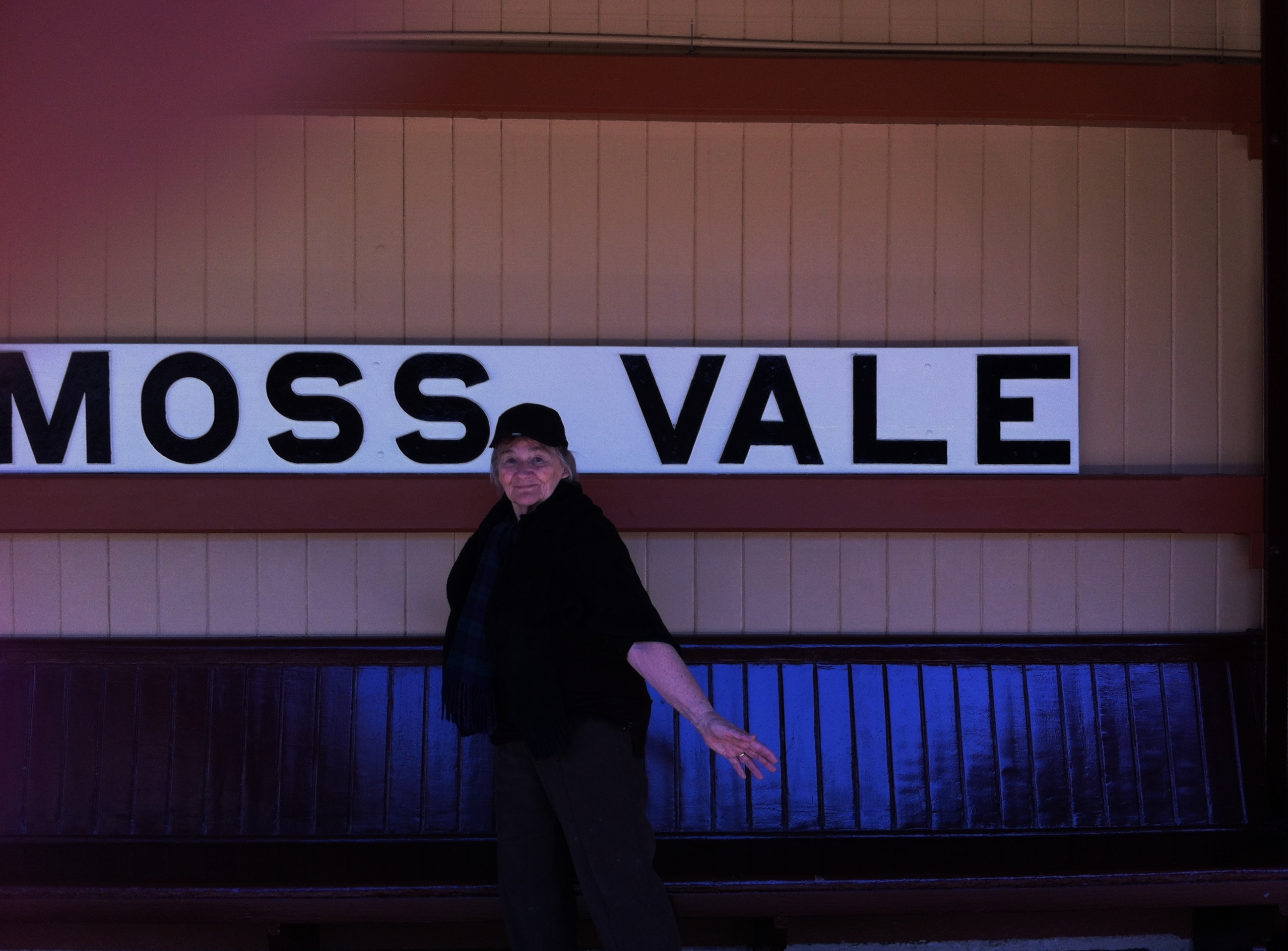
At 7 am we boarded the railway coach that took us up Macquarie Pass to Moss Vale. The train from Sydney arrived some time later in Moss Vale and took us all the way to Melbourne where we arrived  a bit before 7 pm’

We arrived in Moss Vale already at 8 am and we had more than one hour to spare before the Sydney train was due. We used the time to book in our luggage and to have some coffee and cake from across the road. On the train later on we were served a good hot lunch. We also had some light beer with our lunch.

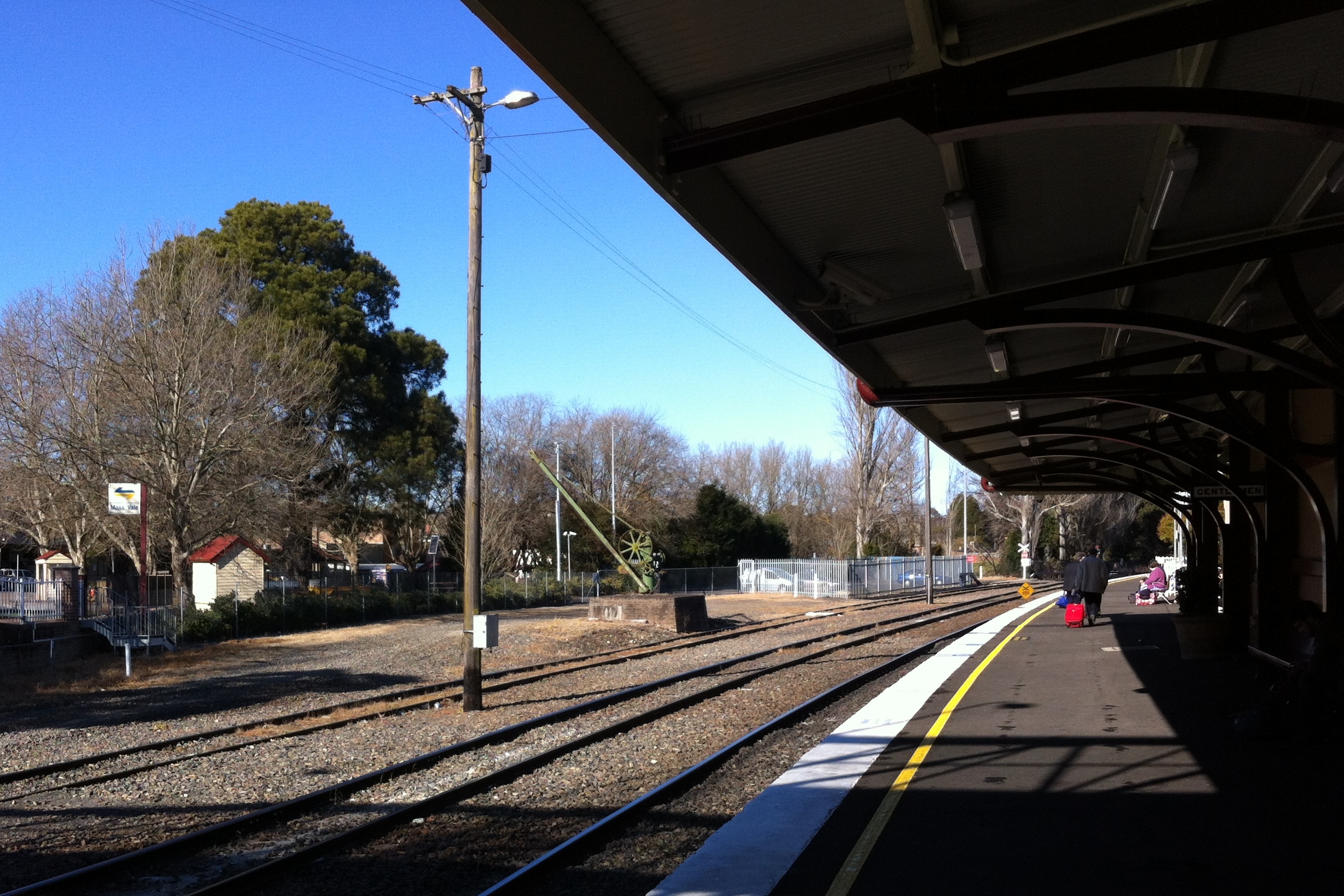
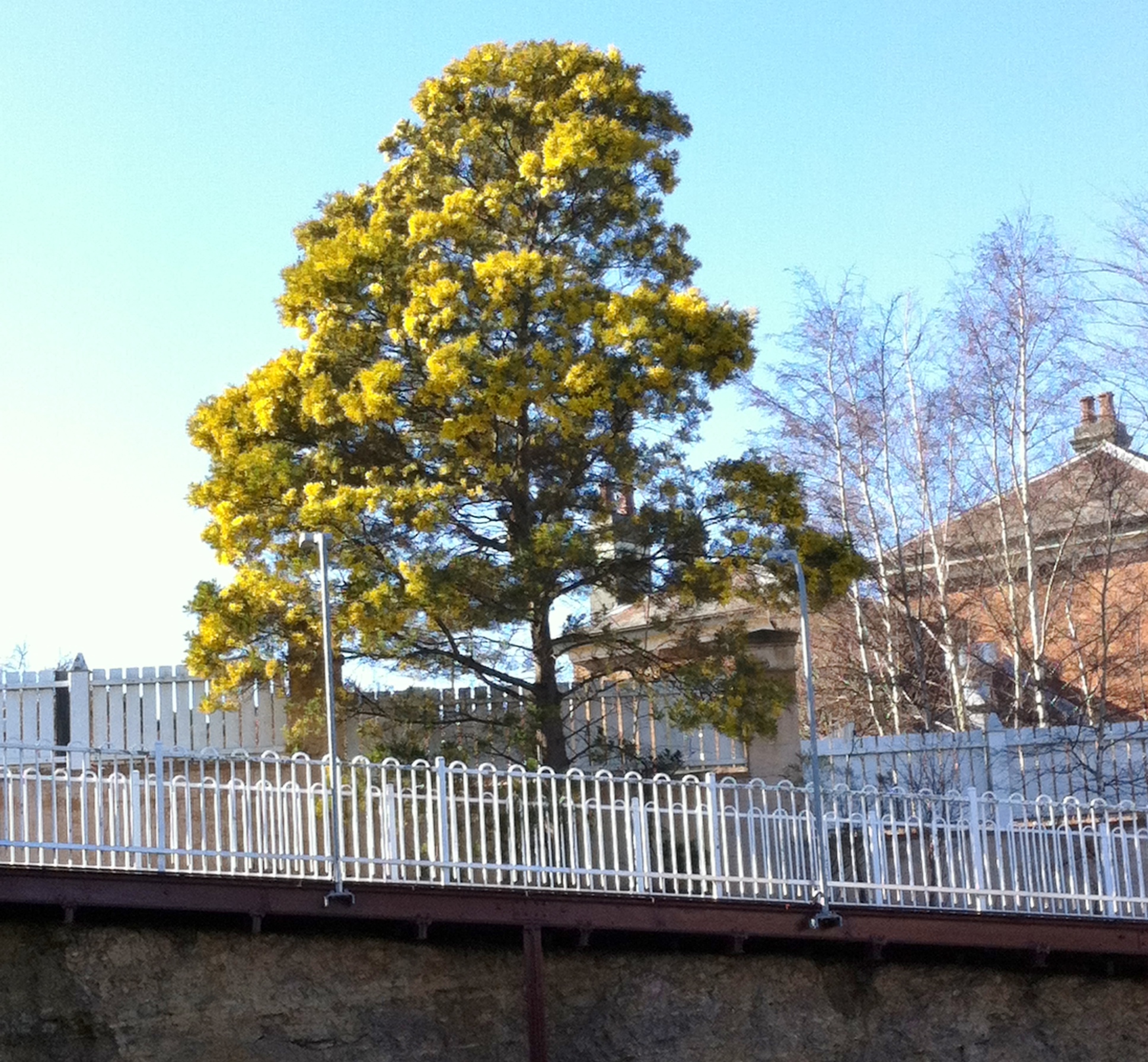
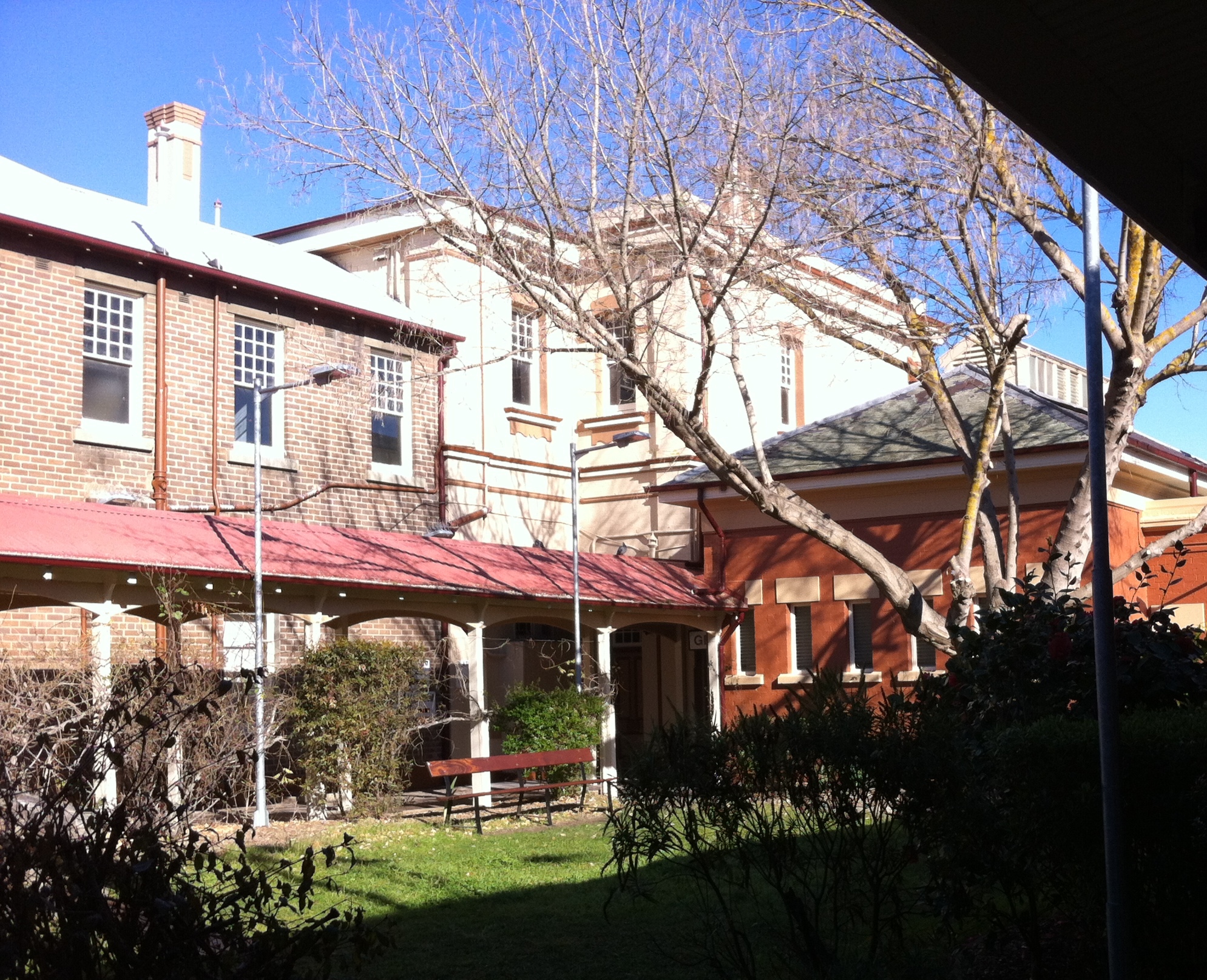
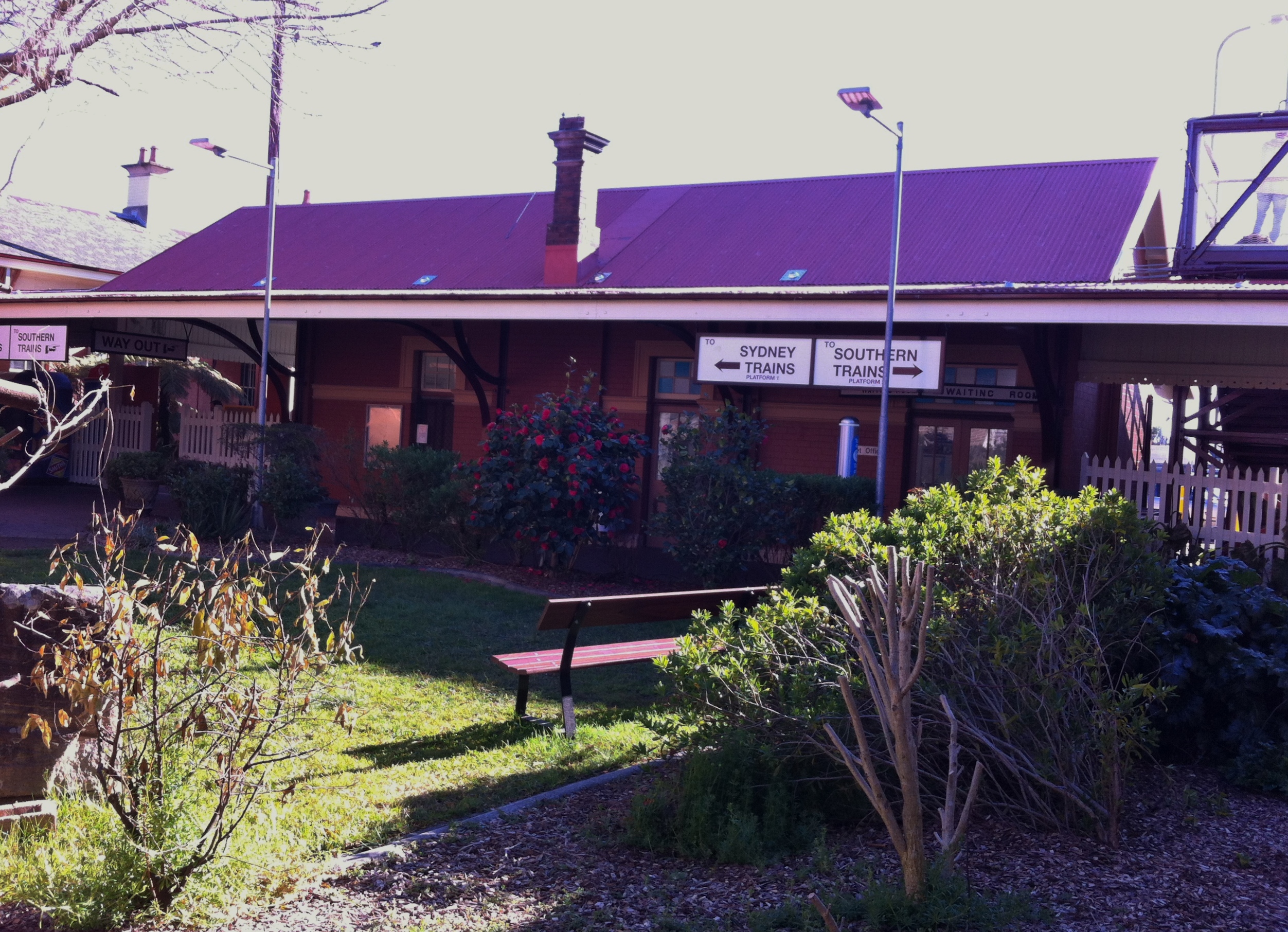
But here now are some pictures Peter took at Moss Vale railway station:

IMG_0224


View of a wattle tree from Moss Vale station
The station has an inner courtyard.

IMG_0231

IMG_0230

IMG_0226

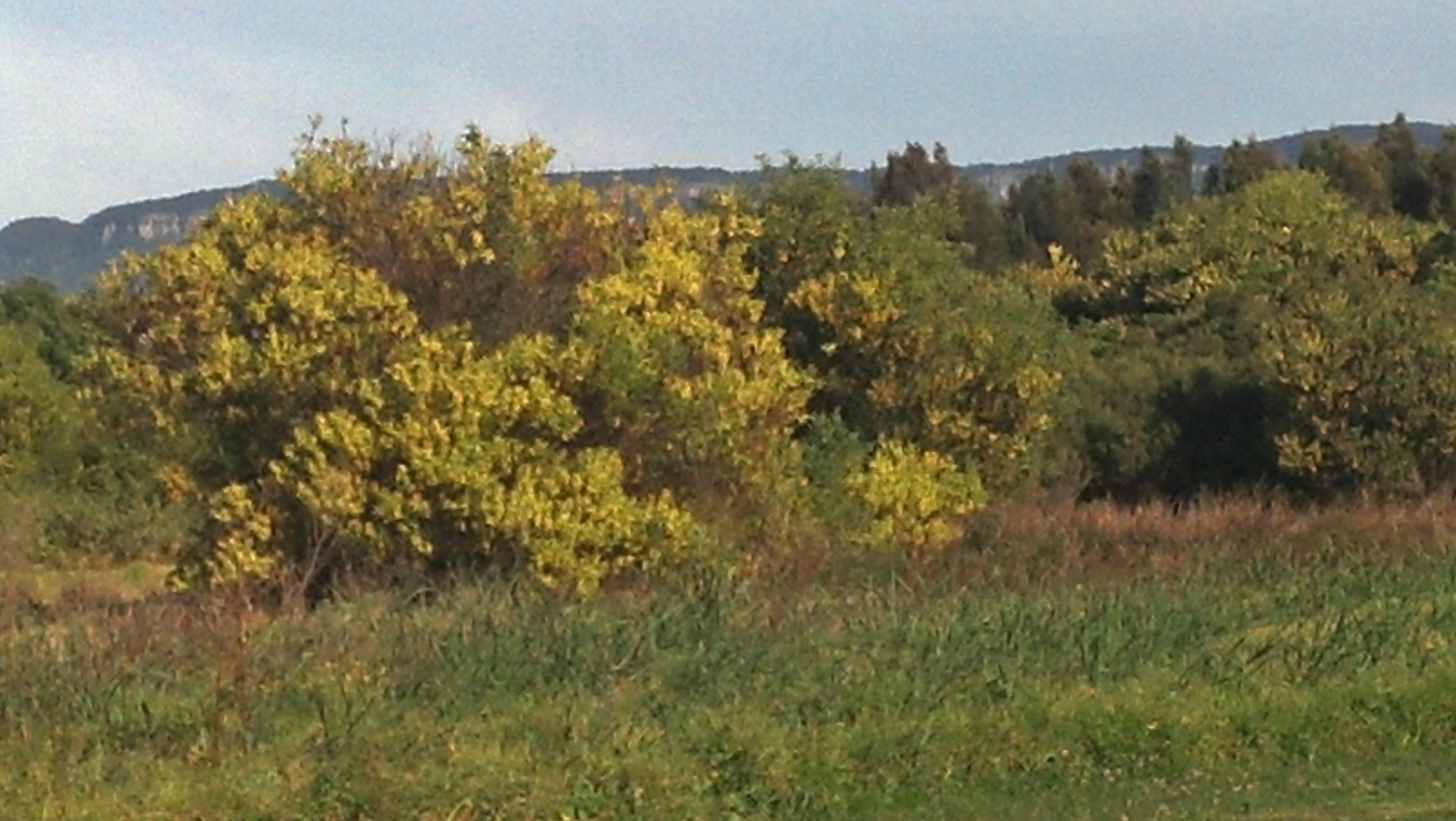
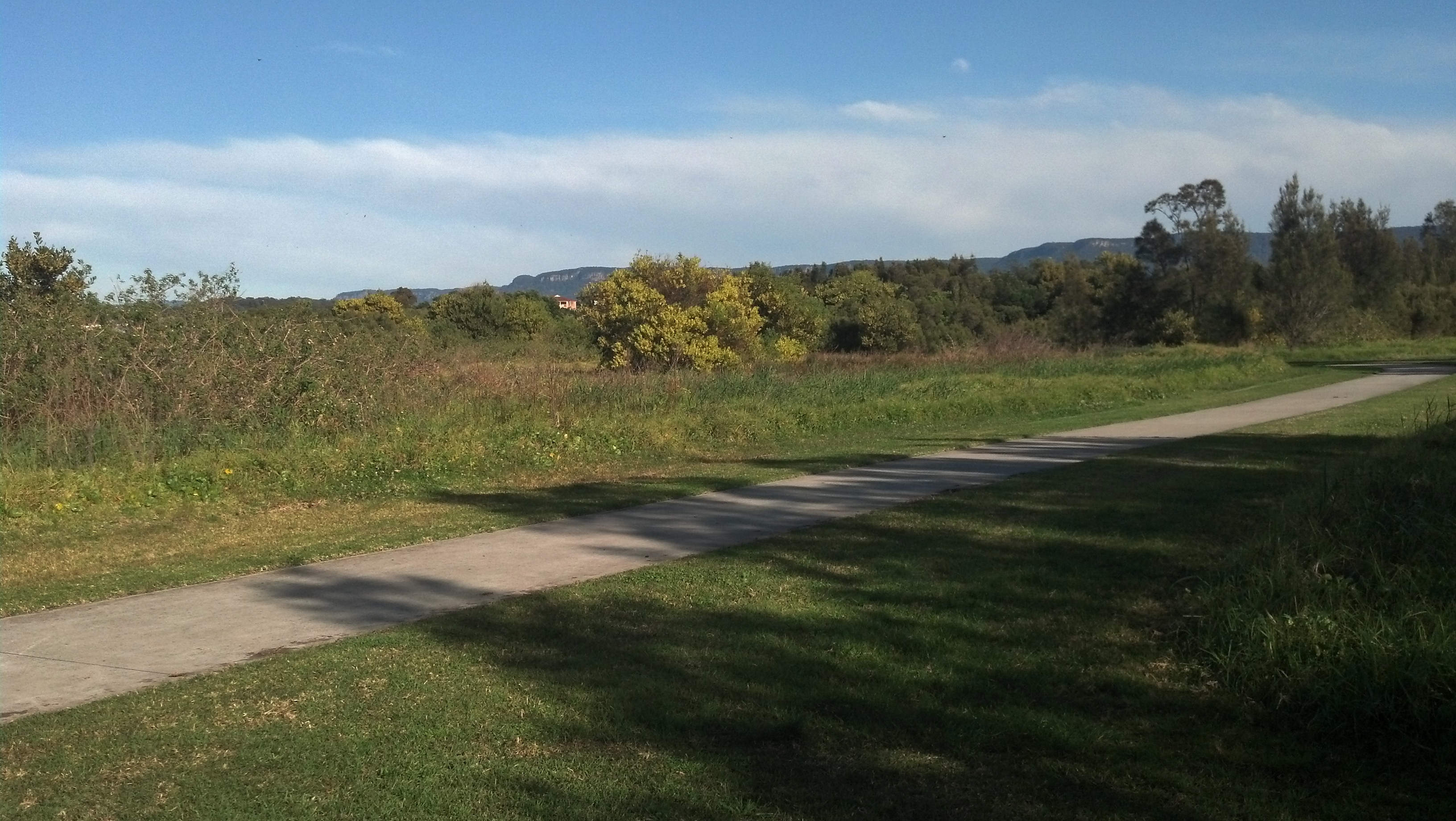
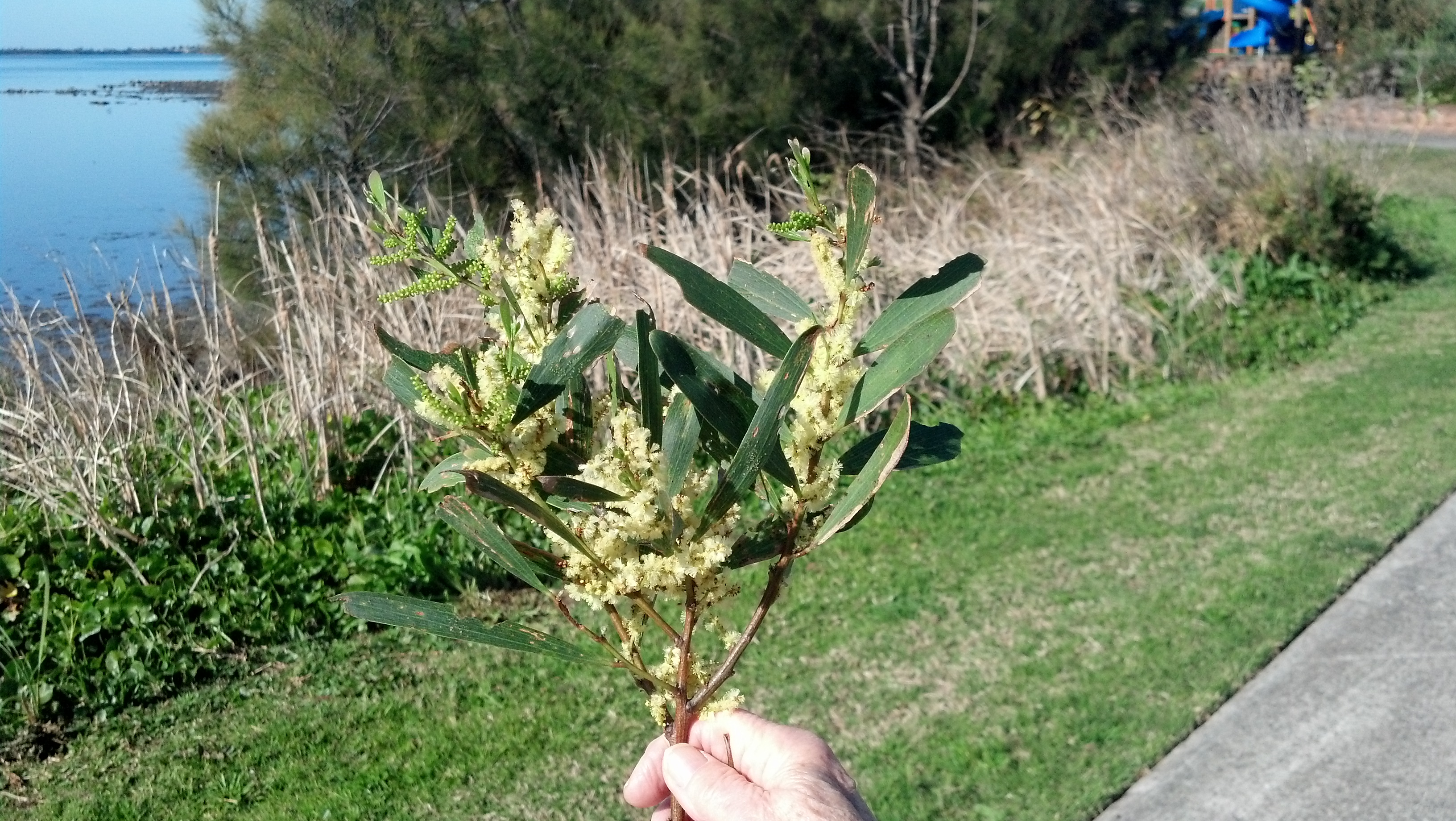
IT IS WATTLE TIME! (Late Winter in Australia)

2015-08-12_09-22-15_368

The golden flowers are supposed to appear in late winter and spring. So today we saw our first wattles again.

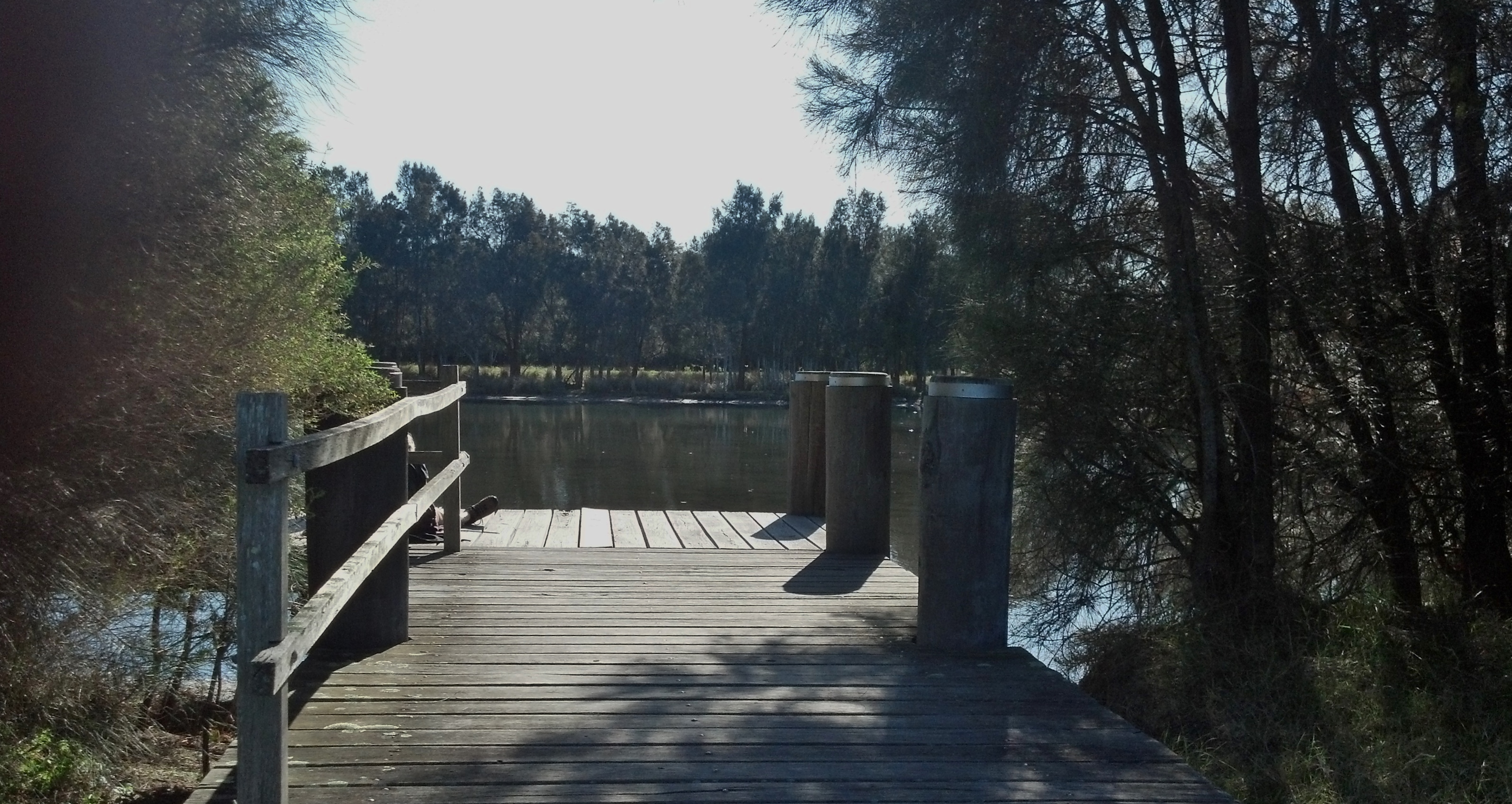
Peter took all these pictures this morning with his mobile phone!

2015-08-12_09-22-44_177

2015-08-12_09-48-23_322 (2)

2015-08-12_09-35-30_11

Peter and I had a beautiful walk up to this spot early this morning. I decided to take a rest here in the sun looking out unto the water.

2015-08-12_09-23-12_812 (2)

2015-08-12_09-23-35_745

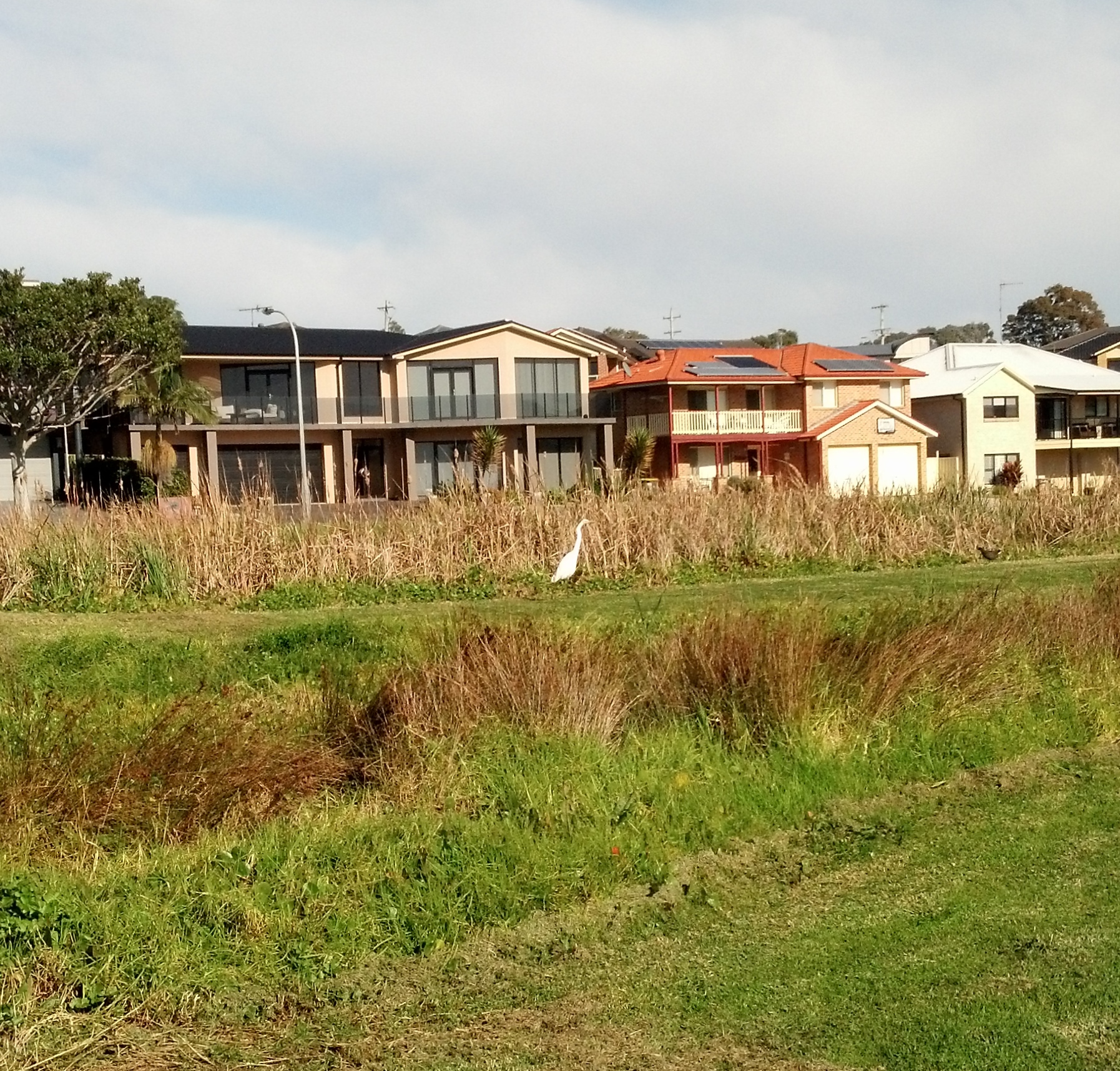
These are some of the houses near the street where we had parked our car.
Where the parking area is there is also this beautiful playground.

The Fuggerei is the world’s oldest social housing complex still in use.

Fuggerei

From Wikipedia, the free encyclopedia

The Fuggerei is the world’s oldest social housing complex still in use. It is a walled enclave within the city ofAugsburg, Bavaria. It takes it name from the Fugger family and was founded in 1516 by Jakob Fugger the Younger (known as “Jakob Fugger the Rich”) as a place where the needy citizens of Augsburg could be housed. By 1523, 52 houses had been built, and in the coming years the area expanded with various streets, small squares and a church. The gates were locked at night, so the Fuggerei was, in its own right, very similar to a small independent medieval town. It is still inhabited today, affording it the status of being the oldest social housing project in the world.

Fugger Fuggerei Herrengasse.jpg


Description

The rent was and is still one Rheinischer Gulden per year (equivalent to 0.88 euros), as well as three daily prayers for the current owners of the Fuggerei — the Lord’s Prayer, Hail Mary, and the Nicene Creed. The conditions to live there remain the same as they were 480 years ago: one must have lived at least two years in Augsburg, be of the Catholic faith and have become indigent without debt. The five gates are still locked every day at 10 PM.

Housing units in the area consist of 45 to 65 square meter (500–700 square foot) apartments, but because each unit has its own street entrance it simulates living in a house. There is no shared accommodation; each family has its own apartment, which includes a kitchen, a parlour, a bedroom and a tiny spare room, altogether totaling about 60 square metres. Ground-floor apartments all have a small garden and garden shed, while upper-floor apartments have an attic. All apartments have modern conveniences such as television and running water. One ground-floor apartment is uninhabited, serving as a museum open to the public. The doorbells have elaborate shapes, each being unique, dating back to before the installation of streetlights when residents could identify their unit by feeling the handle in the dark.

History

The Fugger family initially established their wealth in weaving and merchandising. Jakob the Rich expanded their interests into silver mining and trading with Venice. Additionally he was a financier and counted the Vatican as a notable client. The family became financial backers of the Habsburg family and he financed the successful election of Charles V as Emperor of the Holy Roman Empire in 1519.[1]

The Fuggerei was first built between 1514 and 1523 under the supervision of the architect Thomas Krebs, and in 1582 Hans Holl added St. Mark’s Church to the settlement. Expanded further in 1880 and 1938, the Fuggerei today comprises 67 houses with 147 apartments, a well, and an administrative building.

Wolfgang Amadeus Mozart’s great-grandfather, the mason Franz Mozart, lived in the Fuggerei between 1681 and 1694, and is commemorated today by a stone plaque.

The Fuggerei was heavily damaged by the bombings of Augsburg during World War II, but has been rebuilt in its original style.

Upkeep

The Fuggerei is supported by a charitable trust established in 1520 which Jakob Fugger funded with an initial deposit of 10,000 guilders.[1 According to the Wall Street Journal the trust has been carefully managed with most of its income coming from forestry holdings, which the Fugger family favored since the 17th century after losing money on higher yielding investments. The annual return on the trust has ranged from an after inflation rate of 0.5% to 2%. Currently the trust is administered by Wolf-Dietrich Graf von Hundt.

As of 2011, the fee for a tour into the Fuggerei is 4.00 euro — over four times the annual rent.

In 1977 Peter and I visited my cousin Renate and her family in Munich. From Munich we did a day trip to visit my uncle Edmund and his wife Flora in Augsburg. Among other things we visited with them the Augsburg Fuggerei. For lunch they invited us to the close by FUGGEREI STUBE.

Neptunbrunnen and Entrance to the Fuggerei
A street in the Fuggerei in 1977
Peter on the left, Uncle E behind Uta
A Restaurant near the Fuggerei

Face the World with a peaceful Mind . . .

DIGITAL CAMERA
A Visitor on our Back-Fence

Face the World with a peaceful Mind . . .
The continuation of this verse you can find here:

https://auntyuta.com/2012/08/23/about-mindfulness/#comments

I published this blog three years ago about a month after the death of our daughter Gabriele.

In response to a comment I wrote:

“These verses helped me to feel more grounded. I could have gone the other way, having been hit with so many disconcerting things during the last few days in connection with the estate of our deceased daughter. So it was wonderful to come across these pics just when I needed them. I decided then on the spur of the moment to share them in my blog. The pics were taken at the beginning of the month when we stopped at the Nan Tien Temple after having picked up our daughter Caroline from a train station. The surroundings of the temple always make us feel good.”

. . . . . .

Monday, 10th of August, 2015

We just booked another trip to Berlin for a family reunion, meaning in ten months we are going to be in Berlin with a lot of family members. We are already very excited about this!

The other day we booked a train-trip to Melbourne and return to Dapto. This means, this coming Friday we are going to take the day- train to Melbourne, where we are going to stay with our son Martin. On Monday we travel back home on the Sydney night-train. We are getting off at Moss Vale. From Moss Vale there is a railway bus that takes us down Macquarie Pass to our home-town, Dapto, where we arrive early on Tuesday morning

We are thinking of visiting the Nan Tien Temple some time after our return from Melbourne. We have not been at the temple for quite some time and are very much looking forward to experiencing again its calm and peaceful surroundings.

. . . .   . .

DIGITAL CAMERA
.Every day we eat a few cherries, usually with yoghurt or ice-cream or custard.

.

DIGITAL CAMERA
We can pick parsley like this  close by near a lane
DIGITAL CAMERA
This is a gift a neighbour gave me out of her garden.

DIGITAL CAMERAView from our kitchen

.DIGITAL CAMERA

Reading “Bittersweet”

The other day I payed the public library a visit and picked up “Bittersweet” by Colleen McCullough. In the meantime I have nearly finished reading this novel about Australian country life in the 1920s and beginning of the 1930s.  It was a hard time for Australian workers. This novel is mainly a family story. However, McCoullough describes with great insight the political situation during that time in Australia. A lot of it reminds me of present day politics. It is amazing how much present day politicians’ attitudes resemble what politicians were on about some eighty or ninety years ago!

  • THE COURIER-MAIL interviewed Colleen McCoullough at her house in  Norfolk Island in
  • OCTOBER 05, 2013 .

http://www.couriermail.com.au/news/colleen-mccullough8217s-new-book-bittersweet-a-summary-of-outspoken-novelist8217s-eventful-76-years/story-fnihsrk2-1226732980972#social-comments

I copied some excerpts from that interview:

” .  .  .  .

IT IS GETTING DARK IN THE FERNERY AND there is a fierce gale raging. It sounds like a jet aircraft roaring through the trees. A confined McCullough is relishing the drama. “Oh, I love the wind,” she says, looking to the ceiling. “I love it.”

In between preparing for the publication of Bittersweet, her first historical Australian saga with strong female characters – in this case two sets of twins, the indomitable Latimer sisters

– since The Thorn Birds, she has been rereading Antony and Cleopatra, the final book in her monumental seven-volume Masters of Rome series of novels.

“I’m reading my own,” she says flatly. (Laughter.)

Why?

“Boredom,” she says. “And I wanted to read a good book.” (Loud laughter.)

The novels have been lauded around the world, hailed by Roman scholars for their accuracy and applauded by the powerful, including former foreign minister Bob Carr

and US politician, consultant and author Newt Gingrich. It is the work she is most proud of.

“Nobody had ever written a big book about Caesar, ever,” she says. “Nobody had ever really written a big book about the Romans … I soon found out why, because the research was so fearsome. I thought, oh, good.”
The Rome books also delivered her something new – male readers. By the millions. In 2000 she was awarded the prestigious Scanno Prize for literature in Italy, largely on the back of her

Rome epic. Previous recipients included Nobel laureates Mario Vargas Llosa and Saul Bellow.

Then, last year, the Latimer twins arrived in her head and wouldn’t go away. Bittersweet – written, she says, to stave off boredom and amuse herself – is vintage McCullough. The tale of Edda, Grace, Tufts and Kitty, a suite of sisters who are at once attractive, intriguing, headstrong, outspoken, clever in different ways and vulnerable in others, is set in the imagined Australian country town of Corunda during the 1920s. The saga tracks their often hilarious interactions with each other, their romances, work and dreams in a country on the brink of depression.

The novel underlines several of McCullough’s enormous strengths as a writer – superbly deft characterisation, multiple plots that move apace, a warmth and generosity in the telling, and dialogue sharp and, in moments, uproariously funny. The book is also a meditation on love, and the decisions we make in life that riffle into our future. As McCullough’s London agent Georgina Capel reflects: “The reason for Colleen’s continuing success is that she understands what it is to love – to have loved greatly and to have received great love. She can express that better than any writer I can think of, and of course she has soul, which all enduring writers have to have.”

HarperCollins’ Sydney-based publishing director Shona Martyn says she “nearly fell out of bed” when she learned McCullough had penned a big, rambunctious historical Australian saga featuring four women. “I couldn’t believe it; then I read it and really loved it,” Martyn says. “She was a beacon for what Australian writers could do on the world stage, and she continues to refine her work.”

There is a sense of comfort in Bittersweet, too, as if McCullough the writer has, in some way, come home. “This new novel came out of nowhere,” she says. “Maybe when you’re 76, that’s where life is. It’s nowhere-ville because you could be dead tomorrow.”

She wanted to write about a country hospital, and nurses, and sisterly friendship. And, of course, men – the lovers and husbands who enter the Latimer sisters’ orbit. There are few novelists better on the humour inherent in the vanities and egos of pompous men.


.  .  .  .  . “

Towards the End of July 2015, Conference in the Hunter Valley

img098img099 (2)


Last weekend was educational for me with plenty of opportunity to reflect on different life styles and how people behave according to their station in life. It was also another lesson on how to cope with the inflictions of old age.

Peter and I have been members of the Good Government organisation for a number of years. Once every year, usually in July, the Good Government people organise a conference.   This time the conference was in the Hunter Valley. We had not been going to the last few conferences. We decided to go to the conference this year and at the same time maybe get to know a bit more about the Hunter Valley. We felt that at our advanced age it was a bit of a challenge for us. Nonetheless, there was no valid reason why we should not be able to make it, if only we put our mind to it.

The theme of the conference was:

The Crime of Poverty.

There were six speakers:

img100

img101

Henry George delivered an address in the Burlington Opera House, Iowa, on 1st April, 1885. The theme of the address was:

THE CRIME OF POVERTY

Last Saturday all the talks at the conference were centered on the above speech by Henry George.

You can look it up here:

http://www.historyisaweapon.com/defcon1/georgecripov.html

Our Day at Taronga Park Zoo

 This is where we met to catch the Ferry to the Zoo.

This is where we met to catch the Ferry to the Zoo.
DIGITAL CAMERA
DIGITAL CAMERA

DIGITAL CAMERA

DIGITAL CAMERA

DIGITAL CAMERA

DIGITAL CAMERA

Lucas with his uncle Troy on the boat
Lucas with his uncle Troy on the Ferry
DIGITAL CAMERA
DIGITAL CAMERA
DIGITAL CAMERA
DIGITAL CAMERA
The trip to Tarango Park Zoo did not take long.
The trip on the Ferry did not take long.

IMG_0974Chairlifts took us up to the entrance of the Zoo.

Peter took this picture on the way back to Circular Quay.
Peter took this picture on the way to the zoo.
Here is another picture that Peter took.

All the following pictures are Peter’s pictures too. I could not take any more pictures as we entered the Zoo. The reason? It turned out there were already too many pictures on my card! That meant my camera would not work for me anymore. Today Peter changed the card in my camera for a much larger card. So next time there will be no limit to how many pictures I can take, or at least not for a long while.

Here now are some more pictures that Peter took:

IMG_0953

IMG_0955

IMG_0956

IMG_0957

IMG_0959

IMG_0961

IMG_0963

IMG_0960

IMG_0962

IMG_0965

People have a great view from the top of Taronga Park Zoo.
The giraffes share the great view.

IMG_0969

IMG_0973

IMG_0975

IMG_0981

IMG_0978

2015-07-19_13-29-56_4

2015-07-19_13-37-10_617

2015-07-19_14-21-27_513